

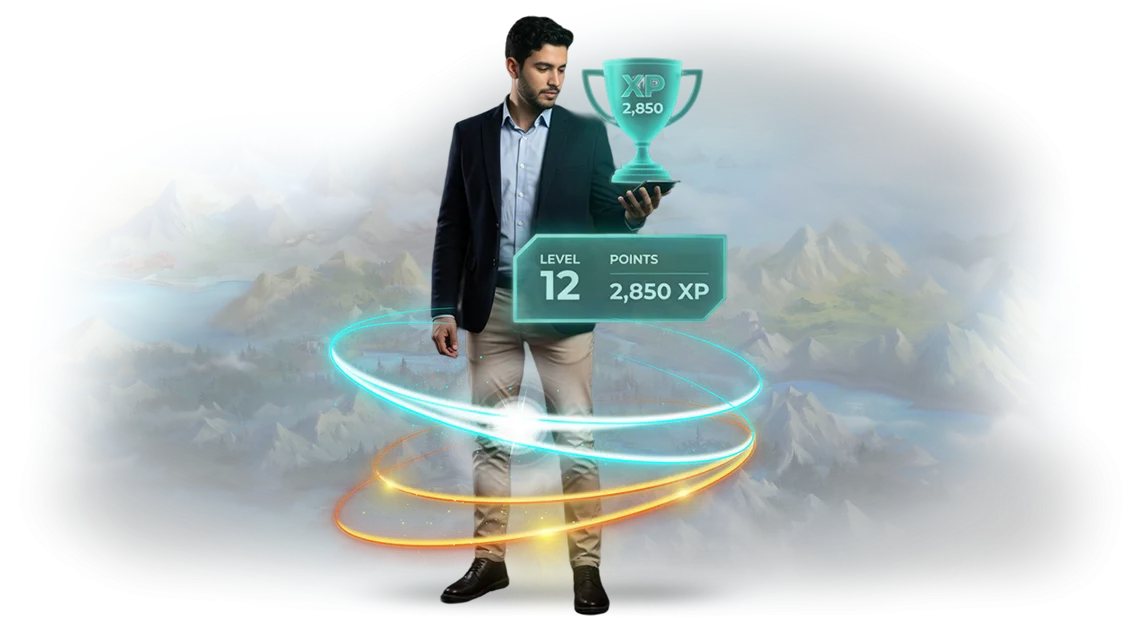
מדוע הכשרת מכירות סטנדרטית אינה מניבה תוצאות
הכשרת מכירות סטנדרטית ברוב החברות מסתכמת בהרצאות, מצגות ומבחני זיכרון. העובד נוכח פורמלית, אך תוך שבוע שוכח עד 80% מהחומר — וממשיך לעבוד לפי הרגלים ישנים. הכשרת המכירות הופכת לפורמליות שאינה משנה התנהגות ואינה משפיעה על תוצאות.
הבעיה המרכזית היא שפורמטים מסורתיים אינם לוקחים בחשבון את המוטיבציה של הצוות. מבוגרים לומדים טוב יותר כשהם רואים תועלת אישית ויכולים ליישם ידע בסביבה בטוחה.
הרצאות ותיאוריה יבשה אינן מספקות אף אחת מאלה, ולכן אנשי המכירות אינם מתרגלים מיומנויות וחוששים מהתנגדויות קשות.
כתוצאה מכך, החברה משקיעה כסף בהכשרה, ויעילות ההכשרה נותרת נמוכה: המכירות גדלות באופן מזערי, לקוחות עוברים למתחרים, ועובדים נשחקים.
מנהלים רואים ש"הכשרה לצורך סימון וי" אינה משתלמת ומתחילים לפקפק בכל תוכנית חינוכית.
אנו פותרים זאת באמצעות גיימיפיקציה של ההכשרה: אנו הופכים את התהליך לחוויה אינטראקטיבית עם מטרות ברורות, משוב ואלמנטים של תחרות.
אנשי מכירות מתרגלים תרחישים במצבים מציאותיים, רואים מיד את הטעויות שלהם ומקבלים מוטיבציה לשפר תוצאות. כך ידע הופך למיומנויות, והכשרת המכירות מתחילה להניב ערך מדיד לעסק.
מה הגיימיפיקציה תיתן למחלקת המכירות שלך
הגיימיפיקציה הופכת את הכשרת המכירות מחובה פורמלית לכלי שמשפיע ישירות על ההכנסות. במקום הרצאות משעממות ומבחנים, העובדים מקבלים תרחישי מכירה אמיתיים שבהם כל תגובה נכונה מזכה בנקודות, רמות והכרה.
כתוצאה מכך, לא רק ידע המוצר גדל, אלא גם הביטחון במשא ומתן, ולכן — ההמרה לעסקאות.
היתרון המרכזי לעסק הוא גידול מדיד במכירות. כאשר איש מכירות מתרגל התנגדויות ומצגות בסביבת משחק, הוא מביא את המיומנות לאוטומציה מהר יותר.
טעויות נעשות בפורמט בטוח, לא מול לקוחות אמיתיים, ולכן בתוך השבועות הראשונים לאחר ההשקה, הצוות מציג מדדים גבוהים יותר בחשבון הממוצע ובמספר העסקאות הסגורות.
במקביל, המנהל רואה סטטיסטיקות: מי למד את החומר ומי זקוק לתמיכה נוספת.
מעורבות עובדים היא ההשפעה החשובה השנייה. אלמנטים תחרותיים, דירוגים ותגמולים הופכים את ההכשרה לתהליך מרתק שרוצים להמשיך. אנשי מכירות מפסיקים לדחות קורסים "למועד מאוחר יותר" וחוזרים לסימולטורים בעצמם כדי להעלות את הרמה שלהם.
זה מפחית תחלופה ויוצר תחרות בריאה במחלקה, שבה שיטות עבודה מומלצות הופכות במהירות לנחלת הכלל.
לבסוף, הגיימיפיקציה חוסכת זמן למנהלים ולחונכים. תרחישים אוטומטיים בודקים מיומנויות ללא מעורבות אנושית, והמשוב מגיע באופן מיידי. הכשרת המכירות אורכת פחות זמן משמעותית מהכשרות קלאסיות, בעוד התוצאות נשמרות לאורך זמן.
במקום שבועות של קליטת עובד חדש, מספיקים מספר מפגשי משחק אינטנסיביים — והם מוכנים לשיחות הראשונות שלהם.
לפיכך, מכניקת משחק פותרת שלוש משימות במקביל: ההכנסות גדלות, הצוות נשאר ממוקד, וזמן ההכשרה מצטמצם.这不是 בידור לשם בידור, אלא כלי עסקי עם ROI ברור.
על ידי הטמעת גיימיפיקציה במחלקת המכירות שלך, אתה מקבל מערכת שמפתחת עובדים באופן רציף ומניבה תוצאות מדידות.
פורמטים של גיימיפיקציה להכשרת מכירות: כיצד לבחור
הכשרת מכירות מניבה תוצאות כאשר עובדים לא רק מקשיבים לתיאוריה אלא מתאמנים במצבים קרובים למציאות.
הגיימיפיקציה הופכת הכשרות לתרגול מרתק: העובד משוחח עם לקוח וירטואלי, עובר משימות ולומד מטעויות ללא סיכון למוניטין החברה.
בחירת הפורמט תלויה במטרת ההכשרה ובמספר העובדים. כדי שיהיה לך קל יותר להתמצא, ריכזנו את האפשרויות המרכזיות — מסימולטורים מהירים ועד לטבילה מלאה בעולם הווירטואלי של החברה.
| פורמט | למי | מה הוא נותן ללקוח |
|---|---|---|
| סימולטור מכירות עם אווטאר תלת-ממדי | לאנשי מכירות שעושים עסקאות ראשונות | תרגול תסריטים והתנגדויות בדיאלוג עם קונה וירטואלי, משוב והערכת מיומנויות מיד לאחר ההכשרה |
| משימות מוצר | לצוותים עם מבחר רחב | הכרת תכונות המוצר ויתרונותיו בצורת משחק, ביטחון מוגבר במענה לשאלות לקוחות |
| עולם וירטואלי של החברה | למחלקות מכירות גדולות ולהכשרת עובדים חדשים | טבילה מלאה בתהליכים: מהצגת המוצר ועד למשא ומתן מורכב, תקן הכשרה אחיד לכל הצוות |
הסימולטור נותן תוצאות מהירות ומתאים להכשרה שוטפת, המשימה מתאימה לבדיקת ידע, והעולם הווירטואלי מתאים לקליטה בהיקף נרחב. אנו ננתח את המשימה שלך ונציע פורמט שמתאים ללוחות הזמנים ולתקציב שלך.
כיצד מתבצע יישום הגיימיפיקציה: שלבי הפרויקט
יישום הגיימיפיקציה אינו דורש ידע טכני מהצוות שלך ואינו מסיח את דעת העובדים מהמשימות השוטפות. אנו לוקחים על עצמנו את כל הדרך — מהבריף ועד ההשקה והתמיכה, ואתה מקבל כלי הכשרת מכירות מוכן שעובד מיד.
- בריף וטבילה במשימות העסקיות. אנו לומדים אילו מיומנויות מכירה יש לשפר: טיפול בהתנגדויות, הצגת מוצר או עבודה עם שיחות קרות. אנו מתעדים מדדי מטרה — למשל, גידול בהמרה לעסקאות או קיצור זמן הגעה לתוכנית לעובד חדש.
- עיצוב תרחישי הכשרה. יחד עם המומחים שלך, אנו הופכים מקרים אמיתיים מפרקטיקת המכירות למצבי משחק. איש המכירות נכנס לדיאלוג וירטואלי עם לקוח ומתאמן בסביבה בטוחה שבה טעות אינה עסקה אבודה אלא צעד לקראת שליטה.
- פיתוח העולם התלת-ממדי והאווטארים. אנו יוצרים את המרחב החזותי של החברה — אולם תצוגה, חדר ישיבות, מחסן — ודמויות שאיתן העובדים מתקשרים. גרפיקה מזוהה מגבירה מעורבות, ואנשי המכירות מקבלים תחושה של "חזרה לפני העלייה לבמה".
- בניית מודולים אינטראקטיביים. אנו ממלאים תרחישים במערכת ניקוד, רמזים ומסלולים מסתעפים. העובד רואה אילו פעולות הובילו להצלחה ואילו לאובדן לקוח, ומקבל משוב מיידי.
- בדיקות עם קבוצת מיקוד. אנו משיקים גרסת פיילוט עם 5-10 עובדים, אוספים משוב ומשפרים את הממשק ואת רמת הקושי של המשימות. אתה מקבל פתרון מובן גם למי שנתקל בהכשרה תלת-ממדית בפעם הראשונה.
- השקה והתאמה ל-LMS שלך. אנו משלבים את התוכנית במערכת הלמידה מרחוק שלך ומגדירים מעקב תוצאות. העובדים מתחברים דרך פורטל ארגוני אחד — ללא התקנות נוספות או הוראות מורכבות.
- תמיכה ופיתוח. אנו עוקבים אחר סטטיסטיקות השלמה, עוזרים לעדכן תרחישים למוצרים חדשים ומבצעים עונתיים. אתה לא נשאר לבד עם הכלי — אנו שם בכל שלב.
תוצאה: אתה מקבל תוכנית פרויקט ברורה עם לוחות זמנים קבועים בכל שלב. מהבריף הראשון ועד ההשקה נדרשים רק מספר שבועות — לאחר הפיילוט, הכשרת המכירות מתחילה לעבוד למען ההכנסות שלך.
מה כלול במסירה: חבילה מלאה
אתה מקבל לא רק "קבצים על דיסק" אלא פתרון מוכן לחלוטין לשימוש להכשרת מכירות. המסירה כוללת כל מה שדרוש להשקה ולשימוש יומיומי: מהסביבה התלת-ממדית עצמה ועד לנהלים המאפשרים לצוות שלך לפתח את המוצר בלעדינו.
- סביבה תלת-ממדית מוכנה עם אווטארים ותרחישי הכשרה. דיאלוגים וירטואליים עם קונים, טיפול בהתנגדויות, תקני שירות — הכל עובד מיד לאחר ההשקה.
- תרחישי הכשרה מותאמים למשימות שלך. אנו ממלאים את הסימולטור במצבים אמיתיים מהנישה שלך: עד 10 תרחישי מכירה אופייניים. במידת הצורך, אנו מוסיפים חדשים לפי הבריף שלך.
- תיעוד מלא. הוראות למנהלי מערכת, מדריך למדריכים, תיאור לוגיקת התרחישים — מובן גם למי שמעולם לא עבד עם פתרונות תלת-ממדיים.
- אינטגרציה עם מערכת הלמידה שלך. תוצאות העובדים נכנסות אוטומטית ל-LMS שלך: התקדמות, ציונים, השלמת מודולים. לא תצטרך לאסוף נתונים ידנית.
- הכשרה למנהלי מערכת ומדריכים. אנו מקיימים 2-3 מפגשים: הגדרת תרחישים, הוספת תוכן, מעקב תוצאות. לאחר מכן, הצוות שלך עובד באופן עצמאי.
- תמיכה טכנית לתקופת האחריות. אנו עונים על שאלות, עוזרים בעדכונים ומתקנים במהירות כל תקלה אפשרית.
כתוצאה מכך, יש לך היקף מסירה שקוף המעוגן בחוזה: מערכת עובדת, תיעוד, אינטגרציה והכשרת עובדים. אתה מבין מה אתה מקבל בכל שלב ויודע בדיוק לאן לפנות לתמיכה לאחר ההשקה.
מקרה בוחן: כיצד הגדלנו את עמידה בתוכנית ב-28%
עבור רשת קמעונאות אלקטרוניקה פיתחנו תוכנית הכשרת מכירות מגוונת. בעבר, העובדים עברו הרצאות ומבחנים סטנדרטיים: הידע התנדף תוך שבוע, ותרחישי מכירה חדשים לא יושמו בפועל.
התוכנית מולאה במקרה הטוב בשלושה רבעים, והתחלופה בקרב חדשים הגיעה לשליש.
יצרנו עולם תלת-ממדי שבו כל איש מכירות — באמצעות אווטאר — תרגל מצבים אמיתיים: התנגדויות, עבודה עם לקוחות קשים, מכירת אביזרים נוספים. ההכשרה הפכה למשחק עם רמות, נקודות ודירוג קבוצתי.
מפגשים קצרים של 10-15 דקות יכלו להתבצע ממש בהפסקה, כך שההכשרה לא הפריעה לקצב העבודה.
התוצאות הופיעו תוך חודשיים. עמידה בתוכנית גדלה ב-28%, החשבון הממוצע עלה הודות למכירות נוספות, וחדשים הגיעו למדדי היעד פי שניים מהר יותר.
ציינו גם ירידה בתחלופה: אנשי המכירות הפכו מעורבים יותר בעבודה עם פורמט המשחק, והמנהלים קיבלו אנליטיקה מפורטת על התקדמות כל עובד.
מה אומר הלקוח
ראש מחלקת ההכשרה שיתף: "לראשונה, ההכשרה אינה נתפסת כמטלה חובה.
אנשי המכירות עצמם ביקשו תרחישים נוספים, והמספרים מדברים בעד עצמם." הרשת מרחיבה כעת את התוכנית לכל החנויות החדשות, ואנו הכנו גרסה מעודכנת תוך התחשבות במשוב "מהשטח".
רוצה תוצאות דומות? אנו נחשב כיצד הגיימיפיקציה תשפיע על המדדים שלך ונציע פתרון מותאם למשימה שלך.
מה אם העובדים לא יקבלו את הגיימיפיקציה?
החשש שעובדים ידחו את הגיימיפיקציה הוא אחד הנפוצים ביותר בקרב מנהלים לפני ההשקה. וזה מובן: מערכת חדשה היא שינוי בתהליכים מוכרים, וכל שינוי נתקל בהתנגדות.
אבל הגיימיפיקציה אינה נועדה "להכריח אנשים לשחק" אלא להפוך את ההכשרה לטבעית ומעניינת.
אנו מתכננים את המכניקה כך שתתחשב ברמות ניסיון ומוטיבציה שונות: מתחיל מקבל ניצחונות מהירים, איש מכירות מנוסה מקבל אתגרים ומעמד. כתוצאה מכך, המעורבות נוצרת מעצמה, ללא כפייה.
המפתח לקבלה הוא מעורבות בהתחלה. אנו לא מוסרים "קופסה" מוכנה; אנו מציגים אב-טיפוס, אוספים משוב מקבוצת פיילוט ומכווננים את התרחיש לפני שהמערכת נפרסת לכל העובדים.
זה מסיר את הסיכון המרכזי: עד להשקה המלאה, המכניקה כבר נבדקה על אנשים אמיתיים ואינה גורמת לדחייה.
מה אם כמה אנשי מכירות יחשבו שהמשחק ילדותי ולא ירצו להשתתף?
לעולם לא קורה שמערכת חדשה משמחת את כולם מהיום הראשון. לכן אנו בונים מראש "כניסה קלה": המשימות הראשונות אורכות כמה דקות, נראות פשוטות ונותנות תוצאות מיידיות — נקודות, התקדמות, השוואה עם עמיתים.
הסקפטיים נמשכים בהדרגה דרך תחרות בריאה. בנוסף, כמנהל אתה רואה סטטיסטיקות השתתפות ויכול לספק תמיכה ממוקדת לנשארים מאחור — למשל, באמצעות הכשרה נוספת או סקירה אישית.
כמה זמן עובדים צריכים כדי להתרגל לגיימיפיקציה?
השינויים הראשונים ניכרים תוך שבוע: פעילות מופיעה, תוצאות נדונות, והעניין בתחרות גובר. התאמה מלאה אורכת בדרך כלל 3-4 שבועות — במהלך תקופה זו המערכת הופכת לחלק מוכר מיום העבודה.
אנו תומכים בהשקה ומתאימים את רמת הקושי אם אנו רואים שמישהו נושר. כתוצאה מכך, אתה מקבל לא עוד "מטלת חובה" אלא כלי שעובדים עצמם פותחים בהנאה.
העיקר הוא שאנו מסירים סיכונים בשלב ההשקה. אנו מתחילים עם קבוצת פיילוט, אוספים תגובות אמיתיות ומתאימים את המכניקה לצוות שלך. ורק כאשר אנו רואים שהמערכת עובדת, אנו מרחיבים אותה לכל החברה. כך אתה שולט בתהליך וממזער הפסדים, והעובדים מקבלים הכשרה שהם באמת רוצים להשלים. אם תרצה לדון כיצד זה יכול להיראות במקרה שלך, השאר פנייה ונראה לך עם דוגמה.מוכן להשיק הכשרה מגוונת? השאר פנייה
מוכן להשיק הכשרת מכירות מגוונת? אז השלב הבא הוא להשאיר פנייה. נייעץ, נחשב עלות לאחר בדיקת היקף שלך, ונציע פורמט שמשתלב בקלות במערכת ההכשרה הקיימת שלך. ללא אישורים ארוכים — מהדיון הראשון ועד ההשקה בדרך כלל נדרשים מספר שבועות.
לאחר פנייתך, תקבל:
- ייעוץ ראשוני — נבחן כיצד הגיימיפיקציה תטפל ביעדים הספציפיים של מחלקת המכירות שלך: גידול בהמרות, טיפול בהתנגדויות, האצת קליטת עובדים חדשים.
- עלות מחושבת לאחר בדיקת העסק שלך — הערכה ברורה ללא הוצאות נסתרות או סיבוכים טכניים.
- בחירת תרחיש הכשרה — סימולציית משא ומתן, עבודה עם לקוחות קשים או תרגול תסריטים: נבחר לפי המטרות והמוצר שלך.
- הדגמה של אב-טיפוס עובד — תראה כיצד העובדים שלך יתאמנו, עוד לפני תשלום עבור השלב המרכזי.
- תוכנית השקה עם לוחות זמנים ברורים — מה אנו עושים, מתי ומי אחראי. אתה שולט בתהליך בכל שלב.
- תמיכה לאחר ההשקה — נעזור ליישם את התוכנית, נכשיר מדריכים ונכוונן את המכניקה לפי תוצאות ראשוניות.
אנו עובדים על ציוד מקצועי ומשתמשים בכלי פיתוח מוכחים, ולכן אנו מבטיחים פעולה יציבה של התוכנית על כל מחשבי העובדים. עבורך, זה אומר שההכשרה תושק בזמן ולא תדרוש תמיכה טכנית מתמדת.
השאר פנייה לגיימיפיקציה כבר עכשיו — תוך דקה ניצור איתך קשר, נענה על שאלותיך ונכין הערכה אישית. התחל עם ייעוץ ראשוני: אין לך מה להפסיד, ואתה מקבל תוכנית פעולה ברורה והבנה של התקציב.