

מדוע עובדים מובילים עוזבים ללא תוכניות חונכות
עובדים מובילים לא עוזבים בגלל השכר, אלא בגלל חוסר תמיכה ומשמעות בחודשים הראשונים לעבודה.
עובד חדש שלא מרגיש מחובר לצוות ולא רואה נתיב התקדמות מחליט לעזוב בתוך הרבעון הראשון — וזה קורה בשקט, ללא אזהרה.
כל עזיבה כזו משמעותה אובדן ידע, כסף שהושקע בגיוס, ועומס כפול על אלה שנשארים.
החברה משלמת פעמיים: על קליטה שלא עבדה, ועל חונכים שנאלצים לעבוד עם עובדים חדשים בזמנם הפנוי במקום להתמקד במשימות שלהם. קליטה חלשה של עובדים חדשים שוחקת בשקט את הצוות ומעלה את העלות של כל גיוס.
קליטה פורמלית משמעותה מצגות ומדריכים; הם לא יוצרים חיבור רגשי. לכן תוכניות חונכות, שבהן עובד מנוסה מדריך עובד חדש, הופכות לקריטיות.
אבל ללא גישה שיטתית, הן הופכות לנטל נוסף: החונך לא יודע מה ללמד, והעובד החדש לא רואה את ההתקדמות שלו.
גיימיפיקציה עסקית פותרת את הבעיה הזו. כשהחונכות הופכת לתהליך מרתק עם מטרות ברורות, רמות והכרה, העובד החדש נקלט מהר יותר, והחונך רואה תוצאות מוחשיות למאמציו.
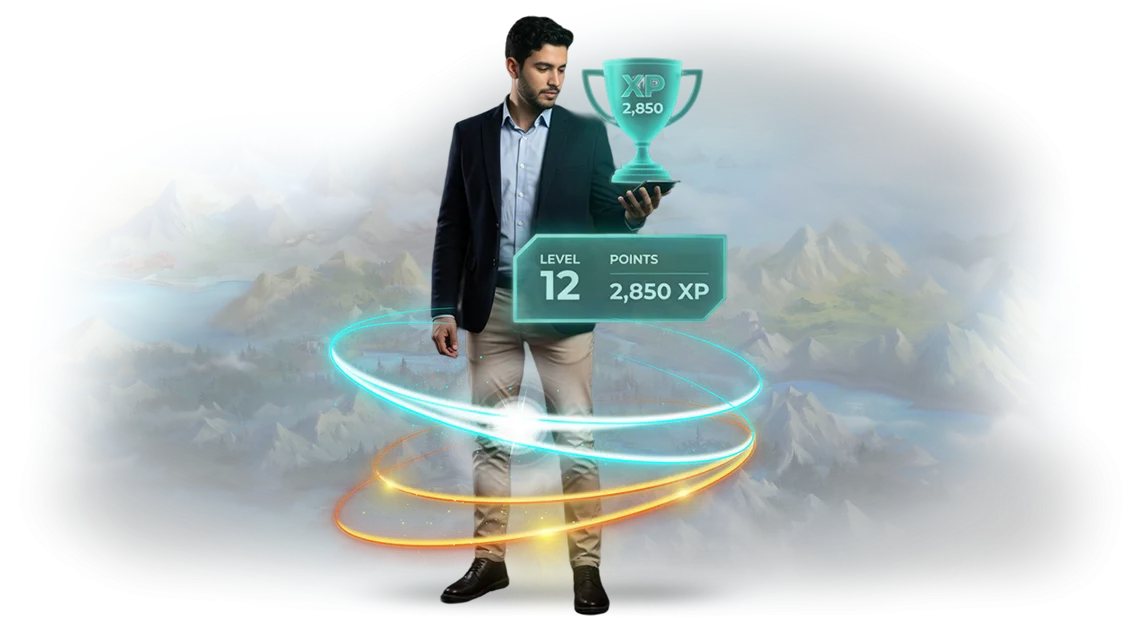
אנחנו יוצרים עולמות תלת-ממדיים של חברה שבהם כל שלב בקליטה מומחש: העובד עובר מפגישת צוות לפרויקטים המוצלחים הראשונים שלו, בעוד החונך צופה בצמיחה שלו בזמן אמת.
החברה מקבלת את הדבר העיקרי — שימור עובדים. מומחים מנוסים נשארים כי הם רואים משמעות בהעברת ידע, ועובדים חדשים לא מחפשים עבודה אחרת כי הם מרגישים מוערכים מהיום הראשון.
ללא תוכניות חונכות, עסק מאבד גם אנשים וגם ידע שלא ניתן לשחזר במהירות.
מה משתנה בחברה לאחר הצגת מכניקות משחק
לאחר הצגת מכניקות משחק לתוכנית החונכות, הדבר הראשון שמשתנה הוא מעורבות העובדים. עובדים מפסיקים לראות בהכשרה מטלה חובה — הם מוצאים עניין בהשלמת שלבים, צבירת נקודות וראיית התקדמות.
כתוצאה מכך, חונכים חולקים את הניסיון שלהם ברצון רב יותר, ועובדים חדשים מתערבים בתהליכי העבודה מהר יותר ומשיגים את התוצאות הראשונות שלהם.
מכניקות משחק מאיצות ישירות את למידת העובדים. כשהחומר מועבר דרך תרחישים, משימות ואלמנטים תחרותיים, הידע נספג 30–40% מהר יותר מאשר בהרצאות קלאסיות.
אנשים זוכרים לא הוראות אלא חוויות שעברו, ולכן בעבודה אמיתית הם פועלים בביטחון רב יותר ועושים פחות טעויות.
במקביל, התרבות הארגונית מתחזקת: מטרות משותפות, משימות צוותיות ואתגרים יוצרים תחושת שייכות למטרה משותפת. עובדים מתקשרים יותר בין מחלקות, עוזרים זה לזה, ומרגישים שההתפתחות שלהם באמת חשובה לחברה.
זה מפחית תחלופה — אנשים נוטים פחות לעזוב כשהם רואים שהחברה דואגת להם ומציעה מערכת צמיחה ברורה.
האפקט המרכזי הוא צמיחה במדדים תפעוליים ללא הגדלת מצבת כוח האדם. עובדים מיומנים ומעורבים מגיעים מהר יותר לפריון מתוכנן, עובדים עם לקוחות ביעילות רבה יותר, ומייצרים יותר הכנסות.
מכניקות משחק מחזירות את ההשקעה על ידי קיצור זמן הקליטה והגברת נאמנות בקרב מומחים מרכזיים. אנחנו עוזרים ליישם פתרונות כאלה המותאמים למטרות החברה שלך — תוך התחשבות במאפייני התעשייה ובתהליכים הנוכחיים, מבלי לשבש את הפעילות השוטפת.
פורמטים של תוכניות חונכות מגוימות
חונכות לעיתים קרובות נתקעת כי היא נראית כמו התחייבות פורמלית: פגישות של סימון וי, משימות מפוזרות, ללא התקדמות מוחשית. גיימיפיקציה פותרת את זה — היא הופכת את התוכנית למשחק עם מטרה, חוקים, רמות ותגמולים.
החונך והעובד החדש תמיד יודעים איפה הם נמצאים ומה לעשות הלאה, בעוד המנהל רואה מי מתקדם ומי זקוק לתמיכה.
אנחנו בוחרים את הפורמט על סמך המטרות וההיקף של הצוות: מה שעובד מצוין למחלקה של עשרה אנשים לא ניתן להרחבה למאות או אלפי עובדים. לכן אנחנו משתמשים בפורמטים מוכחים — ממשחקי קופסה קומפקטיים ועד עולמות חברה דיגיטליים מלאים. הטבלה מציגה פתרונות אופייניים וההשפעה העסקית שלהם.
| פורמט | למי | מה זה נותן ללקוח |
|---|---|---|
| משחק קופסה | תוכניות פיילוט, מחלקות קטנות, מפגשים פרונטליים | מעורבות מהירה של כל הצוות בערב אחד, חיבור צוותי, משוב מיידי |
| סימולציה דיגיטלית | צוותים מפוזרים, חונכות מרחוק, הרחבה | חוסך זמן מנהלים, תקן השלמה אחיד, מכסה את כל הסניפים ללא נסיעות |
| עולם חברה תלת-ממדי | תוכניות גדולות, מחלקות שלמות, הטמעת מותג | הטמעה בערכי החברה, חונכים כגיבורי עולם, הכרת מותג ואורך חיים ארוך לתוכנית |
קל לשלב בין הפורמטים: התחילו עם משחק קופסה בפיילוט, ואז העבירו את המכניקות המעודנות לסימולציה דיגיטלית או לעולם תלת-ממדי. כך אתם מפחיתים סיכונים ומקבלים תוכנית שגדלה עם הצוות שלכם. נמצא את הפורמט המתאים למשימה שלכם — מהרעיון ועד ההשקה.
שלבי הפיתוח של מערכת משחק לצוות שלכם
פיתוח גיימיפיקציה לתוכניות חונכות אינו משימה טכנית אלא החלטה ניהולית. מבננו את התהליך כך שבכל שלב תבינו מה קורה, אילו מטרות מטופלות ומתי יופיעו תוצאות מדידות.
- בריף והבנת המשימה. אנו לומדים את תוכנית החונכות שלכם, מטרותיה, קהל היעד והאתגרים הנוכחיים. אנו מתעדים את התוצאות שאתם מצפים להן: קליטה מהירה יותר, יותר מפגשים משותפים, שיתוף ידע קל יותר.
- עיצוב מכניקות משחק. על סמך הבריף, אנו מציעים תרחיש: כיצד אווטארים תלת-ממדיים והעולם הווירטואלי של החברה יעזרו לחונכים ולחניכים. אנו קובעים איזה סוג של גיימיפיקציה נדרש — הישגים, רמות, משימות משותפות.
- אישור אב טיפוס. אנו מציגים את המסכים המרכזיים, לוגיקת האינטראקציה והעיצוב החזותי לפני תחילת הפיתוח המלא. אתם מבצעים עריכות ללא עלויות נוספות או עבודה חוזרת.
- פיתוח ואינטגרציה. אנו יוצרים את העולם התלת-ממדי והאווטארים על פלטפורמת משחק מקצועית, מחברים את המערכת לתוכנית החונכות שלכם או בונים מודול עצמאי. המוצר העובד הראשון מופיע בשלב זה.
- בדיקת קבוצת פיילוט. אנו משיקים את המערכת בקרב קבוצה קטנה של עובדים, אוספים משוב והצעות. אנו מתקנים כל מה שמפריע לשימוש, ורק אז מרחיבים.
- השקה ותמיכה. אנו מאמנים מנהלים, עוזרים להכריז על המערכת החדשה לצוות ועונים על שאלות משתתפים. אנו נשארים בקשר לאחר ההשקה — המערכת מוכנה לשימוש מיידי, ואנו תומכים בה במהלך השבועות הראשונים.
בסופו של דבר, אתם מקבלים לא משחק לבידור אלא כלי עבודה: עובדים מתערבים בחונכות מהר יותר, הם מקבלים מטרה ברורה ותמריץ להתקדם בתוכנית. ואתם מקבלים תהליך פיתוח שקוף עם שלבי אישור ברורים והשקה מתוכננת.
מה כלול בחבילת פתרון המשחק המוכן
אתם מקבלים חבילת מסירה אחת, לא קבצים מפוזרים. כל מה שנוצר בפרויקט — תרחישים, תוכן תלת-ממדי, מכניקות והוראות — מאורגן בחבילה מובנית שהצוות שלכם יכול להשתמש בה מיד לאחר ההשקה.
הנה מה שכלול בפתרון המוכן:
- תרחישי משחק למטרות חונכות — קווי עלילה מפורטים, משימות ונקודות החלטה לשלבים שונים: היכרות, הכשרה, הערכת מיומנויות וגיבוש תוצאות. קל להתאים את התרחישים לתוכנית שלכם.
- אווטארים תלת-ממדיים ועולם המשחק של החברה — דמויות ממותגות, מיקומים וסביבות המשקפים את סגנון המותג. משתתפים שוקעים בסביבה מוכרת, והחברה מקבלת ערוץ נוסף להכרת המותג.
- מכניקות חונכות — כלים מובנים להקצאת משימות, מעקב אחר התקדמות משתתפים, מתן משוב והענקת תגמולים. הרכז רואה מי מתקדם בשלבים ומי תקוע.
- פאנל ניהול — ממשק אינטואיטיבי לניהול משתתפים, תפקידים והגדרות. הגדרת התוכנית אינה דורשת מתכנת: שינויים מתבצעים באמצעות טפסים ידידותיים.
- תיעוד והוראות — מדריכים קצרים לחונכים, מנהלים ומשתתפים. כל מקרי השימוש, השלבים האופייניים והשאלות הנפוצות מכוסים.
- זכויות וחומרים ניתנים לעריכה — כל הקניין הרוחני מועבר אליכם. אתם יכולים לשנות טקסטים, משימות ותוכן למטרות חדשות ללא פנייה למפתחים.
- תמיכה בהשקה — סיוע בהעלאה, הגדרה ומפגשי המשחק הראשונים. חונכים מקבלים תשובות לשאלותיהם, ואתם מקבלים ביטחון שהכל מתנהל לפי התוכנית.
חבילת המסירה מסוכמת מראש ומקובעת באומדן, כך שאתם יודעים בדיוק אילו נכסים תקבלו וכיצד להשתמש בהם.
הכל ארוז למטרה: להשיק תוכנית חונכות ולקבל תוצאות מדידות — מעורבות גבוהה יותר, זמן קליטה מופחת ונאמנות עובדים.
מקרה בוחן: איך משחק קירב בין עובדים מנוסים לעובדים חדשים
רשת הקמעונאות Север התמודדה עם נקודת כאב אופיינית: קליטת עובדים חדשים נמשכה שלושה חודשים, עובדים מנוסים נמשכו כל הזמן להכשרות, ועמיתים חדשים הלכו לאיבוד במבול של הוראות.
הצענו להחליף חלק מהחומרים בעולם חברה תלת-ממדי אינטראקטיבי, שבו העובד החדש פוגש תהליכים ואנשים דרך משחק במקום מצגת משעממת.
איך בנינו את התוכנית
במקום הרצאות, הצוות שוקע במשרד וירטואלי: משלים משימות, מתקשר עם חונכים דיגיטליים ומקבל רמזים בדיוק כשהם נחוצים.
עובדים מנוסים משתתפים במפגשי משחק קצרים — שיתוף הידע מפסיק להיות מונולוג והופך לדיאלוג חי.
תוצאות לאחר שלושה חודשים
הקליטה הפכה למהירה פי שניים: עובדים חדשים הגיעו לעבודה עצמאית תוך שישה שבועות. המעורבות גדלה — 87% מהמשתתפים השלימו את כל המודולים, ותשעה מתוך עשרה המליצו על התוכנית לעמיתיהם.
עבור העסק, זה אומר פחות הפסדים מ"התאקלמות" בצוות והחזר מהיר על ההשקעה באנשים. הלקוח קיבל כלי שקל להרחיב לתהליכים חדשים — וכבר הרחיב את המשחק לקבוצת החונכות הבאה.
אנחנו משתמשים כעת בניסיון הזה כבסיס לפרויקטים בחברות אחרות: מכניקת הקליטה עובדת באותה מידה בקמעונאות ובמגזר השירותים.
איך לבחור פורמט גיימיפיקציה למשימה שלכם?
אין תשובה אחת שמתאימה לכולם — פורמט הגיימיפיקציה תלוי באיזו מטרת חונכות אתם פותרים. להכיר לעובד חדש את התרבות הארגונית במהירות? ללמד את המוצר ללא מצגות משעממות? לשמור על עניין של עובדים מנוסים בצמיחה?
לכל בקשה יש מכניקה מתאימה: מחידונים קצרים ומשימות ועד מרחב חברה תלת-ממדי מלא.
לדוגמה, אם המטרה היא להאיץ קליטה, מסלול משרדי אינטראקטיבי או מדריך וירטואלי מספיקים. אם צריך להעביר ידע מורכב ולתרגל מיומנויות, תרחישים עם בחירות החלטה ומשוב עובדים טוב יותר.
ולבניית קהילה והפעלת תוכניות חונכות על בסיס קבוע, עולם הוליסטי שבו עובדים מתקשרים דרך אווטארים הוא הבחירה הנכונה.
חשוב שהפורמט לא יהיה מטרה בפני עצמו. גיימיפיקציה עובדת כשהיא פותרת בעיה עסקית ספציפית: מקצרת זמן עד פריון מלא, מגדילה את חלקם של תקופות ניסיון שהושלמו בהצלחה ומפחיתה תחלופה בקרב עובדים חדשים. אנחנו תמיד מתחילים מהמדדים האלה, לא ממכניקות אופנתיות.
אנחנו לא מציעים "פתרון אחד שמתאים לכולם" — במקום זאת, אנחנו מתחילים בניתוח המצב שלכם. במהלך ייעוץ קצר, אנו מבהירים מי ישתתף בתוכנית, אילו תוצאות אתם רוצים למדוד ובאיזה מסגרת זמן.
לאחר מכן אנו מציגים 2-3 פורמטים מתאימים עם דוגמאות ומסבירים מה כל אחד ייתן לכם ולמשתתפים.
אתם לא צריכים להבין במכניקות משחק או בפרטים טכניים. פשוט תארו את המשימה במילים שלכם — אנחנו נתרגם אותה לשפת הגיימיפיקציה ונציע את האפשרות האופטימלית.
הייעוץ הזה אינו מחייב לחלוטין: תקבלו נקודות התייחסות גם אם אתם לא מוכנים להשיק פרויקט עדיין.
שאלות נפוצות על יישום מכניקות משחק
לפעמים ספקות מונעים מלעשות את הצעד הראשון: נדמה שגיימיפיקציה היא מסובכת, יקרה, ועובדים לא יקבלו אותה.
בפועל, רוב החששות נפתרים בשלב הדיון, ומכניקה מעוצבת היטב מחזירה את ההשקעה דרך מעורבות ותוצאות חונכות. אנו עונים על השאלות המרכזיות כדי שתוכלו לקבל החלטות על סמך עובדות, לא פחדים.
האם זה לא קשה מדי ליישם מכניקות משחק בחונכות?
אנו מתאימים את הפתרון לתהליכים הנוכחיים של החברה שלכם — אין צורך לשנות נהלים קיימים או להעסיק צוות נפרד. הצוות שלנו מטפל בהגדרה, והעובדים שלכם מקבלים ממשק פשוט וברור. אנו עורכים הכשרה בשלב ההשקה, ותמיכה שוטפת נשארת איתכם.
איזה תקציב צריך לתכנן, ומתי נראה החזר?
העלות מחושבת באופן פרטני על סמך המטרות שלכם והיקף תוכנית החונכות. אנו מציעים יישום בשלבים — אתם יכולים להתחיל בפרויקט פיילוט ולהעריך את האפקט על פיו.
ההחזר מופיע בקיצור זמן הקליטה של עובדים חדשים, במעורבות גבוהה יותר ובתחלופה נמוכה יותר, מה שמפצה במהירות על ההשקעה.
מה אם עובדים לא ירצו להשתתף?
מכניקות משחק מבוססות על מניעים טבעיים: התקדמות נראית לעין, הכרה בהישגים ורוח תחרותית. ההשתתפות הופכת לוולונטרית אך אטרקטיבית.
אנו מעצבים את התרחיש כך שיתחשב בתרבות הארגונית ויהיה נוח לדורות שונים של עובדים — מעובדים חדשים ועד חונכים מנוסים.
איזו תמיכה זמינה לאחר ההשקה?
אנחנו לא נוטשים את הפרויקט לאחר המסירה: אנו עוזרים בניהול, מנתחים פעילות ומתקנים את המכניקות אם אנו רואים מקום לשיפור. התמיכה נשארת זמינה לחונכים ולמשתתפים, כך שהתוכנית פועלת באופן אמין וגדלה עם העסק שלכם.
השיקו מערכת משחק להכשרת עובדים
תוכניות חונכות רגילות הופכות לעיתים קרובות לפורמליות: עובדים מעיינים בחומרים אבל לא מתערבים. מערכת משחק הופכת את ההכשרה לפורמט שבו כולם באמת רוצים להשלים שלבים, להתחרות ולהשיג מטרות. אנחנו עוזרים להשיק מערכת כזו המותאמת למטרות החברה שלכם.
כדי לעזור לכם להבין איך זה יעבוד עבורכם, הנה תהליך פשוט שלב אחר שלב:
- שלחו בקשה לפיתוח — נשלח שאלות לאומדן מקדים ונקבע פגישה.
- נקיים ייעוץ עם הצוות שלכם: נדון בתוכנית החונכות, בקריטריונים להערכת עובדים ובתרחישים שצריך לדיגיטציה.
- נכין את קונספט מערכת המשחק: מכניקות, רמות, תגמולים וקשרים למשימות עבודה.
- נציג הדגמה באמצעות התרחישים האמיתיים שלכם — תראו איך נראים משימות, משוב והתקדמות גם עבור החונך וגם עבור החניך.
- נסכם על לוחות זמנים, שלבים ועלות — ללא תנאים נסתרים.
- נפתח ונשיק את המערכת, נאמן מנהלים ונספק תמיכה.
לאחר ההשקה, ההכשרה הופכת לניתנת לניהול: אתם רואים את ההתקדמות של כל עובד, מבינים היכן הקשיים ומתקנים את התוכנית. זהו כלי עבודה, לא צעצוע לבידור: הוא משפר מעורבות ותוצאות חונכות.
שלחו בקשה — נשלח אומדן עלות על סמך התרחיש שלכם ונציג הדגמה באמצעות דוגמה מהתעשייה שלכם. ייעוץ של 20 דקות מספיק לאומדן; אנחנו נטפל בשאר.