

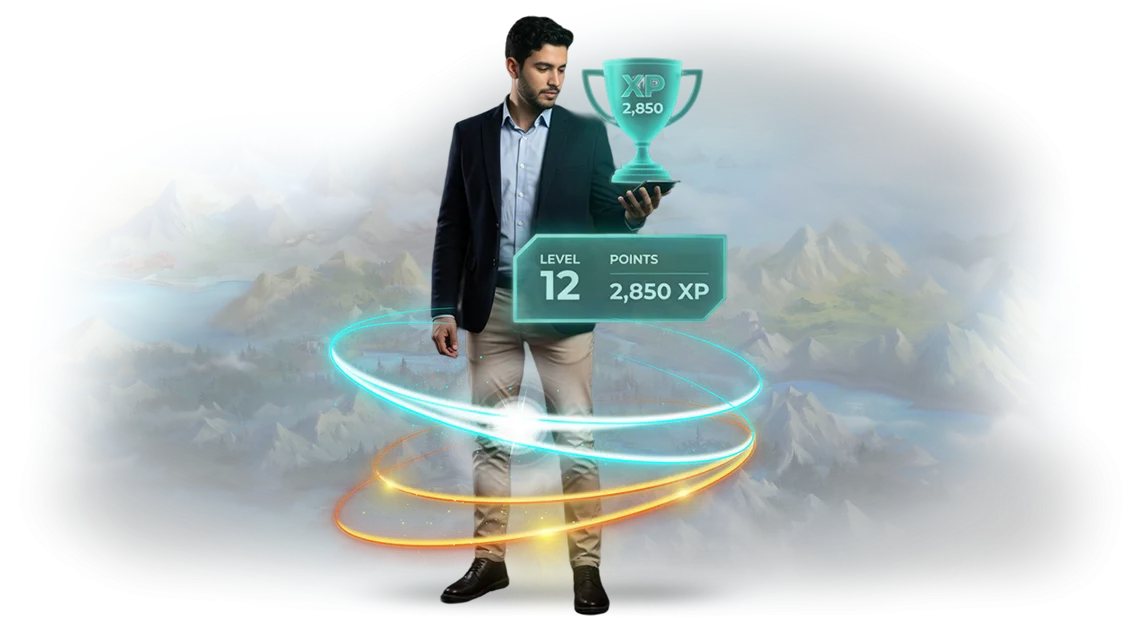
לקוחות מאבדים עניין בתוכניות פיתוח מנהיגות. למה?
מנהלים ואנשי משאבי אנוש משקיעים בתוכניות פיתוח מנהיגות, אבל חודש אחרי ההכשרה, מעט מאוד משתנה. עובדים יושבים בהרצאות, מהנהנים במבחנים, וחוזרים להרגלים ישנים.
האפקטיביות של תוכניות מנהיגות מתבררת כקרובה לאפס, והשאלה "למה אנחנו צריכים את זה" נשמעת יותר ויותר.
בעצם, יש סיבה אחת — למידה פסיבית. המשתתפים מקשיבים וצופים, אבל לא חווים מצבים, לא מקבלים החלטות, ולא רואים השלכות.
בלי תרגול, כישורים לא נתפסים, כך שהמעורבות של העובדים צונחת במהירות, והתוכנית נתפסת כפורמליות.
גיימיפיקציה של למידה פותרת את הבעיה הזו. במקום שקופיות — תרחישים אינטראקטיביים שבהם מנהיג עתידי עובד עם צוות, פותר קונפליקטים, ומקצה משאבים.
זהו מגרש אימונים בטוח לפני אתגרים אמיתיים: אפשר לעשות טעויות, לנסות אסטרטגיות שונות, ולקבל משוב מיידי.
פיתוח מנהיגות מפסיק להיות הרצאה והופך לתהליך מרתק. עובדים מתחרים, משיגים מטרות, ורואים את ההתקדמות שלהם.
כך, תוכניות פיתוח מנהיגות מספקות תוצאות מדידות: מעורבות גבוהה יותר, היווצרות מהירה יותר של כישורי ניהול ותקשורת, ידע הופך להתנהגות.
אנחנו מתכננים בדיוק פתרונות כאלה — ממכניקת משחק ועד עולמות תלת-ממדיים לחברות. גיימיפיקציה של למידה נוגעת בנקודות הכאב שהלקוחות שלנו מביאים אלינו והופכת פיתוח מנהיגות לכלי עסקי עובד.
למה גיימיפיקציה מחזקת מנהיגות של עובדים?
מנהיגים נתקלים לא פעם בעובדה שהכשרות קלאסיות לא משנות את התנהגות העובדים: אחרי ההכשרה, כולם חוזרים לפעולות הרגילות.
גיימיפיקציה של תהליכים עסקיים פותרת את הבעיה הזו — תכונות מנהיגות מתורגלות בסביבת משחק שבה כל משתתף מוצא את עצמו במצבים של בחירה, אחריות, וניהול צוות. זהו היתרון המרכזי: כישורים מפסיקים להיות תיאוריה והופכים לדפוסי התנהגות ברי-קיימא.
מעורבות היא הדבר המרכזי שגיימיפיקציה מביאה לתוכניות פיתוח מנהיגות. עובדים מבצעים משימות בעניין, מתחרים בהתלהבות, שואפים להשיג מטרות ולזכות בתגמולים.
כתוצאה מכך, התוכנית נקלטת לעומק רב יותר, ומספר המסיימים את ההכשרה גדל. המנהיג מקבל לא מאזינים פסיביים, אלא משתתפים פעילים שבאמת משתמשים בכלים חדשים בעבודתם.
עבודת צוות חשובה לא פחות: תרחישי משחק מאלצים אנשים לנהל משא ומתן, להקצות תפקידים, לקבל החלטות משותפות, ולסמוך זה על זה. בתנאים כאלה, מנהיג מתגלה באופן טבעי — הוא מוביל את הקבוצה לתוצאות, לוקח אחריות על טעויות, ותומך באחרים.
אלה בדיוק התכונות שהעסק צריך, ואלה בדיוק מה שגיימיפיקציה יכולה לפתח — בבטחה, ללא סיכון לפרויקטים אמיתיים.
לפיכך, היתרונות של גיימיפיקציה ברורים: מעורבות מוגברת, שיפור באינטראקציה הצוותית, ופיתוח תכונות מנהיגות של עובדים.
תוכנית פיתוח מנהיגות הבנויה על מכניקת משחק מספקת תוצאות מדידות — הצוות שלך מתחזק, והעסק שלך הופך עמיד יותר לשינויים.
פורמטים של גיימיפיקציה: מה לבחור למשימה שלך
תוכנית פיתוח מנהיגות מספקת תוצאות כשהמשתתפים לא רק מקשיבים אלא פועלים. גיימיפיקציה הופכת למידה לחוויה: אדם מתנסה, עושה טעויות, מקבל החלטות, ורואה השלכות — כך כישורים נתפסים מהר יותר מאשר בהרצאה.
ישנם מספר פורמטים, וכל אחד נותן מענה למשימה שלו. חשוב להתאים את המכניקה למטרה: לגייס את הצוות, לתרגל החלטות ניהוליות, או לאחד עובדים.
| פורמט | למי | מה הוא נותן ללקוח |
|---|---|---|
| אווטארים תלת-ממדיים | מנהלים, שגרירי מותג | המשתתפים חווים את תפקיד המנהיג, מפתחים הצגה עצמית, והמותג מקבל גיבורים מוכרים |
| עולם חברה וירטואלי | עובדים חדשים, צוותים שכנים | שקיעה בתרבות הארגונית, היכרות עם ערכים, ונאמנות למעסיק |
| מסעות חברה | צוותים שצריכים לעבוד יחד | רוח תחרותית, תרגול אינטראקציה, צמיחת מוטיבציה ללא כפייה |
| סימולציות | מנהלים שצריכים תרגול | תרגול בטוח של החלטות: ההשלכות נראות מיד, טעויות לא עולות לעסק כסף |
לרוב, המשימות מורכבות: העולם הווירטואלי משולב עם מסעות, ואווטארים תלת-ממדיים משמשים לחונכות. אנחנו מתאימים את הפורמט למטרה ולתקציב, במקום להציע "חבילה מהמדף."
אנחנו מפתחים על Unity — זה מספק תוצאות יציבות בכל מכשיר של משתתף. עם ניסיון של 10+ שנים, הרצנו עשרות תוכניות לעסקים ואנחנו יודעים איזו מכניקה באמת תופסת תשומת לב.
איך פרויקט גיימיפיקציה מתנהל: שלבים מבריף ועד השקה
כדי להבטיח שגיימיפיקציה באמת מפתחת תכונות מנהיגות ולא רק תמונה יפה, התהליך שקוף ומדורג.
אתה תמיד מבין באיזה שלב הפרויקט נמצא, מה כבר נעשה, ומה תקבל כתוצאה — ללא הפתעות בלוחות זמנים או בתקציב.
- בריף והגדרת מטרות — אנו דנים ביעדי תוכנית פיתוח המנהיגות: איזה מודל כשירות אנחנו בונים, מי המשתתפים, אילו תרחישים נדרשים. בשלב זה, אנו מגדירים קריטריוני הצלחה כדי שלא יהיו מחלוקות על תוצאות בהמשך.
- עיצוב תרחיש ומכניקה — אנו מפתחים את העלילה של העולם הווירטואלי, התפקידים, והמצבים שבהם המשתתף מתרגל כישורים. אנו קובעים איך ייראו האווטארים והמרחב הארגוני, ואיך המשתתף מקבל משוב.
- אב-טיפוס ואישור — אנו בונים גרסת הדגמה עובדת עם סצנות מפתח. אתה רואה איך המשחק נראה ומורגש, ועורך שינויים לפני שפיתוח בקנה מידה מלא מתחיל — זה חוסך זמן ותקציב.
- פיתוח עולם ואווטארים — אנו ממלאים את העולם בפרטים, יוצרים דמויות, אובייקטים וממשקים. גרסאות ביניים מוצגות בשיחות תקופתיות, כך שאתה שולט בתהליך.
- אינטגרציה ובדיקות — אנו מחברים את מערכת מעקב התוצאות ובודקים את התרחיש במכשירים שונים ובתנאים שונים. המטרה היא שהכל יעבוד ללא תקלות ביום ההשקה, ושהמשתתפים לא יוסחו על ידי בעיות טכניות.
- השקה ותמיכה — אנו מגדירים גישה, שולחים הזמנות למשתתפים, עוקבים אחר התקדמות, ואוספים סטטיסטיקות. אחרי סיום התוכנית, אנו מספקים דוח מדדים ומציעים כיצד לפתח את התרחיש לקבוצה הבאה.
מה כלול בפרויקט גיימיפיקציה: חבילת מסירה
חבילת המסירה היא פתרון מוכן לתוכנית פיתוח המנהיגות, לא אוסף של קבצי מקור. אתה מקבל כל מה שצריך להשקה: תרחיש, דמויות, מכניקה והנחיות. כל מה שנותר לך הוא להזמין עובדים.
- תרחיש גיימיפיקציה: עלילה ותפקידים הקשורים ליעדים העסקיים שלך. המשתתפים עוברים מצבים דומים למשימות ניהוליות אמיתיות ומתרגלים כישורים ללא סיכון לחברה.
- דמויות ואווטארים תלת-ממדיים: גיבורים שעובדים מתקשרים איתם. הם תופסים תשומת לב והופכים למידה למעורבת רגשית, מה שמשפיע ישירות על שימור החומר.
- מכניקת משחק: מערכת של נקודות, רמות, תחרויות צוותיות ואישיות. חוקים ברורים יוצרים תחרות בריאה ומניעים משתתפים לסיים את התוכנית ולא רק "למראית עין."
- הנחיות למנהלים: חומרים שלב-אחר-שלב כיצד להשיק את התוכנית, להריץ מפגש, ולסקור תוצאות. אתה לא צריך לעצב כלום — רק לעקוב אחרי התרחיש.
- הכשרה לצוות שלך: אנו מקיימים מפגש מקוון מעשי שבו אנו מראים כיצד לנהל את המשחק, להוסיף משתתפים, ולעקוב אחר התקדמות כל אדם.
- חומרים מתודולוגיים: דפי עזר, רשימות בדיקה ומצגות למשתתפים ולמדריכים. הכל במקום אחד, קל לשימוש בעת הרחבה למחלקות חדשות.
- תמיכה בהשקה: במהלך ההרצה הראשונית, אנחנו זמינים, עוזרים לפתור בעיות, ועורכים שינויים בתרחיש אם התוצאות הראשוניות דורשות זאת.
חבילה זו נותנת מענה לצורך העסקי המרכזי: אתה מקבל תוצאות מדידות ללא הטמעה ממושכת. עובדים רוכשים כשירויות מנהיגות מהר יותר, ואתה רואה מי מוכן לקידום.
מקרה בוחן: איך גיימיפיקציה הגבירה מעורבות בהכשרה
עבור תוכנית פיתוח המנהיגות ב-Vektor, יצרנו עולם תלת-ממדי אינטראקטיבי שבו מנהלים השלימו הכשרה דרך תרחישי משחק. בעבר, הקורס נלמד באופן פורמלי: עובדים פתחו חומרים אך כמעט לא יישמו אותם בעבודתם. המעורבות הייתה נמוכה, ופחות ממחצית המשתתפים סיימו את התוכנית.
הצענו להפוך את ההכשרה להרפתקה: כל משתתף קיבל אווטאר דיגיטלי, ומודולי ההכשרה הפכו למשימות בתוך משרד וירטואלי. המשימות דרשו החלטות ניהוליות אמיתיות — מהקצאת משאבים ועד פתרון קונפליקטים.
הגיימיפיקציה הוסיפה אלמנט תחרותי: צוותים נלחמו על ההובלה בדירוגים, והישגים סומנו בתגמולים וירטואליים.
ההשפעה הייתה ניכרת תוך חודש. מעורבות ההכשרה עלתה ב-40% — כלומר משתתפים החלו להשלים מודולים במלואם במקום רק להיכנס. פי שניים מנהלים סיימו את התוכנית ורכשו כישורים שבאמת יישמו בעבודתם. דירוג התועלת הממוצע של הקורס עלה מ-3.5 ל-4.8 נקודות בסולם של חמש.
תוצאות היישום
הדבר המרכזי לעסק — ההכשרה הפסיקה להיות פורמליות. מנהלים החלו להשתמש בכלי מנהיגות בפרקטיקה היומיומית, ומשאבי אנוש קיבלו אנליטיקה ברורה על התקדמות כל משתתף.
כעבור שישה חודשים, החברה הזמינה מאיתנו חלק שני של התוכנית — הפעם לקליטת עובדים חדשים, מה שמאשר את ערך הפתרון.
בסך הכול: צמיחה של 40% במעורבות, הכפלת שיעור הסיום, והזמנה חוזרת.
שאלות נפוצות על גיימיפיקציה של תהליכים עסקיים
כנראה כבר נתקלת בשאלות על גיימיפיקציה של תהליכים עסקיים: איך זה ישפיע על עובדים, כמה זמן תיקח ההטמעה, והאם התוצאה תצדיק את ההשקעה. בואו נסקור את הנפוצות ביותר — בקצרה ולעניין.
אילו תהליכים עסקיים אפשר לגיימיף?
כמעט כל תהליך שיש לו מטרה, פעולה ותוצאה: קליטת עובדים חדשים, תוכניות פיתוח מנהיגות, הכשרות, השגת KPI, תחרויות ארגוניות.
אנחנו לא רק שמים מכניקת משחק מעל — אנחנו מבנים מחדש את התהליך כך שהמשתתפים באמת מעוניינים לבצע את הצעדים הנדרשים.
עבור תוכניות פיתוח מנהיגות, זה חשוב במיוחד: במקום הרצאות משעממות, עובדים עוברים תרחישים שבהם הם יוזמים, מקבלים החלטות, ורואים את ההשלכות — בסביבה בטוחה.
כמה עולה פיתוח גיימיפיקציה?
העלות תלויה בעומק העבודה ובהיקף: מודול בודד או עולם תלת-ממדי מלא, מספר התרחישים, אינטגרציה עם מערכת הלמידה שלך.
אנחנו תמיד מתחילים עם בריף וחישוב לפי המשימה שלך, לא "מהאוויר." בשלב ההערכה, אתה מקבל היקף עבודה ברור ומבין על מה אתה משלם.
אבל העיקר הוא החזר ההשקעה. גיימיפיקציה מקצרת את הזמן שעובד צריך כדי להגיע ליעילות הנדרשת, מגבירה מעורבות, ומפחיתה תחלופה. החיסכון בגיוס והכשרה בדרך כלל עולה על ההשקעה תוך כמה חודשים.
מהם לוחות הזמנים של הפרויקט?
פרויקט טיפוסי אורך משבועיים עד חודשיים. גרסה מהירה "מפתח-בכבוד" אפשר להשיק תוך 14 יום. תוכנית פיתוח מנהיגות מלאה עם אווטארים תלת-ממדיים ועולם משחק אורכת 6–8 שבועות.
אנחנו נותנים לוחות זמנים מדויקים אחרי הבריף כי הם תלויים במספר התרחישים ובאישורים הפנימיים שלך. בכל מקרה, אתה מקבל תוכנית לוח שנה ואבני דרך — אתה תמיד יודע באיזה שלב הפרויקט נמצא.
מה אם עובדים לא רוצים להשתתף?
אנחנו מתכננים גיימיפיקציה סביב מוטיבציה, לא כפייה על אנשים "לשחק." אנחנו משתמשים באתגרים ברורים, התקדמות מהירה, והכרה בהישגים. המשתתפים רואים את הערך בעצמם: כישורים, הכרה, מעורבות במטרה משותפת. בנוסף, אתה מקבל אנליטיקה — אתה יכול לראות מי מעורב ומי צריך תמיכה נוספת.
תישארו בקשר אחרי ההשקה?
כן, תמיכה כלולה בכל פרויקט. אנחנו עוזרים בהשקה, מאמנים מנהלים, ומתאימים תרחישים בתקופת האחריות אם משהו משתבש.
אם תרצה להרחיב את התוכנית מאוחר יותר, נוסיף רמות, תחרויות ותפקידים חדשים בלי לעשות הכל מחדש.
אם עדיין יש לך ספקות — שאל את שאלתך בטופס למטה. נענה אישית וללא קלישאות, וגם נראה דוגמאות של פרויקטים דומים לתחום שלך.נדון במשימת הגיימיפיקציה שלך?
גיימיפיקציה של תוכניות פיתוח מנהיגות היא לא רק משחק, אלא כלי שמשנה את התנהגות העובדים והמנהלים. אנחנו יודעים להפוך הכשרה לחוויה חיה שנזכרת ומספקת תוצאות מדידות לעסק.
אם אתה חושב על איך לחזק את התוכנית שלך — בואו נתחיל בייעוץ. נדון במשימה שלך, בתהליכים הנוכחיים ובתחומי הצמיחה. תקבל הערכה כנה: איפה לגיימיפיקציה תהיה השפעה, ואיפה עדיף להתמקד במשהו אחר. ללא התחייבויות — רק ערך לפרויקט שלך.
השאר פנייה, ונכין הצעת פיתוח סוהר. במהלך הייעוץ, נכסה:
- מטרות התוכנית והציפיות מגיימיפיקציה — מה בדיוק אתה רוצה לשנות: מעורבות, מהירות למידה, שימור כישורים.
- פרופיל משתתף: רמה, מוטיבציה, נקודות כאב — הפורמט ומורכבות המכניקה תלויים בזה.
- מקרי שימוש: איפה זה יעבוד — מפגשים פרונטליים, פורמט מקוון, או מצב היברידי.
- הערכת היקף ולוחות זמנים: מה אפשר לעשות במהירות באופן ריאלי, ומה דורש הטמעה בשלבים.
- המלצות מדדים: איך למדוד הצלחה — צמיחה בהשלמה, איכות משוב, שינויים התנהגותיים.
הזמנת גיימיפיקציה מאיתנו משמעותה קבלת צוות עם ניסיון בתהליכים עסקיים ובמכניקת משחק. אנחנו לא רק מרכיבים רמות ונקודות: אנחנו מתכננים מערכת שמשתלבת בתוכנית שלך ועובדת לקראת תוצאות.
השאר פנייה לייעוץ, ונחזור אליך תוך יום עסקים אחד. נסביר איך גיימיפיקציה תחזק את תוכנית פיתוח המנהיגות שלך ונציע אפשרויות שיתוף פעולה — ממודול פיילוט ועד מחזור פיתוח סוהר מלא.
איך לבחור את פורמט הגיימיפיקציה הנכון?
בחירת פורמט גיימיפיקציה מתחילה לא בטכנולוגיה אלא במשימה. עבור תוכניות פיתוח מנהיגות, המטרה המרכזית היא לתת למשתתפים מרחב בטוח שבו הם יכולים לקבל החלטות ניהוליות, לעשות טעויות, וללמוד מהשלכות.
גרפיקה תלת-ממדית מרשימה לבדה לא מפתחת מנהיגים, אבל סביבת משחק שנבחרה כראוי עוזרת לתרגל כישורים בתנאים קרובים ככל האפשר למצבי עבודה אמיתיים.
לכן, בעת בחירת פורמט, נשקלים דרישות ספציפיות: רמת המשתתף, תרחישים עסקיים אמיתיים, גודל הצוות, והתוצאה הרצויה.
מנהלים בכירים מתאימים יותר לסימולציות אסטרטגיות, מנהלי קו למשחקים מבוססי מקרים עם משוב, ועובדים צעירים לפורמטים תחרותיים עם מחזור החלטות מהיר. אין תשובה אוניברסלית — יש כוונון מדויק לקהל וליעדי הלמידה.
אנחנו מתייחסים לבחירת הפורמט כמשימת ייעוץ: אנו לומדים את תוכנית פיתוח המנהיגות, מזהים כשירויות יעד ותחומי צמיחה של משתתפים. לאחר מכן אנו מציעים פתרון ממכניקת משחק פשוטה ועד עולם חברה תלת-ממדי מלא שבו כל אחד עובד דרך אווטאר אישי.
טכנולוגיות תלת-ממד מודרניות יוצרות סביבה ריאליסטית, כלומר החלטות ניהוליות מומחשות בבירור וללא סיכון לעסק.
בעת הבחירה, חשוב גם לזכור את המארגנים: אנליטיקת התקדמות מובנית, תרחישים ברורים, והיכולת להתאים את המשחק במהירות לפי תוצאות ביניים.
פרמטרים אלה הם לעתים קרובות מכריעים, כי תוכנית פיתוח מנהיגות צריכה לא רק לגייס משתתפים אלא גם לספק תוצאות מדידות לחברה.
אם אתה כרגע בוחר פורמט, התחל עם שלוש שאלות: אילו כשירויות צריך לפתח, כמה אנשים לכסות, ומה נחשב להצלחה.
במהלך הייעוץ, נבחר אפשרות מתאימה ונראה כיצד היא תשתלב בתוכנית שלך — מההשקה הראשונה ועד להטמעה מלאה.