

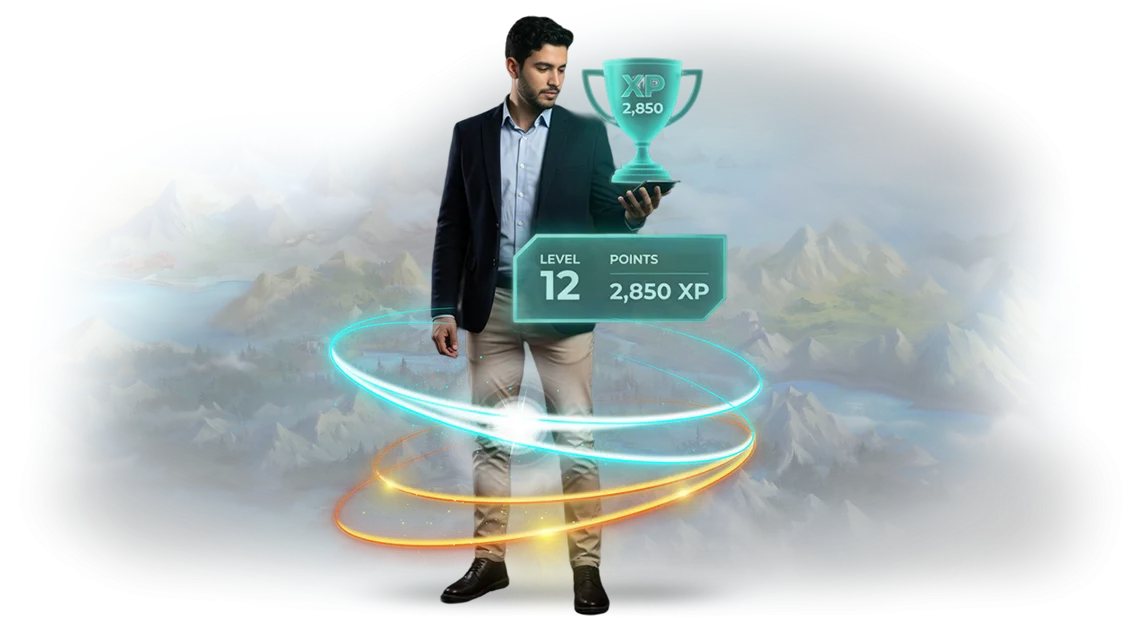
גיימיפיקציה לחברות SaaS: תפסיקו לאבד לקוחות
בכל חודש אתם מאבדים חלק מהלקוחות שלכם — לא בגלל מחיר או איכות המוצר, אלא בגלל שעמום. משתמשים מתרגלים למסכים חוזרים ונשנים, מפסיקים לשים לב לתכונות חדשות, ובשקט נסחפים למתחרים שנראים מעניינים יותר. שימור הלקוחות יורד, LTV (הערך הכלכלי של לקוח) נחלש, ורכישת לקוחות חדשים עולה יותר בכל פעם.
הסיבה אינה עצלנות של הקהל אלא היעדר חיבור רגשי למוצר. עבודה ב-CRM, לוח מחוונים אנליטי או חשבון אישי הופכת לשגרה: אותן לחיצות, אותם דוחות, ללא משוב.
ללא תחושת התקדמות והישג, משתמשים לא רואים סיבה לחזור — וזה פוגע ישירות בהכנסות.
גיימיפיקציה של תהליכים עסקיים פותרת את הבעיה הזו. תחרויות מובנות, לוחות דירוג, רמות ותגמולים יוצרים תחרות בריאה והופכים פעולות שגרתיות למשחק עם מטרות ברורות.
משתמשים מתחילים לחזור בתדירות גבוהה יותר, מבצעים יותר פעולות ומערבים עמיתים — כך שהשימור גדל ללא הנחות או קמפיינים ידניים באימייל.
תחרות היא מנוע עוצמתי, אבל רק כשהיא בנויה נכון. אנחנו מעצבים אותה כך שהתחרות לא מבריחה משתמשים חדשים אלא מניעה אותם: יעדים מותאמים, תגמולי ביניים, הישגים פומביים.
זוהי גיימיפיקציה ל-SaaS שמגדילה את השימור באופן שיטתי, לא באמצעות מבצעים חד-פעמיים.
אנחנו מפתחים מכניקות כאלה למוצרי SaaS כבר למעלה מ-10 שנים. אנחנו מתכננים מערכות תחרות ודירוג המותאמות לצרכים שלכם: מתגים פשוטים ועד טורנירים מלאים עם פרסים. אנחנו עוזרים להגדיל את מעורבות המשתמשים ולהפוך את המוצר שלכם להרגל שאנשים מוכנים לשלם עבורו.
מה מכניקות משחק מביאות לשירות שלכם
מכניקות משחק הופכות שירות SaaS רגיל לסביבה שבה משתמשים רוצים לבלות כל יום. זה לא על "עטיפה" משעשעת אלא מערכת שמניעה התנהגות: דוחפת משתמשים לפעולות יעד, מעודדת שימוש קבוע ובונה הרגל.
יישום מכניקות כאלה משפיע ישירות על מדדי המוצר המרכזיים — פעילות, שימור, נאמנות, וכתוצאה מכך, הכנסות.
היתרון הראשון והברור ביותר הוא הגדלת פעילות המשתמשים. דירוגים, תחרויות ופסי התקדמות מספקים תמריץ ברור לחזור לשירות בתדירות גבוהה יותר: להשלים משימה, לטפס בלוח הדירוג או לסיים אתגר אישי.
זה חשוב במיוחד במוצרי SaaS, שבהם הערך ללקוח מתממש רק באמצעות שימוש קבוע. המעורבות גדלה, ואיתה תדירות ועומק השימוש במוצר.
ההשפעה השנייה היא הגדלת נאמנות ושיפור NPS (מדד נאמנות לקוחות). כשמשתמשים רואים את ההישגים שלהם, מקבלים הכרה על התקדמותם ומרגישים חיבור רגשי למוצר, הם עוברים למתחרים בתדירות נמוכה יותר.
מכניקות משחק יוצרות חוויה חיובית ששווה לדבר עליה — מה שמוביל להפניות ישירות ולמדד נאמנות גבוה יותר. משתמש נאמן לא רק נשאר זמן רב יותר אלא גם סולח על פגמים קטנים, מה שמפחית את הנטישה.
התוצאה השלישית היא LTV גבוה יותר. שימור ונאמנות מאריכים ישירות את מחזור חיי הלקוח: ככל שהם נשארים אתכם זמן רב יותר, כך הם משלמים יותר.
בנוסף, מכניקות משחק פותחות הזדמנויות טבעיות למכירת שדרוגים — למשל, סטטוסים בלעדיים, יכולות מורחבות או רמות נוספות לצוותים. זה הופך "מעורבות" מופשטת לעלייה קונקרטית בערך ההזמנה הממוצע ובערך החיים של הלקוח.
לבסוף, מכניקות תחרותיות מאיצות צמיחה ויראלית. כשמשתמשים רואים את עצמם בלוח דירוג, הם רוצים להשוות תוצאות עם עמיתים או חברים — והם מזמינים אותם לשירות. כך, לוחות דירוג פועלים כערוץ רכישה מובנה ללא עלויות פרסום.
בסך הכול, זה נותן למוצר SaaS צמיחה בת-קיימא במדדים מרכזיים: יותר לקוחות פעילים, פחות נטישה, הכנסות גבוהות יותר ויותר הזמנות אורגניות — בדיוק התוצאות שכדאי ליישם גיימיפיקציה עבורן.
פורמטים של גיימיפיקציה למטרות עסקיות
כל תהליך עסקי ב-SaaS פועל על דינמיקה משלו: הטמעה (Onboarding), שימוש קבוע במוצר, השקת תכונה חדשה או הנעת מנהלים.
אין מכניקה אחת שמתאימה לכולם — לכן פורמט הגיימיפיקציה נבחר למטרה ספציפית: לשמר את המשתמש, ללמד אותו לעבוד עם השירות או להניע לפעולת יעד.
להלן השוואה בין הפורמטים המרכזיים שבהם אנו משתמשים בפרויקטים לחברות SaaS. זה עוזר לראות במהירות איזו מכניקה פותרת את המשימה הספציפית שלכם ואז לתכנן יישום בשלבים.
| פורמט | מתאים במיוחד ל | ערך עסקי |
|---|---|---|
| לוחות דירוג (דירוגים) | גירוי פעילות קבועה | שיעורי חזרה גבוהים יותר, תחרות בריאה בין משתמשים |
| תגים והישגים | הטמעה וצעדים ראשונים במוצר | הפעלה מהירה יותר של משתמשים חדשים, פחות נטישה מוקדמת |
| משימות ותרחישים | השלמת פעולות יעד | המרה גבוהה יותר לתשלום, השלמת פרופיל, הזמנות לעמיתים |
| תחרויות צוות | גיוס מחלקות וצוותי שותפים | רוח צוות חזקה יותר וצמיחה במדדי KPI משותפים |
בפועל, פורמטים לעיתים רחוקות עובדים בבידוד — הם מסודרים ברצף על ציר זמן.
ראשית, תגים עוזרים למצטרפים חדשים להרגיש בנוח בימים הראשונים; כעבור כמה שבועות, לוחות דירוג מניעים חזרות קבועות; משימות ותחרויות צוות מושקות לקמפיינים ספציפיים: השקת גרסה חדשה, הפעלה מחדש של לקוחות שנטשו או עמידה ביעד רבעוני.
גישה מדורגת זו מונעת הצפה של משתמשים מהיום הראשון תוך העמקת המעורבות שלהם בהדרגה. אנחנו עוזרים לכם לבחור את רצף הפורמטים הנכון למטרות העסקיות שלכם וליישם אותו כך שכל אלמנט תורם לתוצאה מדידה.
שלבי יישום גיימיפיקציה לחברות SaaS
יישום לוחות דירוג ומכניקות תחרותיות במוצר SaaS אינו רכישת מודול; זו עבודה שיטתית הנוגעת למוטיבציה של המשתמשים ולהיגיון של המסע שלהם בתוך השירות.
לכן אנחנו לא מתחילים בקוד — אנחנו מתחילים בעסק שלכם ובהתנהגות הקהל. להלן תהליך מוכח של 7 שלבים שאורך בממוצע 3–6 שבועות ומספק תוצאה מדידה בכל שלב.
-
בריף והתעמקות במוצר. אנחנו לומדים את השירות, המטרות ופרופיל המשתמש שלכם. אנחנו מזהים איזו פעולה לחזק: שימור, חזרות, הזמנות לעמיתים או צמיחת פעילות בתוך התוכנית.
-
ניתוח מסע המשתמש. אנחנו בוחנים היכן משתמשים נתקעים ומאבדים מוטיבציה. אנחנו מוצאים את הנקודה שבה לוח דירוג או תחרות ישפיעו הכי הרבה — למשל, אחרי הצלחה ראשונה או לפני חידוש מנוי.
-
אסטרטגיה ומדדים. אנחנו מגדירים כיצד הגיימיפיקציה משפיעה על כלכלת המוצר: מה עוקבים, מה מודדים ומה נחשב להצלחה. אתם מקבלים תוכנית עם יעדי פעילות ושימור.
-
עיצוב המכניקה. אנחנו מתעדים תרחישים: איך נקודות מוענקות, איך הדירוג בנוי, מתי המשתמש רואה את ההתקדמות שלו. אנחנו מוודאים שהמכניקה לא מסיחה מהערך של המוצר אלא מחזקת אותו.
-
עיצוב ואב-טיפוס. אנחנו ממחישים אלמנטים של גיימיפיקציה: לוחות דירוג, פסי התקדמות, הישגים. אנחנו מיישרים קו אתכם ובודקים על קבוצת מיקוד של משתמשים אמיתיים כדי למנוע טעויות ממשק.
-
פיתוח והשקה. אנחנו בונים את הפתרון על ארכיטקטורת שרת מוכחת וכלים מקצועיים. אנחנו בודקים, משיקים לחלק מהקהל, ואז משחררים לכלל משתמשי פלטפורמת ה-SaaS.
-
תמיכה ואבולוציה. אנחנו עוקבים אחר מדדים, מבצעים התאמות ומוסיפים טורנירים עונתיים או רמות חדשות. גיימיפיקציה היא מערכת חיה: אנחנו נשארים אתכם לאחר ההשקה כדי שתמשיך להניב תוצאות.
בסופו של דבר, אתם מקבלים לא רק אלמנטים "משחקיים" אלא מנגנון עובד שמגביר מעורבות ומנחה לקוחות לפעולות שחשובות.
אנחנו עומדים מאחורי לוח הזמנים והתוצאה כי עברנו את התהליך הזה עשרות פעמים עבור שירותי B2B בנישות שונות.
מה אתם מקבלים: ערכת צמיחה
אתם לא מקבלים "כלי" — אתם מקבלים ערכת צמיחה עובדת שכבר מכוונת לצרכים של עסק SaaS. תחרויות ודירוגים בתוך המוצר מתחילים לספק ערך מהיום הראשון — ללא הכנה ארוכה או צלילה לפרטים טכניים.
הנה מה שכלול:
- מערכת משחק מוכנה עם לוחות דירוג, רמות ותגמולים. היא מניעה משתמשים לחזור, להתחרות ולהזמין עמיתים — ומניעה צמיחה בפעילות ושימור ללא הוצאות פרסום נוספות.
- לוח מחוונים להנהלה — אתם רואים מדדי גיימיפיקציה מרכזיים בזמן אמת: טווח הגעה, מספר משתתפים, דינמיקת השלמת משימות. ללא בניית דוחות ידנית — כל המספרים הדרושים להחלטות לפניכם.
- מדריכי השקה ומעורבות — תרחישים שלב-אחר-שלב להכרזת תחרות, חימום הקהל ושמירה על עניין לאורך המחזור. גם אם הצוות שלכם עושה זאת בפעם הראשונה, תראו תוצאות מוקדמות מהר.
- אנליטיקת תוצאות — קשר שקוף בין מכניקות משחק למדדים עסקיים: צמיחת המרות, פעולות קבועות, חזרות. אתם רואים בדיוק מה עבד ויכולים להכפיל את התרחישים האלה.
- תמיכה ותחזוקה — אנחנו נשארים בקשר לאחר ההשקה: עוזרים להתאים חוקים, להוסיף סבבים חדשים ולפתור מקרי קצה. גיימיפיקציה לא נזנחת באמצע הדרך — היא מתפתחת יחד עם המוצר שלכם.
הערכה מעוצבת כך שמערכת המשחק הופכת לכלי צמיחה עובד מהחודש הראשון — לא "תכסיס נחמד" לבידור. אתם מקבלים מכניקות ברורות, תוצאות מדידות וצוות שמוביל את הפרויקט עד למטרה.
מקרה בוחן: צמיחה של 30% בשימור לאחר יישום לוחות דירוג
נטישת משתמשים היא הבעיה המרכזית של מוצרי SaaS: רכישת לקוחות הופכת ליקרה יותר, ואם משתמש עוזב אחרי החודש הראשון, תקציב השיווק פשוט נשרף. מנהלים מחפשים כלים שגורמים למשתמשים לחזור ללא הנחות או ניהול ידני. מכניקות משחק עם לוחות דירוג פותרות בדיוק את הבעיה הזו עם תוצאות צפויות.
דוגמה מאלפת: שירות ניהול משימות לצוותים שבו יישמנו דירוגי פעילות פנימיים ותחרויות בין מחלקות. בשלושה חודשים, השימור גדל מ-20% ל-26% — שיפור של +30% במדד מרכזי.
לא שינינו תמחור או הצגנו הנחות: מספיק היה להוסיף מוטיבציה משחקית גלויה והתקדמות ברורה.
מה השתנה עבור העסק
| פורמט | מתאים במיוחד ל | תועלת ללקוח |
|---|---|---|
| לוחות דירוג פעילות | SaaS עם תוכניות צוות | יותר משתמשים פעילים לכל רישיון — פחות ביטולי מנוי |
| תחרויות מחלקתיות | מוצרים ללקוחות ארגוניים | סיבה ישירה לחדש חוזה ולשדרג תוכנית |
| דירוגי התקדמות אישיים | מוצרים עם הדרכה או הטמעה | משתמשים חדשים מגיעים לתוכנית בתשלום פי 2 יותר |
לוחות דירוג הופכים שגרה למטרה: משתמשים רואים את מקומם בין עמיתים, זוכים למעמד וחוזרים מתוך הרגל. עבור חברת SaaS, זה אומר בסיס יציב של לקוחות משלמים והכנסות צפויות ללא מבצעים חד-פעמיים.
אותה גישה מתרחבת לצוותי הדרכה, תמיכה ומכירות — המפתח הוא למדוד נכון את נקודת הפתיחה ולהגדיר איזו התנהגות אתם רוצים לחזק.
שאלות נפוצות: גיימיפיקציה של תהליכים עסקיים
מנהלי חברות SaaS מגיעים אלינו לעיתים קרובות עם ספקות דומים. גיימיפיקציה נשמעת מושכת, אבל עולות התנגדויות מיד: האם קשה לשלב אותה בשירות קיים, האם זה בטוח, ומתי תופיע התוצאה העסקית?
אנחנו שומעים את השאלות האלה כל יום ומבינים שהן נובעות מיחס אחראי למוצר, אז הנה התשובות שלנו לעיקריות.
האם שילוב גיימיפיקציה יהיה מורכב וגוזל זמן?
אנחנו משלבים מכניקות משחק ב-SaaS שלכם מבלי לעצור את זרימת העבודה או ליצור השבתה ארוכה למשתמשים. פתרונות פלטפורמה מוגדרים להתאים למבנה הנתונים שלכם, וההשקה מחולקת לשלבים: תחילה קבוצת פיילוט, ואז הרחבה לכלל ההיקף. לכן הצוות שלכם רואה תוצאות ראשונות תוך כמה שבועות, לא רבעון.
עד כמה בטוח להפקיד בידי גיימיפיקציה נתוני עובדים ולקוחות?
אבטחה אינה אופציה — היא דרישת בסיס בבניית מערכת משחק. אנחנו משתמשים בארכיטקטורת שרת העומדת בדרישות התעשייה להגנת נתונים ארגוניים: הצפנה בתעבורה, בקרת גישה מבוססת תפקידים וביקורת פעולות.
אתם לא מוסרים לנו מידע רגיש; אתם מחברים את המודול לנתונים הקיימים שלכם דרך ערוצים מאובטחים תוך שמירה על שליטה בהם.
מתי הגיימיפיקציה תשתלם ואיזה אפקט נמדוד?
אנחנו מחשבים ROI דרך המדדים החשובים ביותר לעסק SaaS: צמיחה בפעולות משתמש פעילות, הפחתת נטישה והגדלת שימוש חוזר. אנחנו מציבים יעדים מראש ונותנים לכם אנליטיקה ברורה לאחר ההשקה.
מניסיוננו, חברות רואות תוצאות מדידות בחודש הראשון, עם החזר מלא על ההשקעה בתוך רבעון.
מוכנים לדון בפרויקט שלכם? השאירו פנייה
לא בטוחים שגיימיפיקציה מתאימה למוצר ה-SaaS שלכם? נשלח דוגמאות מהנישה שלכם ונעריך את ההשפעה לפני שתתחילו.
השאירו פנייה לייעוץ — נדון במטרותיכם, נראה דוגמאות ונציע תוכנית יישום.
המומחים שלנו עם ניסיון של למעלה מ-10 שנים עוזרים לחברות SaaS להפוך פעולות משתמש שגרתיות למכניקות מרתקות שמגבירות שימור ומחזירות אנשים למוצר.
מה תקבלו לאחר שליחת הפנייה:
- ייעוץ גיימיפיקציה מותאם אישית לעסק הספציפי שלכם — ללא דיבורים כלליים או תבניות.
- מבחר דוגמאות SaaS: מה כבר עובד אצל מתחרים ומה לא מניב תוצאות.
- תוכנית יישום ראשונית עם לוחות זמנים משוערים ותוצאות צפויות.
- הערכה כנה: היכן הגיימיפיקציה תצמיח את המדדים שלכם והיכן לא כדאי להשקיע תקציב.
- הצעה מסחרית עם מחיר קבוע ושלבי עבודה ברורים.
- תשובות לשאלות על שילוב עם הפלטפורמה שלכם ותמיכה לאחר ההשקה.
אנחנו לא מוכרים "אוויר חם": קודם אנחנו חופרים במוצר ובקהל, ואז מציעים מכניקה שמספקת ערך אמיתי. שיחה אחת מספיקה — נתאם אתכם את הזמן.
מלאו את הטופס למטה — ותוך יום עסקים אחד תקבלו תוכנית פעולה ותשובות לשאלות מפתח. נתחיל בייעוץ ראשוני.
איך לבחור את פורמט הגיימיפיקציה הנכון?
בחירת פורמט גיימיפיקציה מתחילה לא במכניקות אלא במטרה עסקית. עבור חברת SaaS, השאלה המרכזית היא מה אתם רוצים לשנות: להאיץ הטמעת משתמשים חדשים, להגדיל את תדירות השימוש במוצר, להפחית נטישה או להניע את הצוות לעמוד ביעד.
זה קובע איזו מערכת משחק תניב תוצאות: תחרות עם לוחות דירוג מניעה משתמשים פעילים, בעוד סדרת משימות קצרות מערבת את אלה שרק מתחילים להכיר את השירות.
אין פורמט "הטוב ביותר" אוניברסלי, אבל יש נקודת ייחוס מוכחת. אם למוצר שלכם כבר יש בסיס משתמשים פעיל, לוחות דירוג ואתגרים עונתיים עובדים היטב: הם יוצרים תחרות בריאה ומחזירים את הקהל.
אם המוצר מורכב ודורש למידה, משימות שלב-אחר-שלב עם תגמולים על פעולות ראשונות מתאימות יותר. זה מספק ניצחון מהיר ומראה את ערך השירות ללא לחץ.
עצה מעשית: אל תנסו ליישם עשר מכניקות בבת אחת. התחילו עם אחת שמתייחסת למדד ספציפי — למשל, אחוז הפרופילים שהושלמו או מספר העמיתים שהוזמנו.
השיקו אותה על קבוצה מוגבלת, מדדו את המגמה למשך כמה שבועות ואז הגדילו. כך תימנעו מהצפת משתמשים ותקבלו נתונים ברורים להחלטות עתידיות.
אנחנו עוזרים לכם לבחור פורמט שמתאים למטרות ולתקציב שלכם: אנו מנתחים התנהגות משתמשים, מתכננים מכניקה חזקה אחת ומובילים אותה עד להשקה.
בסופו של דבר, אתם מקבלים מערכת עובדת שמחזירה את עצמה דרך שימור גבוה יותר ו-LTV מוגדל — לא סט של אלמנטים אופנתיים ללא השפעה מדידה.