

מדוע לקוחות חברות הביטוח לא חוזרים לאפליקציה
לחברות הביטוח יש בעיה נסתרת: לקוחות פותחים את האפליקציה פעם אחת—כדי לרכוש פוליסה—ואז נעלמים לחודשים. מעורבות נמוכה בערוצים הדיגיטליים מובילה לנטישת לקוחות: המשתמש לא רואה סיבה לחזור, ובמועד החידוש עובר בשלווה למתחרה.
במונחים עסקיים, זה אומר מכירות אבודות, פוטנציאל נאמנות שלא מומש, וקשר חלש בין המותג לקהל שלו.
למה זה קורה? מוצרי ביטוח הם רכישות נדירות: יש צורך בקשר רק כשמתרחשת תביעה או במועד החידוש. בשאר הזמן, האפליקציה שותקת והלקוח שוכח ממנה.
אם לא שומרים על העניין שלהם באופן קבוע, אפילו שירות איכותי הופך ל"אפליקציית רפאים" שתופסת מקום בטלפון אבל לא מייצרת רווח.
לקוחות לא מרגישים את התועלת בדיאלוג עם חברת הביטוח, ולכן ההרגל להשתמש בשירות אף פעם לא נוצר.
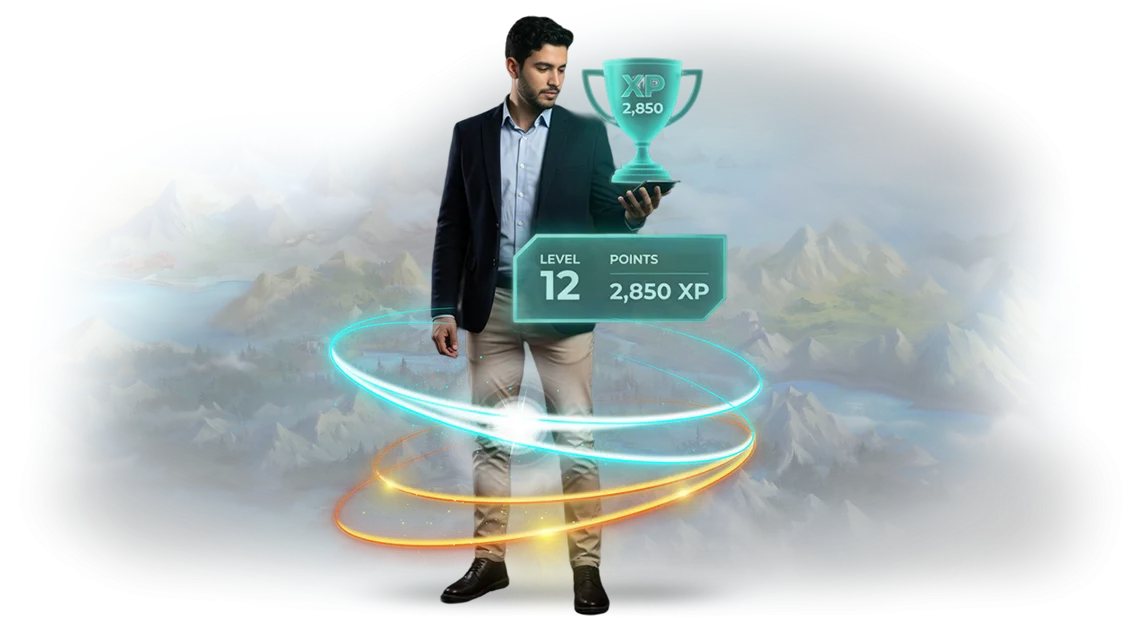
הפתרון הוא גיימיפיקציה. היא ממלאת את הערוצים הדיגיטליים במשמעויות ברורות: משימות, נקודות, רמות, תגמולים על פעולות מועילות. במקום תפריט משעמם, המשתמש מקבל תרחיש שמנחה אותו בעדינות דרך שלבים ומתגמל כל אחד מהם.
הלקוח חוזר לאפליקציה לא כי הוא "צריך לבדוק את הפוליסה", אלא כי זה מעניין וכדאי. זה ישירות מפחית נטישה ומגביר את הנכונות לבצע רכישות חוזרות.
אנחנו מעצבים מכניקות משחק כדי לעמוד באתגרים של חברות הביטוח: משימור לקוחות קיימים ועד גירוי עניין במוצרים חדשים. הגיימיפיקציה שלנו היא לא רק תוכנית נאמנות, אלא מערכת מעורבות מחושבת שעובדת למען נאמנות ותוצאות עסקיות.
אנחנו פותרים את בעיית האפליקציה השותקת והופכים אותה לערוץ תקשורת מתמשך, שבו הלקוח רואה את ערך השיתוף פעולה בכל פעם—לא רק כשהוא משלם על הפוליסה.
מה הגיימיפיקציה נותנת לעסק הביטוחי
רוב הלקוחות תופסים מוצרי ביטוח כפורמליות משעממת: מסובכת, מבלבלת, והתועלת לא ברורה. גיימיפיקציה הופכת את הנפקת הפוליסה ואת האינטראקציות היומיומיות עם החברה לתרחיש חי עם תגמולים והתקדמות.
הלקוח נמשך מעצמו, חוזר לעתים קרובות יותר, וסומך על המותג—מה שאומר שהעסק רואה צמיחה במדדים מרכזיים ללא פרסום אגרסיבי.
היתרון הראשון והעיקרי הוא מעורבות. כשכל שלב מלווה בהתקדמות ויזואלית, בונוסים ומשימות מעניינות, הלקוחות נשארים באפליקציה זמן רב יותר ומוכנים יותר להשלים את הפעולות הרצויות.
זה משפיע ישירות על תדירות השימוש בשירות ועל הנכונות של הלקוחות לחדש את הפוליסות שלהם.
ההשפעה השנייה היא הגדלת מכירות. בפורמט משחק, הלקוח מכיר בהדרגה את תנאי הפוליסה ואפשרויות נוספות, רואה איך הן פותרות את הבעיות שלו, ומבצע רכישה בטוחה יותר.
תרחישים נגישים מובילים למכירות נוספות, להרחבת כיסוי ולהמלצות לחברים—וכל לקוח כזה עולה פחות מזה שנמשך באמצעות פרסום.
היתרון השלישי הוא הכרת המותג. גיימיפיקציה יוצרת חוויית לקוח בלתי נשכחת שמבדילה את חברת הביטוח מהמתחרים.
המשתתפים משתפים את התוצאות שלהם ברשתות החברתיות, דנים במכניקה, ולמעשה הופכים לשגרירים, ומספקים חשיפה חינמית לקהל חדש.
ולבסוף, נתונים. מכניקת משחק מאפשרת לראות איך לקוחות מתקשרים עם מוצרים: מה מעניין אותם, איפה הם נתקעים, ולמה הם מגיבים הכי טוב. הנתונים האלה עוזרים לחדד הצעות, להתאים שירות, ולהגדיל המרות—ללא מחקרים יקרים.
ביחד, גיימיפיקציה נותנת לחברת הביטוח לא רק קפיצה קצרת טווח בעניין, אלא מערכת צמיחה בת קיימא: מעורבות גבוהה יותר, יותר מכירות, מותג חזק יותר, ותמונה ברורה של צרכי הלקוחות. על ארבעת העמודים האלה נבנות תוצאות עסקיות ארוכות טווח.
פורמטים של גיימיפיקציה לחברות ביטוח
לקוחות ביטוח לא קוראים תנאי פוליסה ארוכים, וסוכנים מתעייפים מהוראות חוזרות. כתוצאה מכך, השימור נפגע, איכות המכירות יורדת, והמתחרים תופסים את תשומת הלב של הקהל בערוצים שבהם הם כבר נוחים.
גיימיפיקציה בטלגרם פותרת את הבעיה הזו: מוצרי ביטוח מורכבים הופכים לתרחישי משחק ברורים, והאינטראקציה הופכת להרגל חוזר. להלן פורמטים מוכחים שאנחנו מתאימים למטרות הספציפיות של חברת הביטוח שלך.
| פורמט | קהל יעד | מה זה נותן לחברה |
|---|---|---|
| חידונים ומבחנים | לקוחות ומנויי ערוץ טלגרם | מלמד את המוצר בפורמט קליל, אוסף תחומי עניין של הקהל, מגביר מעורבות ללא עלויות פרסום |
| תוכניות נאמנות | לקוחות קיימים | מעודד חידוש פוליסות ומכירות נוספות, בונה הרגל לפנות אליך |
| סימולטורי הדרכה | סוכנים ועובדים חדשים | תרגול טיפול בהתנגדויות ומכירות ללא סיכון, הגדלת המרות בעסקאות אמיתיות מהר יותר |
| תחרויות ודירוגים | רשת הסוכנויות | מעורר תחרות בריאה, משפר מדדי תוכנית, מספק מבט שקוף על תוצאות |
הפורמטים משתלבים בקלות: לדוגמה, חידון משיק תוכנית נאמנות, וסימולטור מוביל בעדינות את הלקוח לחישוב פוליסה.
אנחנו נבחר שילוב לקהל שלך, נגדיר אותו בטלגרם, ונראה תוצאות במספרים: חשיפה, פעילות, וחלקם של משתמשים שמשלימים את תהליך הגשת הפוליסה.
איך עובד תהליך פיתוח פתרון המשחק
פיתוח פתרון משחק לחברת ביטוח הוא לא "קופסה שחורה" שלוקחת חודשים. פירקנו את התהליך לשלבי פיתוח ברורים, ובכל אחד מהם אתה רואה תוצאה ביניים ויכול להשפיע עליה.
מהבריף הראשון ועד ההשקה בדרך כלל לוקח ארבעה עד שישה שבועות—אנחנו נותנים ציר זמן מדויק אחרי אישור המכניקה.
-
בריף: מטרות וקהל. תוך 30 דקות, אנחנו קובעים מה המשחק צריך לשנות: הגדלת מכירות פוליסות, הדרכת סוכנים, או הגברת נאמנות לקוחות. אנחנו נועלים מטרות, קבוצות יעד, ואילוצים.
-
תרחיש ומכניקה. אנחנו מציעים קונספט: חידון, מסע, צבירת נקודות—ומראים איך זה יעבוד בטלגרם. אתה מקבל "מפת משחק" ברורה ללא פרטים טכניים.
-
אב טיפוס עיצובי. אנחנו יוצרים את המראה והלוגיקה של המסכים. אתה רואה איפה הלקוח לוחץ, אילו תגמולים הוא מקבל, ואיך המוצר הביטוחי מופיע בתוך המשחק. בשלב הזה, אתה יכול לבצע שינויים לפני תחילת הפיתוח.
-
פיתוח ואינטגרציה. אנחנו בונים את המשחק ומחברים אותו לתהליכים העסקיים שלך: העברת לידים, קודי קידום, סמני השלמה. אנחנו מכינים גרסת בדיקה שאתה פותח אישית בטלגרם ובודק.
-
בדיקות ואישור. אנחנו עוברים על התרחישים יחד איתך: הרשמה, השלמת סבבים, הנפקת תגמולים. אנחנו מתקנים אי-דיוקים ומסיימים את הגרסה.
-
השקה ותמיכה. אנחנו מפרסמים את הפתרון, מחברים את הצוות שלך לניהול, ונשארים בקשר אחרי ההשקה: אנחנו עוזרים בעדכונים, מוסיפים שאלות ומכניקות חדשות ככל שהקהל שלך גדל.
הרצף הזה הופך את התוצאה לצפויה: כל שלב מסתיים באישור, כך שסיכונים ושינויים נראים מראש ולא ביום האחרון. אתה מקבל משחק עובד בזמן ועם לוגיקה שאתה מבין.
מה כלול במסירת הפרויקט
חבילת המסירה כוללת לא רק אפליקציה, אלא פתרון מוכן לחלוטין להשקת גיימיפיקציה בחברת הביטוח שלך. להלן כל מה שאתה מקבל אחרי מסירת הפרויקט, ללא חומרי גלם וללא שלבים נסתרים.
- אפליקציית טלגרם מוכנה — עובדת בשליחות שהלקוחות שלך כבר משתמשים בה, דורשת התקנה, ומעוצבת בהתאם לזהות התאגידית של החברה.
- תרחישי גיימיפיקציה — לוגיקה מוכנה למשימות, תגמולים וסטטוסים, מותאמת לפרטי מוצרי הביטוח: מעידוד תשלומים קבועים ועד השלמת סקרים.
- פאנל ניהול — ממשק אינטואיטיבי להפעלת מבצעים, ניהול פרסים וצפייה בסטטיסטיקות. אנשי השיווק שלך יכולים לשנות תנאי משחק ללא מעורבות מתכנתים.
- תיעוד לצוות שלך — הוראות פשוטות לעובדים ותיאור טכני למחלקת ה-IT שלך, כדי שתוכל לתמוך ולהרחיב את הפרויקט בעצמך.
- הדרכה למומחים שלך — אנחנו מקיימים סמינר מקוון מעשי שבו אנחנו עוברים על התרחישים, מראים הגדרות פאנל ניהול, ועונים על שאלות.
- תמיכה בהשקה — בשבועות הראשונים אחרי המסירה, אנחנו נשארים בקשר, עוזרים להגדיר את המבצע הראשון, ופותרים כל בעיה במהירות כדי שההשקה תעבור חלק.
החבילה הזו מכסה את הצורך המרכזי של חברת ביטוח: התחלה מהירה וניהול עצמאי של גיימיפיקציה. אתה לא תלוי בצוות חיצוני לעבודה שוטפת—אתה מקבל כלי שמספק ערך מיידי ומתרחב בקלות למשימות חדשות. כל מה שצריך כדי להתחיל כלול במסירה.
תוצאות של יישום מכניקת משחק
במגזר הביטוח, לקוחות ממעטים להתערב עם המוצר: פוליסות מורכבות, התועלת נדחית, והבחירה נעשית תחת לחץ מחיר.
גיימיפיקציה הופכת את התרחיש הזה—במקום "קנה פוליסה", אנחנו מציעים "השלם מסע וקבל ערך". זו בדיוק הגישה שיישמנו עבור חברת ביטוח אחת והשגנו אפקט עסקי מדיד.
איך זה עבד
פיתחנו תרחיש משחק בטלגרם שבו לקוח בחר אפשרויות ביטוח דרך רצף של צעדים פשוטים. כל החלטה קירבה אותו לזכייה—הנחה או כיסוי מורחב.
המכניקה הפחיתה את הפחד מטעות, וכל תהליך הגשת הבקשה ארך רק כמה דקות ישירות בצ'אט.
הפיילוט הושק על פלח בעלי הרכב: אספנו נתונים, התאמנו במהירות את הגישה, והרחבנו לכל המוצרים. הצוות עבד מרחוק והשלים את הפרויקט בשלושה חודשים מבריף ועד השקה. ברבעון הראשון, החברה ראתה את התוצאות הבאות:
- ההמרה להנפקת פוליסה הוכפלה;
- הצ'ק הממוצע גדל ברבעון בזכות מכירות נוספות של אפשרויות נוספות;
- זמן הבחירה ירד מ-12 ל-3 דקות—לקוחות הפסיקו להיתקע על תנאים מורכבים;
- 7 מתוך 10 משתמשים הגיעו לשלב האחרון ושיתפו את התוצאה שלהם עם חברים.
"בעבר, איבדנו לקוחות בשלב בחירת המוצר. הפורמט של המשחק מחזיק את תשומת הלב שלהם ומוביל לרכישה פי שניים יותר מאתר רגיל.
ראינו את המדדים כבר בחודש הראשון והחלטנו לפתח את הכיוון הזה." — מנהל ערוצים דיגיטליים בחברת ביטוח, שותף לפרויקט
אחרי ההשקה, החברה קיבלה בנוסף חשיפה אורגנית: המשתתפים סיפרו לאחרים על המסע ברשתות החברתיות. זה יצר זרם של לידים חדשים ללא הגדלת תקציב הפרסום.
יישום מכניקת משחק הפסיק להיות ניסוי והפך ליתרון תחרותי שקל להרחיב למוצרים וקהלים חדשים.
שאלות נפוצות על גיימיפיקציה בביטוח
מנהלי חברות ביטוח מהססים לעתים קרובות אם להכניס גיימיפיקציה לתהליכים שלהם: האם זה לא יהיה מורכב מדי, יקר מדי, או מסוכן מדי?
זה נורמלי—גיימיפיקציה היא עדיין כלי חדש יחסית לתעשיית הביטוח, גם אם אנחנו משתמשים בה בהצלחה כבר שנים רבות.
אז אנחנו עונים על השאלות הנפוצות ביותר בכנות ובשפה עסקית. להלן ארבעה חששות טיפוסיים שאנחנו שומעים מלקוחות במהלך משאים ומתנים.
האם קשה לשלב גיימיפיקציה במערכות הקיימות של חברת ביטוח?
לא. אנחנו משתמשים באפליקציית טלגרם—ערוץ שהלקוחות שלך כבר מכירים, ולא נדרשת התקנת תוכנה. אנחנו מתחברים למערכות שלך דרך פרוטוקולים סטנדרטיים, מגדירים חילופי נתונים, ומשיקים פיילוט על קבוצה קטנה של משתמשים. אינטגרציה מלאה אורכת משבועיים, והתשתית הקיימת שלך לא משתנה.
עד כמה תהיה בטוחה השתתפות הלקוחות מבחינת נתונים אישיים?
אבטחה היא עיקרון ליבה בעבודה שלנו. אנחנו משתמשים בארכיטקטורת שרת עם ערוצים מוצפנים, גישה לנתונים רק דרך מודל מבוסס תפקידים, ואתה שולט באילו נתונים מועברים למכניקת המשחק. אתה יכול להפסיק את החילופים בכל עת. כל הפתרונות בנויים בהתאם לדרישות חקיקת הנתונים האישיים.
האם גיימיפיקציה תשתלם בביטוח?
כן, אם המטרות מנוסחות נכון. ההחזר בדרך כלל מגיע משלוש השפעות: שיעורי חידוש פוליסות גבוהים יותר, הגדלת המרות מכירות נוספות, והפחתת נטישת לקוחות. לפני ההשקה, אנחנו מחשבים את הכלכלה ומראים אילו מדדים ישתפרו ובאיזה פרק זמן. ברוב הפרויקטים, תוצאות מדידות מופיעות בתוך החודשיים הראשונים.
האם המשחק לא יסיח את הדעת מהעיקר—איכות השירות הביטוחי?
להיפך, גיימיפיקציה מחזקת את ערך המוצר. המכניקה מתוכננת להזכיר ללקוח על הכיסוי הביטוחי שלו, לערב אותו בפעולות מועילות, ולהגביר נאמנות.
הלקוח פותר משימות אמיתיות—עונה על סקרים, אוסף נקודות, מקבל הנחות—בעוד חברת הביטוח מקבלת נקודות מגע קבועות עם הקהל ללא ספאם פולשני.
השק גיימיפיקציה ללקוחות שלך
לקוחות ביטוח ממעטים להישאר באתר יותר מכמה דקות. גיימיפיקציה הופכת את הזמן הזה ליתרון: המבוטח עובר חידון קצר, לומד על המוצר, ומשאיר את פרטי הקשר שלו—במקום לעבור למתחרה. התרחיש הזה מגביר מעורבות ואוסף לידים ללא הוצאות פרסום קבועות.
כבר השקנו מכניקות דומות לבוטים של טלגרם בנישת הביטוח: מבחנים לבחירת פוליסה, נקודות מצטברות לפעולות, ומיני-משחקים עם בונוסים. הלקוח מקבל לא רק בידור, אלא כלי עבודה למשיכת ושימור לקוחות.
מה אתה מקבל אחרי ביצוע הזמנה:
- ייעוץ — אנחנו מנתחים את המשימה שלך ומציעים איזה פורמט יעבוד עבור קו המוצרים הביטוחי שלך.
- חישוב עלות שקוף — אנחנו נועלים את האומדן וציר הזמן לפני ההשקה, ללא עמלות נסתרות או "הפתעות".
- אב טיפוס תרחיש — אתה רואה את מסע הלקוח לפני תחילת הפיתוח: שאלות, תגמולים, נקודות איסוף קשר.
- השקת הפרויקט — אנחנו מחברים את הגיימיפיקציה לבוט שלך ומגדירים לכידת לידים בפורמט נוח.
- הדרכה לצוות שלך — אתה יכול לשנות שאלות, בונוסים ותנאים ללא מתכנת.
- תמיכה לאחר ההשקה — אנחנו עוקבים אחר מדדים, מציעים שיפורים וחידודים.
השאר בקשה באתר—נייעץ לך ונחשב את עלות התרחיש שלך. נשיק את הפרויקט במפתח מלא ונמסור כלי שממשיך לייצר לידים גם אחרי שהקמפיין הראשי מסתיים.
איך לבחור את הפורמט הנכון למשימה שלך?
אין תשובה אוניברסלית לשאלה הזו—וזה נורמלי. הפורמט של גיימיפיקציה לחברת ביטוח תלוי ישירות במשימה שאתה פותר: משיכת לקוחות חדשים, הגדלת תדירות האינטראקציות, הדרכת סוכנים, או הפחתת נטישה.
מה שעובד מצוין למטרה אחת עשוי לא להניב תוצאות לאחרת, ולכן בחירת פורמט תמיד מתחילה בניתוח המצב הספציפי שלך.
הדרישות האישיות של העסק שלך הן המדריך המרכזי. אנחנו מתחשבים במי קהל היעד שלך, באיזה שלב של המשפך הם נמצאים, אילו מוצרים אתה מקדם, ואילו מדדים אתה רוצה לשפר.
לדוגמה, חידון באפליקציית טלגרם עובד היטב להכרות ראשונית עם המוצר, בעוד תוכנית רב-שלבית עם צבירת נקודות עובדת לשימור ונאמנות. אבל אלה רק קווים מנחים כלליים—הפתרון המדויק מגיע מהפרטים.
אפילו משימות זהות נפתרות בצורה שונה על ידי חברות ביטוח שונות: אחת יש לה בסיס לקוחות של נהגים צעירים, אחרת לקוחות עסקיים, ושלישית קוני פוליסות קמעונאיות.
בחירת פורמט לבד על ידי הסתכלות על דוגמאות של אחרים היא מסוכנת: מה שעבד למתחרה עשוי לא לעבוד עבורך בגלל תנאים שונים. לכן אנחנו עושים את בחירת הפורמט הסופית אחרי דיון איתך.
במהלך הייעוץ, המומחה שלנו ינתח את המצב שלך, יציע 2-3 אפשרויות מתאימות, ויסביר איזו מהן תניב את האפקט הגדול ביותר בהתחשב בציר הזמן והתקציב שלך.
אתה תקבל לא פתרון מופשט, אלא מכניקה קונקרטית מותאמת למשימה שלך—עם ציפיות ברורות לחשיפה ומעורבות. כל מה שנשאר זה לדון בפרטים.