

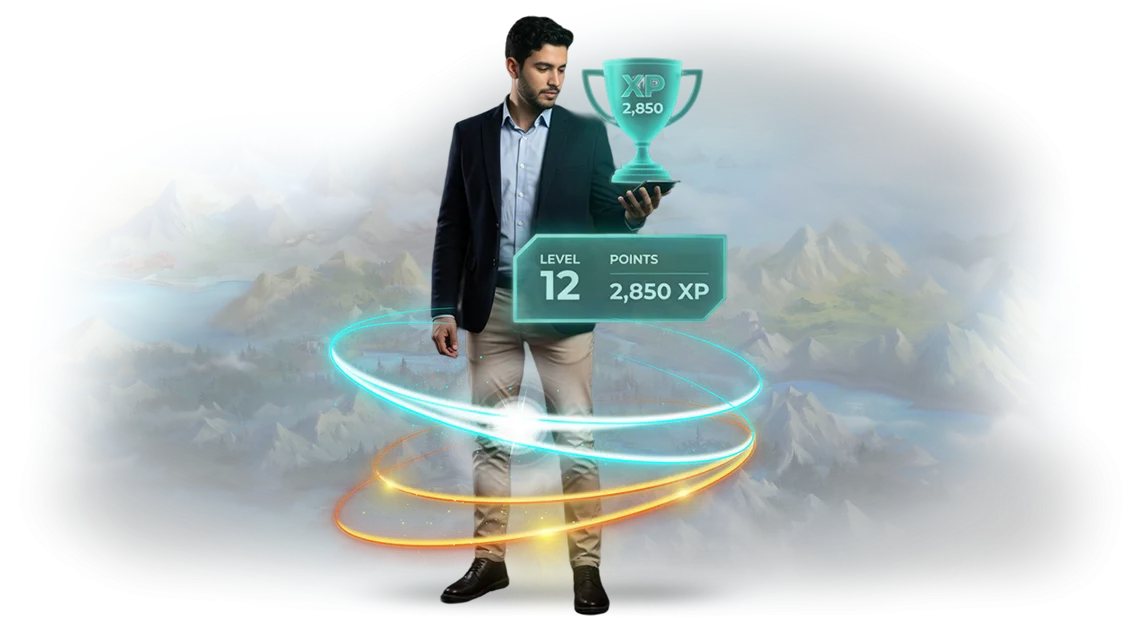
כיצד גיימיפיקציית AR מחזירה את המעורבות לתהליכים עסקיים
העובדים מתרגלים לשגרה — משימות מבוצעות באופן פורמלי, העיניים מתעמעמות, ומדדי המעורבות זוחלים לאט לאט כלפי מטה. יחד איתם יורדים מהירות התגובה, איכות השירות והנכונות להציע רעיונות.
המנהלים רואים זאת במספרים, אבל השיטות הרגילות — קריאות לפעולה, בונוסים, מיילים פנימיים — מייצרות רק הבזק קצר של עניין.
הבעיה היא שמוטיבציה לא יכולה להתבסס על תמריצים חד-פעמיים. היא זקוקה לסביבה שבה כל צעד מספק משוב מהיר וברור: מה עשיתי, איזו תרומה תרמתי לתוצאה הכוללת, מה יקרה הלאה.
כאן בדיוק נכנסת גיימיפיקציית AR, שהופכת את תהליך העבודה למשחק עם תרחישים חיים, תגמולים ורמות. העובד רואה את המטרה ונע אליה לא מתוך כפייה, אלא בהתלהבות.
דמיינו: במקום הדרכה — אימון דרך מציאות רבודה, שבו מתאמן מקרין רמזים על ציוד אמיתי. במקום דוחות — אתגרים ולוחות תוצאות, שבהם כל אחד מבין את מקומו בתוצאה הכוללת.
AR מוסיפה עומק ותנועה למשימות מוכרות, מה שגורם למעורבות לגדול באופן טבעי ולא בכוח. אנשים מתחילים לחפש דרכים לעשות את עבודתם טוב יותר בעצמם.
עבור העסק, זה אומר שינויים מדידים: זמן קליטה קצר יותר, פחות שגיאות בפעולות שגרתיות, ומספר הולך וגדל של הצעות לשיפור תהליכים.
בנוסף, הפורמט החריג עצמו הופך לנושא לשיחה — עובדים משתפים התרשמויות ותמונות, מה שמחזק את ה-PR הפנימי ומושך תשומת לב לחברה כמעסיק מודרני.
אנחנו מפתחים גיימיפיקציית AR לצרכים של עסק ספציפי: מתרגול מיומנויות ועד בקרת איכות. אנחנו עוזרים להחזיר את המעורבות ולהפוך את העבודה היומיומית למרחב שבו אנשים רוצים להשיג יותר.
אם אתם מרגישים שהצוות מאבד עניין, זה הכלי שמצית מחדש את הדרייב והופך את התוצאות לגלויות לכולם.
מה אפליקציית גיימיפיקציה נותנת לעסק
גיימיפיקציה עסקית היא דרך להפוך עבודה שגרתית לתהליך מרתק שמספק ערך מדיד. אפליקציה ארגונית עם מכניקות משחק עוזרת לעובדים לראות את המטרה, להתחרות ולזכות בתגמולים על הישגים אמיתיים.
גישה זו פועלת לא בשביל בידור, אלא כדי להניע צמיחה במכירות, איכות שירות ומהירות תפעול.
היתרון המרכזי הוא מעורבות מוגברת. עובדים מפסיקים "לשרת זמן" והופכים למשתתפים פעילים: הם משלימים משימות, צוברים נקודות וסטטוסים, ורואים את תרומתם לתוצאה הכוללת.
התרגשות ותחרות בריאה מניעים אנשים לעבוד טוב יותר ללא העלאות שכר — מכניקות מעוצבות היטב מספיקות.
גם הכשרת עובדים מואצת. עובדים חדשים שולטים בסטנדרטים מהר יותר דרך תרחישי משחק וסימולטורים במקום הרצאות משעממות. טעויות מקובלות בסביבה בטוחה, כך שהפחד דועך והביטחון גדל. זמן הקליטה מתקצר משבועות לכמה ימים, והידע מיושם בפועל מיד.
יתרון נוסף הוא הפחתת תחלופת עובדים. כשהעבודה מעניינת וההישגים מוכרים, אנשים נוטים פחות לחפש מקום אחר. גיימיפיקציה מספקת מסלול קריירה שקוף, משוב קבוע ותחושת התקדמות. כתוצאה מכך, החברה חוסכת בגיוס והכשרת עובדים חדשים, והצוות הופך ליציב יותר.
לבסוף, אפליקציית גיימיפיקציה משפרת ישירות מדדים עסקיים. מנהל רואה מי משלים משימות ואיך, היכן מופיעים צווארי בקבוק, ואילו תהליכים תקועים.
הצוות סוגר עסקאות מהר יותר, עושה פחות טעויות ומשפר תוצאות בהתמדה — הכל נתמך על ידי אנליטיקה מובנית שמראה אילו מכניקות עובדות הכי טוב.
פורמטים של גיימיפיקציית AR למשימה שלכם
המשימה מגדירה את הפורמט: חלקם צריכים להכיר לעובד חדש את המוצר והתהליכים במהירות, אחרים צריכים להגביר מעורבות בהכשרה, ואחרים צריכים ליצור דרייב תחרותי במחלקת מכירות.
המכניקות הסטנדרטיות זהות לכל התרחישים הללו, ולכן אנחנו מתאימים את ה-AR למטרה העסקית הספציפית. אנחנו בונים את המכניקות הללו על Unity — זה מספק גמישות כשצריך להתאים את אותו תרחיש למשימות עסקיות שונות.
להלן פורמטים טיפוסיים של גיימיפיקציית AR. לכל אחד יכולות להיות וריאציות, אבל ההיגיון זהה: אתם רואים איזו מכניקה פותרת את המשימה הספציפית שלכם.
| פורמט | למי מיועד | מה זה נותן ללקוח |
|---|---|---|
| קליטת עובד חדש | משאבי אנוש ומנהלי צוות | הטמעה מהירה בצוות ובתהליכים ללא הרצאות משעממות |
| הכשרה אינטראקטיבית | מנהלי הדרכה | החומר נקלט דרך תרגול, טעויות מעובדות בסביבה בטוחה |
| תחרויות AR | מנהלי מכירות | הצוות מצטרף למירוץ אחר תוצאות, הפעילות נראית מיד |
| תוכנית נאמנות | מנהלי שיווק | לקוחות חוזרים לעתים קרובות יותר ומשתתפים בחיי המותג |
בהתבסס על תרחישים מוכרים, אתם מבינים מיד איזה פורמט מתאים למשימה הנוכחית שלכם. לדוגמה, הגדלת סל הקניות והפחתת תחלופה בקרב עובדים חדשים דורשות מכניקות שונות — וזה נורמלי.
נדון באיזו מטרה היא עדיפות עבורכם ונמליץ על הפורמט האופטימלי ועל ציר הזמן ליישום. תקבלו פתרון שבו AR מספקת תוצאות אמיתיות ולא רק "נראית מרשימה" על המסך.
כיצד מתנהל הפרויקט: מהבריף ועד ההשקה
אנחנו מתחילים בבריף שבו אנו מגדירים את מטרות הגיימיפיקציה: אילו פעולות של עובדים או לקוחות צריך לחזק, ואילו מדדים חשובים לעסק. בשלב זה, אנו קובעים את הפורמט — תרחיש AR, משימה, תחרות או שילוב.
אתם מקבלים מסמך עם משימות, לוחות זמנים וקריטריוני קבלה — בלי הפתעות בקו הסיום.
- בריף ובדיקה — אנו מנתחים את התהליך הקיים, מוצאים נקודות של חוסר מוטיבציה, ומציבים יעדים מדידים. הפלט הוא מפרט טכני לאישורכם.
- אב-טיפוס תרחיש — אנו מראים כיצד המשתמש יתקשר עם המכניקה: מסכים, לוגיקה, אירועי AR. מאושר לפני תחילת הפיתוח — שינויים בשלב זה עולים כמעט כלום.
- אישור עיצוב — הסגנון החזותי של האפליקציה למותג שלכם: מעיבוד אובייקטים ועד הממשק. אתם רואים את העיצובים לפני שנכתב שורת קוד אחת.
- פיתוח האפליקציה — אנו הופכים את אב-הטיפוס למוצר עובד. אנו מחלקים את העבודה לאיטרציות ומציגים תוצאות ביניים כל 1–2 שבועות — אתם תמיד מודעים להתקדמות.
- בדיקות עם הצוות שלכם — אנו מריצים פיילוט עם משתמשים אמיתיים, אוספים משוב ומתקנים פרטים. עד למועד ההשקה, האפליקציה כבר מנוסה בקרב.
- השקה — פרסום, התקנה על המכשירים של העובדים או הלקוחות שלכם, הוראות שימוש. אנחנו עוזרים עם התקשורת כך שכולם יידעו על ההשקה.
- תמיכה ופיתוח — אנו עוקבים אחר מדדים, מבצעים חידודים ומוסיפים תרחישים חדשים — הגיימיפיקציה חיה ומתפתחת יחד עם העסק.
בכל שלב, אתם מקבלים תוצר ברור: בריף, אב-טיפוס, עיצובים, גרסאות עובדות. אין "קופסה שחורה": אתם שולטים בתהליך ומשפיעים על התוצאה — במקום רק לחכות לגרסה הסופית.
מה כלול במסירת הגיימיפיקציה
מסירת הגיימיפיקציה היא לא "קובץ אפליקציה" אלא חבילה מוכנה לשימוש שהצוות שלכם יתחיל להשתמש בה מיד לאחר ההשקה.
אנחנו מוסרים כל מה שצריך: מהמוצר עצמו ועד הכשרת עובדים ותמיכה טכנית — כך שהפרויקט מספק תוצאות ולא אוסף אבק בארכיון.
- אפליקציה מוכנה לשימוש למשימות שלכם — מותאמת לפורמט AR, עם תרחישים מפותחים היטב שמעסיקים עובדים או לקוחות ומחזיקים את תשומת הלב שלהם.
- פאנל ניהול — אתם מנהלים את התוכן בעצמכם: משנים משימות, פרסים ותנאי מבצע, וצופים בסטטיסטיקת משתתפים ללא מעורבות מתכנתים.
- הוראות ונהלים — מסמכים ברורים למנהלים ולמשתמשים רגילים: איך להשיק, איך להשתמש, איך לפתור שאלות נפוצות.
- הכשרת צוות — אנו מקיימים מפגשים מעשיים קצרים לצוות שלכם כך שהאנשים האחראים עובדים בביטחון עם הפאנל ועוזרים למשתתפים.
- חומרי מקור — עיצובים, תרחישים, טקסטים והגדרות נשארים אצלכם. בכל עת, תוכלו להעביר את הפרויקט לקבלן אחר או לפתח אותו בבית.
- תיעוד תחזוקה — מסגרת ברורה לעדכונים, גיבויים ותמיכה כך שהמערכת פועלת ביציבות בתשתית שלכם.
- תמיכה לאחר ההשקה — אנחנו נשארים בקשר אתכם לאורך כל תקופת התמיכה: עונים על שאלות, עוזרים בעדכונים ומכווננים את המערכת למשימות עסקיות חדשות.
חבילה זו מסירה את החשש המרכזי של הלקוח — תלות במפתח. אתם מקבלים לא רק "תוכנה" אלא כלי עבודה שהצוות שלכם מבין, יכול לפתח ולהרחיב בקלות למחלקות או סניפים חדשים.
מקרה בוחן: כיצד הכפלנו את המעורבות
המצב
חברת ייצור התמודדה עם בעיה טיפוסית: עובדים לא השתתפו בתוכנית השיפור, והצעות לשיפור לקחו שבועות לעיבוד. דוחות נייר לא יצרו תחושת תחרות, כך שהפעילות נשענה על ההתלהבות של כמה צוותים בודדים. ראינו כאן פוטנציאל לגיימיפיקציה והצענו להשיק אפליקציה ארגונית.
הפתרון והתוצאה
עשינו את Unity לבסיס — סביבה אמינה שעובדת ביציבות גם על טאבלטים בסדנה וגם במשרדו של מנהל המשמרת.
השלב הראשון עבור קבוצת Tekhmash — מיפינו אזורי ייצור בתלת-ממד כך שעובדים יוכלו לסמן בעיות ורעיונות ישירות על פריסת האתר.
לאחר חודשיים, המעורבות הוכפלה: מספר ההצעות שהוגשו הוכפל, וזמן הבדיקה ירד משבוע ליום אחד.
למה זה עבד
המכניקות המשחקיות נתנו לאנשים תוצאה גלויה — דירוג אולם הייצור, הישגים אישיים וסבבים קבוצתיים. המשתתפים ראו בעצמם כיצד פעולותיהם הניעו את התוצאה הכוללת, ולכן המשיכו לחזור לאפליקציה לאורך כל המשמרת. זו מעורבות מתמשכת, לא פעילות חד-פעמית למען פרסים.
לאחר הפיילוט, ההנהלה ביקשה להרחיב את המערכת לאתר שני. המשכנו לפתח את הגיימיפיקציה על פלטפורמה מוכחת כי זו דרך מהירה להתאים אותה למשימות ייצור חדשות.
איך לבחור את פורמט הגיימיפיקציה הנכון?
אין פורמט גיימיפיקציה אחד "נכון": מה שמניע מנהלים לא יעבוד להכשרת מפעילים או לבקרת איכות. הבחירה מתחילה לא בטכנולוגיה אלא ביעדים עסקיים.
מה חשוב יותר: הכשרת עובדים, הגברת מעורבות או השגת שקיפות תהליכית? גם המכניקה וגם המדיום תלויים בכך — מאפליקציות מובייל ועד מציאות רבודה.
תרחישים סוחפים עובדים הכי טוב להכשרה. פורמט ה-AR מאפשר תרגול בתנאים קרובים לחיים האמיתיים, ללא סיכון לייצור או ללקוחות. טעויות נראות מיד, וניסיונות חוזרים מחזקים את הנוהל.
זה מקצר את זמן הקליטה של עובדים חדשים, ועובדים מנוסים שולטים בסטנדרטים חדשים מהר יותר.
אם המטרה היא מוטיבציה, אלמנטים תחרותיים עובדים: נקודות, רמות, לוחות תוצאות, תגמולים. פורמט זה יכול לחיות בסמארטפון או להיות מושלם עם אזורי AR בשטחי החברה. המפתח הוא חוקים ברורים והתקדמות גלויה. אז עובדים מבצעים את הפעולות הנדרשות בעצמם, והמעורבות גדלה ללא כפייה.
כשצריך בקרה, הגיימיפיקציה הופכת לכלי של המנהל. פורמט עם דשבורד אישי ואנליטיקה ברורה מראה מי השלים את ההכשרה, איזו מחלקה מפגרת, והיכן מתעוררות קשיים. זה פתרון ניהולי מבוסס נתונים, לא משחק לשם המשחק.
הגדירו את המטרה שלכם — ואנחנו נבחר פורמט למשימה שלכם. אם אתם צריכים להפתיע ולהיזכר, בחרו ב-AR; אם פשטות והגעה רחבה חשובות יותר — לכו על אפליקציית מובייל. בכל מקרה, הפורמט מתאים למשימה, לא להיפך.
שאלות נפוצות על גיימיפיקציה של תהליכים עסקיים
שאלות נפוצות לפני ההתחלה הן נורמליות לחלוטין. אנחנו שומעים אותן מכל לקוח שני: איך מכניקות AR ישתלבו בתהליכים הנוכחיים, האם נתונים ידלפו, כמה זמן ייקחו התוצאות, ומה קורה לאחר ההשקה. אנחנו עונים בקצרה ולעניין.
האם אפליקציית AR תואמת לתשתית שלנו?
כן. אנחנו מתכננים את הגיימיפיקציה סביב התהליכים העסקיים שלכם, לא סביב טכנולוגיה ספציפית. האפליקציה פועלת על הסמארטפונים והטאבלטים המודרניים שכבר יש לעובדים — אין צורך לרכוש ציוד יקר.
האינטגרציה עם מערכת הנהלת החשבונות או הפורטל הפנימי שלכם מוגדרת בשלב הבריף. אתם מקבלים פתרון שמשתלב במערכת הנוכחית שלכם במקום לשבור אותה.
כמה בטוח להשתמש ב-AR עם נתונים ארגוניים?
אבטחה היא דרישה בסיסית של הפרויקט. הגישה לאפליקציה מוגבלת לפי תפקידים, נתונים מועברים בערוצים מאובטחים, והצד השרתי מתארח בתשתית שלכם או בענן אמין — לפי מה שנוח לכם יותר.
אנחנו לא מאחסנים שום דבר מיותר: רק מה שצריך להענקת נקודות ולהשלמת משימות. כל התהליכים תואמים למדיניות החברה שלכם.
כמה זמן לוקח הפיתוח?
פרויקט טיפוסי לוקח 3 עד 6 שבועות: מבריף ועד השקה. הכל תלוי במספר המכניקות והאינטגרציות, אבל אנחנו תמיד קובעים לוחות זמנים בחוזה ועומדים בהם.
בהתחלה, אנחנו עורכים בדיקה קצרה ומראים לכם את התוכנית. אתם רואים תוצאות כבר בשבוע הראשון — בצורת אב-טיפוס שתוכלו להתנסות בו.
מה קורה לאחר ההשקה? האם אנחנו נשארים לבד?
לא. לאחר ההשקה, אנחנו תומכים בפרויקט: אנו מתחזקים את התפעול, משכללים מכניקות ומוסיפים תרחישים חדשים ככל שהמשימות שלכם גדלות. לשם כך, אנו מציעים הסדר תמיכה נוח לאחר ההשקה.
אתם מקבלים אנליטיקה ברורה על פעילות העובדים והמלצות כיצד לשפר עוד יותר את המעורבות. אנחנו נשארים לצידכם כל עוד הגיימיפיקציה מספקת ערך.
שלחו בקשה — קבלו הערכת עלות תוך יום אחד
שלחו בקשה — ותוך יום תקבלו הערכת עלות לגיימיפיקציה המותאמת למשימה שלכם. נבחן את התרחיש שלכם, נייעץ אילו מכניקות יספקו תוצאות, ונציע פורמט שמתאים לתקציב ולציר הזמן שלכם.
הייעוץ אינו מחייב — זו הזדמנות לדון ברעיון שלכם לפני קבלת החלטה. מלאו את הטופס עם פרטים קצרים, ומנהל יחזור אליכם כדי להבהיר את הפרטים.
מה תקבלו לאחר שליחת בקשה:
- הערכת עלות וזמן ראשונית תוך יום עסקים אחד.
- בחירת הפורמט הנכון: ממשימת AR ועד אפליקציה ארגונית.
- המלצות להנעת משתתפים ללא הוצאות מיותרות.
- הצעה מסחרית ברורה ללא תנאים נסתרים.
- ייעוץ אישי עם מוביל הפרויקט.
- הזדמנות לדון באינטגרציה עם תוכנית האירוע שלכם.
אנחנו עובדים מרחוק ברחבי חבר העמים, כך שלא משנה היכן מתקיים האירוע — נכין את ההערכה שלכם באותה מהירות כמו ללקוח מקומי. לפיתוח, אנו משתמשים בטכנולוגיית Unity המקצועית — זה מבטיח פעולה יציבה של אפליקציית ה-AR על כל מכשיר של אורח.
שלחו בקשה עכשיו — נתחיל בייעוץ ונראה לכם כיצד הגיימיפיקציה תשתלם על הפרויקט שלכם. שלחו את הטופס, ועד מחר תהיה לכם בהירות לגבי התקציב ותוכנית הפעולה.