

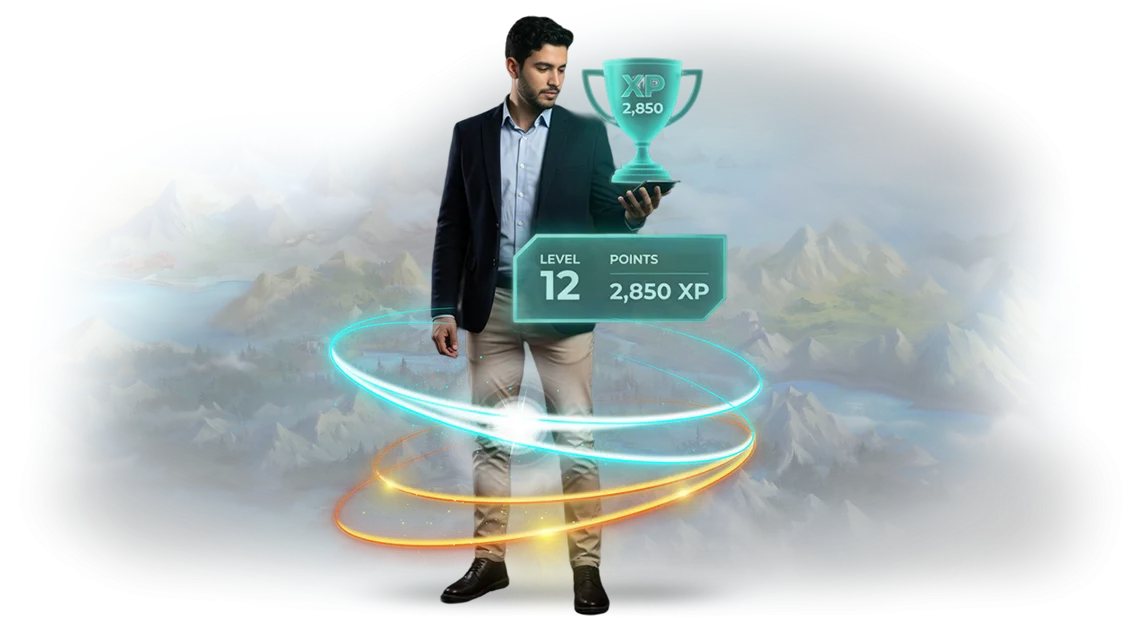
גיימיפיקציה של תהליכים עסקיים בדפדפן: איך להגביר מעורבות
העובדים הם המשאב המרכזי של כל עסק, אבל לשמור על תשומת הלב שלהם הופך לקשה יותר ויותר. משימות שגרתיות מבוצעות על טייס אוטומטי, ההכשרות הופכות לפורמליות, ואפילו תוכניות נאמנות מעוצבות היטב לא מייצרות את התגובה המצופה.
התוצאה: מעורבות יורדת, תחלופת עובדים עולה, וההשקעות בכוח אדם לא מניבות תוצאות מדידות.
הבעיה היא שהגישות הסטנדרטיות חדלו מזמן לייצר הד. מצגות, הנחיות והוראות נתפסות כחובה ולא כהזדמנות לצמיחה.
העובדים לא רואים את הקשר בין הפעולות שלהם להצלחת החברה, ולכן הם מאבדים עניין ומוטיבציה. זה בולט במיוחד בחברות עם מספר גדול של עובדים, שבהן קשה לעקוב אחר התרומה האישית של כל אחד.
גיימיפיקציה של תהליכים עסקיים בדפדפן פותרת את הבעיה הזו באופן שיטתי. אנחנו הופכים את השגרה למשחק עם מטרות ברורות, רמות ותגמולים.
במקביל, העובדים לא צריכים להתקין אפליקציות או לעבור הכשרות מורכבות — הם פשוט פותחים דפדפן במחשב או בסמארטפון. זה מסיר את חסם הכניסה ומאפשר לשלב את כולם בתהליך.
הגישה הזו משפיעה ישירות על מעורבות העובדים: הם רואים התקדמות, מתחרים ומקבלים הכרה על הישגים. הכשרת עובדים מפסיקה להיות משעממת — הידע נקלט דרך תרחישים אינטראקטיביים ומשימות מעשיות.
ותוכניות נאמנות מקבלות מכניקה שקופה: נקודות, תגים, דירוגים ופרסים הופכים לגלויים ומבוקשים.
אנחנו מתמחים בפיתוח אפליקציות גיימיפיקציה ארגוניות על Unity לדפדפן. אנחנו עוזרים לעסקים להפוך תהליכים מפוזרים למערכת מרתקת שמגבירה פרודוקטיביות ומחזקת את רוח הצוות.
אם העובדים שלכם מאבדים עניין ומדדי המעורבות (KPI) לא גדלים — זה הכלי שיסגור את הצורך הזה.
יתרונות לעסק: צמיחת KPI ונאמנות עובדים
גיימיפיקציה הופכת משימות שגרתיות למערכת ברורה של מטרות, רמות ותגמולים — העובדים רואים איך הפעולות שלהם מקרבות אותם לתוצאה אישית, והעסק מקבל צמיחה מדידה ב-KPI.
במקום "אנחנו צריכים לעמוד בתוכנית" המופשט, יש משימות ספציפיות עם התקדמות: סגרת עסקה, סיימת הכשרה, עזרת לעמית — צברת נקודות וסטטוס. זה מה שמפעיל מוטיבציה פנימית, שעובדת ללא פיקוח מתמיד של מנהל.
עבור הצוות, הפורמט הזה אומר שקיפות והערכה הוגנת של התרומה של כל אחד. העובדים רואים את הדירוג הכללי, מבינים על מה ניתנות נקודות, ומנהלים את ההתפתחות האישית שלהם.
תחרות בריאה בלוחות דירוג מחליפה את העייפות מדוחות מונוטוניים, ותגמולים על צעדים קטנים שומרים על עניין גם במשימות מורכבות. התוצאה: תחלופה יורדת ומעורבות עולה — אנשים נשארים בחברה כי הם מוצאים את העבודה מעניינת.
כלי גיימיפיקציה עוזרים לא רק פנימה: מכניקת תחרות והישגים מועברת בקלות לפעילויות חיצוניות — תחרויות לקוחות, תוכניות נאמנות, הכשרות שותפים.
הכרת המותג מתחזקת דרך הרגשות שהמשתתפים חווים: הם נהנים לשתף בהצלחות, להציג סטטוסים ולספר לאחרים שהחברה היא מעסיק מודרני.
אנחנו בונים את הפתרון על Unity כדי שיפעל ישירות בדפדפן — העובדים לא צריכים להתקין כלום, הם פשוט פותחים קישור מכל מכשיר. הארכיטקטורה הזו מפשטת את ההשקה, חוסכת בעלויות ציוד ומאפשרת עדכונים מהירים של המכניקה כשהתהליכים העסקיים משתנים.
אתם מקבלים כלי מוכן שמשתלב בקלות במערכת המוטיבציה הקיימת שלכם ומתחיל להניב תוצאות כבר מהשבוע הראשון.
פורמטים של גיימיפיקציה בדפדפן למשימות שלכם
גיימיפיקציה בדפדפן היא לא תבנית אחת אלא שורה שלמה של פורמטים: מקווסטים קצרים ועד תוכניות מרובות רמות עם חשבון אישי. כל פורמט פותר משימה משלו: לגייס במהירות, להכשיר, להניע לפעולות קבועות, או לאחד צוות באירוע.
בחירת הפורמט קובעת איזו תוצאה עסקית תשיגו. לכן אנחנו מתחילים לא ממכניקת המשחק אלא מהיעד שלכם: מה צריך להשתנות בהתנהגות של עובדים או לקוחות. אנחנו בוחרים מודל משחק ליעד הזה — ורק אז ממלאים אותו בתוכן.
| פורמט | למי | מה זה נותן ללקוח |
|---|---|---|
| קווסטים לעובדים | קליטת עובדים חדשים, הכשרה על נהלים | התעמקות מהירה בחומר, פחות טעויות בעבודה |
| תחרויות בדפדפן | מחלקות מכירות ותמיכה | פעילות מוגברת דרך תחרות בריאה, סטטיסטיקה ברורה |
| סימולטור הכשרה | מחלקות גדולות | תרגול מיומנויות בטוח ללא סיכון לעסק, מעורבות גבוהה |
| תוכנית מרובת רמות | צוותים שזקוקים למוטיבציה ארוכת טווח | הרגלי פעולה מתמשכים, אפקט לאורך זמן |
הטבלה מציגה תרחישים אופייניים. בפועל, פורמטים משולבים: אחרי קווסט מגיעה תחרות, ואז תוכנית עם נקודות מצטברות. אנחנו בונים פתרון למשימה, לתקציב ולזמנים שלכם.
העיקר הוא שהמשחק עובד למען מדדים: גידול במכירות, פחות טעויות, קליטה מהירה יותר של עובדים חדשים. בהתחלה אנחנו קובעים את מדדי התוצאה ואחרי ההשקה מראים את הדינמיקה — לא תצטרכו לנחש אם הגיימיפיקציה השתלמה.
איך עובד פיתוח גיימיפיקציה ארגונית
אנחנו עובדים לפי מתווה שקוף — אתם רואים את התוצאה בכל שלב ושולטים בתהליך. אנחנו מסכמים על החלטות מפתח יחד, כך שהמוצר הסופי עומד בציפיות. כל שלבי פיתוח הגיימיפיקציה קבועים מראש בתוכנית, והזמנים נשארים ברורים.
-
בריף. ראיון עם הצוות שלכם: מטרות, מוטיבציית עובדים, הפרטים של התהליכים העסקיים. אנחנו מגדירים את קהל היעד וקריטריוני ההצלחה, ומתעדים את הציפיות.
-
עיצוב משחק. תרחיש, רמות, תגמולים ומכניקת משחק. אנחנו מתכננים את מערכת התגמול והמשוב ומשלבים אותה בקצב העבודה כך שהיא מרתקת ולא מסיחה.
-
אב-טיפוס. אנחנו יוצרים מודל ויזואלי של הממשק והלוגיקה: סקיצות מסכים, סגנון תואם למותג שלכם. אנחנו מראים איך האפליקציה תיראה בדפדפן — אתם עורכים שינויים לפני תחילת הפיתוח. זה מפחית סיכונים ומאיץ את האישורים.
-
אישור פרויקט. אנחנו מאשרים את הקונספט המלא, היקף העבודה ולוח הזמנים. קובעים את התוכנית ועוברים ליישום טכני.
-
פיתוח ובדיקות. אנחנו בונים את האפליקציה ובודקים אותה בדפדפנים ובמכשירים שונים. מתקנים שגיאות, מתאימים לסטנדרטים הארגוניים ומחברים את השירותים הנדרשים.
-
השקת גיימיפיקציה. אנחנו משלבים את האפליקציה במערכות החברה, מגדירים גישת עובדים ומכשירים מנהלים. תומכים בימים הראשונים של הפעילות ואוספים משוב.
-
תמיכה ופיתוח. אנחנו מעדכנים תוכן, מוסיפים רמות ומשימות חדשות. מנטרים יציבות, מנתחים פעילות ועוזרים לצוות.
מה כלול במסירה: קוד, תוכן ותמיכה
המסירה כוללת את כל מה שצריך כדי להשיק ולפתח גיימיפיקציה ארגונית — בלי שלבים נסתרים ובלי "תסתדרו לבד". אנחנו מוסרים לא רק פרויקט מהודר אלא כלי עבודה שהעובדים שלכם יתחילו להשתמש בו מהיום הראשון. להלן החבילה המלאה.
- תוכן משחק. תרחישים, רמות, משימות, חידונים ומכניקת תגמול הבנויים סביב התהליכים העסקיים שלכם. התוכן מותאם למטרות ארגוניות: הכשרה, השגת KPI ומעורבות ביוזמות.
- קוד תוכנה והגדרות. אפליקציית Unity מוכנה ומותאמת להרצה בדפדפן — העובדים לא צריכים להתקין כלום, הם פשוט פותחים קישור מכל מכשיר: מחשב נייד, טאבלט או טלפון.
- ניהול מערכת. חשבון אישי לצוות שלכם: ניהול משתתפים, צפייה בסטטיסטיקה ושינוי חוקים ותגמולים ללא מעורבות מפתחים. תפקידים והרשאות גישה מוגדרים לפי המבנה הארגוני שלכם.
- תיעוד. הוראות ברורות למנהלים ולמשתמשים, תיאורי תרחישים וחוקים, ולוח זמנים לעדכון תוכן. הכל כתוב בעברית, בלי ז'רגון טכני.
- הכשרת צוות. אנחנו נותנים הדגמה למנהלים, עונים על שאלות ומספקים המלצות לשימוש בגיימיפיקציה למשימות ספציפיות — מקליטת עובדים חדשים ועד הגדלת מכירות.
- תמיכה טכנית ואחריות. אחרי ההשקה אתם מקבלים ערוץ תקשורת עם הצוות שלנו: אנחנו עוזרים בהגדרות, מתקנים שגיאות ומייעצים בפיתוח המכניקה. במידת הצורך, אנחנו משפרים תוכן למשימות חדשות בהסכם נפרד.
בנוסף, אנחנו מספקים חומרי מקור והרשאות גישה: אתם לא תלויים בנו כקבלן יחיד. כל המערכת נשארת שלכם — אנחנו רק עוזרים לכם לנצל אותה במלואה.
הגישה הזו מאומתת על ידי פרויקטים שבהם לקוחות חזרו לתרחישים חדשים ולהרחבת פונקציונליות. אתם מקבלים חבילה שקופה שבה כל אלמנט פותר בעיה עסקית מעשית, לא רק משהו שכתוב בחוזה.
מקרה בוחן: גיימיפיקציה בדפדפן הגדילה מכירות ב-18%
רשת קמעונאית Format פנתה אלינו עם כאב אופייני לענף: אנשי מכירות חדשים היו איטיים מדי בהגעה לתוצאות יעד, וטעויות באינטראקציה עם לקוחות פגעו ישירות בהכנסות. הכשרה קלאסית לא עזרה — העובדים ישבו בה ושכחו את החומר אחרי שבוע.
הצענו סימולטור גיימיפיקציה שעובד ישירות בדפדפן: אין צורך להתקין כלום, ואפשר לפתוח אותו מכל מכשיר. עובד עובר תרחישים קצרים — מגיב להתנגדויות, בוחר מוצרים, מתמודד עם לקוח קשה.
על הפעולות האלה הוא צובר נקודות ורמות ורואה את הדירוג שלו בתוך הצוות. ההכשרה הופכת למשחק, לא למטלה.
מה השתנה בעסק
אחרי שלושה חודשים השווינו את חנויות הפיילוט עם קבוצת ביקורת. בחנויות שבהן הופעלה גיימיפיקציה בדפדפן, המכירות גדלו ב-18%, הסל הממוצע עלה, והתחלופה בקרב עובדים חדשים ירדה ניכר.
המנהלים קיבלו דשבורד ברור: אפשר לראות מי משלים תרחישים, איפה חוזרות טעויות, ומי זקוק לתמיכה.
התוצאה הגיעה מתרחישים שנבנו על דיאלוגים אמיתיים עם לקוחות — אספנו אותם מאנשי המכירות הטובים ביותר של הרשת. העובדים רואים מיד איפה טעו ואיך להגיב נכון.
סשן אורך 5-7 דקות, כך שהוא לא מרחיק אנשים מהעבודה: אפשר לשחק לפני משמרת או בהפסקה. הרשת הקמעונאית קיבלה גידול מדיד במכירות, ידע סטנדרטי של הצוות ומוטיבציה מתמשכת.
איך לבחור פורמט גיימיפיקציה למשימה שלכם?
בחירת פורמט גיימיפיקציה מתחילה לא בשאלה "איזו מכניקה או כלי" אלא במשימה העסקית שאתם פותרים.
זה דבר אחד לקיים אירוע ארגוני מרהיב כדי לאחד את הצוות, ודבר אחר לגמרי לשמור על עניין העובדים בהכשרה על בסיס קבוע או להגדיל נאמנות לקוחות.
כל תרחיש מתאים לפורמט משלו: ממשחק חידון קצר ועד אפליקציה מלאה עם רמות ותגמולים.
הקריטריון השני הוא הקהל. לעובדים חשובה מוטיבציה והתקדמות ברורה, ללקוחות חשובים ערך ורגש, למבקרים באירוע חשוב רושם שהם רוצים לשתף.
הפורמט צריך להתאים לאופן שבו הקהל רגיל לתקשר עם המותג; אחרת, אפילו מכניקה טובה לא תייצר את התגובה הנכונה.
הקריטריון השלישי הוא מדידות תוצאות. החליטו מראש איזה מדד הכי חשוב לכם: שיעור משתתפים, מספר פעולות חוזרות, גידול בהמרות או חשיפה ברשתות חברתיות.
המורכבות ומשך הגיימיפיקציה תלויים בזה: קמפיין חד-פעמי מספיק לתרחיש פשוט, בעוד תוכנית ארוכת טווח דורשת אפליקציה עם צבירת נקודות וסטטוסים.
אם אתם לא בטוחים איזה פורמט מתאים לכם, התחילו עם בריף: נעזור לכם לנסח מטרה, לבחור מכניקה שמתאימה לקהל שלכם ולהגדיר מדדים להערכת התוצאה.
אתם מקבלים פתרון מוכן בלי הסיכון לבזבז תקציב על תרחיש שלא יעבוד.
תשובות לשאלות נפוצות על גיימיפיקציה
אנחנו יודעים שלפני השקת גיימיפיקציה עולות ספקות: כמה זמן זה ייקח, האם זה באמת יעבוד, ואיך זה ישתלב בתהליכים הנוכחיים. אנחנו עונים על השאלות המרכזיות כדי שתוכלו לקבל החלטה ברוגע ובלי סיכונים.
כמה זמן לוקח הפיתוח?
לוחות הזמנים תלויים במורכבות המכניקה ובכמות התוכן. פרויקט טיפוסי אורך ארבעה עד שמונה שבועות. בהתחלה אנחנו קובעים שלבים ומנטרים תאריכים: אתם רואים גרסאות ביניים בדפדפן ומבינים מה קורה בכל שלב.
איך גיימיפיקציה תשפיע על מעורבות?
אנחנו מתכננים תרחישים שמניעים עובדים או לקוחות לחזור באופן קבוע: משימות, רמות, תגמולים על פעולות אמיתיות. בממוצע, פעילות המשתתפים עולה פי שניים עד שלושה, והכי חשוב — נוצר הרגל של שימוש במוצר שלכם. ההמרה לפעולות חוזרות נשמרת גם אחרי שהשלב הראשון של התוכנית מסתיים.
אפשר לשלב עם CRM, 1C או מערכת פנימית?
כן. האפליקציה עובדת בדפדפן ומחליפה נתונים עם המערכות שלכם: הענקת נקודות על רכישות, סנכרון סטטוסים, העברת תגמולים. אנחנו מגדירים את האינטגרציה לארכיטקטורה שלכם, כל הנתונים מוגנים, ואתם שומרים על שליטה מלאה בתהליכים.
מה לגבי אחריות לתוצאה?
אנחנו חותמים על חוזה עם אחריות לפעילות יציבה של האפליקציה, ולפני ההשקה קובעים מדדי הצלחה: חשיפה, החזרות, השלמת פעולות יעד.
אחרי ההשקה אנחנו תומכים בפרויקט — עוזרים בשיפורים, אנליטיקה ופיתוח התוכנית כדי שהתוצאה תהיה מדידה ומשתלמת.
אם השאלה שלכם לא כאן, פשוט כתבו לנו. נסביר איך גיימיפיקציה תשתלב בעסק שלכם ספציפית ונציע פתרון לזמנים ולמטרות שלכם.הזמינו גיימיפיקציה בדפדפן וקבלו פרויקט עובד
השאירו פנייה להערכת עלות — ותקבלו לא רק הצעת מחיר אלא תוכנית השקה מוכנה לגיימיפיקציה בדפדפן עם לוחות זמנים מדויקים.
נעריך את המשימות שלכם, נציע את פורמט המכניקה האופטימלי ונראה איך הפרויקט ישתלם: יותר מעורבות עובדים, המרת הכשרה גבוהה יותר ויותר פניות חוזרות של לקוחות.
אנחנו עובדים עם תזמון שקוף — אתם תמיד יודעים באיזה שלב נמצא הפרויקט ומתי הוא יהיה מוכן. בלי "הבטחות יתר" ואישורים אינסופיים: אנחנו קובעים מועדים בחוזה ועומדים בהם.
מה תקבלו אחרי הפנייה:
- הערכת עלות ראשונית למשימה שלכם — בלי תוספות נסתרות;
- תוכנית השקה שלב אחר שלב עם תאריכים לכל שלב;
- המלצות על מכניקה: מה יניב תוצאות מהירות ומה עדיף לדחות;
- דוגמאות לפרויקטים דומים מהתחום שלכם;
- ייעוץ — אנחנו עונים על שאלות על אינטגרציה, תמיכה ופיתוח גיימיפיקציה;
- הערכה קבועה אחרי הבריף ומועדים שנקבעו בחוזה.
הזמנת גיימיפיקציה בדפדפן פירושה קבלת כלי עבודה, לא רעיון מופשט. כבר עברנו את הדרך הזו עשרות פעמים: מהפגישה הראשונה ועד ההשקה והתמיכה שלאחר השחרור.
לכן אנחנו מציעים מתווה פשוט: פנייה → בריף → תוכנית עם לוחות זמנים מדויקים → פיתוח → השקה.
השאירו פנייה — ותוך יום עסקים אחד תקבלו הערכת עלות ותוכנית השקה מותאמת למטרות שלכם. ואם עדיין יש לכם שאלות, נזמין אתכם לייעוץ קצר שבו נדון בתרחיש הספציפי שלכם.