

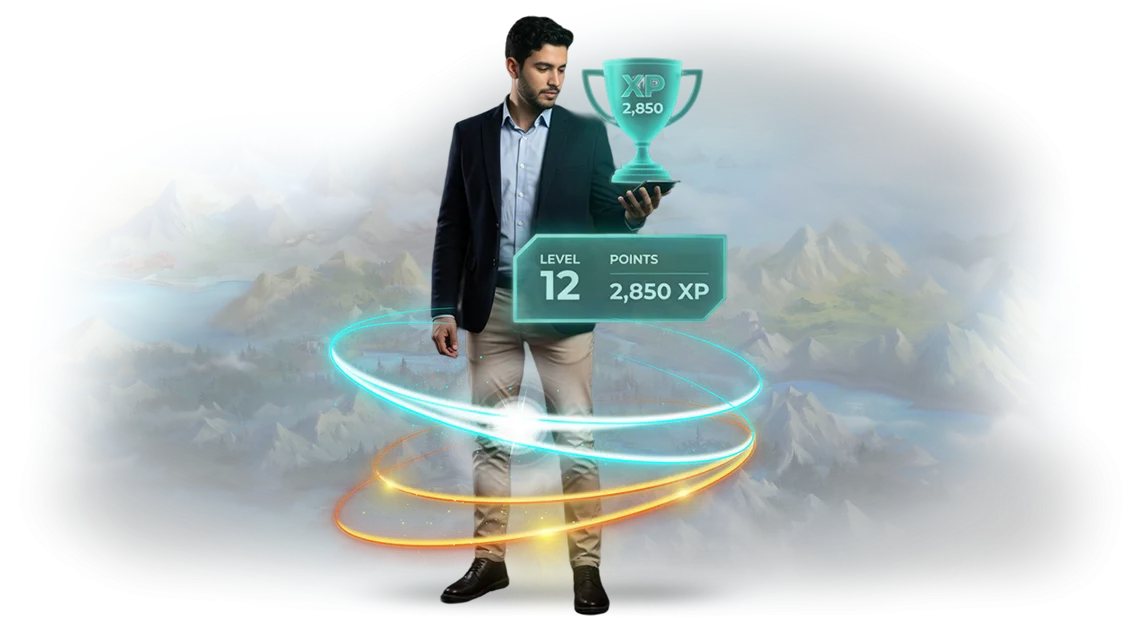
גיימיפיקציה של הערכת עובדים: איך להפסיק לאבד עובדים
כשההערכה מסתכמת במילוי מבחנים ושיחה פורמלית עם המנהל, היא נתפסת כפיקוח ולא כתמיכה.
עובדים חשים לחץ, חוששים מטעויות, ובסופו של דבר מציגים את עצמם באור הטוב ביותר, בעוד הכישורים שצברו נשארים בצל. הערכת עובדים כזו אינה מקדמת התפתחות—היא רק יוצרת מתח ומפחיתה את הרצון לעבוד.
הסכנה העיקרית של הערכה פורמלית היא אובדן עובדים יקרי ערך. אנשים שרוצים לצמוח רואים שהחברה לא מתעניינת בפוטנציאל האמיתי שלהם ומתחילים לחפש הזדמנויות במקום אחר.
תחלופת העובדים גדלה, הצוות מאבד ניסיון, והעסק משלם בזמן המושקע בגיוס, הכשרה וקליטת עובדים חדשים. המנהל מקבל דוח, והחברה מקבלת בעיות כוח אדם.
הפתרון נמצא במקום שבו ההתרגשות מחליפה את "הבחינה" המפחידה. גיימיפיקציה של תהליכים עסקיים הופכת את ההערכה לסדרה של משימות מרתקות שבהן העובדים משתתפים באופן פעיל: הם עוברים שלבים, צוברים נקודות ומשווים את הישגיהם עם עמיתים.
פורמט זה מסיר את הפחד, הופך את התהליך לשקוף וברור, ואת תוצאת ההערכה לאובייקטיבית. העובדים רואים את החוזקות ואת תחומי הצמיחה שלהם ומבינים בדיוק כיצד להתפתח הלאה.
מכניקות משחק מניעות חזק יותר מהוראה סטנדרטית להשלמת הערכה. הרצון הטבעי לנצח, ללמוד דברים חדשים ולזכות בהכרה הוא מה שמניע את זה.
החברה גם מקבלת תמונה חיה של כישורי הצוות: מי מוכן למשימות חדשות, מי זקוק להכשרה, מי יכול להפוך למנטור.
ההערכה מפסיקה להיות שגרה והופכת לכלי לשימור עובדים והגברת המעורבות שלהם—ולכן לצמיחה עסקית בת קיימא.
אנחנו עוזרים לבנות מערכת גיימיפיקציה המותאמת ליעדי החברה שלכם. אנחנו מפתחים תרחישים שמשתלבים בתהליכים קיימים ומספקים תוצאות מדידות: תחלופה נמוכה יותר, מוטיבציה גבוהה יותר והערכת עובדים ברורה ללא לחץ מיותר.
מה גיימיפיקציה מספקת: מעורבות גבוהה יותר ותוצאות ברורות
הערכת עובדים שגרתית מתדרדרת במהירות לפורמליות: עובדים עונים "רק כדי להראות", המנהל מסתמך על אינטואיציה, ותצפיות יקרות ערך טובעות בגיליונות אלקטרוניים. משאבי אנוש מקבלים נתונים סובייקטיביים, התהליך יוצר התנגדות, ולתוצאות אין השפעה. זה בדיוק מה שגיימיפיקציה משנה מהיסוד.
במקום תרגיל חובה, יש תרחיש שבו אנשים מצטרפים ברצון למשחק ומפגינים ידע אמיתי. הנה מה שהעסק ומשאבי האנוש מקבלים לאחר היישום:
- מעורבות עובדים — העובדים משלימים את ההערכה בעניין, לא "כי הכריחו אותם".
- תוצאות הערכה אובייקטיביות — החלטות מבוססות על נתונים שנאספו, לא על התרשמות אישית של המנהל.
- נאמנות עובדים — חוקים ברורים, נקודות ומשוב מחזקים את האמון בחברה.
- מדדי משאבי אנוש שקופים — הדינמיקה של כל עובד וצוות נראית מיד, ללא הרכבה ידנית של דוחות.
- תחלופה נמוכה יותר — עובד מעורב ומוכר נוטה פחות לעזוב למתחרה.
כל פריט ברשימה זו מטופל במהלך היישום, לא "מתישהו אחר כך". הצוות שלנו משתמש בכלי גיימיפיקציה מוכחים, כך שהתוצאות הראשונות נראות כבר לאחר מחזור ההערכה הראשון.
משאבי אנוש סוף סוף רואים את התמונה האמיתית, ומנהלים מקבלים החלטות על סמך עובדות, לא רגשות. גיימיפיקציה מחזירה את ההשקעה לא דרך בידור אלא דרך יתרונות מדידים: מעורבות גבוהה יותר, תחלופה נמוכה יותר ותוצאות הערכה ברורות לכל העסק.
פורמטים של גיימיפיקציה להערכת עובדים שיתאימו למשימה שלכם
כל הערכת עובדים פותרת משימה ספציפית: לבדוק ידע, לזהות מנהיגים, לאחד את הצוות או לרענן כישורים.
אין פורמט אחד שמתאים לכולם—וזה הכוח של גיימיפיקציה: אתם בוחרים את המכניקה לתוצאה עסקית ספציפית, ואנחנו מתאימים אותה למאפייני החברה שלכם.
| פורמט | למי | מה הלקוח מקבל |
|---|---|---|
| מסע עובד | צוותים קטנים עד 50 איש, הערכה לאחר הכשרה | בודק ידע דרך עלילה מרתקת: העובד משלים משימות ומיד רואה את הפערים שלו, בעוד איש משאבי האנוש מקבל תמונה ברורה של רמת ההכשרה |
| משחק עסקי | מנהלים, צוותי מכירות, מחלקות שירות | מדמה מצבי עבודה אמיתיים—כישורים מוערכים בפעולה, לא דרך תשובות במבחן: אפשר לראות איך אדם היה מתנהג מול לקוח או בקונפליקט |
| תחרות | מחלקות גדולות, סניפים מרובים, צוותים מבוזרים | יוצרת תחרות בריאה ומוטיבציה להתכונן: דירוג המשתתפים משווה תוצאות על פני תקופה קצרה ומערב אפילו עובדים פסיביים |
הפורמטים קלים לשילוב: התחילו עם מסע כחימום, עברו למשחק עסקי להערכה מעמיקה, וסיימו עם תחרות לזיהוי הטובים ביותר.
כך ההערכה הופכת מהליך פורמלי לגיימיפיקציה של הכשרה ושימור עובדים—עם תוצאות מדידות למשאבי אנוש ולעסק.
איך מתבצע יישום גיימיפיקציה: 6 שלבים מהמטרה ועד ההשקה
יישום גיימיפיקציה אינו "קופסה שחורה". פירקנו את הפרויקט ל-6 שלבים שקופים: בכל שלב אתם רואים מה קורה ויכולים להשפיע על התוצאה.
בלי הפתעות—רק לוחות זמנים ברורים, אישורים והשקה סופית של מערכת הערכה שעובדים באמת ישתמשו בה.
-
הגדרת מטרות וניתוח קהל. אנו מגדירים את מטרות ההערכה: אילו כישורים נבדקים, מי מוערך ואיזו תוצאה העסק צריך. אנו מזהים את רמת המעורבות הנוכחית ואת נקודות הצמיחה.
-
תרחיש הערכה. אנו עובדים על העלילה יחד איתכם: משימות, נקודות, שלבים, משוב. התרחיש נשאר ברור לעובדים ואינו דורש הכנה מיוחדת.
-
אישור. אתם רואים את התרחיש לפני תחילת הפיתוח. אנו מבצעים תיקונים ומאשרים את המכניקה והחוקים לפני השקעת משאבים בתכנות.
-
יישום. אנו מגדירים את המערכת לתהליך שלכם: אינטגרציה עם כלים קיימים, ממשק ברור לעובדים ולמשאבי אנוש. אנו משתמשים בפלטפורמה מוכחת, כך שלוחות הזמנים נשמרים.
-
בדיקת קבוצת פיילוט. אנו בודקים את התרחיש עם עובדים אמיתיים: רואים איך הם עוברים את השלבים, היכן הם נתקעים והאם ההוראות ברורות. אנו מבצעים התאמות לפני ההשקה המלאה.
-
השקה ותמיכה. אנו משיקים את המערכת לכל העובדים, מאמנים מנהלי מערכת ונשארים בקשר. לאחר ההשקה, אנו אוספים תוצאות ועוזרים לשפר את התרחיש למטרות חדשות.
מה כלול במסירה: ערכה להשקה ולתמיכה
איש מקצוע במשאבי אנוש לא צריך "פעילויות כיפיות" לשם עצמן—הוא צריך כלי שהופך את ההערכה לברורה, מרתקת ומדידה. אז המסירה כוללת לא רק משחק אלא ערכה עובדת: מהתרחיש ועד הכשרת צוות משאבי האנוש שלכם.
מה אתם מקבלים
- תרחיש גיימיפיקציה לתהליך ההערכה שלכם. מבנה מוכן עם עלילה, שלבים ומערכת נקודות שמשתלבת בהליכי הערכה קיימים. העובדים רואים את התוצאות שלהם בדינמיקה, ומשאבי אנוש רואים את התמונה הכללית ללא איסוף נתונים ידני.
- מכניקה המותאמת למטרות ההערכה שלכם. נקודות, שלבים, תגמולים ומשוב מעוצבים כדי להניע עובדים להשלים את שלבי ההערכה ולא רק לשבת אותם. כל ההגדרות מתועדות בתוכנית ברורה—אתם תמיד יודעים איך ולמה כל מכניקה עובדת.
- חומרים מתודולוגיים למחלקת משאבי אנוש. מדריכים, הוראות ותבניות תקשורת לעובדים ולמנהלים. אתם לא צריכים להבין איך להסביר את החוקים—הכל כתוב, רק צריך להתאים לסגנון התקשורת שלכם.
- הכשרה לצוות שלכם. אנו מעבירים מפגש מעשי למומחי משאבי אנוש ולמדריכים פנימיים: איך להפעיל את המכניקה, לענות על שאלות עובדים ולהתאים את רמת הקושי תוך כדי. האנשים שלכם רוכשים מיומנות, לא תלות בקבלן.
- תמיכה לאחר ההשקה. אנו נשארים בקשר בתחילת הדרך ועוזרים במחזורי ההערכה הראשונים: עונים על שאלות, מתקנים במהירות בעיות ומייעצים כיצד לשפר את התרחיש על סמך תוצאות הפיילוט. אתם אף פעם לא נשארים לבד עם הכלי.
כתוצאה מכך, אתם מקבלים לא רק "מסע להראות" אלא כלי הערכה עובד וברור לעובדים, שמנוהל על ידי הצוות שלכם ללא מעורבות מפתחים.
מקרה בוחן: צמיחה של 40% במעורבות לאחר יישום גיימיפיקציה
עבור רוב החברות, הערכה היא פורמליות: עובדים עוברים את תנועות המבחנים "להראות", ומשאבי אנוש מקבלים מספרים חסרי תועלת. בינתיים, תחלופת העובדים ממשיכה לעלות, ושבועות מושקעים בגיוס והכשרה.
הצענו לרשת בתי הקפה הלאומית «שועל שחור» להפוך את ההערכה למשחק קבוצתי: שלבים, נקודות, תחרות בין סניפים והכרה פומבית בטובים ביותר.
השבועיים הראשונים של הפיילוט רצו בשלושה סניפים, ואז המכניקה הורחבה לכל החנויות ברשת.
במקום סקר משעמם, העובדים עברו את התרחיש "משמרת עבודה אידיאלית": הם טיפלו בלקוחות קשים, חיפשו הפרות תקן, צברו נקודות וראו את הדירוג. ההערכה הפסיקה להיות מקור ללחץ—אנשים ציפו לה במקום להימנע ממנה.
תוצאות היישום
מעורבות העובדים גדלה ב-40%: עובדים חזרו על משימות בעצמם כדי לשפר את התוצאות שלהם. תחלופת העובדים בסניפי הפיילוט ירדה ברבע בתוך שישה חודשים—אנשים ראו שכישורים חדשים פותחים נתיב לצמיחה והפסיקו לעזוב. זה הפחית את עלויות הגיוס והקליטה.
משאבי אנוש קיבלו נתונים חיים על כל עובד: פערי ידע, מוכנות לקידום והצורך בהכשרה נוספת. בעבר, איסוף נתונים אלה ארך חודשים; עכשיו הם מופיעים אוטומטית אחרי כל סבב. מנהלי סניפים יכולים לראות מי זקוק לתמיכה, במקום ממוצע כללי אחד.
למה זה עובד
מכניקות משחק יוצרות סביבה בטוחה לטעויות—עובדים מנסים, טועים, רואים את ההשלכות ולומדים מיד. עבור העסק, זה אומר איכות שירות גבוהה יותר ללא הרחבת הצוות; עבור משאבי אנוש, זה בסיס אובייקטיבי להחלטות כוח אדם. הלקוח כבר השיק שלב שני לעובדים חדשים ולצוות הניהול.
איך לבחור פורמט גיימיפיקציה למשימה העסקית שלכם?
אין פורמט גיימיפיקציה אוניברסלי—הפתרון האופטימלי נקבע תמיד על ידי שני גורמים: מטרת ההערכה הספציפית וגודל הצוות.
המכניקה ורמת הפירוט של התרחיש תלויות בשאלה אם אתם רוצים לבדוק את הידע של עובדים חדשים או לזהות מנהיגים בקרב עובדים מנוסים.
עבור צוות קטן של עד 20 איש, מפגשים אינטראקטיביים קצרים בצורת משחק עסקי או חידון יעילים—הם מאפשרים להעריך כל משתתף תוך כמה שעות וליצור דיון חי.
כשמדובר במאות עובדים, הגיוני יותר להשתמש בתרחישים מקוונים אישיים עם בדיקת תוצאות אוטומטית: אתם מקבלים תמונה אובייקטיבית על פני כל החברה ללא מעורבות של מספר גדול של מנחים.
הקריטריון השני הוא מטרת ההערכה עצמה. אם ההערכה נועדה לזהות תחומי צמיחה, פורמט "פעולה" עם רמות קושי עובד היטב, שבו העובדים יכולים לראות את נקודות החולשה שלהם בעצמם.
אם המטרה היא לבנות מאגר כישרונות, מכניקות תחרותיות עם דירוגים ושלבים קבוצתיים עובדות טוב יותר, מכיוון שהן חושפות איכויות מנהיגות ומיומנויות שיתוף פעולה.
שותף מנוסה עוזר למשאבי אנוש לא ללכת לאיבוד בפרטים: אנו בוחרים פורמט שמתאים לתרבות הארגונית שלכם, מתאימים את המכניקה למאפייני כל תפקיד ומכינים תרחיש כך שעובדים יראו בהערכה לא בדיקה אלא התפתחות מועילה.
כתוצאה מכך, אתם מקבלים נתונים אובייקטיביים להחלטות ניהול וצוות שעובר את ההערכה ללא לחץ או התנגדות.
אם אתם לא בטוחים איזה פורמט מתאים לעסק שלכם, התחילו בייעוץ קצר—ננתח את המשימה ונציע 2-3 אפשרויות עם תחזית של מאמץ ותוצאות. זה ייקח לא יותר משעה ויחסוך מכם טעויות יישום.
תשובות לשאלותיכם: עלות, לוחות זמנים, מורכבות יישום
אנו שומעים לעתים קרובות שלוש שאלות ממנהלי משאבי אנוש ומנהלים: כמה עולה גיימיפיקציה של הערכה, כמה מהר אפשר ליישם אותה, והכי חשוב—האם זה באמת עובד? אנו עונים מיד כדי שתוכלו לקבל החלטה מושכלת ללא התלבטויות ארוכות או ספקות.
כמה עולה פיתוח גיימיפיקציה?
העלות תלויה במורכבות המכניקה, מספר המשתתפים ועומק האינטגרציה עם מערכת משאבי האנוש שלכם. אנו נותנים לכם את המספר המדויק לאחר בריף חינמי—הוא לא משתנה במהלך התהליך.
עבור פיילוטים קטנים, העלות מינימלית, ויישום מלא מחזיר את ההשקעה דרך תחלופה נמוכה יותר ומעורבות עובדים גבוהה יותר.
מהם לוחות הזמנים של הפרויקט?
פרויקט טיפוסי אורך שבועיים עד ארבעה: בריף, עיצוב מכניקה, יישום טכני, בדיקות והשקה. אתם מקבלים תוכנית שלבים עם אבני דרך ואינכם תלויים בקבלן יחיד—יש לנו צוות מנוסה שמספק את הפרויקט במפתח מלא.
איך מודדים את האפקטיביות של גיימיפיקציה?
אנו מגדירים מראש KPIs: שיעור השלמת הערכה, זמן המושקע בהערכה, שביעות רצון עובדים והפחתה בשיעורי שגיאות. לאחר ההשקה, אתם רואים דשבורד עם מדדים בזמן אמת—האפקט נמדד במספרים, לא ברגשות.
האם גיימיפיקציה תתאים לתהליך ההערכה שלנו?
כמעט תמיד, אם ההערכה היא לא רק תיבת סימון פורמלית. מכניקות משחק מפחיתות לחץ, מגבירות מעורבות ועוזרות להשיג תוצאות אובייקטיביות. אם יש לכם רגולציות מחמירות—אנו מתאימים את הפורמט למאפיינים שלכם.
תשובות אלה מכסות את הספקות העיקריים. את הפרטים הנותרים—התאמה לענף שלכם, מכניקה ספציפית ופורמט המצגת—נכסה בשיחה חינמית. קבעו ייעוץ—נראה לכם איך גיימיפיקציה תשתלב במערכת הערכת העובדים שלכם.בואו נדון במשימה שלכם: גיימיפיקציה של תהליכים ב-5 ימים
הערכת עובדים הופכת לעתים קרובות לפורמליות: עובדים פשוט יושבים אותה, והתוצאות לא משקפות כישורים אמיתיים. גיימיפיקציה של תהליכים משנה את זה—היא הופכת את הבדיקה לתרחיש מרתק שבו אנשים באמת מתערבים ומראים למה הם מסוגלים.
נכין פתרון ב-5 ימים. כל מה שאתם צריכים לעשות זה להשאיר בקשה לגיימיפיקציה—אנחנו נטפל בשאר. תארו את המשימה בכמה שורות, ואנחנו נציע פורמט שמתאים לסגנון הניהול שלכם ולא ישבש את זרימת העבודה שלכם.
הנה איך נראית העבודה שלנו אחרי שתפנו אלינו:
- אנו מקיימים ייעוץ גיימיפיקציה: דנים במטרות ההערכה, בתפקידים ובפורמט של הצוות שלכם.
- אנו מחשבים את העלות לקנה המידה שלכם—ללא תשלומים נסתרים וללא אפשרויות מיותרות.
- אנו מציעים תוכנית יישום למכניקת משחק: תרחיש, חוקים, מערכת נקודות ושלבים.
- אנו בוחרים דוגמאות פורמט לצוות שלכם—מחידונים וסימולציות עסקיות ועד תחרויות בין מחלקות.
- אנו מסכימים על לוחות זמנים ומראים איך הפתרון ישתלב בתהליכים הנוכחיים שלכם.
כבר יישמנו גישה זו להערכה בעשרות צוותים—מרשתות קמעונאיות ועד חברות IT. מנהלים מקבלים תמונה אובייקטיבית ללא בדיקה ידנית של כל תשובה, ועובדים רואים בתהליך משחק, לא עונש.
התוצאה היא לא רק "בדיקה נוספת" אלא כלי שמגביר מעורבות, מפחית לחץ בקרב עובדים ונותן לכם נתונים ברורים להחלטות. אתם מקבלים הצעת מחיר, תוכנית ושלבים הבאים תוך מספר ימים.
השאירו בקשה לגיימיפיקציה—ונחזור אליכם עם הצעה מסחרית, דוגמאות פורמט והמלצות לצוות שלכם.