

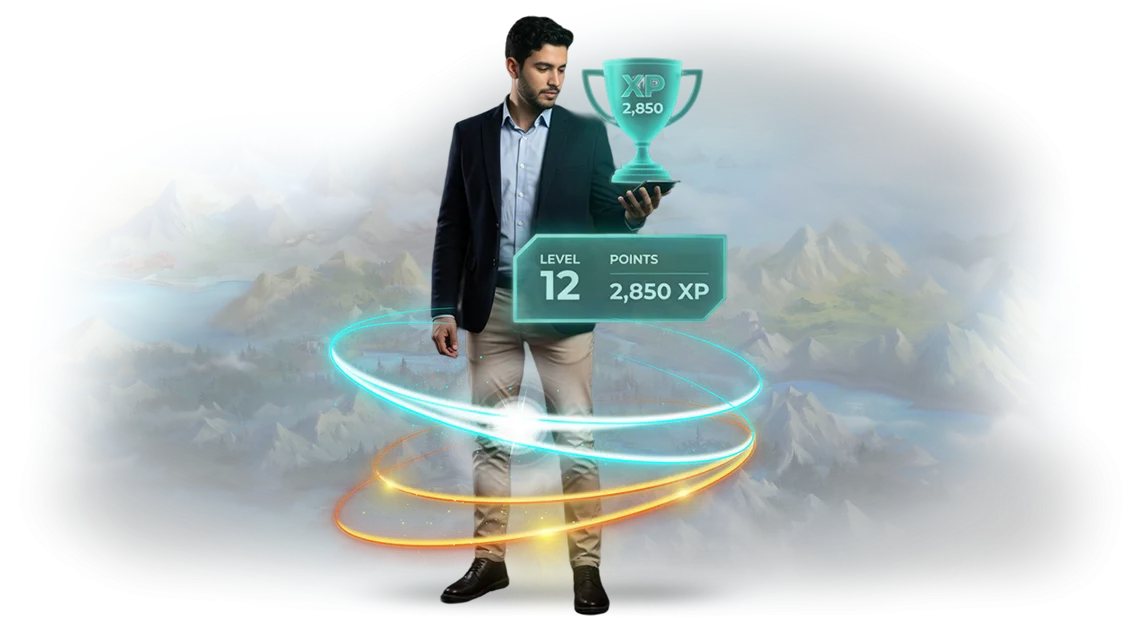
גיימיפיקציה לניהול קונפליקטים: למה זה עובד
הדרכים הרגילות לפתרון קונפליקטים — משא ומתן, נזיפות, הדרכות תקשורת — נתקלות לא פעם בתגובות הגנתיות. אנשים לא מוכנים לדבר בפתיחות כשהם מרגישים מאוימים, ולכן הבעיה חוזרת תוך חודש.
גיימיפיקציה של קונפליקטים מסירה את החומה הזו: המצב כבר לא נראה כמו עונש או ביקורת על טעויות.
במודל המשחק, המשתתפים נוטלים תפקידים, פועלים לפי חוקים ומגיעים למטרה — במקום להגן על הצדקתם שלהם. כך קל יותר להקשיב לעמית, לראות את המצב מבחוץ ולנסות מודל התנהגות חדש ללא סיכון. ניהול קונפליקטים בצוות הופך מתהליך הגנתי למשימה משותפת של פתרון בעיות.
יתרון נוסף הוא מניעה. אין צורך לחכות עד שקונפליקט תת-קרקעי יפגע בפרויקט: שיטות גיימיפיקציה למשאבי אנוש מאפשרות לעבוד על תרחישים מורכבים מראש, לחלק תחומי אחריות ולהסכים על כללי תקשורת. כך המתח מתפוגג בפורמט בטוח, והעובדים מקבלים דפוסי פעולה מוכנים.
מבחינת העסק, זה אומר תחלופת עובדים נמוכה יותר, החלטות מהירות יותר ושמירה על יחסים בתוך הצוות. עובדים לא מוסחים על ידי עיסוק בעניינים אישיים; הם משקיעים את האנרגיה שלהם בתוצאות.
מכניקות משחק מספקות משוב מדיד: אפשר לראות מי מתנהג איך בקונפליקט, ואיפה הצוות זקוק לתמיכה.
אנחנו מטפלים בפיתוח ותמיכה בתוכניות כאלה — מאבחון ועד השקה. אתה מקבל כלי שמשתלב בתהליכים קיימים ומספק אפקט מתמשך, לא אירוע חד-פעמי.
מה הגיימיפיקציה מביאה לתהליכים של החברה שלך
היתרונות של גיימיפיקציה מתחילים במעורבות עובדים. כשמשימות שגרתיות הופכות למכניקות משחק ברורות עם רמות, נקודות ותגמולים, אנשים מפסיקים לעבוד תחת כפייה — הם מתחברים לתהליך ורואים את תוצאות המאמצים שלהם.
זה חשוב במיוחד בניהול קונפליקטים: במקום ויכוחים רגשיים, עובדים פועלים לפי חוקים שקופים, ותהליך המחלוקת עצמו הופך לפחות כואב ויותר בונה.
פורמטים של משחק מפחיתים משמעותית קונפליקטים בצוות. עובדים לומדים לנהל משא ומתן בסביבה בטוחה: הפסד נתפס לא כתבוסה אלא כניסיון, והניצחון הולך למי שמציע פתרונות טובים יותר, לא למי שצועק הכי חזק.
כתוצאה מכך, האווירה בצוות משתפרת: פחות מתח, יותר תמיכה הדדית ורצון גדול יותר לעבוד יחד — זה משפיע ישירות על תחלופת עובדים, כי אנשים לא עוזבים חברות שבהן הם מרגישים בנוח.
גיימיפיקציה למשאבי אנוש נותנת למחלקת משאבי האנוש כלי שנראה לעין ללא סקרים מורכבים: פעילות עובדים, השתתפות במשימות, נכונות לקחת אחריות.
מנהל רואה מי נשרף, מי מעורב ומי זקוק לתמיכה, ויכול להתערב לפני שהקונפליקט מתפרץ. הפרודוקטיביות גדלה מעצמה — עובדים מבינים איך הפעולות האישיות שלהם משפיעות על התוצאה הכוללת ורוצים להשיג יותר.
מבחינת העסק, זה אומר תהליכים צפויים וצוות חזק יותר. גיימיפיקציה היא לא בידור; זה כלי ניהולי: היא הופכת מטרות לברורות, חוקים להוגנים ועובדים למוטיבציה.
אם תתחיל בפרויקט פיילוט בצוות אחד, תוך חודש תראה את ההבדל במצב הרוח ובתוצאות — ותוכל להרחיב את הגישה למחלקות אחרות.
פורמטים של גיימיפיקציה למשימה שלך
גיימיפיקציה עובדת רק כשהפורמט תואם למשימה. דבר אחד זה לגייס עובדים במהירות לנושא חדש, דבר אחר זה לשנות דפוסי התנהגות בקונפליקטים או להגדיל מכירות. אנחנו משתמשים בשלושה פורמטים בסיסיים, שכל אחד מהם נותן מענה לצורך עסקי ספציפי.
| פורמט | למי זה מיועד | מה זה מספק ללקוח |
|---|---|---|
| חידונים | משאבי אנוש, הדרכות, אירועים המוניים | גיוס מהיר של הצוות, בדיקת ידע קלה, שחרור מתחים. מתאים לקליטת עובדים חדשים ולפגישות תקופתיות. |
| תחרויות ומשחקי צוות | מחלקות מכירות, צוותי פרויקטים | התרגשות ותחרות בריאה, צמיחה במדדי KPI, בניית צוות סביב מטרה משותפת. אידיאלי להשקת תהליכים חדשים. |
| משחקי תפקידים ארוכי טווח | ניהול קונפליקטים, פיתוח מיומנויות רכות | תרגול מצבים מורכבים בסביבה בטוחה, שינוי התנהגותי מתמשך, המיומנות נשארת אחרי המשחק. למנהלים ולמשאבי אנוש. |
חידונים אורכים 15–20 דקות ומספקים תמונת מצב מיידית: מה ברור ואיפה הפערים. תחרויות נמשכות שבוע-שבועיים והופכות משימות שגרתיות למרדף אחרי תוצאות.
משחקי תפקידים נמשכים חודש או יותר — במהלך הזמן הזה המשתתפים חווים תרחישי קונפליקט אמיתיים, מנסים מודלים חדשים של התנהגות ומחזקים אותם בפועל.
אתה לא חייב לבחור רק אחד; אנחנו מרבים לשלב פורמטים. לדוגמה, אנחנו מתחילים עם חידון קצר לחימום, ואז משיקים תחרות בין מחלקות, בזמן שמשחק תפקידים מתנהל במקביל לעובדים מרכזיים. כך אתה מקבל גם אפקט מהיר וגם שינויים ארוכי טווח.
כדי לבחור את הפורמט הנכון, מספיקה שיחה אחת: אנחנו בוחנים את המשימה שלך, את הקהל ואת לוח הזמנים — ומציעים פתרון שמספק תוצאות מדידות כבר במחזור הראשון.
איך אנחנו מיישמים גיימיפיקציה: שלבי הפרויקט
יישום גיימיפיקציה הוא לא קנייה של אפליקציה מוכנה; זה פרויקט משותף. אנחנו עוברים מהבנת המצב שלך למערכת עובדת שעוזרת לרכך קונפליקטים ולגייס עובדים לאינטראקציה בונה.
להלן שלבי היישום, תהליך הפיתוח ולוח הזמנים של הפרויקט שאנחנו מפרטים בחוזה.
שלבי היישום
- בריף ואבחון. אנחנו בוחנים תהליכים קיימים ונקודות מתח. אנחנו אוספים משוב מעובדים — כך המכניקות פותרות בעיה אמיתית ולא משחק לשם המשחק.
- עיצוב תרחיש. אנחנו מגדירים מכניקות משחק שהופכות מצבי קונפליקט למצבי אימון. אנחנו מיישרים קו על הקונספט ומדדי ההצלחה.
- אב-טיפוס ובדיקות. אנחנו בונים גרסה עובדת ובודקים אותה על קבוצה קטנה. אנחנו מבצעים התאמות לפני ההשקה המלאה.
- פיתוח ואינטגרציה. אנחנו מכינים מוצר מלא ומשלבים אותו בכלים שלך. אתה מקבל מערכת עם פאנל ניהול לשליטה.
- השקת הגיימיפיקציה. אנחנו משיקים את הפעילות, מגייסים משתתפים ומכשירים מנהלים. תוצאות ראשונות נראות כבר בשבוע הראשון.
- תמיכה ופיתוח. אנחנו מנתחים נתונים, אוספים משוב ומכווננים את המכניקות לשינויים בצוות.
לוחות הזמנים של הפרויקט תלויים בהיקף: בדרך כלל 4–8 שבועות מהבריף ועד ההשקה. בכל שלב אתה מקבל דוחות ברורים ומבין מה קורה.
מה כלול במסירת פתרון הגיימיפיקציה
כל פרויקט גיימיפיקציה הוא לא רק סט של מכניקות, אלא חבילה מלאה שהצוות שלך יכול ליישם ולפתח. אנחנו מספקים את הפתרון במפתח פתוח, כך שאתה מקבל תוצאות מיד לאחר ההשקה ויכול לנהל אותו ללא מעורבות מתמדת של מפתחים.
הנה מה שכלול במסירה:
- תרחישים ומכניקות משחק — תרחישים מוכנים לתהליכים העסקיים שלך, כולל טיפול במצבי קונפליקט, עם חוקים, רמות ותגמולים מוגדרים.
- מדריכים מתודולוגיים ונהלים — הוראות ברורות למנהלים ולמשתתפים: איך להשתמש במערכת, אילו פעולות מתוגמלות ואיך לטפל במקרים חריגים.
- פאנל ניהול — ממשק נוח להגדרת משימות, נקודות, תגמולים ומעקב אחר התקדמות עובדים. אין צורך במתכנת לשינויים.
- תיעוד מלא — תיאור ארכיטקטורה, הוראות פריסה ותפעול למחלקת ה-IT שלך. הכל שקוף, בלי "קופסאות שחורות".
- הכשרת צוות — אנחנו מכשירים מנהלים ומשתמשים מרכזיים כדי שיוכלו לנהל את המערכת באופן עצמאי ולעזור לעמיתים.
- תמיכה בהשקה — אנחנו מלווים אותך בשלב ההשקה, עוזרים בהגדרות ראשוניות והתאמות. לאחר מכן, תמיכה מורחבת זמינה לפי בקשה.
- אנליטיקה ודוחות — לוחות מחוונים עם מדדי מעורבות, התקדמות משתתפים והשפעת הגיימיפיקציה על מצבי קונפליקט. הם מראים אילו מכניקות עובדות ומה כדאי לכוונן.
חבילה כזו מכסה את כל השלבים — מההשקה ועד לשימוש שוטף. אתה מקבל לא פלטפורמה מופשטת אלא כלי שקל לשלב בתהליכים קיימים ולהתאים לשינויים בעסק.
כל החומרים נשארים אצלך, כך שהפתרון לא "מת" אחרי מסירת הפרויקט וממשיך להניב ערך.
מקרה בוחן: איך הפחתנו את תחלופת העובדים ב-30%
האתגר
רשת קמעונאית, טרה-מרקט, פנתה אלינו — 40 חנויות ו-900 עובדים. תחלופת העובדים הגיעה ל-45% בשנה: כל חצי שנה שליש מהצוות עזב, תקציבים בוזבזו על גיוס והכשרה, ואיכות השירות סבלה בגלל עובדים חדשים תמידיים. מנהלת משאבי האנוש הציבה מטרה להפחית את התחלופה מבלי להגדיל את תקציב השכר.
ערכנו ביקורת ומצאנו שאנשים עזבו לא בגלל כסף, אלא בגלל חוסר משוב וקונפליקטים שהצטברו עם ההנהלה.
הפתרון
במקום הוראות סטנדרטיות, יישמנו מערכת גיימיפיקציה לקליטת עובדים ולתקשורת פנימית. עובדים חדשים עוברים הכשרה דרך תרחישי משחק, ומצבים שנויים במחלוקת נפתרים באמצעות משימות עם אפשרויות בחירה של התנהגות.
המכניקות המרכזיות הן רמות, תגמולים על אינטראקציה נטולת קונפליקטים ודירוג הישגים שקוף.
תוצאות היישום
תוך 6 חודשים, התחלופה ירדה ב-30% — זה בערך 120 עובדים שנשמרו. המעורבות בסקרים פנימיים עלתה ב-25%, וזמן הקליטה של עובדים חדשים קוצר מ-6 ל-3 שבועות.
החברה חסכה בגיוס והכשרה חוזרים, והצוותים הפכו למהירים יותר בפתרון קונפליקטים ללא מעורבות משאבי אנוש.
הנהלת הרשת הזמינה הרחבת הגיימיפיקציה למחלקות אחרות — זה מאשר שמכניקות משחק מספקות השפעה עסקית מדידה ולא רק בידור.
איך לבחור פורמט גיימיפיקציה לניהול קונפליקטים?
בחירת פורמט גיימיפיקציה לניהול קונפליקטים תלויה לא בטרנדים אלא במצב הספציפי שלך.
אין פתרון אוניברסלי: דבר אחד זה ללמד עובדים להגיב בצורה בונה בוויכוח, דבר אחר זה להפיג מתח שהצטבר בצוות או לעבוד על קונפליקט מסוים בין מחלקות.
לכן, הצעד הראשון הוא לא לחפש "את המשחק הכי מגניב" אלא לענות בכנות על השאלות: מה אתה רוצה לשנות בהתנהגות של אנשים, ואיזו תוצאה אתה מחשיב להצלחה?
אנחנו עוזרים לך לנווט בין מגוון האפשרויות.
בהתחלה, אנחנו עורכים בריף קצר: אנחנו מבררים מי ישתתף, אילו תרחישי קונפליקט מתרחשים הכי הרבה, ואיזה פורמט נוח יותר — מפגש קומפקטי, הדרכה מלאה או תוכנית ארוכת טווח עם חיזוק תוצאות.
בהתבסס על זה, אנחנו מציעים 2–3 פורמטים מתאימים ולא "הכל בבת אחת." אתה רואה איך הם שונים ובוחר מה שמתאים למטרות שלך.
תקציב והיקף משפיעים גם הם על ההחלטה. משחק בקנה מידה קטן לצוות קטן לוקח כמה שעות ואינו דורש השקעות גדולות.
אם אתה צריך לגייס מאות עובדים או להשיק ניהול קונפליקטים שיטתי בכמה מחלקות, יש תוכניות אחרות — עם שלבים מדורגים ותוצאות ביניים ברורות.
אנחנו אומרים בכנות איזה פורמט ייתן את התשואה המקסימלית עם המשאבים שלך ולא מציעים שום דבר מיותר.
העיקר שאתה מקבל לא אירוע מופשט אלא פתרון עסקי: מתח מופחת, הבנה הדדית מוגברת בצוות ומיומנויות תרגול של דיאלוג בונה.
אם אתה לא בטוח איזו אפשרות לבחור, שלח תיאור של המצב שלך ואנחנו נגיד לך מאיפה להתחיל. זה ללא התחייבות.
שאלות נפוצות על יישום גיימיפיקציה
יישום גיימיפיקציה בתהליכי ניהול קונפליקטים מעלה את אותם ספקות אצל מנהלים: האם נצטרך לארגן מחדש את כל העבודה, להכשיר עובדים ולחכות זמן רב לתוצאות. אלה שאלות נורמליות — כאן אנחנו עונים על העיקריות.
האם קשה לשלב גיימיפיקציה בתהליכים קיימים?
לא, לא תצטרך לשנות נהלים. גיימיפיקציה מרכיבה את עצמה על השלבים הקיימים: תיעוד אירוע, ניתוח מצב, חיפוש פתרון. אנחנו מתאימים את המכניקות למודל התפעולי שלך, משיקים פיילוט במחלקה אחת ורק אז מרחיבים לשאר. האינטגרציה אורכת 1–2 שבועות, בלי עצירת פרויקטים או השבתת צוות.
האם העובדים יצטרכו הכשרה?
לא נדרשת הכנה מיוחדת. הממשק אינטואיטיבי: עובד רואה תרחיש ספציפי, מקבל רמזים ועוקב אחר ההתקדמות שלו. סמינר מקוון קצר ומדריך עזר מספיקים — זה ייקח לא יותר משעה.
מנהל שיגדיר תרחישים צריך יום אחד כדי לשלוט בכלים ולשנות את חוקי המשחק באופן עצמאי.
מתי תופיע התוצאה המדידה הראשונה?
השינויים הראשונים נראים תוך 2–3 שבועות: מספר ההסלמות יורד, קונפליקטים נפתרים מהר יותר, ועובדים משתמשים יותר בטכניקות בונות. אפקט מתמשך מתרחש אחרי 1–2 חודשים, כשהצוות משלים מחזור מלא אחד. אחרי זה, אפשר לכוונן תרחישים ולשכפל את הפרקטיקה למחלקות אחרות.
אם עדיין יש לך שאלות על יישום גיימיפיקציה במערכת ניהול הקונפליקטים שלך, שאל אותן באמצעות הטופס למטה. אנחנו נסביר איך זה ייראה בחברה שלך ונראה תרחישים לדוגמה.התחל את פרויקט הגיימיפיקציה שלך היום
התחלת פרויקט גיימיפיקציה לניהול קונפליקטים קלה יותר ממה שזה נראה. אתה לא צריך בריף טכני מוכן או התעמקות עמוקה במכניקות משחק: אנחנו נבחן את המצב שלך בעצמנו, נציע פורמט ונראה איך זה ישפיע על האווירה בצוות. אתה מקבל פתרון מוכן, לא רעיון מופשט.
אחרי שתפנה אלינו, נכין עבורך:
- ייעוץ — אנחנו דנים במשימה שלך, מזהים נקודות מתח ומייעצים היכן גיימיפיקציה תביא את האפקט המקסימלי.
- ביקורת תהליכים אקספרס — אנחנו מנתחים תרחישי עבודה ואזורי קונפליקט, וקובעים אילו מהם כדאי להפוך לפורמט משחק.
- הצעה ספציפית למשימה שלך — אנחנו מתארים את הפורמט: ממשחק צוות חד-פעמי ועד מערכת תגמול קבועה בתוך מחלקה.
- תוכנית השקה עם שלבים ולוחות זמנים — תראה את רצף הצעדים, הגורמים האחראים ונקודות ביקורת.
- הערכת עלות שקופה ללא עמלות נסתרות — לפני ההתחלה, אתה יודע את הסכום המדויק של ההשקעה ומה כל שלב כולל.
- תמיכה לאחר היישום — נעזור להתאים את המכניקות לפי משוב ולכוונן את התרחיש אם צריך.
איך אנחנו עובדים? אנחנו מתחילים בסקר קצר של מנהלים, מעצבים תרחיש לתרבות הארגונית שלך, בודקים גרסת פיילוט על קבוצה קטנה ורק אז מרחיבים לכל הצוות. בכל שלב אתה מקבל דוחות ברורים במקום להיכנס לפרטים טכניים.
כדי להזמין גיימיפיקציה ולהתחיל פרויקט, כתוב לנו דרך הטופס באתר או בשליחים. הייעוץ החינמי אינו מחייב: תלמד אילו פתרונות אפשריים במקרה שלך ותוכל להשוות אותם ברוגע לגישות אחרות. אנחנו עובדים מרחוק ועונים תוך יום עסקים — פרטי הקשר כבר בעמוד.