

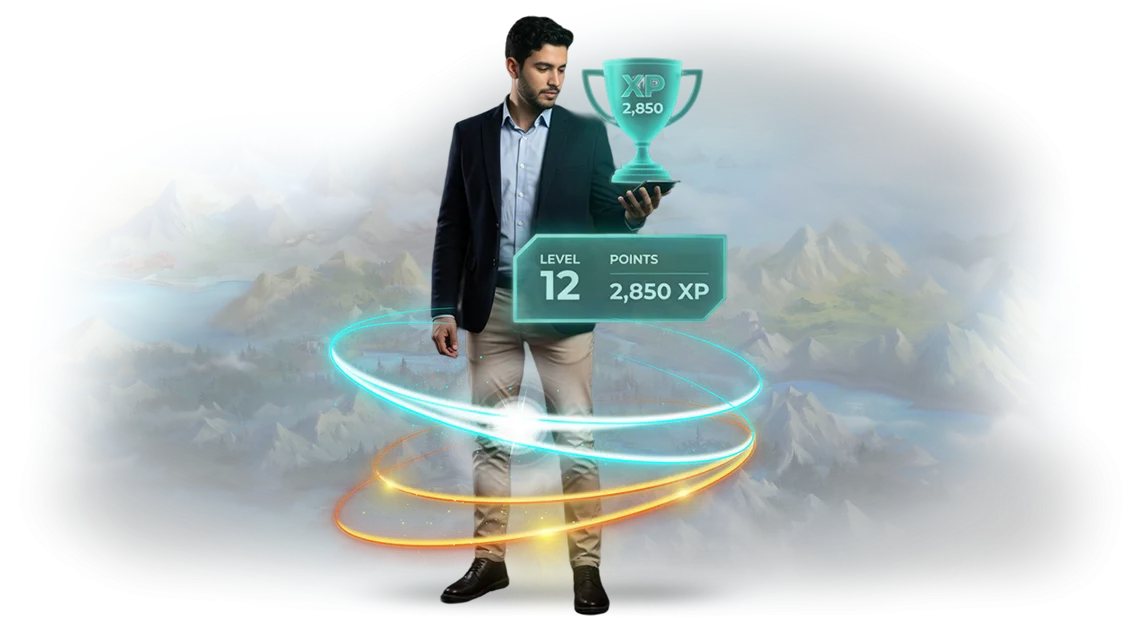
האתגרים בניהול צוותים מרוחקים: גיימיפיקציה פותרת אותם
כשצוות עובד מרחוק, המנהל מאבד את הדבר החשוב ביותר — תחושה חיה של מה שקורה. במשרד, אפשר לראות מי מעורב, מי מתקשה, ומי זקוק לתמיכה.
בעבודה מרחוק, כל מה שנשאר הם דוחות ושיחות, והתמונה האמיתית חומקת: העובד מחובר, אבל עד כמה הוא מעורב במשימה?
כתוצאה מכך, בקרת הביצועים הופכת לשיחות בדיקה אינסופיות, והמוטיבציה של העובדים יורדת — אנשים מרגישים שלא סומכים עליהם.
הוסיפו לכך בעיה נוספת: קשה לקבוע כללי משחק ברורים למומחים מרוחקים. אין קצב שקוף, אין משוב מהיר, אין תחושה של תנועה קולקטיבית לעבר מטרה. משימות מתבצעות, אבל האנרגיה של הצוות מתפזרת. ההכנסות נשמרות, אבל הצמיחה נעצרת.
גיימיפיקציה של צוותים מרוחקים פותרת בדיוק את הבעיה הזו — היא מחזירה שקיפות ומעורבות ללא שליטה מוחלטת.
במקום לעקוב אחרי כל צעד, אתם בונים מערכת שבה העובדים עצמם שואפים להשיג תוצאות: הם רואים דירוגים, צוברים נקודות על השגת יעדים, ומתחרים בהישגים.
זו לא משחק לשם המשחק, אלא כלי ניהולי שהופך את הביצועים לגלויים — גם למנהל וגם לצוות עצמו.
העובד מפסיק להיות "דמות בלתי נראית": התרומה שלו לתוצאה הכוללת באה לידי ביטוי בצורה ברורה, וההכרה מעמיתים ומההנהלה הופכת לחלק טבעי מהעבודה.
המנהל מקבל תמונה אובייקטיבית: מי מוביל את הפרויקט, מי זקוק לתמיכה, ואילו תהליכים תקועים. במקביל, המוטיבציה של העובדים גדלה לא דרך לחץ, אלא דרך יעדים ברורים ומשוב מהיר — בדיוק מה שחסר בפורמט המרוחק.
גישה זו משנה את עצם מבנה הניהול: פחות פגישות כאוטיות, יותר בהירות ומעורבות. הצוות עובד בקצב אחיד, ואתם משקיעים את זמנכם בצמיחת העסק במקום בלנסות להבין מה אנשים עושים.
אנחנו עוזרים ליישם גיימיפיקציה שמניבה תוצאות מדידות: פרודוקטיביות גבוהה יותר, תחלופת עובדים נמוכה יותר, ותחושת רוח צוות אמיתית גם בעבודה מרחוק מלאה.
מה גיימיפיקציה של תהליכים נותנת לצוות מרוחק?
בקצרה, גיימיפיקציה של תהליכים הופכת עבודה מרחוק מרצף משימות למערכת ברורה עם משוב. עבור העסק, זה אומר מעורבות עובדים גבוהה יותר ללא הוצאות נוספות על בקרה ושיחות קבועות.
העובדים רואים כיצד המאמצים שלהם משפיעים על התוצאה הכוללת — ומתחילים לעבוד בצורה מודעת יותר במקום "תחת שוט".
נעבור על היתרונות המרכזיים לפי הסדר. הראשון הוא מעורבות צפויה. כששלבים שגרתיים מקבלים פורמט משחקי — נקודות, רמות, תגמולים על עמידה בזמנים — הצוות מתערב מעצמו.
עבודה מרחוק סובלת לעיתים קרובות מתחושת "אף אחד לא רואה אותי"; גיימיפיקציה מסירה את הבעיה הזו: כל משתתף מקבל באופן קבוע אישור לתרומתו ומבין שהתפקיד שלו חשוב.
ההשפעה השנייה היא שקיפות ותחרות בריאה. המנהל רואה תמונה אובייקטיבית: מי נמצא באיזה שלב, היכן נקודת הצוואר, ומי מוכן לקחת על עצמו יותר.
העובדים, במקביל, לא מחכים להוראות אלא לוקחים אחריות על תוצאות בעצמם, כי כללי המשחק וקריטריוני ההצלחה ברורים להם. זה מפחית חיכוכים בין אנשים ומקטין את הצורך בפיקוח מתמיד.
היתרון השלישי הוא מוטיבציה מתמשכת מרחוק. בניגוד לבונוסים והנחות חד-פעמיים, מכניקות משחק פועלות ברציפות: הן שומרות על עניין גם אחרי שאפקט החידוש נשחק, מפחיתות תחלופה, והופכות את קצבי העבודה ליציבים.
צוות רגוע ומוטיבציוני הוא בדיוק מה שמניע פרודוקטיביות בטווח הארוך, ומשפיע ישירות על לוחות זמנים ואיכות הפרויקטים.
לבסוף, לניהול צוותים מרוחקים, גיימיפיקציה הופכת לעוזר הדיגיטלי שלכם. אתם כבר לא צריכים לעמוד על המשמר במסנג'רים ולהזכיר לאנשים כל צעד: המערכת עצמה שומרת על העובדים ערניים, מתעדת התקדמות, ומסמנת היכן נדרשת תמיכה. אתם מקבלים תוצאה צפויה, פחות שגרה, ויותר זמן למשימות אסטרטגיות — עם אותו צוות.
פורמטים של גיימיפיקציה למשימות עסקיות
כשבוחרים פורמט גיימיפיקציה לצוות מרוחק, חשוב להתחיל מהמשימה העסקית הספציפית: להגדיל מכירות חוזרות, להאיץ קליטת עובדים חדשים, או להפחית תחלופה.
כל סוג של תוכנית משפיע על המוטיבציה בצורה שונה ודורש רמת הכנה משלו. השווינו בין הפורמטים המרכזיים כדי שתוכלו לבחור במהירות את המתאים.
מכניקות משחק אפשר לחלק בערך לתחרותיות, אישיות ושיתופיות. הטבלה שלהלן מציגה את היישום המעשי של כל פורמט לניהול צוותים מרוחקים ואת התוצאה שהלקוח מקבל תוך מספר שבועות בלבד. אלה מודלים עובדים מהפרויקטים שלנו עבור חברות עם צוותים של 10 עד 500 איש.
| פורמט | למי זה מתאים | מה זה נותן ללקוח |
|---|---|---|
| דירוגים ונקודות | צוותים עם מדדים ברורים ודיווח שוטף | צמיחה מהירה בפעילות, תחרות בריאה, מערכת תגמול שקופה |
| משימות ואתגרים | קמפיינים חד-פעמיים, השקות מוצר, גיבוש צוות | מעורבות גבוהה בפרק זמן קצר, תרגול מיומנויות דרך משחק |
| רמות ותפקידים | מוטיבציה ארוכת טווח, שימור עובדים יקרי ערך | מסלול קריירה ברור, תחלופה נמוכה יותר, צמיחה במיומנויות |
| סימולטורים עסקיים | הכשרת מנהלים, קבלת החלטות מורכבות | תרגול אסטרטגיה ללא סיכון, בדיקת השערות, חשיבה מערכתית |
אם אתם לא בטוחים איזה פורמט מתאים לצוות שלכם, בקשו ייעוץ. נבחן את המשימות שלכם, נעריך את ההשפעה, ונציע פתרון מלא ומפתח: מתכנון המכניקות ועד ליישום ותמיכה שוטפת.
איך מיישמים גיימיפיקציה: 7 שלבים
יישום גיימיפיקציה אינו דורש הפסקות בעבודה ואינו נמתח על פני חודשים. אנחנו מפרקים את התהליך לשבעה שלבים שקופים: אתם תמיד מבינים מה קורה, מי אחראי על מה, ומתי תופיע התוצאה הראשונה.
בכל שלב אנו מתעדים לוחות זמנים ונקודות בקרה, כך שהפרויקט מתנהל לפי התוכנית ללא הפתעות.
- בריף והתעמקות במשימה — אנו לומדים את התהליכים הנוכחיים של הצוות, מקשיבים למנהל ולעובדים, וקובעים אילו מדדים צריך לשפר: מעורבות, מהירות ביצוע, או הפחתת תחלופה.
- תוכנית פרויקט ולוחות זמנים — אנו מתעדים שלבים, תאריכים, גורמים אחראיים וקריטריוני מוכנות. אתם מקבלים תוכנית ברורה שמקלה על מעקב אחר התקדמות.
- עיצוב תרחישים — אנו מחליטים אילו פעולות יתוגמלו, איך יחושבו נקודות, ואילו רמות ותגמולים יניעו את הצוות הספציפי שלכם.
- פיתוח מכניקות — אנו בונים את הממשק והלוגיקה של הגיימיפיקציה ומטמיעים את הפתרון בכלי העבודה: המסנג'ר הארגוני, ה-CRM ומערכת ניהול המשימות.
- אינטגרציה ובדיקות — אנו מחברים את המערכת לנתונים שלכם ובודקים יציבות ואבטחה. אתם רואים את התוצאה לפני ההשקה הרשמית.
- השקה והדרכה — אנו מבצעים השקת פיילוט, מראים לעובדים כיצד להשתמש בכלי החדש, ואוספים משוב ראשוני.
- תמיכה ופיתוח — אנו מנתחים תוצאות, מתאימים מכניקות ומרחיבים תרחישים. הגיימיפיקציה ממשיכה לעבוד למען המטרות שלכם לאחר ההשקה.
מה כלול בפרויקט גיימיפיקציה: חבילת המסירה
לאחר סיום הפרויקט, אתם מקבלים לא רק "משחק מוכן" אלא חבילת עבודה מלאה שמשפיעה מיד על ניהול הצוות המרוחק. היא כוללת את כל האלמנטים הנדרשים: מבדיקת תהליכים ועד דוחות להנהלה.
- בדיקה ותרחיש: אנו מתעדים תהליכים נוכחיים, מזהים נקודות דה-מוטיבציה, ומעצבים מכניקות משחק סביב המטרות שלכם.
- עיצוב וסגנון ויזואלי: מיתוג שמתאים למותג שלכם ומגביר את ההכרה בקרב העובדים.
- גרסת פיילוט: אנו מריצים את המכניקות על קבוצה קטנה, אוספים משוב ומשפרים לפני ההשקה המלאה.
- אינטגרציה עם כלי עבודה: אנו מחברים את המכניקות למערכות המשימות והתקשורת שלכם — העובדים עובדים בסביבה שהם רגילים אליה.
- פאנל ניהול: אתם רואים פעילות, התקדמות והישגים בזמן אמת ללא צורך במפתחים.
- חומרי הדרכה: הוראות, תבניות ותרחישים למנהלים — הצוות מתערב מהר ומבין את החוקים.
- דוחות ואנליטיקה: סיכומים ברורים על מעורבות, השלמת משימות והשפעת הגיימיפיקציה על תוצאות.
כל פריט בהיקף העבודה מלווה בתוצאות ספציפיות — אתם יודעים מה אתם מקבלים בכל שלב. אנחנו גם מכינים דוחות נפרדים להנהלה: אילו מכניקות עובדות, מה כדאי להתאים, וכיצד הפרודוקטיביות של צוותים מרוחקים גדלה.
הודות לחבילה זו, אתם לא תלויים במפתחים לאחר ההשקה. כל החומרים, ההגדרות והדוחות נשארים אצלכם — אתם יכולים להרחיב את הגיימיפיקציה למחלקות חדשות או להתאים תרחישים לשינויים בעסק.
מקרה בוחן: גיימיפיקציה של תהליכים עסקיים בפעולה
צוות מרוחק של 80 מנהלי מכירות עבד בשלושה אזורי זמן. תוכניות קבועות ופיקוח דרך מסנג'רים לא סיפקו את המומנטום הנדרש — באמצע החודש, הפעילות ירדה והמדדים המרכזיים צנחו.
הלקוח, מפיץ האלקטרוניקה AlfaTorg, פנה אלינו בבקשה להפוך את תהליך ניהול הצוות לברור ומרתק.
פירקנו את התוכנית הרבעונית לשלבי משחק: כל מנהל יכול היה לראות את ההתקדמות שלו, לצבור נקודות על השלמת שלבים, ולהשתתף באתגר צוותי משותף. כל המכניקות נבנו בתוך כלי העבודה המוכרים — ללא צורך לפתוח אפליקציה נפרדת.
תוצאה לאחר חודשיים: ההשתתפות הגיעה ל-95% מהצוות, מספר הפעולות שהושלמו גדל פי 2.3, והחברה הזמינה הזמנה חוזרת לתקופה הבאה עוד לפני שהראשונה הסתיימה.
ראש המחלקה ציין: "לראשונה ראינו אנשי מכירות באמת מתחרים כדי לעמוד בתוכנית במקום לדווח תחת שוט."
דוגמה זו מראה שגיימיפיקציה של תהליכים עסקיים עובדת לא רק על מוטיבציה אלא גם על מדדים מדידים של ניהול צוותים מרוחקים. ספרו לנו על המשימה שלכם — נבחר את המכניקות המתאימות לתהליך שלכם ונראה תחזית השפעה משוערת על הנתונים שלכם.
שאלות נפוצות על יישום גיימיפיקציה
לפני יישום גיימיפיקציה, מנהלים שואלים לעיתים קרובות את אותן שאלות: האם זה יסיח את דעת הצוות, האם זה ייצור מתח מיותר, האם זה עובד מרחוק? אנחנו עונים על הספקות המרכזיים — בקצרה ולעניין.
גיימיפיקציה היא לא משחק; היא דרך להפוך את תהליך העבודה לשקוף יותר. העובד רואה את המטרה, מבין מה תלוי בו, ומקבל משוב. זה כשלעצמו מסיר את רוב החששות.
האם גיימיפיקציה תהפוך את העבודה לפחות רצינית?
לא. אנחנו לא מחליפים משימות במשחק; אנחנו מתרגמים תהליכים עסקיים למכניקות ברורות: מטרות, התקדמות, תוצאות. עובדים מרוחקים מבצעים את אותן חובות אבל מקבלים אמות מידה ברורות והערכה אובייקטיבית. העבודה הופכת למשמעותית יותר, לא פחות רצינית.
האם זה יגרום לקונפליקטים בצוות?
המכניקות בנויות על שיתוף פעולה: מטרות צוותיות ותגמולים משותפים במקום יריבות. התקדמות אישית לא כופה תחרות; היא עוזרת לכל אדם לגדול בקצב משותף.
האם גיימיפיקציה מתאימה לצוותים מרוחקים?
הכלי הזה הוא השימושי ביותר דווקא לעבודה מרחוק. נקודות בדיקה קבועות, התקדמות משותפת והכרה פומבית בהישגים מפצות על חוסר המשוב, שומרות על מיקוד ומאחדות את הצוות בהקשר משותף.
כמה מהר נראה תוצאות?
אנחנו מתחילים עם בריף ותהליך הפיילוט שברצונכם לחזק. השינויים הראשונים — צמיחה בפעילות, עמידה בזמנים, מעורבות בתקשורת — מופיעים תוך מספר שבועות. אנחנו מרחיבים את הפתרון בהדרגה מבלי להפריע לקצב העבודה הרגיל.
הזמינו גיימיפיקציה לחברה שלכם
גיימיפיקציה של ניהול צוותים מרוחקים היא דרך מוכחת להחזיר מעורבות ותוצאות גלויות ללא פיקוח יומיומי. השאירו בקשה לייעוץ — וכבר בשיחה הראשונה תראו כיצד גיימיפיקציה מתאימה לתהליכים העסקיים, למשימות ולתרבות הצוות שלכם.
מיד לאחר פנייתכם, אתם מקבלים:
- ייעוץ אישי על מטרות גיימיפיקציה: צמיחת מכירות, קליטה מהירה יותר, עמידה ב-KPI, או איחוד צוות מפוזר;
- בדיקה של מערכת המוטיבציה הנוכחית שלכם ונקודות חולשה בניהול צוותים מרוחקים;
- מסגרת גיימיפיקציה ראשונית עם מכניקות ברורות ולוחות זמנים משוערים להשקה;
- הערכת העומס על העובדים — המשחק מוטמע בעבודה במקום להסיח ממנה;
- דוגמאות לפתרונות מהתעשייה שלכם עם התוצאות שהניבו;
- תוכנית פעולה לשבועיים הראשונים לאחר ההשקה.
אנחנו עובדים מרחוק, כך שניתן להקים גיימיפיקציה ללא מעברים או אישורים מיותרים. אתם מקבלים לא "משחק לשם המשחק" אלא כלי שמשתלב בתהליכים הקיימים של הצוות.
איך התהליך עובד לאחר פנייתכם
- בקשה ושיחה קצרה — אנו מתעדים את המשימה והציפיות.
- בדיקת תהליכי מוטיבציה ותרחישי ניהול.
- פיתוח קונספט גיימיפיקציה על בסיס המדדים האמיתיים של הצוות.
- הטמעה בכלים ובנהלי העבודה הנוכחיים.
- השקה, תמיכה והתאמות על סמך תוצאות ראשוניות.
הזמנת גיימיפיקציה פירושה קבלת תוכנית ברורה שהצוות שלכם יתפוס כחלק מהעבודה שלהם ולא כעוד חובה. השאירו בקשה לדון במצבכם ולקבל אפשרויות פתרון קונקרטיות כבר בשיחה הראשונה.
איך לבחור את פורמט הגיימיפיקציה המתאים למשימה שלכם?
בחירת פורמט גיימיפיקציה מתחילה לא במכניקות אלא בשאלה: איזו בעיה עסקית אתם פותרים?
עבור צוותים מרוחקים, זה יכול להיות קליטה מהירה יותר של עובדים חדשים, דיווח עקבי יותר, מכירות גבוהות יותר, או איחוד צוות שרואה זה את זה רק בשיחות וידאו.
כל תרחיש דורש פורמט משלו — מה שעובד להכשרה לא בהכרח יעבוד להנעת ספרינט שבועי.
קריטריון הבחירה הראשון הוא המטרה והתוצאה הרצויה. אם צריך לשמור על תשומת לב העובדים לאורך תוכנית ארוכה, מכניקות מצטברות עם רמות ודירוגים עובדות היטב.
אם המשימה היא לאמן אנשים לעבוד ב-CRM במהירות, משימות קצרות עם משוב מיידי עדיפות. הקריטריון השני הוא הקהל: גיל, הרגלים דיגיטליים ורמת המעורבות הנוכחית. השלישי הוא תדירות והיקף: אירוע חד-פעמי או אלמנט קבוע בניהול צוותים מרוחקים.
הקריטריון הרביעי הוא מדידות. גיימיפיקציה לשם המשחק היא בידור, לא כלי. אנו קובעים מראש איך נדע שהצלחנו: צמיחה בפעילות בצ'אטים משותפים, הפחתת זמן על משימה סטנדרטית, או שיעור השלמה גבוה יותר של קורסים.
זה מאפשר לבחור פורמט שמתאים לתהליכים קיימים ואינו דורש מהעובדים ללמוד עוד כלי.
התפקיד שלנו הוא לתרגם את המשימה העסקית לשפת מכניקות משחק ולהציע את הפורמט המתאים. אנחנו עוזרים לכם לבחור בין תרחישים תחרותיים ושיתופיים, קמפיינים ארוכים ואתגרים קצרים, מכניקות אוטומטיות וידניות.
יחד אתכם, אנו מגדירים את הקריטריונים, בודקים את הפורמט על קבוצת פיילוט, ורק אז מרחיבים לכל הצוות.
כתוצאה מכך, אתם מקבלים לא רק "משחק לעובדים" אלא כלי עבודה לניהול צוותים מרוחקים: מובן לאנשים, שקוף למנהל, ומדיד לפי מדדים עסקיים.
אם אתם לא בטוחים איזה פורמט מתאים, נערוך בדיקה קצרה של המשימה שלכם ונציע 2–3 אפשרויות עם תחזית יעילות משוערת.