

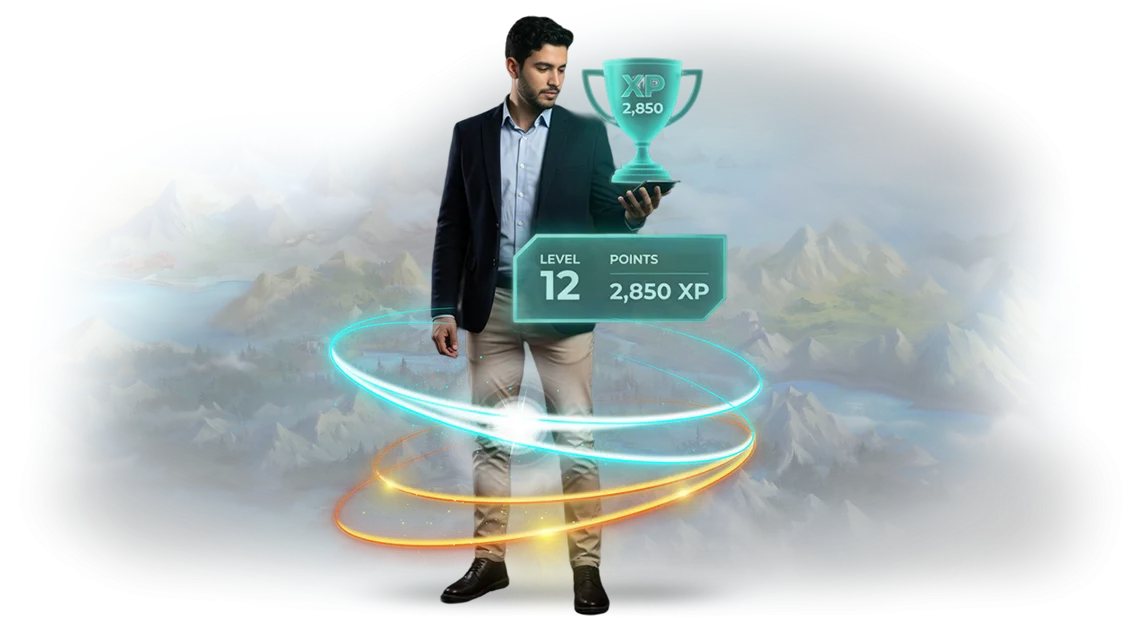
מדוע עסקים זקוקים לגיימיפיקציה לניהול מערכות
כל יום, עובדים מנהלים מערכות: כרטיסי פניות, אישורים, בקרת גרסאות, דוחות. פעולות אלה הן חיוניות, אך מונוטוניות. הקשב מתערער, מועדים נדחים, שגיאות מצטברות—והעסק מפסיד כסף על פיקוח ידני.
הבעיה אינה עצלנות אלא היעדר משוב. שגרה רגילה אינה נותנת לאנשים תחושת התקדמות, ולכן מעורבות העובדים יורדת.
גיימיפיקציה של תהליכים עסקיים הופכת עמידה בתקנות למערכת ברורה: העובד רואה את המטרה, מקבל תגובות מהירות לפעולות, ומבין את תרומתו לתוצאה הכוללת.
מה זה משיג בפועל? גיימיפיקציה של תהליכי משאבי אנוש—מקליטת עובדים חדשים ועד להכשרת עובדים לעבודה עם מערכות—מפחיתה תחלופה ומאיצה את הזמן עד להגעה למיומנות מלאה.
המוטיבציה של העובדים גדלה באמצעות תחרות בריאה והכרה ציבורית, בעוד שאוטומציה של שגרה משחררת מנהלים מהצורך "לנטר כל לחיצה".
אנחנו מעצבים מכניקות כאלה לאתגרים עסקיים כבר למעלה מ-10 שנים. אנחנו לא פורסים צעצועים רק כדי לסמן וי; אנחנו מחברים אלמנטים של משחק למדדי ביצוע: מהירות טיפול בכרטיסים, איכות הזנת נתונים, עמידה במועדים. כתוצאה מכך, הצוות פועל לפי ההיגיון המיועד מעצמו—ללא תזכורות או עונשים.
הצד הטכני נשאר אצלנו: אנחנו מגדירים גיימיפיקציה בתוך מערכות העבודה שלכם או יוצרים ממשק נפרד שאינו דורש הסבה. כל מה שאתם צריכים זה לראות את התוצאות במספרים: מעורבות גבוהה יותר, פחות משימות באיחור, עמידה יציבה בתקנות.
מה גיימיפיקציה מביאה לתהליכים עסקיים ולצוותים
גיימיפיקציה הופכת משימות שגרתיות למשחק משמעותי. עובדים מפסיקים לפעול מכנית—נוצרים התרגשות ורצון להשתפר. זה מגביר ישירות את הפרודוקטיביות של הצוות: תהליכים מואצים, והאיכות משתפרת.
כשאנשים רואים את ההתקדמות וההישגים שלהם, מעורבות העובדים עולה. הם נשחקים פחות ומחליפים מקומות עבודה בתדירות נמוכה יותר. תחלופת העובדים יורדת—החברה חוסכת בגיוס והכשרת עובדים חדשים ושומרת על ניסיון וידע.
גיימיפיקציה הופכת מדדי מפתח לגלויים. כל עובד רואה כיצד פעולותיו משפיעות על התוצאה הכוללת, ומנהלים מקבלים תצוגה שקופה של ביצועים. זה מאפשר להתאים תהליכים במהירות ולקבל החלטות על סמך נתונים ולא ניחושים.
לבסוף, גיימיפיקציה מחייה את התרבות הארגונית. נוצרים מטרות משותפות, תחרות בריאה וניצחונות משותפים. הצוות מתחיל לעבוד כאורגניזם אחד—וזה לא רק אוטומציה אלא שיפור מערכתי של כל העסק. אתם מקבלים תוצאות צפויות, צוות מעורב וצמיחה בת קיימא.
פורמטים של גיימיפיקציה למשימות ניהול מערכות
כל מנהל יודע כמה קשה לשמור על מיקוד העובדים במשימות ניהול שגרתיות. פעולות מונוטוניות מפחיתות מהירות, שגיאות גדלות, והמעורבות יורדת. גיימיפיקציה פותרת בעיה זו על ידי הפיכת העבודה למשחק ברור עם חוקים ותוצאות שקופים.
אנחנו בוחרים את הפורמט למטרה עסקית ספציפית: מדירוגים פשוטים ועד למשימות קבוצתיות. אנחנו מפתחים תרחישים שמשתלבים במערכת שלכם הבנויה על 1C או פלטפורמה אחרת, כך שעובדים רואים התקדמות ותגמולים ישירות בזרימת העבודה שלהם. כל פורמט מותאם למדדים שלכם וניתן לשילוב עם אחרים.
| פורמט | למי זה מיועד | מה הלקוח מקבל |
|---|---|---|
| דירוגי עובדים | מחלקות עם משימות חוזרות: תמיכה, נציגים, מנהלי מערכות | טיפול מהיר יותר בכרטיסים, מוטיבציה שקופה, תחרות בריאה |
| משימות קבוצתיות | קבוצות פרויקט, צוותים חוצי מחלקות | השקות פרויקט מהירות יותר, שיפור שיתוף פעולה, הפחתת זמני השבתה |
| משחקי הדרכה | עובדים חדשים, הטמעות מערכת חדשות | קיצור זמן עד למיומנות, פחות שגיאות |
| גיימיפיקציה של משימות | מחלקות עם עומס שגרתי גבוה | משמעת טובה יותר, פחות פריטים באיחור, מעורבות גבוהה יותר |
עדיף לבחור פורמט על סמך מטרה ספציפית: אם צריך להגדיל מהירות במהירות, דירוגים יעבדו; אם עבודת צוות חשובה—משימות; ולהדרכה—משחקים. אנחנו נעזור לנתח את התהליכים שלכם ולהציע שילוב אופטימלי של פורמטים. אתם מקבלים תוצאה מדידה בזמן, והעובדים שלכם מקבלים מערכת מוטיבציה ברורה.
איך פועל פרויקט גיימיפיקציה של תהליכים עסקיים
הטמעת גיימיפיקציה היא פרויקט שאנחנו מריצים בשקיפות ושלב אחר שלב. אתם תמיד מבינים איפה אתם, מה כבר נעשה ומה הלאה. כל שלב מסתיים באישור—אתם מקבלים החלטה, ואנחנו עוברים לשלב הבא.
- היכרות ראשונית והגדרת מטרות. אנחנו עורכים ראיונות אתכם ועם עובדי מפתח: למה צריך גיימיפיקציה, אילו תהליכים אתם רוצים לחזק, ומה מפריע כרגע. אנחנו מתעדים מטרות ותוצאות צפויות—כדי לבנות את הפרויקט על עובדות, לא על הנחות.
- בדיקת תהליכים וקהל. אנחנו בוחנים איך העובדים או המשתמשים שלכם עובדים בפועל: היכן הקשב אובד, אילו פעולות מועילות, ואילו נותרות ללא מוטיבציה. על סמך זה, אנחנו קובעים אילו מכניקות יעבדו במקרה הספציפי שלכם.
- קונספט ואב טיפוס. אנחנו מציעים תרחיש גיימיפיקציה: אילו פעולות מזוכות, איך מצטברים נקודות או סטטוסים, ואילו שלבים ורמות כלולים. אנחנו מראים את ההיגיון חזותית, ללא פרטים טכניים—כדי שתוכלו לראות את החוויה העתידית של האנשים שלכם.
- אישור פתרונות ותוכנית. אנחנו דנים בקונספט, מבצעים תיקונים, ומאשרים את המכניקות ולוח הזמנים. אתם מקבלים תמונה ברורה של מה ייושם וכיצד זה ישפיע על זרימות העבודה. שום דבר לא נעשה מאחורי הקלעים—רק עם האישור שלכם.
- פיתוח והגדרה. אנחנו בונים את הגיימיפיקציה על פלטפורמה מקצועית. בשלב זה, אנחנו כבר עובדים עם כלים שיבטיחו יציבות ונוחות לצוות שלכם. אתם רואים תוצאות ביניים ויכולים להשפיע על פרטים.
- בדיקות והשקה פיילוט. אנחנו מריצים בדיקות פנימיות, ואז משתפים קבוצה קטנה של עובדים כדי לראות איך המכניקה עובדת במציאות. אנחנו אוספים משוב ומכווננים את המערכת לפני השקה מלאה.
- השקה ותמיכה. אנחנו מפעילים גיימיפיקציה לכולם, מלווים את התהליך, עונים על שאלות, ומנתחים תוצאות ראשוניות. אנחנו עוזרים להתאים הגדרות אם אנחנו רואים שמכניקה מסוימת לא משיגה את האפקט הצפוי.
גישה זו מאפשרת להטמיע גיימיפיקציה ללא כשלים או הפתעות. אתם שולטים בכל שלב, ואנחנו אחראים לתוצאה—מוטיבציה, מעורבות וצמיחה של המדדים הרצויים.
מה כולל התפוקה של פרויקט גיימיפיקציה עסקית
אתם מקבלים לא "תיקיית קבצים" אלא כלי עבודה שהצוות מתחיל להשתמש בו בימים הראשונים. החבילה כוללת כל מה שצריך כדי להשיק תוכנית נאמנות עובדים ללא מעורבות קבלן בכל שלב וללא חימום ארוך.
- תרחישי משחק לתהליכים העסקיים שלכם — נרטיבים מוכנים להדרכה, קליטת עובדים חדשים, עמידה ביעדי מכירות או עבודה ב-CRM. אלה לא משימות מופשטות אלא שרשראות פעולה קונקרטיות שמנחות עובדים לתוצאה הרצויה.
- מכניקות משחק ומערכת מוטיבציה — נקודות, רמות, דירוגים ותגמולים המותאמים לתרבות הארגונית שלכם. חוקים שקופים ברורים לכולם, כך שהעניין בתהליך נמשך חודשים, לא רק בשבוע הראשון.
- הגדרת תפקיד מנהל והרשאות — אתם מחליטים מי רואה דירוגים, מי מעניק נקודות, ומי מנהל תרחישים. מערכת גישה גמישה מגנה על נתונים ומפשטת את עבודת משאבי האנוש.
- מדריך מנהל ברור — מדריך שלב-אחר-שלב בשפה פשוטה, ללא ז'רגון טכני. העובד שלכם יכול לשלוט בהגדרות בערב אחד ולשנות את חוקי המשחק באופן עצמאי.
- חומרי הדרכה למשתתפים — טיפים קצרים ודפי עזר שעוזרים לעובדים להיכנס לעניינים במהירות מבלי להסיח את דעתם ממשימות הליבה.
- תמיכה טכנית בהשקה — אנחנו עוזרים להשיק את המערכת, מוודאים שהיא פועלת כראוי, ועונים על שאלות הצוות בשבועות הראשונים לאחר ההטמעה.
כל תפוקה פועלת למטרה אחת: צמיחה צפויה במעורבות ובתוצאות, לא רק תצוגה נוצצת. אתם לא תלויים במפתחים לשינויים שוטפים: אתם יכולים לעדכן תרחיש, להוסיף מכניקה חדשה או לשנות הרשאות מנהל עם הצוות שלכם.
מקרה בוחן: צמיחה במעורבות לאחר הטמעת גיימיפיקציה
עבור חברה עם צוות תמיכה מבוזר, היה חשוב לקצר את הזמן הנדרש לקליטת מהנדסים חדשים ולהגדיל את המעורבות של עובדים מנוסים.
הדרכה קונבנציונלית—הוראות ווובינרים—לא הניבה את התוצאה הנדרשת: עובדים חדשים לקחו חודשים לשלוט בתהליכים, וחלק מהצוות איבד עניין בתקנות.
פיתחנו מקרה גיימיפיקציה לניהול מערכות. עובדים מבצעים תרחישים קצרים שבהם עליהם לבצע רצף פעולות נכון, והם צוברים נקודות ורמות על החלטות מהירות ונטולות שגיאות.
יחד עם הלקוח, בחרנו תגמולים שמניעים באמת את הצוות שלהם והשקנו פיילוט במחלקה אחת. השבועות הראשונים הראו שאפילו אלה שבדרך כלל התעלמו מקורסים פנימיים הצטרפו לתהליך.
תוצאות ההטמעה נראו כבר בחודש הראשון: זמן הקליטה של עובדים חדשים ירד ב-35%, מעורבות העובדים הוכפלה לפי סקרים, ומספר שגיאות התפעול ירד.
עובדים החלו להשתמש בהוראות פנימיות לעתים קרובות יותר כי הגיימיפיקציה הסבירה מדוע הן נחוצות. הצוות שהתאמן דרך המשחק החל להגיב מהר יותר לפניות נפוצות, מה ששיפר מיד את שביעות הרצון של הלקוחות הפנימיים.
הלקוח—חברת שירותי IT—משתמש במכניקה זו כבר שנתיים כדי לשפר את יעילות הכשרת עובדים חדשים.
גיימיפיקציה אינה דורשת פיקוח מתמיד מההנהלה: המערכת עוקבת אחר התקדמות בעצמה ומציינת מי זקוק לעזרה נוספת.
זו הסיבה שאנחנו רואים ביקוש יציב לפתרונות כאלה—אחרי הפרויקט הראשון, לקוחות חוזרים להרחיב את הגיימיפיקציה לתהליכים עסקיים אחרים.
איך לבחור את פורמט הגיימיפיקציה הנכון למטרה שלכם?
בחירת פורמט גיימיפיקציה מתחילה במטרה: מה המשחק צריך לשנות—להאיץ הדרכה, להגדיל מעורבות בניהול מערכות, או להגביר מכירות חוזרות. אם המטרה מעורפלת, כל פורמט ייראה מתאים, והתוצאה תהיה אפס. אז קודם כל אנחנו מגדירים את היעד, ואז בוחרים את המכניקה.
טעות נפוצה היא לקחת את הפורמט הנוצץ ביותר עבור כל התקציב. לכל מכניקה יש תחום יעילות משלה: חלק מספקות הגעה מהירה, אחרות בונות הרגלים ארוכי טווח. להלן תרחישים אופייניים.
| פורמט | למי זה מיועד | מה הלקוח מקבל |
|---|---|---|
| משימה או חידון | מארגני אירועים | התרגשות אורחים והגעה מהירה ביום אחד |
| דירוגים ורמות | מחלקות מכירות ותמיכה | מעורבות קבועה ללא כפייה |
| סימולטור הדרכה | קליטת עובדים חדשים | קיצור זמן עד למיומנות |
| תחרות קבוצתית | עסקים בינוניים וגדולים | פרודוקטיביות גבוהה יותר באמצעות תחרות בריאה |
| תוכנית צבירה | תוכניות נאמנות | ביקורים חוזרים וערך הזמנה ממוצע גבוה יותר |
איך קובעים את הפורמט שלכם? שאלו שלוש שאלות: מי המשתתף, באיזו תדירות הם מתקשרים עם המוצר, ואיזו תוצאה מדידה.
להדרכת ניהול מערכות, סימולטורים עם רמות עובדים הכי טוב; להנעת מנהלים—דירוגים עם סולם שקוף.
התקציב לא תמיד קובע את איכות המכניקה. מה שחשוב יותר הוא שהפורמט יתאים להרגלי הקהל: אם עובדים לא מבקרים בפורטל הפנימי, אפילו משחק מצוין לא ימשוך אותם. אנחנו בוחרים את הפורמט על סמך התנהגות משתמשים אמיתית ומחשבים את הכלכלה לפני ההשקה.
שאלות נפוצות על גיימיפיקציה של תהליכים עסקיים
הטמעת גיימיפיקציה מעלה שאלות—זה נורמלי, ורובן חוזרות מפרויקט לפרויקט. להלן אנו מתייחסים לחששות העיקריים של לקוחות: מורכבות, תאימות לתהליכים קיימים ותמיכה לאחר ההשקה.
האם קשה להטמיע גיימיפיקציה בתהליכים הנוכחיים שלנו?
לא—וזו הנקודה. אנחנו לא משנים את ההיגיון העסקי שלכם למען משחק; במקום זאת, מכניקות משחק מוטמעות בקפידה בתהליכים קיימים. אנחנו מגדירים משימות, תפקידים ומערכת מוטיבציה כך שעובדים מתחילים לעשות את מה שהם כבר עושים מהר יותר וטוב יותר.
ההטמעה היא הדרגתית: קודם אנחנו מנתחים תהליכים, אחר כך מגדירים את המכניקה, ומתאימים אותה למאפייני הצוות שלכם אם צריך.
האם גיימיפיקציה תואמת לתקנות הפנימיות ולמערכת החשבונאות שלנו?
כן. גיימיפיקציה פועלת ברמת המוטיבציה והאנליטיקה הניהולית ואינה מחליפה את מערכת החשבונאות. אנחנו מתייחסים לתקנות בזהירות: אנחנו משתלבים עם הכללים שלכם, לא נגדם.
אם צריך להתחשב במאפייני החברה, אנחנו מגדירים תרחישים למחלקות ספציפיות, KPIs ורמות גישה. כל מה שכבר עובד ממשיך לעבוד—רק מקבל מערכת תגמול ומשוב ברורה.
מה קורה אחרי ההשקה? מי אחראי לתמיכה ולהמשך פיתוח?
אחרי ההשקה, אנחנו לא נעלמים. ההיקף הבסיסי כולל כוונון מכניקות על סמך תוצאות השבועות הראשונים, הכשרת מנהלים שלכם ותמיכה טכנית. אתם מקבלים לוח מחוונים ברור המציג פעילות עובדים, הישגים ונקודות תורפה.
אם צריך להתאים תרחישים או להוסיף מכניקות חדשות, אפשר לעשות זאת מבלי לעצור את כל המערכת, כחלק מפעולות שוטפות.
כמה מהר עובדים יתרגלו לפורמט החדש?
בממוצע, ההסתגלות אורכת את השבוע הראשון: המערכת מראה אילו פעולות מזכות בנקודות והופכת מהר למוכרת. חוקים שקופים ומוטיבציה ברורה מפחיתים התנגדות—עובדים לא צריכים ללמוד "מערכת שנייה"; היא חיה באופן לא פולשני בתוך פעולות עבודה מוכרות. עבור עובדים חדשים, גיימיפיקציה מפשטת את הקליטה: מטרות וציפיות הופכות לגלויות.
אם עדיין יש לכם שאלות על המצב שלכם, שאלו אותנו ישירות: נסביר איך זה יעבוד ספציפית במקרה שלכם, בלי הכללות.הזמינו גיימיפיקציה לעסק: מאיפה מתחילים?
אם אתם כבר רואים שגיימיפיקציה עוזרת להביא סדר לניהול מערכות ולערב עובדים בעמידה בתקנות, נשארת שאלה אחת—מאיפה בדיוק להתחיל.
פישטנו את הדרך לבקשה אחת: אתם מתארים את המשימה שלכם, ואז הצוות שלנו לוקח על עצמו ניתוח, חישוב עלות ותוכנית הטמעה.
הנה מה כולל הצעד הראשון:
- בקשת פיתוח — ללא בריפים ארוכים או מפרטים טכניים: פשוט תארו את המשימה במילים, ואנחנו נבהיר את השאר במהלך שיחה.
- ייעוץ גיימיפיקציה — אנחנו מנתחים היכן מכניקות משחק יגבירו יעילות והיכן הן מיותרות, כדי שלא תבזבזו תקציב.
- חישוב עלות — הערכה להיקף שלכם, שקופה וללא חיובים נסתרים עבור שינויים "בלתי צפויים".
- תוכנית הטמעה — שלבים, לוחות זמנים ואחראים: אתם רואים מיד מתי המערכת תעלה לפעולה ומי אחראי על מה.
- ניתוח תהליכים — אנחנו מזהים צווארי בקבוק בתקנות ובשגרה שצריך "לכסות" בגיימיפיקציה קודם.
בדרך כלל, הניתוח אורך יום או יומיים, ותוצאות ראשונות—מעורבות ומשמעת גבוהות יותר—מופיעות תוך שבועיים לאחר ההשקה. אתם מקבלים לא "נטמיע ונראה" מופשט, אלא תוכנית ברורה עם תאריכים ספציפיים.
השאירו בקשה בעמוד או כתבו לנו בהודעות—נחזור אליכם תוך יום עסקים אחד עם שאלות הבהרה ונרשום את המשימה שלכם.
אחרי השיחה הראשונה, תקבלו הערכת עלות, תוכנית הטמעה והבנה כיצד גיימיפיקציה תשפיע על יכולת הניהול של המערכת ועל ביצועי העובדים. זה ללא התחייבות.