

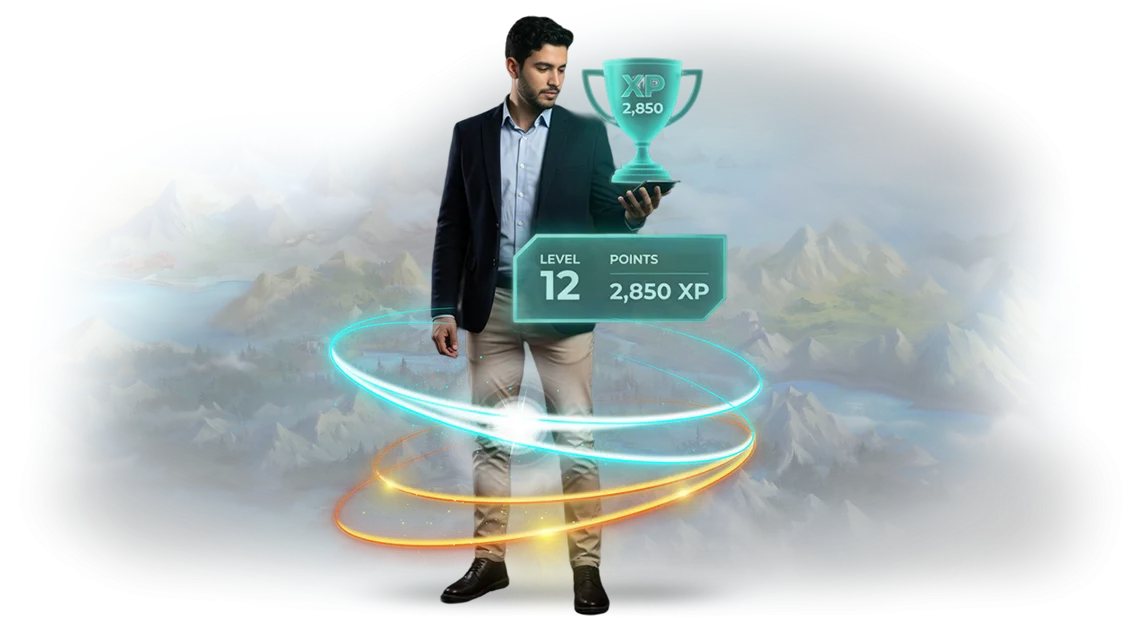
גיימיפיקציה של תהליכים עסקיים לטכנולוגיית מידע
בחברות IT, השגרה צורכת את המשאב המרכזי — תשומת הלב. עובדים עוברים על אותן תקנות, לקוחות נתקעים בשלב ההטמעה של המוצר, שירותים פנימיים נותרים ללא ביקוש. העניין יורד, לוחות הזמנים נמתחים, המדדים צונחים.
גיימיפיקציה של תהליכים עסקיים הופכת תרחישים לרצף של ניצחונות קטנים — כל צעד נותן משוב ברור.
הטמעת גיימיפיקציה ב-IT אינה נקודות לשם נקודות, אלא דרך לשמור על מיקוד הצוות במדדים. עובדים שולטים מהר יותר במערכת ניהול ההזמנות כשהם רואים התקדמות וסטטוסים.
לקוחות מוכנים יותר לבדוק מוצר אם תהליך ההרשמה הופך למשימה ברורה עם תוצאות. כתוצאה מכך, מהירות התפעול, הנאמנות וחלקם של תרחישים שהושלמו גדלים.
יישמנו גיימיפיקציה בפרויקטי IT בקני מידה שונים יותר מפעם אחת. אנו ניגשים לכך כמעצבי היגיון עסקי: אנו מנתחים היכן המוטיבציה אובדת ומטמיעים מכניקות משחק בתהליכים קיימים — החל מקליטת עובדים חדשים ועד טיפול בהתנגדויות. מבלי לשנות את כל המערכת, צעד אחר צעד, עם תוצאה מדידה.
גיימיפיקציה של תהליכים עסקיים פועלת בשלושה כיוונים: יעילות פנימית, שירות לקוחות ומהירות שינוי. מנהל רואה באילו שלבים הצוות נתקע ומתאים תרחישים. זה קורה בשקט — הממשק של משימות מוכרות פשוט משתנה.
אם השגרה אוכלת את המוטיבציה, הגיע הזמן לדבר על הטמעת גיימיפיקציה. נעזור לעצב תרחישי משחק עבור המדדים העסקיים שלך, לא עבור כיף מופשט. ספר לנו על המשימות שלך — נציע היכן המכניקות יניבו תוצאות מהירות.
מדוע גיימיפיקציה מגבירה את היעילות העסקית
גיימיפיקציה אינה עוד בידור — היא כלי עבודה המשפיע ישירות על הרווח. כשמשימות שגרתיות הופכות למשחק עם מטרות ותגמולים ברורים, עובדים מפסיקים "לספור שעות" ומתחילים באמת להתערב בתהליך.
מעורבות צוות ופרודוקטיביות
במקום KPIs והזמנות משעממים — מערכת שקופה של נקודות, רמות ואתגרים. עובד רואה את ההתקדמות שלו בזמן אמת ומבין שהמאמצים שלו מורגשים. זה מפחית שחיקה ומשפר את איכות העבודה ללא פיקוח נוסף מצד המנהל.
נאמנות לקוחות וצמיחה במכירות
גיימיפיקציה פועלת גם עבור קהלים חיצוניים. תוכניות נאמנות עם תגים, סטטוסים ובונוסים לרכישות חוזרות הופכות אינטראקציה חד-פעמית לסיפור ארוך. Experience Economy מראה: קשר רגשי עם מותג שומר על לקוחות טוב יותר מהנחות.
מה זה נותן לעסק במספרים
- גידול בהזמנות חוזרות באמצעות מכניקות צבירה.
- הפחתת תחלופת עובדים — עובדים רואים מסלול קריירה בצורת משחק.
- זמן הגעה מהיר יותר לשוק עבור מוצרים חדשים — הכשרת צוות לובשת צורה של משימה.
אנו מעצבים מערכות שמשתלבות בתהליכים העסקיים שלך ולא קיימות בנפרד. לכן התוצאה נראית בדוחות: המרה, שימור וסל ממוצע גדלים.
גיימיפיקציה לעובדים ולקוחות אינה מבצע חד-פעמי, אלא שיפור שיטתי לכלכלת הפרויקט שלך.
פורמטים של גיימיפיקציה: בחרו את המתאים
"פורמטים של גיימיפיקציה" אינם בידור לשם עצמו, אלא כלי עבודה המשתלב בתהליך עסקי ספציפי.
בתחום טכנולוגיית המידע (IT), גישה זו מסייעת להכשיר עובדים על מוצרים חדשים מהר יותר, להגדיל מכירות ולחזק נאמנות לקוחות. להלן הפורמטים הבסיסיים שאנו מתאימים למשימה שלך.
| פורמט | למי | מה זה נותן ללקוח |
|---|---|---|
| גיימיפיקציה של הכשרה ארגונית | משאבי אנוש, מרכזי הכשרה, מחלקות IT | עובדים מסיימים קורסים עד הסוף, זוכרים חומר טוב יותר ב-30–40%, עלויות ההכשרה מחדש יורדות |
| גיימיפיקציה של מכירות | מחלקות מכירות, מנהלים מסחריים | המרה גבוהה יותר, תחרות בריאה בצוות, עמידה בתוכנית ללא בקרה קפדנית |
| גיימיפיקציה של שירות לקוחות | תמיכה, מחלקות לקוחות | פניות מטופלות מהר יותר, מדד שביעות רצון גבוה יותר, לקוחות נשארים זמן רב יותר |
| גיימיפיקציה של קליטת עובדים | משאבי אנוש, ראשי מחלקות | עובדים חדשים נקלטים מהר יותר, פחות עוזבים בתקופת הניסיון |
| גיימיפיקציה של אירועים והשקות | שיווק, יחסי ציבור | מעורבות אורחים, חשיפה ויראלית ברשתות חברתיות, תוצאות אירוע מדידות |
לא משנה איזה פורמט תבחרו, המכניקות בנויות סביב המדדים העסקיים שלכם: המרה, מהירות טיפול בפניות, חלקם של רכישות חוזרות. אנחנו לא מציעים "משחק לשם משחק" — לכל אלמנט יש מטרה ומדד. הכי קל להתחיל מכיוון אחד, ואז להרחיב את הפתרון לכל החברה.
איך עובד פיתוח גיימיפיקציה: מבקשה ועד השקה
גיימיפיקציה היא לא רק נקודות ותגים, אלא כלי שמשנה את התנהגות העובדים או הלקוחות. אנחנו מתחילים מהמשימה העסקית שלך, לא ממכניקות אופנתיות.
במשך יותר מ-10 שנים צברנו ניסיון בתעשיות שונות — מקמעונאות ועד IT — ואנחנו יודעים בדיוק מה עובד. בצוות שלנו, התהליך ממוטב כך שתוכלו לראות תוצאות בכל שלב.
שלבי הפרויקט
-
בריף וניתוח משימה. אתם מתארים את המטרה: גידול במכירות, הכשרה מהירה יותר, נאמנות מוגברת. אנחנו שואלים שאלות, חוקרים את הקהל ונקודות המוטיבציה כדי להבין איזו התנהגות צריך לעודד.
-
עיצוב מכניקות. אנו בוחרים סוגי מוטיבציה מתאימים — רמות, תחרות, מטרות קבוצתיות, תגמולי צבירה. חשוב שהגיימיפיקציה תתאים לתרבות הארגונית שלכם ולא תגרום לדחייה.
-
אישור תרחיש. אנו מציגים אב-טיפוס והגיון: מה המשתמש מקבל עבור פעולה, איך נקודות מוענקות, היכן מופיעים אלמנטים תחרותיים. אתם עורכים תיקונים לפני ההשקה — אין הפתעות בשלב הסופי.
-
אינטגרציה לסביבה שלכם. אנו מטמיעים את המכניקות ב-CRM, פורטל ארגוני, אפליקציה ניידת או אתר — בכל מקום שבו האנשים והלקוחות שלכם כבר עובדים. תהליכים קיימים לא נשברים; הכל קורה בתוך כלים מוכרים.
-
בדיקת קבוצת מיקוד. אנו בודקים כיצד משתמשים אמיתיים מגיבים למכניקות: מה מניע ומה מרגיז. בהתבסס על התוצאות, אנו מבצעים התאמות — זה מגדיל את סיכויי ההצלחה מהיום הראשון.
-
השקה והכשרה. אנו מוסרים את הפתרון המוכן לצוות שלכם, עורכים מפגש הכשרה קצר ומספקים הוראות. אתם מנהלים תוכן והגדרות בעצמכם ללא תלות מתמדת במפתחים.
-
תמיכה ופיתוח. אנו עוקבים אחר מדדי מעורבות, מעדכנים משימות ותגמולים כדי שהעניין לא ידעך. אם עולות מטרות חדשות, אנו מרחיבים את המערכת כדי לעמוד בהן.
גישה זו מאפשרת להזמין גיימיפיקציה שמשתלמת: אתם מקבלים כלי עבודה, לא "צעצוע לשם משחק." כל שלב מכוסה בחוזה ולוחות זמנים ברורים — אתם תמיד יודעים מה קורה ומתי תגיע התוצאה.
מה מקבלים כתוצאה: חבילת פתרון מלאה
גיימיפיקציה היא לא רק "משחק" לבידור. אתם מקבלים חבילה מלאה שמשתלבת בתהליכים עסקיים ומתחילה לעבוד מיד לאחר ההשקה. להלן מה שנכלל במסירה.
- מכניקות משחק מותאמות למשימות שלכם: אנו בוחרים נקודות, רמות, משימות, תחרויות — מה שמניע את העובדים או הלקוחות שלכם. זה הליבה של הגיימיפיקציה שסביבה בנויה כל החבילה.
- ממשקים ברורים: עובדים ומשתמשים עובדים בסביבה פשוטה ללא הכשרה ממושכת. אלמנטים מעוצבים בהתאם למותג, כך שהמערכת נראית טבעית.
- אנליטיקה ודוחות: אתם רואים מי משתתף, היכן נוצרים קשיים, אילו מכניקות מניבות אפקט. נתונים עוזרים לשפר תהליכים ולקבל החלטות.
- הוראות ונהלים: מדריכים למשתמשים ולמנהלים — איך להשיק, להשתמש ולתחזק את המערכת. הכל כדי שלצוות לא יהיו שאלות מיותרות.
- הכשרת צוות: אנו עורכים סדנאות כך שעובדים עובדים בביטחון עם הכלי החדש מהיום הראשון. זה מאיץ אימוץ ומפחית התנגדות.
- תמיכה בהשקה ולאחריה: אנו מלווים את ההשקה, עונים על שאלות, עוזרים להתאים מכניקות אם המשימות משתנות. אתם לא נשארים לבד עם המערכת.
חבילה זו מכסה את כל שלבי מסירת הגיימיפיקציה — מהטמעה ועד פיתוח. אתם מקבלים לא מודולים מפוזרים, אלא פתרון אחיד שעובד עבור המדדים שלכם.
מקרה בוחן: גיימיפיקציה לטכנולוגיית מידע עם צמיחה במדדים
חברת IT פנתה אלינו עם כאב תעשייתי טיפוסי: צוות פיתוח חזק התחיל "להישרף," משימות שגרתיות הושלמו לאט יותר, וכמה עובדי מפתח התפטרו בפרק זמן קצר.
המנהל רצה לא פעילויות חד-פעמיות, אלא מערכת שתשמור על אנשים ותגביר מעורבות ללא שעות נוספות.
ערכנו ביקורת תהליכים ובנינו גיימיפיקציה סביב משימות אמיתיות: תכנון פרויקטים, סקירת קוד, שיתוף ידע וחונכות.
במקום נקודות מופשטות, עובדים קיבלו התקדמות ויזואלית לעבר מטרות ואתגרים קבוצתיים — הכל משולב בכלי עבודה כדי לא להסיח את דעת הצוות.
מקרה גיימיפיקציה זה עבור חברת IT "Logrus" הפך לדוגמה לאיך מכניקות משפרות ניהול ולא מחליפות אותו.
מה השתנה בחודשים הראשונים
בתוך החודש הראשון, יותר ממחצית הצוות הצטרף למערכת, ובתוך רבעון, המכניקות הפכו לחלק משגרת היומיום. מנהלים קיבלו תמונה שקופה של עומס העבודה, ומומחים קיבלו משוב ברור על תוצאות ללא פגישות מיותרות.
תוצאות גיימיפיקציה לעסק
- המעורבות גדלה ב-30%: אושר על ידי סקרים פנימיים לפני ואחרי ההשקה.
- התחלופה ירדה: אף משתתף בתוכנית לא התפטר במשך שישה חודשים.
- החמצת מועדים נחתכה בחצי — מהירות השלמת משימות שגרתיות עלתה.
- עובדים החלו לחלוק ניסיון בעצמם: נוצר זרם פנימי קבוע של מפגשי הכשרה.
הלקוח האריך את שיתוף הפעולה לתקופה הבאה — גיימיפיקציה בחברת ה-IT הפסיקה להיות ניסוי והפכה לכלי ניהול קבוע.
המקרה מראה: מכניקות נכונות משתלמות לא עם "כיף" מופשט, אלא עם צמיחה מדידה במדדים שמשפיעים ישירות על שימור צוות ומהירות עבודה.
איך לבחור פורמט גיימיפיקציה למשימה שלכם?
אי אפשר לבחור פורמט גיימיפיקציה לפי תבנית: הוא נקבע על ידי המטרה והקהל. דבר אחד הוא להאיץ קליטת עובדים חדשים, דבר אחר הוא להגביר מעורבות לקוחות או למשוך תשומת לב בדוכן.
התחילו מהשאלה איזו התנהגות אתם רוצים לשנות. חידונים ונקודות עובדים להכשרה; רמות וסטטוסים עובדים לשימור לקוחות; אזורים סוחפים ותחרויות עובדים לאירועים, יוצרים רגשות והזדמנויות צילום.
הגורם השני הוא הקהל. עובדים מנוסים סקפטיים לגבי משחקים, ולכן הם זקוקים למכניקות מאופקות עם ערך מעשי. משתתפים צעירים יותר נכנסים בשמחה למשימות ותחרויות אינטראקטיביות. קחו בחשבון גם זמן: עם שתי דקות, מספיקות מכניקות מהירות; עם שעה, משחק מלא.
שלבו פורמטים — זה נותן תוצאה חזקה. לדוגמה, הכשרה עם אלמנטים תחרותיים ותגמולים אוטומטיים במערכת החשבונאות.
אנחנו עוזרים לבחור ולהתאים את הפורמט למשימה שלכם כך שהוא יעבוד למען תוצאה מדידה: צמיחה במעורבות, המרה או מהירות תפעול.
העיקר הוא לא להפוך את המשחק לבידור לשם עצמו. הוא חייב לשנות התנהגות. לכן בהתחלה אנחנו קובעים את המטרה והאילוצים, ואז בוחרים מכניקות שיניבו אפקט מקסימלי במקרה שלכם.
שאלות נפוצות על פיתוח גיימיפיקציה
לפני שמתחילים, לקוחות שואלים לעתים קרובות את אותן שאלות: כמה זמן ייקח הפיתוח, כמה קשה זה לעסק, והאם תהיה החזר אמיתי. אנחנו עונים בכנות — על סמך ניסיון, ללא הבטחות מופשטות.
כמה זמן לוקח פיתוח גיימיפיקציה?
הזמן הטיפוסי הוא בין שבועיים לשמונה שבועות בהתאם לפורמט. חלק מהזמן מוקדש לניתוח המשימות והקהל שלכם, ואז למכניקות ולממשק. לתוכנית סטנדרטית עם מכניקות מוטיבציה, מספיק כחודש; למורכבת, קצת יותר. אנו מספקים לוחות זמנים מדויקים לאחר הבריף.
כמה קשה להטמיע גיימיפיקציה בתהליכים קיימים?
אנחנו עובדים עם כלים קיימים, כך שהאינטגרציה אינה דורשת עצירת העסק שלכם. התצורה רצה במקביל לפעילות השוטפת, ועובדים מתרגלים לממשק החדש תוך כמה ימים.
הקושי תלוי רק בכמה תהליכים אתם רוצים לגעת — זה נדון לפני ההתחלה.
אילו ערבויות יש שגיימיפיקציה תניב תוצאות?
אנחנו לא מבטיחים ניסים, אבל אנחנו קובעים מטרות בשלב הבריף: צמיחה בפעילות, עמידה ב-KPI, מעורבות עובדים או לקוחות. לאחר ההשקה, אתם מקבלים גישה לאנליטיקה ורואים דינמיקה בזמן אמת.
ברוב הפרויקטים, האפקט נראה בתוך השבועות הראשונים — אנשים מתערבים מהר יותר ומשלימים פעולות.
מה קורה אם משהו משתבש?
אנחנו כוללים שלב התאמה: לאחר ההשקה, אנו אוספים משוב ובמידת הצורך משנים הגדרות מכניקות. זה חלק סטנדרטי מהעבודה, לא שירות נוסף בתשלום. אתם מקבלים כלי עבודה, לא רק "פתרון על הנייר."
הזמינו פיתוח גיימיפיקציה
כשהתהליכים העסקיים בחברת IT דומים למבוך של תקנות, עובדים מאבדים מוטיבציה, ומשימות מושלמות לאט. אנחנו מעצבים גיימיפיקציה שהופכת שגרה למשחק עם מטרות ברורות, בונוסים ותחרות בריאה.
הזמנת גיימיפיקציה מאיתנו פירושה קבלת פתרון המשולב בתהליכים שלכם, לא רק אוסף מכניקות. אנחנו עובדים מרחוק ומכירים היטב את המאפיינים של טכנולוגיית מידע: איטרציות קצרות, צוותים מבוזרים וחשיבותה של מוטיבציה שקופה.
לאחר פנייתכם, אתם מקבלים:
- ייעוץ בנושא גיימיפיקציה: אנו מנתחים את המשימה שלכם ומציעים מכניקות המתאימות לתהליך הספציפי שלכם.
- ביקורת תהליכים אקספרס: אנו מראים היכן לגיימיפיקציה תהיה ההשפעה הגדולה ביותר ונותנים לוחות זמנים והערכת עלות ריאליסטיים.
- הצעה מסחרית עם תוכנית עבודה: אתם רואים את השלבים והתוצאה מראש, ללא סעיפים נסתרים.
- אב-טיפוס של המכניקה המרכזית בשבוע הראשון: אתם בודקים את הרעיון לפני פיתוח מלא ועורכים תיקונים ללא תשלום יתר.
- מנהל אישי לכל הפרויקט: ערוץ תקשורת אחד ותגובות מהירות לכל שאלה.
- ערבות לתוצאות: אנו רושמים מדדים מדידים בחוזה ותומכים בפרויקט לאחר ההשקה.
התחלת עבודה עם גיימיפיקציה היא פשוטה — השאירו בקשה באתר. בתוך יום עסקים אחד, ניצור קשר, נדון במשימה שלכם ונציע צעדים הבאים. תקבלו ייעוץ בנושא גיימיפיקציה בכל מקרה. זה לא מחייב אתכם, אבל זה נותן בהירות כיצד גיימיפיקציה יכולה לעזור לעסק שלכם.