

חוויית לקוח היא המפתח לנאמנות ולמכירות
הלקוחות של היום בוחרים לא רק במוצר או בשירות — הם בוחרים בחוויה. אם האינטראקציה עם החברה מסתכמת בעסקאות חסרות פנים ובהצעות זהות לכולם, זה פוגע ישירות בנאמנות.
הקהלים עוברים במהירות לאלה שמספקים רגש, עניין ותחושת אכפתיות, ולכן ללא עבודה שיטתית על חוויית הלקוח, עסק מאבד בהכרח את הקהל שלו.
חוויית לקוח אינה נציג שירות מנומס בצ'אט או הנחה על הזמנה שנייה. היא התרחיש היומיומי שכל משתמש או אורח חווה. כאשר התרחיש הזה מעוצב היטב, כל צעד שהלקוח עושה מביא לו מעט סיפוק וערך ברור.
בנקודה זו מופעל המנגנון המרכזי: לקוח מעורב חוזר בעצמו ומביא חברים, וההמרה לרכישה גדלה ללא הנחות אגרסיביות.
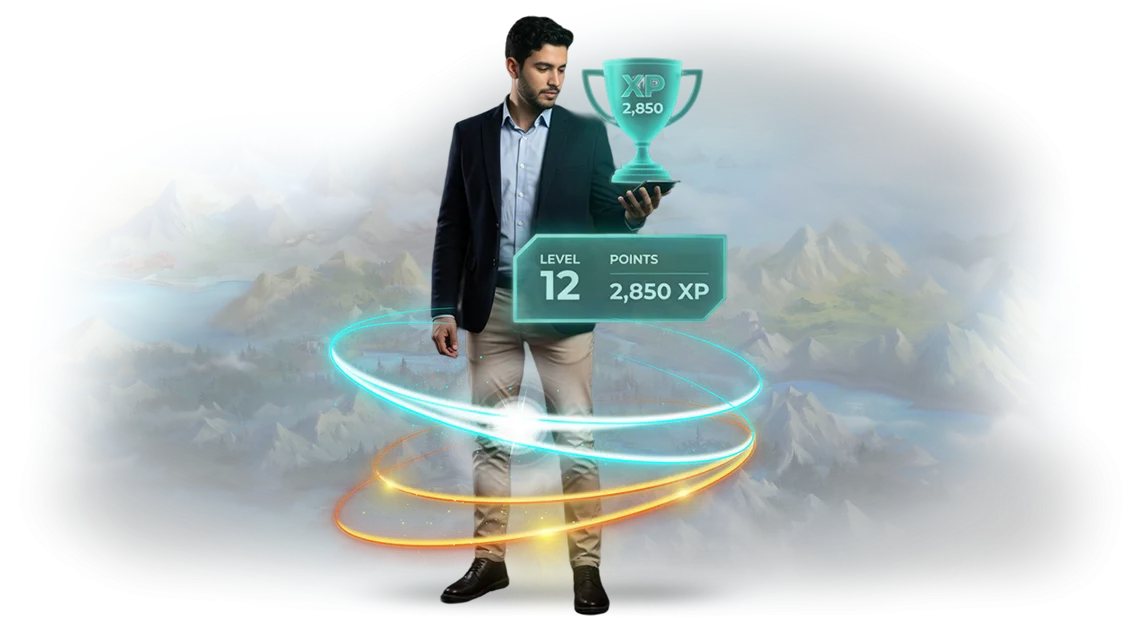
בתוך חוויית לקוח זו, גיימיפיקציה אינה "תגמולים לשם תגמולים" אלא כלי לניהול התנהגות. היא הופכת פעולות שגרתיות — מילוי טופס, ביצוע רכישה, השתתפות באירוע — למשחק מרתק עם מטרות ברורות.
היא משנה את היחס למותג: במקום "אני חייב לקנות", הלקוח מתחיל להרגיש "אני רוצה להשלים את המשימה הזו" או "אני רוצה להגיע לרמת ההטבות הבאה".
הנוסחה פשוטה: נקודת אינטראקציה מעניינת שומרת על תשומת לב, שמירה על תשומת לב יוצרת נאמנות לקוח, ונאמנות מתורגמת ישירות לגידול במכירות.
ככל שאדם נשאר זמן רב יותר במכניקת המשחק שלך, כך הוא מתחבר עמוק יותר למוצר וערכו לטווח הארוך לעסק גדל.
אנחנו עוזרים לעסקים לסגור את הפער הזה. אנו מעצבים את חוויית הלקוח כך שכל שלב — מהמגע הראשון ועד לעסקה חוזרת — פועל לשימור קהלים ולבניית קשר רגשי עם המותג.
זו בדיוק העבודה השיטתית שהופכת מבקרים חד-פעמיים ללקוחות קבועים ומכירות חד-פעמיות לזרם הזמנות יציב.
מה גיימיפיקציה מעניקה לעסק: 5 יתרונות מדידים
גיימיפיקציה אינה בונוסים לבידור; היא מנגנון עבודה להגדלת רווחים. הצוות שלנו למד מניסיון: מכניקת משחק שנבחרה כראוי מניבה תוצאות קונקרטיות ומדידות. הנה חמישה יתרונות מרכזיים שתקבלו לאחר היישום.
הגברת מעורבות
הלקוחות מפסיקים להיות צופים פסיביים. משימות, התקדמות ותגמולים שומרים על תשומת הלב שלהם פי שניים עד שלושה ומחזקים את הקשר הרגשי שלהם עם המותג.
המרה גבוהה יותר
אלמנטים משחקיים מורידים את החסם לפעולה ראשונה. לדוגמה, נקודות נאמנות, משימות מיני או בחירת אפשרויות אינטראקטיבית מגדילים את המעבר מעניין לרכישה ב-15–30%.
ערך לקוח גבוה יותר לאורך זמן
מערכת של סטטוסים, רמות ותגמולים אישיים מעודדת ביקורים חוזרים. הלקוחות חוזרים בעצמם, ללא הוצאות פרסום נוספות — כל רכישה חדשה מגדילה את התרומה הכוללת שלהם לאורך כל מערכת היחסים.
מוטיבציה לבצע פעולות רצויות
אפשר להניע לקוחות להשלים פרופילים, להשאיר ביקורות ולהזמין חברים. זה עובד ביעילות רבה יותר מהנחות כי זה נוגע בהתרגשות וברצון להגיע לרמה, לא בהטבה חד-פעמית.
תוצאות מדידות
בניגוד לפרסום קלאסי, גיימיפיקציה שקופה לחלוטין. אתם יודעים בדיוק כמה משתמשים השלימו משימה, כיצד השתנתה תדירות הרכישה, ואיזו השפעה הפיק כל אלמנט. דוחות מדדים מאפשרים לכוונן את המכניקה ללא הפסדים.
היתרונות הללו אינם מופיעים מעצמם — הם נובעים מעיצוב מחושב. אנו מתחשבים במאפייני העסק שלכם ויוצרים גיימיפיקציה שפותר אתגרים קונקרטיים, מהגדלת המרה ועד לגידול בערך הלקוח לאורך זמן.
פורמטים של גיימיפיקציה לחיזוק חוויית הלקוח
מטרות שונות של חוויית לקוח דורשות מכניקות משחק שונות. לפעמים צריך לשמר קונה קבוע, לפעמים להכיר למוצר אורח חדש, ולפעמים לקיים עניין לאורך שבועות ולבנות הרגל.
אין פורמט אוניברסלי אחד שמכסה את כל התרחישים, ולכן אנו מגדירים שלושה בסיסיים: תוכנית נאמנות, משימה ומרתון.
כל אחד מהם משפר את חוויית הלקוח בדרכו ומתאים לסוג עסק ספציפי. כדי להתמצא במהירות, הסתכלו בטבלה — היא משווה מצבי לקוח אופייניים.
| פורמט | למי זה מתאים | מה זה נותן ללקוח |
|---|---|---|
| תוכנית נאמנות | חנויות, בתי קפה, מכוני יופי, שירותים מקוונים עם רכישות קבועות | מגדילה את תדירות הרכישה ואת ערך ההזמנה הממוצע, שומרת על לקוחות קבועים, מסייעת בבניית מאגר להצעות מותאמות אישית |
| משימה | תערוכות, מצגות, אירועים, תוכניות חינוכיות | הופכת את גילוי המוצר למשחק, מערבת משתתפים, יוצרת רגשות עזים וסיבה לשתף התרשמויות |
| מרתון | בתי ספר מקוונים, מועדוני כושר, בנקים, אפליקציות בריאות | יוצר הרגל שימוש במוצר, מספק התקדמות מדידה ומעורבות משתתפים לאורך זמן |
הטבלה היא רק נקודת התחלה. בפועל, פורמטים משולבים: מרתון מופעל למשתמשים פעילים, משימה למצטרפים חדשים, ותוכנית נאמנות משמשת כמכניקה בסיסית.
מכניקות משחק משרתות את חוויית הלקוח כאשר כל אחת עונה על שאלה פשוטה: מה המבקר יקבל ולמה הוא ירצה לחזור.
אנחנו נעזור לכם לבחור את הפורמט המתאים לעסק שלכם וליישם אותו ללא הגדרה מסובכת או מחזורי השקה ארוכים. התוצאה: מעורבות גבוהה יותר, ביקורים חוזרים רבים יותר ואמון גדול יותר במותג.
כיצד אנו מיישמים גיימיפיקציה: 6 שלבים מבריף קצר ועד השקה
כדי להבטיח שיישום הגיימיפיקציה אכן משפר את חוויית הלקוח, ניהול פרויקט שקוף הוא חיוני. במשך למעלה מ-10 שנים, הצוות שלנו חידד תהליך בן שישה שלבים — מבריף קצר ועד השקה. אתם תמיד יודעים היכן אתם ומה תהיה התוצאה.
- בריף ומטרות. אנו מפרקים את המשימה שלכם: איזו חוויית לקוח אנו משפרים, אילו מדדים חשובים לכם — ביקורים חוזרים, מעורבות, הפניות. אנו מתעדים ציפיות וקריטריוני הצלחה.
- רעיון ותרחיש. אנו מציעים מכניקות שמשתלבות במסע הלקוח, ממשימות פשוטות ועד תוכניות מרובות רמות. אתם מקבלים קונספט לתיאום עם הצוות שלכם.
- אב-טיפוס ואישור. אנו בונים דוגמה עובדת באמצעות כלים מוכחים. אתם רואים את הממשק והלוגיקה ויכולים לערוך שינויים לפני תחילת הפיתוח המרכזי.
- פיתוח ואינטגרציה. אנו מרכיבים פתרון לתהליכים שלכם: מגדירים לוגיקה, עיצוב בסגנון המותג ומחברים את השירותים הנדרשים. אנו מציגים גרסאות ביניים.
- בדיקות והשקה. אנו בודקים את התרחיש עם משתמשים אמיתיים, מחליקים קצוות גסים ומשיקים את המכניקה. אתם מקבלים פרויקט עובד והוראות לצוות שלכם.
- תמיכה וצמיחה. אנו מנטרים ביצועים ומשכללים את התרחיש בהתאם לתגובת הקהל. אנו שומרים על הגיימיפיקציה אפקטיבית ועדכנית.
מה כולל פרויקט גיימיפיקציה: חבילה מלאה לצוות שלכם
עם סיום הפרויקט, אתם מקבלים לא רק מודול גיימיפיקציה מוגדר אלא סט שלם של חומרים שמאפשר לצוות שלכם לנהל, לפתח ולהתאים את המכניקה למשימות חדשות.
זה חוסך משאבים, הופך תהליכים לשקופים ומסיר תלות בקבלן חיצוני.
החבילה כוללת:
- תרחישי גיימיפיקציה מפורטים למסעות לקוח מרכזיים: אסטרטגיית מעורבות, טריגרים וכללים לצבירת נקודות, תגים ורמות.
- אבות טיפוס של מסכים כך שהמעצבים והמפתחים שלכם יוכלו לראות את המראה הסופי ואת לוגיקת האינטראקציה עם המשתמש.
- תיעוד טכני לאינטגרציה עם ה-CRM, האתר או האפליקציה שלכם: כיצד לחבר את המודול, אילו נתונים מועברים וכיצד זה משפיע על פעולת המערכת.
- הכשרת מנהלים: הגדרת מכניקות, יצירת מבצעים חדשים, ניהול כללים ללא מעורבות מתכנתים.
- לוח מחוונים אנליטי עם מדדי חוויית לקוח: מעורבות, המרה, ביקורים חוזרים ומגמות נאמנות לפי פלחים.
- תוכנית השקה ונקודות ביקורת: מה לעשות בימים הראשונים לאחר הפרסום, מי אחראי על קבלה וכיצד להריץ ניסויים השוואתיים.
- חומרי מקור ואלגוריתמים שנשארים שלכם לנצח — אתם יכולים לשכלל אותם עם כל צוות פנימי או להביא קבלנים אחרים.
תרחישים ואבות טיפוס מאפשרים להתאים במהירות את הגיימיפיקציה למוצר חדש או למבצע עונתי. אנליטיקה מראה אילו מכניקות מייצרות את הרווחים הגדולים ביותר בנאמנות, וההכשרה מעבירה את הכישורים שהעובדים שלכם צריכים לעבודה עצמאית.
תוצאות הפרויקט מתועדות בדוחות כדי שתוכלו להעריך את ההשפעה ואת ההחזר על ההשקעה.
חבילה כזו הופכת את הגיימיפיקציה מקמפיין חד-פעמי לכלי ניתן לניהול לצמיחת חוויית הלקוח. אתם לא רק קונים פתרון; אתם רוכשים נכס שממשיך לעבוד עבור העסק זמן רב לאחר ההשקה.
מקרה בוחן: מעורבות הקהל גדלה ב-40% בשלושה חודשים
זה קורה לעתים קרובות: חברה משקיעה בפרסום ומושכת מבקרים חדשים, אבל הם עוזבים לאחר המגע הראשון — הם לא משאירים בקשה, לא חוזרים ולא ממליצים. הבעיה אינה איכות המוצר אלא היעדר קשר רגשי.
אנשים זוכרים לא אפשרויות משעממות אלא חוויות שעזרו להם לזכות במשהו, להשיג משהו או להרגיש חלק מקהילה.
לקחנו תוכנית נאמנות לקוחות בענף השירותים והפכנו אותה למשחק עם רמות, בונוסים ואתגרים. המשימה הייתה פשוטה: לשמור על תשומת הלב של הלקוח בין רכישות, להניע אותו לחזור ולגרום לו להביא חברים.
לאחר שלושה חודשים, מעורבות הקהל עלתה ב-40% — אלה אינם מספרי פרסום אלא נתונים על פעולות אמיתיות: ביקורים חוזרים, פרופילים שהושלמו, פריטים שנוספו לעגלה והזמנות שהושלמו.
תוצאות שהלקוח ראה
- מספר המשתתפים הפעילים בתוכנית גדל פי 1.5 — הלקוחות הצטרפו למשחק בעצמם, ללא תזכורות.
- חלקן של הזמנות חוזרות עלה ב-25% — אנשים חזרו כדי להשלים את הרמה הבאה.
- מספר הפרסומים ברשתות החברתיות עם האשטאג של המותג הוכפל: המשתתפים שיתפו את הישגיהם, ויצרו חשיפה חינמית.
והכי חשוב, המספרים הללו הושגו ללא הנחות שפוגעות ברווחיות. השתמשנו במטבע פנימי, תגמולים וירטואליים וסטטוסים. משתמשים התחרו על התואר "מומחה" וקיבלו גישה מוקדמת למוצרים חדשים. גישה זו מניעה חזק יותר מאשר קאשבק רגיל.
אנו מגדירים מכניקות למטרות העסקיות שלכם: ממערכת נקודות פשוטה ועד נרטיב רב-רמות עם עלילה. אם אתם רוצים לראות כיצד זה עובד עם הקהל שלכם, נחשב את הפוטנציאל ונציע השקת פיילוט תוך 2–3 שבועות.
כיצד לבחור פורמט גיימיפיקציה למשימה שלכם?
אין פורמט גיימיפיקציה אוניברסלי — וזה דווקא יתרון: אתם יכולים לבחור מכניקות שפותרות את הבעיה הספציפית שלכם. הכל מסתכם בשאלה פשוטה: איזו התנהגות לקוח אתם רוצים לשנות?
אם המטרה היא לשמר קונים ולעודד ביקורים חוזרים, תוכניות צבירה מבוססות תגמולים עובדות היטב. אם צריך להכיר לקהל מוצר או שירות חדש, משימות, חידונים ואזורים אינטראקטיביים עובדים טוב יותר. התחילו לא מ"תכונות אופנתיות" אלא מהתוצאה שמחלקת השיווק שלכם צריכה למדוד.
ישנם שלושה קריטריונים מרכזיים לבחירת פורמט: הקהל שלכם, תרחיש נקודת המגע והיכולת למדוד את האפקט.
ראשית, הגיל, התחומי עניין וההרגלים של הלקוחות שלכם: מכניקה שמערבת צעירים עשויה לא לעבוד עבור אורחים עסקיים או קונים שמרניים.
שנית, נקודת המגע: כמה זמן אדם מבלה סביב המוצר שלכם — דקות בתור, שעה בתערוכה או מספר ימים בשירות מקוון. זה קובע את עומק המעורבות ואת מורכבות התרחיש.
שלישית, מדידות: החליטו מראש איזה מדד יגיד לכם שהמכניקה עבדה. זה יכול להיות מספר המשתתפים הפעילים, חלק ההזמנות החוזרות או גידול בערך ההזמנה הממוצע.
תפקיד הגיימיפיקציה בחוויית הלקוח הכוללת משפיע גם הוא על הבחירה. אם משחק תומך בערכי המותג ומחזק את הרגש של הרכישה, הוא פועל למען נאמנות.
אם מכניקה סותרת ציפיות — למשל, מורכבת מדי לתור מהיר — האורחים מתעצבנים ועוזבים. לכן, חשוב להתאים את הפורמט לשלב ספציפי במסע הלקוח: רכישה, ביקור ראשון, שימור או חזרה.
אנו נוקטים גישה שיטתית לבחירה זו. במהלך בריף קצר, אנו מזהים את המטרה העסקית, חוקרים את פרופיל הקהל ומציעים שניים או שלושה פורמטים מתאימים עם תחזיות להגעה ולמעורבות.
אתם מקבלים את ההחלטה יחד, ואנו מטפלים ביישום ובהשקה. אם לאחר ההשקה נראה שהלקוחות מגיבים אחרת מהצפוי, אנו מתאימים במהירות את המכניקה לפני שהם יכולים לפגוע בחוויה.
במשך למעלה מ-10 שנים, בנינו בסיס של פתרונות מוכחים לתעשיות שונות — מקמעונאות ומסעדנות ועד אירועים עסקיים גדולים ושירותים מקוונים. זה מאפשר לנו להסתמך על דוגמאות אמיתיות במקום להתנסות בתקציב שלכם.
לכן אנו מסתכלים קודם כל על המשימה ותרומתה הצפויה לחוויית הלקוח, ורק אז בוחרים את טכנולוגיית היישום. גישה זו מעניקה לכם פורמט ברור, תוצאה מדידה וללא סיכון של "לעשות משהו רק כדי לסמן וי".
תשובות לחששות נפוצים לפני שמתחילים
לפני תחילת העבודה, לקוחות מעלים לעתים קרובות חששות דומים — לגבי אינטגרציה, אבטחה, עלות ומורכבות. הכנו תשובות קצרות לספקות העיקריים כדי שתוכלו לקבל החלטה ללא כל אי-בהירות.
האם האינטגרציה עם מערכת ניהול הלקוחות הנוכחית שלנו תשבש את עבודת המחלקה?
לא. אנו מתכננים את הפתרון כך שיפעל על גבי התהליכים הקיימים שלכם: אנו מתחברים למערכת הנוכחית שלכם באמצעות פורמטים פתוחים של החלפת נתונים, והסנכרון מתרחש אוטומטית.
ביום ההשקה, המחלקה ממשיכה לעבוד כרגיל, והעובדים רואים שינויים בממשק מוכר.
אבטחת מידע — מי אחראי על בטיחות הנתונים?
אנו משתמשים בארכיטקטורת שרת מקצועית עם בקרת גישה מבוססת תפקידים והצפנה במהלך השידור. הפתרון תואם למדיניות האבטחה הפנימית של הלקוח.
לפי בקשה, אנו מספקים תיעוד ומגדירים תפקידים כך שרק עובדים מורשים יקבלו גישה לנתונים.
מה עלות הפרויקט והאם יהיו הוצאות נסתרות?
העלות קבועה בחוזה לאחר דיון מקדים. אתם מקבלים הערכה מלאה עם שלבים, לוחות זמנים ותוצאות. הוצאות נוספות אפשריות רק אם תשנו את היקף העבודה ביוזמתכם — אנו מסכימים על כך מראש. ההשקעה מחזירה את עצמה באמצעות מעורבות מוגברת וביקורים חוזרים.
האם היישום ייקח הרבה זמן ויסיח את דעת העובדים?
לא. התרחישים מוטמעים בשלבים הנוכחיים של הצוות, וההתראות מוגדרות כדי למנוע רעש מיותר. ההכשרה אורכת כמה שעות, ובהשקה אנו תומכים בעובדים ועונים על שאלות. הפרויקט מושק בדרך כלל תוך חודש.
נדון במטרות שלכם? קבעו ייעוץ
חוויית לקוח היא מה שגורם לאורחים לחזור, להמליץ עליכם לחברים ולבחור בכם שוב. אבל הפיכת פעולות שגרתיות למשחק חי דורשת תרחיש מחושב היטב וכיוונון מדויק של המכניקות.
אנו מציעים להתחיל עם ביקורת: נסקור את התקשורת הנוכחית שלכם, נמצא נקודות צמיחה ונראה היכן גיימיפיקציה תניב השפעה מרבית.
בייעוץ, תקבלו הערכת פרויקט — תוכנית שקופה הכוללת לוחות זמנים, תקציב ותוצאות צפויות. בלי סיפורים: רק פרטים ספציפיים למשימה שלכם, המלצות כנות ומספרים ברורים. וכדי שתדעו מראש כיצד העבודה בנויה, הנה התוכנית:
- בקשת אתר — אתם משאירים פרטי קשר ומתארים בקצרה את המשימה שלכם.
- ביקורת — אנו מנתחים את התקשורת הנוכחית שלכם עם הלקוחות, המתחרים וקהל היעד.
- הערכת פרויקט — אנו מכינים שתיים או שלוש אפשרויות פתרון במסגרת התקציב והמטרות שלכם.
- ייעוץ — אנו דנים באפשרויות, עונים על שאלות ומתעדים את המשימות שלכם.
- תוכנית יישום — אנו מפרקים את העבודה לשלבים עם נקודות ביקורת ברורות.
- השקה ותמיכה — אנו תומכים בפרויקט לאחר ההשקה ומתאימים בהתאם למדדים.
שלחו בקשה — ועד הפגישה הבאה תדעו כיצד לשפר את חוויית הלקוח עם גיימיפיקציה. זה אורך לא יותר משעה ואינו כרוך בהתחייבות.