

בעיות במסחר קמעונאי: איך גיימיפיקציה מחזירה לקוחות
המסחר הקמעונאי מתמודד עם בעיה שמחריפה עם כל עונה: לקוח מגיע פעם אחת ולא חוזר. הנחות ומבצעים כבר לא מחזיקים את הקהל—הם רק מלמדים אנשים לחכות להורדת המחיר הבאה, פוגעים במרווחים, ולא יוצרים לא נאמנות ולא רגש.
בתנאים אלה, שימור לקוחות הופך מאסטרטגיה רצויה לעניין של הישרדות החנות.
תוכניות נאמנות רגילות הפסיקו לעבוד באותה מידה: כרטיסים, בונוסים ונקודות תגמול נמצאים בכל מקום, כך שהלקוח לא מרגיש קשר מיוחד לאף חנות מסוימת.
המעורבות יורדת, הסל הממוצע נשאר שטוח, ומתחרים גונבים תשומת לב עם הצעה מושכת יותר. בעל העסק מוציא את תקציב השיווק, והלקוח עדיין עוזב—כי לא ניתנה לו סיבה להישאר.
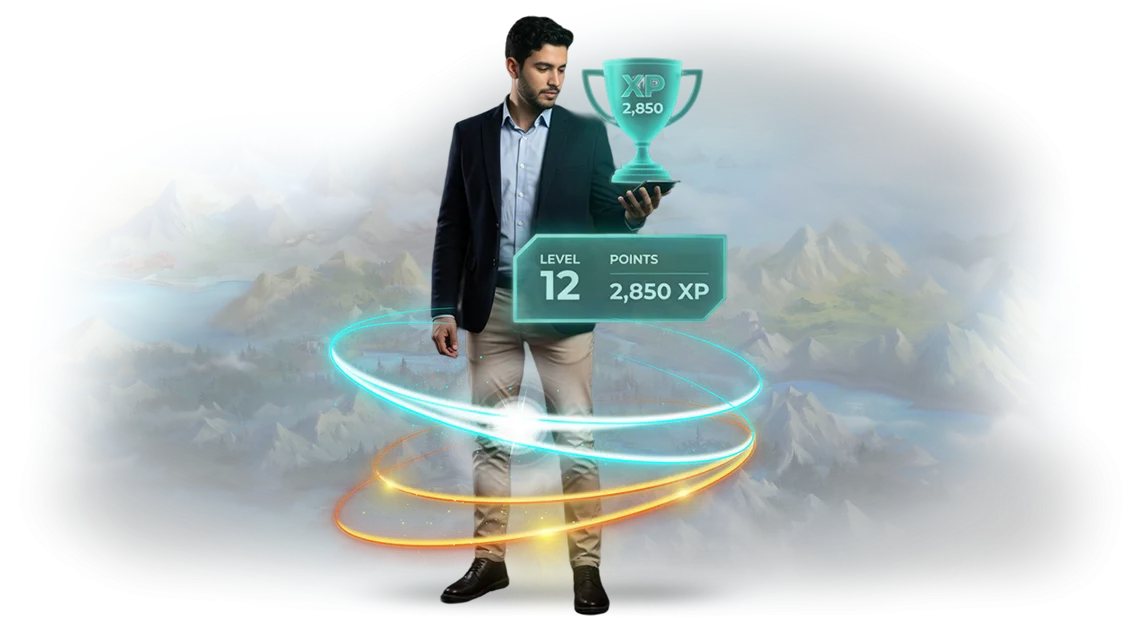
כאן נכנסת לתמונה גיימיפיקציה לחנויות. היא הופכת את חווית הקנייה לתרחיש מרתק: משימות, רמות, תגמולים, תחרות—כל מה שמצית התרגשות ורצון לחזור.
נאמנות לקוחות נבנית כך לא דרך הנחה, אלא דרך משחק ורגש: הלקוח רוצה לעשות את הצעד הבא, לזכות בהישג, ולשתף את התוצאה עם חברים.
אנחנו מעצבים מכניקות משחק סביב המטרות של רשת קמעונאית ספציפית—מקמפיינים קטנים במיקום אחד ועד מערכת מוטיבציה בכל הרשת. צריך להחזיר לקוחות קבועים ולהגדיל את תדירות הביקורים? זה הכאב שאנחנו מטפלים בו עם גיימיפיקציה מחושבת, מדידה וידידותית למבקרים.
מה גיימיפיקציה של תהליכים עסקיים משיגה: 5 יתרונות מדידים
גיימיפיקציה של תהליכים עסקיים היא לא רק מכניקות משחק; זו מערכת שמשפיעה ישירות על מדדי מפתח קמעונאיים. בואו נסתכל על חמישה יתרונות מדידים שבעל עסק מקבל אחרי ההטמעה—מצמיחת נאמנות ועד סל ממוצע גבוה יותר.
היתרון הראשון הוא צמיחת נאמנות לקוחות. תוכנית עם רמות, נקודות ותגמולים הופכת רכישות רגילות לחוויה מרתקת. הקונה חוזר לא רק בשביל מוצר, אלא בשביל סטטוס חדש או מתנה—כך תדירות הביקורים וחלקם של לקוחות קבועים גדלים.
היתרון השני הוא סל ממוצע גבוה יותר. משימות משחק מעודדות רכישות נוספות: השלם תנאי—קבל בונוס. לדוגמה, בקניית שני פריטים, השלישי מגיע בהנחה.
זה מעלה את גובה הסל בלי לחץ ישיר על הארנק של הלקוח ומגדיל את ההכנסה מכל אורח.
היתרון השלישי הוא מוטיבציה חזקה יותר של הצוות. מכניקות תחרותיות בין עובדים עוזרות לעמוד בתוכניות מכירות, לשרת מבקרים מהר יותר, ולטפל בהתנגדויות טוב יותר.
דירוגים ותגמולים גלויים מפחיתים תחלופת עובדים ויוצרים אווירת צוות בריאה—זה משפיע ישירות על איכות השירות.
היתרון הרביעי הוא מעורבות גבוהה יותר במבצעים ובתוכניות. גיימיפיקציה מאפשרת לאסוף פרטי קשר של לקוחות ולהריץ משחקי קידום וחידונים ששומרים על תשומת הלב במותג.
המשתתפים מבלים יותר זמן עם החברה ומוכנים יותר לשתף מידע עם חברים, מה שמרחיב את החשיפה ללא הוצאה נוספת.
היתרון החמישי הוא יותר מכירות חוזרות. מכניקות מבוססות נקודות ותרחישים מותאמים אישית מזכירים ללקוחות לחזור לתגמול הבא, ויוצרים ביקוש קבוע.
הטמעת גיימיפיקציה מחזירה את ההשקעה דרך השפעה ישירה על המדדים המדידים האלה—מהסל הממוצע ועד שימור קהל.
פורמטים של גיימיפיקציה למסחר קמעונאי
אין גיימיפיקציה אחת שמתאימה לכולם: מה שמחזיק לקוח לא תמיד מניע צוות. לכן אנחנו מתאימים את הפורמט למטרה עסקית ספציפית—צמיחת סל, מעורבות עובדים, או הטמעה מהירה של עובדים חדשים. בקמעונאות, בדרך כלל עובדים כמה תרחישים, לכל אחד מטרה משלו.
תרחישים אופייניים לקמעונאות
| פורמט | למי | מה הלקוח מקבל |
|---|---|---|
| תוכנית נאמנות עם רמות ותגמולים | לקוחות קבועים | יותר ביקורים חוזרים, סל ממוצע גבוה יותר, איסוף נתוני העדפות |
| משימות ותחרויות לעובדים | צוות חנות, קופאים, משקיעי מדף | מכירות גבוהות יותר לעובד, תחלופה נמוכה יותר, תרגול תסריטים דרך משחק |
| חידונים ואינטראקטיב ללקוחות | מבקרים חדשים וחד-פעמיים | שימור תשומת לב, חשיפה ברשתות חברתיות, איסוף פרטי קשר לא פולשני |
| משחקי הדרכה למתחילים | מתאמנים וצוות חזית | זמן קצר יותר עד לביצוע מלא, פחות טעויות בעבודה |
כפי שאתם רואים, הפורמטים לא מתחרים זה בזה—הם פותרים משימות שונות. חנות אחת יכולה להפעיל תוכנית נאמנות ללקוחות ובמקביל משימה לצוות, ולהפוך את עמידה ביעדים למשחק קבוצתי.
בבחירת פורמט, התחילו ממה שאתם רוצים לשנות במספרים: תדירות רכישה, המרה לביקורים חוזרים, או מהירות הסתגלות של צוות.
אנחנו לא מציעים "משחק לשם המשחק"—כל תרחיש קשור לתוצאה מדידה ומשתלב בקלות בתהליכים העסקיים הקיימים שלכם.
איך אנחנו מפתחים גיימיפיקציה: 6 שלבים מבריף ועד השקה
גיימיפיקציה בקמעונאות משיגה תוצאות רק דרך גישה שיטתית: לא מספיק פשוט להוסיף נקודות ותגמולים—צריך להטמיע את המכניקות בתהליכים היומיומיים של מוכרים, קופאים ומנהלים.
בנינו את העבודה כך שתראו תוצאה בכל שלב ותדעו על מה אתם משלמים. להלן ששת השלבים שכל פרויקטי פיתוח הגיימיפיקציה שלנו עוברים.
-
בריף גיימיפיקציה. אנחנו נפגשים איתכם ואוספים את היעדים: מה אתם רוצים לשפר—עמידה בתוכנית מכירות, מהירות שירות, הכשרת עובדים חדשים, או הפחתת תחלופה. אנחנו מגדירים את קהל היעד ואת המדדים הנוכחיים שלפיהם נשווה את התוצאה.
-
ניתוח תהליכים עסקיים. אנחנו חוקרים איך עובדים בפועל בחנויות: איפה המוטיבציה אובדת, אילו פעולות מביאות רווח, ואילו רק יוצרות מראית עין של פעילות. על בסיס זה, אנחנו בוחרים את התרחישים והמדדים שישפיעו על ההכנסה שלכם.
-
פיתוח קונספט ומכניקות. אנחנו יוצרים את קו העלילה המשחקי, מערכת רמות, תגמולים ותחרויות—מובנים למוכרים, לא רק להנהלה. אנחנו מפרטים איך הגיימיפיקציה משתלבת במשמרות, ברשימות בדיקה, בהדרכות וב-KPI. אנחנו מציגים לכם את תוכנית השלבים ואת הכיסוי הצפוי לעובדים.
-
אישור פרויקט. אנחנו מציגים אב טיפוס: איך נראה הממשק, איך משתתפים צוברים נקודות, ואיפה הם רואים דירוגים. אנחנו מבצעים תיקונים, קובעים לוח זמנים ותקציב. אתם מאשרים את הגרסה הסופית לפני שנעבור ליישום טכני.
-
הטמעה והשקת פיילוט. אנחנו בונים את הפתרון, מגדירים אותו למערכות שלכם, ומחברים קבוצת פיילוט של חנויות או מחלקות. אנחנו עוקבים אחר התוצאות הראשונות, אוספים משוב מעובדים, ומשפרים במהירות את המכניקות כך שיעבדו ללא תקלות.
-
השקת גיימיפיקציה ותמיכה. אנחנו פורסים את המערכת בכל הרשת ומכשירים מנהלים ומנהלות. אחרי ההשקה, אנחנו מנתחים באופן קבוע פעילות, המרה לפעולות רצויות, וחוזרים אליכם עם הצעות פיתוח. תמיכה כלולה בפרויקט, כך שלעולם לא נשארים לבד עם המערכת.
מה כלול במסירה: ערכה מלאה להשקת גיימיפיקציה
אתם מקבלים לא רק מכניקות משחק, אלא ערכת עבודה מלאה להשקת התוכנית בתוך השבועות הראשונים. אנחנו מטפלים בכל השלבים—מהרעיון ועד הכשרת עובדים ותמיכה טכנית. להלן בדיוק מה כלול במסירה ומה זה עושה לעסק שלכם.
- תרחישי משחק מוכנים. אנחנו מפתחים קווי עלילה וחוקים סביב היעדים שלכם: הנעת מוכרים, מעורבות לקוחות, או הכשרת עובדים חדשים. אנחנו מתאימים את התרחישים לפרטי הקמעונאות—תוך התחשבות בעונתיות, במגוון המוצרים ובפורמטי החנות.
- עיצוב וסגנון ויזואלי. אנחנו יוצרים אלמנטים בהירים וברורים: כרטיסים, מסכים, פוסטרים וחומרים לרשתות חברתיות. הכל נשאר בזהות המותג שלכם כך שהמשחק מחזק את ההכרה במותג.
- התקנה ואינטגרציה. אנחנו מחברים את הגיימיפיקציה למערכות שלכם—CRM, תוכניות נאמנות או פורטל ארגוני. נתוני פעולות המשתתפים נאספים אוטומטית, ודוחות נוצרים בפורמט נוח.
- הוראות ונהלים. אנחנו מכינים מדריכי עזר פשוטים למנהלים ולצוות: איך להפעיל את המכניקות, להעניק נקודות ולפתור שאלות נפוצות. זה מבטל כאוס ומאפשר לכם לתחזק את התוכנית ללא מפתחים.
- הכשרת צוות. אנחנו מעבירים הדרכה מעשית לעובדים: איך להשתמש במערכת, לערב לקוחות ולהגיב למצבים חריגים. הצוות מקבל כישורים מעשיים, לא רק חוברת הוראות.
- תמיכה טכנית אחרי ההשקה. אנחנו תומכים בפרויקט בחודשים הראשונים—עונים במהירות על שאלות, מתקנים באגים ועוזרים בשיפורים. אתם אף פעם לא מתמודדים עם בעיות לבד.
מקרה בוחן: איך גיימיפיקציה הגדילה את הסל הממוצע של רשת חנויות ב-18%
לרשת החנויות "סברני"—14 סניפים בשלוש ערים—הייתה אותה בעיה: מבקרים עברו במהירות בין המדפים, לקחו רק את הפריטים מהרשימה שלהם ועזבו. הסל הממוצע נשאר שטוח, ותוכניות נאמנות בקושי השפיעו על ההתנהגות. הצענו להפוך קנייה רגילה למשחק.
במקום כרטיס הנחה נוסף, השקנו מכניקת "ציד בונוסים": הלקוח קיבל משימות בחשבון האישי—להרכיב סט של שלושה מוצרים מקטגוריה מסוימת, למצוא קוד QR על תצוגה, לצלם ממצא משמח.
נקודות הוענקו על כל פעולה וניתן היה לממש אותן ברכישה הבאה. המשימות השתנו מדי שבוע, כך שהמשחק אף פעם לא נעשה משעמם.
תוצאות שבעל העסק ראה
אחרי ארבעה חודשים, הסל הממוצע של הרשת עלה ב-18%. במקביל, חלקם של ביקורים חוזרים בתוך חודש גדל ב-27%—לקוחות חזרו לא בשביל הנחה, אלא בשביל משימה חדשה.
הזמן בחנות כמעט הוכפל: אנשים התחילו לבחון תצוגות, לחפש מוצרים לפי רמזים, ולגלות פריטים שהתעלמו מהם בעבר.
נדגיש גם את ההפעלה של תוכנית הנאמנות: מספר המשתתפים גדל בשליש, אבל הנקודה המרכזית היא שהם התחילו להביא חברים.
הגיימיפיקציה יצרה אפקט "מפה לאוזן": לקוחות שיתפו את ההצלחות שלהם ברשתות החברתיות מיוזמתם והזמינו אנשים קרובים. הלקוח קיבל לא רק סל גבוה יותר, אלא גם חשיפה חינמית לקהל שנבעה מהמעורבות של לקוחות קבועים.
אחרי ההשקה, נשארנו לתמיכה: עדכון משימות, ניתוח התנהגות וכוונון עדין של המכניקות.
בדיוק בגלל זה הפרויקט לא הסתיים כ"קפיצה" חד-פעמית אלא הניב תוצאה מתמשכת—הרשת הזמינה גיימיפיקציה לכל החנויות החדשות שנפתחו בשנה שלאחר מכן. עבורנו, זה המדד המרכזי: לקוח חוזר כשהוא רואה ערך עסקי אמיתי.
איך לבחור פורמט גיימיפיקציה למטרות שלכם?
בחירת פורמט גיימיפיקציה למטרות קמעונאיות מתחילה לא במכניקה מבריקה, אלא בשאלה: מה בדיוק צריך להשתנות—גודל הסל הממוצע, תדירות ביקורים, נאמנות לקוחות, או מעורבות צוות.
לכל מטרה יש תרחישים עובדים משלה, ואין "מתכון" אוניברסלי: מה שמניע מוכרים יכול להרגיז לקוחות, וקמפיין מרגש בחנות לא יניב תוצאות בלי מוטיבציה נכונה של הצוות.
אם המטרה היא צמיחת מכירות ורכישות חוזרות, בחרו מכניקות מול לקוחות: צבירת נקודות, משימות בחנות, "משימות סודיות" על המדפים שהופכות קנייה למשחק.
אם שימור עובדים והכשרה הם הנושא הדחוף—אתם צריכים דירוגים, רמות ואתגרים קבוצתיים שבהם התרומה של כל עובד לתוצאה נראית לעין. אלה כיוונים שונים, ויש לבחור מכניקות בנפרד ולא לערבב אותן לתוכנית אחת.
הקריטריון השני הוא ההיקף והתקציב של המיקום הקמעונאי. חנות אחת מתעוררת בקלות עם פתרונות אופליין פשוטים: כרטיסים, מדבקות, לוח תחרות.
רשת קמעונאית עם כמה סניפים דורשת גישה שיטתית כדי שמשתתפים יראו דירוג משותף ומנהלים יקבלו שליטה על ביצועים בזמן אמת. אנחנו בונים את התרחיש סביב ההיקף שלכם בלי לגרום לכם לשלם יותר מדי על מורכבות שאינכם צריכים.
איך להתאים גיימיפיקציה למשימה? אנחנו מנתחים את המדדים העסקיים שלכם, נקודות המגע עם הלקוחות ולוחות הזמנים, ואז מציעים 2-3 פורמטים עם תחזית השפעה לכל אחד.
בחירת המכניקות היא תהליך איטרטיבי: אחרי ההשקה, אנחנו בוחנים את התוצאות הראשונות ומתאימים את רמת הקושי והתגמולים כך שהמשחק לא יימאס וימשיך להניב ערך.
זכרו את הנקודה המרכזית: הפורמט נבחר למטרה, לא להיפך. ואם יש לכם כמה מטרות, אנחנו משיקים בשלבים—קודם הקריטית ביותר, ואז הבאה.
כך אתם מקבלים החזר מהיר על ההשקעה והתרחבות חלקה בלי הוצאה מיותרת על "משחק לשם המשחק".
ספקות נפוצים בהזמנת גיימיפיקציה: טיפול בחששות
גיימיפיקציה בקמעונאות מעלה לא פעם שאלות עוד לפני שהיא מתחילה: האם המערכת תתקלקל בשעות השיא, האם המכניקות ידחקו לקוחות, והכי חשוב—מתי ההשקעה תחזיר את עצמה?
כך נראים החששות האלה בפועל ומה אנחנו עושים כדי שהפרויקט יעבוד עבור התוצאות שלכם, לא עבור כאבי הראש שלכם.
האם ההטמעה תיקח חודשים ותעצור את פעילות החנות?
פרויקט מפתח אורך 3-5 שבועות, והחנויות ממשיכות לפעול כרגיל. המכניקות מושקות במקביל לתהליכים קיימים: הצוות מוכשר בבריף קצר אחד, והמערכת לא דורשת החלפת ציוד קופה.
אנחנו מטפלים באינטגרציות מורכבות עם מערכות הנהלת חשבונות בעצמנו ובודקים אותן על קבוצה קטנה של חנויות. רק אחרי שהפיילוט רץ ביציבות, אנחנו מרחיבים את הפתרון לכל הרשת—כך אנחנו מבטלים תקלות ברגע הגרוע ביותר.
האם לקוחות לא יבינו את המכניקות ויסרבו להשתתף?
המכניקות בנויות על פעולות פשוטות שכולם מכירים: צבור נקודות—קבל הנחה או מתנה. אנחנו מעצבים את התרחיש כך שההשתתפות אורכת לא יותר מדקה—והאדם לא עומד במעבר ומפענח את התנאים.
בפרויקטים הקמעונאיים שלנו, המעורבות מגיעה ל-35-40% מכלל התנועה בשבוע הראשון. שאר הלקוחות רואים אחרים משתתפים, שואלים את הקופאים ומצטרפים עד השבוע השלישי או הרביעי.
חשוב לציין, המכניקות לא דורשות התקנת אפליקציות—הן עובדות דרך קודי QR וכרטיסי נאמנות שכבר יש לאורח.
מה אם המערכת תקפא בשעות השיא ותהרוס את הרושם מהמותג?
אנחנו מחשבים את העומס בשלב התכנון, ולארכיטקטורת הציוד והשרת יש מרווח ביטחון מעל מספרי המבקרים היומיומיים שלכם. הבדיקות נעשות בתנאים קרובים לשיא: מאות משתתפים הפועלים בו-זמנית, אינטרנט איטי, סמארטפונים ישנים.
תרחיש גיבוי עובד במצבים קריטיים: אם החיבור נופל, הלקוח לא מאבד את הנקודות שצבר—הן נשמרות אוטומטית. נראה ונסביר איך זה עובד לפני ההשקה, לא אחרי תלונות.
כמה מהר גיימיפיקציה תחזיר את ההשקעה, והאם האפקט יהיה מדיד?
ההחזר הממוצע על ההשקעה בפרויקטים הקמעונאיים שלנו הוא 5-7 חודשים. האפקט המרכזי מגיע משלושה מדדים: ביקורים חוזרים, צמיחת סל ממוצע, וחלקם של לקוחות שחוזרים דרך תוכנית הנאמנות במיוחד בגלל הגיימיפיקציה.
הדוח נראה בזמן אמת: אתם רואים אילו מכניקות מביאות תנועה ואילו כדאי להתאים. סטטיסטיקה שקופה לא משאירה מקום לוויכוח על התוצאה—אתם רואים את המספרים בדשבורד שלכם, לא במצגת של קבלן.
ספקות הם טבעיים, במיוחד כשמדובר בכלים חדשים בחנויות. אנחנו מבנים את העבודה כך שהסיכונים מינימליים: קודם פיילוט, אחר כך התרחבות—והחלטות מתקבלות על בסיס נתונים, לא הנחות.הזמינו פיתוח גיימיפיקציה וקבלו ביקורת תהליכים
להפוך חנות למקום שאנשים רוצים לחזור אליו זה לא רק מחירים ומדפים. גיימיפיקציה הופכת קנייה שגרתית למשחק שבו לקוחות נהנים להשתתף וצוות נהנה לעמוד ביעד.
אבל כדי שהמשחק יעבוד עבור ההכנסה, חשוב לבחור את התהליכים הנכונים. התחילו בביקורת תהליכים—נראה לכם אילו אזורים בחנות שלכם ירוויחו ממכניקות משחק.
שליחת בקשה לביקורת לא מחייבת אתכם להזמנה. תוך 1-2 ימים, נחקור את התהליכים שלכם ונמצא ניצחונות מהירים. הנה מה שתקבלו:
- הערכה של תרחישי הלקוחות הנוכחיים ופעולות הצוות;
- רעיונות למכניקות משחק מותאמות לפרטים שלכם: נאמנות, משימת מבקרים, תחרות מוכרים;
- הערכה של האפקט הצפוי: צמיחה בביקורים חוזרים ובסל הממוצע;
- תוכנית הטמעה עם עדיפויות לשבועות הראשונים;
- המלצה כנה: איפה גיימיפיקציה תניב תוצאות ואיפה היא לא נחוצה.
אחרי הביקורת, תהיה לכם בסיס מוכן להחלטה: האם להזמין פיתוח משחק לחנות שלכם. אם תחליטו להמשיך, התשתית תיכנס לפרויקט ללא עלות נוספת.
אפשר להזמין גיימיפיקציה בכל היקף: ממכניקות בקופה ועד מערכת מוטיבציה לצוות. אנחנו עובדים מרחוק, תומכים בכם מהרעיון ועד ההשקה, ומודדים את התוצאות.
שלחו בקשת ייעוץ—נדון במשימה שלכם ונבחר את הפורמט המתאים. זה ללא התחייבות. פנו אלינו דרך הטופס באתר, בטלפון או בהודעה—נחזור תוך יום עסקים אחד.