

למה בונוסים לא מצילים אנשי HR ומגייסים
בונוסים ותמריצים נראים כמו תשובה פשוטה לשאלת המוטיבציה: שלם — קבל תוצאות. אבל בפועל, כסף פותר את הבעיה רק לזמן קצר.
עובד מתרגל מהר לרמת הכנסה חדשה, ותוך חודשיים, המעורבות חוזרת לרמה הקודמת — בעוד שתחלופת העובדים ממשיכה לגדול.
הסיבה אינה גודל התשלומים, אלא העובדה שמוטיבציה חומרית לא מכסה את הצרכים הבסיסיים של האדם: הכרה, עניין, תחושת התקדמות ודחף תחרותי.
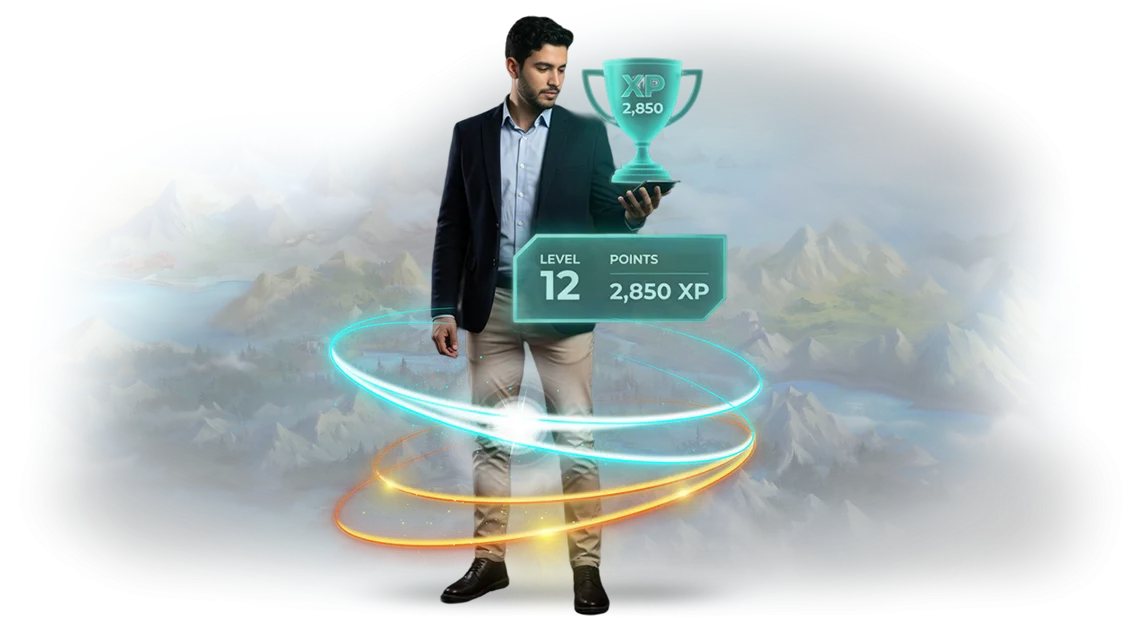
לכן אנשי HR ומגייסים פונים יותר ויותר למכניקות משחק בניהול כוח אדם — הן יוצרות מוטיבציה פנימית שאינה תלויה בארנק של החברה.
מכניקות משחק ב-HR הופכות משימות שגרתיות לתהליך מרתק: עובד רואה את ההישגים, הרמה והמטרות שלו, משווה תוצאות עם עמיתים, ומקבל תגמולים לא רק על כסף אלא על הצלחות ספציפיות.
זה עובד עם הרצון הטבעי של האדם לתחרות וביטוי עצמי. כתוצאה מכך, תחלופת העובדים יורדת כי אנשים מוצאים את העבודה מעניינת — הם לא רק מבצעים תפקידים; הם מתקדמים ברמות וזוכים להכרה.
עבור העסק, זה אומר צוות צפוי ועלויות נמוכות יותר למציאת והכשרת אנשים חדשים. המוטיבציה של העובדים מפסיקה להיות בעיה שצריך לפתור כל רבעון עם העלאות שכר. במקום זאת, אתה בונה מערכת שמחזיקה אנשים מעצמה.
אנחנו עוזרים לך ליישם מכניקות משחק כאלה בתהליכים שלך — ממשימות משחק פשוטות ועד למערכת מוטיבציה מלאה. אתה מקבל כלי שהופך את העבודה למשמעותית ואת העובדים לנאמנים.
מה אתה מקבל ממערכת מוטיבציה מבוססת משחק
כל עסק מאבד עובדים לא בגלל השכר אלא בגלל שעמום וחוסר משמעות בשגרה.
מערכת מוטיבציה מבוססת משחק מחזירה את העניין בעבודה: עובד רואה את המטרות, ההתקדמות והתוצאות שלו — ומתערב בתהליך מעצמו, ללא לחץ מהמנהל.
אחת ההשפעות המרכזיות היא הפחתת תחלופה. כשאדם מקבל הכרה על הישגים ומרגיש שתרומתו מורגשת, הנאמנות לחברה גדלה.
עובד נשאר לא כי "זה מצופה" אלא כי באמת מעניין אותו להתפתח כאן. זה מפחית הוצאות על גיוס, הכשרה וקליטת אנשים חדשים.
מכניקות משחק מחזקות את מותג ה-HR שלך. מועמדים מודרניים בוחרים חברות שבהן לא רק משלמים אלא שבהן נוצרת סביבה תוססת עם חוקי התפתחות ברורים.
כשמדברים על גיימיפיקציה במודעות דרושים וברשתות החברתיות, אתה מראה שהחברה מתקדמת עם הזמן — ומושך מועמדים בעלי מוטיבציה גבוהה יותר.
ההשפעה בולטת במיוחד בתקופת הקליטה של עובד חדש. השבועות הראשונים בתפקיד חדש הם התקופה המסוכנת ביותר להתפטרות.
תרחישי משחק עוזרים לעובדים חדשים להבין מהר את המבנה, להכיר עמיתים ולהשיג ניצחונות ראשונים בתוך הימים הראשונים. הם נכנסים לקצב העבודה מהר יותר ולא מרגישים זרים.
מעורבות, נאמנות, הכרת המותג וקליטה מהירה עובדים כמערכת אחת: כל אלמנט מחזק את האחרים. כתוצאה מכך, אתה מקבל צוות שרוצה לעבוד עבורך — וזה נראה גם לעובדים וגם למועמדים.
פורמטים של גיימיפיקציה לאנשי HR ומגייסים
איש HR ומגייס מתמודדים עם משימות שונות בו זמנית: קליטה מהירה של עובד חדש, מעורבות עובדים בהכשרה, הפיכת מערכת הדרגות לברורה ושמירה על תרבות ארגונית תוססת.
לכל אחת מאלה יש מכניקה משלה: מה שמניע בקורס הכשרה לא יעבוד כשמישהו מכיר את החברה לראשונה.
לכן אנחנו מתאימים את פורמט המשחק למטרה הספציפית. מיפינו מכניקות טיפוסיות מול המשימות שאתה פותר כל יום — זה יעזור לך לבחור כיוון לצוות שלך.
| פורמט משחק | לאיזו משימה הוא מיועד | מה הוא נותן לעובדים ולעסק |
|---|---|---|
| מסע הרפתקאות | קליטת עובד חדש | עובד חדש מכיר תהליכים, אנשים וערכים בשבוע הראשון במקום לטבוע במדריכים |
| חידון חינוכי | הכשרת עובדים | החומר נקלט בקלות רבה יותר; בדיקות ידע כבר לא מלחיצות |
| מערכת רמות ותגים | דרגות וצמיחה מקצועית | סולם התפתחות שקוף: ברור מה לעשות הלאה ולמה |
| אתגרי צוות | תרבות ארגונית | מטרות משותפות, תחרות ורגשות שמאחדים את הצוות |
זה לא רק "משחקים לשם המשחק". אנחנו קושרים את המכניקות לתהליכים העסקיים שלך: המטרות, לוחות הזמנים והמדדים שאתה עוקב אחריהם. כתוצאה מכך, אתה מקבל כלי שמשפיע באופן ניכר על שימור עובדים חדשים, זמן להשגת תוצאות ונאמנות הצוות.
כל מה שנשאר זה לבחור — למשימה שלך. אנחנו נעזור לך לקבוע את הפורמט ולהשיק אותו תוך מספר שבועות.
שלבי השקת גיימיפיקציה: מבריף ועד תמיכה
כדי שגיימיפיקציה באמת תשנה את המוטיבציה של הצוות ולא תישאר "משחק לראווה", צריך תהליך ברור. אנחנו מפרקים את הפרויקט לשלבים — כך שאתה יכול לראות מה קורה בכל רגע ולשלוט בתוצאה במקום לחכות ל"סיום" מעורפל.
- בריף והתעמקות במשימה. אנחנו מקשיבים לאיך המוטיבציה עובדת כיום, אילו משימות אתה פותר ומה מפריע. אנחנו מגדירים את המטרות: הגברת מעורבות, הפחתת תחלופה, האצת קליטה.
- אנליטיקה ובדיקת תהליכים. אנחנו חוקרים את התהליכים העסקיים שלך ואת תרחישי העבודה האופייניים של העובדים. אנחנו מוצאים את הנקודות שבהן גיימיפיקציה תיתן אפקט מקסימלי וקובעים אילו פעולות צריך לתגמל.
- עיצוב מכניקות משחק. אנחנו מפתחים מערכת של נקודות, רמות, תגמולים ואלמנטים תחרותיים המותאמים לפרטים שלך. אנחנו מציגים אב טיפוס בעל פה ובדיאגרמות, ומתאמים אותו איתך לפני תחילת הפיתוח.
- עיצוב ופיתוח. אנחנו יוצרים ממשק ברור לעובדים שמתאים לסגנון הארגוני שלך. אנחנו בונים את המערכת עצמה — מחשבון אישי ועד תגמולים. בשלב זה, אתה רואה גרסאות ביניים ומבצע שינויים.
- בדיקות והשקה. אנחנו בודקים את המערכת על תרחישים אמיתיים ואוספים משוב מקבוצה קטנה של עובדים. אנחנו מבצעים התאמות אחרונות ומשיקים את הגיימיפיקציה לכל הצוות.
- תמיכה והתפתחות. לאחר ההשקה, אנחנו נשארים בקשר: מנתחים פעילות, עוזרים להתאים את החוקים ומוסיפים רמות ותגמולים חדשים. זה מבטיח שהמשחק לא יתיישן וימשיך לעבוד למען המטרות שלך.
גישה זו מסירה את הסיכונים העיקריים: אתה לא משלם על פיתוח "גולמי"; אתה מקבל כלי שאנשים באמת משתמשים בו.
כל שלב מסתיים בתוצאה ברורה, והסיום אינו רק מסירת קוד — אלא מערכת מוטיבציה עובדת שאנחנו תומכים ומפתחים יחד איתך.
מה כלול בפרויקט גיימיפיקציה
פרויקט מלא אינו רק "משחק לשם המשחק" — זה כלי מוכן שעובד בתוך מערכת המוטיבציה שלך מהיום הראשון.
אנחנו לא מוסרים קוד וקבצים; אנחנו מספקים חבילה שצוות ה-HR והמגייסים יכולים להשתמש בה ללא מעורבות של מפתחים או קבלנים.
הנה מה שאתה מקבל במסגרת הפיתוח:
- תרחיש משחק הקשור לתהליכים העסקיים שלך. אנחנו כותבים את קו העלילה, הרמות, התפקידים והחוקים כך שהעובדים מבינים אילו פעולות מתוגמלות ואיך זה משפיע על המדדים האישיים שלהם.
- מכניקות מוטיבציה ומערכת נקודות. אנחנו מגדירים אילו הישגים מזכים בנקודות ואיך בונוסים וסטטוסים עובדים. אתה יכול להתאים את החוקים בגמישות ככל שהעסק משתנה.
- ממשק ועיצוב ויזואלי. עיצוב רספונסיבי לתחנות עבודה ולמכשירים ניידים — העובדים לא צריכים להבין איך המערכת עובדת; הכל אינטואיטיבי.
- אינטגרציה עם כלי ה-HR שלך. אנחנו מגדירים חילופי נתונים עם הפורטל הארגוני או מערכת החשבונאות שלך כך שתוצאות ותגמולים נמשכים אוטומטית, ללא הזנה ידנית.
- חומרי הדרכה למנהלי מערכת. מדריכים מוכנים וסרטוני הדרכה: איך לנהל את המשחק, להקצות משימות, להתאים רמות קושי ולצפות בסטטיסטיקות. איש ה-HR שלך יבין את זה ביום אחד.
- תיעוד טכני ונהלים. תיאור של כל התהליכים, הרשאות הגישה והנהלים במקרה של תקלות. אתה לא תלוי במפתח ספציפי — התיעוד מאפשר לצוות שלך או לכל קבלן חדש לתחזק את המערכת.
בסופו של דבר, אתה מקבל מערכת שקל ליישם, לתחזק ולפתח. קבלן אחד אחראי על כל התוצאה: מהרעיון ועד להכשרת העובדים שלך לעבודה עם המשחק.
מקרה בוחן: איך הפחתנו תחלופה ב-30% עם גיימיפיקציה
לקחנו על עצמנו את הפרויקט כשמחלקת המכירות של רשת קמעונאית איבדה אנשים כל רבעון. המנהל בזבז אנרגיה על גיוס עובדים חדשים, בעוד מוכרים מנוסים נשחקו מהשגרה: המדדים ירדו, והאווירה בצוות התדרדרה. תוך חצי שנה, התחלופה עלתה לרמה קריטית — התוכניות לפתיחת סניפים חדשים היו בסיכון.
במקום עוד תוכנית בונוסים או קנסות, עיצבנו מערכת מוטיבציה מבוססת משחק. העובדים קיבלו מטרות אישיות, עונות קבוצתיות והתקדמות נראית לעין — ללא מורכבות או עומס אדמיניסטרטיבי נוסף.
המערכת השתלבה בתהליכים היומיומיים: מוכר יכול לראות איפה הוא עומד ומה הוא צריך לעשות כדי לזכות בבונוס או בגישה להכשרה ייחודית תוך שבועיים.
התוצאות הגיעו תוך שלושה חודשים: התחלופה ירדה ב-30%, והמחלקה החלה לעמוד בתוכנית ההכנסות באופן עקבי מהר יותר ב-15%.
היקף ההכשרות הפנימיות בצוות הוכפל — עובדים מנוסים מעלים עכשיו עובדים חדשים לקצב מעצמם, כי במשחק זה מזכה נקודות לצוות. המנהל הפסיק להיות "אוכף" וקיבל זמן לפיתוח המחלקה.
הפרויקט החזיר את ההשקעה בחודשיים הראשונים לפעילות: עלות החלפת עובד אחד ברשת הייתה דומה לשכר חודשי, וצמצמנו את הצורך בגיוסים חדשים בשליש.
הלקוח היה מרוצה ואחרי חצי שנה הזמין את השלב הבא — גיימיפיקציה לקליטת עובדים חדשים כדי לשמר אנשים מהשבוע הראשון שלהם.
מקרה זה מהצוות שלנו מראה שמכניקות משחק עובדות לא כצעצוע אלא ככלי ניהולי. אנחנו לא רק מציירים "לוח תוצאות" — אנחנו מעצבים מוטיבציה סביב מטרות עסקיות: הפחתת תחלופה, הגדלת מכירות, האצת קליטה.
אם אתה רוצה את אותה תוצאה בחברה שלך, נתחיל בבדיקה קצרה ואז נעצב מערכת סביב המדדים שלך.
שאלות נפוצות על גיימיפיקציה לעסקים
אנחנו עונים על החששות האופייניים של לקוחות: גיימיפיקציה נראית מסובכת, גוזלת זמן ויקרה. בפועל, זה כלי מתכוונן שפותר משימות HR וגיוס ספציפיות: הגברת מעורבות, קליטה מהירה של עובדים חדשים, הפחתת תחלופה. להלן תשובות כנות לשאלות שנשאלות לרוב לפני תחילת פרויקט.
כמה עולה הפיתוח ומה משפיע על המחיר?
העלות מבוססת על היקף המכניקות, מספר המשתתפים ומידת האינטגרציה עם מערכת ה-HR שלך. אנחנו לא מנפחים את המחיר עבור "מסכים יפים" — כל אלמנט קשור לתוצאה עסקית.
אנחנו עובדים בשלבים: אתה יכול להתחיל עם מודול פיילוט ולהתרחב אחרי שתראה את המספרים הראשונים. אתה מקבל הערכה שקופה לפני שאנחנו מתחילים, ללא עמלות נסתרות.
כמה זמן לוקח להשיק?
זה תלוי בעומק העבודה, אבל מכניקת מוטיבציה בסיסית במפתח מלא אפשרית להשיק תוך 3–6 שבועות. אחרי זה מגיע כיוונון: אנחנו בוחנים את התנהגות העובדים ומכווננים מה שעובד.
התחלה מהירה חשובה — לכן בשלב הראשון אנחנו מתמקדים במדד מרכזי אחד במקום להשיק הכל בבת אחת.
מה אם העובדים לא יאהבו את זה או שהמכניקות יתיישנו?
הסיכון מופחת בהתחלה: אנחנו עורכים בדיקה קצרה עם קבוצת מיקוד, אוספים משוב ומתאימים את התרחיש לפני ההשקה המלאה. במהלך הפעילות, אתה רואה את האנליטיקה — מי משתתף, אילו פעולות הם מבצעים, איפה העניין יורד.
המערכת חיה: אפשר לעדכן אותה, ולהוסיף רמות ותגמולים חדשים כדי להתאים ליעדים העסקיים הנוכחיים.
מי יתמוך בפרויקט לאחר ההשקה?
אנחנו נשארים איתך לאחר השחרור: תמיכה טכנית, עדכונים ושיפורים למטרות חדשות. אם סדרי העדיפויות משתנים — למשל, המיקוד עובר מקליטה לשימור — אנחנו בונים מחדש את המכניקות סביב המשימה החדשה. אתה אף פעם לא נשאר לבד עם הקוד: עבורנו, ערך ארוך טווח חשוב, לא מסירה חד-פעמית.
אם אתה לא בטוח אם גיימיפיקציה מתאימה לצוות שלך, שאל שאלה כאן או במהלך ייעוץ. אנחנו נחשב את היקף העבודה, לוחות הזמנים והיתרונות הראשוניים המשוערים עבור התרחיש שלך.הזמן פיתוח גיימיפיקציה למשימות שלך
עבור אנשי HR ומגייסים, גיימיפיקציה היא לא רק משימות ונקודות — זו מערכת מוטיבציה עובדת שמפחיתה תחלופה ומאיצה סגירת משרות.
כדי להגיע לתוצאה הזו, אתה לא צריך להבין במכניקות — פשוט השאר פנייה, ואנחנו נדאג לשאר.
לאחר פנייתך, תקבל:
- בדיקה של מערכת המוטיבציה הנוכחית שלך: אנחנו מנתחים אילו תהליכים תקועים וקובעים איפה משחק ייתן תוצאות מהירות.
- ייעוץ תרחיש: אנחנו מראים איך גיימיפיקציה משתלבת במשפך הכישרונות שלך — מגיוס ועד קליטה ושימור.
- אב טיפוס של מכניקות משחק למשימה שלך: תוכנית ברורה שקל להסכים עליה בתוך הצוות שלך.
- חישוב שקוף של לוחות זמנים והיקף עבודה: אתה יודע מה תקבל ומתי נשיק את המערכת.
- תמיכה בכל שלב: מהבריף הראשון ועד ההשקה וההתקנה הראשונית, כולל הכשרת מנהלי מערכת.
- תמיכה לאחר ההשקה: אנחנו מתאימים את האיזון והתרחישים אם היעדים העסקיים משתנים.
כל פריט הוא צעד לקראת כך שעובדים ומועמדים יתערבו מעצמם, וצוות ה-HR יבזבז פחות זמן על שגרה. השאר פנייה — ונשוחח בייעוץ איך גיימיפיקציה יכולה להגביר מעורבות ספציפית בחברה שלך.
איך לבחור את פורמט הגיימיפיקציה הנכון?
בחירת פורמט גיימיפיקציה אינה עניין של "איזה משחק יותר כיף" אלא "איזו בעיה עסקית הוא פותר". עבור אנשי HR ומגייסים, המכניקות חייבות לשרת מדדים ספציפיים: מהירות סגירת משרות, מעורבות בהכשרה, הפחתת תחלופה. לכן אנחנו מגדירים את המטרה קודם ורק אז בוחרים את סוג המשחק — לא להפך.
אם המשימה היא להמריץ במהירות את הצוות ולהגביר פעילות במחזור קצר, מכניקות משחק קלות עובדות היטב: חידונים, תחרויות, תחרויות קבוצתיות.
אם מדובר במוטיבציה ארוכת טווח — למשל, פיתוח מיומנויות או שימור עובדים — צריך מערכת רב-רמות עם תגמולים, סטטוסים והתקדמות ברורה. אותן מכניקות יכולות להניב תוצאות שונות בהתאם לאופן שבו הן מוטמעות בתהליך העבודה.
תקציב והיקף משפיעים גם הם על הבחירה. אתה יכול להתחיל עם פורמט פשוט — הכנסת אלמנטים של משחק למערכת ההכשרה הקיימת או להגדרת KPI. מאוחר יותר, כשמתברר מה מניב תוצאות, אפשר להרחיב את המכניקות בקלות לפלטפורמה מלאה.
אנחנו לא מציעים פתרון "קופסה אחת מתאימה לכולם"; אנחנו מעצבים פורמט למצב שלך — כך שהמשחק לא מסיח את הדעת מהעבודה אלא עוזר לבצע אותה.
בסופו של דבר, אתה מקבל לא רק "משחק לשם המשחק" אלא כלי שמשתלב בתהליכי HR ומניב תוצאות מדידות. אנחנו עוזרים לך לבחור מכניקות שמתאימות למטרות, לתקציב ולתרחישי העבודה האמיתיים שלך.
זה מפחית את הסיכון לבזבוז משאבים ומבטיח שגיימיפיקציה עובדת עבור העסק ולא קיימת בפני עצמה.