

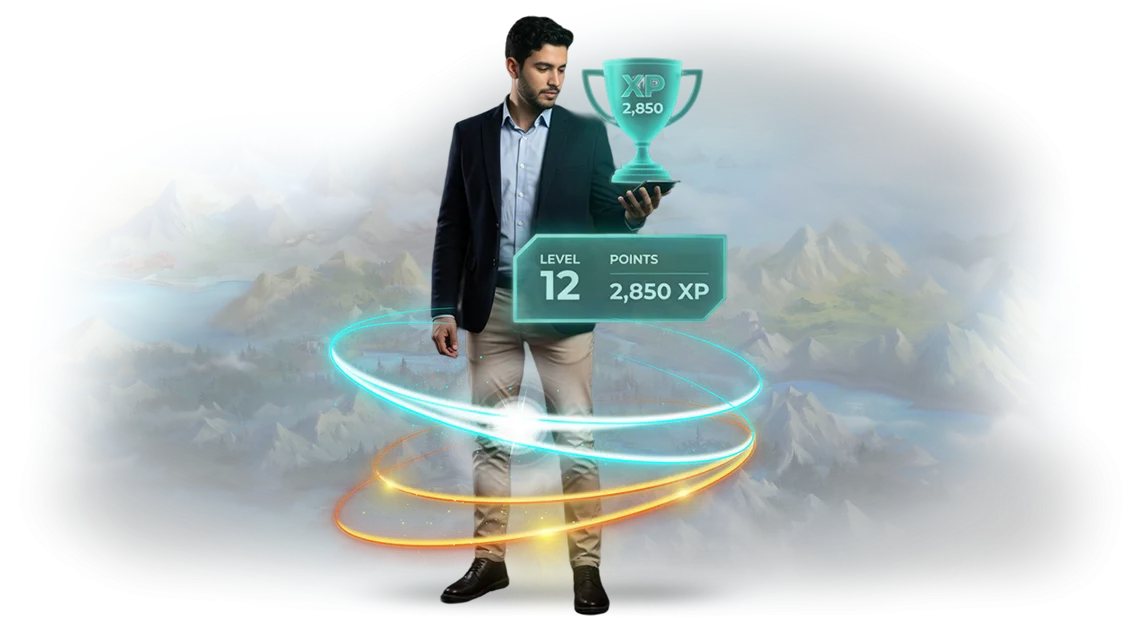
גיימיפיקציה של תהליכים עסקיים עבור מאמנים ומדריכים ארגוניים
מאמנים ומדריכים ארגוניים מתמודדים עם אותה בעיה בכל יום: עובדים משלימים הכשרה רק כדי "לסמן וי", מאבדים עניין במהירות, ולא מיישמים את הכישורים שרכשו בעבודתם.
מעורבות העובדים יורדת, המוטיבציה של העובדים נחלשת, ותוצאות ההכשרה לא עומדות בציפיות העסקיות.
הסיבה אינה איכות החומרים או כשירותו של המאמן. מבוגרים פשוט מתעייפים מהקשבה פסיבית, מחוקים וממשימות חוזרות. אפילו הכשרה מועילה הופכת לשגרה אם היא לא מעוררת רגש ולא מספקת משוב מהיר. ובלי רגש, ידע חדש לא מתגבש ולא הופך להרגלים.
גיימיפיקציה של תהליכים עסקיים משנה את הגישה: היא הופכת את ההכשרה לפורמט משחקי עם מטרות ברורות, רמות, נקודות ותגמולים. העובדים מתגייסים בעצמם כי מעניין אותם לנצח, להתחרות ולראות את ההתקדמות שלהם.
עבור מאמנים ומדריכים ארגוניים, זהו כלי עבודה שמגביר את פעילות המשתתפים, מקצר את הזמן הדרוש לקליטת החומר, והופך את ההכשרה למנוע של שינוי.
המנהלים מקבלים תוצאה מדידה: מעורבות עובדים מוגברת, תחרות על איכות העבודה, הפחתת תחלופה ושיפור בביצועי הצוות. המוטיבציה של העובדים הופכת בת-קיימא כי היא נשענת על עניין פנימי ולא על לחץ חיצוני. גיימיפיקציה של תהליכים מקשרת בין הכשרה למשימות עבודה אמיתיות ולמדדי ביצוע.
אנחנו עוזרים למאמנים ומדריכים ארגוניים לבנות מערכת מוטיבציה כזו המותאמת לצרכים שלהם: אנחנו מתכננים מכניקות משחק, מלמדים כיצד להשתמש בהן בתוכניות, ותומכים בהטמעה.
אתם מקבלים כלי שמובן לעובדים, משתלב בקלות בתהליכים הקיימים, ומניב תוצאות נראות לעין כבר במחזור ההכשרה הראשון.
אילו יתרונות גיימיפיקציה מביאה לעסק
גיימיפיקציה נתפסת כבידור, אבל עבור עסק היא כלי עם תוצאות מדידות. כשהכשרה ותהליכי עבודה בנויים על מכניקות משחק, העובדים מתגייסים בעצמם—בלי הוראות ובלי לחץ אדמיניסטרטיבי.
עבור המאמן, זו דרך להפוך תוכנית שגרתית לתהליך שהצוות עוקב אחריו בעניין; עבור העסק, זו דרך להשיג מדדי ביצוע קונקרטיים.
היתרון המרכזי הוא פרודוקטיביות מוגברת בלי שחיקה. מטרות ברורות, רמות מיומנות ומשוב מהיר משנים את היחס למשימות: העובד רואה שהמאמצים שלו מקרבים אותו לתוצאה ועובד במודעות.
זה לא עניין של "לעשות יותר בפחות זמן" אלא של ביטול כאוס והפסדים כשזה לא ברור מאיפה להתחיל, ושל הפיכת שיטות עבודה מומלצות להרגל טבעי.
ההשפעה החשובה השנייה היא הפחתת תחלופה. אנשים נוטים פחות לעזוב חברות שבהן הם רואים צמיחה, מקבלים הכרה ומרגישים התקדמות.
מערכת מוטיבציה מבוססת משחק מתעדת את ההישגים של העובד, ומראה לו את הערך של הניסיון שלו ואת הסיכויים שלפניו. עבור המאמן, זה אומר שההכשרה שהושקעה באדם לא "נשרפת" אחרי כמה חודשים אלא ממשיכה להניב ערך.
נאמנות העובדים נבנית על ניצחונות קטנים אך קבועים.
גיימיפיקציה מספקת משוב מיידי ולא "כל הכבוד בהערכה בעוד שישה חודשים" מופשט. העובד מרגיש שההערכה הוגנת ומבין איך התרומה האישית שלו משפיעה על התוצאה הקבוצתית הכוללת. שקיפות כזו מחזקת את האמון בהנהלה ומפחיתה את רמות הלחץ.
בסופו של דבר, כל הגורמים האלה מסתכמים לרווח עסקי. עלויות נמוכות יותר לגיוס וקליטת עובדים חדשים, השלמה מהירה יותר של משימות, ותוצאות צוות צפויות.
גיימיפיקציה משתלמת לא כי היא אופנתית, אלא כי היא משנה את ההתנהגות היומיומית של העובדים—וההתנהגות היא זו שמעצבת את המספרים בשורה התחתונה.
אנחנו ממלאים את הצורך הזה: אנחנו מתכננים מערכת מוטיבציה המותאמת למטרות של עסק ספציפי ומוסרים אותה למאמנים בפורמט נוח. אתם מקבלים לא רק "משחק לעובדים" אלא מנגנון עבודה המשולב בהכשרה ובפעילות היומיומית.
פורמטים של גיימיפיקציה למטרות חברה שונות
כל משימה בהכשרת עובדים או במוטיבציה דורשת פורמט משחק משלה. מה שמעסיק עובדים חדשים לא יעבוד עבור צוות מנוסה, ותחרות לשם תחרות עלולה להרוס את האווירה.
לכן אנחנו מתחילים לא מהמשחק אלא מהמטרה שלכם: לזרז קליטה, להגדיל מכירות, להכשיר על מוצר חדש, או להקליל את האווירה בהכשרה.
להלן שלושה פורמטים בסיסיים שאנחנו מתאימים למשימה שלכם. הם הוכחו בסביבה ארגונית ומניבים תוצאות מדידות.
| פורמט | למי | מה זה נותן ללקוח |
|---|---|---|
| מסעות (Quests) | להכשרת עובדים חדשים, היכרות עם מוצר או תהליכים פנימיים | המשתתפים לומדים את החומר צעד אחר צעד תוך כדי עשייה. תוצאה — קליטה מהירה יותר ופחות טעויות בשבועות הראשונים לעבודה |
| תחרויות | לתרגול מיומנויות, הגדלת מכירות, הפעלת עובדים מנוסים | התרגשות בריאה והשוואת תוצאות ברורה. הצוות עצמו שואף למטרה, ואתם רואים מי מוביל ומי זקוק לתמיכה |
| דירוגים | למוטיבציה ארוכת טווח, מחזורי הכשרה קבועים, שמירה על מומנטום | מערכת הערכה שקופה מגבירה מעורבות לאורך זמן. העובדים רואים התקדמות, והמנהל רואה תמונה אובייקטיבית |
אלה לא גבולות נוקשים: אנחנו משלבים פורמטים בפרויקט אחד. לדוגמה, מסע להשקה, תחרות לתרגול, ודירוג ליצירת הרגלים. העיקר הוא שמכניקת המשחק פותרת את הבעיה העסקית שלכם ולא רק מבדרת.
אנחנו בוחרים את הפורמט על סמך בריף: אנחנו לוקחים בחשבון את גודל הקהל, רמת המיומנות, לוחות זמנים והמאפיינים של התרבות הארגונית. כתוצאה מכך, אתם מקבלים תרחיש שמובן למשתתפים ומשתלב בקלות בתהליכי ההכשרה הקיימים. אנחנו מטפלים בכל ההטמעה—מהמכניקה ועד לעיצוב החזותי.
איך עובד פיתוח גיימיפיקציה: שלבים ולוחות זמנים
בנינו את התהליך כך שתראו תוצאות בכל שלב. בלי קסמים—רק צעדים ברורים, לוחות זמנים ברורים ומחיר שקוף.
שלבי הפיתוח
- בריף והתעמקות. אנחנו מבררים מה צריך להניע: השלמת קורסים, השתתפות בהכשרות, מעבר מבחנים. אנחנו מציבים מטרות ומדדי הצלחה.
- עיצוב מכניקה. אנחנו בוחרים נקודות, רמות, מסעות או תחרויות קבוצתיות למשימות שלכם. אנחנו מראים איך זה יעבוד.
- תרחיש ועיצוב. אנחנו יוצרים את מערכת התגמולים וכללי חלוקת הנקודות. אנחנו מכינים אב-טיפוס כדי שתוכלו לראות את הממשק העתידי לפני הפיתוח.
- פיתוח ובדיקות. אנחנו בונים ובודקים את המערכת עם קהל אמיתי ומבצעים התאמות. המאמנים מקבלים כלי נוח לשימוש יומיומי.
- השקה. אנחנו מחברים את הגיימיפיקציה לפלטפורמת הלמידה שלכם או משיקים אותה בנפרד. אנחנו עורכים בריף קצר למאמנים.
- תמיכה. אנחנו מנתחים פעילות ומשפרים מכניקות למשימות חדשות. המערכת מתפתחת יחד עם התוכניות שלכם.
לוחות הזמנים של הפרויקט תלויים בהיקף: גיימיפיקציה בסיסית אורכת משלושה שבועות, מקיפה עם אנליטיקה עד חודשיים. אנחנו קובעים תאריכים מדויקים בחוזה לאחר הבריף, כך שאתם תמיד יודעים מתי תהיה ההשקה.
מה כלול במסירה: חבילת הגיימיפיקציה
אתם מקבלים לא רק משחק אלא מערכת מוטיבציה מוכנה שניתן להשיק מיד לאחר ההטמעה. החבילה כוללת את כל מה שנחוץ למאמנים, למדריכים ולמנהלים—מהתרחיש ועד לאנליטיקה. להלן ההרכב המלא של המסירה.
- תרחיש משחק. תיאור של העלילה, הרמות והמשימות המותאמות לתהליכים העסקיים שלכם. הוא שומר על מעורבות המשתתפים מההתחלה ועד הסוף ומקשר בין מכניקת המשחק למדדי ביצוע אמיתיים.
- חוקים ונהלים. הוראות ברורות לכל המשתתפים שמבטלות אי-בהירות ומחלוקות. המאמן לא יצטרך להסביר את החוקים בכל פעם—העובדים מתגייסים לתהליך בעצמם.
- מדריך למאמן. מדריך שלב-אחר-שלב עם תזמון, תרחישי הנחיה וקשיים אופייניים. עוזר להפעיל את המשחק גם בלי ניסיון קודם בגיימיפיקציה ומעניק ביטחון בעבודה עם קבוצה.
- לוחות מחוונים למנהלים. אנליטיקה ויזואלית על מעורבות, התקדמות ותוצאות צוות. אתם רואים אילו מכניקות עובדות ואיפה התוכנית זקוקה להתאמה—ישירות בתהליך.
- אינטגרציה עם הכלים שלכם. מסרונים, פורטל ארגוני או CRM—העובדים לא עוברים בין מערכות. המשחק משתלב במערכת האקולוגית הקיימת במקום ליצור חדשה.
- מאגר משימות ותבניות. סט של מכניקות מוכנות לשימוש חוזר ולהתאמה למשימות חדשות. אין צורך להזמין פיתוח חדש לכל פעילות קרובה.
כל זה ארוז בתקן אחד שניתן להרחבה בקלות למחלקות ותחומים אחרים. אתם מקבלים מערכת עובדת ולא פעילות חד-פעמית—היא נשארת בחברה ומניבה תוצאות לאחר סיום הפרויקט.
מקרה בוחן: איך גיימיפיקציה הגבירה את המוטיבציה של העובדים
הכשרות ובריפים רגילים כבר לא תופסים את תשומת הלב: העובדים משלימים הכשרה רק כדי "לסמן וי" ושוכחים את התקנים המרכזיים אחרי כמה חודשים. זה קריטי במיוחד בחברות שבהן איכות השירות משפיעה ישירות על נאמנות הלקוחות ועל תחלופת העובדים.
החלטנו לבדוק איך מערכת מוטיבציה מבוססת משחק תשנה את המצב בעסק אמיתי.
מקרה בוחן: רשת מועדוני כושר Atletika
באחד מסניפי הרשת, השקנו גיימיפיקציה של תהליך ההכשרה וההסמכה למאמנים. במקום מבחנים והרצאות משעממים—נקודות, רמות, אתגרים קבוצתיים והצגה פומבית של הישגים.
ההשתתפות הייתה וולונטרית, אבל כמעט כולם הצטרפו: מכניקת המשחק הזינה תחרות בריאה ועניין בצמיחה מקצועית.
תוצאות ההטמעה
במשך שלושה חודשים של פעילות המערכת, השגנו את המספרים הבאים:
- המעורבות בהכשרה גדלה פי 4—המאמנים השלימו מודולים נוספים בעצמם במקום לחכות לתזכורות.
- תחלופת העובדים בקבוצת הפיילוט ירדה בכמעט שליש: אנשים הרגישו שההתפתחות שלהם בחברה נראית ומוערכת.
- זמן הקליטה של עובדים חדשים קוצר בחצי—המנטורים הפכו למוכנים יותר לחלוק ניסיון, והעובדים החדשים הסתגלו מהר יותר לקצב של המועדון.
תוך חודש, מנהלי הסניף הבחינו בהבדל: המאמנים דנו יותר בהכשרות, שיתפו הצלחות והציעו שיפורים בעצמם.
"הגיימיפיקציה החזירה לצוות את הדרייב והרצון לגדול. אנשים הפסיקו ללכת להכשרות תחת לחץ—עכשיו זה הניצחון האישי שלהם. אפילו הלקוחות מציינים שהאווירה במועדון הפכה לאנרגטית יותר", אומרת מנהלת משאבי האנוש ב-Atletika.
הפרויקט הזה הפך לאמת מידה עבורנו: מכניקות משחק עובדות לא רק ב-IT ובמכירות אלא גם במקום שבו התוצאה המרכזית היא תקשורת חיה עם הלקוח. אם אתם רוצים תוצאה דומה לצוות שלכם, התחילו בפיילוט קטן—אנחנו נעזור לתכנן אותו סביב המטרות העסקיות שלכם.
איך לגייס מאמנים למערכת מוטיבציה?
מאמנים ומדריכים הם קהל מיוחד: הם מחזיקים את תשומת הלב של אחרים כל יום, ולכן הם חשים היטב בפורמליות. מערכת הנקודות והבונוסים הרגילה נתפסת כעוד חובה ולא כהכרה במומחיות.
כדי לגייס אותם באמת, צריך מוטיבציה שמדברת בשפה שלהם—שפת התחרות, הצמיחה והתוצאות.
גיימיפיקציה של ההכשרה הופכת את עבודת המאמן למסלול מרתק: התקדמות נראית לעין, רמות מומחיות, אתגרים והכרה פומבית בהישגים. במקום KPIs מופשטים—תמונה חיה של הצלחה שבה כל צעד מזכה בנקודות ופותח הזדמנויות חדשות.
המאמן רואה איך הדירוג שלו גדל, אילו מיומנויות משתדרגות ואיפה הוא כבר הכי טוב. זה יוצר מוטיבציה פנימית שעובדת גם בלי פיקוח חיצוני.
מאמנים ארגוניים מעריכים משוב כן, ומכניקת המשחק מספקת אותו אוטומטית: מודולים שהושלמו, מקרים אמיתיים, תגובות משתתפים. כל פעולה מקבלת תוצאה מהירה—והאדם מבין לאן להמשיך. גיוס מאמנים מפסיק להיות משימה של המנהל והופך למטרה אישית של העובד.
עבור העסק, זה אומר תוצאה מוחשית: מעורבות גבוהה יותר, תחלופה נמוכה יותר, איכות הכשרה יציבה. כשהמאמנים נלהבים, הם משקיעים בתוכניות, חולקים ניסיון ומובילים את הקולגות.
מיושמת פעם אחת, המכניקה ממשיכה לעבוד בלי תזכורות קבועות—פעילות המשתתפים נשארת גבוהה במשך חודשים.
אנחנו מתכננים מערכות מוטיבציה שאנשים לא רוצים להתחמק מהן. אנחנו לוקחים בחשבון את המאפיינים של מאמנים ומדריכים ארגוניים, מתאימים את הגיימיפיקציה למטרות שלכם ותומכים בהשקה. כל מה שנשאר לכם הוא לראות איך האנרגיה של הצוות הופכת לצמיחה עסקית.
שאלות נפוצות על פיתוח גיימיפיקציה
לפני השקת גיימיפיקציה, לכל לקוח יש את אותן שאלות: האם המשחק יעבוד, איך לשלב אותו בהכשרה הקיימת, ומי מטפל בכל העבודה. אנחנו עונים ישירות כי אנחנו בעצמנו בונים פרויקטים כאלה עבור מאמנים ומדריכים.
מה אם מכניקת המשחק לא תעבוד עם הקהל שלנו?
אנחנו לא משתמשים בפתרונות תבניתיים. ראשית, אנחנו לומדים איך ההכשרה שלכם בנויה, אילו משימות העובדים פותרים ומה מניע אותם. לאחר מכן אנחנו משיקים פיילוט קטן ומתאימים את התרחיש על סמך תוצאותיו.
אם המעורבות נמוכה מהצפוי לאחר ההשקה, אנחנו מבצעים שינויים במכניקה—זה חלק מהתמיכה.
איך תעבוד האינטגרציה עם מערכת ה-LMS שלנו?
אנחנו מטמיעים את מערכת המשחק בתוך ה-LMS או פלטפורמת הלמידה האלקטרונית שלכם. אנחנו מגדירים סנכרון תוצאות: העובדים רואים את הנקודות וההתקדמות שלהם בממשק המוכר, ואתם מקבלים דוחות מעורבות. אין צורך לשנות תהליכי עבודה או להעביר נתונים ידנית.
מי מבצע את הפיתוח, ומה נשאר אצלכם?
אנחנו מטפלים בהכל: תרחיש, עיצוב, תכנות, בדיקות והשקה. מכם אנחנו צריכים גישה לחומרי ההכשרה ומשוב בשלב הבריף. משם אנחנו מריצים את הפרויקט במפתח מלא, מאמנים מנהלים ונשארים זמינים לאחר ההשקה.
אילו ערבויות יש לנו שנקבל תוצאות בזמן?
אנחנו קובעים לוחות זמנים, שלבים והיקף עבודה בחוזה. אנחנו מציגים גרסאות ביניים בכל שלב כדי שתוכלו לראות התקדמות. אם נאחר במסירה בשל אשמתנו, אנחנו מבצעים התאמות נוספות בלי להגדיל את עלות הפרויקט.
הזמינו גיימיפיקציה לתהליך העסקי שלכם
כדי להזמין גיימיפיקציה לתהליך העסקי שלכם, פשוט השאירו פנייה—ותקבלו הערכת עלות ותוכנית עבודה ראשונית באותו היום. זה ללא התחייבות: תלמדו את עלות השירות, לוחות הזמנים ואיך מכניקת המשחק תתאים למשימה שלכם.
לאחר פנייתכם, נעבור יחד דרך קצרה—מהפנייה ועד להשקת מערכת מוטיבציה מוכנה:
- בקשת פיתוח: אתם מתארים את המשימה, אנחנו שואלים שאלות הבהרה.
- הערכת עלות: אנחנו מכינים הערכה שקופה בלי תשלומים נסתרים תוך יום עסקים אחד.
- בריף ותוכנית: אנחנו מציבים מטרות, קהל, תהליכים ושלבי הטמעה.
- אב-טיפוס ואישור: אתם רואים את המכניקה לפני תחילת הפיתוח ומבצעים שינויים.
- השקה ותמיכה: אנחנו מוסרים את המערכת, מאמנים את הצוות ומספקים תמיכה לאחר ההטמעה.
אתם מקבלים לא רק משחק אלא כלי עבודה: מערכת ברורה של נקודות, רמות ותגמולים שמשתלבת בקלות בתהליכים הקיימים. התוצאות הראשונות נראות תוך מספר שבועות, והצוות מסתגל תוך כמה מחזורי עבודה בלבד.
למה להתחיל עכשיו? ככל שתטמיעו גיימיפיקציה מוקדם יותר, כך תרגישו מהר יותר צמיחה במעורבות העובדים והלקוחות. בזמן שאתם שוקלים, המתחרים כבר משתמשים במכניקות משחק בהכשרה ובמכירות—ולוכדים את תשומת הלב של הקהל שלכם.
השאירו פניית פיתוח כדי לקבל הערכת עלות ולתאם זמן נוח לדיון. אנחנו עובדים מרחוק, כך שהמהירות לא תלויה בעיר שלכם—תקבלו פתרון מוכן במסגרת הזמן המוסכמת ועם תמיכה מלאה.