

מדוע בונוסים לא שומרים על מנהלי מוצר?
מנהלי מוצר הם החוליה המרכזית בין העסק, הצוות והלקוח. הם מקבלים עשרות החלטות מדי יום, מנהלים השקות ואחראים על התוצאות.
לכן שחיקה פוגעת בתפקיד הזה מהר יותר מאשר ברוב התפקידים האחרים: עומס עבודה גבוה, גבולות אחריות מטושטשים ולחץ מתמיד של מועדים.
בונוסים ומענקים שומרים על עובד רק כל עוד הסכום נראה אטרקטיבי. ברגע שמתחרים מציעים יותר או שהמשימות מפסיקות לספק סיפוק, המנהל מתחיל לחפש מקום אחר.
כסף לא מכסה את הצורך בהכרה, צמיחה ותחושת ערך עצמי — ואלה הם הגורמים שבונים נאמנות אמיתית.
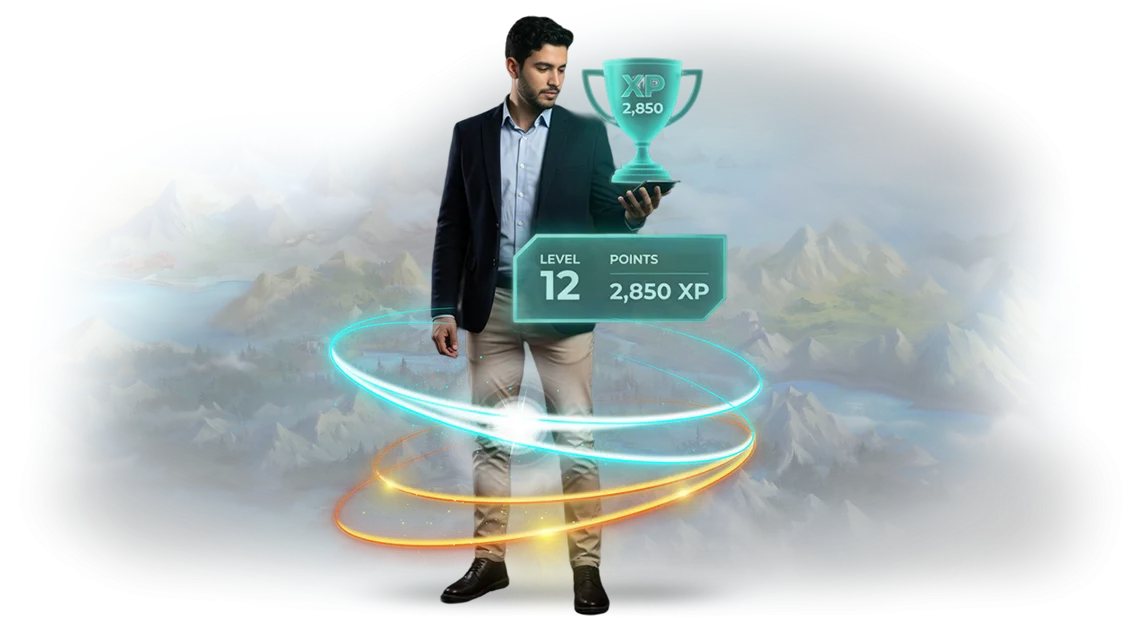
כדי לשמר מנהלי מוצר חזקים, צריך מערכת שהופכת את העבודה למעוררת מעורבות וגלויה. מכניקות משחק — רמות, הישגים, משוב בזמן אמת — הופכות שגרה לאתגר ומאפשרות לעובדים לראות את ההתקדמות שלהם.
זה לא "לשחק בשביל נקודות" אלא דרך שקופה לחבר פעולות יומיומיות לצמיחה בקריירה ולתרומה לתוצאה הכוללת.
אנחנו מתכננים גיימיפיקציה לתהליכים עסקיים שעובדת לשימור עובדים. אנחנו בונים מערכת מוטיבציה כך שמנהל מבין אילו פעולות מובילות למטרה ונהנה מהתהליך. כך העסק מפחית תחלופה והצוות שומר על אנרגיה ומיקוד.
כיצד גיימיפיקציה מגבירה את הפרודוקטיביות של מנהלי מוצר
מנהלי מוצר הם החוליה המרכזית בין העסק לצוות. מהירות השקת תכונות חדשות ואיכות ההחלטות תלויות במעורבות שלהם. אבל השגרה — רשימות משימות אינסופיות, שלבים, נקודות ביקורת — שורפת אנשים במהירות.
גיימיפיקציה הופכת שגרה למשחק עם מטרות ותגמולים ברורים, ומגבירה פרודוקטיביות ללא כפייה או צעקות.
מעורבות היא מנוע הפרודוקטיביות
כשמנהל רואה את התקדמות העבודה שלו כרמות, נקודות והישגים, הוא מתחיל לפעול ביוזמה. מכניקות משחק מעוררות תחרות בריאה ועניין אמיתי בתהליך, לא רק בתוצאה הסופית.
משימות מתבצעות מהר יותר, היוזמה גדלה — זה מאיץ ישירות את השקות המוצר ומעלה את הפרודוקטיביות הכוללת של הצוות.
הפחתת תחלופה: עובדים נשארים כשמעניין אותם
תחלופה בקרב מנהלי מוצר היא אחת הבעיות היקרות ביותר לעסק. אובדן עובד מפתח משמעותו פרויקטים תקועים, אובדן מומחיות ועלויות נוספות למציאת מחליף.
גיימיפיקציה יוצרת קשר רגשי לצוות: מערכת צמיחה ברורה, תגמולים קבועים ותחושת הישג מפחיתים באופן ניכר את הרצון להחליף מקום עבודה. כתוצאה מכך, אתם חוסכים תקציב על גיוס והטמעה, והצוות נשאר יציב.
למידה דרך משחק — כישורים בלי לעזוב את העבודה
מנהל מוצר חייב ללמוד כל הזמן מתודולוגיות חדשות, לנתח נתונים ולעבוד עם מידע. תרחישי משחק מאפשרים אימון במצבים מציאותיים ויישום מיידי של הידע בפרויקטים אמיתיים.
טעויות במשחק לא עולות כלום, והניסיון נקלט מהר יותר מאשר בהדרכות קלאסיות. הצוות בונה יכולות ממש בתוך זרימת העבודה, בלי לעצור משימות נוכחיות.
תוצאות מערכתיות לעסק
הטמעת מערכת מוטיבציה מבוססת משחק אינה משימה חד-פעמית אלא מערכת אקולוגית שלמה שמתאימה את מטרות העובדים למטרות החברה. אנחנו מפתחים מערכות כאלה בהתאמה לפרטי העסק שלכם.
הלקוחות שלנו מדווחים על הפחתה של 30–40% בתחלופה ועל שיעורי עמידה גבוהים יותר בתוכניות בתוך החודשים הראשונים לאחר ההשקה.
פורמטים של גיימיפיקציה למשימות עסקיות שונות
פורמט אחד לא מתאים לכל המשימות: מנהלי מוצר צריכים להביא גרסאות חדשות לשוק מהר יותר, צוותי מכירות צריכים לסגור יותר עסקאות, ועובדים חדשים צריכים ללמוד את תהליכי החברה.
אין פתרון אוניברסלי, ולכן אנחנו מתאימים מכניקות משחק למטרה ספציפית ומשלבים אותן בתהליכי העבודה הקיימים. כתוצאה מכך, גיימיפיקציה מספקת ערך מדיד — צמיחה במדדים, לא רק "כיף".
להלן השוואה בין שלושת הפורמטים המרכזיים. אפשר להשתמש בה כדי להעריך איזו אפשרות מתאימה למשימה שלכם, ואז נתאים אותה לצוות שלכם במהלך הבריף.
| פורמט | למי מתאים ומתי לבחור | מה זה נותן ללקוח |
|---|---|---|
| משימות (Quests) | כשצריך להכשיר מנהלי מוצר על תהליך או כלי חדש. המשימות מבוצעות ברצף, והידע מתחזק בפועל מיד. | הטמעת עובדים מהירה, הפחתה של 20–30% בזמן ההדרכה. |
| שיטת נקודות | כשהסדירות חשובה: מילוי דוחות, עדכון כרטיסי מוצר, עדכון סטטוסים של משימות. עובדת היטב למחזורים ארוכים. | תרומה שקופה של כל עובד, משמעת טובה יותר ללא פיקוח של מנהל. |
| תחרויות | כשצריך להגביר פעילות בתקופה קצרה: השקת גרסת מוצר, עמידה בתוכנית רבעונית, כניסה לשוק חדש. | אנרגיה נוספת, תחרות בריאה, עמידה בתוכנית בזמן. |
הפורמטים משתלבים בקלות: משימה להטמעת מנהלים חדשים זורמת בצורה חלקה לשיטת נקודות למשימות יומיומיות, ותחרויות ממריצות את הצוות בתקופות מפתח. אנחנו נעצב מכניקת משחק אחידה שעובדת למען המטרה העסקית שלכם.
איך מתבצע היישום: מבריף ועד השקה
הטמעת מערכת משחק אינה פיתוח מופשט אלא פרויקט שלב-אחר-שלב, שבו אתם רואים תוצאות בכל שלב ושולטים בתקציב. אנחנו עובדים כך שתוך מספר שבועות מנהלי המוצר מקבלים מערכת מוטיבציה ברורה ואתם מקבלים צמיחה מדידה במעורבות.
-
בריף והבנת המשימה. אנחנו מראיינים אתכם ואת מנהלי הצוותים, לומדים את המוטיבציה הנוכחית, המדדים המרכזיים ונקודות הכאב של הצוות. התוצאה היא הבנה איזה משחק העסק שלכם באמת צריך.
-
עיצוב מכניקות המשחק. אנחנו מציעים תרחיש: מטרות, רמות, תגמולים, תחרות או שיתוף פעולה. אתם רואים איך זה משתלב בתהליכי העבודה שלכם ועורכים שינויים לפני תחילת הפיתוח.
-
אישור מבנה וחוקים. אנחנו מסיימים את חוקי המשחק, הממשק וכלכלת המוטיבציה. אתם מאשרים את המסמך — ורק אז עוברים ליישום, בלי הפתעות בלוחות הזמנים.
-
התקנה ואינטגרציה. אנחנו בונים את המערכת ומחברים אותה לכלי המעקב אחר משימות ותוצאות. הנתונים מתעדכנים אוטומטית — מנהלים לא צריכים לנהל רישומים ידניים.
-
בדיקה עם נתונים אמיתיים. אנחנו בודקים תרחישים על קבוצת בקרה של עובדים ומכוונים את רמת הקושי ואת מאזן התגמולים. אתם מקבלים מערכת שמניעה לפעולה ולא מרגיזה.
-
השקה והדרכת צוות. אנחנו מראים למנהלים איך להשתמש במערכת, עונים על שאלות ועוזרים במפגשי המשחק הראשונים. היישום מתבצע בלי לעצור את העבודה.
-
תמיכה והתפתחות. אנחנו עוקבים אחר הפעילות, אוספים משוב ומשפרים את המכניקות: מוסיפים רמות, אירועים ותגמולים חדשים. המערכת נשארת חיה ולא הופכת למיושנת עבור הצוות.
מה כלול בפיתוח מערכת מוטיבציה
אתם מקבלים חבילת מסירה שמשתלבת מיידית בזרימת העבודה של מנהלי המוצר שלכם. זו לא עטיפת משחק אלא מערכת מוטיבציה מלאה: היא מתאימה לקצב הנוכחי ומעלה את המעורבות באופן מדיד.
כלול:
- תקנון וחוקים — שקופים לכולם: איך צוברים נקודות, מה מעלה סטטוס. מנהלים רואים את ההוגנות ומבינים את היתרונות שלהם.
- התאמה לתהליכים שלכם — אנחנו מתאימים את המכניקות ל-KPI של המחלקה שלכם: משימות עדיפות, מדדי מוצר, שלבי השקה. אין צורך לעצב מחדש את העבודה סביב המשחק.
- לוח מחוונים אישי למנהל — עם התקדמות, תגמולים ואזור צמיחה. כל אחד רואה מה נעשה ולאן להמשיך.
- הדרכת צוות — מפגשים קצרים למנהלים ולעובדים כדי שכולם יבינו את החוקים מהיום הראשון. בנוסף, דפי עזר ותמיכת שאלות ותשובות.
- תמיכה לאחר ההשקה — אנחנו נשארים בכל שלב: התאמת הגדרות, ניטור דיוק החישובים, סיוע בהטמעה.
- לוח בקרה למנהל — דינמיקת פעילות הצוות וכלים לזיהוי מוקדם של ירידת מוטיבציה.
בסופו של דבר, אתם מקבלים כלי עבודה לניהול מוטיבציה, לא משחק חד-פעמי. התקנון וההדרכה מסירים את שאלות ה"איך זה עובד", והתמיכה מבטיחה שהמערכת ממשיכה לפעול ולהניב ערך.
מקרה בוחן: צמיחה במעורבות הצוות לאחר גיימיפיקציה
ברשת הקמעונאות הגדולה Meridian, המוטיבציה של מנהלי המוצר ירדה באופן ניכר: משימות שגרתיות בוצעו באופן פורמלי, המעורבות צנחה והתחלופה החלה לעלות.
ראש המחלקה חיפש דרך להחזיר את הדרייב של הצוות ללא פיקוח ידני מתמיד — ופנה אלינו לפיתוח מערכת מוטיבציה מבוססת משחק.
בנינו גיימיפיקציה לתהליכים עסקיים: מטרות, רמות, תגים, לוח מובילים ציבורי ואתגרי צוות. שלושה חודשים לאחר מכן, מדדנו את המדדים — והם מדברים בעד עצמם.
תוצאות המקרה
- מעורבות הצוות גדלה ב-40%: מנהלים יוזמים כעת שיפורים בתהליכים ולוקחים על עצמם משימות נוספות.
- התחלופה ירדה פי 1.5 — אנשים רואים הזדמנויות צמיחה ולא רוצים לעזוב את החברה.
- מדד שביעות הרצון בעבודה עלה מ-15 ל-62: עובדים החלו להמליץ על החברה כמעסיקה.
מה אומר ראש המחלקה
"פחדנו שהגיימיפיקציה תהפוך לתחרות ריקה ורעש. במציאות, הצוות הפך למגובש יותר והתוצאות לשקופות יותר. עכשיו זה חלק מהתרבות הארגונית שלנו."
המקרה הוכיח: מערכת מוטיבציה מבוססת משחק מחזירה את ההשקעה בתוך החודשים הראשונים ומניבה תוצאות לאורך זמן. הלקוח היה מרוצה והרחיב את המכניקות למחלקות אחרות — ההוכחה הטובה ביותר לערך של הפתרון.
איך לבחור פורמט גיימיפיקציה לצוות שלכם?
בחירת פורמט גיימיפיקציה אינה על "מה טרנדי" אלא על "מה יפתור את האתגר של הצוות שלכם". עבור מנהלי מוצר, מהירות קבלת החלטות, עבודה על השערות ואחריות לתוצאות הם החשובים ביותר.
לכן אנחנו מתחילים מהמטרה שלכם: הגדלת מכירות, האצת השקות מוצר או שיפור איכות ניתוח השוק. זה קובע אם מדובר בתחרות בין-צוותית, מודל תפקיד או מערכת רמות ארוכת טווח.
אנחנו גם מתחשבים בגודל הצוות ובתדירות מחזורי העבודה. קבוצה קטנה של 5–7 אנשים מתאימה למשימות צוות קצרות, בעוד שמחלקה של 50+ זקוקה לטבלאות טורניר עם סבבים קבועים.
המכניקות לא צריכות להסיח את הדעת מהעבודה — הן צריכות להשתלב בתהליכים מוכרים: בדיקת השערות, השקות גרסאות, טיפול בהתנגדויות.
| פורמט | למי | מה זה נותן ללקוח |
|---|---|---|
| תחרות בין-צוותית | מחלקות מכירות, קבוצות מוצר | מעורבות גבוהה יותר, תחרות בריאה, KPI ברורים בסוף הספרינט |
| משימות צוות | פרויקטים חוצי-תחומים | פיתוח כישורים משלימים, תקשורת טובה יותר, השלמת משימות מורכבות בזמן |
| רמות ותגים | מנהלי מוצר, עובדים חדשים | מסלול קריירה שקוף, מוטיבציה לצמוח, תחלופה נמוכה יותר |
| מודלי תפקיד | מנהלים, מנטורים | העברת מומחיות, צמיחה מנהיגותית, המשכיות ידע |
| סימולציות תרחישים עסקיים | מפגשי אסטרטגיה, הדרכות | תרגול החלטות ללא סיכון, בדיקת השערות מהירה, יישור הצוות |
אנחנו לא בוחרים פורמט רק לפי העין — אנחנו מנתחים את המדדים העסקיים שלכם, עורכים ראיון קצר עם מנהלי הצוותים וקובעים אילו מכניקות יניבו תוצאות מדידות: צמיחה בהמרות, קיצור זמן הטמעה או יותר עסקאות חוזרות. יחד נגדיר את המטרה ונראה את הדינמיקה לאחר היישום.
אם אתם מעדיפים לא להבין לבד את כל האפשרויות — בואו לייעוץ. תוך 30 דקות נסקור את המצב שלכם ונציע 2–3 פורמטים מתאימים עם השפעה משוערת. זה אינו מחייב אתכם בשום צורה.
שאלות נפוצות על גיימיפיקציה של תהליך העבודה
גיימיפיקציה של תהליך העבודה היא כלי שמעלה שאלות אצל רבים: האם זה ישבש את השגרה הקיימת, כמה זמן ייקח היישום, והאם זה לא ייצא "צעצוע" ללא ערך עסקי?
השאלות האלה עולות אצל כל מנהל ששוקל מכניקות משחק — אספנו את אלה שאנחנו שומעים הכי הרבה.
האם הגיימיפיקציה תשפיע על תהליכי העבודה והנתונים שלנו?
אנחנו לא מתערבים במערכות שלכם — הגיימיפיקציה פועלת כשכבת מוטיבציה נפרדת. הגישה של העובדים מוגדרת לפי תפקיד, והנתונים נשארים בתוך המרחב שלכם. לפני ההשקה, אנחנו בודקים את המכניקות על צוות אחד.
כמה זמן לוקח היישום?
פרויקט סטנדרטי אורך משבועיים עד חודשיים. הצוות רואה תוצאות ראשונות אחרי החודש הראשון — בדרך כלל, פעילות גבוהה יותר במשימות ופחות זמן על פעולות שגרתיות.
כמה זה עולה ומתי זה מחזיר את ההשקעה?
העלות תלויה במשימות שלכם: היקף התהליך, גודל הצוות והמכניקות הנדרשות. אנחנו קודם כל לומדים את המשימה, ואז מספקים הערכת עלות עם תחזית החזר השקעה. בדרך כלל, ההשפעה נראית בצמיחת KPI בתוך הרבעון הראשון.
מה אם כבר יש לנו מערכת מוטיבציה משלנו?
הגיימיפיקציה שלנו משלימה KPI קיימים ומוטיבציה לא-כספית בלי להחליף אותם. מכניקות המשחק משתלבות בתהליכים הנוכחיים בלי לעצור את עבודת הצוות — אנחנו פשוט מוסיפים שכבה חדשה.
לא מצאתם את השאלה שלכם כאן? כתבו לנו — נסקור את המצב שלכם ונציע פתרון.הזמינו פיתוח גיימיפיקציה לצוות שלכם
הטמעת מערכת מוטיבציה מבוססת משחק למנהלי מוצר היא השקעה בניהול הצוות ובמהירות השגת המטרות. כשכולם מבינים איך התרומה שלהם משפיעה על התוצאה, המעורבות גדלה, התחלופה יורדת ואיכות ההחלטות עולה.
אנחנו מטפלים בפרויקט במתכונת turnkey: מבריף ועד השקה, עם מדדי ביצוע ברורים. אנחנו עובדים מרחוק, כך שאינכם צריכים לשנות את התהליכים הרגילים שלכם.
מה אתם מקבלים כתוצאה:
- מכניקות מותאמות אישית לתהליכים העסקיים שלכם — לא תבנית, אלא פתרון שנבנה למשימות שלכם.
- מערכת הישגים ותגמולים שקופה שמניעה מנהלי מוצר ספציפית.
- ממשק ברור ודוחות להנהלה — אתם רואים פעילות, התקדמות וצווארי בקבוק.
- אינטגרציה מהירה לזרימת העבודה ללא הדרכת צוות ארוכה.
- תמיכה לאחר ההשקה — אנחנו נשארים בקשר כל עוד המערכת פועלת.
איך מתחילים? השאירו פנייה באתר שלנו — נערוך ייעוץ. נבהיר את המטרות שלכם, נראה דוגמאות ונספק הערכת עלות בשתי אפשרויות: בסיסית ומורחבת. עם החלטה חיובית, נשיק פיילוט תוך מספר שבועות.
אפשר גם להתקשר או לכתוב לנו ישירות. אל תדחו — כל חודש בלי מערכת מוטיבציה הוא פוטנציאל שהצוות שלכם יכול היה לממש. השאירו פנייה עכשיו, ונשלח תוכנית יישום עם אפשרויות לתקציב שלכם.