

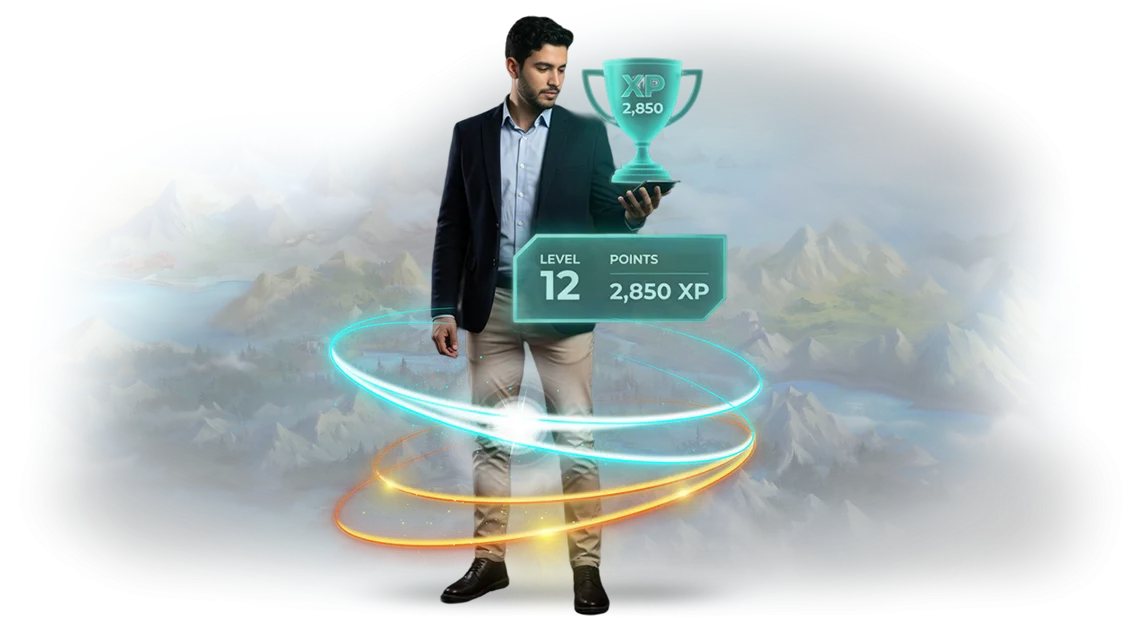
מדוע Facebook Instant Games SDK מגביר את מעורבות הלקוחות
בכל יום, מיליוני אנשים פותחים את פייסבוק כדי להירגע, לגלול בפיד ולשחק. משחקים בתוך הרשת החברתית הזו הפכו לפורמט מוכר: הם נפתחים מיידית, ללא הורדה או התקנה.
עבור עסקים, זו פלטפורמה מוכנה שבה הלקוח מגיע במצב רוח רגוע ומוכן ליצור אינטראקציה עם המותג. גימיפיקציה עסקית הופכת את תשומת הלב הזו לתוצאה מדידה: הרשמות, לידים, מכירות.
למה דווקא הטכנולוגיה הזו? בעזרתה, משחקים עסקיים פועלים ישירות בפיד, מבלי לאלץ את המשתמש לעבור לאתרים חיצוניים. ככל שפחות צעדים לפעולה, כך מעורבות הלקוחות גבוהה יותר. אנשים משתפים תוצאות עם חברים, וכל שיתוף כזה הוא גל חדש של חשיפה חינמית.
סשני משחק קצרים משתלבים בצורה מושלמת בהתנהגות הרגילה של המשתמשים: הם מתחילים משחק בין משימות, ובדקה לאחר מכן הם מוכנים לבצע פעולה ממוקדת.
היתרון המרכזי של גישה זו הוא מהירות וטבעיות. המשתמש כבר נמצא בפייסבוק, אין צורך להתקין דבר או להירשם מחדש — כל פרטי ההתחברות כבר שם.
זה מוריד את חסם הכניסה, והחברה זוכה למגע עם קהל שבדרך כלל מתעלם מבאנרים ומאמרים. ומנגנוני ההפצה המובנים — הזמנות, לוחות מובילים, תגמולים לחברים — הופכים שחקן אחד לשרשרת של משתמשים חדשים.
עבור עסקים, זה אומר לא רק "משחק לשם המשחק", אלא כלי להחזקת תשומת לב ברגעים שבהם הקונה מוכן ללמוד יותר על המוצר. מכניקת משחק מעוצבת היטב דוחפת להירשם, להשתתף במבצע או לרכוש.
אנו משתמשים ב-Facebook Instant Games SDK בפרויקטים של גימיפיקציה עסקית כדי שהלקוח יקבל תוצאה מדידה: גידול במנויים, לידים וביקורים חוזרים.
הלקוח משחק, חוזר, משתף את התוצאה — והחברה בונה מערכות יחסים ארוכות טווח ללא פרסום אגרסיבי.
בנוסף, משחקים כאלה נותנים לעסק מידע על התנהגות המשתמשים: באיזה שלב הם מאבדים עניין, אילו מכניקות מרתקות יותר, מה מניע אותם לחזור. הנתונים האלה עוזרים לשפר קמפיינים עתידיים ולהגדיל המרות.
הגימיפיקציה מפסיקה להיות ניסוי חד-פעמי והופכת לערוץ מעורבות שיטתי שמחזיר את ההשקעה שוב ושוב.
מה מקבלים מגימיפיקציה עסקית
גימיפיקציה הופכת פעולות שגרתיות לתהליך מרתק, וזה משפיע ישירות על המעורבות. משתמשים מוכנים יותר למלא סקרים, למלא טפסים ולחזור לרמה חדשה, פרס או סטטוס.
המשימה נפתרת מעצמה: הלקוח לא רק צופה אלא משתתף, וזה מחזיק תשומת לב פי כמה יותר מתוכן סטטי.
תגמולים קבועים ולוחות מובילים יוצרים הרגל של חזרה, כך שהנאמנות גדלה ללא תקציבי פרסום נוספים. ככל שמשתמש נשאר במערכת זמן רב יותר, כך ערכו לעסק גבוה יותר.
לדוגמה, באמצעות Facebook Instant Games SDK, אנו משיקים מיני-משחקים ישירות בפיד של הרשת החברתית — המשתמש לא צריך להוריד כלום, מה שמוריד את סף הכניסה ומרחיב את הקהל.
מכניקות משחק מביאות לקוחות חדשים באופן טבעי: משתתף אחד מזמין חברים תמורת בונוס, משתף תוצאה או שולח מתנה. אלה לידים חדשים בעלות כמעט אפסית.
האפקט הוויראלי מגדיל את החשיפה, וטפסים מובנים אוספים פרטי קשר ומפלחים את המאגר ישירות במהלך המשחק מבלי להפריע לאינטראקציה.
בסופו של דבר, מקבלים לא רק אלמנט בידורי אלא כלי עבודה שמעלה מדדים בשלושה תחומים מרכזיים: פעילות, ביקורים חוזרים ומאגר לידים. כל מחזור משחק מחזיר את המשתמש למוצר שלכם, והחברה רואה את ההמרה גדלה ואת עלות רכישת הלקוח יורדת.
פורמטים של גימיפיקציה למשימה שלכם
גימיפיקציה פותרת בעיות שונות: משיכת מבקרים חדשים, שימור לקוחות קבועים או הדרכת עובדים. אין פתרון אחד שמתאים לכולם, ולכן אנחנו מתחילים לא מהמכניקה אלא מהיעד שלכם ומהמדדים העסקיים — חשיפה, ביקורים חוזרים, המרה להזמנה.
אנו משתמשים בפלטפורמה המוכחת Facebook Instant Games SDK כדי שהמשחק יופעל מיידית ללא התקנת אפליקציות ויעבד על רוב המכשירים המודרניים. לאחר מכן אנו בוחרים את הפורמט שמספק תוצאה מדידה.
הפורמטים המרכזיים והמטרות שלהם
| פורמט | למי מתאים | מה הוא נותן ללקוח |
|---|---|---|
| חידון מהיר | לתחרויות ומבצעים כשצריך להניע תנועה | חשיפה גבוהה: משתתפים משתפים תוצאות ברשתות החברתיות, המותג זוכה לאזכורים חינמיים |
| משחק נאמנות עם נקודות | לתוכניות נאמנות ורכישות חוזרות | גידול בהזמנות חוזרות ובסל הממוצע בזכות מכניקת צבירה |
| משחק הרפתקאות רב-שלבי | לחשיפת מוצר או להדרכת צוות | מעורבות ארוכה: בהשלמת שלבים, המשתמש קולט מסרי מפתח של המותג |
| מכניקת משחק עונתית | לקמפיינים של חגים והשקות | הוק חדשותי חדש, קפיצת פעילות ואפקט ויראלי טבעי |
קל לשלב בין הפורמטים: לדוגמה, חידון יכול להשתלב למשחק נאמנות. נעזור לכם לבחור תרחיש שמתאים לתקציב ולציר הזמן שלכם — ולעצב את המכניקה כך שתחזיר את ההשקעה.
שלבי הפיתוח על ה-SDK לפרויקט שלכם
כדי שהשקת המשחק תביא תוצאות ולא הפתעות, בנינו תהליך עבודה שקוף. בכל שלב אתם יודעים מה קורה עם הפרויקט, כמה זה עולה ומתי הוא יהיה מוכן.
- בריף וניתוח משימה. אנו מגדירים את היעד: הגדלת זמן השהייה בקהילה, בניית מאגר אנשי קשר או הנעת השתתפות במבצע. אנו מגדירים את קהל היעד ומדדי הצלחה — אלה ישמשו בהמשך להערכת האפקטיביות.
- מכניקת משחק ותרחיש. אנו מציעים 2-3 אפשרויות משחק שפותרות את המשימה שלכם. אתם בוחרים את האפשרות הקרובה ביותר ללקוחות שלכם. בשלב זה נראית מסע המשתמש העתידי — מהקליק הראשון ועד לביקור חוזר.
- עיצוב ופיתוח. אנו בונים את המשחק בהתאמה לסגנון המותג שלכם ומראים גרסאות ביניים כל כמה ימים. אתם רואים את ההתקדמות בזמן אמת ומבצעים עריכות ללא השבתה.
- בדיקות עם משתמשים אמיתיים. אנו בודקים את המשחק על קבוצה קטנה: איך משתמשים משלימים שלבים, איפה הם מאבדים עניין, מה מונע מהם לשתף את התוצאה. אנו מתקנים כל מה שנמצא לפני ההשקה ההמונית.
- השקה ואינטגרציה. אנו מפרסמים את המשחק בפלטפורמה שלכם ומגדירים גישה מהקהילה ומערוצי הפרסום. ביום ההשקה, המשחק כבר עובד, לא "נשיק מחר".
- תמיכה ופיתוח. אנו בוחנים את המספרים: כמה אנשים הגיעו לסוף, באיזו תדירות הם חוזרים, איזה אחוז משתף את התוצאה. אנו מבצעים שיפורים ממוקדים ומוסיפים אלמנטים חדשים כדי שהמשחק לא ישעמם.
כל הפרויקט מנוהל על ידי מנהל אחד: הוא עונה לשאלות, מתעד הסכמות ועוקב אחר לוחות זמנים. אתם מתקשרים עם אדם אמיתי, לא עם "מחלקת פיתוח" — זה מבטל אובדן הקשר ואישורים מיותרים.
בסופו של דבר, אתם מקבלים כלי גימיפיקציה עובד שנוצר למשימה העסקית שלכם, לא משחק מופשט. התהליך שקוף לחלוטין: אתם תמיד יודעים באיזה שלב נמצא הפרויקט ומתי תהיה ההשקה.
מה כולל מסירת משחק במפתח פתוח
המסירה כוללת לא רק "משחק מוכן" אלא פתרון ארוז במלואו שניתן להשיק, לפתח ולהשתמש בו לאיסוף נתונים.
אתם מקבלים קוד מקור, זכויות לשינויים, תיעוד ואנליטיקה — כל מה שצריך כדי להיות עצמאיים ממפתחים ולשלוט בכל שלב.
אנו מטמיעים מערכת אנליטיקה: אתם יכולים לראות איפה משתמשים נתקעים, אילו שלבים הם משלימים, כמה זמן הם מבלים במשחק ואיך זה משפיע על הפעולה הממוקדת. במקום ניחושים — מספרים קונקרטיים שמראים את תוצאת הגימיפיקציה ונקודות צמיחה.
- משחק מוכן במפתח פתוח. מופעל בקליק אחד, עובד על כל המכשירים המודרניים דרך Facebook Instant Games SDK — המשתמש לא צריך להתקין כלום, רק לפתוח את הקישור.
- קוד מקור וזכויות קוד. אתם מקבלים בעלות מלאה על הקוד: אתם יכולים לשנות את המשחק, לשכור קבלנים חיצוניים או להעביר אותו לפלטפורמות אחרות.
- פאנל ניהול לניהול עצמאי. שנו טקסטים, תמונות, פרסים, תנאי מבצע ולוחות זמנים של קמפיין מבלי לפנות למתכנתים.
- אנליטיקה ודוחות תקופתיים. דשבורד עם מדדים מרכזיים — פעילות, המרה, עומק השלמה, אורך סשן ממוצע. בנוסף, אנו שולחים דוחות למייל שלכם עם המלצות לשיפור.
- תיעוד והדרכת צוות. הוראות שלב-אחר-שלב למנהלים ולעובדים, סמינר הדרכה עם הקלטה — כדי שתוכלו לעבוד עם המשחק מיד לאחר ההשקה.
- אחריות ותמיכה טכנית. אנו מעדכנים את הקוד לשינויי פלטפורמה, עונים לשאלות ועוזרים בשינויים לאחר ההשקה. אתם אף פעם לא נשארים לבד עם בעיות.
כל פריט במסירה סוגר משימה עסקית ספציפית: הטמעה מהירה, תוצאות שקופות ועצמאות מהקבלן. כל מה שנשאר לכם הוא לבחור את המכניקה ולהשיק את הקמפיין.
מקרה בוחן: איך הגדלנו את החזרת הלקוחות ב-40%
עבדנו עם רשת בתי הקפה «Бодрый день»: 12 סניפים בעיר עם למעלה ממיליון תושבים, אורחים קבועים, אבל חלקם של הביקורים החוזרים ירד. אורחים הגיעו למבצע, טעמו קפה ואז עברו למתחרים. היינו צריכים לשמר אותם בלי מרוץ הנחות.
הצענו להשיק גימיפיקציה בפייסבוק — ישירות בתוך האפליקציה, בלי להתקין תוכנות נוספות. כל אורח קיבל משימה אישית: לאסוף מפת משקאות וירטואלית, לפתוח תג עונתי או לזכות בהצעה סודית. המערכת עצמה הזכירה להם על רמה שלא הושלמה כשהם היו ליד סניף.
תוך ארבעה שבועות חיברנו את כל 12 הסניפים. ההשתתפות הייתה פשוטה: האורח סורק קבלה, צובר נקודות ומתקדם לעבר פרס. הצוות לא עמוס — הכל אוטומטי.
תוצאות לאחר חודשיים:
- החזרת הלקוחות גדלה ב-40% — אלה שהשלימו את הרמה הראשונה חזרו פי שניים;
- הסל הממוצע גדל ב-15% בזכות "השלמת" נקודות לקראת פרס;
- הזמן בין ביקורים חוזרים ירד מ-21 ל-12 ימים.
בעל הרשת קיבל דשבורד ברור: כמה אנשים הגיעו לפרס, אילו מכניקות עבדו, איפה אורחים נשרו. הנתונים האלה אפשרו לו לדייק את ההצעות לכל סניף.
כעבור שישה חודשים, הלקוח הזמין שלב שני: הרחבנו את המכניקה לנאמנות והוספנו טורניר קבוצתי בין סניפים. הזמנה חוזרת היא המדד המרכזי לכך שהפרויקט הביא כסף לעסק.
איך לבחור פורמט גימיפיקציה למשימה שלכם?
אין פורמט גימיפיקציה אוניברסלי — הבחירה תלויה ביעד העסקי: צריך למכור מהר יותר, להכשיר עובדים, לשמר לקוחות או להרחיב חשיפה. לכן, הצעד הראשון הוא תמיד להגדיר את היעד ולהבין מי הקהל שלכם ואיפה הוא מבלה. משם מתחילה בחירת המכניקה, עומק התרחיש והתקציב.
אם היעד הוא מעורבות המונית ותגובה מהירה, פורמטים פשוטים עובדים: חידונים, סקרים עם פרסים, הגרלות או מיני-משחקים קצרים של מהלך אחד או שניים.
אם צריך שימור ארוך טווח או הכשרת מיומנויות, תרחישים רב-שלביים עם התקדמות, דמויות ותחרויות קבוצתיות יעילים יותר.
חשוב גם להתחשב בפלטפורמה: ברשת חברתית או במסנג'ר, המשתמש לא מוכן להתקין אפליקציה, אבל ישתתף בקלות במשחק בקליק אחד.
כאן עוזר הבסיס הטכנולוגי: אנחנו עובדים על Facebook Instant Games SDK, כך שהמשחק מופעל ישירות מהפיד או מהשיחה, ללא הורדה או הרשמה. המשתמש נכנס לתהליך מיידית, ואתם מקבלים חשיפה ונתונים על פעילות המשתתפים. אבל איך לבחור את הפורמט שמשיג תוצאות — זו עדיין שאלה של אסטרטגיה, לא של פלטפורמה.
אז התהליך שלנו הוא כזה: יחד איתכם, אנו מגדירים את היעד, פרופיל הקהל ומדד התוצאה הרצוי. לאחר מכן אנו מציעים שניים או שלושה פורמטים עם תחזית למעורבות, חשיפה ועלות.
אנו בוחרים אחד, בונים אב טיפוס במהירות ובודקים אותו על קבוצה קטנה — זה מסיר סיכונים וחוסך תקציב.
בחירה נכונה של גימיפיקציה למשימה שלכם עוזרת להימנע מהוצאות על מכניקות נוצצות אך חסרות תועלת ולקבל תוצאה מדידה. ספרו לנו איזו משימה אתם רוצים לפתור — נציע מאיפה להתחיל.
שאלות נפוצות על השקת גימיפיקציה
לפני השקת גימיפיקציה, לקוחות שואלים שאלות דומות: האם הפרויקט יחזיר את ההשקעה, מה אם משתמשים לא יתעניינו, מי אחראי על התוצאה. אנו עונים על העיקריות — בקצרה ולעניין.
כמה זמן לוקח להשיק גימיפיקציה?
פרויקט סטנדרטי לוקח 3-6 שבועות: מבריף ועד פרסום. ציר הזמן תלוי במורכבות המכניקה והאינטגרציות. תאריך ההשקה נקבע בחוזה, ואנחנו אחראים על עמידה בלוחות הזמנים.
מה אם משתמשים לא יתעניינו במשחק?
זה הסיכון המרכזי, ולכן אנו מתכננים מכניקה לקהל שלכם מראש. לאחר ההשקה, בשבועיים הראשונים אנו אוספים אנליטיקה ומתקנים קושי, פרסים ותרחישים. השיפורים כבר כלולים במחיר.
איך גימיפיקציה משתלבת בתהליכים הקיימים?
אנו מתאימים את המכניקה ל-CRM, לתוכנית הנאמנות או לאתר שלכם. השתתפות במשחק מזכה בנקודות, הנחות או קודי קידום שהלקוח מקבל מיידית.
אינטגרציה דרך Facebook Instant Games SDK מפעילה את המשחק ישירות מהרשת החברתית — מבלי לעבור לאתר נפרד.
כמה עולה הפיתוח ואיך נוצר המחיר?
התקציב תלוי במכניקה, בעיצוב ובמספר האינטגרציות. החבילה הבסיסית נמצאת בטווח המחירים הנמוך, בעוד פרויקט עם תרחישים אישיים ואנליטיקה מתחיל ברמה גבוהה יותר.
העלות המדויקת מחושבת לאחר בדיקה ונקבעת בחוזה; אנו לא משנים אותה במהלך התהליך.
מי תומך במשחק לאחר ההשקה?
אנו נשארים בקשר ומספקים תמיכה, עדכוני תוכן ומבצעים עונתיים. אם המשימות העסקיות משתנות, אנו משכללים את המכניקה במסגרת החוזה. אתם מקבלים לא "קופסה" אלא כלי עובד עם תמיכה שוטפת.
השאירו פנייה — נסביר איך זה עובד
השאירו פנייה לפיתוח — ננתח את המשימה שלכם במונחים של תוצאות: מה צריך להשתנות בהתנהגות של לקוחות, עובדים או שותפים. אין תיאוריה מופשטת, רק תוכנית קונקרטית.
הייעוץ הראשון: נשאל על קהל היעד ונקודת הצמיחה שלכם, נראה דוגמאות לפתרונות דומים ונציע איך גימיפיקציה תשתלב בתהליכים שלכם — מהרעיון ועד ההשקה.
אם אתם צריכים מיני-משחק ברשת חברתית, אנו משתמשים בפלטפורמה המוכחת Facebook Instant Games — זה מסיר את חסם הכניסה ומחבר את הקהל מיידית ללא התקנה. כתוצאה מכך, תקבלו הצעה עם לוחות זמנים ותקציב.
הזמנת גימיפיקציה מאיתנו פירושה קבלת:
- ניתוח של המצב העסקי שלכם וחיפוש הנקודה שבה מכניקת המשחק תהיה בעלת האפקט המקסימלי.
- תרחיש שמוביל לתוצאה מדידה: גידול ברכישות חוזרות, מעורבות או נאמנות.
- פורמט מותאם לערוץ התקשורת שלכם — מאפליקציית מיני בדפדפן ועד אינטגרציה ברשתות חברתיות.
- שלבי עבודה שקופים: מבריף ועד השקה עם בדיקות ותמיכה.
- אחריות לכך שהתוצאה היא לא "מכניקה נחמדה" אלא כלי שפותר בעיה עסקית.
השאירו פנייה לייעוץ — נסביר איך זה עובד על הדוגמה שלכם. נגיב תוך יום עסקים אחד, נכין רעיונות ונראה את האפקט הצפוי.