

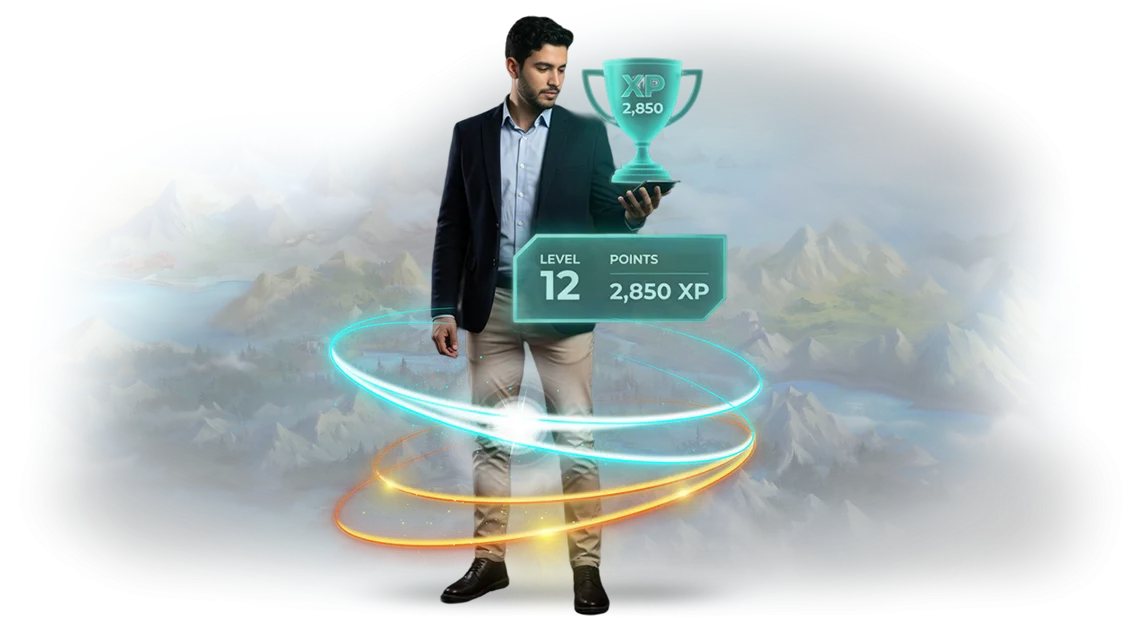
עיצוב משחקים רציניים: למה שיטות מוטיבציה ישנות לא עובדות
הדרכות קלאסיות ובונוסים על עמידה ביעדים נכשלים יותר ויותר בהשגת האפקט הצפוי. עובדים מאבדים עניין בהרצאות סטנדרטיות, ותגמולים קצרי טווח מניעים רק באופן זמני—ברגע שמתקבל התגמול, המעורבות צונחת שוב.
כתוצאה מכך, חברות משקיעות בהדרכות ובונוסים אך לא מקבלות לא מכירות גבוהות יותר ולא נאמנות צוות.
הבעיה עמוקה יותר: אנשים מודרניים עמוסים במידע, וקשה להחזיק את תשומת הלב שלהם ללא מעורבות רגשית. שיטות הדרכה קונבנציונליות—מצגות, תדריכים, מבחנים—נתפסות כחובה ולא כהתפתחות.
לכן, ידע נקלט באופן שטחי ונשכח במהירות, ולקוחות לא מרגישים את ערך המותג אם האינטראקציה שלהם איתו אינה בלתי נשכחת.
עיצוב משחקים רציניים הוא גישה שהופכת תהליכי למידה ועבודה למשחק משמעותי עם חוקים ויעדים ברורים. גיימיפיקציה מנצלת את הדחף הטבעי של האדם לתחרות, הישגיות והתקדמות, כך שעובדים מתערבים מרצון ובעניין.
הדרכת עובדים הופכת לא לחובה משעממת אלא לחוויה מרתקת שאנשים רוצים לחזור עליה שוב ושוב.
משחק רציני המעוצב כראוי עוזר לא רק להעביר ידע אלא גם לתרגל מיומנויות בסביבה בטוחה ומציאותית. עובד חי דרך תרחיש, מקבל החלטות ורואה את ההשלכות—זה מספק הבנה עמוקה יותר מכל תיאוריה.
המוטיבציה של הצוות גדלה כי המשחק מראה התקדמות אישית ואת הקשר שלה לתוצאות הכוללות של החברה.
אנחנו צוות עם ניסיון של עשר שנים בפיתוח מוצרים דיגיטליים וגיימיפיקציה. המהנדסים והמעצבים שלנו יוצרים משחק רציני לאתגר העסקי שלך: מהטמעת עובדים חדשים ועד ליצירת מעורבות של לקוחות נאמנים.
אתה מקבל כלי שמחזיק תשומת לב, משפר תוצאות ומשתלב בקלות בתהליכים קיימים.
מה הגישה המשחקית משנה: מעורבות, פרודוקטיביות, נאמנות
מכניקות משחק במקום כפייה: מה העסק מרוויח
עובדים מאבדים עניין בשגרה: הדרכה הופכת לפורמליות, יעדים מושגים תחת לחץ, והמומחים הטובים ביותר עוזבים למקום מעניין יותר. בינתיים, KPI קלאסיים ובונוסים מפסיקים להניע—אנשים מתרגלים אליהם תוך חודשיים.
הגישה המשחקית משנה את טבע העבודה עצמו: משימות הופכות לאתגרים, התקדמות נראית מיד, והישגים זוכים להכרה פומבית.
אנחנו מעצבים משחקים רציניים (עיצוב משחקים רציניים) כך שהעניין מתיישר עם יעדי החברה. במקום "אתה צריך להגיש דוח"—משימה עם רמות, תגמולים וניקוד קבוצתי.
במקום הטמעה משעממת—סדרת אתגרים שעובד חדש משלים מהר יותר ובהנאה.
מעורבות עובדים
עובדים חוזרים למשימות בעצמם כי הם רוצים לסגור רמה, לא כי "הזכירו להם". מכניקות משחק מספקות משוב מהיר: כל שלב שהושלם מביא נקודות, תגים או התקדמות בדירוגים. זה יוצר הרגל של השגת תוצאות שנמשך גם אחרי שהמשחק נגמר.
כתוצאה מכך, תחלופת עובדים ומספר העובדים "השחוקים" יורדים—אנשים רואים משמעות בעבודה היומיומית. עבור מנהל, זה אומר צוות צפוי ללא שליטה ותזכורות מתמדות.
פרודוקטיביות צוות
תחרות בין מחלקות ומערכת הישגים שקופה מציתים התרגשות בריאה. כשההתקדמות נראית לכולם, עובדים מוסחים פחות ומטפלים במשימות דחופות מהר יותר.
אנחנו מטמיעים מכניקות משחק בתהליכים קיימים ולא יוצרים מערכת מקבילה—כך שהאפקט מורגש כבר בשבוע הראשון.
פרויקטי פיילוט של הלקוחות שלנו מראים עלייה בפרודוקטיביות של 15–25% עם אותם משאבים. המספרים תלויים בענף, אבל הדפוס זהה: עניין תמיד מנצח כפייה.
נאמנות לקוחות
הגישה המשחקית עובדת גם בתקשורת חיצונית: תוכניות נאמנות עם רמות, אתגרים ותגמולים בלעדיים שומרות על לקוחות טוב יותר מהנחות. לקוחות חוזרים לא פעמיים או שלוש אלא כל הזמן—כי כל ביקור מביא חוויה חדשה ומעמד.
עבור העסק, זה אומר הכנסה יציבה וערך הזמנה ממוצע גבוה יותר ללא מכירות אגרסיביות. בנוסף, מכניקות משחק נותנות לאנשים סיבה לשתף את החוויה שלהם במדיה החברתית—החשיפה גדלה ללא תקציב פרסום נוסף.
השורה התחתונה
עיצוב משחקים הוא לא בידור של "סימון וי" אלא כלי עבודה לניהול התנהגות. הוא מאיץ למידה, מגביר מכירות ומקרב את המותג לאנשים.
אנחנו מטפלים בכל המשימה: ממחקר קהל ועד השקת המשחק וניתוח תוצאות—ואנחנו לוקחים אחריות על השפעה מדידה.
פורמטים של עיצוב משחקים רציניים לאתגר העסקי שלך
כל פורמט הדרכה או מוטיבציה עובד אחרת. חלקם צריכים תרגול אינטנסיבי של מיומנויות מכירה, אחרים צריכים הטמעה חלקה של עובד חדש בתהליכי החברה, ועוד אחרים צריכים בדיקה ויזואלית של החלטות תפעוליות ללא סיכון עסקי.
אין "גלולה" אוניברסלית, ולכן אנחנו בוחרים את הפורמט למשימה ספציפית: מה צריך להשתנות בהתנהגות האנשים ואיזו תוצאה עסקית זה יביא.
הטבלה שלהלן מציגה את הפורמטים העיקריים שבהם אנו משתמשים בעבודתנו. זה לא בידור לשמו אלא כלי ניהולי: כל אפשרות פותרת משימה משלה ומספקת ערך מדיד.
| פורמט | למי | מה זה נותן ללקוח |
|---|---|---|
| משחק עסקי | מנהלים, מנהלי מכירות, מנהלי פרויקטים | תרגול משא ומתן, החלטות ניהוליות וטיפול בהתנגדויות בסביבה בטוחה. עובדים מנסים מודלים התנהגותיים חדשים, ואתה רואה מי חושב ופועל איך |
| סימולציית תהליך | צוותי תפעול, לוגיסטיקה, ייצור, תמיכה | משחק תפקידים של שינויי תהליך לפני היישום. הצוות רואה צווארי בקבוק, אתה חוסך על טעויות יקרות ומאיץ את ההשקה של נהלים חדשים |
| משימה מקוונת | עובדים חדשים, צוותים מבוזרים, שותפים | הטמעה מהירה: עובד חדש לומד את המוצר, הנהלים והתרבות הארגונית דרך תרחיש ולא דרך מצגת משעממת. מגיע לקצב עבודה מלא פי 2–3 מהר יותר |
| גיימיפיקציה למכירות | מחלקת מכירות, מפיצים, מנהלי חשבונות | המרה גבוהה יותר וערך הזמנה ממוצע גבוה יותר בזכות מכניקות תחרותיות, משוב קבוע ויעדים ברורים. המכירות מפסיקות להיות תלויות במוטיבציה האישית של "הכוכבים" |
| מסלול היברידי (אופליין + דיגיטל) | אירועים גדולים, כנסים, סדנאות אסטרטגיה | מעורבות של כל הקהל: חלק מהמשתתפים משחקים בחדר, חלק בסמארטפונים. אתה מקבל תמונה אחידה של מעורבות ומשוב בזמן אמת |
אנחנו משיקים את הפורמט במפתח פתוח: אנחנו מעצבים תרחיש לאתגר העסקי שלך, מכוונים את המכניקות לפרטי הצוות שלך, ותומכים בך עד להשגת תוצאה בת קיימא.
אחרי המשחק, אתה מקבל לא רק עובדים מעורבים אלא גם נתונים: מי מחליט איך, איפה הצוות נתקע, ואילו מיומנויות צריך לשפר.
שלבי יישום: מבריף ועד השקה ותמיכה
בקצרה: אנחנו לא רק "עושים משחק"—אנחנו מבנים את התהליך כך שבכל שלב אתה מבין מה קורה, מה זה עולה ואיזו תוצאה תקבל. זה מפחית סיכונים ומבטל הפתעות כמו "הכל מוכן, אבל זה לא עובד."
- בריף — אנחנו צוללים למשימות העסקיות, חוקרים את הקהל ואת המוטיבציה שלו. אנחנו מגדירים איזו התנהגות צריך לחזק ובאילו מדדים נמדוד הצלחה.
- תוכנית ואישור — אנחנו נועלים את הקונספט, התרחישים, היקף העבודה ולוחות הזמנים. אתה מאשר את התוכנית לפני תחילת הפיתוח—התקציב והציפיות שקופים.
- עיצוב מכניקות משחק — אנחנו יוצרים חוקים, רמות, תגמולים ומשוב. המערכת צריכה לעניין, לא רק לבדר—זה הבסיס לתוצאות עתידיות.
- אב טיפוס ובדיקות — על קבוצה קטנה, אנחנו בודקים איך המכניקות עובדות במציאות. אנחנו אוספים משוב ומבצעים התאמות לפני השקה בקנה מידה מלא.
- יישום — אנחנו מפתחים את הממשק, מגדירים אינטגרציות עם המערכות שלך ומקימים ניהול. התוצאה היא מוצר ברור שקל לנהל אותו.
- השקה והדרכה — אנחנו מפעילים את המערכת, מראים לצוות איך להשתמש בה ותומכים בהתחלה. התהליכים שלך ממשיכים לפעול ללא הפרעות.
- תמיכה ופיתוח — אנחנו מנתחים נתונים, אוספים משוב, משכללים מכניקות ומוסיפים אלמנטים חדשים. הגיימיפיקציה נשארת חיה ושימושית לאורך זמן.
רצף זה מאפשר לך לשלוט בכל שלב ולהיות בטוח שההשקעה מביאה ערך מדיד—ממעורבות עובדים ועד להגדלת ביקורים חוזרים של לקוחות.
מה כלול במסירה: תרחיש, מכניקות, אנליטיקה
כשאתה מזמין גיימיפיקציה של תהליכים עסקיים, חשוב להבין בדיוק מה תקבל בסוף. המסירה שלנו היא לא אב טיפוס מופשט אלא פתרון מוכן ועובד שניתן להשיק במהירות. החבילה מכסה את כל המשימות: מרעיון ועד אנליטיקת תוצאות.
- תרחיש משחק. עלילת סיפור מפורטת, דמויות, שלבים ומערכת תגמולים. אתה מקבל מסמך ברור למנהלים, עובדים וקבלנים—ללא אי הבנות.
- מכניקות משחק. חוקים מחושבים היטב, נקודות, רמות, אתגרים ותחרויות קבוצתיות. המכניקות נבחרות לאתגר העסקי שלך ומעוררות את ההתנהגות הרצויה של המשתתפים.
- עיצוב משחק. סגנון ויזואלי, ממשקים ואנימציות. הגיימיפיקציה נראית מקצועית ומשתלבת אורגנית במותג הארגוני, ומגבירה אמון ומעורבות.
- אינטגרציה עם המערכות שלך. אנחנו מחברים את הפתרון ל-CRM, מסד נתונים או פורטל ארגוני. פעולות עובדים נרשמות אוטומטית—ללא הזנה ידנית או אובדן נתונים.
- פאנל ניהול לניהול. לוח בקרה פשוט שבו אתה יכול לשנות משימות, הגדרות ותגמולים בעצמך. עדכונים מתרחשים תוך דקות, ללא מעורבות מפתחים.
- אנליטיקת משחק. לוח בקרה מובנה עם דוחות: מי משתתף, אילו פעולות הם מבצעים, איפה הפעילות יורדת. אתה רואה השפעה עסקית מדידה ויכול להתאים את התהליך בזמן.
זו חבילת מפתח פתוח מלאה. אנחנו מוסרים תיעוד, מעבירים הדרכה ונשארים בקשר—אנחנו תומכים, משכללים ועוזרים להרחיב את הפתרון לאזורים חדשים.
מקרה בוחן: איך משחק הגדיל מכירות ב-34% ברבעון אחד
עבור רשת חנויות המכולת Narodny, פיתחנו תוכנית הטמעה מגוונת למוכרים חדשים. בעבר, ההדרכה ארכה שבועיים: הרצאות, מבחנים ועבודה עם חונך.
עובדים חדשים נשרו לעתים קרובות לפני השלמת חודש, ואלה שנשארו לא ידעו להתמודד עם התנגדויות—מה שגרם לאובדן של עד 20% מלקוחות פוטנציאליים.
הפכנו את תהליך ההדרכה למשחק. עובדים חדשים עברו תרחישים מבוססי סיפור שבהם שיחקו בתפקיד מוכר, התמודדו עם לקוחות קשים, למדו להציע מוצרים ולסגור עסקאות.
המערכת הראתה מיד טעויות והציעה תשובות טובות יותר. התרגילים ארכו 15–20 דקות ביום, כך שהמיומנויות התקבעו בהדרגה, ללא עומס יתר.
התוצאה אחרי רבעון אחד: המכירות גדלו ב-34%, וחלק ההזמנות החוזרות גדל פי 1.5. תחלופת העובדים בחודש הראשון ירדה ביותר מחצי.
מנהלי חנויות שמו לב שעובדים חדשים הגיעו לרמת מכירות נורמלית תוך שבועיים, במקום חודשיים כבעבר.
ההצלחה הוכיחה את עצמה כבת קיימא: תוך חצי שנה, הלקוח הרחיב את המשחק לשירות לקוחות ולוגיסטיקה. אנחנו ממשיכים לתמוך בפרויקט—מעדכנים תרחישים למבצעים חדשים ומוצרים עונתיים.
עבור החברה, זה לא מדד חד-פעמי אלא כלי שיטתי שממשיך לייצר רווח.
איך לבחור פורמט גיימיפיקציה למשימה לא סטנדרטית?
אין פורמט "מוכן מראש" אוניברסלי למשימה לא סטנדרטית, ולכן הבחירה מתחילה לא במכניקות אלא במטרה. שאל את עצמך: מה צריך להשתנות אחרי המשחק—התנהגות עובדים, מהירות למידה, מעורבות לקוחות או איכות החלטות?
זה קובע אם זה יהיה תרחיש משימה קצר, משחק עסקי ארוך עם תפקידים, או פורמט מעורב המשלב פעילויות מקוונות ולא מקוונות.
הקריטריון השני הוא הקהל. חשוב להבין מי בדיוק ישחק במשחק: מנהלים, צוות קדמי או משתמשים חיצוניים, ובאילו תנאים הם עושים זאת.
צוות צעיר קל יותר לעניין עם מכניקות משחק דינמיות, בעוד שמומחים מבוגרים מעריכים קשר ברור בין המשחק למשימות עבודה אמיתיות. על ידי בחירת פורמט לקהל שלך, אתה מקבל לא "משחק לשם משחק" אלא כלי שבאמת משתמשים בו.
הקריטריון השלישי הוא משאבים ולוחות זמנים. משימה לא סטנדרטית לא אומרת תקציב בלתי מוגבל: אנחנו מגדירים את ההיקף, משך הזמן והפורמט בשלב הבריף, ואז מציעים פתרון שמתאים לאילוצים שלך.
אם הזמן קצר, אנחנו בוחרים מכניקה קומפקטית עם השקה מהירה; אם המשימה רחבת היקף, אנחנו מתכננים תוכנית רב-שלבית עם אנליטיקה בכל שלב.
לכן אנחנו לא עובדים מתבניות מוכנות אלא מספקים "גיימיפיקציה במפתח פתוח": בהתחלה, אנחנו שוקעים במצב העסקי שלך, מגדירים מטרה, קהל, משאבים זמינים ולוח זמנים רצוי.
בהתבסס על פרמטרים אלה, אנחנו מציעים 2–3 אפשרויות פורמט מעשיות, מסבירים את היתרונות של כל אחת ובוחרים את האופטימלית יחד איתך. כך, אתה מקבל פתרון שפותר את המשימה הספציפית שלך, לא "יישום משחק" מופשט.
שאלות נפוצות על יישום גיימיפיקציה: תשובות וחששות
יישום גיימיפיקציה הוא פרויקט שבו אנחנו מטפלים בחששות טיפוסיים לפני שהוא בכלל מתחיל. לקוחות מודאגים לגבי לוחות זמנים, מוטיבציה של עובדים, אינטגרציה עם מערכות קיימות ומי אחראי על המשחק אחרי ההשקה. להלן תשובות קצרות לשאלות אלה.
כמה זמן לוקח היישום?
המשחק משתלב בתהליכים קיימים תוך 4–6 שבועות—מבריף ועד השקה. לוח הזמנים תלוי בהיקף: מהיר יותר למחלקה אחת, קצת יותר ארוך לכל החברה. אנחנו מפרקים את העבודה לשלבים כך שאתה רואה תוצאות כבר מהשבועות הראשונים.
האם עובדים יתייחסו למשחק כאל בידור?
גיימיפיקציה עובדת כשהמכניקות קשורות ל-KPI אמיתיים ולבונוסים ברורים. אנחנו מתכננים את המערכת כך שהמשתתפים רואים תועלת אישית: דירוגים, הישגים, תגמולים. בפרויקטים במגזר השירותים, המעורבות הגיעה ל-80–90% כבר מהשבוע הראשון.
איך המשחק משתלב עם מערכות קיימות?
אנחנו מתאימים את עצמנו לתשתית שלך: אנחנו מתחברים למסדי נתונים, מערכות הנהלת חשבונות או 1C באמצעות אינטגרציות זהירות מבלי לשנות כלים מוכרים. אם למערכת אין API פתוח, אנחנו משתמשים בייבוא טבלאות—המומחים שלך לא יצטרכו לעשות עבודה נוספת.
מי יתמוך במשחק אחרי ההשקה?
אנחנו לוקחים על עצמנו תמיכה טכנית ועדכונים: אנחנו מנטרים יציבות, מוסיפים רמות ומשימות חדשות לפי בקשה. החוזה מפרט זמני תגובה והיקף עבודה, כך שאתה לא תלוי במפתח יחיד.
אנחנו מבינים ששינויים בעסק מעלים שאלות. לכן אנחנו מציעים פיילוט: אנחנו משיקים את המשחק על צוות אחד, מודדים את האפקט ורק אז מרחיבים. גישה זו נקראת משחקים רציניים—לתוצאות מדידות, לא לבידור. בואו נדון בתרחיש שלך בשיחה קצרה.השלב הבא: תוכנית יישום והערכת עלות למשימה שלך
גיימיפיקציה מספקת ערך כשהיא משולבת בתהליכים העסקיים שלך, לא רק קיימת בפני עצמה. אנחנו לא מציעים פתרונות תבניתיים: כל פרויקט מתחיל בלימוד המשימה שלך—בין אם זה צמיחת מכירות, הדרכת עובדים או מעורבות לקוחות עם המוצר. לכן, אנחנו גם מחשבים את העלות באופן פרטני, בהתבסס על מטרות והיקף.
אנחנו עובדים עם חברות בענפים שונים, ולצוות שלנו יש יותר מעשר שנות ניסיון בפיתוח משחקים ושירותים דיגיטליים. אתה תקבל פתרון עובד, לא אב טיפוס ניסיוני, ותוכל להשיק אותו במהירות.
השאר בקשה לגיימיפיקציה, ואנחנו נכין תוכנית יישום עם שלבים ברורים והערכת עלות המותאמת לפרטי העסק שלך. תוך מספר ימים, תקבל תוכנית פעולה מוכנה—ללא התחייבויות או תנאים נסתרים.
מה תקבל אחרי פנייתך
- ניתוח התהליך הנוכחי והנקודות שבהן מכניקות משחק יספקו השפעה מקסימלית.
- בחירת הפורמט המתאים: ממכניקות קלות ועד משחק רציני מלא.
- תוכנית יישום מפורטת: שלבים, לוחות זמנים, גורמים אחראיים ותוצאות צפויות.
- הערכת עלות שקופה עם פירוט ברור לפי סעיפי עבודה.
- דוגמאות מהפרקטיקה שלנו והמלצות על מדדים שידגימו את האפקט.
- תמיכת צוות בכל השלבים—מאישור ועד השקה וצמיחה.
הפנייה אינה מחייבת אותך להתחיל בפרויקט: אנחנו פשוט נראה איך גיימיפיקציה נראית במקרה שלך ואילו תוצאות אתה יכול להשיג.
מלא את הטופס—ותוך מספר ימים, תדע את העלות המדויקת ותבין איך ליישם מכניקות משחק בעסק שלך.