

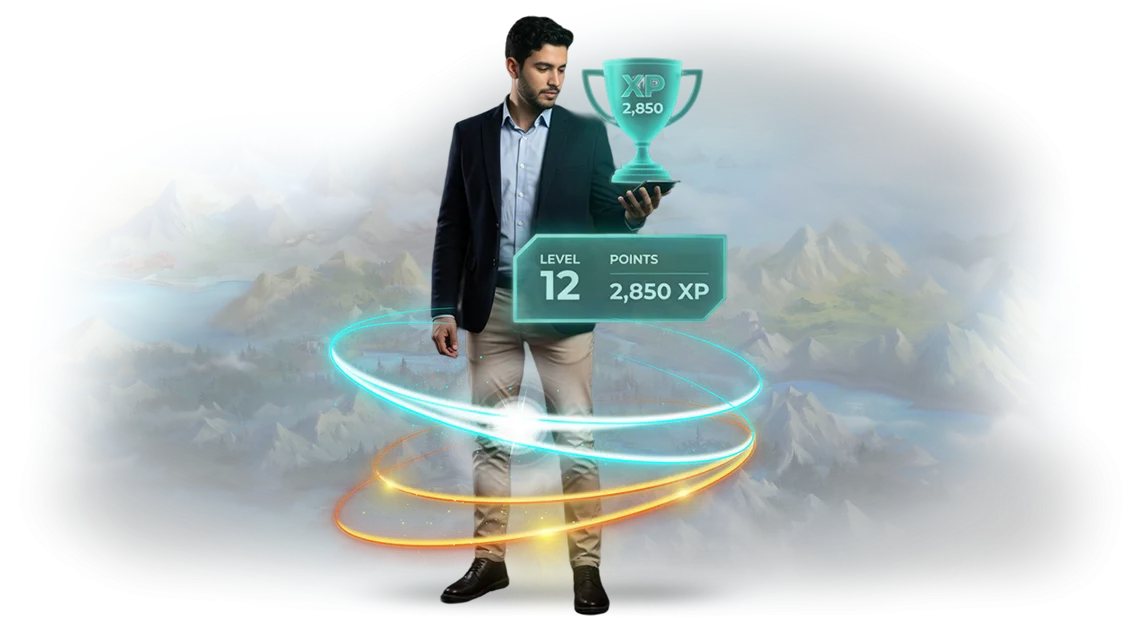
משחקים לאנשי מקצוע בתחום הבריאות: פתרון לבעיית השחיקה
שחיקה בקרב אנשי מקצוע בתחום הבריאות אינה רק "עייפות אחרי משמרת" — היא משבר שקט שבסופו של דבר עולה יותר מכל שיפוץ.
לפי ארגון הבריאות העולמי (WHO), רופאים ואחיות נמצאים בסיכון מוגבר לתשישות רגשית: תחילה יורדת המעורבות, אחר כך איכות הטיפול, ולבסוף המרפאה מאבדת צוות ומוניטין.
אנחנו עוזרים לשבור את המעגל הזה באמצעות גיימיפיקציה — מערכת שמחזירה משמעות לשגרה והופכת את העבודה למשחק עם מטרות ברורות.
למה צוות רפואי מאבד מוטיבציה
רפואה היא זרם אינסופי של משימות חוזרות: תורים, דוחות, ניירת, ואז עוד תורים. כשמאחורי כל זה לא רואים תוצאה, המוח מפסיק לייצר דופמין — ומתחילה אדישות.
העובד נשאר פורמלית על תקן הצוות אבל כבר "מנותק": עובד על אוטופיילוט, לא מציע רעיונות, לא מגלה יוזמה.
גיימיפיקציה פותרת את זה בעדינות ובאופן שיטתי: העובדים רואים את ההתקדמות שלהם, מקבלים תגמולים על הישגים, ומשתתפים בתחרויות ידידותיות בין מחלקות. אלה לא "צעצועים" אלא מנגנון עבודה שמשקם את תחושת הניצחון וההכרה. הצוות הרפואי מרגיש שוב שהעבודה שלו חשובה — והם נשארים במרפאה לאורך זמן.
מה שחיקה עולה למרפאה
חשבו זאת בעצמכם: החלפת רופא אחד משמעותה חודשים של חיפוש, קליטה והכשרה של מומחה חדש, בתוספת זמן השבתה ואובדן אמון מצד המטופלים. שיעור תחלופה של 20% פוגע ברווחי המרפאה מהר יותר מכל סעיף הוצאה אחר. וזה עוד לפני שמדברים על הטעויות שעושים צוותים מותשים.
הטמעת גיימיפיקציה היא השקעה בשימור עובדים: עלות התוכנית מחושבת לאחר ביקורת, בעוד שההפסדים הפוטנציאליים מתחלופה יכולים להיות גבוהים פי כמה. אתם מקבלים צוות יציב, שירות צפוי, ונאמנות מטופלים הולכת וגדלה.
כבר יישמנו פרויקטים כאלה עבור מרפאות פרטיות ומרכזים רפואיים — אנחנו יכולים לעזור גם לכם. ספרו לנו על המצב שלכם — נמצא פתרון שמתאים לתקציב ולמטרות שלכם.
מה גיימיפיקציה תביא למרפאה או למרכז הרפואי שלכם
גיימיפיקציה ברפואה אינה בידור; היא כלי לניהול התנהגות מטופלים ולהנעת צוות.
לפי Journal of Healthcare Management, מרפאות שהטמיעו מכניקות משחק בתהליכים היומיומיים מדווחות על עלייה של 20-30% בשביעות רצון המטופלים ועל ירידה ניכרת בתחלופת האחיות.
למנהלי מרפאות
מכניקות משחק מגבירות את נאמנות המטופלים: תוכניות עם נקודות על ביקורים ועמידה בתוכניות טיפול מעלות את תדירות הביקורים החוזרים. במקביל, המרפאה חוסכת בגיוס מטופלים חדשים — ביקורות חיוביות והמלצות מפה לאוזן עובדות טוב יותר מכל פרסום.
גיימיפיקציה עוזרת לשלוט באיכות הטיפול: רופאים ואחיות רואים את הביצועים שלהם בדירוגים ברורים ומקבלים מוטיבציה להשתפר. כתוצאה מכך, דיוק האבחון והעמידה בפרוטוקולי טיפול עולים, מה שמחזק את המוניטין של המרפאה.
למשאבי אנוש וטיפול בצוות
צוות רפואי עובד תחת לחץ מתמיד, ואלמנטים של משחק עוזרים להפחית מתח. מכניקות תחרותיות, הישגים ותגמולים על משמרות קשות מגבירים את מעורבות העובדים ועוזרים למנוע שחיקה.
הדרכה מבוססת משחק מאיצה את קליטת המומחים החדשים ועוזרת להם ללמוד פרוטוקולים חדשים בלי שעמום. זה מפחית את עלויות הגיוס וההכשרה, ותחלופת העובדים יורדת — הצוות נשאר יציב, ואיכות הטיפול נשמרת גבוהה.
פורמטים של גיימיפיקציה לצרכים שונים של מוסד רפואי
מוסד רפואי מתמודד עם אתגרים שונים: הכשרת צוות בפרוטוקולים חדשים, שימור עובדים והפחתת שחיקה רגשית. גיימיפיקציה נותנת מענה לאתגרים אלה באמצעות משחק, בלי להוסיף עומס אדמיניסטרטיבי. להלן הפורמטים שאנחנו מתאימים לתהליכים שלכם.
לפיתוח מקצועי
הכשרת רופאים ואחיות הופכת לעיתים קרובות לחובה משעממת. פורמטים של משחק מוסיפים עניין: העובדים מתערבים מעצמם ולומדים אלגוריתמים מהר יותר.
| פורמט | למי | מה זה נותן ללקוח |
|---|---|---|
| תחרויות מיומנויות מקצועיות | רופאים, אחיות | עניין מוגבר בפרוטוקולים חדשים, בדיקת ידע מהירה |
| משימות חקר של מקרים קליניים | מומחים צעירים | תרגול אלגוריתמי פעולה ללא סיכון למטופלים |
| סימולציות של מצבים מורכבים | כל קטגוריות הצוות | תרגול בטוח של מקרים נדירים וקשים |
להפחתת מתח ושחיקה
עומס רגשי מתמיד מוביל לעייפות ותחלופה. מכניקות משחק ותוכניות נאמנות עוזרות לצוות להתאושש ולהרגיש שדואגים להם.
| פורמט | למי | מה זה נותן ללקוח |
|---|---|---|
| תוכניות נאמנות | צוות | תחלופה מופחתת, תחושת ערך |
| משימות גיבוש צוות | מחלקות בעומס גבוה | שיפור התמיכה ההדדית ואווירת העבודה |
| סימולציות לשיח רגשי לאחר אירוע | עובדים אחרי משמרות מלחיצות | מעבר מנטלי מהיר והקלה במתח |
שלבי פיתוח גיימיפיקציה למוסדות רפואיים
גיימיפיקציה במוסד רפואי עוזרת לעובדים ללמוד סטנדרטים חדשים מהר יותר, לעשות פחות טעויות ולהישאר מעורבים במשימות היומיומיות.
כדי להבטיח תוצאות צפויות, מבננו את העבודה שלנו לשלבים שקופים: בריף, ביקורת, קונספט, אישור, פיתוח, השקה ותמיכה.
- בריף וביקורת. אנחנו מתוודעים למוסד שלכם, מזהים יעדים ומנתחים תהליכים קיימים כדי להבין היכן גיימיפיקציה תביא את הערך הרב ביותר.
- קונספט. אנחנו מתכננים מכניקות משחק ותרחישי הדרכה המותאמים למרפאה ולצוות שלכם.
- אישור. אנחנו דנים בתרחישים עם רופאים והנהלה ומשכללים את הגרסה כדי לחסל שגיאות קליניות.
- פיתוח. אנחנו בונים אב טיפוס, בודקים אותו עם קבוצה קטנה של עובדים ומבצעים התאמות לפני ההשקה.
- הטמעה. אנחנו משלבים את התוכנית בזרימת העבודה ומכשירים את הצוות לשימוש בה.
- תמיכה. אנחנו מלווים את הפרויקט לאחר ההשקה, מנתחים תוצאות ומשכללים תרחישים למשימות חדשות.
איך אנחנו מבטיחים בטיחות רפואית ועמידה בדרישות
כל תרחישי ההדרכה נבדקים על ידי רופאים פעילים, ומכניקות המשחק אינן מפריעות לתהליך הטיפול. המערכת עובדת רק עם נתוני הדרכה פנימיים ולעולם אינה נוגעת במידע על מטופלים.
אנחנו מתחשבים בדרישות הסודיות ובתקנונים הפנימיים של המרפאה, כך שהגיימיפיקציה בטוחה גם לצוות וגם למטופלים.
מה כלול בחבילת מסירת משחק למרפאה
אתם מקבלים לא רק משחק אלא כלי עבודה מוכן לשימוש שניתן לשלב מיד בהכשרת הצוות. אנחנו מוסרים חבילה מלאה כדי שהמרפאה לא תהיה תלויה במפתח בפעילות השוטפת: מתרחיש ועד תמיכה טכנית.
אילו פורמטי תוכן אנחנו יוצרים
- תרחיש ומתודולוגיה — מצבי משחק שפותחו יחד עם המומחים שלכם. העובדים מתאמנים על מקרים אמיתיים, לא על משימות מופשטות.
- משחקיות ולוגיקה — חוקים ברורים, רמות קושי ומערכת תגמולים. השחקנים רואים את ההתקדמות שלהם ומקבלים מוטיבציה להשלים את ההדרכה.
- ממשק וסגנון ויזואלי — מסכים ידידותיים למשתמש המותאמים לטאבלטים ולמחשבים של המרפאה. בלי טבלאות עמוסות — רק מה שעוזר לקבל החלטות מהירות.
- תיעוד — הוראות התקנה, הגדרה ושימוש במשחק. מנהלי מערכת יכולים להבין את המערכת לבד בלי לקרוא למתכנת.
- הכשרת צוות — אנחנו מקיימים הדגמות למנהלים ולמשתמשים מרכזיים, עונים על שאלות ומספקים דפי עזר. העובדים מתחילים להשתמש במשחק ביום ההשקה.
- תמיכה טכנית בתקופת האחזקה — המהנדסים שלנו זמינים אם משהו משתבש. אנחנו מתקנים תקלות ומספקים ייעוץ עדכונים במסגרת זמנים מוסכמת.
החבילה הזו מבטלת את הסיכון המרכזי של כל פרויקט דיגיטלי: "שילמנו — ומה עכשיו?" מה שבא אחר כך הוא פעילות שקופה, תיעוד ברור ותמיכה שלעולם לא משאירה את המרפאה לבד עם המוצר.
מקרה בוחן: איך הגדלנו מעורבות אחיות והפחתנו תחלופה
מנהל בית חולים פנה אלינו עם נקודת כאב טיפוסית: אחיות נשחקו, איבדו עניין במשימות שגרתיות ועזבו למרפאות פרטיות.
הצענו לא "תגמולי סימון" אלא מכניקות משחק המשולבות ישירות בזרימות העבודה: מטרות ברורות, משוב והכרה פומבית בהישגים.
הפיילוט הושק ביחידה לטיפול נמרץ של המרכז הרפואי העירוני Atlas. תוך שישה חודשים, מעורבות האחיות עלתה ב-40%, והתחלופה ירדה ב-25% — בלי לדרוש שעות הדרכה נוספות.
כל המכניקה השתלבה במשמרות הרגילות: המשתתפים צברו נקודות על עמידה ברשימות בדיקה, עבודה ללא שגיאות ועזרה לעמיתים.
למה זה עבד ביחידה לטיפול נמרץ
כאן מחיר הטעות גבוה והמתח קבוע: אחות אחראית על חיים אבל רק לעיתים רחוקות רואה את התרומה האישית שלה לתוצאה. גיימיפיקציה נתנה מענה בדיוק לצורך הזה — המערכת הראתה את ההישגים של כל הצוות, לא של עובדים בודדים.
המובילים התחילו למשוך אחרים למעלה כי ההתקדמות הכוללת הייתה גלויה לכולם, וההצלחה של אדם אחד חיזקה את המוניטין של כל המחלקה.
ההנהלה קיבלה תמונה שקופה: מי עובד בעקביות, מי זקוק לתמיכה, ובאיזה שלב של הטיפול מתרחשות הכי הרבה תקלות. זה אפשר להתאים עומסי עבודה בזמן ולזהות שחיקה לפני שעובד הגיש מכתב התפטרות.
המסקנה המרכזית: מכניקות משחק אינן מסיחות דעת מהרפואה — הן עוזרות לשמר צוות ולהפחית את עלות גיוס עובדים חדשים.
שאלות נפוצות על גיימיפיקציה במוסדות רפואיים
מנהלי מוסדות רפואיים שואלים לעיתים קרובות: האם גיימיפיקציה תסיח את דעת הצוות מהעבודה או תפר את הסטנדרטים הרפואיים? בפועל, היא עושה את ההפך — היא עוזרת להכשיר עובדים מהר יותר, מחזקת פרוטוקולים ומפחיתה את מספר השגיאות. להלן חמש השאלות הנפוצות ביותר שנשאלות לפני ההשקה.
האם זה יפגע באיכות הטיפול במטופלים?
לא. גיימיפיקציה אינה מחליפה פרוצדורות רפואיות ואינה מפריעה לתהליך הטיפול. היא פועלת לפני או אחרי משמרת: מאמנת מיומנויות, מנתחת מקרים מורכבים ומזכירה לצוות את הסטנדרטים.
העובדים זוכרים פרוטוקולים טוב יותר ומדלגים על שלבים חשובים פחות — איכות הטיפול רק משתפרת.
איך מודדים את האפקט של גיימיפיקציה?
אנחנו מגדירים מדדים מראש לפי היעד שלכם: מהירות תהליך, מספר שגיאות, זמן קליטת עובדים חדשים, נוכחות בהדרכות ושביעות רצון מטופלים. אנחנו מתעדים את המדדים הנוכחיים לפני ההשקה ומשווים אותם לאחר מכן. התוצאות נראות בדוח, לא "בעין".
מה אם העובדים לא רוצים להשתתף?
אנחנו מיישמים גיימיפיקציה בהתנדבות ובשלבים. אנחנו מתחשבים בגיל, בניסיון ובעומס של הצוות: המכניקות נבחרות להיות שימושיות, לא חובה. אנחנו מתחילים עם קבוצת פיילוט, מראים לעמיתים את היתרונות האמיתיים, ורק אז מרחיבים. בדרך כלל 70-80% מהצוות מתערב בתוך השבועות הראשונים.
איך מובטחת סודיות הנתונים?
המערכת עובדת עם נתונים אנונימיים: אנחנו רואים את ההתקדמות והשגיאות של הקבוצה, לא את ההיסטוריה של עובד בודד. הגישה מבוססת תפקידים — מנהל רואה רק סטטיסטיקה מצטברת.
הכל תואם לדרישות הסודיות הרפואית ולמדיניות הפנימית של המוסד.
מי תומך במערכת לאחר ההשקה?
אנחנו מלווים את הפרויקט גם לאחר ההטמעה: מכשירים מנהלים, מעדכנים תרחישים, מרחיבים את מאגר הידע ועונים במהירות לשאלות תמיכה טכנית.
לעולם לא נשארים לבד עם הכלי — מומחה ייעודי נשאר בקשר לאורך כל תקופת ההתקשרות.
גיימיפיקציה בתחום הבריאות אינה משחק לשם המשחק אלא כלי ניהולי. היא פותרת בעיות טיפוסיות: מעורבות נמוכה בהדרכות, פערים בניסיון העובדים וקשיים בבקרת איכות. אם עדיין יש לכם ספקות — שאלו אותנו, ונראה איך זה עובד באמצעות התהליכים שלכם כדוגמה.הזמינו פיתוח גיימיפיקציה למרכז הרפואי שלכם
גיימיפיקציה ברפואה אינה בידור; היא כלי שמגביר מעורבות מטופלים, מניע צוות ומאיץ את הכשרת העובדים.
כדי לקבל בדיוק פתרון כזה, התחילו בפנייה קצרה — ננתח את התהליך שלכם ונראה היכן גיימיפיקציה תניב תוצאות מדידות.
המהנדסים שלנו יבצעו ביקורת במרכז הרפואי שלכם, יציעו פורמט מתאים (ממודולי הדרכה לצוות ועד תוכניות נאמנות למטופלים), ויכינו חישוב עלות שקוף. בלי סיסמאות או הבטחות מופשטות — רק פרטים המותאמים לתקציב ולציר הזמן שלכם.
מה תקבלו לאחר הפנייה אלינו:
- ביקורת של תהליכים עסקיים קיימים ונקודות צמיחה: אנחנו קובעים היכן גיימיפיקציה תגדיל המרות, שימור או מהירות למידה.
- בחירת הפורמט האופטימלי: למרפאה, מעבדה או מרפאת שיניים — מותאם למטופלים ולצוות שלכם.
- חישוב עלות כנה: בלי עמלות נסתרות, אנחנו קובעים את היקף העבודה בהצעה המסחרית.
- אישור אב טיפוס ותרחיש: אתם רואים איך המכניקה תעבוד לפני ההשקה.
- הבטחת תוצאה: אנחנו קובעים יעדים בחוזה ותומכים בפרויקט לאחר ההשקה.
- תמיכה ופיתוח: אנחנו מכשירים את הצוות שלכם, מעדכנים תוכן ומרחיבים את הפתרון למחלקות חדשות.
השאירו פנייה לייעוץ — תוך יום עסקים אחד נשלח לכם הערכת עלות ותוכנית הטמעה ראשונית. גיימיפיקציה תתחיל להועיל למרכז הרפואי שלכם בתוך החודשים הקרובים.
איך לבחור פורמט משחק לצרכים של הצוות הרפואי שלכם?
כל מרפאה מתמודדת עם השאלה: איזה פורמט משחק באמת יפתור את המשימה שלנו?
אין תשובה אוניברסלית — מה שעובד טוב לצוות של חמישה רופאים עשוי לא לעבוד להכשרת מאה אחיות, ומשחק קופסה תקציבי לא יחליף סימולטור מלא לתרגול תרחישים נדירים.
קריטריוני בחירה: מטרות, תקציב, גודל צוות
התחילו מהמטרה. אם צריך להכשיר צוות במהירות בפרוטוקולים חדשים, בחרו תרחישים קצרים עם בדיקות החלטות. אם המשימה היא להפחית שחיקה רגשית, מתאימים משחקים המתמקדים בתקשורת ובאינטראקציה קבוצתית. לתרגול מיומנויות מעשיות, מכניקות סימולציה מורכבות יותר עובדות הכי טוב.
התקציב קובע את ההיקף. עם תקציב מוגבל, אפשר להשיק כמה משחקים קומפקטיים שמכסים צרכים מרכזיים. עם תקציב גדול יותר, אפשר לבנות פלטפורמת הדרכה שלמה שעוקבת אחר התקדמות כל עובד. אנחנו תמיד ממליצים על הטמעה בשלבים כדי שההשפעה על התקציב תהיה אחידה.
גודל הצוות משפיע על הפורמט. לצוות קטן, תרחישים אישיים ודיונים חיים יעילים. למאות עובדים, משחקים אוטומטיים עם לוחות מובילים מניעים אנשים להשלים הדרכות בלי מעורבות מנהל.
המפתח הוא לא לבחור פורמט בעיוורון. המהנדסים שלנו מנתחים את היעדים שלכם, בוחנים תהליכים קיימים ובוחרים משחק שיעבדו בסביבה הספציפית שלכם. השאירו פנייה — יחד נבחר פורמט למטרות ולתקציב שלכם בלי לשלם יותר מדי.