

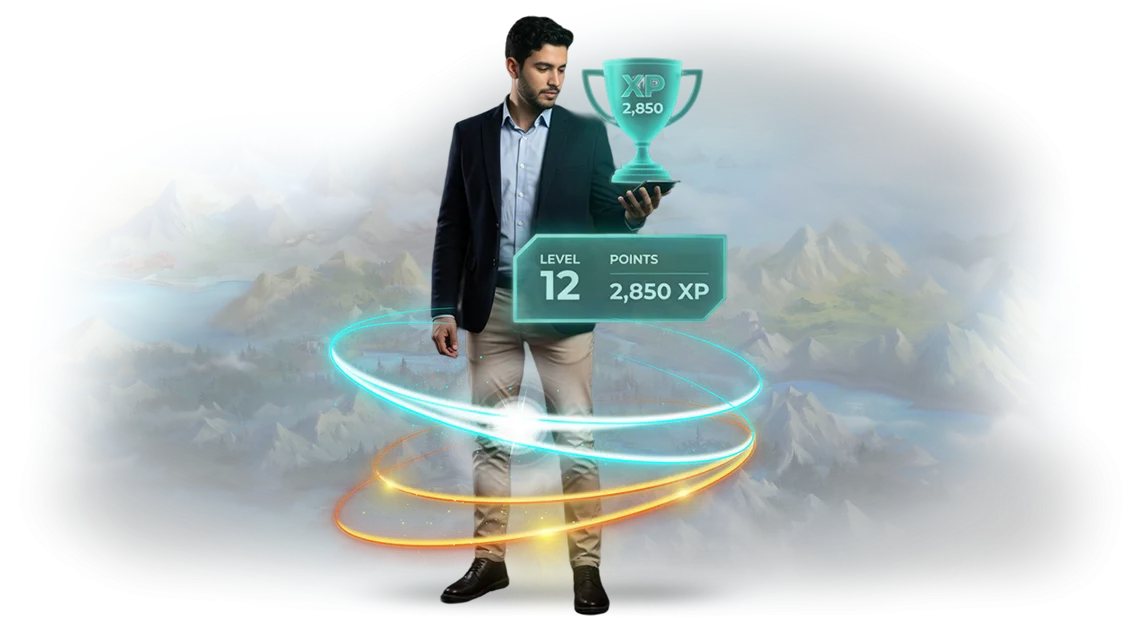
שליטה בטרמינולוגיה רפואית היא אתגר: כיצד משחקים מקוונים משנים את ההכשרה
טרמינולוגיה רפואית כוללת עשרות ומאות מילים חדשות שכל עובד נתקל בהן — מאחיות ועד ראשי מחלקות.
הרצאות מסורתיות, דפי רמאות ב-PDF ומבחנים מייצרים רק אפקט זמני: תוך שבועיים, המונחים מתערבבים ונשכחים, ושגיאות מחלחלות למסמכים ולמרשמים.
המחיר של פערים כאלה אינו רק תיקון רשומות. זה אומר שאלות נוספות ממטופלים, זמן אבוד לעמיתים בכירים, ובמצבים קריטיים — סיכונים לבריאות.
הכשרה חוזרת היא יקרה, ואם הידע אינו מתחזק, צריך לחזור לאותו חומר שוב ושוב.
משחקים מקוונים פותרים בדיוק את הבעיה הזו: הם הופכים שינון בעל-פה לתרגול. במקום לקרוא הגדרות שוב, עובדים פותרים תרחישי משחק שבהם הם צריכים לבחור במהירות את המונח הנכון, להתאים אבחנה לקוד, או להרכיב תוכנית פעולה.
כל טעות מוסברת מיד, והתשובה הנכונה מתחזקת באמצעות חזרה — אבל בפורמט שלא הופך למשעמם.
באמצעות תחרות ורמות, המשחק מערב אפילו את אלה ששונאים סימולטורים של הכשרה. מפגשים קצרים של 5–10 דקות משתלבים בלוח הזמנים בעבודה, והיכולת להשוות תוצאות בתוך הצוות יוצרת תחרות בריאה וסיבה לחזור. הידע מפסיק להיות "נלמד למבחן" — הוא הופך להרגל.
למנהל, זה אומר רמת מוכנות צפויה, פחות שגיאות בתיעוד, והתאמה מהירה יותר של עובדים חדשים.
אנו מפתחים משחקים כאלה כדי להתאים לפרטי המרפאה שלך: הפרוטוקולים שלך, המונחים שלך, התרחישים שלך — ואנו מסייעים לשלב אותם בהכשרה השוטפת מבלי לעצור את הפעילות שלך.
מה מקבלים לאחר הטמעת משחקי הכשרה בחינוך רפואי
הטמעת משחקי הכשרה בחינוך רפואי אינה רק דרך לגוון שיעורים. זה כלי שמגביר באופן ניכר את מעורבות העובדים בתהליך, וכתוצאה מכך, משפר את יעילות ההכשרה של הצוות הרפואי.
כשבמקום מאות שקופיות וסיכומים אדם נתקל בתרחיש אינטראקטיבי שבו הוא מקבל החלטות ורואה מיד את ההשלכות, העניין בחומר גובר, והידע באמת נצמד.
היתרון המרכזי הוא מהירות השינון של טרמינולוגיה רפואית מורכבת. מכניקת משחק עם חזרות, רמזים ומשוב מערבת כמה ערוצי תפיסה: ראייה, שמיעה, מוטוריקה.
המוח יוצר קשרים מהר יותר, כך שמונחים ופרוטוקולים נזכרים לא "לבחינה" אלא לעבודה אמיתית. הניסיון מראה שלימוד אותו נושא בפורמט משחק לוקח 30–40% פחות זמן מאשר בהצגת חומר קלאסית.
היתרון החשוב השני הוא הפחתת העומס על מורים ומדריכים. פלטפורמת המשחק בודקת תשובות בעצמה, שומרת סטטיסטיקות לכל סטודנט, ומדגישה את הנושאים שבהם השגיאות נפוצות ביותר.
המורה אינו צריך לבדוק מבחנים ידנית ולהבין מה "לא עבד" — הוא מקבל תמונת מצב מוכנה של הידע ויכול להתמקד במקרים קליניים מורכבים ובעבודה אישית עם אלה שנשארים מאחור.
לראש מחלקה, הערך המרכזי הוא ניהוליות תהליך הלמידה. אתה רואה נתונים עדכניים על התקדמות כל הצוות, לפי מחלקה או סניף.
זה מאפשר לך להתאים תוכניות הכשרה בזמן, לזהות נקודות חלשות, ולקבל החלטות על סמך עובדות ולא תחושות.
בנוסף, משחקים מסייעים לחזק מיומנויות התנהגות בטוחה: פתרון תרחישי "מה אם" משפר חשיבה קלינית ומפחית סיכון לשגיאות בקרב מומחים צעירים. האפקט הכולל הוא כישורי צוות גבוהים יותר, פחות שגיאות בעבודה, וצוות בטוח יותר בעצמו.
אנו מפתחים משחקים כאלה סביב תוכניות ההכשרה שלך כך שתקבל לא רק משחק אלא תוצאה מדידה: מעורבות גבוהה יותר, למידה מהירה יותר, והפחתת עומס שגרתי על מורים.
פורמטים של משחקים להכשרת טרמינולוגיה רפואית: בחרו לפי המטרה
אותה קבוצת מונחים אפשר ללמוד בדרכים שונות — והפורמט קובע ישירות כמה מהר העובדים יתחילו להשתמש בו בביטחון בעבודה.
אנו מתאימים את מכניקת המשחק לקהל: סטודנטים זקוקים להכנה שיטתית, רופאים מנוסים זקוקים לתרגול על מקרים נדירים, וצוות אדמיניסטרטיבי זקוק להתחלה מהירה מבלי לשבש את המשימות שלהם.
כל פורמט פותר בעיה עסקית ספציפית: צמצום זמן בקורס מבוא, שיפור דיוק הניסוח, או שמירת תשומת לב בעבודה עם נפח מידע גדול. הטבלה שלהלן מציגה את התרחישים האופייניים שלקוחותינו בוחרים לרוב.
| פורמט | למי זה מיועד | מה זה נותן ללקוח |
|---|---|---|
| מבחנים | סטודנטים לרפואה, עובדים חדשים במרפאה | בדיקות ידע מהירות, סטטיסטיקות קבוצתיות אוטומטיות, ובקרת התקדמות שקופה |
| חידונים | צוות רפואי בהכשרה ארגונית | מעורבות במקום הרצאות משעממות, הפחתת עייפות, ושימור חומר גבוה יותר |
| סימולציות | רופאים, אחיות, פרמדיקים | תרגול אלגוריתמים בסביבה בטוחה, פחות שגיאות בעבודה אמיתית |
| מסעות (Quests) | צוותי מרפאה, חברות תרופות | גיבוש צוות ושינון לא מודע של טרמינולוגיה מורכבת דרך עלילה |
קל לשלב פורמטים: לדוגמה, התחילו עם מבחן להערכת הרמה, הוסיפו סימולציה לתרגול מיומנויות, וסיימו עם חידון לחיזוק.
אנו עוזרים לכם לבחור את השילוב האופטימלי לתקציב וללוח הזמנים שלכם, ולאחר ההשקה אנו מנתחים תוצאות ומתאימים את התוכנית.
כיצד עובד פיתוח משחקי הכשרה לתוכניות רפואיות
כדי שתבינו את כל שלבי הפרויקט מראש, בנינו תהליך שקוף ליצירת משחקי הכשרה. כל שלב מסתיים בסקירה — אתם רואים את התוצאה הביניים ומקבלים החלטה לפני שממשיכים.
-
בריף ומטרות. אנו דנים בקהל היעד וביעדי הלמידה שלכם, ומסכמים את היקף התוכן ולוח הזמנים. הפרויקט מתחיל עם הבנה ברורה של התוצאה שאתם צריכים.
-
תרחיש ומבנה. יחד אנו מגדירים את סוגי המשימות ורמות הקושי, ומסכימים על מכניקת המשחק. תרחיש מאושר הוא הבסיס לפיתוח ללא תיקונים מיותרים.
-
אב-טיפוס משחק. אנו יוצרים מודל עבודה עם מסכים מרכזיים כדי שתוכלו לראות את המשחק בפעולה. זה השלב הנוח ביותר לשינויים: אנו מתאימים את המכניקה לפני פיתוח בקנה מידה מלא.
-
פיתוח ותוכן. אנו בונים את הגרסה המלאה: ממשק, התקדמות, סטטיסטיקות. אנו ממלאים את המשחק בטרמינולוגיה ובמקרים קליניים שלכם, תוך הצגת גרסת הדגמה לאורך הדרך.
-
בדיקות ואישור. אנו בודקים את נוחות השימוש והנכונות של המשחק עם קבוצת מיקוד ואוספים משוב. אנו מבצעים תיקונים ומקבלים את ה"כן" הסופי שלכם.
-
השקה ותמיכה. אנו מפרסמים את המשחק בפלטפורמה הנדרשת ומכשירים את הצוות שלכם. לאחר ההשקה, אנו נשארים בקשר: מעדכנים תוכן ומוסיפים חומרים חדשים.
רצף זה מבטל הפתעות: אתם רואים את התוצאה בכל שלב ושולטים בתקציב. בסופו של דבר, אתם מקבלים כלי שקל לפתח הלאה לתוכניות הכשרה חדשות.
מה כלול במסירה: ערכה מלאה להשקת המשחק
כשאנו מוסרים את הפרויקט, אתם מקבלים לא רק קישור למשחק אלא חבילה מלאה שהצוות שלכם יכול להשתמש בה באופן עצמאי. כל מה שנוצר בתהליך — ממכניקת משחק ועד תוכן הכשרה — מועבר אליכם, מתועד, ומלווה בהוראות.
להלן הרכב המסירה מנקודת מבט של מנהל: רק מה שצריך להשקה מלאה של הכשרה ללא תלות במפתחים.
- תרחישי משחק ומכניקה. לוגיקה מוכנה למשימות, רמות ותגמולים, שנבדקה על קבוצות אמיתיות. סטודנטים עובדים עם מונחים בצורת חידונים, מקרים ותחרויות — הכל כבר מוגדר ופועל.
- תוכן טרמינולוגיה רפואית. מאגר מובנה: מונחים, הגדרות, דוגמאות קליניות ושאלות מבחן לפי נושאים — אנטומיה, פרמקולוגיה, אבחון. אתם יכולים להוסיף חומרים משלכם.
- פאנל ניהולי. ניהול משתמשים, קבוצות, התקדמות ותוצאות דרך ממשק פשוט. מורים יכולים לראות ביצועים ללא מעורבות מתכנת.
- תיעוד וחומרי מקור. מדריך השקה, המלצות מתודולוגיות למורים, וקבצי תוכן מקוריים (טבלאות, טקסטים, הגדרות). כל החומרים נשארים אצלכם, ואתם יכולים להעביר אותם לצוות אחר או לפרוס את המשחק בשרת שלכם בכל עת.
- הכשרת הצוות שלכם. אנו מקיימים סדנה קצרה: כיצד להעלות מונחים חדשים, לערוך רמות, לעקוב אחר התקדמות סטודנטים ולנהל גישה. לאחר ההכשרה, העובדים עובדים בביטחון.
- תמיכה לאחר ההשקה. תקופת אחריות, תיקוני באגים וייעוץ — אנו נשארים קרובים כל עוד המשחק יציב. אם עולות שאלות או רעיונות, נייעץ לכם כיצד ליישם אותם ללא שיפוץ המערכת כולה.
מקרה בוחן: כיצד משחקים מקוונים לטרמינולוגיה רפואית שיפרו תוצאות
לקחנו על עצמנו משימה שמרכזים רפואיים רבים מתמודדים איתה: משתתפי קורס שיננו מונחים, אבל חודש לאחר מכן שכחו אותם, והביצועים האקדמיים ירדו ל-60%. ב-MedAcademy, מורים בדקו סיכומים ידנית, וסטודנטים איבדו מוטיבציה באמצע הקורס.
במקום סימולטור נוסף, הפכנו את לימוד הטרמינולוגיה לתרחיש משחק של מרפאה פעילה: קבעו אבחנה, רשמו טיפול, פרשו תוצאות מעבדה — וראו מיד את ההשלכות של ההחלטות.
תוצאות ההכשרה הופיעו לאחר מודול לימודי אחד בלבד. הציון הממוצע במבחן עלה מ-64 ל-91, חלקם של אלה שעברו בניסיון הראשון הוכפל, וזמן ההכנה ירד בשליש — שלושה מפגשים קצרים של 15 דקות הספיקו.
המערכת אוספת סטטיסטיקות בעצמה, כך שהמורים הפסיקו לבזבז סופי שבוע בבדיקת מחברות ויכולים לראות את נקודות התורפה של הקבוצה באינטרנט.
ראש המחלקה גם שם לב לבונוס בלתי צפוי: הסטודנטים עצמם ביקשו סיבובים נוספים, וההרשמה לקורסים הבאים גדלה ברבע.
שישה חודשים לאחר מכן, המרכז הזמין קו שני של משחקים לרמה המתקדמת — הזמנה חוזרת אומרת יותר מכל מילים. האפקט הזה התאפשר כי מכניקת המשחק מערבת רגשות ולא רק מעמיסה על הזיכרון.
מקרה היישום הזה מתאים גם למוסד החינוכי שלכם: אין צורך לשנות את תוכנית הלימודים או לקנות ציוד; המשחקים משתלבים בשיעורי הבית.
אנו תומכים בהטמעה ומתאימים את המכניקה למטרות שלכם, כך שהשיפור בביצועים מתחיל כבר מהחודש הראשון.
כיצד לבחור פורמט משחק ללימוד טרמינולוגיה רפואית?
בחירת פורמט משחק ללימוד טרמינולוגיה רפואית מתחילה לא במכניקה אלא במשימה. עובדים חדשים ירוויחו ממאמן קצר עם רמזים.
לבחינת הידע של רופאים מנוסים או הכנה לבחינה, תרחיש מסע עם מקרים קליניים אמיתיים הוא הגיוני יותר.
הקריטריון השני הוא הקהל. סטודנטים מקבלים בקלות מכניקת תחרות. רופאים בפועל נוח להם עם סיבובים של 3–5 דקות ללא התקנת תוכנה. צוות זוטר מרוויח מכרטיסים ויזואליים וקריינות.
הקריטריון השלישי הוא התאמה למשימות ולתפקידים. אותה קבוצת מונחים אפשר להתאים בקלות לקהל; העיקר שהמכניקה תתאים לסביבה המוכרת ולרמת המיומנות.
שקלו היכן ומתי מתקיימת ההכשרה. לעובדים מרוחקים ומשמרות שונות, משחק מקוון עם מפגשים יומיים קצרים נוח יותר. להכשרה כיתתית קבוצתית, חידון חי עובד היטב.
לכל ארגון יש טרמינולוגיה רפואית משלו, ולכן אנו בונים את המשחק מהגלוסר והפרוטוקולים שלכם.
בדקו האם התוצאה ניתנת למדידה. הפורמט צריך להראות אחוז תשובות נכונות, מהירות תגובה ומספר ניסיונות. עם נתונים אלה, קל למצוא נושאים קשים ולעזור לצוות — ללא מדדים כאלה, המשחק נשאר בידור. על ידי השוואת המטרה, הקהל, לוח הזמנים והתוכן, תבחרו את הפורמט הנכון.
שאלות נפוצות על הטמעת משחקי הכשרה בחינוך רפואי
הטמעת משחקי הכשרה בחינוך רפואי מסתכמת בדרך כלל בשאלות מעשיות: לוחות זמנים, תקציב ותאימות לתהליך הלמידה הקיים.
אספנו תשובות למה שמנהלים שואלים לפני התחלה — ללא פרטים טכניים מיותרים, רק לעניין.
כמה זמן לוקח לפתח משחק?
מודול פיילוט סוהר בדרך כלל לוקח 2–3 חודשים: מבריף ועד השקה עם קבוצת סטודנטים. לאחר מכן, כל נושא או קורס חדש מתווסף מהר יותר כי המכניקה כבר מוכחת.
לוח הזמנים קבוע בחוזה, וכל שבועיים אנו מציגים תוצאה ביניים — אתם רואים התקדמות במקום לחכות בעיוורון לסיום.
כמה זה עולה?
התקציב מתחיל בעלות המחושבת לאחר אודיט לקורס המלא הראשון ויורד בקנה מידה לנושאים הבאים. אנו מחשבים את האומדן המדויק לאחר בריף קצר — זה תלוי בנפח חומר הלמידה ובפורמט ההצגה.
המחיר כולל פיתוח, בדיקות על קבוצה אמיתית ותמיכה לאחר ההשקה. לעתים קרובות המשחק מחזיר את עצמו על ידי הפחתת זמן המורה בבדיקות ידע וקיצוץ עבודת נייר.
מה אם המשחק לא משתלב בתוכנית הקיימת?
אנו לא מביאים "פתרון קופסה" — אנו מתאימים תרחישי משחק לתוכניות הלימודים ולתוכניות העבודה שלכם. אתם יכולים לשלב את המשחק במערכת ניהול הלמידה שלכם, או לתת גישה דרך דפדפן רגיל כדי שלא תצטרכו לשנות את התשתית המוכרת.
לאחר סיום הפרויקט, אתם מקבלים את כל החומרים והזכויות עליהם, כך שאתם נשארים עצמאיים מאיתנו.
כיצד אתם מבטיחים שסטודנטים באמת לומדים את החומר?
לפני ההשקה, אנו מקיימים שיעור ניסיון עם קבוצה קטנה ומשווים תוצאות עם אלה שלמדו רק מספר לימוד. בתוך המשחק, אנו עוקבים אחר התקדמות כל סטודנט: אתם יכולים לראות אילו נושאים נשלטו ואילו זקוקים להסבר נוסף. המורה מקבל דוח פשוט, לא רק "סטודנטים סיימו רמה."
האם יידרש ציוד חדש?
לא. המשחקים עובדים על מחשבים רגילים, מחשבים ניידים וטאבלטים שכבר קיימים במוסד החינוכי. אין צורך במשקפי VR מיוחדים או בסימולטורים יקרים — אנו מתמקדים בתוכן ובנוחות השימוש, לא בחידושים טכניים.
אם עדיין יש לכם שאלה משלכם, שאלו אותה בתגובות או דרך טופס המשוב — נשלח לכם חישוב ואומדן ראשוני לתרחיש שלכם תוך יום עסקים אחד.מוכנים לשפר את יעילות הכשרת הצוות? התחילו את הפרויקט היום
הכשרת טרמינולוגיה רפואית יעילה משפיעה ישירות על איכות ביצועי הצוות: פחות שגיאות בתיעוד, תקשורת בטוחה עם מטופלים, והתאמה מהירה יותר של עובדים חדשים.
מצגות ומבחנים קלאסיים לא מחזיקים את תשומת הלב של העובדים, כך שהידע נעלם מיד אחרי הבחינה. אנו הופכים חומר לימודי לתרחישי משחק מרתקים — הצוות לומד בעניין, והידע מתחזק באמצעות תרגול.
אין המתנה ארוכה לאחר פנייתכם. אנו מתחילים בהיכרות עם המשימה שלכם ומציעים תוכנית ברורה: מה נהפוך למשחק, באיזה פורמט, ועם איזו תוצאה. זה לוקח זמן מינימלי, ואתם מקבלים החלטה על סמך מספרים ודוגמאות קונקרטיות.
מה תקבלו מיד לאחר שליחת בקשה:
- ייעוץ בנושא הכשרת צוות: אנו מנתחים את הבקשה שלכם ומראים היכן המשחק יניב את האפקט הגדול ביותר
- הערכה של חומרי ההכשרה שלכם וזיהוי נושאים שכדאי להמיר לפורמט משחק קודם כל
- המלצות על מכניקה: מאמנים, חידונים קבוצתיים או מקרים נרטיביים — מותאמים לפרופיל העבודה שלכם
- חישוב לוח זמנים ותקציב ללא עלויות נוספות נסתרות — אתם יודעים את פרמטרי הפרויקט מראש
- תוכנית השקת פיילוט עם קריטריוני הערכה: מהירות שליטת מונחים, תוצאות מבחנים, מעורבות
- תמיכה בכל השלבים: מרעיון ועד שילוב בהשתלמות מתמשכת רגילה
עכשיו הוא הזמן הטוב ביותר להאיץ את פיתוח הצוות ולהפחית את העומס על המדריכים. אתם יכולים להזמין פיתוח בשלב אחד: השאירו בקשה בטופס שלהלן — נחזור אליכם ונענה על כל השאלות תוך יום עסקים אחד.
נתחיל בפיילוט על קורס אחד ונראה אב-טיפוס עובד על המונחים שלכם תוך שבועיים.