

סימולציית פינוי מבנה: למה אי אפשר בלעדיה
שריפה פורצת פתאום, ובדקות הראשונות השניות קובעות הכול. לפי הסטטיסטיקה, רוב האנשים בפאניקה מבזבזים זמן בחיפוש אחר יציאה, ואחד מכל שלושה נע לעבר אזור הסכנה.
עבור עסקים, זה לא סיכון מופשט: קנסות מבדיקות, עליית פרמיות ביטוח, פציעות של עובדים ומבקרים — כל זה פוגע בהכנסות ובמוניטין.
הדרכה רגילה לא הופכת ידע להתנהגות אוטומטית. כשמתחילה שריפה אמיתית, אדם פועל מתוך הרגל, לא מתוך זיכרון.
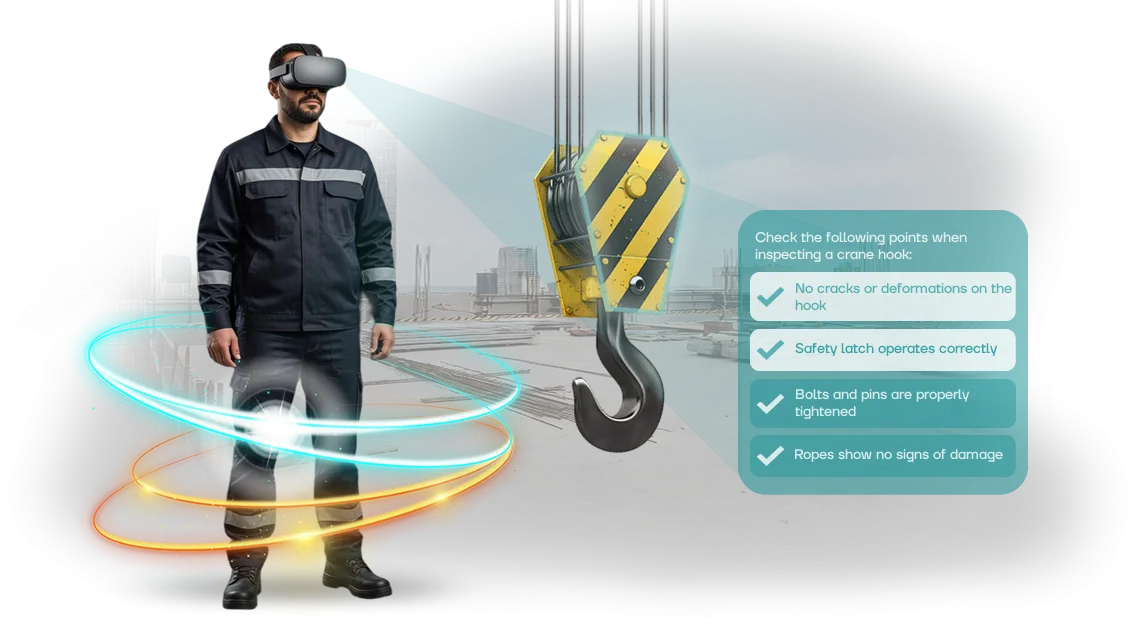
סימולציית פינוי מבנה בצורת אימון VR מטביעה את העובד בסצנה מציאותית: עשן, אזעקה, ריח של שריפה, ראות מוגבלת.
בסימולטור מתרגלים את המסלול הנכון עד שהוא הופך לאוטומטי, מקבלים החלטות תחת לחץ — וזה נשאר עם האדם ברמה של זיכרון שרירי.
אנו יוצרים סימולציית פינוי המותאמת לתוכנית הקומה שלך, תוך התחשבות במסדרונות, גרמי מדרגות, יציאות חירום והמאפיינים הספציפיים של החברה שלך. המהנדסים שלנו מסתמכים על תקנות בטיחות אש עדכניות והופכים אותן לתרחישים שכל העובדים עוברים.
התהליך אורך 20–30 דקות במקום יום הרצאות סטנדרטי, נטמע לעומק ומשאיר חותם ברור בדיווחים.
גישה זו מפחיתה סיכונים לעסק: פחות זמן השבתה, סיכוי נמוך יותר לפציעות, ובדיקות של רשויות הפיקוח עוברות בביטחון רב יותר.
עכשיו השאלה היא לא "מה אם?" אלא "מתי תשיקו אימון VR במתקן שלכם?" אנו מוכנים להראות הדגמה ולהתאים את המערכת למשימה שלכם — בואו נדון בפרטים בשיחת ייעוץ קצרה.
מה מספק סימולטור VR לבטיחות בעבודה ובטיחות אש
הדרכת עובדים בכללי בטיחות אש היא פורמליות אם היא מתבצעת בצורת הרצאה או מבחן. אנשים זוכרים את רצף הפעולות רק כשהם נתקלים במצב קרוב ככל האפשר למציאות.
סימולטור VR מאפשר להם לחוות פינוי אימוני בסביבה וירטואלית בטוחה: עם עשן, ראות מוגבלת, קולות אזעקה וזמן מוגבל.
חוויה כזו נטמעת לעומק יותר מאשר קריאת הוראות, וברגע הנכון העובד פועל בביטחון רב יותר.
עבור עסקים, זה אומר סיכון נמוך יותר לפציעות וקנסות. הדבר היקר ביותר באימון VR הוא היכולת לטעות ללא השלכות: עובד יכול לבחור מסלול שגוי, להיכנס למבוי סתום או להיכנס לפאניקה — ולראות את התוצאה של מעשיו. במתקן אמיתי, טעויות כאלה עולות בחיי אדם, בעוד שבסימולטור הן הופכות לניסיון.
החברה מקבלת עובדים שיודעים איך לצאת מהבניין, היכן נמצאים מטפי כיבוי ואיך לעזור לעמיתים — מבלי לעצור את הייצור וללא עלות של תרגילים בקנה מידה מלא.
היתרון החשוב השני הוא חיסכון בזמן ובמשאבים. ארגון תרגילים מסורתיים דורש הוצאת אנשים מהעבודה, השכרת מתחמים, הכנת חומרים ומדריכים.
סימולטור VR זמין בכל עת: עובד מתאמן כשנוח לו, והמערכת מתעדת את התוצאה אוטומטית. מנהל רואה את סטטיסטיקת ההשלמה ויכול להיות בטוח שכל אדם באמת תרגל את המיומנות ולא רק סימן וי פורמלי.
לבסוף, אימון VR יוצר תרבות בטיחות במתקן. כשעובדים מבינים שהחברה משקיעה בהגנה עליהם, הם מתייחסים לתקנות ברצינות רבה יותר ומוכנים יותר לעמוד בסטנדרטים.
זה מפחית את מספר ההפרות, מעלה את רמת המשמעת הכללית ומשפיע לטובה על המוניטין של המעסיק.
הטמעת סימולטור היא לא הוצאה על "בידור" אלא השקעה באמינות הצוות ובהגנה על העסק מפני הפסדים הנגרמים מהגורם האנושי.
פורמטים של סימולטור פינוי VR לצורכי עסק
פורמטי סימולטור ה-VR תלויים במשימה שלכם: דבר אחד הוא להכשיר תריסר עובדים בנהלי בטיחות, ודבר אחר הוא להריץ תרגיל פינוי בקנה מידה גדול למספר מחלקות.
כדי לעזור לכם לבחור את האפשרות הנכונה, ריכזנו את הפורמטים העיקריים בטבלה — תוך התחשבות במספר המשתתפים, התקציב ומטרות ההדרכה.
בפיתוח אנו משתמשים בסוגים שונים של מכשירים — ממשקפי Vive מקצועיים ועד משקפיים ניידים — כך שאנו מכסים בקלות גם משימות ממוקדות וגם משימות ארגוניות. להלן תרחישים אופייניים שלקוחותינו פונים אלינו איתם.
| פורמט | למי | מה הוא נותן ללקוח |
|---|---|---|
| תרחיש אישי במשקפיים | עובדים חדשים, תרגול מיומנויות אישיות | טבילה מהירה בסביבה מציאותית, מעקב אחר שגיאות והערכה אוטומטית של פעולות |
| הדרכה קבוצתית במרחב וירטואלי משותף | צוות ממחלקה אחת, עד 8 אנשים | פעולות מתואמות של עמיתים במצב חירום, תרגול תקשורת |
| הדרכה המונית ללא משקפיים (באמצעות מסך או מכשיר נייד) | כל צוות החברה, כולל מחלקות מרוחקות | כיסוי של כל העובדים ללא רכישת ציוד יקר, סטנדרט הדרכה אחיד |
| פינוי משותף (מרובה משתתפים) | מנהלים, שירות ביטחון, צוותי תגובה לשריפה | בדיקת תיאום בין תפקידים, זיהוי צווארי בקבוק בתוכנית הפינוי |
| פורמט משולב: VR + מדריך | צוותים שזקוקים לניתוח פעולות | משוב מיידי לאחר התרחיש, תרגול מצבים מורכבים בהנחיית חונך |
קל לשלב בין הפורמטים, למשל, להשיק הדרכה המונית בטאבלטים ולאחר מכן לקיים הדרכה אישית עם משקפיים לעובדים מרכזיים.
העיקר הוא שאתם מקבלים תוצאה ברורה: אתם יודעים מי השלים את ההדרכה, אילו מיומנויות תורגלו ואילו תהליכים צריך לשנות. אנו תמיד בוחרים את הפורמט המתאים למשימה ולתקציב שלכם — בואו נדון בפרטים בשיחת ייעוץ.
איך עובד פיתוח סימולטור VR: מהבריף ועד ההשקה
בנינו את התהליך כך שבכל שלב אתם מבינים מה קורה ומה תוצאה תקבלו. אין "קופסאות שחורות": אתם משתתפים בהחלטות מפתח, ואנו אחראים על לוחות זמנים ואיכות.
בסופו של דבר, אתם מקבלים סימולטור שבאמת מאמן עובדים לפעול בשריפה, ולא רק מציג תיאוריה.
- בריף וניתוח משימה. אנו לומדים את הבניין שלכם, תוכנית הקומה, מספר העובדים ותרחיש הפינוי. אנו מתעדים אילו מיומנויות ותגובות צריך לתרגל.
- עיצוב תרחיש. בהתבסס על הבריף, אנו יוצרים את מבנה ההדרכה: רצף פעולות, טעויות אופייניות והחלטות נכונות. אתם רואים את ההיגיון לפני תחילת הפיתוח.
- אישור אב טיפוס. אנו מראים טיוטה אינטראקטיבית שבה אתם יכולים לראות איך הסימולטור העתידי נראה ואיך הוא עובד. אתם מבצעים עריכות לפני השקעת המשאבים העיקריים.
- פיתוח גרסת VR. אנו בונים סימולציה מלאה: מרחב מציאותי, סאונד, התנהגות אובייקטים ומערכת רמזים. אנו עובדים על ציוד מקצועי — זה מבטיח יציבות ועמידות.
- בדיקות ועידון. המהנדסים שלנו ומשתמשים עצמאיים עוברים את התרחיש, תופסים שגיאות לא ברורות ובודקים את חוויית המשתמש. יחד איתכם, אנו מאשרים את הגרסה הסופית.
- השקה ותמיכה. אנו מתקינים את המערכת, מחברים את הציוד ומבצעים הדרכה לצוות שלכם. אנו נשארים בקשר לאחר ההשקה: מעדכנים תרחישים, מוסיפים פונקציות ועוזרים בניתוח תוצאות.
הודות לדרך ארגון עבודה זו, עד למועד ההשקה אתם מקבלים כלי מוכן לחלוטין להדרכת צוות.
זהו ערך מדיד: מיומנויות פינוי מתורגלות, פחות פאניקה ופחות טעויות באיום אמיתי, כלומר בטיחות עובדים גבוהה יותר וסיכונים נמוכים יותר לעסק.
מה כלול במסירת סימולטור בטיחות VR
אנו מספקים סימולטור VR מוכן לשימוש לבטיחות בעבודה: ערכת ציוד, תוכנה וכל השירותים להשקת הדרכה. אתם לא צריכים להיכנס לפרטים טכניים — פשוט להפעיל את המערכת ולהריץ מפגשים.
- ערכת ציוד VR מלאה — משקפיים עצמאיים שאינם דורשים מחשבים חזקים ומתרחבים בקלות למספר העובדים.
- סימולציית פינוי מהבניין שלכם: התרחיש משכפל את הפריסה, מיקומי היציאות ומסלולי התנועה האופייניים של הצוות.
- לוח ניהול למדריך: הוא מציג את התוצאות של כל עובד, זמן ההשלמה והטעויות שנעשו.
- הדרכה למומחים שלכם — הם יוכלו להפעיל מפגשים בעצמם, לשנות הגדרות תרחיש ולבצע תדריכים ללא עזרתנו.
- השקה במפתח מלא: אנו מספקים, מתקינים ומגדירים את המערכת באתר שלכם כך שתוכלו להתחיל מפגשים תוך ימים.
- תמיכה טכנית ותחזוקה: אנו עוזרים בעדכונים, עונים על שאלות ובמידת הצורך משכללים תרחישים כדי לשקף שינויים בבניין.
- אחריות על ציוד ותוכנה לכל תקופת השימוש בסימולטור.
כתוצאה מכך, אתם מקבלים לא הדגמה חד-פעמית אלא כלי בטיחות מלא שמשתלב בהדרכה השוטפת של העובדים. המערכת פועלת במתחם שלכם, הנתונים נשארים אצלכם, ואנו נשארים בקשר לתמיכה.
מקרה בוחן: תוצאות הטמעת אימון VR לבטיחות בעבודה
מקרה בוחן זה הוא דוגמה ברורה לאיך אימון VR מפסיק להיות ניסוי ומביא תועלת מוחשית לעסק. עבור רשת ההיפרמרקטים "סבר" פיתחנו סימולטור פינוי לאולם המכירה.
בעבר, עובדים עברו הוראות על נייר וחשבו שהם יודעים את כל היציאות, אך במהלך בדיקת בטיחות הם התבלבלו ובזבזו דקות יקרות. זה יצר סיכון אמיתי לחיי אדם והביא לקנסות.
במקום הרצאות — תרחישים קצרים במציאות מדומה: עשן, פאניקה, יציאת חירום חסומה. העובד במשקפיים מקבל החלטות בעצמו — פותח דלת, מוביל את הקבוצה, בוחר מסלול. המערכת מתעדת כל פעולה ומראה מיד טעויות. ההדרכה מתבצעת ללא הפסקת עבודה: מפגש אורך 15 דקות במקום חצי יום.
תוצאות ההטמעה היו מדידות. זמן הפינוי הממוצע מהבניין בקרב עובדים שסיימו את ההדרכה ירד ב-40% — משתי דקות וחצי לדקה וחצי. חלקם של אלה שעברו את בדיקת הבקרה עלה מ-60% ל-95%. במהלך השנה הכשרנו יותר מ-1,500 איש, ואף בדיקה לא מצאה הפרות.
ההנהלה של "סבר" הזמינה הרחבה של התוכנית לכל 12 החנויות ברשת והוסיפה תרחישים לשריפה, דליפה כימית ופינוי לילי.
פרויקט זה קיבל הזמנה חוזרת עוד לפני שהשלב הראשון הושלם — הצוות ראה מספרים קונקרטיים ורצה להגדיל את התוצאה.
תשובות לשאלות על סימולטורי בטיחות VR
לפני הזמנת סימולטור VR, לקוחות שואלים לרוב על בטיחות, נוחות ותמיכה. אנו עונים על החששות העיקריים כדי שתוכלו לקבל החלטה ללא עמימות.
האם עובדים לא יסבלו מבחילות תנועה, והאם זה מסוכן?
התרחישים בנויים כמפגשים קצרים עם מעברים חלקים, כך שרוב האנשים מסתגלים תוך כמה דקות. במידת הצורך, אפשר להשהות ולחזור לתרגיל.
ההדרכה עצמה מתבצעת בחדר בטוח: טעויות נשארות בעולם הווירטואלי, בעוד מיומנויות נשארות בזיכרון.
מי יתחזק את הציוד והתרחישים?
אנו בוחרים את הערכה בהתאם למשימה שלכם — מתחנת עבודה אחת ועד קבוצה. אנו מתקינים הכול בעצמנו, מכשירים את המדריכים שלכם ונשארים בקשר: אנו מעדכנים תרחישים אם התקנות או תוכנית הקומה משתנות. אין צורך במומחה פנימי ייעודי.
מה אם התרחיש לא תואם את הבניין האמיתי?
במהלך הפיתוח, אנו משתמשים בתוכניות הפינוי שלכם, כך שהמסדרונות, היציאות ומיקומי ציוד הכיבוי תואמים למתקן. אם הפריסה תשתנה בעתיד, נשכלל את הסימולטור — זה מהיר וזול יותר מארגון תרגילים מההתחלה.
מוכנים לדון בפרויקט שלכם? קבלו הערכת עלות לפתרון VR
כל יום ללא הדרכת פינוי אפקטיבית הוא סיכון לחיי עובדים ולמוניטין העסקי. תרגילים אמיתיים לוקחים זמן, דורשים הפסקת עבודה ולא מראים איך אנשים יתנהגו במצב חריג.
סימולטור VR מאפשר לתרגל פינוי בסביבה בטוחה שדומה מאוד למתקן שלכם. עובדים משננים מסלולים, לומדים לקבל החלטות בעשן או כשמעברים חסומים — הכול ללא סיכון והשבתה.
אנו נכין הערכת עלות לפתרון VR לפרויקט שלכם: נלמד את תוכנית הקומה, תרחישי הפינוי ודרישות ההדרכה.
תקבלו פירוט עלויות שקוף ולוחות זמנים ברורים ליישום — מהדיון הראשון ועד השקת הסימולטור לעובדים.
מה תקבלו עם הערכת העלות:
- עלות מדויקת למתקן שלכם, לא מספרים מופשטים ממחירון.
- אפשרויות היקף: מתרחיש פינוי בסיסי ועד תוכנית מקיפה המכסה מספר מבנים.
- הערכת תועלת: כמה תחסכו בהשכרת ציוד ובארגון תרגילים אמיתיים.
- תוכנית יישום ברורה ורשימת משאבים נדרשים מצד החברה.
- הדגמת סימולטור לפני השקה מלאה — אתם רואים מה אתם מקבלים.
- תמיכה לאחר סיום הפרויקט ויכולת לשכלל תרחישים כדי לעמוד בדרישות חדשות.
שלחו בקשת ייעוץ — נספר לכם איך אימון VR משתלב במערכת הבטיחות בעבודה ועוזר לעבור בדיקות של רשויות הפיקוח. מלאו את הטופס או התקשרו אלינו, ונשלח לכם הערכת עלות עם אפשרויות פתרון תוך יום עסקים אחד.
איך לבחור את פורמט סימולטור ה-VR למאפייני הבניין שלכם?
כל בניין הוא ייחודי: מספר קומות שונה, פריסות מסדרונות, מספר יציאות ודפוסי תנועת אנשים.
סימולטור VR אוניברסלי שמועיל באותה מידה למשרד קטן ולקניון לא קיים — לכן בחירת הפורמט מתחילה לא בטכנולוגיה אלא בניתוח המתקן שלכם.
הפורמט הנכון נקבע על פי מאפייני הבניין ומטרות ההדרכה.
עבור מתקנים מורכבים עם כמה גרמי מדרגות, מעליות ומסדרונות ארוכים, טבילה מלאה עם העתק מפורט של המתחם מתאימה יותר: העובד חווה את תרחיש הפינוי בתנאים קרובים ככל האפשר למציאות.
עבור משרדים קומפקטיים עם פריסה טיפוסית, תרחיש ממוקד שמתרגל פעולות מפתח — יציאה מהמשרד, תנועה לאורך המסדרון, התכנסות בנקודה בטוחה — מספיק.
בשני המקרים, הסימולטור בודק לא ידע של הוראות אלא מוכנות לפעול במצב מלחיץ.
אנו עוזרים לכם לבחור פורמט בהתאם למאפיינים שלכם. המומחים שלנו מבצעים ביקורת של הבניין, מנתחים מסלולי פינוי וטעויות אופייניות של עובדים, ואז מציעים פתרון שמתייחס לסיכוני בטיחות האש הספציפיים שלכם.
במקביל, אתם לא משלמים יותר מדי על פירוט מוגזם ומקבלים סימולטור שבאמת נמצא בשימוש — לא צובר אבק לאחר ההשקה הראשונה.
זהו קריטריון הבחירה המרכזי: לא "כמה שיותר ריאליזם, יותר טוב" אלא "באיזו דיוק המודל משקף את האיומים של הבניין שלכם ומתרגל את הפעולות של האנשים שלכם".