

בטיחות תעשייתית: למה תיאוריה לא מספיקה?
בטיחות תעסוקתית במספרים ובתקנות היא הבסיס, אבל כשלעצמה היא לא מגנה מפני סיכונים אמיתיים בייצור. תדריכים, פוסטרים ומבחנים מספקים ידע אבל לא בונים מיומנויות מתמשכות.
כשמתרחש מצב חירום, עובד פועל מתוך הרגל, לא מתוך רשימת בדיקה — והמחיר של טעות נמדד לא בקנסות, אלא בבריאות של אנשים.
פציעות עבודה קורות לעיתים קרובות לא בגלל אי-ידיעת החוקים, אלא בגלל חוסר מוכנות לפעול תחת לחץ. שריפה, ירידת לחץ, נפילת מטענים — במציאות, יש לך שניות לחשוב.
הכשרה מסורתית לא מתרגלת את זה: תיאוריה דועכת תוך כמה שבועות, ובדיקת ידע הופכת לפורמליות שכולם עוברים "למראית עין."
עבור העסק, ההשלכות הן לא רק טרגדיה אנושית אלא גם השבתת ייצור, חקירות, נזק למוניטין ועלייה בפרמיות הביטוח.
מנהל אחראי גם לוודא שכל עובד חוזר הביתה בריא וגם לוודא שההשקעות בהכשרת צוות מניבות תוצאות מדידות.
עם זאת, אי אפשר לשנות התנהגות של אנשים עם הרצאות בלבד: צריך תרגול בתנאים קרובים ככל האפשר לתנאים האמיתיים.
אנחנו סוגרים את הפער הזה עם סימולטורי VR שמטביעים עובד במצב חירום ומאפשרים להם לתרגל פעולות עד שהן הופכות לאוטומטיות.
כך, בטיחות תעשייתית כבר לא תלויה בזיכרון ובמצב הרוח של המדריך — האימון הופך לתרגול עם תוצאה ברורה והערכה אובייקטיבית של כל משתתף.
מה מספק אימון VR לבטיחות תעסוקתית: 5 תוצאות מפתח
אימון בטיחות תעסוקתית קלאסי הוא הרצאות, פוסטרים ומעבר מבחן פורמלי. עובד מקבל ציון ביומן, אבל לא נוצרת מיומנות: במצב קריטי, הם פועלים מתוך אינרציה, לא לפי הוראה.
אימון VR מעביר למידה לתנאים קרובים ככל האפשר למציאות — ובונה פעולות נכונות דרך תרגול, לא שינון.
התוצאה הראשונה היא הפחתת פציעות. עובד חווה שוב ושוב מצבים מסוכנים: נפילות מגובה, דליפות גז, שריפות, תקלות ציוד. טעות בסימולטור לא שוברת כלום ולא פוגעת באף אחד, אבל המוח זוכר את ההשלכות כניסיון אמיתי.
באתר הייצור, הניסיון הזה עובד אוטומטית — העובד מצליח לעצור, להתרחק או לסגור שסתום לפני שמתרחשת צרה.
התוצאה השנייה היא מעורבות במקום שעמום. צוות משועמם יושב בתדריכים; במשקפי VR, אדם שקוע לגמרי בתרחיש ופועל במקום להקשיב.
בזכות רגש ואינטראקטיביות, מידע נקלט הרבה יותר לעומק מאשר בקריאת רשימת בדיקה. עובדים עצמם מבקשים תרחישים חדשים — כלומר אימון הופך מחובה להתפתחות.
התוצאה השלישית היא חיסכון בעלויות אימון. אין יותר השכרת אולמות, חומרים מתכלים לתרגילים, נסיעות מדריכים או השבתת ייצור. תרחיש אחד משמש שנה אחר שנה — לעובדים חדשים, הסמכה חוזרת ועבודה עם מפרים. משקיעים פעם אחת וחוסכים עם כל קבוצה הבאה.
התוצאה הרביעית היא הערכה אובייקטיבית של כל עובד. המערכת מתעדת זמן תגובה, מסלולי תנועה, רצפי פעולות וטעויות שנאספו.
המנהל רואה לא רק "עבר/נכשל" אלא פערים ספציפיים: מי מבלבל את האלגוריתם, מי מתעלם מציוד מגן אישי, מי נכנס לפאניקה בעשן. זה אומר שהאימון מכוון בדיוק לנקודות החלשות והופך למידה למדידה באמת.
התוצאה החמישית היא הגנה על החברה. נתונים על השלמת אימון ותוצאות עובדים נשמרים בפורמט מדווח.
במהלך בדיקות של רשויות פיקוח ובמקרה של תקרית, יש לך הוכחה שהצוות באמת תרגל את האלגוריתמים, לא רק חתם על רשימת בדיקה. זה מפחית את הנטל המשפטי והמוניטיני על העסק.
אנחנו מתכננים סימולטורים לתעשייה כבר למעלה מ-10 שנים: ממגזר הנפט והגז ועד מטלורגיה ולוגיסטיקה. אנחנו עובדים עם ציוד מקצועי ובונים תרחישים על בסיס תקנות אמיתיות וניתוחי תקריות.
כל פרויקט מושק עם אחריות ותמיכה — אתה מקבל כלי עובד, לא "הדגמה למראית עין."
פורמטים של סימולטור VR לבטיחות תעשייתית: איך לבחור
לתעשיות שונות יש סיכונים שונים: במתקן נפט וגז, המיקוד העיקרי הוא פעולות במהלך דליפות או שריפות; במטלורגיה, עבודה עם חומר מותך וציוד כבד; בבנייה, גבהים ותנועת מטענים.
תרחיש אוניברסלי "הכל-באחד" לא עובד כאן, ולכן פורמט סימולטור ה-VR חייב ללכת לפי ההיגיון של משמרת אמיתית של עובד.
אנחנו עובדים עם מומחי התעשייה של הלקוח ובונים תרחישים מהתקנות שלך, לא מדוגמאות מופשטות. כך, העובד נכנס לתנאים קרובים ככל האפשר לעבודה האמיתית שלהם, לא למשחק וידאו.
איך הפורמט משפיע על תוצאות
תרחיש ספציפי לתעשייה קובע ישירות את כיסוי המיומנויות: האם אתה בודק ידע בהוראות, תרגול פעולות במהלך תאונה, או יכולת שימוש בציוד מגן אישי.
עבור מנהל, זה אומר שכל שעת אימון מטפלת במשימת בטיחות ספציפית במקום רק להציג טכנולוגיה.
| פורמט סימולטור VR | למי | מה זה נותן לעסק |
|---|---|---|
| סימולציה של כיבוי חירום של ציוד | תעשיית הנפט והגז, אנרגיה | תרגול תגובת חירום ללא השבתת ייצור |
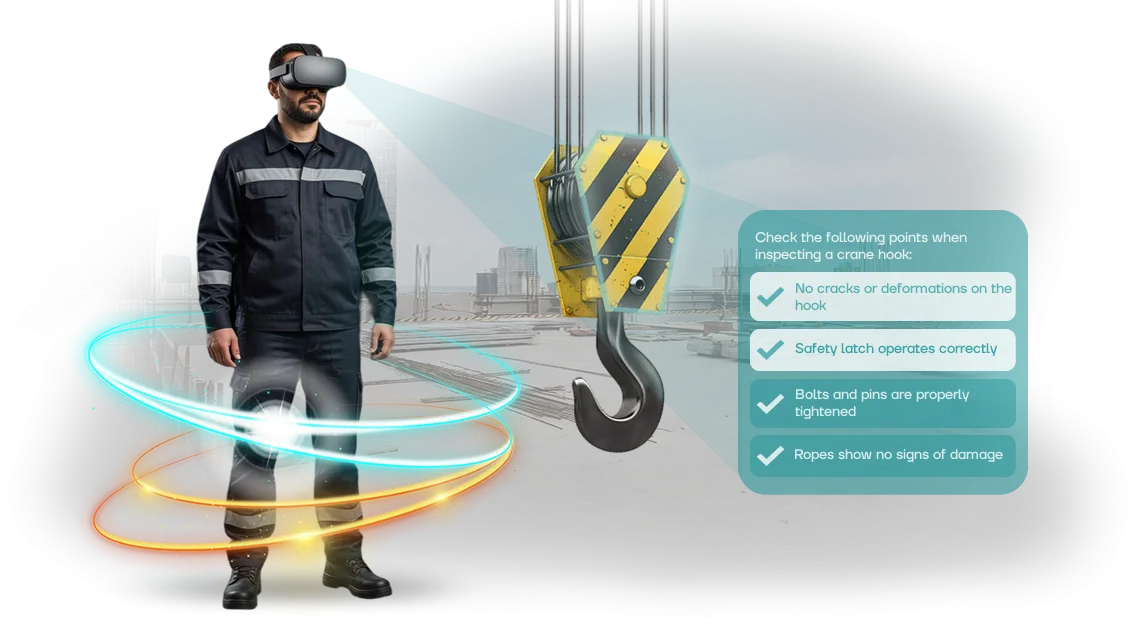
| תרחיש לעבודה בגובה ועם מנגנוני הרמה | בנייה | הפחתת סיכון לפציעות באתר הבנייה |
| אימון לתגובה לקרע בצנרת | ייצור כימי, תעשיית הנפט והגז | שליטה בדליפות ומזעור השלכות |
| תרגול אלגוריתמים לשריפה ופינוי | מטלורגיה, אנרגיה | בדיקת מוכנות אש של הצוות ללא אזעקת תרגיל |
| עבודה בחללים סגורים עם ציוד מגן אישי | ייצור כימי, כרייה | פחות תקריות במכלים סגורים |
מאיפה להתחיל בבחירה
כל פורמט מתחיל בביקורת קצרה: אתה שולח את ההוראות שלך ואת טעויות העובדים האופייניות, ואנחנו מציעים 2–3 תרחישים מתאימים. לאחר האימון, אתה מקבל דוח על כל עובד — מי הבין את החומר ומי צריך תרגול נוסף.
זה מאפשר לך לבנות תוכנית אימון על בסיס נתונים אמיתיים במקום ממוצעים בתעשייה. צור קשר כדי לבחור פורמט לאזור העבודה שלך.
איך אנחנו מפתחים סימולטור VR: שלבים מבריף ועד הטמעה
אנחנו עובדים בשקיפות: אתה מבין מה קורה בכל שלב ואיזו תוצאה אתה מקבל. אתה משתתף בנקודות מפתח, מאשר תרחישים ורואה את הסימולטור לפני השקה סופית.
להלן תהליך הפיתוח האופייני של סימולטור VR לבטיחות תעשייתית, שביצענו ביותר מ-40 פרויקטים.
-
בריף וביקורת. אנחנו אוספים את הקלט שלך: אילו מקצועות, אילו מצבים מסוכנים, אילו תקנות בתוקף. אנחנו לומדים את המסגרת הרגולטורית ואת ההוראות הקיימות כדי שהסימולטור יעמוד בסטנדרטים הפנימיים שלך ובתנאי העבודה בפועל.
-
תוכנית ותרחיש. אנחנו מתכננים תרחישי אימון: מתדריך ראשוני ועד תרגול תגובת חירום. אנחנו מסכימים על ההיגיון, הטעויות, הרמזים וקריטריוני ההערכה — לפני תחילת הפיתוח, כדי שלא יהיה צורך לעשות שום דבר מחדש מאוחר יותר.
-
יישום. אנחנו יוצרים אב טיפוס של סימולטור ה-VR וממלאים אותו בוויזואליה ריאליסטית, סאונד ומשוב. אתה מקבל גרסאות ביניים ועורך שינויים לאורך הדרך, לא אחרי מסירה — זה חוסך זמן ותקציב.
-
בדיקות עם העובדים שלך. אנחנו עורכים בדיקות פיילוט על קבוצת משתמשים — עובדים או חניכים אמיתיים. אנחנו אוספים משוב ומתקנים מורכבות, בהירות ואורך מפגש.
-
הטמעה והשקה. אנחנו מקימים תחנות עבודה, מתקינים ציוד ומכשירים את המדריכים והמנהלים שלך. אנחנו מוסרים סט מלא של חומרים להשקה עצמאית ומעקב אחר תוצאות.
-
תמיכה ופיתוח. אנחנו מעדכנים תרחישים לתקנות חדשות, מוסיפים מצבים ועוזרים בתחזוקה. אם צריך, אנחנו מרחיבים את התוכנית למחלקות, אתרים או חטיבות אחרות — בלי לחזור על כל המחזור.
מה כלול במסירת סימולטור VR: חבילה מלאה לעסק
חבילת סימולטור VR מלאה היא לא רק תוכנה, אלא פתרון מוכן להכשרת עובדים. אתה מקבל כל מה שצריך: מתרחישים ועד דיווח — ויכול להשיק את הסימולטור תוך שבועות הקרובים. להלן מה בדיוק כלול במסירה.
- תרחישי VR מוכנים — משקפים מצבי ייצור אמיתיים: מעבודה בגובה ועד תגובת חירום. תרחישים מפותחים למשימות שלך וניתנים להשלמה לפי הצורך.
- מודלים תלת-ממדיים תעשייתיים — העתקים מדויקים של הציוד והאתרים שלך. עובד מתאמן בסביבה מוכרת, כך שמיומנויות עוברות לעבודה ללא הסתגלות.
- הוראות מתודולוגיות — מדריכים למדריך ולעובד: איך לנהל מפגש, באילו קריטריוני הערכה להשתמש, איך לסקור טעויות.
- אינטגרציה עם מערכת האימון שלך — הסימולטור מעביר תוצאות למסד נתונים משותף מבלי לשבש תהליכים קיימים. אין ניהול רשומות ידני או כפילות נתונים.
- דיווח אוטומטי — ההתקדמות של כל עובד, טעויות וזמן השלמה נראים. המנהל מקבל נתונים מוכנים לשליטה וניתוח ללא איסוף ידני.
- תמיכה ועדכונים — לאחר ההטמעה, אנחנו תומכים בפרויקט, מתאימים תרחישים לשינויי תהליך ומוסיפים מצבים חדשים.
כתוצאה מכך, אתה לא מקבל קבצים מפוזרים אלא אלמנט מוטמע במערכת הבטיחות התעסוקתית שלך. אימון ושליטה מתרחשים בלולאה אחת — נחסכות שעות בארגון מפגשים, ורמת המוכנות של העובדים הופכת למדידה ושקופה.
מקרה אמיתי: איך סימולטור VR הפחית הפרות בייצור
הפרות בטיחות בייצור הן לא רק קנסות וצווים. כל תקרית משמעותה עצירת קו, חוזה שבור, או — במקרה הגרוע — בריאות או חיים של עובד.
תדריכים והרצאות מסורתיים נשכחים במהירות: עובד עונה מכנית על מבחן וחוזר לפעולות הרגילות.
מפעל בתעשיית הנפט והגז פנה אלינו עם בקשה כזו — נקרא לו NefteGaz-Zapad. ההנהלה שמה לב שרוב ההפרות חזרו חודש אחר חודש: טעויות בתחזוקת ציוד, אי-ביצוע נהלים במצבים חריגים.
הרצאות ופוסטרים כבר לא עבדו — הם היו צריכים פורמט שיוצר ניסיון אמיתי אבל בלי סיכון לצוות.
פיתחנו סדרת תרחישי VR המשכפלים את מצבי החירום השכיחים ביותר במתקן: מעבודה עם שסתומי סגירה ועד פעולות במהלך ירידת לחץ.
עובדים תרגלו אלגוריתמים בתנאים קרובים ככל האפשר למציאות — עם צורך בקבלת החלטות תחת לחץ זמן ולחץ מצבי. לאחר האימון, כל עובד חזר לקו עם פעולות מתורגלות עד כדי אוטומטיות.
התוצאה עלתה על הציפיות: תוך 6 חודשים, מספר ההפרות המתועדות ירד ב-40%. תקריות ציוד פחתו, השבתות מתאונות כמעט נעלמו, ובדיקות המשך הראו שעובדים יישמו בביטחון את המיומנויות החדשות שלהם בעבודה. המפעל לא רק האריך את החוזה אלא גם הרחיב את התוכנית לכל האתרים שלו.
למה VR עבד טוב יותר מהרצאות? כי המוח זוכר אירועים שחוו, לא טקסט שנקרא. כשעובד "חי" אישית תאונה בסימולטור, הם מתחילים לראות סיכון אחרת במתקן האמיתי.
אם אתה צריך תוצאה מדידה — הפחתת הפרות ושמירה על בריאות העובדים — אנחנו מוכנים לדון במקרה שלך ולהראות הדגמה.
שאלות נפוצות לפני תחילת פרויקט: תשובות כנות
לפני תחילת פרויקט, לקוחות שואלים את אותן שאלות: על עלות, לוחות זמנים, מורכבות הטמעה והצורך בקניית ציוד VR. אנחנו עונים בכנות, על סמך ניסיון מעשרות פרויקטים — בלי תנאים נסתרים או "אותיות קטנות."
כמה עולה לפתח סימולטור VR לבטיחות תעסוקתית?
העלות תלויה במספר התרחישים, בריאליזם ובפעולות העובד שצריך לתרגל. אנחנו תמיד מחשבים הערכה למשימה ספציפית ומראים ממה מורכב המחיר.
לרוב, סימולטור VR מחזיר את ההשקעה בתוך החודשים הראשונים לשימוש — בזכות הפחתת פציעות, הוצאות מדריך נמוכות יותר וזמן אימון קצר יותר.
כמה זמן לוקח ליצור סימולטור?
פרויקט טיפוסי אורך בין 4 ל-8 שבועות: קודם בריף ואישור תרחיש, אחר כך פיתוח, בדיקות והפעלה. אם הדרישות ברורות מההתחלה, לוח הזמנים יכול להתקצר לחודש. אתה מקבל לוח זמנים ברור ולא תלוי בתהליך "קסום" — אנחנו מדווחים על כל שלב.
האם קשה לשלב את הסימולטור במערכת אימון קיימת?
לא. אנחנו מתאימים את עצמנו לתקנות שלך: הסימולטור משתלב בתוכניות תדריך קיימות ואינו דורש עצירת תהליכי ייצור. אנחנו מכשירים את המדריכים שלך לעבוד עם המערכת ומכינים חומרים מתודולוגיים. עובדים לומדים VR תוך כמה דקות — הם צריכים רק מיומנויות בסיסיות בשימוש במשקפיים.
האם אנחנו צריכים לקנות ציוד VR יקר?
לא בהכרח. אם כבר יש לך משקפי VR — מצוין, הפלטפורמה שלנו תואמת להם. אם לא, אנחנו יכולים להציע ערכות השכרה לתקופת האימון או לחשב חבילה לתקציב שלך. בכל מקרה, אתה משלם על תוצאות — על מיומנויות מתורגלות וסיכונים מופחתים, לא על "חומרה."
אנחנו מבינים שלפני הפרויקט הראשון תמיד יש ספקות — זה נורמלי. תן לנו את המשימה שלך, ותוך כמה ימים נכין הערכה ראשונית של לוחות זמנים ועלות, וגם נראה דוגמאות לפתרונות דומים לתעשייה שלך. צור קשר — נבחן את המצב שלך ללא התחייבות.איך לבחור סימולטור VR להתאמה לפרטי הארגון שלך?
בחירת סימולטור VR נכון מתחילה לא בקטלוג אלא בניתוח הפרטים של הארגון שלך. אין פתרון אוניברסלי: מה שעובד לתעשיית הנפט והגז לא יפיק את אותה תוצאה באתר בנייה או בסדנה מטלורגית.
לכן, הדבר הראשון שאנחנו עושים הוא ללמוד את תהליכי הייצור שלך, הפרות אופייניות ואזורי סיכון שבהם עובדים עושים טעויות לרוב.
הקריטריון המרכזי בבחירת סימולטור VR הוא עד כמה התרחישים משכפלים את התנאים האמיתיים של העבודה שלך. אם אימון קורה על דוגמאות מופשטות, עובדים לא מחברים את זה למשימות שלהם, והידע דועך תוך חודש.
כשהסימולטור מדגמן את הציוד שלך, התקנות שלך ומצבי חירום אופייניים, המעורבות והשימור גדלים פעמים רבות — אנשים מתרגלים פעולות שהם באמת יצטרכו במהלך משמרת.
אנחנו גם בוחרים את פורמט הסימולטור לפי פרטי הארגון. לתדריכים המוניים, מודולים קצרים של 5–7 דקות שניתן להשלים בלי להפריע לעבודה מספיקים.
למצבים נדירים אבל מסוכנים — כמו תגובה לתאונה או פינוי — נדרשים תרחישים עמוקים יותר קרובים לתנאים אמיתיים. אנחנו מסתמכים על הפתרונות התעשייתיים שלך ועל דרישות הבטיחות התעסוקתית, לא על "תוכניות טיפוסיות" מופשטות.
חשוב גם איך הסימולטור משתלב במערכת האימון הקיימת. הוא לא צריך להיות "צעצוע" שמושק פעם בשנה למראית עין.
אנחנו מגדירים תרחישים כך שהם סוגרים פערי ידע ספציפיים של העובדים שלך, ולאחר השלמה, אנחנו מספקים הערכה ברורה — מי הבין את החומר ומי צריך חזרה.
זה הופך את בחירת סימולטור ה-VR מעניין טכני לעניין ניהולי: אתה רואה את רמת המוכנות האמיתית של הצוות.
בסופו של דבר, אנחנו עוזרים לך לבחור סימולטור שמשתלב באופן טבעי בתהליכים שלך ומשפר את הבטיחות בארגון שלך. אתה מקבל לא "סיור וירטואלי" אלא כלי עבודה שלוקח בחשבון את הסיכונים, המסמכים והפרטים של כל מקצוע.
בוא לייעוץ — ננתח את המצב שלך ונציע פורמט שמתאים לארגון שלך.
השאר בקשה לפיתוח סימולטור VR: השלבים הבאים
סימולטורי VR לבטיחות תעסוקתית מביאים תועלת כשהם מוטמעים במדויק באימון ומניעים עובדים. אנחנו לוקחים על עצמנו את כל הדרך: מרעיון ועד מוצר עובד, ואתה מקבל תוכנית ברורה ותקציב שקוף.
השאר בקשה — הכל מתנהל משם בצורה חלקה:
- אתה שולח בקשה באתר או בטלפון — אנחנו יוצרים קשר תוך יום עסקים אחד ומאשרים זמן נוח לשיחה.
- אנחנו עורכים ייעוץ: דנים בפרטים שלך, בהפרות אופייניות וביעדי אימון. אנחנו מזהים היכן סימולטור VR יכול להשפיע הכי הרבה.
- אנחנו מראים הדגמות של פתרונות קיימים. אתה רואה גרפיקה ריאליסטית, היגיון תרחיש וקלות שימוש — בלי מצגות מופשטות.
- אנחנו מכינים הערכת עלות למשימה שלך: היקף תרחיש, מספר תחנות עבודה, לוחות זמנים. אתה מקבל הצעת מחיר שקופה עם נימוק לכל סעיף.
- לאחר הסכמה, אנחנו נועלים את הדרישות ומתחילים בייצור. אנחנו שולחים תוצאות ביניים בנקודות בקרה — אתה תמיד מעודכן.
- אנחנו מוסרים את הסימולטור המוגמר, מכשירים את המדריך שלך ומספקים תמיכה לאחר ההשקה: מעדכנים תרחישים ועונים על שאלות.
כל שלב לוקח כמה זמן שאתה צריך. אין "יותר מחודש של שתיקה" — אנחנו נשארים בקשר ועומדים בלוחות זמנים. בדרך כלל, מהשיחה הראשונה ועד התקנת הסימולטור לוקח 2–3 שבועות, כולל אישורים.
השאר בקשה עכשיו — זה לא מחייב אותך לשיתוף פעולה. קבל ייעוץ, הדגמה והערכה ראשונית כדי להעריך את הפוטנציאל של VR לתוכנית הבטיחות שלך.