

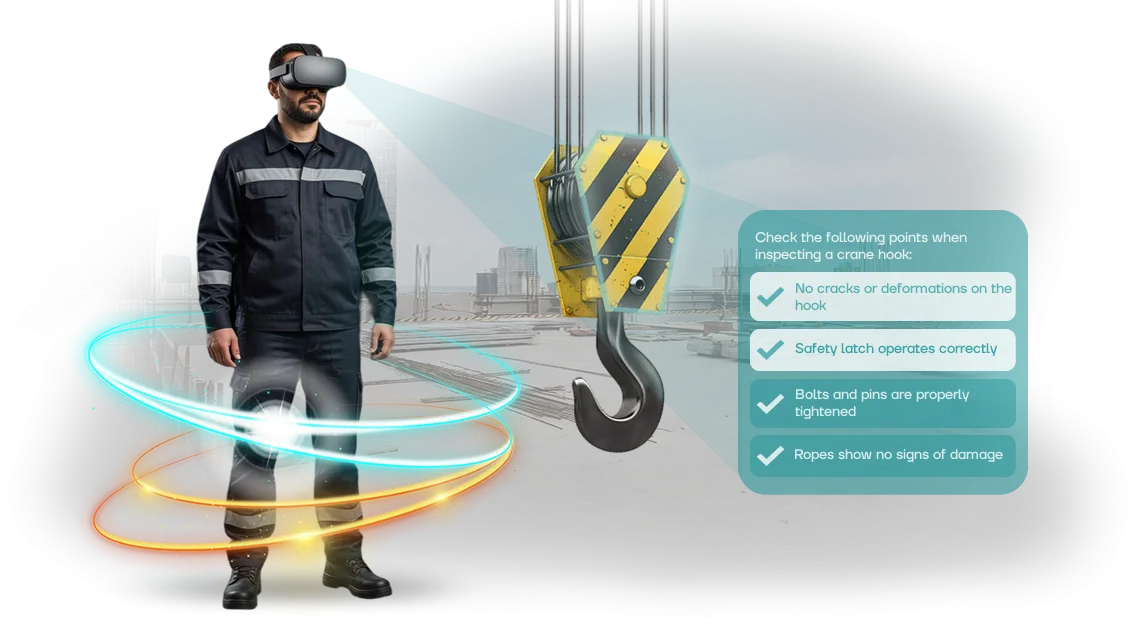
הדרכת עזרה ראשונה ב-VR: כיצד להכין עובדים להציל חיים
כאשר מתרחשת תאונה, כל שנייה קובעת את התוצאה. אם עובד לא יודע כיצד לפעול, הוא מבזבז זמן על בלבול—וזה כבר לא תיאוריה, אלא סיכון אמיתי לחיי עמיתים, מבקרים והעסק עצמו.
צוות לא מוכן הופך בעיה מקומית לאירוע חמור עם השלכות מוניטיניות ומשפטיות.
המוניטין של החברה ונטל הביטוח תלויים ישירות במהירות ובנכונות התגובה של הצוות ברגע קריטי. הרצאות ופוסטרים מסורתיים מספקים ידע, אך לא מיומנות: במצב לחץ, אנשים שוכחים תיאוריה ופועלים בכאוס.
יש לתרגל הדרכת עזרה ראשונה עד כדי אוטומציה—בתנאים קרובים ככל האפשר למציאות, אך ללא סיכון לסביבה.
הדרכת עזרה ראשונה ב-VR מטביעה את העובד במצב חירום מדומה שבו עליו להעריך את הסביבה, לקרוא לעזרה ולפעול.
טעויות אינן מובילות להשלכות—הן נבדקות מיד, והתרחיש חוזר על עצמו עד להשגת תוצאה בטוחה. זה בונה התנהגות נכונה באדם, לא רק זיכרון של חומר קריא.
עבור עסקים, זו השקעה בבריאות תעסוקתית ובבטיחות עובדים עם אפקט קונקרטי: פחות תאונות, תגובה מהירה במצבי חירום ועמידה בדרישות מחמירות.
החברה מפגינה אחריות לצוות ולחברה—ועובדים, שותפים ורשויות רגולטוריות מעריכים זאת.
אנחנו עוזרים להשיק הדרכה כזו מבלי להיכנס לפרטים טכניים: אנחנו לוקחים על עצמנו את כל התהליך—מפיתוח תרחיש ועד הטמעה בתוכנית ההדרכה שלכם.
הצוות שלכם מקבל מיומנות מעשית, ואתם מקבלים ביטחון שברגע המכריע, העובדים שלכם מוכנים לפעול בנחישות ולהציל חיים.
מה הדרכת עזרה ראשונה וירטואלית נותנת לעסק
הדרכת עזרה ראשונה וירטואלית פותרת את המשימה המרכזית של העסק—הכנת צוות במהירות מבלי לעצור את הייצור. העובד נכנס למצב חירום ריאלי ומתרגל פעולות עד כדי אוטומציה, מבלי לסכן את עצמו או אחרים.
במקביל, אין צורך לאסוף קבוצות, לשכור מקום או למשוך אנשים מהמשמרות שלהם ליום שלם.
החיסכון בקורסים פרונטליים מורגש כבר אחרי הקבוצות הראשונות: לא משלמים על ביקור מדריך, חומרים מתכלים או מפגשים חוזרים.
התרחיש מוקלט פעם אחת ועובד עבור כל מספר עובדים—אנשים חדשים מתאמנים בזמן נוח, והתוצאה תמיד זהה. במהלך שנה, זה מפחית את תקציב הדרכת הצוות פי כמה.
הערך המרכזי עבור החברה הוא הפחתת סיכונים תפעוליים. עובד מיומן מעריך את המצב מהר יותר, מעניק עזרה ראשונה ויודע למי להתקשר.
זה מפחית את חומרת ההשלכות של אירוע, מקצר זמני השבתה ומגן על החברה מתביעות של רשויות פיקוח.
סימולטורים וירטואליים מספקים גם משהו שהרצאות קלאסיות חסרות: שליטה מלאה על השלמה. מנהל רואה מי סיים את ההדרכה, אילו טעויות הצוות עושה ואילו נושאים דורשים חיזוק.
אנחנו משתמשים בציוד מקצועי ומתאימים תרחישים למאפייני הייצור שלכם—ממחסן ועד סדנה כימית.
כתוצאה מכך, אתם מקבלים רמת מוכנות צפויה, חיסכון בהדרכה וביטחון שעובדים לא ייכנסו לפאניקה במצב קריטי. זו לא רק סגירה פורמלית של תדריך, אלא הגנה אמיתית על אנשים ועסק.
פורמטים של סימולטור VR: תרחישים אישיים וקבוצתיים
הדרכת עזרה ראשונה היא על מוכנות לפעול כשכל שנייה קובעת. אבל מפגשים רגילים מספקים מעט מדי תרגול: בובה אחת או שתיים וניסיון אחד או שניים לכל קבוצה.
סימולטורי VR מסירים את המגבלה הזו—כל עובד חוזר על התרחיש כמה פעמים שצריך עד שרצף הפעולות הופך לאוטומטי.
פורמט ההדרכה צריך להתאים למשימה: עובד אחד חייב לבצע החייאה בביטחון, בעוד משמרת שלמה חייבת לעבוד בתיאום תחת לחץ.
אנחנו בוחרים את האפשרות המתאימה (או שילוב) כך שההשקעה ב-VR תניב תוצאות מדידות—פחות שגיאות וזמני תגובה מהירים יותר.
השוואת פורמטים
| פורמט | למי | מה הוא נותן ללקוח |
|---|---|---|
| סימולטור אישי | עובדים שעבורם טכניקה אישית חשובה | כל אדם מתרגל את האלגוריתם בקצב שלו, ללא חשש מטעויות. תרגול חוזר מחזק את המיומנות עד כדי אוטומציה. |
| תרגיל קבוצתי | צוותים, משמרות, מחלקות | תרחיש משותף עם חלוקת תפקידים. עמיתים לומדים לתאם פעולות ולהעביר מידע תחת לחץ. |
| תוכנית משולבת | חברות עם רמות הכשרה שונות | קודם הדרכה אישית, אחר כך תרגיל משותף. משלב ביטחון אישי ותיאום קבוצתי. |
בחירת פורמט היא לא פשרה, אלא כוונון מדויק למשימה שלכם. המהנדסים שלנו מתכננים תרחישים לתעשייה ולתקנות שלכם, וציוד מקצועי מבטיח איכות מפגשים יציבה.
אתם מקבלים מדד התקדמות ברור: כמה עובדים סיימו את הקורס, אילו מיומנויות חוזקו והיכן עדיין צריך לחזק את ההדרכה.
כיצד אנו מיישמים סימולטורים וירטואליים: 6 שלבים מבריף ועד השקה
בנינו את התהליך כך שתבינו מה קורה בכל שלב ומתי תופיע התוצאה. במקום "קופסה שחורה"—תוכנית שקופה עם שלבים ברורים, לוחות זמנים ונקודות אישור: מהבריף הראשון ועד ההשקה ותמיכה בסימולטור.
- בריף והבנת המשימה. אנו מתעדים את מטרות ההדרכה, מאפייני הייצור שלכם ודרישות הבטיחות התעסוקתית. אנו מכינים מפרט טכני ותוכנית פרויקט.
- עיצוב הדרכת VR. מתודולוגים ותסריטאים מפתחים את התרחיש, ואתם רואים את ההיגיון והתוכן לפני תחילת הפיתוח. אנו מאשרים אב טיפוס.
- פיתוח סימולטור VR. אנו יוצרים סביבות וירטואליות, פעולות אינטראקטיביות ומערכת להערכת שגיאות עובדים. התוצאה היא אב טיפוס עובד לבדיקה.
- אישור פרויקט. אתם בודקים את הסימולטור איתנו ומבצעים עריכות. אנו מביאים את המוצר לעמידה בדרישות ובתקנות שלכם.
- השקת סימולטור. אנו מקימים תחנות עבודה, מחברים ציוד ומכשירים מנהלים. עובדים מבצעים את מפגש ההדרכה הראשון שלהם.
- תמיכה ופיתוח. אנו מתחזקים את הסימולטור, מעדכנים תרחישים ועוזרים לנתח תוצאות הדרכה.
הודות לגישה זו, אתם שולטים בכל שלב ומקבלים מוצר שפותר את משימת הדרכת הבטיחות שלכם.
מה כלול במסירת סימולטור עזרה ראשונה וירטואלי
אנו מוסרים סימולטור עזרה ראשונה וירטואלי כפתרון סוהר מוכן. הלקוח מקבל לא רק תוכנית, אלא חבילה מלאה שניתן להשיק מיד ולשלב במערכת הדרכת העובדים.
-
תרחישים מוכנים לתרגול מיומנויות עזרה ראשונה: החייאה, עצירת דימום, כוויות, אובדן הכרה. העובד מתאמן עד כדי אוטומציה בתנאים קרובים למציאות ופועל בביטחון רב יותר במצב חירום.
-
לוח ניהול: הקצאת קורסים, יצירת קבוצות ומעקב אחר התקדמות תלמידים. הממשק אינטואיטיבי, אין צורך במומחים טכניים לניהולו, כך שההתקנה אורכת דקות.
-
מערכת דוחות: דוחות אוטומטיים לכל עובד—תוצאות, שגיאות, זמן השלמה. ניתן לשמור את הנתונים בקלות ולצרף לדוחות פנימיים או להציג במהלך בדיקה.
-
הוראות וחומרים מתודולוגיים: מדריכים ותקנות להשקה מהירה, וכן לשילוב הסימולטור במערכת הדרכת הצוות הקיימת.
-
הכשרת הצוות שלכם: המהנדסים שלנו יעבירו מיומנויות עבודה עם הסימולטור כדי שתוכלו להשתמש בו באופן עצמאי, ללא מעורבות מתמדת של הקבלן.
-
אחריות ותמיכה: ייעוץ, עדכונים והתאמת תרחישים למקרים אמיתיים במפעל שלכם ולדרישות בדיקה.
כתוצאה מכך, אתם מקבלים כלי מוכן להדרכת עזרה ראשונה שחוסך זמן בהכנת צוות ומפחית את סיכון הפציעות. כל מה שצריך כבר בחבילה—מתרחישים ועד דוחות.
מקרה בוחן: כיצד הכשרנו 500 עובדים מבלי לעצור את הייצור
עבור ייצור רציף, עצירת סדנה להדרכה משמעותה אובדן הכנסות ושיבוש לוחות זמנים. המשימה שלנו הייתה להכשיר 500 עובדים בכללי עזרה ראשונה מבלי לעצור פס ייצור אחד או למשוך אנשים מהמשמרות שלהם לזמן ממושך.
הצענו סימולטורי VR. עובדים עברו תרחישים קצרים ממש בהפסקות בין משמרות—20 דקות כל אחד, ללא מדריכים או כיתות.
"חברת החזקות מטלורגית גדולה" קיבלה כלי שבעצמו הצביע על שגיאות ותיעד את התוצאה של כל עובד.
אחרי שלושה חודשים, השווינו את הביצועים של הקבוצה שהתאמנה ב-VR עם אלה שלקחו קורסים קלאסיים. מהירות התגובה במצב חירום עלתה ב-40%—ל-8 שניות.
ההוצאה על הדרכה פרונטלית ירדה פי שלושה: אין צורך לשכור אולמות, לשלם עבור ביקורי מדריכים או לפצות על השבתת עובדים. גם המעורבות השתנתה: עובדים עצמם ביקשו תרחישים חדשים, ונשירת הקורס ירדה לאפס.
העיקר לעסק הוא שההדרכה הפסיקה להיות "חור בלוח הזמנים." היא הפכה לחלק מהקצב הרגיל של המפעל, והתוצאה נמדדת לא במספר הרצאות שנכחו בהן, אלא במוכנות של אדם לפעול במצב קריטי.
אנו משכפלים גישה זו באתרי ייצור אחרים: אנו מתאימים תרחישים לתעשייה ולתקנות של הלקוח, ולאחר היישום, אנו מוסרים לוח בקרה שבו נראית ההתקדמות של כל סדנה.
כיצד לבחור את פורמט ההדרכה הווירטואלית המתאים למשימה שלכם?
בחירת פורמט ההדרכה הווירטואלית תלויה לא באופנה, אלא במשימה הספציפית: האם צריך להכיר לעובדים כללים בסיסיים או להביא פעולות עד כדי אוטומציה במצב חירום.
לתדרוכי בטיחות המוניים, מספיקים תרחישים קצרים של 10–15 דקות שכל העובדים משלימים מבלי לעזוב את העבודה. להצלת חיים ברגע קריטי, נדרשת הדרכה מעמיקה יותר.
אם המטרה היא לשפר את תרבות הבטיחות הכללית ולעמוד בתקנות, בחרו סימולטורים עם תרחיש קבוע: העובד רואה את המצב, מקבל החלטה, והמערכת מציגה את האלגוריתם הנכון. פורמט זה קל להרחבה למאות אנשים ולעדכון מהיר כשההוראות משתנות.
לקבוצות שעלולות להיתקל בפועל ברפואת חירום—מחלצים, צוות תעשייתי, עובדים רפואיים—נדרשים תרחישים עם לוגיקה מסועפת: טעות אחת מובילה לפניית פרקים חדשה, ויש להגיב למצב המשתנה של הנפגע.
כאן חשובים סימולציית לחץ, מגבלות זמן ותרגול חוזר עד ליצירת מיומנות יציבה.
קריטריוני הבחירה לסימולטור פשוטים: מספר המתאמנים, תדירות ההדרכה, רמת האחריות של העובד והתוצאה הרצויה.
בחירת תרחישי עזרה ראשונה מתחילה בביקורת סיכונים באתר שלכם: מה קורה לרוב—חתכים, כוויות, אובדן הכרה, דום נשימה?
עבור כל סיכון נוצר מודול נפרד, והסט שלהם קובע את הפורמט: מתרחיש אוניברסלי יחיד ועד קורס שלם עם הסמכה סופית.
אנו עוזרים להתאים משימות להיקף: ראשית אנו מעריכים את הקהל ותדירות ההדרכה, ואז מציעים פורמט וסט תרחישים שיניבו תוצאות מבלי לשלם יותר מדי.
כך, אתם מקבלים לא רק "מציאות וירטואלית," אלא כלי שמתייחס בדיוק לצורך שלכם בבטיחות.
שאלות נפוצות על יישום סימולטורי עזרה ראשונה וירטואליים
חששות לפני יישום נפוצים: תקציב, אימוץ על ידי עובדים, מדידות תוצאות, אמינות ציוד. להלן תשובות לשאלות נפוצות.
האם ההדרכה תהיה יקרה מדי?
העלות מחושבת לפי התרחיש והציוד. אם התרחיש כבר קיים, ההוצאות נמוכות יותר מקורסים פרונטליים לקבוצות גדולות. הסימולטור אינו דורש הוצאות חוזרות ועובד עבור כל מספר עובדים.
אנו בוחרים אפשרות שמתאימה לתקציב שלכם—מהשכרה ועד תרחיש סוהר; היישום יכול להתחיל עם קבוצת פיילוט.
האם העובדים יתנגדו לפורמט החדש?
סימולטורים בנויים על בקרות אינטואיטיביות: הרכבת משקפת והרמת בקרים קלה יותר מהבנת ממשק. ההדרכה אורכת כמה דקות, והטבילה במצב שומרת על עניין לאורך כל המפגש.
לעתים קרובות, עובדים עצמם מבקשים לחזור על התרחיש—זו מעורבות שהרצאות לא מספקות.
איך נדע שההדרכה עובדת?
הסימולטור מתעד את פעולותיו של כל אדם: נכונות הצעדים, זמן תגובה, שגיאות. אתם מקבלים דוח על כל עובד וקבוצה—אפשר לראות היכן הידע נטמע והיכן עדיין צריך תרגול. זו תמונה שקופה של מוכנות במקום סימוני וי פורמליים.
מה אם הציוד יתקלקל?
אנו משתמשים בציוד מקצועי ומחזיקים ערכות גיבוי זמינות במהלך המפגשים. תמיכה כלולה: במקרה של תקלה, אנו פותרים את הבעיה באמצעות החלפה או ייעוץ מרחוק. אנו תומכים בסימולטור לאורך כל מחזור חייו כך שההדרכה לעולם לא תיפסק.
הזמינו סימולטור וירטואלי לחברה שלכם עוד היום
אנו מבינים שלכל חברה יש דרישות משלה: מספר עובדים, מאפייני תהליכי עבודה, רמת מוכנות.
זו הסיבה שפיתוח ה-VR שלנו לעסקים מתחיל לא בקוד, אלא בלימוד המשימה שלכם—רק אז הסימולטור יהפוך לכלי עבודה ולא לצעצוע יקר.
השאירו פנייה, ותוך 1–2 ימים נכין הצעה עם עלות משוערת ולוח זמנים. ניישר את תרחיש ההדרכה ונראה הדגמה של הסימולטור על התרחישים שלכם—הכל לפני תחילת העבודה המרכזית, כדי שתבינו על מה אתם משלמים.
מה תקבלו כשתפנו אלינו:
- ייעוץ מקדים: אנו קובעים איזה פורמט הדרכה מתאים לכם—מתרחישים קצרים להדרכה המונית ועד תוכניות מפורטות למקצועות מורכבים.
- הערכה מוקדמת של תקציב ולוח זמנים לתרחיש שלכם—ללא עמלות נסתרות או תוספות בלתי צפויות במהלך התהליך.
- הדגמת סימולטור: תוכלו לבדוק אותו על עובדים אמיתיים ולהעריך את נוחות השימוש לפני קבלת החלטה.
- תוכנית יישום ברורה: מאישור תרחיש ועד השקה במערכת ההדרכה שלכם, תוך התחשבות בלוחות משמרות.
- תמיכה טכנית ושיפורים לאחר ההשקה—הסימולטור מתפתח יחד עם התהליכים שלכם.
- הכשרת מדריכים: הם יוכלו להריץ מפגשים באופן עצמאי ולשלוט בתוצאות ללא מעורבות מפתחים.
הזמנת סימולטור פשוטה: השאירו את פרטי הקשר שלכם בטופס למטה או התקשרו אלינו. תארו את המשימה שלכם—ניצור קשר, נבהיר פרטים ונראה לכם איך ייראה הסימולטור שלכם. אין התחייבות עד לאישור התרחיש.
התחילו בשיחה קצרה—היא חינמית ואינה כובלת אתכם. קבלו ייעוץ, הדגמה חיה והערכת לוח זמנים כנה. ההחלטה תהיה שלכם.