

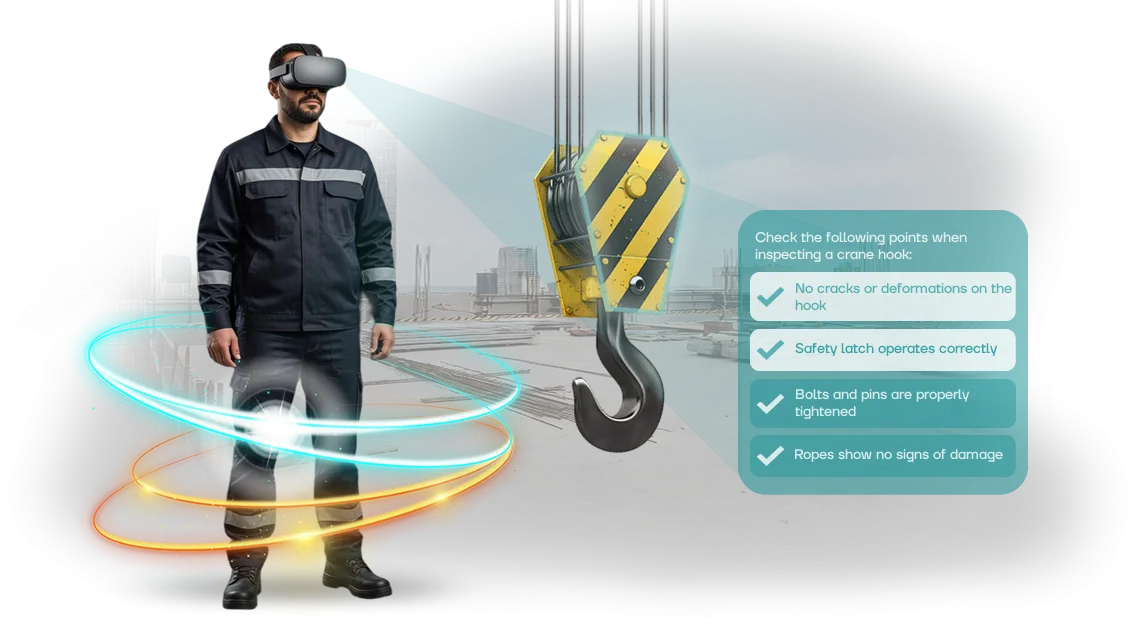
סימולטורי VR לאנרגיה גרעינית: מדוע הם חיוניים
כל מומחה בתעשייה הגרעינית יודע: המחיר של טעות כאן אינו דומה לזה שבייצור רגיל.
התקנות מתארות פעולות אך אינן מעבירות את התחושה — הלחץ, לחץ הזמן, האחריות כאשר הבטיחות של אתר שלם תלויה בהחלטה אחת.
ההכשרה המסורתית מספקת תיאוריה, אבל כישורים אמיתיים נרכשים רק עם תרגול, שפשוט אין לו מקום בתנאי סיכון גבוה.
את הפער הזה סוגרת הכשרת ה-VR. הצוות שלנו בונה סימולטורים שבהם עובדים מתרגלים תרחישי חירום כמה פעמים שצריך — ללא איום על עצמם או על הציוד.
הם עובדים עם הידיים, מקבלים החלטות בתנאים חריגים, ורואים את ההשלכות של כל צעד. זו אינה תחליף להדרכה, אלא החוליה המעשית החסרה שלה — בדיוק מה שבונה תרבות מתמשכת של התנהגות בטוחה.
עבור העסק, זה אומר ודאות: פחות תקריות, פחות זמן השבתה, שקט נפשי לצוות ולמוניטין. מנהל מקבל תמונה אובייקטיבית של מוכנות העובד — לא "השתתף בהרצאה," אלא באמת טיפל במצב חירום מדומה. גישה זו מחזירה את עצמה עם התקרית הראשונה שנמנעה.
אילו יתרונות מביאה הכשרת בטיחות ב-VR לפעילות תעשייתית
הכשרת בטיחות בעבודה ב-VR משפיעה ישירות על המדד המרכזי של החברה — הפחתת פציעות. במקום תיאוריה יבשה, העובד נכנס למצב ריאלי שבו טעות לא עולה לו בבריאות אלא מספקת משוב מיידי. כך נוצרת תרבות מתמשכת של התנהגות בטוחה, שעוברת לעבודה האמיתית.
יעילות ההכשרה גדלה באמצעות חוויה מלאה. הסימולטורים שלנו מפעילים זיכרון חזותי, שמיעתי ומוטורי — המידע נקלט בעומק גדול בהרבה מאשר בצפייה בסרטון הדרכה או בפוסטרים. הצוות לא רק שומע את הכללים — הוא חווה אותם, ולכן זוכר אותם לאורך זמן.
יתרון מיוחד הוא תרגול תגובה במצבים חריגים. לא ניתן לדמות תרחישי חירום במתקן אמיתי ללא סיכון, אך הם לעתים קרובות קובעים את התוצאה.
ה-VR מאפשר לכל עובד לעבור בבטחה פינוי, בלימת דליפה או אירועים קריטיים אחרים, ולתרגל את פעולותיו עד כדי אוטומטיות.
עבור אנרגיה גרעינית ותעשיות אחרות עם דרישות גבוהות, זה הכרחי. הכשרת הצוות הופכת לאחידה: כולם עוברים תרחישים זהים, מקבלים הערכה אובייקטיבית, ומקבלים גישה רק לאחר הוכחת מיומנות. המנהל רואה את רמת המוכנות האמיתית של כל עובד, לא רק רישום פורמלי של השלמה.
תרגילים כאלה קלים לחזרה ללא עלויות נוספות עבור חומרים מתכלים או השבתת ייצור. אותו תרחיש ניתן להריץ שוב ושוב עד שהמיומנות מתקבעת, ותוצאות ההכשרה נשמרות במערכת לניתוח ולפיקוח של מחלקת הבטיחות וההנהלה.
בסופו של דבר, הלקוח מקבל לא רק דרך מודרנית להכשיר, אלא כלי לניהול סיכונים: פחות פציעות, תגובה בטוחה של הצוות במצבים קריטיים, ועלייה כללית בבטיחות העובדים.
ההשקעה ב-VR מחזירה את עצמה באמצעות הפחתת זמן השבתה, היעדר קנסות, והגנה על מוניטין החברה.
פורמטים של סימולטורי VR לאנרגיה גרעינית
נקודת המוצא לבחירה אינה "איזה סימולטור יותר מגניב" אלא איזה פורמט עונה על מטרת ההכשרה הספציפית. הדרכה לעובד חדש, תרגול תגובת חירום, או הסמכה של צוות משמרת שלם דורשים גישות שונות.
אם מאמנים הכל עם כלי אחד, או שמשלמים יותר מדי על פונקציונליות שאינה בשימוש, או שמפספסים את עומק פיתוח המיומנויות הדרוש.
להלן השוואה בין שלושת הפורמטים העיקריים שבהם אנו משתמשים בתעשייה הגרעינית. כולם רצים על אותו ציוד מקצועי ונבדלים רק בתרחיש וברמת המעורבות.
| פורמט | למי הוא מיועד | מה הוא מספק ללקוח |
|---|---|---|
| תרחישים אינטראקטיביים | צוות תפעול, עובדי תחנת כוח גרעינית, קבלנים | תרגול שלב-אחר-שלב של אלגוריתמי פעולה, הערכת שגיאות מהירה, הפחתת סיכון גורם אנושי |
| מאמני סימולציה | מומחי שירות תחזוקה, מחלקות בטיחות קרינה | עבודה ריאלית עם ציוד וכלים, הבאת פעולות לאוטומטיות ללא סיכון לציוד |
| פתרונות מקיפים | מרכזי הכשרה, מחלקות הדרכה, שירותי בטיחות בעבודה | מערכת אחידה להכשרה שוטפת והסמכת צוות, סטטיסטיקה אוטומטית לכל עובד |
לרוב אנו משלבים פורמטים: תרחיש מופעל כהקדמה, ומודולי סימולציה משמשים להכשרה מתקדמת. כך ניתן לבנות מחזור מלא — מהדרכה ראשונית ועד לבדיקת מיומנויות לפני מתן גישה לעבודה.
חשוב שהסימולטורים יהיו מותאמים לאתר שלכם: הפריסה בפועל של המתקנים, מסלולי התנועה והתקנות של המפעל הספציפי.
ההכשרה מתבצעת בתנאים בטוחים, והעובד מוצא את עצמו במצב קרוב ככל האפשר לעבודה האמיתית. ספרו לנו איזו פעולה או נוהל צריך לתרגל — אנו נבחר את הפורמט המתאים ונראה לכם איך זה ייראה.
כיצד מפתחים סימולטור VR: מהבריף ועד ההטמעה
כל פרויקט מתחיל לא בקוד, אלא בהבנת המטרה שלכם. אנו מנתחים תקנות, הוראות עבודה וטעויות אופייניות של צוות — במיוחד כשמדובר בדרישות מחמירות של אנרגיה גרעינית.
זה מאפשר לנו לתכנן סימולטור מהיום הראשון שפותר בעיית הכשרה ספציפית ולא רק מדגים טכנולוגיה.
התהליך בנוי כך שאתם שולטים בתוצאה בכל שלב ומבינים מה קורה. להלן השלבים שכל הפרויקטים שלנו עוברים.
-
בריף וסקירת צרכים. אנו אוספים מידע: אילו תרחישים צריך לתרגל, אילו דרישות רגולטוריות יש לקחת בחשבון, מי יוכשר, ואילו מדדים חשובים. אנו לומדים את תיעוד הבטיחות בעבודה שלכם ואת מאפייני הייצור.
-
פיתוח תרחיש ומתודולוגיה. יחד עם מומחי הבטיחות שלכם, אנו מתארים מצבי הכשרה: מפעולות סטנדרטיות ועד חירום וחריגים. אנו מגדירים קריטריונים להערכת ביצועי עובדים לפני תחילת הפיתוח.
-
אישור תוכנית ואומדן עלויות. אנו מסיימים את היקף הסימולטור, השלבים, לוחות הזמנים ונוהל הקבלה. אתם מקבלים תוכנית עבודה ברורה שמתחשבת בכל הדרישות, כולל תקני התעשייה.
-
פיתוח תרחיש וירטואלי. אנו יוצרים סביבה ריאלית, מדמים התנהגות ציוד, ומדמים תגובות לפעולות המשתמש. מומחים מתרגלים מיומנויות בסביבה בטוחה שבה לטעות אין השלכות.
-
בדיקה עם המומחים שלכם. אנו מספקים גרסאות ביניים, מקבלים משוב ממדריכים ועובדים — הם בודקים עד כמה התרחישים תואמים לעבודה האמיתית. אנו מבצעים התאמות לפני הגרסה הסופית.
-
הטמעה והכשרת צוות. אנו מתקינים את התוכנה, מגדירים אותה לציוד שלכם, ומכשירים מנהלים ומדריכים. אנו מוסרים חומרי מתודולוגיה ותומכים בהשקה.
-
תמיכה ופיתוח עתידי. לאחר ההטמעה, אנו נשארים בקשר: אנו מעדכנים תרחישים כשהתקנות משתנות, מוסיפים מצבים חדשים, ועוזרים בבעיות טכניות. הסימולטור מתפתח יחד עם המטרות שלכם.
גישה זו מספקת תוצאה צפויה במסגרת הזמן המוסכם — וסימולטור שבאמת משפר את הבטיחות במתקן שלכם.
מה כלול בחבילת המסירה של סימולטור VR
בהזמנת סימולטור VR, חשוב להבין בדיוק מה נמסר ללקוח.
אנו מבנים את חבילת המסירה כך שמחלקת הבטיחות בעבודה ומרכז ההכשרה יקבלו פתרון מוכן לחלוטין — ללא מודולים "גולמיים" או צורך לרכוש משהו בנפרד. אתם מתחילים להכשיר מיד לאחר ההתקנה, לא חודשים אחר כך אחרי גימורים.
חבילת סימולטור ה-VR הסטנדרטית כוללת:
- תרחישי VR מוכנים בנושאי בטיחות בעבודה ובטיחות תעשייתית מרכזיים, מותאמים לנוהלים שלכם ולמצבים אופייניים באתר.
- אספקת ציוד והתקנה: משקפי VR, בקרים ותחנות עבודה נבדקים, מכוילים ומוכנים לשימוש.
- חומרי מתודולוגיה למדריכים: תוכניות מפגש, רשימות בדיקה לביצועי עובדים ומדריכים לניתוח שגיאות.
- חבילת תיעוד מלאה: מדריך משתמש, דרכון סימולטור, רישיונות תוכנה ואישורי הפעלה.
- התקנה והפעלה באתר שלכם: מהנדס מגיע, מתקין את המערכת, מחבר את הציוד ובודק את פעולת התרחישים.
- הכשרת צוות: למנהלים ומדריכים — כיצד להפעיל תרגילים, לנהל קבוצות ולהפיק דוחות.
- זכויות עדכון ותמיכה טכנית: לכל אורך חיי השירות, אתם מקבלים גרסאות תרחיש חדשות ותיקונים ללא עלות נוספת.
חבילה זו מבטלת את הסיכון המרכזי של הלקוח — כשמתברר לאחר המסירה שעדיין צריך "גימורים" כדי להתחיל. אתם מקבלים מערכת עובדת במפתח מלא: מהקופסה ועד למפגש הראשון שהושלם.
אם חלק מהמודולים כבר קיימים — למשל, מתודולוגיית הכשרה משלכם — אנו נתאים את החבילה לצרכים שלכם. זה מונע תשלום יתר על מה שאינו נחוץ ומאפשר לשלב את הסימולטור בתהליך הכשרת הצוות הקיים שלכם מהר יותר.
מקרה בוחן: כיצד סימולטור VR הפחית פציעות ב-40%
במפעל אחד בתעשייה הגרעינית אירעו תקריות כל חצי שנה במהלך תחזוקת ציוד. ההדרכה המסורתית לא עזרה: העובדים ראו תיאוריה על הנייר אך לא יכלו לתרגל במצב חירום אמיתי.
הלקוח פנה אלינו — הצוות שלנו — עם המשימה להכין את הצוות לפעול בנחישות וללא פאניקה.
פיתחנו סימולטור VR שמשחזר תרחישי מצב חריג אחד-לאחד. העובד נכנס לסביבה וירטואלית שבה עליו לאתר את מקור האיום, לקבל החלטה ולבצע פעולות בטוחות. טעויות אינן מובילות לפציעה, ותחקיר מתבצע מיד לאחר המפגש.
ההשפעה הייתה מדידה: תוך חצי שנה, הפציעות במפעל ירדו ב-40%. מספר ההפעלות הכוזבות של אזעקות ירד, וזמן התגובה של הצוות לאירוע ירד בשליש בממוצע.
לפי חישובי הלקוח, ההשפעה הכלכלית מהפחתת זמן ההשבתה והתשלומים כיסתה את עלות ההטמעה בתוך השנה הראשונה.
ראש מחלקת הבטיחות בעבודה ציין: "סימולטור ה-VR נתן לנו מה שפוסטרים והרצאות לא יכולים — ניסיון אמיתי בתנאים בטוחים. אנשים זוכרים נוהלים ברמת זיכרון שרירי, והפציעות ירדו ב-40%. עבור התעשייה הגרעינית, זה מדד קריטי."
כיום סימולטור זה נמצא בשימוש בכל מרכזי ההכשרה במפעל, והצוות שלנו ממשיך לתמוך בפרויקט ולעדכן תרחישים כדי לעמוד בדרישות חדשות. עבור הלקוח, זה אומר שהמערכת אינה מתיישנת וממשיכה להגן על העובדים.
מה אם יש לכם דרישות תרחיש ספציפיות?
כן, זו משימה אופיינית. לכל מפעל יש נוהלים, ציוד ורצפי פעולה משלו, ותבנית מוכנה ממדף רק לעתים רחוקות מתאימה ב-100%. לכן איננו "מוכרים כמות שהם" תרחישי סימולטור VR אלא מתאימים אותם לדרישות האישיות של הלקוח.
באנרגיה גרעינית זה חשוב במיוחד: דיוק בביצוע נוהלים, תנאי גישה מיוחדים ותרבות בטיחות מחמירה הם קריטיים.
אנו מנתחים את ההוראות הנוכחיות שלכם, לומדים את מאפייני הייצור שלכם, והופכים אותם לתרחיש שבו העובד עובד עם עותק וירטואלי של הציוד האמיתי שלכם — לא מודל ממוצע מקטלוג.
התאמת התרחיש מתחילה בבריף ובפגישה עם הטכנולוגים ומומחי הבטיחות בעבודה שלכם. משם, אנו בונים את מבנה ההכשרה: מנקודת הכניסה לאזור ועד למצבי החירום המוגדרים בנוהלים שלכם.
בכל שלב, אתם מאשרים את הפרטים, כך שהתוצאה עומדת גם בסטנדרטים פנימיים וגם בדרישות הפיקוח הרגולטורי.
התאמת הסימולטור לתנאים מיוחדים אינה מסתיימת בהשקה. אם הוראות או ציוד משתנים, אנו מתאימים את התרחיש — כך שההכשרה תמיד נשארת רלוונטית לייצור שלכם.
בסופו של דבר, אתם מקבלים לא תוכנה מופשטת, אלא כלי שמטפל בסיכונים הספציפיים שלכם ובודק בדיוק את המיומנויות שחשובות באתר שלכם.
שלחו לנו תיאור של המשימה שלכם — נראה לכם כיצד אנו מתאימים את הסימולטור לנוהלים ולציוד שלכם.
שאלות נפוצות על סימולטורי VR לבטיחות בעבודה
לקוחות בתעשייה הגרעינית לעתים קרובות דוחים אימוץ סימולטורי VR בשל שאלות על לוחות זמנים, ציוד ואחריות. הנה תשובות לשאלות שאנו שומעים לרוב.
כמה זמן אורך תהליך ההטמעה?
לוח הזמנים הסטנדרטי הוא שבועיים עד ארבעה שבועות מחתימת החוזה. במהלך תקופה זו, אנו מתאימים תרחישים לנוהלים שלכם, טוענים הוראות ומבצעים מפגש הכשרת ניסיון. תרחישים סטנדרטיים (בטיחות חשמל, עבודה בגובה) ניתנים להפעלה תוך שבוע עד שבועיים.
מה קורה אם הציוד מתקלקל?
אנו מספקים משקפי VR מקצועיים עמידים עם מארזים מחוזקים. האחריות היא 12 חודשים, ולאורך כל חיי השירות אנו מספקים אבחון מרחוק והחלפה מהירה של כל יחידה פגומה. אנו מטפלים בחומרה — אתם לא צריכים לדאוג לפרטים.
האם ניתן להשתמש בציוד שלנו?
כן, ברוב המקרים משקפיים שכבר בבעלות החברה שלכם יעבדו. לפני שאנו מתחילים, אנו בודקים תאימות ומציעים את האפשרות הטובה ביותר: השכרה, רכישה נוספת, או חבילה מורכבת לפי התקציב שלכם. אם אין לכם ציוד — נכין ערכה מוכנה למשימות שלכם.
כיצד מתנהלות תמיכה ועדכונים?
התמיכה פועלת בשעות העבודה, עם זמן תגובה ממוצע של שעתיים. אנו עוזרים בהתקנה, מכשירים את המדריכים שלכם ותומכים בהשקות ראשונות. אנו גם עוקבים אחר שינויים בתקנות ומעדכנים תוכניות — המנוי השנתי כולל עדכונים מתוזמנים.
הזמינו סימולטור VR לבטיחות בעבודה למפעל שלכם
אינכם צריכים להיות מומחים טכניים כדי להזמין סימולטור VR לבטיחות בעבודה. פשוט תארו את המשימה שלכם — אנו נטפל בכל השאר: תרחישים, פיתוח, ציוד והשקה.
אנו עובדים עם מפעלי אנרגיה גרעינית, ולכן אנו מבינים את דרישות התעשייה ואת המאפיינים של הכשרת צוות.
שלחו פנייה — תוך יום עסקים אחד נכין אומדן עלויות והצעה מסחרית. בייעוץ הראשון נזהה את התרחישים הנדרשים, היקף הציוד וכיצד לשלב את ההכשרה במערכת הלמידה הנוכחית שלכם.
מה אתם מקבלים כשאתם פונים אלינו:
- אומדן מותאם למשימה שלכם: אנו מתחשבים במספר תחנות העבודה, התרחישים ולוחות הזמנים של ההטמעה.
- התחלה מהירה: אנו מסיימים את הבריף ומסכמים על תוכנית העבודה בפגישה הראשונה.
- קבלן יחיד: מהרעיון ועד ההשקה, כולל הכשרת המדריכים שלכם.
- התאמה לדרישות התעשייה: ההכשרה מתיישרת עם תקני בטיחות בעבודה ותקני התעשייה הגרעינית.
- תוצאה מובטחת: אנו בודקים את הסימולטור עם העובדים שלכם ומשכללים אותו לרמה הנדרשת.
- תמיכה לאחר המסירה: אנו מעדכנים תרחישים ומסייעים בתפעול.
כדי לקבל אומדן, שלחו פנייה עם ההערה "סימולטור VR לבטיחות בעבודה." תוך יום עסקים אחד, ניצור קשר, נענה על שאלותיכם ונשלח הצעה מסחרית.
אנו מתחילים עם בריף קצר: אתם עונים על 5-7 שאלות על הייצור והעובדים שלכם — משם, אנו מציעים את הפתרון בעצמנו.