

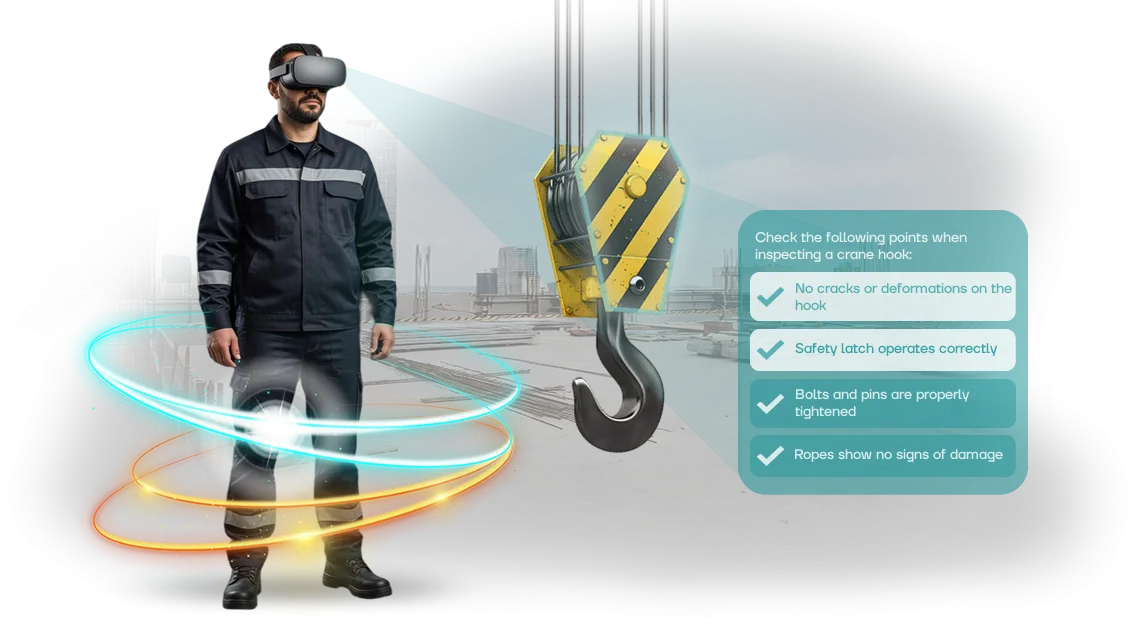
פציעות בתעשיית הבשר: כיצד אימון VR מפחית סיכונים
תעשיית הבשר היא אחד הענפים המועדים ביותר לפציעות. מפרקי בשר, חותכים ומפעילי קו עובדים מדי יום עם כלים חדים, על רצפות חלקות ותחת לחץ לעמוד במכסות ייצור.
שילוב גורמים זה שומר על שיעורי פציעות גבוהים — והסיבה העיקרית אינה הפרת חוקים אלא היעדר מיומנות עבודה בטוחה ועמידה.
תדריכי בטיחות מסורתיים אינם בונים מיומנות זו. הרצאה או סרטון מציגים את דרישות הבטיחות התעסוקתית אך אינם בוחנים את תגובת האדם במצב חירום.
לאחר שבוע, הידע דוהה, ועובד נכנס לרצפת הייצור מבלי לדעת כיצד לסובב סכין נכון או היכן לעצור מסוע בתאונה. זהו בדיוק מקור הסיכון.
אימון VR פותר בעיה זו. הסימולטור מטביע את העובד בסדנה מציאותית שבה הוא חוזר על פעולותיו בפועל תוך קבלת משוב מיידי על כל פעולה מסוכנת.
טעויות מתורגלות ללא השלכות בריאותיות, והתנועות הנכונות נזכרות ברמת זיכרון שרירי. לאחר מספר מפגשים, אדם פועל נכון ללא הנחיות — זו בטיחות שנשארת איתו בעבודה.
אנו יוצרים סימולטורי VR לתעשיית הבשר על בסיס תרחישי פציעה אופייניים והמאפיינים הספציפיים של כל מפעל.
זה מאפשר לנו להפחית סיכוני ייצור בצורה צפויה וניתנת למדידה: פחות תקריות, פחות השבתות ועומס רגוע יותר עבור מחלקת הבטיחות התעסוקתית. ספרו לנו על האתגרים שלכם — נראה כיצד אימון VR משתלב במערכת תדריכי הבטיחות שלכם.
מה מקבלים מהטמעת סימולטורי VR לבטיחות תעסוקתית
כשמדובר בבטיחות בתעשיית הבשר, מחיר הטעות הוא בריאות העובדים ומוניטין המפעל. הצוות שלנו מפתח סימולטורי VR שהופכים את ההכשרה לבטיחות תעסוקתית מפורמליות לתרגול מיומנות אמיתי. ההטמעה מספקת תוצאות מדידות שתוכלו לראות מיד לאחר ההשקה.
מה מקבלים:
- זמן הכשרה מופחת. העובדים שולטים בחומר פי כמה מהר יותר כי תרחיש ה-VR שומר על תשומת לב ומבטל הסחות דעת. זה מפחית השבתות ומביא את הצוות לקו מוקדם יותר.
- מעורבות מוגברת. במקום הרצאות ותדריכים, העובדים מתמודדים עם מצבים מציאותיים שנשארים בזיכרון. העובדים משלימים את ההכשרה בעניין ולכן סופגים את כללי העבודה הבטוחה ביעילות רבה יותר.
- מוכנות לחירום. תרגול של תאונות, שריפות, דליפות ותקלות בסביבה בטוחה. העובד מתאמן לפעול אוטומטית, ללא פאניקה — ובמצב חירום אמיתי מגיב נכון.
- הערכת עובדים אובייקטיבית. המערכת מתעדת כל פעולה ומספקת דוח של טעויות אופייניות. ניתן לראות אילו עובדים מוכנים למשמרת עצמאית ומי זקוק להכשרה נוספת.
- הכשרה מתוקננת. כל העובדים עוברים את אותו תרחיש, מה שמסיר את "הגורם האנושי" של המדריך. התוצאה אינה תלויה בניסיון המורה או בפורמט המפגש.
- השקה מהירה ותמיכה. אנו בוחרים תרחישים מוכנים או מפתחים מותאמים אישית לייצור שלכם, מאמנים את המדריכים שלכם ותומכים בפרויקט לאחר ההשקה.
כל זה רץ על ציוד מקצועי ונבדק במפעלי תעשיית מזון. צרו קשר — נראה הדגמה על התרחיש שלכם ונחשב את ההשפעה עבור הסדנה שלכם.
פורמטים של סימולטור VR לתעשיית הבשר והיתרונות שלהם
בתעשיית הבשר, טעות על רצפת הייצור משמעותה פציעה, השבתה ועלות החלפת צוות. תדריכים מסורתיים אינם מכינים את העובדים לסיכונים אמיתיים, ולכן סימולטורי VR צוברים פופולריות. ריכזנו את הפורמטים העיקריים לעיבוד בשר.
להלן טבלת השוואה של הפורמטים. בחרו את שלכם או הזמינו שילוב.
| פורמט סימולטור VR | קהל יעד | מה זה נותן ללקוח |
|---|---|---|
| סימולציית הפעלת ציוד | מפעילי קו | תרגול בטוח של טכניקות ללא עצירת ייצור |
| פעולות תגובה לחירום | כל הצוות | תגובה אוטומטית לשריפה, דליפות אמוניה ועשן |
| בטיחות חשמל | חשמלאים, צוות תחזוקה | פעולות נכונות במקרי התחשמלות, פחות פציעות |
כל פורמט בנוי על תרחישים אמיתיים ונותן להנהלה דוח על פעולות כל עובד. זה עוזר לזהות נקודות חולשה ולספק הכשרת המשך ממוקדת. התרחישים מותאמים לציוד הספציפי ולתהליכי הייצור של המפעל.
העובדים מתאמנים בזמן נוח, והמנהלים רואים סטטיסטיקה מלאה: מי עבר והיכן נעשתה טעות. ציוד מקצועי ותרחישים מכווננים היטב מבטיחים תוצאות עקביות.
איך לבחור פורמט
אם המטרה שלכם היא להפחית פציעות על הקווים, התחילו עם סימולטור ציוד. כשמוכנות לחירום חשובה יותר, הוסיפו תרחישי תגובה. הצוות שלנו יעזור לכם לבנות חבילה מותאמת ליעדים שלכם.
איך אנו מפתחים סימולטור VR: 7 שלבים בשליטתכם
פיתוח סימולטור VR הוא תהליך שאתם שולטים בו בכל שלב. מבננו אותו כך שבכל רגע אתם יודעים מה קורה, אילו החלטות מתקבלות ומה תקבלו בסופו של דבר. אין שלבים סגורים — רק צעדים ברורים עם נקודות אישור.
- בריף והתעמקות במאפיינים שלכם. אתם מספרים לנו על הייצור שלכם, הסיכונים האופייניים והצוות. אנו אוספים דרישות כך שהסימולטור יתייחס בדיוק לצרכים שלכם ולא יהיה סימולטור "לקריצה".
- תוכנית והערכת עלות. אנו מגדירים היקף עבודה, לוחות זמנים, תפקידים ונקודות בקרה. אתם מאשרים את התוכנית ומבינים על מה אתם משלמים ומתי תראו את התוצאה.
- פיתוח תרחיש ולוגיקה. אנו מתכננים מצבים קרובים לסדנאות שלכם: פעולות, טעויות, השלכות. התרחיש מאושר לפני תחילת הייצור — שינויים בשלב זה עולים כמעט כלום.
- הרכבה ויצירת סביבה וירטואלית. אנו מטביעים את העובד בסדנה או אזור מציאותי שבו ניתן לתרגל פעולות מסוכנות ללא סיכון, תוך מתן תוצאה ברורה של החלטותיו.
- בדיקות ואישור. אתם בודקים את הסימולטור על תרחישים אמיתיים ומבצעים שינויים. אנו מספקים את העבודה לפי קריטריונים מוסכמים מראש — אתם רואים את ההתאמה ורק אז מאשרים מוכנות.
- הטמעה והכשרה. אנו מחברים את הציוד, מגדירים אותו לאתר שלכם ומספקים הנחיות בטיחות לצוות. ההשקה ללוח העבודה מתרחשת ללא עצירת ייצור.
- תמיכה ושיפורים לאחר ההשקה. אנו מעדכנים תרחישים, מספקים ייעוץ ומוסיפים מצבים חדשים ככל שהרגולציה משתנה. הסימולטור נשאר רלוונטי במקום להפוך לפריט מוצג לאחר ההשקה הראשונית.
מה כלול בחבילת אספקת פתרון הבטיחות ב-VR
חבילת האספקה אינה "קופסת חומרה" אלא תחנת הכשרה מוכנה לשימוש עבור העובדים שלכם. אתם מקבלים כל מה שצריך כדי להקים במהירות אזור אימון VR ולהתחיל תרגילי בטיחות תעסוקתית בתעשיית הבשר. להלן היקף האספקה המלא.
- ציוד VR — משקפי מציאות מדומה ובקרים מקצועיים המותאמים לשימוש אינטנסיבי בסדנה. הכל מוגדר מראש ומאומת עבור תרחישי ההכשרה שלכם.
- תוכנה ברישיון — פלטפורמת ניהול הלמידה שעליה פועלת כל המערכת. אתם מקבלים גישה חוקית לכל התכונות והעדכונים.
- ספריית סימולטורי VR לסיכונים מרכזיים בתעשיית הבשר — מקרים לעבודה עם סכיני ניתוח, ציוד השחזה, ריאגנטים כימיים, שהייה בחדרי קירור ופינוי חירום. התרחישים מותאמים לתקנות הפנימיות שלכם.
- חומרים מתודולוגיים למדריכים — מערכי שיעור מוכנים, רשימות בדיקה להערכת מיומנויות ותבניות לתיעוד תוצאות. מדריכים לא צריכים להתכונן מאפס: פותחים את החומרים ומעבירים את השיעור.
- לוח מחוונים למנהל בטיחות תעסוקתית — פאנל שמראה מי סיים הכשרה, אילו טעויות נעשו וכמה ניסיונות נדרשו. דיווח אוטומטי לביקורות פנימיות ולרגולטורים.
- הוראות התקנה והפעלה — מדריכים מפורטים, ומהנדס חברה מגדיר מרחוק את התוכנה ומאמן את המנהלים שלכם לעבוד עם המערכת.
- תמיכה ועדכונים לשנה — תרחישים חדשים, תיקונים ותמיכה טכנית לפי דרישה. אתם לא צריכים להתמודד עם דקויות VR — הכל נשמר מעודכן.
אתם מקבלים פתרון משולב שניתן להטמיע ללא מחלקת IT נפרדת. החבילה מכסה גם את החלק הטכני וגם את החלק המתודולוגי של ההכשרה — כל שנותר הוא להקצות קבוצת עובדים ולהתחיל במפגשים.
מקרה בוחן: כיצד הלקוח שלנו הפחית פציעות ב-40% עם VR
במפעלי עיבוד בשר, אחד מפריטי העלות הגדולים ביותר הוא פציעות וההשבתות הנלוות. העובדים עובדים עם ציוד חיתוך ומכונות נעות בתנאי לחות גבוהה — כל טעות עלולה להוביל לפציעה חמורה. תדריכי בטיחות רגילים מתבצעים באופן פורמלי, ומיומנויות עבודה בטוחה דוהות במהירות.
כשמפעל עיבוד בשר עם 1,200 עובדים, "מסורת בשרית", פנה אלינו, הצענו להחליף חלק מההכשרה המסורתית בסימולטורי VR.
בסביבה וירטואלית בטוחה, העובדים מתרגלים תגובה לחירום, לומדים להשתמש בציוד נכון ולפעול לפי תקנות התהליך. הסימולטורים משכפלים סדנאות ותרחישים אמיתיים, כך שהמיומנויות מועברות ישירות לעבודה.
תוך 6 חודשים, המפעל רשם ירידה של 40% בתאונות. זה אומר לא רק בריאות שמורה לאנשים אלא גם חיסכון בפיצויים, השבתות מופחתות ותחלופת עובדים נמוכה יותר. כל 1,200 העובדים — ממפעילים ועד מכונאים — השלימו את ההכשרה.
כל מפגש אורך לא יותר מ-30 דקות וניתן לקיים אותו ישירות במפעל מבלי להרחיק עובדים מהמשמרות שלהם.
מקרה זה הוא דוגמה ברורה לאיך גישה מודרנית להכשרה מספקת תוצאות מדידות. הלקוח השתכנע ביעילות גישת ה-VR והרחיב את התוכנית לכל האתרים שלו.
אם אתם רוצים לראות איך אימון VR עובד במפעל שלכם, צרו קשר — נראה הדגמה על התרחיש שלכם.
שאלות נפוצות על סימולטורי VR והטמעתם
מנהלי ייצור בתעשיית הבשר מהססים לעתים קרובות: האם אימון VR לבטיחות תעסוקתית יהיה יעיל, האם הוא יכריח אותם לסגור סדנאות, והאם ההשקעה תשתלם?
בואו נסקור את השאלות הנפוצות ביותר — זה יקל עליכם להעריך אם פורמט זה מתאים למפעל שלכם. כבר הטמענו סימולטורים בענפים שונים ואנו יודעים אילו פרטים חשובים לשלכם.
האם קשה להטמיע סימולטור VR, והאם זה ידרוש עצירת ייצור?
לא. אנו מחברים את הסימולטורים בפעולה רגילה: העובדים מתאמנים בחדר ייעודי או בתחנת העבודה שלהם מבלי לעצור את הקווים. התהליך אורך לא יותר זמן מתדריך רגיל, והתוצאות נרשמות מיד במערכת.
כמה עולה הפיתוח, והאם זה יהיה יקר יותר מהכשרה מסורתית?
העלות תלויה במספר התרחישים ובמורכבות המצבים המדומים.
במקביל, אימון VR מפחית הוצאות על תדריכים חוזרים וארגון תרגול, ומוריד את הסיכון לפציעות — כך שההשקעה מוחזרת דרך השבתות מופחתות ופחות תביעות ביטוח.
איך אתם מתאימים את הסימולטור לתקנות הענף ולתקני הבטיחות שלנו?
אנו משתמשים בהוראות הבטיחות התעסוקתית והבטיחות התעשייתית העדכניות שלכם כבסיס. אנו מתאמים תרחישים עם מומחי הבטיחות שלכם ומוסיפים מצבים אמיתיים מהייצור שלכם — מעבודה עם כלי יד ועד פעולות במהלך דליפת מי מלח או תקלת ציוד.
אם עדיין יש לכם שאלות, צרו קשר. נסביר כיצד ניתן לשלב אימון VR במערכת הכשרת הצוות שלכם ואילו תוצאות תוכלו לצפות בחודש הראשון. נציע תרחיש הדגמה לענף שלכם, נראה לכם איך נראית הכשרת עובדים ונכין הערכת עלות לתקציב שלכם.הזמינו פיתוח סימולטור VR וקבלו בטיחות
שלחו בקשת ייעוץ, ונערוך ביקורת ראשונית של מערכת ההכשרה הנוכחית שלכם לבטיחות תעסוקתית.
נזהה פערים בידע של העובדים, נקבע אילו תרחישים דורשים תרגול ראשון ונראה כיצד סימולטור VR משתלב בתהליכים קיימים מבלי לעצור ייצור.
כשאתם מזמינים פיתוח סימולטור VR, אתם מקבלים:
- ביקורת של מערכת ההכשרה שלכם — נזהה נקודות חולשה ונציע פתרון מותאם ליעדים שלכם.
- תרחיש מותאם אישית — אנו מתכננים מצבי ייצור אמיתיים, לא כיתת הכשרה מופשטת.
- הערכת עלות שקופה — אנו מסכימים על לוחות זמנים, היקף ועלות לפני תחילת העבודה, ללא עמלות נסתרות.
- פיתוח מקצועי — אנו משתמשים בציוד מוכח וכלים משוכללים כדי להבטיח תוצאות יציבות.
- השקה והכשרת מדריכים — אנו מטמיעים את הסימולטור, מכינים את הצוות שלכם ומספקים תמיכה לאחר ההשקה.
- תמיכה ועדכונים — אנו משכללים תוכן כשהרגולציה משתנה או כשצצים סיכונים חדשים.
גישה זו כבר עוזרת לחברות להפחית את מספר ההפרות ולהוריד את הסיכון לפציעות. אתם מקבלים לא רק תוכנית אלא כלי שמשתלם על ידי הפחתת קנסות, השבתות ואובדן כוח אדם מיומן.
מלאו את הטופס באתר או התקשרו אלינו — בואו ניקח את הצעד הראשון לייצור בטוח יחד. נחשב את הפרויקט תוך שני ימי עסקים ונענה על כל שאלה.
איך לבחור את סימולטור ה-VR המתאים לצרכים שלכם?
בחירת סימולטור VR מתחילה לא בחידוש הציוד אלא במשימת הייצור שלכם. בתעשיית הבשר, הסיכונים העיקריים הם עבודה עם כלי חיתוך, מכונות נעות, משטחים חלקים והצורך לעמוד בדרישות סניטריות.
לכן, ראשית העריכו עד כמה התרחיש הווירטואלי משכפל את הסדנאות שלכם: קו החיתוך, חדרי הקירור, אזור האריזה או הובלת המוצר.
הקריטריון הראשון הוא המאפיינים הספציפיים של הייצור. התרחיש צריך להיות קרוב ככל האפשר למה שהעובד עושה כל יום.
אם הסימולטור משקף פריסות אמיתיות, סוגי ציוד ומצבי חירום שמתרחשים בפועל במפעל שלכם, ההכשרה מספקת תוצאה מעשית ולא רק היכרות עם כללים כלליים.
בדקו האם ניתן להתאים תרחישים מוכנים לאתר שלכם — או שתצטרכו לפתח מאפס.
הקריטריון השני הוא מספר העובדים ותחלופת הצוות. כשצריך להכשיר מאות אנשים בזמן קצר, פורמטים ניידים נוחים יותר: הם לא דורשים חדר נפרד ועובדים ישירות באזור מנוחת הצוות.
אם מתאמנים קבוצות קטנות ולוח הזמנים מאפשר פינה קבועה, אזור נייח עם התעמקות עמוקה יותר מתאים. חשוב שהאפשרות שנבחרה תשתלב בקלות בלוח המשמרות ולא תעצור ייצור.
הקריטריון השלישי הוא בקרה ודיווח. מנהל רואה לא רק את עובדת הסיום אלא את הפרטים: אילו טעויות חוזרות, באיזה שלב העובד מתקשה והיכן נדרש תרגול נוסף.
סימולטור VR טוב אוסף נתונים אלה אוטומטית ומראה את הדינמיקה של כל הקבוצה, מה שמפשט החלטות על אישורים והכשרה חוזרת.
אנו עוזרים לכם לבחור פורמט שמתאים למאפיינים ולמצבת כוח האדם שלכם: אנו מבקרים במפעל, לומדים דרישות בטיחות תעסוקתית, מספרי משמרות ולוחות זמנים, ואז מציעים פתרון — מתרגילי היכרות קצרים ועד תוכנית מלאה עם בדיקות ידע שלב אחר שלב.
בסופו של דבר, אתם מקבלים הכשרה שמפחיתה פציעות ומגנה על עובדים בתנאי ייצור בשר אמיתיים.