

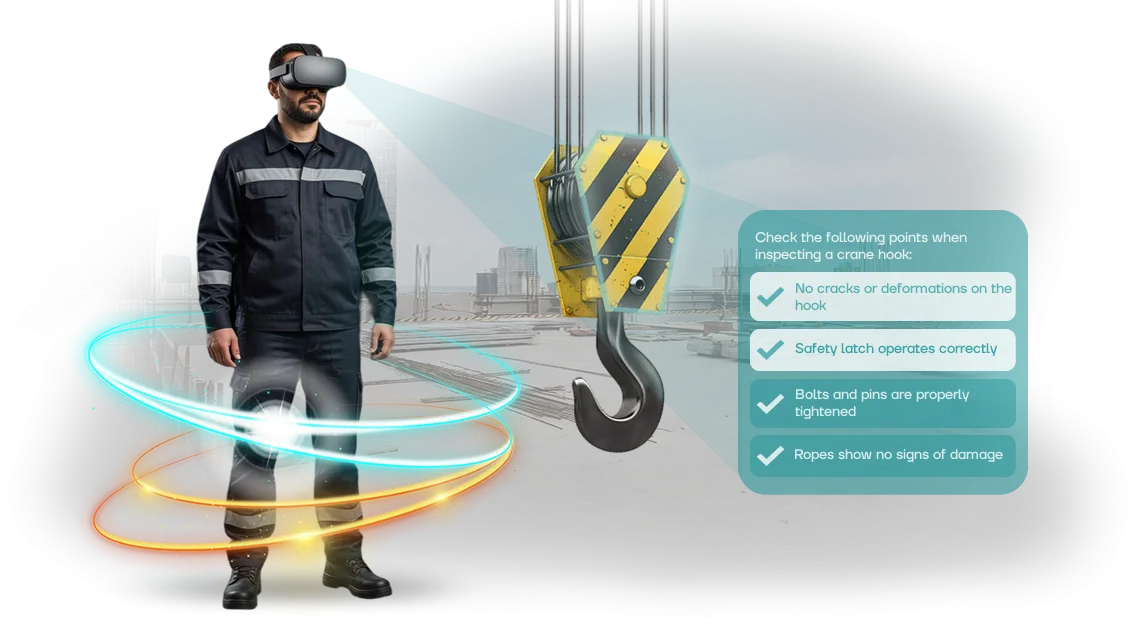
תאונות מסוכנות בזיקוק נפט עולות ביוקר
תאונה בבית זיקוק לנפט אינה רק סטטיסטיקה. מאחורי כל אירוע עומדים השבתת ציוד יקר, נזק סביבתי, פציעות עובדים ועלויות עצומות.
השורש של רוב התקריות הללו הוא הגורם האנושי: רצף פעולות שגוי, היסוס במצב חירום, והרגל לפעול "על אוטומט" ללא הבנת ההשלכות.
הכשרה מסורתית לבטיחות בעבודה בזיקוק נפט מספקת תיאוריה אך לא ניסיון. תדריכים, פוסטרים ומבחנים בודקים ידע בחוקים, לא את היכולת לפעול במהלך ירידת לחץ, שריפה, או כשהפרמטרים חורגים מערכים קריטיים. כשהסיכון גבוה מדי לתרגל תרחיש במציאות, ההכשרה נשארת שטחית.
עבור עסקים, זה אומר איום מתמיד. הכשרת עובדים לא מספקת מובילה במוקדם או במאוחר לפעולה שגויה או חוסר מעש שגורמים להשבתה, חקירות, עלויות משפטיות ונזק למוניטין.
תחת רגולציה מחמירה ופיקוח של רשויות הפיקוח, הבטיחות הופכת לתנאי מפתח לפעילות בת-קיימא של המיזם.
בדיוק כאן עוזרת הכשרת VR. סימולטורים של מציאות מדומה מאפשרים לעובדי זיקוק הנפט לחוות מצבי חירום ללא סיכון לחיים או לציוד—בכל זמן וללא עצירת הייצור.
זהו תרגול שבונה מיומנויות עבודה בטוחות לאורך זמן: אדם לא רק יודע את ההוראות אלא יכול ליישם אותן בסביבה מלחיצה.
הטמעת סימולטורי VR משנה את הגישה לבטיחות תעשייתית במיזם. הבטיחות התעסוקתית מפסיקה להיות פורמליות והופכת למערכת הכשרה מנוהלת שבה כל עובד עובר תרחישים המשקפים סיכוני זיקוק נפט אמיתיים. זה מפחית את הסבירות לתאונות והופך את ההכשרה למדידה וניתנת לשליטה.
מה הכשרת VR לבטיחות תעסוקתית יכולה להביא למיזם שלך
בטיחות תעשייתית במפעלי זיקוק נפט היא עניין של חיי עובדים ובריאותם, כמו גם של מוניטין עסקי ויציבות פיננסית. טעות אחת של צוות יכולה להוביל לתאונה חמורה, השבתות ממושכות ועלויות גבוהות.
תדרוכים מסורתיים לרוב לא מצליחים לספק את רמת ההכנה הנדרשת: קשה לגבש תיאוריה לפרקטיקה, ותרגול פעולות אמיתיות בסביבה מסוכנת הוא בלתי אפשרי.
הכשרת VR משנה את הגישה: העובד נכנס לעותק וירטואלי של אתר הייצור ולומד לפעול במצבים קיצוניים מבלי לסכן את עצמו או את הציוד. פורמט זה כבר הוכיח את עצמו בחברות שאכפת להן מבטיחות העובדים. הנה היתרונות המרכזיים שתקבל בעת יישומו.
הפחתת שיעורי הפציעות
סימולטור וירטואלי מאפשר לעובדים לתרגל את כל תרחישי החירום—מדליפות ועד שריפות—בסביבה בטוחה. עובד מתאמן עד לכדי אוטומטיות, כך שבמצב אמיתי הוא פועל ברוגע ובצורה נכונה.
כתוצאה מכך, המיזם משיג הפחתה משמעותית במספר התאונות והתקריות.
חיסכון בתדרוכים
ארגון נסיעות בקנה מידה גדול למגרשי אימונים או בדיקות ידע על ציוד אמיתי הוא יקר וגוזל זמן. סימולטורי VR מחליפים עלויות אלה: מספיקים כמה ערכות ציוד, וההכשרה מתבצעת ישירות בשטחי המיזם.
אתה חוסך בחומרים מתכלים, השכרת מתקנים וזמן מדריך, תוך כיסוי של יותר עובדים בפרק זמן קצר.
יעילות ההכשרה
חומר בסביבה וירטואלית נקלט בסדר גודל טוב יותר מאשר קריאת הוראות. העובד לא רק מקשיב—הוא מקבל החלטות בעצמו ורואה את ההשלכות.
הניסיון מראה שמיומנויות כאלה נשמרות לאורך זמן, כלומר הצוות תמיד מוכן לפעול נכון. זה משפיע ישירות על בטיחות הצוות ומגן על המיזם מפני הגורם האנושי.
מעורבות הצוות
הפורמט דמוי המשחק והחזות הריאליסטית מייצרים עניין אמיתי גם בקרב עובדים מנוסים. אנשים משלימים את ההכשרה ברצון, לא תופסים אותה כשגרה, ומתנגדים פחות לשינויים.
מעורבות גבוהה יותר משמעותה לא רק תוצאות טובות יותר אלא גם יחס חיובי לנושאי בטיחות תעסוקתית בצוות.
הטמעת סימולטורי VR היא השקעה בבטיחות שמחזירה את עצמה באמצעות הפחתת סיכונים והגברת יעילות הצוות. אנו עוזרים למפעלי זיקוק נפט להטמיע מערכות כאלה המותאמות למאפייני פעילותם, כך שתקבל תוצאות מדידות בתוך החודשים הקרובים.
פורמטים של סימולטורי VR לזיקוק נפט
סימולטורי VR לזיקוק נפט אינם תרחיש אחד אלא שורת פתרונות למשימות שונות. בבית זיקוק לנפט יש צפיפות גבוהה של סיכונים: טיפול בחומרים דליקים, ציוד מורכב ורגולציה מחמירה.
במקביל, היקף ההכשרה שונה: חלקם זקוקים לתדרוכי חובה לכל הצוות, אחרים זקוקים להכנה מעמיקה למצבי חירום נדירים.
אנו מפתחים סימולטורי VR במספר פורמטים כך שלא תשלם יותר מדי על מה שאינך צריך ותקבל בדיוק את רמת הפירוט שפותר את המשימה שלך.
ללא קשר לפורמט, ההכשרה מתבצעת על ציוד VR מקצועי—זה מבטיח טבילה יציבה ותמונה חדה. התרחישים בנויים על הרגולציות שלך, והתוצאות נשמרות במערכת דיווח כך שתוכל לראות את ההתקדמות של כל עובד.
| פורמט סימולטור VR | קהל יעד | מה זה נותן ללקוח |
|---|---|---|
| קורס הכשרה המוני | כל עובדי הסדנה, צוותי משמרות | השלמה מהירה של תדרוכי חובה, תקן פעולות אחיד, חיסכון בזמן מדריך |
| תרחיש אישי עם הערכה | מפעילי יחידות, מומחי בטיחות | בדיקת מיומנויות מפורטת, הערכה אובייקטיבית של שגיאות, תרגול חוזר של קטעים קשים |
| תרגול מצבי חירום נדירים | מנהלי משמרות, מחלצי גז, צוותי תחזוקה | תגובת חירום ללא סיכון לאנשים או לציוד, ביטחון הצוות במצבים חריגים |
גישה זו מאפשרת לך לכסות גם הכשרה המונית וגם תרחישים אישיים בתוך פלטפורמה אחת. אנו נעזור לך לבחור פורמט למשימה שלך—מקבוצת פיילוט ועד כיסוי מלא של כל המחלקות—ולהתאים תרחישים לתהליכי העבודה האמיתיים של המיזם שלך.
כיצד אנו מפתחים סימולטור VR למשימה שלך
אתה מקבל לא מוצר VR מופשט אלא סימולטור שמשתלב בתוכנית ההכשרה שלך ובאמת מפחית סיכוני ייצור.
זו הסיבה שתהליך הפיתוח בנוי כשיתוף פעולה: אנו צוללים לתוך הרגולציות שלך, מקשיבים לניסיון של המדריכים שלך, ורק אז עוברים לטכנולוגיה.
- בריף וסקירת משימה. אנו אוספים דרישות: אילו תרחישים העובדים צריכים לתרגל, אילו תקריות מתרחשות לרוב, ואילו רגולציות חלות במתקנים שלך. אתה מספק תיעוד, אנו שואלים שאלות הבהרה—שום דבר לא נשכח.
- סקירת תרחיש ומתודולוגיה. כותבי התסריט שלנו, יחד עם מומחי הבטיחות שלך, הופכים הוראות למצבי הכשרה: "מה לעשות כשנשפך מוצר נפט," "איך לפעול במהלך כיבוי חירום של יחידה." כל שלב נבדק מול תקנים אמיתיים.
- אישור קונספט. לפני תחילת הפיתוח, אתה רואה את המבנה של הסימולטור העתידי: תיאורי תרחישים, מערכת הערכת פעולות וקריטריוני השלמה. אתה עורך שינויים על הנייר—זה מהיר וזול יותר מאשר לתקן תוכנה מוגמרת.
- פיתוח והדגמות ביניים. אנו יוצרים אתר וירטואלי, מדמים את הציוד שלך ומדמים את תהליכי העבודה שלך. כל כמה שלבים, אנו מציגים תוצאה ביניים—אתה שולט שהכל עומד בציפיות ומתקן פרטים.
- בדיקות עם המדריכים שלך. קבוצת פיילוט של עובדים מתאמנת על הסימולטור. אנו אוספים את המשוב שלהם, מנתחים תוצאות ומשפרים: קושי המשימות, רמזים וריאליזם התרחיש.
- שילוב בתהליך ההכשרה. אנו אורזים את הסימולטור כך שיהיה קל להפעלה על המחשבים או ציוד ה-VR שלך. אנו מאמנים מנהלים, מספקים הוראות ועוזרים לך לשלב את הסימולטור בלוח השיעורים.
- תמיכה ועדכונים. לאחר ההשקה, אנו נשארים בקשר: אנו מעדכנים תרחישים בהתאם לרגולציות חדשות, מוסיפים מצבים אם הציוד משתנה, ותמיד מוכנים לעזור בבעיות טכניות.
הודות לתהליך זה, אתה מבין על מה אתה משלם בכל שלב ומקבל סימולטור שבאמת משקף את המאפיינים של המיזם שלך—לא הרצאה מופשטת במשקפת.
מה כלול בחבילת אספקת סימולטור ה-VR
כשאתה רוכש סימולטור VR, אתה מקבל לא "קופסת חומרה" אלא פתרון מוכן להכשרת עובדים.
חבילת האספקה מורכבת כך שתוכל להפעיל תוכניות עבודה בתוך השבועות הראשונים—ללא בחירת ציוד, חיפוש מפתחים או יצירת חומרים מאפס.
- ציוד להכשרת VR. משקפות, בקרים ותחנות מחשוב מגיעות במארז מגן, נבדקות ומוכנות לשימוש באתרי ייצור זיקוק נפט.
- תוכנה. החבילה כוללת סימולטורים עם תרחישי זיקוק נפט ריאליסטיים: תגובת חירום, פינוי, עבודה עם כלים ותנועה באזורים מסוכנים.
- מערכת מעקב תוצאות. המערכת מתעדת אוטומטית פעולות עובדים, טעויות והחלטות נכונות. המנהל יכול לראות מי השלים הכשרה ומי זקוק לסשן חוזר.
- חומרים מתודולוגיים. תרחישי שיעורים, מדריכי מדריכים, מבחנים ורשימות בדיקה להערכת מיומנויות. אינך צריך לפתח תיאוריה—הכל כבר מותאם לדרישות הבטיחות התעסוקתית.
- התקנה והגדרה. מהנדסים מספקים את הציוד, מתקינים את התוכנה, מגדירים את תחנת העבודה ובודקים את המערכת באתר שלך. ההכשרה לא נחסמת על ידי בעיות טכניות.
- הכשרת הצוות שלך. אנו עורכים תדריך קצר למדריכים שלך: כיצד לנהל שיעור, לבדוק טעויות ולהשתמש בדוחות.
- אחריות ותמיכה. כל הציוד והתוכנה מכוסים באחריות. הצוות הטכני זמין לעזרה בעדכונים וייעוץ.
בקיצור: חבילת אספקה אחת—ויש לך כל מה שצריך כדי להשיק הכשרת VR לבטיחות תעשייתית. העובדים מקבלים ניסיון בסביבה בטוחה, ואתה מקבל מערכת שקופה לבקרת ידע ללא בירוקרטיה מיותרת.
מקרה בוחן: סימולטור VR לבית זיקוק לנפט
עבור מפעל זיקוק נפט, יצרנו סימולטור VR שמכין צוות למצבי חירום ללא סיכון לאנשים או לציוד.
התרחישים הווירטואליים משחזרים תנאי עבודה—כיבוי חירום של יחידה, ירידת לחץ, זיהום גז ותגובה לדליפת מוצר.
הצוות שלנו טיפל בכל המחזור: ניתוח סיכוני ייצור אמיתיים, יצירת מודלים מפורטים של הסדנה וכיוונון עדין של מערכת מעקב השגיאות.
תוצאות מדידות
במשך שלושה חודשים, 250 עובדי משמרות השלימו הכשרה, כולל מפעילים, מכונאים ומפקחים. המערכת מתעדת כל פעולה, כך שהלקוח קיבל מפה של טעויות אופייניות: חלקם מבלבלים את רצף הפעולות, חלקם מדלגים על נעילת ציוד.
בהתבסס על נתונים אלה, הרגולציות תוקנו, ובתוך רבעון מספר השגיאות בעבודה האמיתית ירד ב-38%—אלה נתונים ישירים מדוח המפעל.
חשוב לציין, הפרויקט לא הסתיים בהטמעה הראשונה. המפעל הזמין תרחיש שני—תרגול תגובה לשריפה על גשר ניקוז—ואז הרחיב את ההכשרה לארגוני קבלן. כך הפך סימולטור ה-VR לתקן להכשרת כל מי שנכנס לאתר.
עבור הבעלים, זהו תהליך מנוהל: סטטיסטיקה מלאה על כל עובד, הגנה על אנשים ומוניטין, והפחתת השבתות וקנסות.
אנו משתמשים בגישה זו בכל מקרה של זיקוק נפט: אנו חוקרים סיכונים אמיתיים, בונים תרחיש שאי אפשר לתרגל באתר ייצור חי, ומוסרים ללקוח כלי שליטה.
כיצד לבחור סימולטור VR לזיקוק נפט?
בחירת סימולטור VR לזיקוק נפט אינה בחירה של "חומרה" אלא מציאת כלי שבאמת יפחית את מספר התאונות ושגיאות הצוות.
כדאי להתחיל בשאלות: אילו פעולות מסוכנות צריך לתרגל, כמה עובדים יוכשרו, ובאיזו תדירות הרגולציות התהליכיות משתנות. התשובות קובעות את הפורמט—תוכנית מוכנה או הזמנה מותאמת אישית לפי דרישות המיזם.
קריטריון הבחירה הראשון הוא עד כמה התרחישים תואמים את התהליכים האמיתיים שלך.
עבור זיקוק נפט, חשוב שמצבים וירטואליים ישחזרו את פעולות המפעילים, המתקינים וצוותי התחזוקה: הפעלת ציוד, סילוק דליפות, תגובה לזיהום גז ועמידה בהיתרי עבודה.
אם סימולטור מציע מצבי חירום "גנריים" ללא התייחסות לאתר שלך, הערך העסקי שלו יורד בחדות.
קריטריון שני הוא ריאליזם הסביבה והיכולת לטעות ללא השלכות. הטבילה בסביבה קרובה ככל האפשר לסדנה או ליחידה היא שבונה מיומנויות לאורך זמן.
במקביל, עובד יכול לעבור תרחיש מסוכן מספר פעמים, לטעות ולראות את ההשלכות—בחיים האמיתיים, ניסוי כזה היה יקר מאוד.
הנקודה השלישית היא בקרת תוצאות. סימולטור VR טוב לזיקוק נפט אוסף סטטיסטיקה על כל עובד: כמה זמן לקח להשלים, אילו שגיאות חוזרות ואילו פעולות מדולגות.
עבור מנהל, זהו חומר מוכן להערכת צוות והתאמת תוכניות הכשרה.
לבסוף, הערך את הניסיון של הקבלן ואת התמיכה. שאל כמה פרויקטים לתעשיית הנפט והגז כבר יושמו, כיצד נבנים תרחישים, ומי יתמוך בסימולטור לאחר ההשקה.
השלמות הזו—מניתוח משימה ועד עדכונים שוטפים—היא שמבדילה שותף אמין מקבלן חד-פעמי. שלב את כל הקריטריונים האלה, ותקבל סימולטור שמחזיר את עצמו באמצעות הפחתת סיכונים ושיפור כשירות הצוות.
שאלות נפוצות על הטמעת הכשרת VR
אתה מקבל לא "טכנולוגיה גולמית לפיילוטים" אלא כלי עבודה—כזה שכבר נמצא בשימוש במפעלי זיקוק נפט. השאלות שלהלן הן חששות אופייניים של מנהלים ומומחי בטיחות תעסוקתית שאנו שומעים לפני תחילת כל פרויקט.
כמה זמן אורך היישום, ומתי העובדים יתחילו להתאמן?
פיתוח הסימולטור הראשון מאפס אורך 3-4 שבועות—אם התרחיש סטנדרטי, כמו "תגובה לירידת לחץ" או "נוהל היתר עבודה." זמן זה כולל אישור תרחיש עם מומחה הבטיחות התעסוקתית שלך וריצת ניסיון עם 2-3 עובדים.
לאחר מכן, הוא מתחבר למערכת ואתה משיק הכשרה. תרחישים נוספים נוצרים מהר יותר כי הצוות כבר מבין את הרגולציות שלך.
הצוות לא רגיל לטכנולוגיה—הם לא יתנגדו להכשרה?
הסימולטור אינו דורש מיומנויות מחשב. העובד מרכיב משקפת, מוצא את עצמו בסביבה מוכרת—חדר בקרה, חדר משאבות, שטחי המפעל—ופועל לפי ההנחיות.
מפעילי זיקוק נפט משלימים תרחיש בממוצע ב-10-15 דקות, ואחרי הסשנים הראשונים הם רואים בו צורת הדרכה חדשה ולא "משחק." אתה יכול לתזמן הכשרה בכל זמן—לפני משמרת, כחלק מתדריך מתוכנן, או לעובדים חדשים.
כמה זה יקר יותר מתדרוכים רגילים ופוסטרי בטיחות?
חשוב להשוות למה שקורה עכשיו: פוסטרים סטטיים והרצאות לא יוצרים מיומנויות. עובד במצב מלחיץ פועל על אוטומט—והאוטומט הזה הוא בדיוק מה שמכוונן בסביבת VR.
העלות של סימולטור דומה לכמה שעות של השבתת ציוד או לפציעה קלה אחת. במקביל, תרחיש אחד נמצא בשימוש רציף לכל הצוות—האפקט מתרחב ללא עלויות נוספות.
איך אתה מבטיח שההכשרה באמת משפרת את הבטיחות?
אנו לא מוכרים "ציוד לשם ציוד." עבור כל תרחיש, אנו בונים פעולות הניתנות לאימות: רצף, זמן תגובה ונכונות לוקליזציה של התקרית. המערכת מתעדת שגיאות—אתה יכול לראות לאילו עובדים יש נקודות חולשה.
לאחר הטמעה באתרי זיקוק נפט, אנו צופים בירידה מתמדת בהפרות של פעולות מפתח ובעלייה בביטחון הצוות. הערך המרכזי הוא שעובד עושה טעויות בסביבה וירטואלית ולא במתקן אמיתי.
לפני השקת המחזור המלא, נסכים על תרחיש המותאם למאפיינים שלך ללא עלות—נשלח את המבנה של הסימולטור העתידי לפי ההוראות שלך. הערך את נוחות הפורמט ושאל שאלות ישירות במהלך ייעוץ: נחשב לוחות זמנים, עלות לתהליך שלך, ונראה דוגמה לסימולטור עובד לתעשיית הנפט והגז.הזמן סימולטור VR לבטיחות תעסוקתית בייצור
בטיחות תעסוקתית בייצור אינה פורמליות אלא תהליך מנוהל. סימולטור VR מאפשר לתרגל מצבים מסוכנים ללא סיכון לעובדים, אך כדי שיועיל לעסק, אתה צריך פרויקט המותאם למשימות שלך. אנו עוזרים ללקוחות לקבל בדיוק פתרון כזה: מייעוץ ועד סימולטור מושלם.
התחל בייעוץ—ספר לנו על הדרישות שלך, ואנו נציע פורמט והערכת עלות ראשונית. פיתוח סימולטור VR לבטיחות תעסוקתית לזיקוק נפט מתבצע תוך התחשבות ברגולציות, בתרחישים ובמאפייני האתר שלך.
אתה מקבל כלי שמשתלב במערכת ההכשרה הקיימת שלך ומגביר את מעורבות העובדים.
כשאתה מזמין סימולטור VR מאיתנו, אתה מקבל:
- הערכת עלות ולוחות זמנים ראשונית לפני תחילת הפרויקט.
- תרחישים שנוצרו על בסיס הוראות הבטיחות התעסוקתית שלך.
- התאמה למאפייני זיקוק הנפט ולמצבי עבודה אמיתיים.
- תמיכה בכל שלב: מהגדרת משימה ועד השקה.
- הכשרת העובדים שלך לשימוש בסימולטור.
- תמיכה ושיפורים לאחר היישום.
כבר השלמנו פרויקטים למפעלים תעשייתיים, וכל סימולטור פתר משימת לקוח ספציפית—הפחתת פציעות, תרגול תגובת חירום או בחינת ידע של צוות.
השאר בקשה לייעוץ—יחד נקבע איזה סימולטור VR אתה צריך ונחשב את העלות.
פנה אלינו היום כדי להפוך את הבטיחות התעסוקתית באתר הייצור שלך לבטוחה וויזואלית יותר. השק פרויקט שיחזיר את עצמו באמצעות הפחתת סיכונים ושיפור מיומנויות הצוות.