

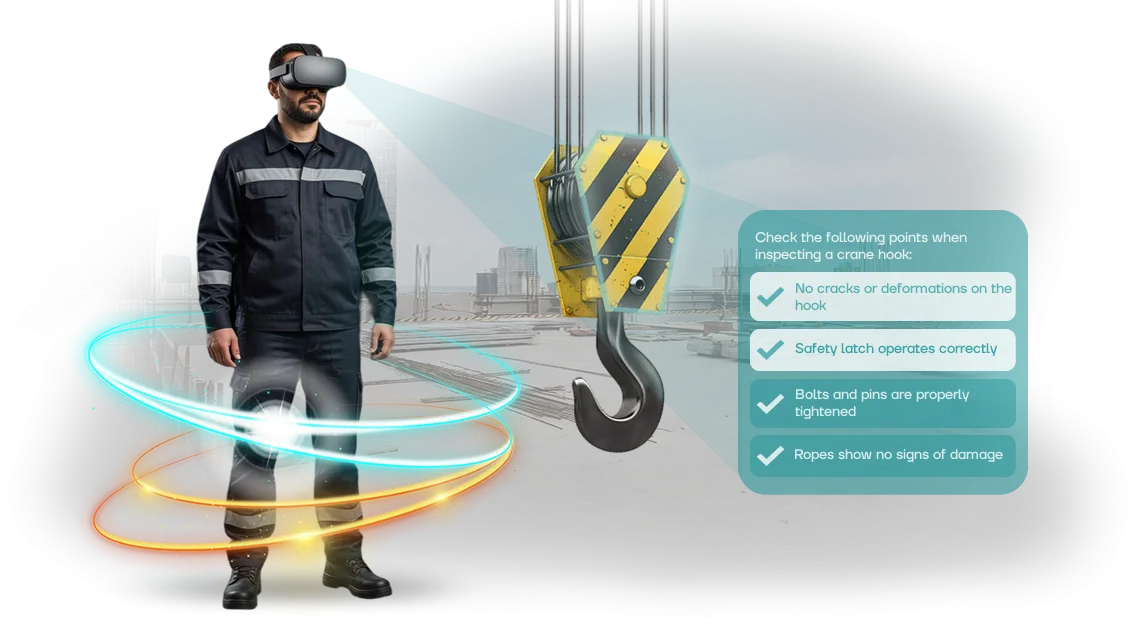
סימולטורי VR לבטיחות בעבודה בתעשיית הגומי
תהליכי הייצור בתעשיית הגומי כוללים עבודה עם רכיבים כימיים, ציוד מחומם ומכונות כבדות.
הסיכון לפציעה כאן גבוה יותר מאשר במתקני ייצור רבים אחרים, ומחיר הטעות הוא בריאותו של העובד, השבתת קו הייצור ותשומת לב מצד רשויות הפיקוח.
במקביל, הכשרת בטיחות בעבודה המסורתית נעשית פעמים רבות "למראית עין": העובד מקשיב לתדריך אך הולך לאיבוד ופועל באופן שגוי במצב חירום אמיתי.
סימולטור VR מעביר את ההכשרה לתוך העתק וירטואלי של בית המלאכה, שבו כל עובד יכול לתרגל בבטחה תרחיש חירום: לכבות שריפה, לצאת נכון מאזור מלא עשן, לעצור ציוד.
תרגולים כאלה נזכרים כחוויה אמיתית, ולכן ברגע קריטי האדם פועל מהר יותר ובביטחון רב יותר.
אנו מפתחים סימולטורי VR המותאמים למשימות הספציפיות של ייצור הגומי. איננו מספקים "מוצר מדף" — אנו מתכננים את הסיכונים ותרחישי העבודה האמיתיים שלכם, מעבודה עם מכבשים ועד פעולות במהלך דליפות כימיות.
חברות שכבר משתמשות בהכשרת VR מציינות לא רק ירידה בפציעות במקום העבודה אלא גם עלייה במעורבות העובדים: ההכשרה נתפסת לא כהרצאה משעממת אלא כחוויה שימושית ובלתי נשכחת. זה עובד גם לבטיחות וגם למוניטין של החברה כמעסיק מודרני.
מה ישתנה לאחר הטמעת סימולטורי VR: יתרונות עסקיים
בתעשיית הגומי, עובדים עובדים מדי יום עם ציוד חם, תרכובות כימיות ומכונות כבדות. הכשרה קונבנציונלית מספקת תיאוריה אך אינה בונה מיומנויות מתמשכות לפעולה במצב חירום. זה בדיוק מה שמוביל לפציעות, השבתות וטעויות יקרות.
סימולטורי VR סוגרים את הפער הזה. העובד נכנס לבית מלאכה וירטואלי שבו ניתן לתרגל בבטחה תרחישי חירום, מדליפה כימית ועד שריפה על קו הייצור. טעות בסימולטור אינה גורמת נזק, אך היא נזכרת הרבה יותר טוב מתדריך.
עבור העסק, אלה תוצאות מדידות. הפציעות פוחתות — כלומר פחות אירועי השבתה, תשלומים ובדיקות. הכשרת הצוות הופכת לשיטתית: ניתן לראות מי באמת מוכן לעבודה ומי רק עבר מבחן.
במקביל, עלות ההכשרה נמוכה יותר משיטות מסורתיות: אין צורך להוציא כסף על חומרים מתכלים, לשכור מגרשי אימון או לשלוח מדריכים לאתר. העובדים קולטים את החומר פי 2–3 מהר יותר ופועלים בביטחון רב יותר בתנאים אמיתיים.
אנו יוצרים סימולטורים למשימות הספציפיות של תעשיית הגומי — מתחזוקת גופרית ועד תגובה לדליפות.
אנו עובדים עם ציוד מקצועי ותרחישים מעודנים, כך שהתוצאה נראית מיד: הכישורים גדלים, הסיכונים פוחתים וההכשרה מפסיקה להיות פורמליות.
פורמטי הכשרת VR למפעלי תעשיית הגומי
במפעל תעשיית גומי, עובדים שונים מתמודדים עם סיכונים שונים: חלק עובדים על גלילים חמים, אחרים עם רכיבים כימיים, ואחרים אחראים על פינוי.
הכשרה סטנדרטית מספקת תמונה כללית, בעוד סימולטור VR מאפשר לתרגל תרחיש המותאם לאזור ולתפקיד ספציפיים. אנו מתאימים את התוכנית לכל עובד כך שיידע כיצד לפעול במקום העבודה שלו.
בפרקטיקה שלנו, אנו משתמשים במספר פורמטי הכשרת VR — ממודולים קצרים לתדריכים שוטפים ועד תרחישים מפורטים לתרגול תגובת חירום.
כל פורמט פותר בעיה עסקית ספציפית: האצת קליטת עובדים חדשים, שיפור תיאום הצוות או בדיקת מוכנות הצוות למצב חירום.
פורמטי תוכנית VR עיקריים
| פורמט | למי הוא מיועד | מה הוא נותן למפעל |
|---|---|---|
| תרחיש אישי | עובדים חדשים, מפעילי קו | תרגול פעולות באזור ספציפי לפני אישור עבודה |
| תרחיש קבוצתי | צוותים, יחידות תגובה | תיאום במהלך תגובת חירום, מינימום השבתות |
| מודול קצר | כל הצוות | תדריכים שוטפים ללא הפרעה לייצור |
| קורס מלא עם הערכה | מומחים העוברים הסמכה | הערכת כישורים אובייקטיבית, מוכנות לבדיקות |
כיצד לבחור סימולטור
בחירת הפורמט תלויה במטרה: הפחתת פציעות, הכנת אנשים חדשים לעבודה מסוכנת או מעבר בדיקות רשויות הפיקוח. אנו מתכננים את התוכנית לפי המאפיינים שלכם — ממודול היכרות ועד מערכת מקיפה לכל בתי המלאכה. במידת הצורך, אנו משלבים פורמטים כדי לכסות את כל תחומי ההכשרה במפעל.
כיצד פועל פיתוח סימולטור VR למשימות הייצור שלכם
אנו מבנים את העבודה כך שתבינו מה קורה ואיזו תוצאה תקבלו בכל שלב. אין הפתעות — רק שלבים מוסכמים, לוחות זמנים ובקרת איכות. להלן השלבים המרכזיים בפיתוח סימולטור למשימות הייצור שלכם.
- תדרוך וסקר ייצור. אנו מבקרים באתר שלכם או מקיימים שיחה עם הצוות שלכם כדי ללמוד תהליכי עבודה, אזורי סיכון וטעויות נפוצות של עובדים. זה מאפשר לנו לבנות סימולטור למשימות אמיתיות ולא לתרחיש מופשט.
- עיצוב תרחיש. בהתבסס על הסקר, אנו מפתחים מצבים וירטואליים: תאונות, הפרות בטיחות, פעולות במצבי חירום. אתם רואים מיד כיצד תיבנה ההכשרה ואילו כישורים היא בונה.
- אישור אב טיפוס. אנו מציגים לכם אב טיפוס ותרחיש; אתם מבצעים עריכות כך שהסימולטור ישקף במדויק את התקנות שלכם ואת המאפיינים של תעשיית הגומי. אנו מבטלים פערים לפני תחילת הפיתוח העיקרי.
- פיתוח הסימולטור. אנו בונים את המוצר על ציוד מקצועי עם כלים מעודנים. אתם מקבלים פתרון יציב שאינו דורש תמיכה טכנית מורכבת ומשתלב במהירות בתוכנית ההכשרה שלכם.
- בדיקות עם העובדים שלכם. אנו מריצים הכשרת פיילוט, אוספים משוב ומשכללים פרטים. חשוב שהסימולטור יהיה ברור ונוח לצוות שלכם במיוחד — זה מגביר מעורבות ושימור של כללי הבטיחות.
- הטמעה ותמיכה. אנו מתקינים את המערכת, מאמנים את המדריכים שלכם ומוסרים תיעוד. לאחר ההשקה, אנו נשארים בקשר: מעדכנים תרחישים, מוסיפים מצבים חדשים ועוזרים להרחיב את תוכנית ההכשרה.
מה כלול באספקת סימולטור VR לעבודה בטוחה
עבור מפעלי תעשיית הגומי, סימולטור VR הוא לא רק משקפת ותוכנה — הוא פתרון מלא ומפתח. אנו מספקים חבילה מלאה המכסה כל שלב: מההשקה הראשונה ועד להכשרה שוטפת של עובדים ומעקב אחר תוצאות. לא תצטרכו לרכוש או להגדיר דבר בנפרד — הכל כבר כלול.
חבילת האספקה כוללת:
- ציוד VR — משקפות ובקרים מקצועיים המיועדים לשימוש אינטנסיבי בבתי מלאכה ובחדרי הדרכה. אין מכשירי "צעצוע": החומרה עובדת באופן אמין גם עם החלפות משתמשים תכופות.
- תוכנה — סימולטור תרחישי הבטיחות בעבודה עצמו, שפותח לפי התקנות שלכם ולפי מאפייני ייצור הגומי: תנורי גופרית, קווי ערבוב, עבודה עם תוספים וכימיקלים.
- מודול מנהל — תחנות עבודה למדריך: הקצאת תרגילים, צפייה בטעויות, דוחות השלמה מוכנים. אתם רואים מי למד את החומר ועד כמה טוב.
- חומרים מתודולוגיים — מדריכי מדריך, חומרי עזר לעובדים, תוכנית תדריך היכרות ותבניות הערכת ידע. כל מה שצריך כדי להשיק הכשרה ללא הבאת מתודולוגים חיצוניים.
- רכיב שרת — אחסון מקומי של תוצאות והגדרות. הנתונים לעולם לא עוזבים את המפעל, וזה חשוב למחלקת הבטיחות בעבודה.
- הכשרת צוות — אנו מאמנים את המדריכים שלכם ומוסרים נהלי הפעלה וניהול. הם יוכלו לנהל מפגשים באופן עצמאי.
- תחזוקה ותמיכה — עדכוני תוכן, תמיכה טכנית, עידון תרחישים לעמידה בדרישות בטיחות חדשות. אנו יכולים לטפל בבעיות גם אם יחולו שינויים רגולטוריים מאוחר יותר.
כל פריט אינו "נרכש בנפרד" — הוא חלק מחבילה אחת. אתם מקבלים מערכת עובדת שמחזירה את השקעתה באמצעות הפחתת סיכון לפציעות, פחות זמן המושקע בתדריכים ומעורבות גבוהה יותר של עובדים בתהליכי בטיחות.
מקרה בוחן: כיצד הכשרת VR הפחיתה פציעות במפעל מוצרי גומי
במפעל מוצרי גומי אחד, האתגר המרכזי היה שהכשרת הבטיחות הושלמה "למראית עין". עובדים עברו מבחנים פורמלית אך חזרו על טעויות מסוכנות באזורי ייצור אמיתיים: בדיקת ציוד ללא עצירת הקו, התעלמות ממנעולי בטיחות ותגובה שגויה לעשן. כל מצב כזה היה סיכון לחיים וגורם להשבתת ייצור.
בנינו את ההכשרה על סימולטורי VR המשחזרים את בתי המלאכה בפועל של מפעל זה. עובד נכנס לסביבה מוכרת וחווה בבטחה תרחישי חירום, מתקלה מקומית ועד שריפה.
טעות במציאות מדומה אינה גורמת לפציעה, בעוד פעולות נכונות מתחזקות באמצעות נוהל ברור.
תוצאות ההטמעה
לאחר שלושה חודשים של הכשרה אינטנסיבית, הפציעות במקום העבודה במפעל ירדו בכמעט 40%. חלקם של העובדים שהשלימו את הקורס במלואו עלה משני שלישים ל-97%.
אנשים הפסיקו לדלג על מפגשי הכשרה — תרחיש VR אורך 15–20 דקות ונכנס למשמרת ללא הפרעה לייצור.
ההשפעה הכלכלית התבררה כמשמעותית אף יותר מהצפוי: התשלומים עבור פציעות קלות ירדו ופחות אירועי השבתה התרחשו עקב עצירות ציוד.
לפי הערכות ההנהלה, הכספים שהושקעו בסימולטורים החזירו את עצמם בתוך השנה הראשונה הודות להפחתת מספר התקריות ועלויות הביטוח.
מסקנות למתקני ייצור דומים
אותה גישה עובדת בכל מפעל מוצרי גומי: עם מכבשים חמים, רכיבים כימיים וציוד מסתובב. המפתח הוא לא "לחלק" הוראות לעובדים, אלא לתת להם לחוות מצב מסוכן לפני שהוא קורה בייצור האמיתי.
זה מפחית לא רק פציעות אלא גם התנגדות של הצוות: עובדים עצמם מבקשים להמשיך בהכשרה כי הם רואים בה את הביטחון שלהם עצמם.
כיצד לבחור סימולטור VR מתאים למשימת הייצור שלכם?
בחירת סימולטור VR לבטיחות בעבודה בתעשיית הגומי מתחילה לא בקטלוג אלא בהגדרת משימת הייצור.
ראשית, חשוב להבין בדיוק אילו סיכונים אתם מטפלים בהם: הכשרה לתגובת שריפה, נהלים על מכבש גופרית, פינוי בזמן עשן או ניטור עמידה בתקנות. פורמט הסימולטור, משך הזמן ורמת ההתעמקות תלויים בכך.
הקריטריון השני הוא ריאליזם והתאמה למתקן שלכם. תרחיש סטנדרטי שנוצר עבור מפעל מופשט לא ילמד עובד לזהות את אזורי הסיכון של בית המלאכה הספציפי שלכם.
לכן, בבחירת VR חיוני שהתרחיש ישחזר את הציוד, הפריסה ומצבי העבודה האופייניים שלכם: דליפות כימיות, תקלות במסועים והפרות של מנעולי בטיחות.
ההיבט השלישי הוא היקף ההטמעה. החליטו כמה אנשים צריכים לעבור הכשרה בשנה, באיזו תדירות ההוראות משתנות והאם נדרש איסוף תוצאות אוטומטי.
עבור תעשיית הגומי, שבה חזרתיות על מיומנויות היא קריטית, מערכת מודולרית עובדת היטב: סימולטור בסיסי אחד וכמה תרחישים קצרים שניתן לעדכן ללא רכישת ציוד חדש.
הערכה חשובה לא פחות: הסימולטור חייב להפיק דוחות ברורים — כמה זמן עובד השקיע, אילו טעויות עשה והאם הוא מוכן לעבודה עצמאית.
זה מאפשר לשלב את הכשרת ה-VR במערכת התדריכים הקיימת ולאשר כישורים במהלך בדיקות.
אנו מציעים בחירת סימולטור VR המותאם למשימת הייצור שלכם: אנו מבקרים באתר, לומדים את מקומות העבודה ומגדירים יחד עם מומחי הבטיחות שלכם את רשימת התרחישים ונקודות התורפה.
גישה זו מבטלת רכישה של פתרון "יפה אך חסר תועלת" ומספקת סימולטור שבאמת מפחית סיכונים. אם אינכם בטוחים מאיפה להתחיל — התחילו בסקר אקספרס: תוך יום אחד נמליץ איזה פורמט מתאים לעובדים שלכם.
שאלות נפוצות על הטמעת הכשרת בטיחות ב-VR
לפני הטמעת סימולטורי VR לבטיחות בעבודה, לקוחות מתעשיית הגומי שואלים שאלות דומות. אספנו את הנפוצות ביותר — על הסמכה, לוחות זמנים, בטיחות ומוכנות הצוות — ועונים עליהן בכנות, ללא פרטים טכניים.
האם הכשרת VR עומדת בדרישות הבטיחות בעבודה וההסמכה?
כן. הסימולטורים פותחו על בסיס ההוראות והתקנות הסטנדרטיות החלות במפעלי תעשיית הגומי. הפורמט הווירטואלי אינו מחליף את התיאוריה המחייבת — הוא משלים אותה עם פרקטיקה בטוחה. תוכנית כזו קלה לשילוב במערכת ההכשרה וההסמכה הקיימת.
מה לגבי עובדים שמעולם לא השתמשו ב-VR?
שום דבר מסובך: מרכיבים את המשקפת, ואז עוקבים אחר ההנחיות הקצרות על המסך. מניסיוננו, אפילו עובדים מבוגרים יותר קולטים את זה תוך 3–5 דקות. בעת השקת הסימולטור, אנו מקיימים תדריך ונשארים בקשר עד שהצוות מותאם לחלוטין.
האם זה בטוח לבריאות?
המפגשים נמשכים 10–15 דקות, והתרחישים מתוכננים ללא תנועות פתאומיות או האצות. ציוד מודרני מספק תמונה חדה ללא פיגור, והעובד יכול להשהות בכל רגע אם צריך. אי נוחות גם נשללת מכיוון שתרחישי העבודה משקפים פעולות ייצור אמיתיות.
כמה זמן אורכת ההטמעה ומה נדרש מהמפעל?
מחזור טיפוסי אורך שבועיים עד ארבעה שבועות: תדריך, פיתוח תרחישים לבתי המלאכה ולתפקידים שלכם, אישור, אספקה והתקנה. כל מה שאנו צריכים מכם הוא רשימת תפקידים והוראות בטיחות סטנדרטיות. אנו מטפלים בכל השאר — תרחישים, התאמת ציוד והכשרת צוות.
כיצד נדע שעובד באמת למד את החומר?
הסימולטור מתעד אוטומטית טעויות, זמן תגובה וניסיונות חוזרים. אתם מקבלים דוח עבור כל עובד המראה היכן הוא טועה ואילו פעולות דורשות חיזוק.
זה הופך את ההכשרה מפורמליות לתהליך מדיד המועיל הן למחלקת משאבי אנוש והן למנהל הייצור.
אם עדיין יש לכם ספקות, שלחו לנו את שאלותיכם — נשיב תוך יום עסקים אחד. ואם אתם רוצים לראות איך נראית הכשרת VR בפועל, בקשו תרחיש הדגמה למפעל שלכם.צעדו קדימה — הזמינו פיתוח סימולטור VR עוד היום
תחילת שותפות אינה דורשת כניסה לפרטים טכניים — פשוט שלחו בקשה. זה לוקח כמה דקות: אתם מתארים את המשימה, ובמהלך ייעוץ חינמי אנו מבהירים את הפרטים ומציעים פתרון שמתאים לתקציב וללוח הזמנים שלכם.
מה קורה לאחר שליחת הבקשה
- מנהל יוצר עמכם קשר תוך יום עסקים אחד ומתאם זמן נוח לשיחה.
- במהלך הייעוץ, אנו מנתחים את המצב שלכם: מספר עובדים, מאפייני תהליכי הייצור ותדירות התדריכים.
- אנו מציעים פורמט סימולטור — מתרחישים אישיים ועד תוכנית הכשרה מלאה.
- אנו קובעים לוחות זמנים ועלות פיתוח, ומכינים מצגת פתרון.
למה קל להתחיל
- אין צורך לרכוש ציוד — נמליץ מה מתאים לכם או נסייע בשכירות.
- הפיתוח מתקדם בשלבים: ראשית אנו מסכימים על התרחיש, ואז מציגים גרסת הדגמה.
- התוצאות הראשונות נראות תוך מספר שבועות לאחר ההשקה.
- תמיכה כלולה: אנו מעדכנים תוכן ומוסיפים תרחישים חדשים לפי התקנות שלכם.
אנו מפתחים סימולטורי VR למפעלי תעשיית הגומי שבהם חשוב לתרגל תגובת חירום, טיפול בציוד ועבודה עם כימיקלים. אנו מתחשבים בהוראות ובדרישות שלכם כך שההכשרה תהיה פרקטית.
שלחו את בקשתכם — ותוך השבוע הקרוב נוכל לדון כיצד להפוך את הכשרת הבטיחות ליעילה ומודרנית.