

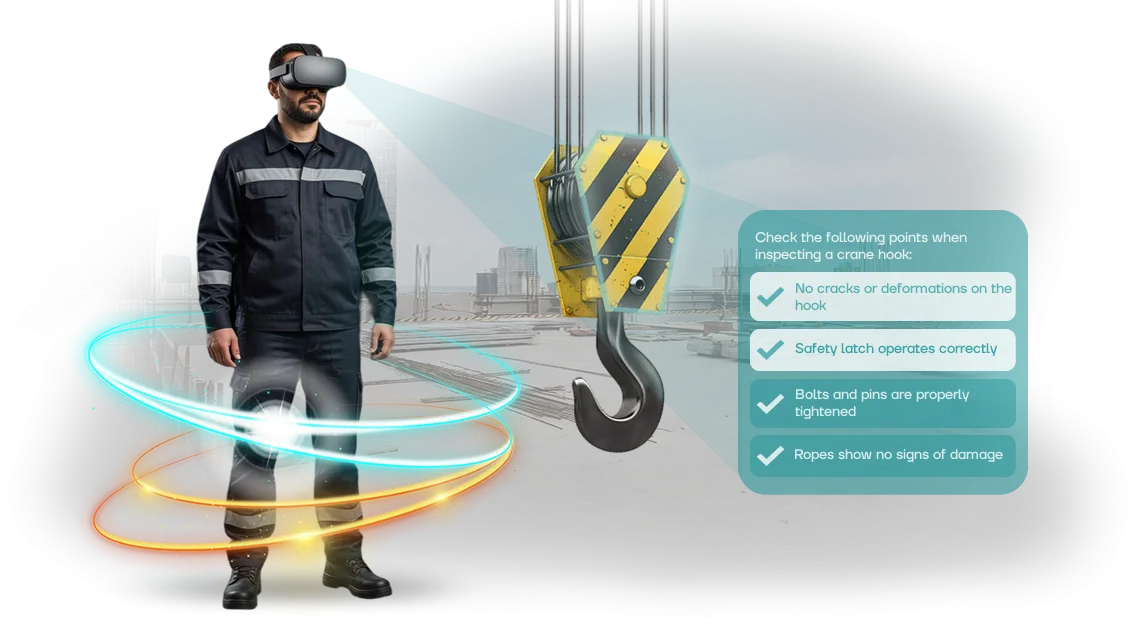
סימולטורי VR לבנייה: הפחתת פציעות וקנסות
אתר בנייה הוא אחת מסביבות העבודה המסוכנות ביותר: תאונות מתרחשות כאן לעתים קרובות יותר מאשר בענפים רבים אחרים.
תדריכי בטיחות קלאסיים והרצאות וידאו מספקים תיאוריה אך אינם בונים מיומנות מעשית—ברגע קריטי, עובד פועל על פי ניחוש כי מעולם לא חווה באמת מצב מסוכן. התוצאה היא פציעות במקום העבודה, פספוס מועדים, בדיקות לא מתוכננות וקנסות.
סימולטורי VR לבנייה משנים את הגישה לבטיחות בעבודה. עובד נכנס למודל מציאותי של אתר בנייה ומתרגל מצבים מסוכנים: עבודה בגובה, קריסת מבנה, שימוש בכלי עבודה חשמליים, תגובה למצבי חירום.
טעויות בסביבה הווירטואלית אינן מובילות לתוצאות אמיתיות, אך הן מספקות ניסיון שלא יסולא בפז—אדם זוכר את הפעולות הנכונות גם בגוף וגם בנפש, לא רק קורא עליהן.
אימון כזה סוגר פערי בטיחות באתר הבנייה באופן ממוקד: הידע נקלט מהר יותר, וההנהלה מקבלת אישור שכל עובד אכן השלים את התוכנית.
פחות פציעות משמעותן פחות השבתות ופחות קנסות, מוניטין גבוה יותר לחברה כקבלן אמין, ושקט נפשי לכל פרויקט.
אנחנו עוזרים לחברות בנייה להטמיע פתרונות VR לבטיחות בעבודה כבר למעלה מ-10 שנים. נסביר כיצד להתאים סימולטורים למתקנים שלכם ונראה תוצאות באמצעות דוגמאות של פרויקטים דומים.
מה מספק אימון VR: תגובה, שימור, בקרה
אתר בנייה אינו סולח על טעויות: כלי שנפל או הערכת סיכונים שגויה יכולים לעלות בחיי אדם. הרצאות ותדריכי וידאו מספקים ידע, אך הם אינם בוחנים את פעולותיו של אדם במצב אמיתי.
אימון חווייתי ממקם עובד בסביבה קרובה למקום העבודה האמיתי—עם מכונות, גובה, רעש וזמן מוגבל להחליט.
תגובה: פעולות נכונות בשניות קריטיות
בסימולטור VR, העובד אינו מדפדף בין שקופיות, אלא פועל: מזהה את הסכנה, מקבל החלטה, מבצע תנועה. המוח זוכר חוויה זו כאישית, ולכן התגובה הופכת לאוטומטית. עבור בנייה, משמעות הדבר היא פחות תאונות ופחות השבתות.
שימור: ידע שנשאר עם האדם
האפקטיביות של אימון VR גבוהה מזו של פורמטים קלאסיים: עד 80% מהחומר נשאר בזיכרון, לעומת 20% לאחר הרצאה. תרגול תגובה למצבי חירום נחווה רגשית ונקלט באופן אמין יותר.
חודש לאחר מכן, עובד פועל לפי הנוהל שתורגל במקום לנסות להיזכר במדריך.
בקרה: נתונים אובייקטיביים על כל עובד
מפקח מקבל דוח לאחר כל סשן: אילו תרחישים תורגלו, היכן נעשו טעויות. הערכת ידע מפסיקה להיות תיבת סימון פורמלית—אתם רואים את רמת המוכנות האמיתית ויודעים מי זקוק להכשרה חוזרת.
אימון חווייתי הוא הפורמט החזק ביותר להדרכת בטיחות: הוא מעניק ניסיון במצבי חירום ללא סיכון לחיים, ומעניק לחברה ביטחון שכל עובד באתר יודע ויכול ליישם את מה שחשוב ביותר.
פורמטים של סימולטורי VR לבנייה: באיזה מהם לבחור?
באתר בנייה, בטיחות בעבודה אינה רק דרישת בדיקה, אלא הגנה אמיתית על אנשים.
פורמטי אימון VR נבדלים בעומק ובהיקף: דבר אחד הוא להזכיר לעובדים במהירות את הכללים לפני משמרת, ודבר אחר הוא להכין במלואו עובד חדש או לחדד את פעולותיו של צוות שלם.
לכן, חשוב לבחור את האפשרות למשימה ספציפית, לא רק לקחת "הכל בבת אחת."
להלן טבלה עם תרחישים אופייניים. כולם בנויים סביב מצבים קרובים לאתר בנייה אמיתי: עבודה בגובה, תנועת מטענים, תגובה למצבי חירום. עובד אינו זקוק להכנה מיוחדת—רק לשים את המשקפיים ולהפעיל את התרחיש.
השוואת פורמטי אימון VR
| פורמט | למי הוא מיועד | מה הוא נותן ללקוח |
|---|---|---|
| סימולטור VR אישי | עובדים חדשים, מועמדים להיתרי עבודה | תרגול פעולות ללא סיכון לחיים והערכה אובייקטיבית של מוכנות כל אדם |
| מודול קצר של 10–15 דקות | עובדים באתר לפני משמרת | סקירה מהירה של הכללים, פחות הפרות והערות מהפיקוח הטכני |
| תרחיש קבוצתי לצוות | צוותים העובדים יחד | פעולות מתואמות, חלוקת תפקידים, הבנת אחריות בתוך הצוות |
| סדרת סימולטורי VR בנושאים שונים | הכשרת עובדים שוטפת | צמיחה שיטתית של תרבות בטיחות, מעקב אחר התקדמות כל עובד |
גישה זו מסייעת לכסות צרכים שונים: מתדריכים חד-פעמיים ועד לתוכנית הכשרה קבועה לבטיחות תעשייתית. כל הפורמטים משתלבים בלוח הזמנים שלכם—עובדים משלימים הכשרה מבלי להפריע לייצור.
אם אינכם בטוחים איזה סימולטור VR לבטיחות בעבודה מתאים לאתר שלכם, נייעץ לכם במהלך ייעוץ קצר. נראה דוגמאות תרחישים ונחשב איזה פורמט יחזיר את ההשקעה מהר יותר.
כיצד מתנהל הפרויקט: מהבקשה ועד ההשקה
הטמעת אימון VR בחברת בנייה מתנהלת לפי תכנית ברורה, שבה אתם שולטים בכל שלב. אנו מטפלים בפיתוח התרחישים, ביישום הטכני ובהשקה, ואתם מקבלים את התוצאה מבלי להיכנס לפרטים.
להלן תהליך אופייני שנמשך שלושה עד שישה שבועות בהתאם למורכבות ולמספר התרחישים.
-
בקשה ובריף — אתם מתארים את המשימות שלכם: אילו מיומנויות צריך לתרגל, מי יוכשר (עובדי בניין, מהנדסים, קבלנים). אנו שואלים שאלות הבהרה ומציעים פורמט מתאים לסימולטור העתידי.
-
בחינת משימות ותקנות — אנו מנתחים את הוראות הבטיחות שלכם, הפרות אופייניות ומצבי חירום באתר. זה הופך את התרחיש למציאותי ושימושי ככל האפשר עבור העובדים שלכם.
-
פיתוח תרחיש — אנו יוצרים את עלילת הסימולטור: מהמצב המסוכן ועד לפעולות הנכונות של העובד. אתם מקבלים תיאור טקסטואלי של התרחיש והלוגיקה של האימון לפני תחילת כל עבודה טכנית.
-
אישור פרויקט — אתם מבצעים עריכות, מאשרים את התרחיש ואת קריטריוני ההערכה. לאחר מכן, אנו נועלים את ההיקף, לוח הזמנים ועוברים ליישום.
-
יישום והרכבה — אנו יוצרים אתרים וירטואליים, רמזי הדרכה ומערכת הערכת פעולות אוטומטית. בשלב זה, אתם יכולים לראות גרסאות הדגמה ביניים ולעקוב אחר ההתקדמות.
-
בדיקות והשקה — אנו מריצים הכשרת פיילוט עם העובדים שלכם, אוספים משוב ומכווננים את הסימולטור. לאחר מכן אנו מוסרים את הפתרון המוגמר לתפעול ומכשירים מנהלים.
-
תמיכה ופיתוח — אנו נשארים בקשר: מעדכנים תוכן, מוסיפים תרחישים חדשים, מסייעים בבעיות טכניות ומפתחים את מערכת ההכשרה.
כל שלב מסתיים בתוצאה ברורה: מסמך, תרחיש, גרסת הדגמה או סימולטור מוגמר. כך אתם תמיד יודעים בדיוק היכן עומד הפרויקט ומה תקבלו בסופו.
מה כלול במסירת סימולטור VR לבטיחות בעבודה
אתם מקבלים לא רק תוכנית, אלא פתרון מלא להכשרת עובדים: חבילת המסירה כוללת את כל הדרוש להתחלת סשנים בתוך השבוע הראשון. להלן הרשימה המלאה של מה שאנו מספקים ללקוח.
חבילת המסירה כוללת:
- תרחישי הכשרת VR מוכנים לבטיחות בעבודה לענף הבנייה. עובדים מתרגלים מצבים מסוכנים אופייניים באתר וירטואלי—מעבודה בגובה ועד תגובה למצבי חירום—ללא סיכונים בריאותיים וללא עצירת ייצור.
- התאמת תרחישים לתקנות שלכם. אנו מתאימים את רצף השלבים, השאלות וההערות להוראות הפנימיות של הארגון. כתוצאה מכך, ההכשרה תואמת את הדרישות הספציפיות שלכם, לא סטנדרטים מופשטים.
- מערכת הוראות ומסמכים למנהל ולמדריך: כיצד להפעיל סשן הכשרה, לנהל את תור המשתתפים ולסקור תוצאות. כל המדריכים כתובים בשפה פשוטה, ללא פרטים טכניים.
- הכשרת הצוות שלכם. אנו עורכים הדגמה למנהלים ולמדריכים, סוקרים טעויות אופייניות ועונים על שאלות. לאחר מכן, העובדים שלכם מארגנים הכשרה בעצמם ללא מעורבות מפתחים.
- סטטיסטיקה אוטומטית לכל משתתף. אתם רואים מי השלים את ההכשרה, אילו טעויות הם עשו וכמה זמן הם השקיעו. זה מאפשר לכם לשלוט בכיסוי העובדים ולזהות אזורי בעיה בזמן.
- תמיכה טכנית לכל תקופת השימוש. אנו מסייעים בהתקנת עדכונים, פותרים בעיות במערכת ובמידת הצורך, משכללים תרחישים כדי לעמוד בדרישות חדשות. פניות מטופלות בתוך יום עסקים אחד.
כך, אתם משלמים פעם אחת ומקבלים מערכת עבודה מלאה: מתרחישים מוכנים ועד תמיכה בכל השלבים. כל שנותר הוא למנות אדם אחראי ולהתחיל בהכשרה.
מקרה בוחן: כיצד חברת בנייה הפחיתה פציעות ב-40%
קבלן בנייה פנה אלינו לאחר שתיעד סדרה של הפרות בטיחות באתריו. התדריכים וההרצאות הרגילים לא תפסו את תשומת לב העובדים—הם חזרו על טעויות מסוכנות, וכל תאונה איימה על עיכובים וקנסות. הם נזקקו לפורמט שמעסיק עובדים וגורם להם לזכור את רצף הפעולות הנכון.
הצענו תוכנית הכשרת VR לבטיחות בעבודה שנפרסה על ציוד HTC Vive מקצועי לפעולה יציבה בתנאי אתר בנייה. במקום שקופיות מופשטות—תרחישים מציאותיים: עבודה בגובה, תנועת מטענים, תגובה למצבי חירום.
עובד נכנס לסביבה וירטואלית שבה מחיר הטעות אינו בריאות אלא הערכה וסקירת השלכות. חוויה כזו נזכרת טוב יותר מכל תדריך.
תוצאות היישום
ברבעון הראשון, מספר הפרות הבטיחות ירד ב-40% בהשוואה לתקופה הקודמת.
במקביל, לא נרשמו כלל פציעות עם אובדן כושר עבודה זמני, והפרודוקטיביות באזורים נותרה באותה רמה—אנשים לא הוסחו על ידי בדיקות נוספות, אלא עבדו לפי הנוהלים שלמדו.
ראש מחלקת הבטיחות בעבודה ציין שהעובדים עצמם מבקשים זמן נוסף על הסימולטור לפני תחילת משמרת. זה מראה שאימון VR נתפס לא כעונש, אלא ככלי מועיל.
החברה כבר הזמינה הרחבה של התוכנית למקצועות חדשים ומתכננת להשתמש בה לקליטת עובדים חדשים.
למה זה עבד
הסוד אינו בטכנולוגיה עצמה, אלא באופן שבו היא שולבה בתהליך.
עזרנו ללקוח לא רק לחלק משקפי VR לעובדים, אלא ליצור מערכת: תרחישים קצרים של 10–15 דקות, הערכת פעולות מיד לאחר הסשן, ומעברים חוזרים לאחר טעויות.
מפקח האתר רואה דוח עבור כל עובד ומבין מי מוכן לעבוד ומי זקוק להכשרה נוספת.
גישה זו מספקת תוצאות מדידות: פחות הפרות משמעותן פחות השבתות, פחות קנסות ומוניטין טוב יותר עם לקוחות ורשויות פיקוח. לכן הלקוח ממשיך לעבוד איתנו וממליץ עלינו לארגוני בנייה אחרים.
כיצד לבחור אימון VR לצרכי החברה שלכם?
בחירת ספק מתחילה לא במחיר, אלא בשאלה: מה בדיוק עובד צריך להיות מסוגל לעשות לאחר ההכשרה?
אם המטרה היא לתרגל תגובה לשריפה או פינוי, התרחיש חייב לדמות את האתר הספציפי שלכם, לא "מפעל" מופשט. סימולטור VR טוב בוחן לא ידע בהוראה, אלא התנהגות במצב מלחיץ—ומספק דוח ברור: היכן העובד טעה ומה צריך לסקור.
הקריטריון השני הוא הספק עצמו. שאלו כמה פרויקטים הם כבר הכניסו לפעולה והאם יש להם מקרי בוחן מהענף שלכם.
מפתח שמבין את הפרטים של בנייה ובטיחות תעשייתית יבנה לתוך התרחיש את הסיכונים האמיתיים של המתקן שלכם, ולא מצבים גנריים מספר לימוד.
בקשו מהם להראות כיצד התהליך עובד: מי אוסף דרישות, איך נראית ההכשרה מנקודת מבטו של המשתמש, ומה החברה מקבלת לאחר ההשקה.
הנקודה השלישית היא ציוד ותמיכה. משקפי VR מקצועיים והצד השרתי צריכים לעבוד ביציבות גם עם עשרות סשנים בו-זמנית.
מה שחשוב אינו כוח החומרה הגולמי, אלא כיצד הספק מבטיח פעולה רציפה: כיול ציוד לתרחיש שלכם, הכשרת המדריכים שלכם ותמיכה בפרויקט לאחר המסירה.
בררו מה כוללת התמיכה הטכנית—עדכוני תרחישים, התאמות לתקנות חדשות, סיוע בתקלות.
ולבסוף—מדידות תוצאות. סימולטור ללא סטטיסטיקה מובנית הוא רק צעצוע יקר. שאלו אילו דוחות מנהלים רואים: מספר עובדים שהוכשרו, טעויות לכל אדם, מגמות במעברים חוזרים. נתונים אלה הם הבסיס להפחתת פציעות באתר וטיעון במהלך בדיקות.
אם ספק עונה בביטחון על ארבע השאלות הללו—תרחישים, ניסיון, תמיכה, אנליטיקה—הפרויקט יעבוד למען הבטיחות שלכם, לא רק ייושם באופן נומינלי. זו הבחירה הנכונה: תהליך ברור, תוצאות מדידות וסיכון מינימלי בכל שלב.
התייחסות לחששות: בטיחות ואמינות של סימולטורי VR
כל טכנולוגיה חדשה מעלה ספקות לגיטימיים: האם הציוד יתקלקל, האם העובדים יתאקלמו, האם ההשקעה תשתלם.
עבור סימולטורי VR, כל שלושת החששות נפתרים בשלב השקת הפיילוט—אנו עובדים על כל התרחישים מראש כך שההכשרה תתנהל בצורה חלקה ותספק תוצאות מדידות.
הציוד עובר בדיקה רב-שלבית לפני המסירה, ובמסגרת אחריות אנו מטפלים בתיקונים והחלפות בזמן הקצר ביותר.
אנו מגדירים את התהליך כך שגם במצב של כוח עליון ההכשרה לא נעצרת—ערכת חילוף ותמיכה מרחוק כבר כלולים בתנאי שיתוף הפעולה.
האם זה מזיק לעיניים או למערכת שיווי המשקל?
משקפי VR מודרניים מאושרים ומשתמשים בטכנולוגיות המונעות בחילה בתנועה כשהם מוגדרים כראוי. אנו בוחרים תרחישים לכל עובד, קובעים הפסקות חובה ומגבילים את משך הסשן.
בכל שנות עבודתנו, לא היה ולו מקרה אחד של השפעות שליליות—כל הוראות הבטיחות מסופקות עם הציוד.
מה אם המשקפיים ניזוקו או מתקלקלים?
האחריות מכסה פגמי ייצור, ובמקרה של נזק מכני אנו מספקים תחליף למשך תקופת התיקון. החוזה מפרט את לוחות הזמנים והנהלים—אתם אף פעם לא נשארים ללא סימולטור עובד, אפילו לא ליום אחד. התמיכה זמינה בשעות העבודה, ורוב הבעיות נפתרות מרחוק תוך דקות.
כמה מהר ישתלם אימון VR?
סימולטורים מקצרים את זמן הכנת העובדים פי כמה בהשוואה להרצאות והוראות. טעויות מתורגלות בסביבה בטוחה, ולכן פציעות וליקויים קורים פחות באתרים אמיתיים.
חשבו לפי הדוגמה שלכם: פחות ימים לקליטה, עלויות נמוכות יותר עבור השבתות וקנסות—בדרך כלל, ההחזר מתרחש בתוך השנה הראשונה.
אנחנו אף פעם לא משאירים לקוח לבד עם הטכנולוגיה: אנו מסייעים לשלב סימולטורים בתוכנית ההכשרה, מכינים מדריכים ותומכים בכל שלב. המשימה שלכם היא להגדיר את המטרה; שלנו היא לוודא שעובדים מתערבים בעניין ומדדי הבטיחות משתפרים.דונו בפרויקט שלכם: בקשו תרחיש סימולטור VR לניסיון
כדי להזמין סימולטור VR, אין צורך להיכנס לפרטים טכניים. פשוט תארו את המשימה שלכם—אנו נכין פתרון שמתאים לייצור הספציפי שלכם, לאתר הבנייה או למרכז הלוגיסטי.
כשאתם מבקשים תרחיש לניסיון, אתם מקבלים:
- הצעה מסחרית עם הערכת עלות לאימון VR המותאמת למספר העובדים שלכם ולפרטי המתקן.
- תרחיש ניסיון שתוכלו לבדוק באתר—תראו כיצד הסימולטור מטפל בסיכונים אמיתיים.
- תוכנית יישום: מקבוצת פיילוט ועד לכיסוי מלא של עובדים.
- הערכת תוצאות: מדדים להפחתת פציעות ושיפור כישורים.
- ייעוץ עם מומחה על שילוב בתוכנית הבטיחות בעבודה שלכם.
- המלצות פורמט: כיתה נייחת או ערכת ניידת לצוותים מרוחקים.
כל הפרטים מתועדים בחוזה, ואנו תומכים בכל שלב—מהמסירה ועד להכשרת המדריכים שלכם. לאחר בקשתכם, ניצור קשר תוך יום עסקים אחד, נבהיר את הפרטים ונכין הצעה אישית.
תוכלו לחשב את עלות אימון VR לפני הפגישה איתנו—זה עוזר להבטיח תקציב בתוך החברה שלכם. והתרחיש לניסיון יהיה הוכחה שהטכנולוגיה עובדת במיוחד על המשימות שלכם.
השאירו פנייה—בואו ניקח את הצעד הראשון לקראת בטיחות העובדים שלכם ושקט נפשי של ההנהלה שלכם.