

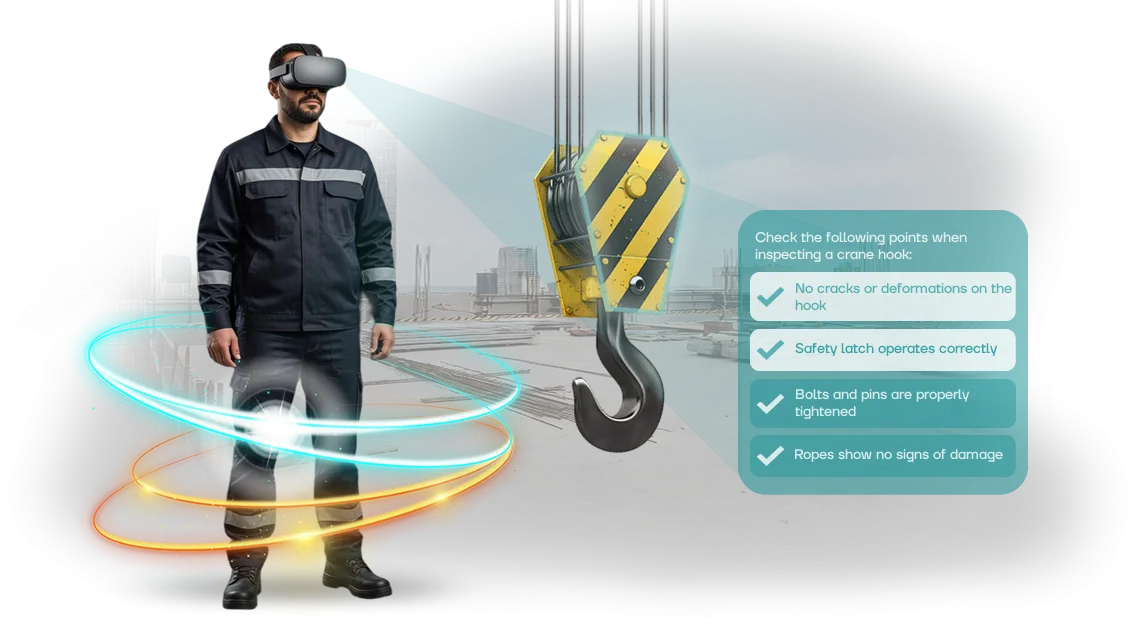
תעשיית הנייר והתאית זקוקה לסימולטורי בטיחות VR
הכשרת בטיחות תעסוקתית מסורתית בתעשיית הנייר והתאית כבר מזמן הפסיקה להפחית סיכונים אמיתיים.
הרצאות, פוסטרים ומבחנים נזכרים רק עד לבדיקה הבאה: העובד יודע את התיאוריה, אבל במצב חירום הולך לאיבוד, פועל מכנית או אפילו נכנס לפאניקה.
ומחיר הטעות בתעשייה זו גבוה—ציוד מסתובב, חומרים כימיים, טמפרטורות גבוהות וחללים סגורים דורשים פעולה מהירה ומדויקת.
כל תאונה היא לא רק בריאותו של עובד, אלא גם השבתת ייצור, חקירות והפסדים מוניטיניים. לפי סטטיסטיקות התעשייה, רוב התקריות נגרמות מטעות אנוש, שלא ניתן לבטל באמצעות תדריכים בלבד.
מודל ההכשרה עצמו חייב להשתנות: לתת לצוות אפשרות לטעות ללא השלכות ולפתח רפלקסים עד כדי אוטומטיות.
סימולטורי VR פותרים בעיה זו. עובד נכנס לעותק וירטואלי של בית המלאכה שלך ומתרגל תרחישי חירום בבטיחות מלאה: שריפה, דליפת ריאגנט, תקיעת מנגנון, פינוי.
המוח תופס את המצב הווירטואלי כאמיתי, ולכן אחרי הסימולטור נשארת לא "הרצאה שנשמעה" אלא מיומנות עמידה. רמת המוכנות של הצוות נמדדת באופן אובייקטיבי—לפי פעולות, לא לפי סימונים ביומן.
עבור העסק, זה אומר הפחתה צפויה בתאונות והשבתות. עובד מיומן מגיב מהר יותר ורגוע יותר למצב חירום, מה שחוסך ישירות חיים וכסף של החברה.
בנוסף, ההכשרה מרוכזת ולוקחת פחות זמן מאשר ביקורים מסורתיים בשטחי אימון או קורסים ארוכים.
אנו מפתחים סימולטורי VR לתרחישים הספציפיים של מתקן הייצור שלך ומשלבים אותם במערכת הבטיחות התעסוקתית הקיימת. כך אתה סוגר את הסיכון המרכזי ששום תדריך לא יכול לבטל—חוסר המוכנות של האדם לאיום אמיתי.
היתרונות של הטמעת סימולטורי VR לבטיחות תעשייתית
בתעשיית הנייר והתאית, מחיר הטעות בייצור גבוה במיוחד: משטחים חמים, ריאגנטים כימיים, ציוד כבד. תדריכים מסורתיים לא מאפשרים לעובד להרגיש את הסכנה האמיתית, ולכן לא בונים הרגלי עבודה בטוחים ועמידים. סימולטורי VR סוגרים את הפער הזה—ללא סיכון לבריאות.
הפחתת שיעור הפציעות היא התוצאה הראשונה והעיקרית. העובד מתרגל תרחישי חירום בסביבה וירטואלית, לומד לשים לב לסכנות ולפעול במהירות בזמן שטעות עולה לעסק כלום.
אחרי תרגול כזה, מספר ההפרות והתאונות בייצור יורד באופן ניכר, והבטיחות הופכת להרגל ולא לפורמליות.
מעורבות העובדים גדלה כי ההכשרה הופכת מהרצאה משעממת לחוויה חיה. במקום צפייה פסיבית בשקופיות, אדם ממוקם במצב ריאליסטי ומקבל החלטות בעצמו.
זה מגביר את העניין בהכשרה ולכן גם את שימור החומר. העובדים עצמם מבקשים תרחישים נוספים, וההנהלה מקבלת צוות שחושב על בטיחות.
החיסכון מגיע מכמה מרכיבים. אין צורך לעצור את הייצור לתרגילים, לבזבז חומרים מתכלים או לסכן ציוד יקר. פחות פציעות משמעותן פחות השבתות, ימי מחלה, תשלומי פיצויים ובדיקות. תאונה אחת שנמנעה משלמת עבור הטמעת הסימולטורים עם מרווח גדול.
יעילות ההכשרה ברורה: אחרי סשן VR, העובד פועל מהר יותר ובביטחון רב יותר, וניתן לבדוק תוצאות לפי מספר הפעולות הנכונות בסימולטור. זה מאפשר לזהות נקודות חולשה ולהתאים את התוכנית לבית מלאכה ספציפי.
כתוצאה מכך, העסק מקבל עלייה מדידה ברמת הבטיחות ושקט נפשי לגבי הצוות.
פורמטים של סימולטורי VR למשימות שונות בארגון
בתעשיית הנייר והתאית, ריאגנטים כימיים, מנגנונים מסתובבים ועבודה בגובה מסוכנים באותה מידה. עובד חדש צריך דבר אחד, מפעיל מנוסה דבר אחר, ולצורך הסמכה דבר שלישי. אנו בונים הכשרה מפורמטים, שכל אחד מהם ממלא את המשימה שלו.
| פורמט | למי | מה הוא נותן לארגון |
|---|---|---|
| הכשרת היכרות | עובדים חדשים ללא ניסיון | קליטה מהירה של כללי הבטיחות הבסיסיים לפני הכניסה הראשונה לבית המלאכה |
| תרגול פעולות מסוכנות | עובדים בקווי חומצה, מכבשים, מחלקות ייבוש | חזרה על פעולות במהלך דליפה, שריפה או תקיעת מנגנון—ללא סיכון לאדם |
| הסבה והסמכה | צוות מנוסה | בדיקת ידע ושיקום מיומנויות שנשחקות על ידי שגרה |
| תרחישי צוות | משמרות וצוותים | תרגול אינטראקציה במצב חירום כשכל אחד יודע את התמרון שלו |
התרחישים קרובים לתנאי מפעל אמיתיים: רעש, קיטור, פריסות חדרים אופייניות. העובד מתאמן בסביבה בטוחה, והארגון מקבל מיומנויות ניתנות לאימות ולא סימון על סיום קורס.
אנו בוחרים את הפורמט לאתר ספציפי ולקטגוריית צוות, ועובדים על ציוד VR מקצועי שיציב בתנאי ארגון. ספר לנו על המשימות שלך—נציע תוכנית הכשרה, לא סימולטור מופשט.
שלבי הטמעת סימולטור VR בארגון שלך
הטמעת סימולטור VR בארגון נייר ותאית היא תהליך ברור שלב אחר שלב. אנו פועלים בעקביות—מבריף ועד השקה ותמיכה—כדי למזער סיכונים, לעמוד בלוחות זמנים ולהשיג תוצאה שמשפרת מיד את בטיחות הצוות.
- בריף וניתוח משימות. אנו מתעדים את המטרות: אילו מקצועות אנו מאמנים, אילו תרחישים מסוכנים אנו מתרגלים. אנו לומדים הוראות ותקנות קיימות.
- עיצוב תרחישים. יחד עם מומחי הבטיחות התעסוקתית שלך, אנו עובדים על מצבי חירום, רצפי פעולה וקריטריוני הערכה.
- תוכנית ואומדן עלויות. אנו מכינים לוח זמנים מפורט של שלבים, הרכב צוות ואומדן עלויות שקוף—אתה רואה את לוחות הזמנים והעלות לפני תחילת העבודה.
- אישור אבטיפוס. אנו מציגים אב טיפוס של הממשק וסצנות מפתח לפני פיתוח מלא ומבצעים שינויים בשלב מוקדם—חוסך זמן ותקציב.
- פיתוח הסימולטור. אנו יוצרים תרחיש VR המותאם לפרטי ייצור הנייר והתאית: ציוד, כימיקלים, תקנות. אנו עובדים על ציוד מקצועי—אתה מקבל תוצאה יציבה.
- בדיקות והשקה. אנו בודקים את הסימולטור באתר שלך או מרחוק, מאמנים מדריכים ומוסרים תיעוד. אנו משיקים אותו לפעולה.
- תמיכה ופיתוח. אנו מספקים תמיכה לאחר ההשקה: מעדכנים תרחישים כשהתקנות משתנות, עוזרים בבעיות טכניות ומרחיבים את התוכנית למקצועות חדשים.
המחזור כולו—מבריף ועד השקה—אורך מספר שבועות בהתאם למורכבות. אתה מקבל כלי הכשרה מוכן ללא עצירת ייצור.
מה כלול במסירת סימולטור VR לבטיחות תעסוקתית
חבילת מסירת סימולטור ה-VR מכסה את כל מחזור ההכשרה—מטעינת תרחישים ועד ניתוח תוצאות. אתה מקבל כלי מוכן שמשתלב במערכת הבטיחות התעסוקתית שלך ומתחיל מיד לעבוד על הפחתת סיכונים. המסירה הסטנדרטית כוללת חמישה מרכיבים חובה.
- תרחישים לייצור שלך. מצבי VR מוכנים המכסים את הסכנות העיקריות של תעשיית הנייר והתאית: עבודה על מכונת נייר, תחזוקת דיגסטר, ייצור כימי, פעולות טעינה ופריקה. כל תרחיש משכפל תהליכים אמיתיים וטעויות אופייניות.
- קונסולת מדריך. שליטה בסשן: התחלה, השהיה, רמזים, עצירת חירום. המדריך רואה את פעולות העובד ומבין מיד היכן הם טועים.
- מערכת אנליטיקה. אחרי כל סשן—דוח: שגיאות, זמן השלמה, התקדמות. הנתונים נשמרים עבור כל עובד וניתן להשתמש בהם בקלות לתוכניות הכשרה וביקורות.
- אינטגרציה עם המסמכים שלך. אנו טוענים הוראות, צווים ותקנות עדכניים. העובד עובד עם דרישות עדכניות ולא עם חוקים מופשטים.
- הכשרת צוות. אנו מאמנים מדריכים ומנהלים: כיצד להריץ סשן, לבדוק שגיאות ולייצא נתונים. בנוסף, מדריך התחלה מהירה לעובדים כדי להתחיל להשתמש ב-VR.
מקרה בוחן: הטמעת סימולטור VR בתעשיית הנייר והתאית
בתעשיית הנייר והתאית, עצירת ייצור עקב פציעה או תקר�ית עולה יותר ממה שנראה: זה לא רק הוצאות רפואיות וקנסות, אלא גם השבתת ציוד, החמצת מועדים ואובדן אמון קבלנים.
עובדים לעיתים קרובות כבר יודעים את ההוראות, אבל במצב חירום אמיתי הם פועלים על אוטופילוט—וזה בדיוק המקום שבו הכשרת VR משיגה תוצאות.
יישמנו סימולטור למפעילים ולצוות תחזוקה במפעל "נייר מנופקטורה": העובדים מתרגלים מצבי חירום—קריעת חוט, דליפה כימית, שריפה—ללא סיכון לחיים או לציוד.
התוצאות נמדדו לאחר שישה חודשים. מספר הפציעות התעסוקתיות ירד ב-30%, וחלק העובדים שעברו בהצלחה את מבחן הידע החובה עלה ל-97%—בעבר הנתון נשאר סביב 80%.
המנהלים ציינו אפקט נוסף: צוות שסיים תרחישי VR פעל בביטחון רב יותר במהלך תקריות אמיתיות והחל לתפוס תדריכים לא כפורמליות אלא ככלי עבודה.
למה זה עובד כאן
הפרטים של התעשייה הם חלק גבוה של עבודה ידנית, חומרים מסוכנים ומנגנונים מסתובבים. פוסטרים והרצאות רגילים לא יכולים לשחזר את הדינמיקה של תאונה: עובד חייב לקבל החלטה תוך שניות, לפני שיהיה מאוחר מדי.
סימולטור VR נותן הזדמנות לטעות בסביבה בטוחה—ולזכור את האלגוריתם הנכון דרך ניסיון אישי. הלקוח מקבל תוצאה מדידה: שיעור פציעות נמוך יותר, משמעת גבוהה יותר ולוח זמנים ייצור יציב יותר.
אחרי פרויקט הפיילוט, המפעל הרחיב את התוכנית לכל המשמרות ואישר הזמנה חוזרת לבתי מלאכה אחרים. המקרה הראה שהסימולטור מחזיר את ההשקעה במהירות, משתלב בתהליך ההכשרה הרגיל ומשפר את היעילות הכוללת של התדריכים.
איך לבחור סימולטור VR לארגון שלך?
בחירת סימולטור VR לארגון נייר ותאית מתחילה לא בשאלה "איזו תוכנית עדיפה", אלא בהגדרת משימות הייצור שברצונך לפתור.
עבור חלק מהמפעלים, העדיפות היא הכשרת מפעילי מכונות נייר והפחתת פציעות במהלך תחזוקת ציוד. עבור אחרים, זה תרגול תגובה לתקריות באזור הכימי או עבודה בגובה.
קריטריון תוצאה מנוסח בבירור—למשל, "להפחית את מספר ההפרות באתר ספציפי בתוך רבעון"—עוזר להשוות הצעות קבלנים לא לפי מצגת מפוארת אלא לפי השפעה ניתנת להשגה.
קריטריון חשוב שני הוא כמה טוב הסימולטור משתלב במערכת ההכשרה הקיימת שלך במקום לדרוש ממך לבנות אותה מחדש.
קבלן טוב מציע תרחישים שלוקחים בחשבון את התקנות והמצבים האופייניים של הייצור הספציפי שלך: טעינת גלילים, תחזוקת מחלקת ייבוש, עבודה עם כימיקלים ופעולות במקרה של עשן.
הלקוח צריך לשים לב לכמה זמן לוקח להתאים תרחישים להוראות שלך והאם הקבלן יכול לעדכן אותם לאחר שינוי תקנות.
אם בתגובה לשאלות אלה אתה שומע הצהרות מעורפלות על "פתרון אוניברסלי", סביר להניח שתצטרך להתאים את ההכשרה לסימולטור ולא להיפך.
קריטריון שלישי הוא האמינות של הקבלן כשותף.
לא רק המוצר עצמו חשוב, אלא גם מה קורה אחרי המסירה: מי אחראי על ההשקה, כמה מהר נפתרות בעיות טכניות והאם מסופקים נתונים לניטור השלמת הכשרה וניתוח שגיאות.
עבור מחלקת הבטיחות התעסוקתית ומשאבי אנוש, זה אומר דיווח שקוף: כמה עובדים סיימו את הקורס, אילו טעויות אופייניות נעשות ואילו נושאים כדאי לחזור עליהם.
קבלן אמין עם ניסיון תעשייתי מגבה זאת במקרים ממפעלים דומים ומוכן לדון בפרויקט פיילוט כדי שתוכל להעריך את התוצאה באתר שלך לפני הטמעה בקנה מידה גדול.
ההחלטה הסופית מתקבלת בדרך כלל על סמך שילוב של גורמים: הרלוונטיות של התרחישים לסיכונים שלך, מהירות ההטמעה, עלות הבעלות הכוללת ואיכות התמיכה.
בחר קבלן שמדבר בשפת הייצור שלך, לא רק בשפת הטכנולוגיה—ואז הסימולטור יהפוך לכלי עבודה להפחתת פציעות ושיפור מיומנויות הצוות.
תשובות לשאלות נפוצות על סימולטורי VR
לקוחות מתעשיית הנייר והתאית מטילים ספק לעיתים קרובות אם סימולטור VR נחוץ ואם הוא יהפוך למורכבות מיותרת. כאן אנו מתייחסים לשאלות אופייניות—מהכשרת צוות ועד אחריות ותחזוקה.
האם קשה לעובדים ללמוד הכשרת VR?
פקדי הסימולטור אינטואיטיביים: העובד מרכיב את המשקפת ומבצע פעולות מוכרות בסצנה הווירטואלית. ההכנה אורכת 10–15 דקות, ואפילו עובדים ללא ניסיון בטכנולוגיה מתחברים במהירות. אין צורך במיומנויות מיוחדות—רק הוראה קצרה מהמומחה שלנו.
איך הסימולטור ישתלב בהכשרה הקיימת?
סימולטור ה-VR לא מחליף תוכניות קיימות, הוא מחזק אותן. ניתן לשלב אותו בתדריכי הבטיחות התעסוקתית הרגילים או להשתמש בו כמודול נפרד—התרחישים מותאמים לתקנות ולסטנדרטים הבטיחותיים שלך. האינטגרציה מתרחשת ללא עצירת תהליכי ייצור.
מה לגבי הציוד והתחזוקה שלו?
אנו אחראים על הצד הטכני: אנו מספקים ערכות מוגדרות, תומכים בהשקה ומטפלים בשירות אחריות. במקרה של תקלה, אנו פותרים את הבעיה במהירות מרחוק או מבקרים בארגון. אין צורך להעסיק מומחים נפרדים—פשוט השתמש בפתרון המוכן.
מתי יופיעו תוצאות ואיך ניתן למדוד אותן?
ההפחתה בזמן ההכשרה ובמספר הטעויות נראית אחרי הסשנים הראשונים. אתה מקבל דוח עבור כל עובד: כמה פעמים הם הריצו את התרחיש והיכן טעו. זה עוזר להתאים תוכניות ולנטר את רמת המוכנות בפועל ללא בדיקות מיותרות.
הזמן פיתוח סימולטור VR לייצור שלך
כל מתקן ייצור נייר ותאית מתמודד עם סיכונים אופייניים. סימולטור VR מאפשר לתרגל טכניקות בטוחות ללא השבתות וללא סיכון לעובדים. אנו מספקים פיתוח מפתח—מניתוח המשימות שלך ועד הטמעה ותמיכה. הנה מה שההזמנה כוללת:
- ניתוח בתי המלאכה שלך, תקנות והפרות אופייניות—תרחיש ההכשרה משקף את התנאים האמיתיים של הארגון שלך.
- מודלים של מצבי חירום וחריגים—העובדים לומדים לפעול ברוגע ולפי נוהל.
- חבילת מסירה מלאה: ציוד VR מקצועי, תוכנה ומדריכים מתודולוגיים למדריכים.
- הכשרת המומחים שלך בשימוש בסימולטור—בהשקה הם ינהלו בביטחון את הסשן הראשון.
- תמיכה לאחר המכירה: עדכוני תרחישים, תמיכה טכנית וייעוץ מתודולוגי.
- הרחבה לכל אתרי הארגון—מערכת אחידה להכשרה ובקרת ידע.
השאר בקשה בעמוד זה או התקשר אלינו—מהנדס-מתודולוג יחזור אליך תוך יום עסקים אחד. במהלך הייעוץ, נבהיר את המשימות שלך, נעריך את ההיקף ונציע פורמט סימולטור VR שיתאים לתקציב שלך.
הזמן פיתוח סימולטור VR עכשיו כדי להפחית את מספר ההפרות ולהפוך את הכשרת הבטיחות התעסוקתית ליעילה באמת. הצעד הראשון הוא ייעוץ ראשוני.