

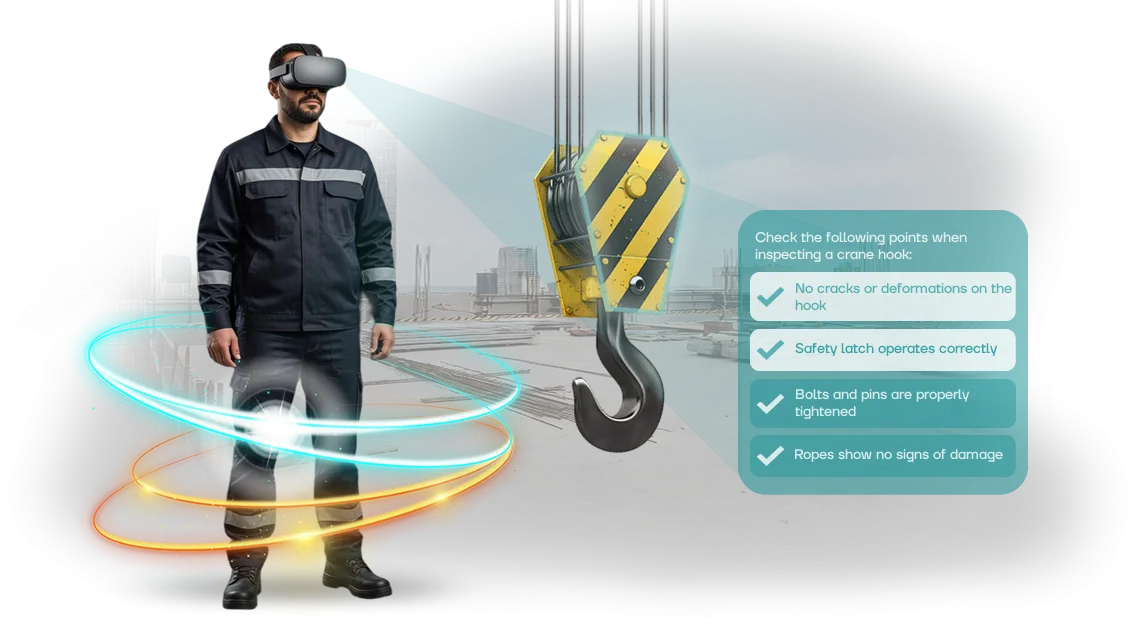
ייצור מטוסים: כיצד להכשיר כישורי בטיחות ללא סיכון לאנשים?
בייצור מטוסים, מחיר הטעות נמדד לא רק בכסף — חיי אדם ומוניטין החברה עומדים על הפרק. מתחמי הרכבה מורכבים, עבודה בגובה, אינטראקציה עם מכונות כבדות ודלק תעופתי דורשים פעולות ללא דופי מכל עובד.
בטיחות בעבודה כאן אינה פורמליות אלא תנאי להישרדות הייצור, וכל ליקוי בהכשרה הופך במוקדם או במאוחר לתקרית.
הדרכה מסורתית בצורת הרצאות, פוסטרים ומבחנים מספקת ידע אך אינה יוצרת כישורים מתמשכים. במצב חירום, אדם פועל על אוטופיילוט, לא מהזיכרון — ואם האלגוריתם הנדרש לא תורגל, הפאניקה משתלטת. לכן הכשרת עובדים רגילה אינה מפחיתה סיכונים כנדרש בייצור מטוסים.
סימולטורי VR פותרים בעיה זו בצורה שונה מהותית. עובד נכנס לעותק וירטואלי של בית המלאכה שלו ומתרגל תרחישים: מעבודה שגרתית ועד מצבי חירום שאי אפשר או מסוכן לדמות במציאות.
טעות בווירטואליות אינה עולה בבריאות או בציוד, אך המוח זוכר את רצף הפעולות הנכון כחוויה אישית. לאחר מספר אימונים, התנועות וההחלטות הנדרשות הופכות לאוטומטיות — בדיוק מה שצריך לבטיחות במקום העבודה.
אנו יוצרים סימולטורי VR למשימות של מפעלי ייצור מטוסים: אנו מדמים אזורים ספציפיים, ציוד ומצבים חריגים, לא "מקרים" מופשטים.
זה הופך הכשרת עובדים מפורמליות חובה לכלי להפחתת סיכונים ולשמירה על חיי העובדים.
מה סימולטור VR לבטיחות בעבודה נותן למפעל ייצור מטוסים
ייצור תעופתי הוא סביבה שבה מחיר הטעות האנושית נמדד לא רק בכסף אלא גם בחיי אדם. הדרכות בטיחות מסורתיות מספקות תיאוריה אך אינן יוצרות כישורים מתמשכים.
סימולטורי VR מהצוות שלנו מעבירים את ההכשרה מהכיתה לבית מלאכה וירטואלי — עם תרחישים ריאליסטיים שחודדו במשך 10 שנים במפעלים תעשייתיים.
מעורבות עובדים
העובד לא רק מקשיב — הוא פועל. בסימולציית VR, הוא צריך לקבל החלטות, ללחוץ על כפתורים, להתפנות, לבדוק ציוד.
לכן המעורבות בהכשרה גדלה פי כמה בהשוואה להרצאה: אנשים זוכרים לא שקופיות אלא את פעולותיהם שלהם ואת ההשלכות שלהן.
הפחתת פציעות ותאונות
הסימולטור מאפשר לעובדים להיכנס למצב חירום ללא איום אמיתי. העובד מתרגל פעולות עד שהן הופכות לאוטומטיות: עצירת מכונה, מתן עזרה ראשונה, יציאה מאזור הסכנה.
כשהדבר stesso קורה ברצפת הייצור, התגובה הופכת מהירה ונכונה — כלומר פחות פציעות והשבתות.
הערכת כישורים אובייקטיבית
לאחר כל תרחיש, המערכת מתעדת: אילו פעולות בוצעו נכון, היכן נעשתה טעות, כמה זמן לקחה התגובה. מנהל מקבל תמונה אמיתית של מוכנות כל עובד — ללא הערכה סובייקטיבית של המדריך.
זה מאפשר לשלוח אנשים להכשרה חוזרת בזמן ולטפל בנקודות חלשות לפני שהן הופכות לבעיה.
תרחישים לספציפיות תעופתית
אנו מתאימים את הסימולטורים לייצור ספציפי: עבודה עם רכיבי מטוסים, תנועה במתחמים עם מנופים ותחבורה, פעולות במהלך ירידת לחץ על ספסל הבדיקה.
העובד מתאמן בסביבה המשכפלת את יום העבודה שלו, כך שהכישורים עוברים לאתר האמיתי ללא אובדן איכות.
פורמטים של הכשרת VR למשימות ייצור
הייצור זקוק לכלי אחד המכסה גם הכשרה המונית וגם תרגול של פעולות נדירות. הדרכות קלאסיות מספקות תיאוריה אך אינן מאפשרות לאדם "להרגיש" את הסכנה: לחץ, זמן מוגבל, פעולות פיזיות.
מציאות מדומה פותרת את שתי המשימות, ופורמטים שונים של סימולטור מאפשרים להתאים במדויק את התרחיש: מבדיקת ידע מהירה ועד פינוי מלא של בית המלאכה.
להלן השוואה של הפורמטים שבהם אנו משתמשים בייצור מטוסים. אלה מצבים טיפוסיים; אנו בונים את התוכנית הספציפית סביב התקנות שלכם.
| פורמט הכשרת VR | למי | מה זה נותן ללקוח |
|---|---|---|
| סימולטור אישי | עובדים במקצועות מסוכנים: רתכים, מפעילי מכונות, מפעילי מנופים | תרגול פעולות נדירות ומסוכנות ללא סיכון בריאותי. האדם חוזר על התרחיש עד שהכישור יציב — לא "עבר ושכח". |
| תרחיש קבוצתי | משמרות, צוותים, שירותי תחזוקה | פעולות מתואמות במהלך תאונה, שריפה, דליפה או פינוי. הצוות לומד לתקשר במקום להיכנס לפאניקה. |
| מודולי VR קצרים (5–7 דקות) | כל הצוות, כולל עובדי משרד וחדשים | כיסוי המוני ללא עצירת ייצור. כמה עשרות עובדים עוברים דרך הסימולטור במשמרת אחת. |
| בחינה וירטואלית עם הערכת פעולות | שירות הבטיחות בעבודה, מחלקת משאבי אנוש | פרוטוקול תוצאות אוטומטי: מי עבר, היכן טעו, מי צריך הכשרה חוזרת. במקום יומני נייר — תמונה אובייקטיבית על פני כל המפעל. |
בשילוב הפורמטים הללו, אתם מכסים גם את דרישות רשות הפיקוח וגם את המוכנות האמיתית של אנשים למצב חריג.
תרחיש קבוצתי אורך 20–30 דקות, אישי — כל עוד נדרש לחזרה בטוחה, ומודולים קצרים ניתן לשלב בהדרכות רבעוניות ללא עצירת קו הייצור.
אנו נבחר פורמט לתהליך שלכם: הראו לנו את תקנות ההכשרה שלכם — נציע תוכנית שמתאימה ללוח העבודה ומספקת תוצאות מדידות בבדיקה הבאה.
כיצד פועלת הטמעת סימולטור VR במפעל
אנו מבינים שעבור מפעל ייצור מטוסים, הטמעת כלי הכשרה חדש אינה רק רכישת תוכנה, אלא שינויים בתקנות, בלוחות זמנים של עובדים ובבקרת תוצאות.
לכן התהליך בנוי כך שתמיד תדעו באיזה שלב אתם, מה קורה ומתי תופיע התוצאה הראשונה. להלן הדרך מהשיחה הראשונה ועד לפעולה שוטפת של הסימולטור.
- תחקיר וסקר של מערכת ההכשרה הנוכחית. אנו אוספים אילו פעולות ותקנות צריך לתרגל, אילו תקריות התרחשו ברצפת הייצור, ומי יוכשר. הפלט הוא הבנת מטרות וקריטריוני ביצוע.
- אישור תרחיש. המתודולוגים שלנו ומומחי הבטיחות שלכם מתארים יחד כל פעולת עובד בסביבה הווירטואלית: אילו טעויות מקובלות, אילו מובילות לעצירת תהליך, אילו לתאונה. אתם מאשרים את התרחיש לפני תחילת הפיתוח.
- פיתוח בית המלאכה הווירטואלי. אנו יוצרים מודל תלת-ממדי של אזור הייצור שלכם עם ציוד, כלים ומצבי חירום. כבר בשלב זה ניתן לבדוק גרסאות ביניים על העובדים שלכם.
- בדיקה עם המומחים שלכם. אנו מבצעים הכשרת פיילוט לקבוצה קטנה: בודקים את בהירות ההוראות, ריאליזם הפעולות ואוספים משוב. אנו מבצעים תיקונים מבלי לשנות את ציר הזמן של ההשקה.
- השקה ושילוב עם מערכת המעקב. אנו מתקינים את הסימולטור על מחשבים או באזור VR ומגדירים גישה לפי רשימות עובדים. תוצאות השלמה נכנסות אוטומטית לדוחות — אתם רואים מי עבר ומי טעה.
- תמיכה ופיתוח. לאחר ההשקה, אנו נשארים בקשר: מעדכנים תרחישים לתקנות חדשות, מוסיפים מצבים נוספים ועוזרים כשהציוד משתנה. אתם מקבלים כלי עובד, לא "קופסה" על דיסק.
בכל שלב, אדם אחראי מוקצה מהצד שלנו, ואתם רואים את כל החומרים והגרסאות המאושרות במרחב עבודה משותף.
זה מאפשר לכם לשלוט בתהליך ללא פגישות מיותרות ולשמור על ציר הזמן של ההטמעה גם אם האנשים האחראים בצוות שלכם משתנים.
מה כלול במסירת סימולטור VR לבטיחות בעבודה
כשאתם מזמינים סימולטור VR לבטיחות בעבודה, אתם מקבלים לא רק תוכנית אלא מערכת הכשרה מלאה. ערכת המסירה מורכבת כך שהעובדים שלכם יכולים להתחיל להתאמן בימים הראשונים לאחר ההתקנה.
-
ציוד VR — משקפיים, בקרים וחיישנים, מכוילים ונבדקים לפני המשלוח. אין צורך לבחור רכיבים בעצמכם או להבין תאימות.
-
תרחישים אינטראקטיביים — מודולי בטיחות מוכנים לייצור מטוסים: תנועה במתחם, עבודה עם ציוד הרמה, פעולות במצבים חריגים. עובדים מתרגלים פעולות מסוכנות ללא סיכון לחיים.
-
חומרים מתודולוגיים — מדריך למדריך, מערכי שיעור, טפסי מבחנים ותזכירים לצוות. הם מאפשרים שילוב מהיר של הכשרת VR במערכת הכשרת כוח האדם הקיימת.
-
הכשרת מדריכים — אנו מאמנים את המומחים שלכם: הם לומדים לעבוד עם הציוד, לנהל קבוצה ולנתח תוצאות עובדים.
-
התקנה וקונפיגורציה — אנו מספקים, מתקינים ומפעילים את הסימולטור באתר שלכם. עם השלמתו, אתם מקבלים פרוטוקול בדיקה ומוכנות מלאה לשיעור הראשון.
-
תמיכה ועדכונים — קו הייעוץ שלנו עונה על שאלות, וכשתקני הבטיחות משתנים, אנו מעדכנים תרחישים.
ערכה כזו מכסה את כל שלבי השקת הכשרת VR: מציוד ותוכן ועד מתודולוגיה והכנת צוות. כל מה שנשאר לכם הוא לקבוע את התאריך לשיעור הראשון.
מקרה בוחן: כיצד מפעל צמצם את זמן ההכשרה המקדימה
עבדנו עם מפעל ייצור מטוסים שבו ההכשרה המקדימה ארכה יומיים מלאים: הרצאות, מצגות, מבחני נייר.
עובדים חדשים נאלצו לספוג כמות גדולה של מידע בזמן קצר, ומחלקת הבטיחות בילתה שעות בבדיקת ידע ידנית. כתוצאה מכך, ההכשרה נמשכה, וחלק מהחומר כבר נשכח עד יום העבודה הראשון.
הצענו להחליף חלק מהמפגשים הפרונטליים בסימולטור VR המדמה מתחמי עבודה אמיתיים ומצבים מסוכנים. עובדים תרגלו פעולות בסביבה וירטואלית שבה יכלו לטעות בבטחה ולראות מיד את ההשלכות.
גישה זו אפשרה לצמצם את זמן ההכשרה המקדימה בשליש — מיומיים ליום וחצי — בעוד שציוני המבחן הסופי עלו בממוצע ב-15%.
למה זה עבד
המפתח היה לא רק מהירות, אלא איכות הלמידה. ב-VR, העובד אינו מקשיב באופן פסיבי אלא מתקשר עם החומר: מקבל החלטות, מגיב למצב חירום, זוכר את האלגוריתם דרך פעולה. זה חשוב במיוחד בייצור מטוסים, שבו טעות יכולה להיות יקרה.
ראש שירות הבטיחות ציין שעובדים חדשים נכנסים למתחם עם הבנה בסיסית של סיכונים, לא עם ידע מופשט מספר לימוד.
מפעל ייצור מטוסים — השם שונה לבקשת הלקוח — הזמין סימולטורים להכשרה חוזרת של צוות קיים לאחר פרויקט הפיילוט.
תוצאות מדידות למפעל
| מדד | לפני ההטמעה | אחרי ההטמעה |
|---|---|---|
| משך ההכשרה המקדימה | יומיים | יום וחצי |
| ציון מבחן ממוצע | 4.1 נקודות | 4.7 נקודות |
| זמן לבדיקת ידע | 4 שעות לקבוצה | 30 דקות אוטומטית |
חיסכון הזמן אפשר למדריכים להתמקד במשימות מורכבות יותר, ובדיקת תוצאות אוטומטית ביטלה את הגורם האנושי בהערכה. לייצור, זה אומר שעובדים חדשים מגיעים לתחנות העבודה שלהם מהר יותר מבלי לאבד מאיכות ההכשרה.
אם אתם רוצים להשיג תוצאה דומה למפעל שלכם — ספרו לנו על מפגשי ההכשרה המקדימה שלכם, ונראה כיצד VR משתלב בתהליך הקיים.
כיצד לבחור את פורמט הכשרת ה-VR הנכון למשימת המפעל?
אין תשובה אוניברסלית ישירה — פורמט הכשרת ה-VR הנכון נקבע לפי המשימה הספציפית של המפעל. אם צריך להכיר לעובדים חדשים במהירות את כללי הבטיחות הכלליים, תרחישים קצרים של כמה דקות מספיקים.
כשמדובר בתרגול פעולות בתאונה או עבודה עם ציוד מורכב, יידרשו סימולציות עמוקות עם מספר תרחישי התפתחות.
לייצור מטוסים, הספציפיות תמיד מעל הממוצע: אחריות גבוהה למוצר, פעולות טכנולוגיות מורכבות ודרישות משמעת קפדניות משולבות כאן.
לכן, בחירת סימולטור מתחילה לא ב"תמונה יפה" אלא בניתוח מקומות עבודה וטעויות טיפוסיות שמובילות לפציעות או ליקויים.
אנו בוחנים בדיוק אילו כישורים צריך לתרגל: רצף פעולות, מהירות תגובה, יכולת קבלת החלטה במצב חריג בזמן מוגבל.
בחירת סימולטור VR למפעל היא מאמץ משותף: אתם מספקים תקנות והוראות, אנו מציעים פורמט מתאים — מתרגילים מודולריים ועד סצנת מתחם מקיפה.
אנו לוקחים בחשבון את מספר העובדים שיעברו הכשרה ואת היכולת לעדכן תרחישים ללא עצירת ייצור. כך אתם מקבלים כלי שפותר את המשימה הספציפית שלכם, לא רק "VR מודרני".
אם אינכם בטוחים מאיפה להתחיל, אנו מזמינים אתכם לייעוץ. ננתח את המצב שלכם, נייעץ איזה פורמט יניב תוצאות מהירות, ונעזור לתכנן את ההטמעה. זה יפתור את השאלה המרכזית לפני הגשת בקשה.
שאלות נפוצות על סימולטורי VR לבטיחות בעבודה
מנהלים בייצור מטוסים שואלים את אותן שאלות לפני הטמעת סימולטורי VR: האם ההכשרה תיתקע, האם הציוד יתקלקל, מי יעדכן את התרחישים. אנו עונים מיד, ללא פרטים טכניים.
כל הפתרונות מותאמים לתהליכים הנוכחיים של המפעל ונתמכים לאורך כל חיי השירות. להלן ארבע השאלות הנפוצות ביותר.
כמה זמן אורכת ההטמעה?
משבועיים עד ארבעה שבועות מרגע אישור התרחיש. אנו מתאימים את התוכנית לתקנות שלכם, מכינים את מקום העבודה ומאמנים מדריכים. ההטמעה אינה עוצרת את הייצור — המפגשים משולבים בלוח הזמנים הנוכחי.
מה קורה אם הציוד מתקלקל?
אנו משתמשים בציוד מקצועי המיועד לעבודה אינטנסיבית במתחמים ובחדרי הדרכה. לאספקה יש אחריות, ובזמן ביצוע תיקונים אנו מספקים ערכת חילוף — ההכשרה לא נעצרת. פניות תמיכה מטופלות תוך יום עסקים אחד.
כיצד מעדכנים תרחישים?
יחד עם שינויים בתקני התעשייה וההוראות הפנימיות שלכם. אתם שולחים חומרים עדכניים — אנו מתאימים את התרגילים ובודקים פעולות עובדים מול הדרישות החדשות. זה מהיר וזול יותר מהזמנת פיתוח מאפס.
מי אחראי על התמיכה?
מנהל פרויקט ייעודי: ייעוץ, תחזוקת ציוד, עידון תרחישים — הכל במקום אחד. הוא מכיר את הספציפיות של המפעל ופותר בעיות ללא מעורבותכם.
הזמינו פיתוח סימולטור VR לייצור שלכם
ייצור מטוסים הוא תעשייה שבה מחיר הטעות נמדד בחיים ובמוניטין, והרצאות סטנדרטיות אינן מספקות את רמת ההכנה הנדרשת.
סימולטור VR מאפשר לתרגל פעולות במצב חירום ללא סיכון לצוות ולתעד את התוצאה של כל עובד. אבל כדי שיהיה שימושי, התרחיש חייב לשכפל את התהליכים המדויקים שלכם: מתחמים, ציוד, תקנות.
לכן אנו בונים את ההכשרה סביב הספציפיות שלכם. ראשית, אנו חוקרים את האתר וההפרות הטיפוסיות, ואז יוצרים תרחיש שעובדים יזהו מהדקות הראשונות.
הסימולטור הופך לכלי עבודה להפחתת פציעות ולמעבר מוצלח של בדיקות, לא "בידור" לראווה.
לאחר הגשת בקשה, תקבלו:
- הערכת עלות וזמן למתחם שלכם ומספר עובדים;
- קטע הדגמה של תרחיש המבוסס על התהליך האמיתי שלכם;
- תוכנית הטמעה סוהר: מהתרחיש ועד ההשקה והכשרת צוות;
- אישור תוכן עם שירות הבטיחות ומומחים טכניים;
- תמיכה טכנית ועידון תרחישים לפי תוצאות תפעוליות;
- חומרי דיווח לניטור השלמת הכשרה.
חידדנו גישה זו במשך 10+ שנים בפרויקטים לחברות תעשייתיות. הצוות שלנו עובד מרחוק בכל הארץ, כך שאינכם צריכים לחפש קבלן בעיר שלכם: אנו מארגנים את התהליך מרחוק ומבקרים באתר שלכם כשצריך ללכוד פרטים.
זה חשוב לייצור מטוסים — אנו מבינים את הדרישות לסודיות ייצור ובטיחות.
השאירו בקשה להערכת סימולטור VR. נחזור אליכם תוך יום עסקים אחד עם פתרון ראשוני: מה יכלול התרחיש, כמה זמן תימשך ההטמעה, וכיצד הסימולטור ישתלב בהדרכות הנוכחיות. נתחיל בשיחה קצרה על המשימה שלכם — את השאר נעשה בעצמנו.