

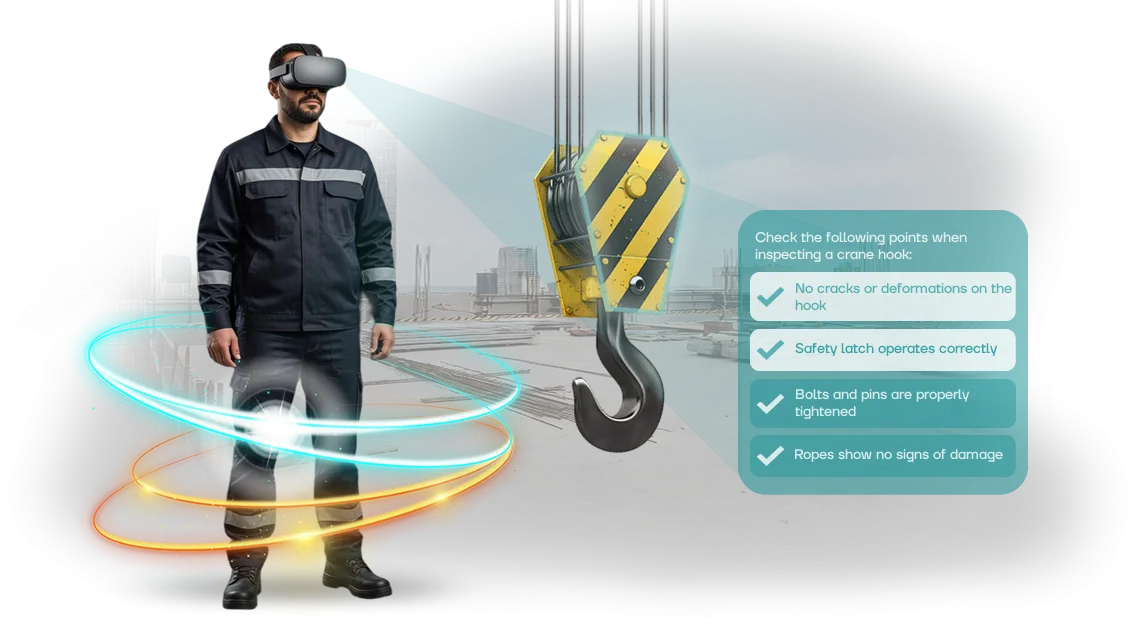
תעשיית הרכב זקוקה לסימולטורי בטיחות ב-VR
תעשיית הרכב היא אחד הענפים עתירי הסיכון ביותר. מסועים, ציוד כבד, מכונות נעות וכימיקלים דורשים מהעובדים להגיב באופן מיידי ולפעול לפי הכללים ללא דופי.
מחיר הטעות כאן אינו רק השבתת ייצור, אלא גם בריאותם של אנשים, קנסות רגולטוריים ומוניטין החברה.
פורמטים מסורתיים של בטיחות בעבודה — תדריכים, פוסטרים וסרטונים — מספקים ידע תיאורטי אך אינם בונים מיומנויות מתמשכות. העובד זוכר את הכללים, אבל במצב אמיתי של לחץ הוא הולך לאיבוד ופועל באופן שגוי. הכשרת עובדים קלאסית אינה יכולה לדמות תרחיש מסוכן מבלי לסכן אנשים.
סימולטורי בטיחות ב-VR משנים את הגישה. העובד נכנס לעותק וירטואלי של בית המלאכה שלו ומתרגל פעולות במהלך תאונה, שריפה או דליפה כימית בתנאים בטוחים לחלוטין לחיים.
המוח קולט את המתרחש כאמיתי, והשגרות הנדרשות מוטמעות ברמת הרפלקס. האימון הופך לפרקטיקה, לא לפורמליות.
הטמעת סימולטורי VR משפיעה ישירות על בטיחות הייצור: מספר התקריות יורד, ההפסדים מהשבתות מצטמצמים, ותרבות הבטיחות בקרב העובדים משתפרת.
ההכשרה מתבצעת ללא עצירת בית המלאכה ואינה דורשת חומרים מתכלים — דבר שחשוב במיוחד לתעשיית הרכב עם מחזורי ההרכבה הרציפים שלה.
כאן בצוות שלנו אנו מפתחים סימולטורי VR למפעלי רכב המותאמים למאפיינים הספציפיים שלהם. אנו מתכננים אזורים מסוכנים, תרחישי חירום ומשלבים הערכת מיומנויות. זה מאפשר לחברות לקבל תוצאות אמיתיות — פחות פציעות ורמת כשירות גבוהה יותר של העובדים.
מה הכשרת בטיחות בעבודה ב-VR נותנת לעובדים ולמפעל
בייצור רכב, מחיר הטעות גבוה במיוחד: פסי ייצור, ציוד כבד ולוחות זמנים צפופים. תדריכים מסורתיים מספקים תיאוריה אך אינם מלמדים כיצד לפעול במצב חירום.
סימולטור VR מטביע את העובד בסביבה ריאליסטית שבה הוא מתרגל פעולות בבטחה עד שהן הופכות לאוטומטיות. כתוצאה מכך, המפעל מקבל פחות פציעות ופחות השבתות הקשורות לתקריות.
מעורבות היא התוצאה המרכזית השנייה. אדם זוכר הרבה יותר את מה שעשה בעצמו מאשר את מה שקרא או שמע. מציאות מדומה מפעילה זיכרון שרירי: העובד מקבל החלטות, שומע אותות, מגיב לסכנה. לכן האימון אינו נתפס כפורמליות אלא בונה תרבות בטיחות בכל אתר.
לעובדים חדשים, הכשרת VR מקצרת את תקופת הקליטה. במקום התבוננות ממושכת במנטור, עולה חדש עובר תרחישים אופייניים בכמה מפגשים קצרים: נתיבי פינוי, עבודה עם כלים, פעולות במהלך תאונה.
הם מגיעים לבית המלאכה עם הבנה כיצד להתנהג בבטחה, ומומחים מנוסים אינם מוסחים ממשימותיהם.
חיסכון במשאבים ברור גם הוא. אין צורך לעצור את פס הייצור, להזמין חומרים מתכלים או לשכור אתר לתרגולים. ערכת VR אחת מחליפה עשרות שעות של מפגשים מונחי מדריך, ועדכוני תרחישים מתבצעים באופן מרכזי — ללא הזזת ציוד או בזבוז זמן.
לבסוף, המנהלים מקבלים דיווח שקוף. המערכת מתעדת מי השלים את ההכשרה, כמה ניסיונות נדרשו ואילו טעויות חוזרות על עצמן. ניתן להשתמש בנתונים אלה כדי לחזק במדויק את ההכשרה בתחומים ספציפיים ולמנוע בעיות לפני שהן מובילות לתקרית.
סימולטורי VR לתעשיית הרכב: פורמטים ובחירה
תעשיית הרכב היא אחד הענפים התובעניים ביותר בתחום הבטיחות בעבודה: פסי ייצור, עבודת ציוד, פעולות טעינה ופריקה. כל עובד חדש חייב לשלוט בהוראות, אך הרצאות קלאסיות ומבחנים אינם בונים מיומנויות מתמשכות. סימולטורי VR מאפשרים לתרגל פעולות במצבי ייצור אמיתיים ללא סיכון לאדם.
בבחירת פורמט, חשוב להבין איזו משימה ההכשרה פותרת. אם צריך לכסות במהירות תרחישים אופייניים לכוח אדם המוני, תרחיש מוכן מתאים.
אם לייצור יש אזורים ייחודיים, מאפייני פריסה או סיכונים ספציפיים, יידרש פיתוח מותאם אישית. נבחן את שתי האפשרויות.
השוואת פורמטים
| פורמט | למי | מה הוא נותן ללקוח |
|---|---|---|
| תרחיש מוכן | חברות עם מקומות עבודה אופייניים וסיכונים סטנדרטיים | השקה מהירה ללא הכנה ממושכת, מתודולוגיה מוכחת, עלות קבועה |
| פיתוח מותאם אישית | מפעלים עם בתי מלאכה, ציוד או תקנות ייחודיים | התאמה מלאה להוראות פנימיות, תרגול תרחישים אמיתיים הספציפיים לייצור שלך |
| אפשרות היברידית | למי שרוצה לחסוך זמן אך להתחשב במאפיינים הספציפיים שלו | בסיס של מודולים מוכנים + התאמה אישית לתהליכים שלך |
איך לבחור
התמקדו בשלושה קריטריונים: היקף ההכשרה, ייחודיות תהליכי הייצור ולוחות זמנים ליישום. לקליטה המונית, תרחיש מוכן מתאים; להכשרת מומחים על ציוד ייחודי — פיתוח מותאם אישית.
אנחנו נעזור לבצע ביקורת ולהציע את הפורמט האופטימלי לפני תחילת העבודה, כך שלא תשלמו יותר מדי עבור אפשרויות מיותרות.
שלבי פיתוח סימולטור VR: מהבריף ועד השקת ההכשרה
כל פרויקט בצוות שלנו עובר שלבי פיתוח שקופים — אתה תמיד יודע מה קורה ואיזו תוצאה תקבל.
עבור תעשיית הרכב, אנו מתאימים תרחישים לתקנות שלך, לטעויות אופייניות ולציוד אמיתי, כך שהסימולטור הסופי מוכן מיד להפעלת ההכשרה.
-
בריף וביקורת תהליכים. אנו לומדים את ההוראות שלך, מנתחים הפרות תכופות בייצור ומגדירים מטרות הכשרה. אנו נפגשים עם מנהלי בתי מלאכה ומומחי בטיחות בעבודה כדי לקחת בחשבון את הניסיון שלהם.
-
פיתוח תרחיש ומפרט טכני. אנו מתעדים מצבי הכשרה, פעולות עובד וקריטריוני הערכה. אנו מאשרים את המסמך — אתה מאשר מראש את ההיגיון והתוכן, ומונעים עיבודים בלתי צפויים.
-
אישור קונספט ואב טיפוס. אנו מציגים את "השלד" של הסימולטור בסצנות פשוטות, דנים בפרטים ומבצעים עריכות לפני תחילת הפיתוח בקנה מידה מלא. זה חוסך זמן ותקציב.
-
הפקת גרסה מלאה. אנו יוצרים מודלים תלת-ממדיים מפורטים של בתי מלאכה, מכונות, ביגוד עבודה ומטמיעים רמזים אינטראקטיביים ומשוב. אתה רואה גרסאות ביניים ושומר על אצבע על הדופק במהלך העבודה.
-
השקת פיילוט. אנו בודקים את הסימולטור עם העובדים שלך: בודקים אם התרחיש ברור, אם הפעולות מוערכות נכון, ואם נוח במשקפי ה-VR. בהתבסס על התוצאות, אנו מבצעים עריכות סופיות.
-
השקת הכשרה ובקרת תוצאות. אנו מתקינים את הפתרון על הציוד שלך ומחברים את לוח הבקרה למנהל. אתה רואה מי השלים את ההכשרה, היכן מתרחשות שגיאות וכיצד יורד הסיכון להפרות.
-
תמיכה ופיתוח. אנו מעדכנים תרחישים לתקנות חדשות, מוסיפים תרחישים נוספים ומסייעים באינטגרציה למערכת ההכשרה שלך. הסימולטור אינו מתיישן — הוא גדל יחד עם הייצור.
מה כלול במסירת סימולטור VR למחלקת הבטיחות בעבודה
לאחר סיום הפרויקט, אתה מקבל לא רק תוכנה עובדת אלא ערכה מלאה להפעלת הכשרה עצמאית.
מחלקת הבטיחות בעבודה תוכל לקיים מפגשים ראשונים תוך מספר ימים — אין צורך לסיים משהו או לחפש קבלנים נוספים.
המסירה כוללת:
-
סימולטור VR מוכן עם כל קבצי העבודה, המותאם לתהליכי הייצור שלך: בתי מלאכה, ציוד ומצבים מסוכנים אופייניים.
-
חומרים מתודולוגיים למדריכים: תרחישי שיעור, נהלי סקירת שגיאות והמלצות להערכת עובדים.
-
הכשרה לצוות שלך: מהנדסים ומומחי בטיחות בעבודה לומדים את המערכת בקורס קצר בהנחיית המתודולוגים שלנו.
-
דיווח אוטומטי: הכלי מתעד את מספר ההשלמות, אחוזי ההצלחה ומכין סיכומים להסמכה ולניהול.
-
גישה להגדרות הסימולטור: מנהלים יכולים לשנות פרמטרי תרחיש, רמות קושי ולחלק עובדים לקבוצות הכשרה.
-
תיעוד טכני ונהלי תחזוקה: לוח עדכוני תוכן, החלפה מהירה של הוראות ואלגוריתם פעולה לשינויים.
לאחר המסירה, אנחנו נשארים בקשר. השנה הראשונה כוללת ייעוץ ועדכונים קלים — לא תישאר לבד עם הטכנולוגיה.
כתוצאה מכך, מחלקת הבטיחות בעבודה מקבלת כלי עצמאי שמשתלב בקלות במערכת ההכשרה הקיימת ועוזר להכין עובדים לסיכוני ייצור אמיתיים.
מקרה בוחן: כיצד מפעל ייצור הפחית פציעות עם הכשרת VR
בייצור מסועים, המחיר של טעות אנוש גבוה במיוחד: עצירת הקו יקרה, ופציעה משמעותה לא רק חופשת מחלה אלא גם שיבוש בשרשרת האספקה.
תדריכים קלאסיים ופוסטרים אינם תופסים את תשומת הלב, ואחרי חודש העובד פועל מתוך הרגל ולא לפי הכללים. הכשרת VR הופכת ידע למיומנויות — וזה מה שמשנה את הסטטיסטיקה.
מקרה בוחן: מפעל רכיבי רכב
עבור מפעל המעסיק יותר מ-400 איש, פרסנו סימולטורי בטיחות בעבודה. בסביבה הווירטואלית מתורגלים סיכונים אופייניים של בית המלאכה: עבודה עם מכבש, הזזת יחידות כבדות, פעולות במצב חירום.
טעות ב-VR אינה מובילה לטרגדיה אך משאירה רושם עז — מאוחר יותר העובד אינו חוזר עליה במציאות.
תוצאות לאחר שישה חודשים:
- מספר הפרות הבטיחות ירד ב-65%;
- הפציעות כמעט נחתכו בחצי;
- זמן הקליטה ירד מ-3 שעות ל-30 דקות.
האפקט הכלכלי מורכב משלושה מרכיבים: פחות השבתות עקב פציעות, פחות קנסות מרשויות הפיקוח וכניסה מהירה יותר של עובדים חדשים לפס הייצור.
הציוד מחזיר את עצמו בתוך השנה הראשונה ואז עובד כמערכת קבועה לשמירה על תרבות בטיחות.
המתודולוגיה שפותחה בצוות שלנו מבוססת על העיקרון "עשה, אל תצפה". התרחישים מותאמים למכונות ולאזורים הספציפיים של הלקוח, כך שהעובד מתאמן בתנאים קרובים ככל האפשר לבית המלאכה האמיתי.
תרגול מסוג זה נותן תוצאות מתמשכות — וזה מאושר על ידי נתונים במפעלים אחרים בענף.
כיצד לבחור את פורמט סימולטור ה-VR המתאים למשימה שלך
בחירת פורמט סימולטור VR מתחילה לא בציוד אלא במשימה.
ייצור אחד צריך להכיר למשמרת חדשה את כללי בית המלאכה תוך שעה, אחר צריך לתרגל פעולות במהלך דליפה או שריפה, ושלישי צריך להבין אם הצוות מוכן לעבוד ללא מדריך. לכן, ראשית אנו מגדירים את מטרת ההכשרה, אחר כך את הקהל, ורק אז בוחרים את הפורמט.
שלושה קריטריונים — מטרה, קהל ותקציב. מודול היכרות קצר משתלב בתדריך קיים ואינו דורש השקעות גדולות.
תרגול בקנה מידה מלא של פעולות עם השלכות של טעויות עולה יותר אך נותן תוצאה מדידה: העובד זוכר את האלגוריתם עד שהוא הופך לאוטומטי לפני שהוא הולך לפס הייצור האמיתי.
| פורמט | לאיזו משימה | מה הוא נותן ללקוח |
|---|---|---|
| הכרות | קליטה ראשונית לעולים חדשים | שילוב מהיר בעבודה ללא עצירת ייצור |
| מבוסס תרחיש | תרגול מצבי חירום | מיומנויות מתמשכות שנבחנו לפני סיכון אמיתי |
| מקיף | הסמכה של משמרת או אזור | הערכה אובייקטיבית של מוכנות כל עובד |
ככל שהמשימה מורכבת יותר, כך נדרש יותר זמן פיתוח והתקציב גבוה יותר. אבל זה לא אומר שצריך לבחור מיד פורמט יקר: אנו מחשבים עומס הכשרה, מספר עובדים ותדירות חזרות, ואז מציעים את האפשרות האופטימלית.
אם המשימה משתנה בשנה הבאה, ניתן להרחיב את הסימולטור — אין צורך לשנות הכל מאפס.
אנו בוחרים את הפורמט למטרה ולתקציב שלך תוך כמה ימי עבודה לאחר הבריף. נשלח הערכת עלות, לוחות זמנים ודוגמאות של פתרונות דומים לתעשיית הרכב. כל שנותר הוא לאשר ולהשיק את ההכשרה.
שאלות נפוצות על סימולטורי בטיחות בעבודה ב-VR
מנהלי ייצור ומומחי בטיחות בעבודה שואלים אותנו לרוב דבר אחד: כיצד סימולטורי VR ישתלבו בתהליכים הנוכחיים, באיזו קלות עובדים ישלטו בהם, ומה יקרה אם הציוד יתקלקל. אנו עונים על שאלות אלה — כך שהחלטת היישום מתקבלת על סמך עובדות, לא הנחות.
מה אם ציוד ה-VR יתקלקל במהלך מפגש?
הטכנולוגיה עובדת על מכשירים מקצועיים מוכחים, ולפני כל הכשרה אנו מבצעים אבחון ומגדירים הכל לתרחיש שלך.
במהלך ההכשרה, מסופק ציוד גיבוי — אם המכשיר הראשי נכשל, ההחלפה אורכת כמה דקות ולוח ההכשרה לא יופרע.
האם עובדים מבוגרים או כאלה ללא ניסיון בטכנולוגיה יכולים להתמודד עם הסימולטור?
הממשק עוצב לקהל המוני: לימוד השליטה אורך 2–3 דקות, רמזים מוצגים על המסך, והמדריך רואה את פעולותיו של כל משתתף.
בפועל, הכשרנו עובדים עם ניסיון מינימלי במחשב — כולם השלימו את התרחיש בהצלחה בניסיון השני. כתוצאה מכך, אתה לא מבזבז זמן על הכנה נפרדת של צוות אלא משלב את ההכשרה במשמרת רגילה.
האם קשה לשלב הכשרת VR במערכת הכשרת הבטיחות הקיימת?
ההכשרה משתלבת בתוכניות קיימות כמודול מעשי נוסף — היא אינה מחליפה את התדריך אלא מחזקת אותו. אתה בוחר תרחישים לסיכונים ספציפיים: עבודה על המסוע, פעולות טעינה ופריקה, תנועה בבית המלאכה.
לאחר המפגש, המערכת מייצרת אוטומטית דוח על פעולותיו ושגיאותיו של כל עובד — נתונים אלה מתאימים גם להסמכה פנימית וגם לבדיקות חיצוניות.
הזמנת סימולטור בטיחות בעבודה ב-VR: השלבים הבאים
כדי לדון בתרחיש שלך ולחשב את עלות הפיתוח, פשוט השאר בקשה באתר. נחזור אליך תוך יום עסקים, נבהיר את המשימות ונציע פורמט שמתאים לתקציב וללוח ההשקה שלך.
השלב הראשון יכול להיות פרויקט פיילוט: סימולטור אחד לתרחיש מפתח של הייצור שלך. באמצעותו תוכל להעריך איכות, מהירות יישום ותגובת עובדים — ואז להרחיב את הפתרון לכל בתי המלאכה והמשמרות.
לאחר הבקשה הראשונה שלך, תקבל:
- ייעוץ עם מומחה בהכשרת VR ובטיחות בעבודה — ללא דיבורים כלליים, רק על המצב שלך.
- הערכת עלות ולוחות זמנים ראשוניים לתרחיש שלך.
- המלצות פורמט: מסימולטור פיילוט ועד תוכנית מקיפה לכל המחלקות.
- סקירת תרחישים מועדפים: אילו תהליכים כדאי להפוך לאוטומטיים ראשונים.
- הצעה מסחרית עם תנאים ברורים וערבות לתוצאה.
- תוכנית השקה ברורה עם תאריכים ותחומי אחריות.
השאר בקשה — ותוך כמה ימים העובדים שלך יתחילו להתאמן בתנאים קרובים ככל האפשר לעבודה אמיתית, אך ללא סיכונים בריאותיים. נתחיל בייעוץ ובהערכה ראשונית.