

מדוע תעשיית האנרגיה מפסידה כסף על הדרכת בטיחות בעבודה
תעשיית האנרגיה היא מגזר שבו המחיר של טעות גבוה במיוחד: תאונה, פציעה או השבתת ציוד עולים ביוקר רב.
מנהלים מקצים תקציבים לבטיחות בעבודה, אך אינם רואים החזר: הרצאות, תדריכים ומבחנים אינם משנים את התנהגות העובדים. העובדים עוברים את הבדיקות באופן פורמלי, אך תוך חודש הם כבר לא זוכרים את אלגוריתמי הפעולה — החברה משלמת פעמיים.
הפורמטים המסורתיים דורשים הוצאת צוותים מהמשמרות, השכרת מתחמים ושליחת מדריכים לנסיעות עסקים.
עבור תעשיית האנרגיה עם המתקנים המפוזרים שלה והמחזור הרציף, זה כואב במיוחד: בזמן שקבוצה יושבת בכיתה, התחנה מאבדת תפוקה.
הדרכה מואצת "רק למראית עין" רק מגבירה סיכונים: העובדים בטוחים שהם יודעים את הכללים, אך במצב חירום אמיתי הם פועלים בהיסוס ובאיטיות.
בטיחות בעבודה במגזר האנרגיה אינה פרוטוקול אלא עניין של חיים וביטחון אנשים. אפילו אירועים נדירים מובילים לפציעות חמורות, קנסות מרשויות הפיקוח ואובדן מוניטין כספק אמין.
לכן נדרשים פורמטים המאפשרים לעובדים לתרגל פעולות בסביבה קרובה ככל האפשר למציאות — מבלי לסכן אנשים, ציוד או לעצור את מחזור הייצור.
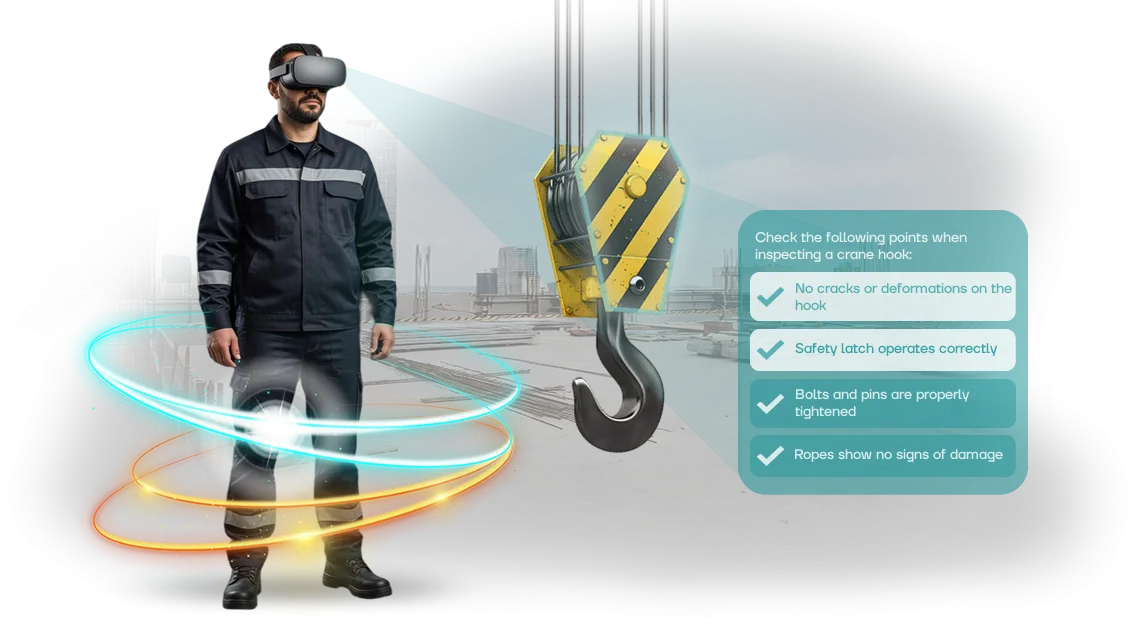
אנחנו עוזרים להעביר את הדרכת בטיחות העבודה של העובדים לסימולטורי VR. עובד נכנס לתחנת משנה או לסדנה וירטואלית, נתקל במצב חירום ולומד לקבל החלטות נכונות.
זה מפחית סיכונים, מקצר את זמן ההדרכה והופך את תוצאות הלמידה למדידות: אתם רואים אילו מיומנויות תורגלו והיכן נותרו פערים. בהמשך, נפרט איך זה עובד.
מה מספק אימון VR לבטיחות בעבודה בתעשיית האנרגיה
אימון VR בתעשיית האנרגיה פותר את נקודת הכאב המרכזית של המגזר — סיכונים גבוהים בעבודה עם מתח, בגובה ועם ציוד מורכב. המחיר של טעות כאן נמדד לא בקנסות אלא בבריאות העובדים ובמוניטין החברה.
הסימולטורים מאפשרים לתרגל תרחישים מסוכנים ללא סיכון אמיתי: כל עובד חווה מצב חירום בסביבה וירטואלית בטוחה וזוכר את אלגוריתם הפעולה הנכון ברמת הרפלקס.
היתרון הראשון הוא הפחתת פציעות. עובד ממוקם בתנאים קרובים ככל האפשר למציאות: ניצוצות, עשן, תקלת ציוד והצורך לקבל החלטה מהירה.
אפשר לטעות בסימולטור ללא השלכות, אבל המוח רושם את הטעות ובפעם הבאה — באתר אמיתי — פועל נכון. בניסיון שלנו, לאחר מחזור הדרכה, העובדים מקפידים יותר על הנהלים ומפרים פחות את כללי הבטיחות.
השני הוא צמיחת כשירות מבלי להוריד אנשים מהעבודה. אתם מסירים את הבעיה של "הדרכה על ציוד חי", שמאטה צוותים ויוצרת סיכונים נוספים.
סימולטור אחד יכול להכשיר עובדים בכל המחלקות — ממתחילים ועד מומחים מנוסים — עם רמות מורכבות משתנות ובדיקות ידע אוטומטיות. התוצאה היא רמת מיומנות צפויה לכל חבר צוות.
השלישי הוא מותג המעסיק. תעשיית האנרגיה מתחרה על כישרונות צעירים, והדרכה מודרנית משדרת מסר: החברה דואגת לביטחון ולהתפתחות העובדים. אימון VR נראה היי-טק, מושך מועמדים ומגביר נאמנות בקרב עובדים קיימים. זה לא רק סעיף הוצאה אלא השקעה ביציבות הצוות והפחתת תחלופה.
בסופו של דבר, אימון VR לבטיחות בעבודה בתעשיית האנרגיה מספק תוצאות עסקיות מדידות: פחות תקריות, מהירות ואיכות הדרכה גבוהות יותר ומותג HR חזק יותר.
אתם מקבלים ביטחון שכל עובד — מחשמלאי ועד מהנדס — פועל בבטחה ובמקצועיות בכל מצב חירום.
פורמטים של סימולטורי VR לתעשיית האנרגיה: בחירה לפי משימה
בתעשיית האנרגיה, המחיר של טעות גבוה במיוחד: עובדים עובדים עם מתח, בגובה ועם ציוד מורכב, בעוד תדריכים נותרים פעמים רבות פורמליות.
סימולטורי VR משנים את הגישה — אדם שקוע במצב ריאלי ולומד לפעול ללא סיכון. אבל כדי שההדרכה תניב תוצאות עסקיות, חיוני לבחור את הפורמט הנכון.
אין פתרון אחד שמתאים לכולם: פורמט אחד מתאים להדרכה המונית, אחר לתרגול מצבי חירום נדירים במתקנים ייחודיים. להלן טבלה שתעזור לכם להתאים את הפורמט למשימה ולראות איזה אפקט החברה תקבל.
| פורמט | קהל יעד | תועלת ללקוח |
|---|---|---|
| סימולטור אישי | עובדים חדשים, עובדים לפני קבלת גישה לאתר | הערכה מהירה של ידע ומיומנויות, ביטול טעויות הנגרמות מחוסר תשומת לב |
| תרחיש קבוצתי לצוות | חשמלאים, צוותי תחזוקה, עובדים תפעוליים | תרגול תיאום חירום, עבודת צוות ועמידה בנהלים |
| כיתת VR באתר | חברות עם זרם קבוע של מתאמנים | בסיס הדרכה פנימי למפגשים שוטפים, הפחתת עלויות להדרכה מחוץ לאתר |
| אזור VR נייד | אתרים מרובים, מחנות רוטציה, תחנות משנה מרוחקות | ערכה אחת מכסה הדרכה בכל האתרים מבלי להעביר עובדים |
| תרגול תרחיש נדיר | צוותים המגיבים למצבי חירום: שריפות, דליפות, קרעי קווים | מוכנות גבוהה יותר למצבי חירום, זמן תגובה קצר יותר |
בחירת הפורמט משפיעה ישירות על מהירות הפריסה והכיסוי: לפעמים סימולטור אחד מספיק, ולפעמים כיתה מלאה יעילה יותר.
אנחנו עוזרים לכם לבחור את התצורה שתתאים למשימות ולמצבת העובדים שלכם — ותומכים בהשקה עד לשילוב מלא בתהליך ההדרכה שלכם.
איך אנחנו מיישמים אימון VR בתעשיית האנרגיה בשישה שלבים
יישום אימון VR בתעשיית האנרגיה לא מתחיל בקניית "חומרה" אלא בהבנת המטרות שלכם.
אנחנו מבנים את התהליך כך שתראו תוצאות ביניים בכל שלב ותוכלו להשפיע על המוצר הסופי — במקום לקבל "קופסה שחורה" בסוף הפרויקט.
-
אנחנו אוספים בריף ומנתחים את המאפיינים הספציפיים של הייצור שלכם: תקנות בטיחות בעבודה עדכניות, טעויות עובדים אופייניות ואזורי סיכון. על סמך התוצאות, אנחנו מכינים מפרט טכני — אתם לא צריכים לתרגם שום דבר משפת מפתחים.
-
אנחנו מתכננים תרחישי סימולטור יחד עם המומחים שלכם. כל תרחיש משחזר מצב אמיתי: עבודה בגובה, תחזוקת מתקני חשמל, תגובה לתאונה. זה שומר על קשר הדוק בין ההדרכה למתקנים שלכם.
-
אנחנו בונים את הסימולטור על ציוד VR מקצועי ומראים גרסאות ביניים מיד. אתם רואים איך נראית הסצנה, אילו פעולות המשתמש מבצע, ואתם עורכים שינויים לפני האישור הסופי.
-
אנחנו משיקים פיילוט עם קבוצה קטנה של עובדים. אנחנו מודדים זמן השלמה, מספר טעויות ותגובות משתמשים, ואז מכווננים את התרחישים — התוצאה היא כלי נוח ומובן לכולם.
-
אנחנו מטמיעים את ההדרכה בשגרה: פורסים את התוכנה, מחברים את הציוד ומכשירים את המדריכים שלכם. אנחנו משלבים את לוח הזמנים של אימון ה-VR בהסמכת בטיחות בעבודה.
-
אנחנו מספקים תמיכה לאחר ההשקה: מעדכנים תרחישים כשהתקנות משתנות, עוקבים אחר סטטיסטיקות ומספקים תמיכה טכנית. אתם מקבלים לא פיתוח חד-פעמי אלא מערכת עובדת שמפחיתה את הסיכון לפציעות ותאונות.
מה כלול במשלוח סימולטור ה-VR: חבילה למחלקת בטיחות בעבודה
עבור מחלקת בטיחות בעבודה, חשוב לא רק לקנות ציוד אלא לקבל פתרון עובד שמשתלב במהירות בתהליך ההדרכה הקיים.
לכן חבילת המשלוח מוכנה להשקה מיידית: אתם לא מקבלים חלקים מפוזרים אלא מערכת מורכבת שבה ברור מה לעשות מחר.
כל סימולטור VR כולל את כל הדרוש להדרכה מלאה של עובדים במקצועות הקשורים לאנרגיה:
- תרחישי VR מוכנים — מתורגלים מצבים אמיתיים מהתעשייה שלכם: פעולות במקרה של התחשמלות, עבודה בגובה, פעולות מיתוג בתחנות משנה.
- ציוד עם תוכנה מותקנת מראש — הערכה מוגדרת ונבדקת; כל מה שצריך זה להדליק ולהתחיל לעבוד.
- חומרים מתודולוגיים למדריך — המלצות כיצד לנהל מפגש ולהעריך עובד כך שהתוצאה תהיה מדידה.
- חבילת תיעוד מלאה — תעודות, דרכונים והוראות לבקרה פנימית ובדיקות של רשויות הפיקוח.
- מערכת מעקב אחר מפגשים — סטטיסטיקות אוטומטיות: מי סיים את ההדרכה, עם איזו תוצאה והיכן אירעו טעויות.
- הכשרת המדריכים שלכם — נראה לכם איך לנהל מפגשים בעצמכם, מבלי לשכור קבלן.
אנחנו מטפלים בתיעוד כך שיכסה את הצרכים של ההנהלה שלכם ושל המפקחים. כל התקנות, היומנים והתעודות מעוצבים בהתאם לדרישות בטיחות בעבודה, כך שלא תצטרכו "למלא" ניירת ידנית.
לאחר ההשקה, אתם לא נשארים לבד עם הציוד: צוות תמיכה נשאר בקשר, עוזר בעדכוני תרחישים ופותר בעיות טכניות. זה עובד כמו שירות במחזור מלא — מהדמו הראשון ועד מפגשים שוטפים בחדר ההדרכה שלכם.
מקרה בוחן: יישום סימולטורי VR במתקן אנרגיה
תעשיית האנרגיה היא מגזר שבו טעויות עולות ביוקר: קצרים, כוויות, נפילות מגובה. תדריכים רגילים ופוסטרים לא מאפשרים לעובד לחוש בסכנה האמיתית. בבדיקת מקרה עבור תחנת המשנה EnergoProm, נראה כיצד סימולטור VR משנה מדדי בטיחות.
אתגר ופתרון
הוטלה עלינו המשימה להכין 120 עובדים לתגובה למצבי חירום מבלי להוציא אותם מהמשמרות לקורסים ארוכים.
במקום הרצאות, פרסנו סדרת תרחישי VR המשחזרים את האזורים האמיתיים של מתקן האנרגיה: עבודה במתג, פעולות מיתוג מתוכננות ופעולות במהלך שריפה.
כל תרחיש כולל מספר נקודות החלטה — מבחירת ציוד מגן נכון ועד פינוי חירום.
מדדים לאחר היישום
חודשיים לאחר ההשקה, השווינו את המדדים לתקופה הקודמת:
- הזמן לתרגול אלגוריתם פעולת החירום ירד ב-40%.
- מספר הטעויות במהלך פעולות מיתוג ירד פי שלושה.
- התדריך המעקב אורך 20 דקות במקום מפגש של שעתיים.
- הפרויקט החזיר את ההשקעה באמצעות הפחתת זמן השבתה ומניעת פציעות.
העובדים מתאמנים באופן אישי, בזמן נוח, מבלי לאסוף קבוצות או לשכור מגרש אימונים. המנהל מקבל תמונה אובייקטיבית: מי שלט באלגוריתם ומי זקוק לתרגול נוסף.
לאחר פיילוט מוצלח, EnergoProm הזמינה הרחבת התוכנית לשני סניפים נוספים — המאשרת את הערך המעשי של הסימולטור.
איך לבחור את פורמט אימון ה-VR הנכון למשימה שלכם?
בחירת פורמט אימון VR מתחילה במשימה העסקית, לא בטכנולוגיה. עבור בטיחות בעבודה בתעשיית האנרגיה, זה בעיקר אומר לענות על שתי שאלות: איזו מיומנות העובד צריך לפתח, וכמה אנשים חייבים לעבור הדרכה.
התשובות קובעות את עומק התרחיש, אורך המפגש ודרישות ניהול התהליך.
אם המטרה היא לשפר באופן נרחב את תרבות הבטיחות ולבחון ידע בתקנים, תרחישים קצרים עם כללים ברורים וטעויות ברורות מתאימים. עובד שקוע במצב טיפוסי במתקן אנרגיה, מקבל החלטות ורואה מיד את ההשלכות.
זה יעיל לתדריכים, בדיקות מתוזמנות ועבודה עם מספר גדול של עובדים באזורים שונים.
אם המטרה היא לתרגל תגובה למצבי חירום — חיסול תאונות, פינוי, תיאום צוות — נדרש פורמט מעמיק יותר.
שקיעה מלאה עם מסלולים מתפצלים ומגבלות זמן מאפשרת לעובד לחוות את כל התרחיש ולזכור את האלגוריתם ברמת הרפלקס. פורמט זה חיוני לעובדים תפעוליים שמקבלים החלטות תחת לחץ.
הקריטריון השלישי הוא היקף וניהול. עבור קבוצת פיילוט, ערכה אחת והשקה פשוטה מספיקים; עבור רשת סניפים, נדרשת פלטפורמה עם חשבונות עובדים, סטטיסטיקות השלמה ודוחות למחלקת בטיחות בעבודה.
רלוונטיות חשובה גם היא: התקנים משתנים, לכן בחרו פתרון שניתן לעדכן מבלי לעצור את ההדרכה.
העיקר הוא לא לבחור פורמט "למראית עין" אלא להתחיל ממה שעובד צריך להיות מסוגל לעשות לאחר ההדרכה.
במהלך הביקורת, אנחנו מנתחים את המשימות וההיקף שלכם ומציעים פורמט שעונה עליהם עם הכיסוי הנכון ובלי לשלם יותר מדי על אפשרויות מיותרות.
שאלות נפוצות: מה אם הסימולטור לא מתאים למאפיינים הספציפיים שלכם?
אנחנו יודעים שבתעשיית האנרגיה אי אפשר להשתמש בגישה אחת שמתאימה לכולם: לכל חברה יש תקנות, ציוד ודרישות בטיחות בעבודה משלה. לכן אנחנו לא מציעים מוצר "מדף"; במקום זאת, אנחנו מתאימים את הסימולטור למסמכים ולזרימות העבודה האמיתיות שלכם. אם המאפיינים שלכם משתנים, אנחנו משכללים את התרחישים מבלי לאבד איכות.
מה אם הסימולטור לא מתחשב בהוראות הפנימיות שלנו?
אנחנו מתחילים בביקורת של התקנות ודרישות בטיחות העבודה שלכם. על סמך זה, אנחנו מתאימים את התרחישים, רשימות הסיכונים ונהלי הפעולה. אתם מאשרים כל גרסה, ואנחנו עורכים שינויים עד שהיא תואמת לחלוטין לדרישות שלכם. זה מצוין בחוזה.
אילו ערבויות אתם מציעים שהתוצאה תתאים למאפיינים הספציפיים של תעשיית האנרגיה?
לפני ההשקה, אנחנו עורכים בדיקות פיילוט עם העובדים שלכם ומאמתים עם מומחי בטיחות בעבודה. אם נמצאו פערים, אנחנו משכללים את הפתרון ללא עלות.
האחריות על הביצועים והעמידה בתרחישים המוסכמים נשארת בתוקף לכל תקופת התמיכה.
כמה מהר אתם יכולים להתאים את הסימולטור למאפיינים שלנו?
המחזור הסטנדרטי מתחיל משבועיים לביקורת ועריכות ראשוניות. לאחר מכן מגיעות איטרציות: אתם מספקים משוב, אנחנו מבצעים שינויים ומחזירים את התוצאה. בזכות זה, הסימולטור נשאר רלוונטי גם כשההוראות מתעדכנות.
לאחר ההשקה, אנחנו נשארים בקשר: אנחנו מתחזקים את הסימולטור, מעדכנים תרחישים כדי לעקוב אחר כללים חדשים ועוזרים ביישום. התאמה ואחריות אינן הבטחה חד-פעמית אלא חלק מהעבודה שלנו לאורך כל שיתוף הפעולה.בקשו הערכת עלות לסימולטור VR עבור הארגון שלכם
פיתוח סימולטורי VR למגזר האנרגיה שונה מתוכניות הדרכה סטנדרטיות: דרישות בטיחות בעבודה והמאפיינים הספציפיים של עבודה תחת מתח, בגובה ובמתקנים מורכבים — כל אלה חשובים.
"הערכה גסה" מהירה לא עובדת כאן — אתם צריכים הערכה של המשימות שלכם, מספר העובדים ופורמט ההדרכה. זה בדיוק מה שאתם מקבלים לאחר שליחת בקשה.
השאירו בקשה להערכה, ותוך שני ימי עסקים נכין פרמטרים ראשוניים של הפרויקט: פורמט סימולטור ה-VR הנכון, ציר זמן פיתוח משוער וטווח עלויות המותאם למטרות שלכם. בלי הבטחות מופשטות — רק תוכנית קונקרטית שתוכלו לקחת לדיונים פנימיים בחברה.
מה תקבלו לאחר פנייתכם:
- הערכת עלות וזמן המותאמת למשימות שלכם — מתרחיש בודד ועד מערכת הדרכה מקיפה למספר מחלקות.
- בחירת תרחישי סימולטור VR שיתאימו לתהליכי הייצור שלכם, להפרות טיפוסיות ולדרישות בטיחות העבודה בתעשיית האנרגיה.
- תוכנית יישום: איך להריץ השקת פיילוט, להכשיר מדריכים ולהרחיב את הפרויקט לכל הצוותים.
- שילוב עם מערכת ההדרכה הקיימת שלכם — נתחשב בתקנות הפנימיות ובדיווח כדי לא לשבש תהליכים מוכרים.
- הדגמת פתרון: נראה דוגמאות של סימולטורי VR שהושלמו ונאפשר לכם לבדוק תרחישים מתאימים.
- המלצות למדידת תוצאות — איך לאמוד מעורבות עובדים, לבחון ידע ולהפחית סיכוני ייצור.
לאחר בקשתכם, ייצור עמכם קשר מהנדס מתודולוגיה, לא נציג מוקד טלפוני. הם יבהירו את הפרטים, יענו על שאלות ויכינו הערכה שתוכלו להשתמש בה כדי להחליט אם להשיק את הפרויקט.