

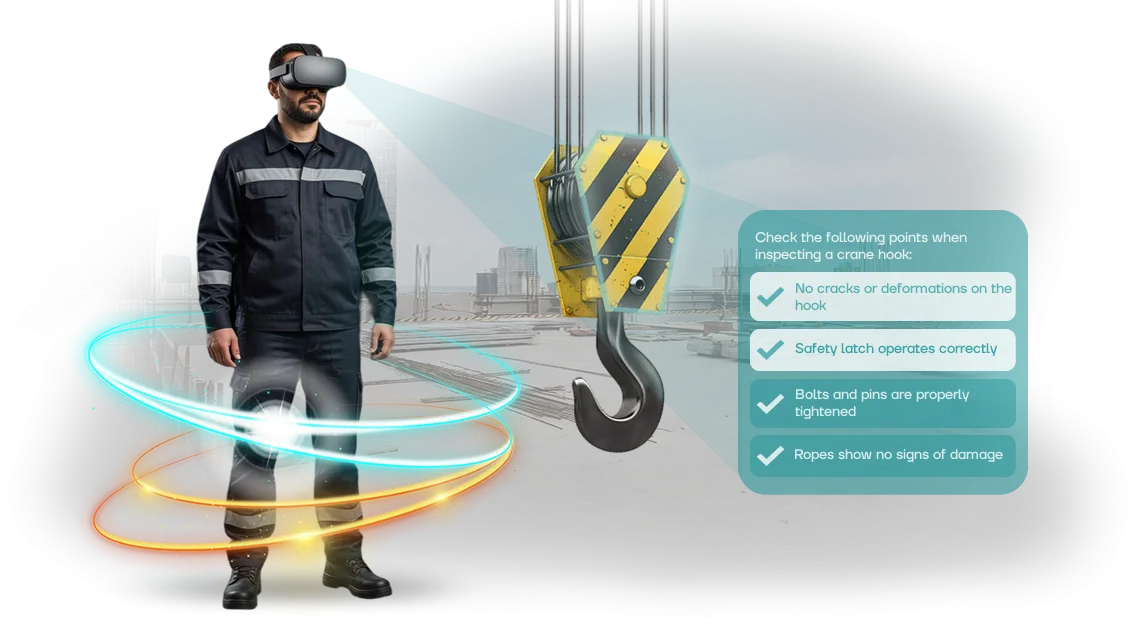
כיצד סימולטורי VR מפחיתים סיכונים בתעשייה הכימית
הכשרת עובדים בתעשייה הכימית היא תמיד איזון בין סיכון לצורך. טעות בייצור אמיתי עלולה להוביל לפציעה, נזק לציוד יקר או לאירוע סביבתי.
תדריכים תיאורטיים אינם מספיקים: ללא תרגול, הכישורים לא נטמעים, ולתת לעובד חדש להתקרב לציוד אמיתי לתרגול מעשי הוא מסוכן מדי הן לאנשים והן לעסק.
סימולטורים וירטואליים פותרים את הסתירה הזו: עובד שקוע לחלוטין בעותק דיגיטלי של בית המלאכה ומתרגל פעולות בסביבה בטוחה.
הם יכולים לטעות, לראות את ההשלכות של החלטות שגויות ולתקן את פעולותיהם — ללא סיכון לבריאות, לייצור או למוניטין של החברה. כך, ההכשרה מפסיקה להיות פורמליות והופכת לכלי אמיתי לבטיחות תעשייתית.
עבור מנהל, זה אומר פחות תאונות והשבתות, ורמת מוכנות גבוהה יותר של הצוות למצבי חירום. הסימולטור יכול לדמות תרחישים נדירים וקריטיים — דליפות, שריפות, תקלות ציוד — שאי אפשר לתרגל במציאות ללא סיכון למפעל.
ניסיון בפרויקטים דומים מאפשר לצוות שלנו ליצור תרחישים המשקפים את התנאים האמיתיים של הייצור שלך במידת דיוק גבוהה.
כתוצאה מכך, אתה מקבל תוצאה צפויה: כוח אדם שיודע לפעול בסביבה מאתגרת, וציוד שאינו סובל מטעויות אימון.
הסיכונים מופחתים עוד לפני שעובד נכנס לבית המלאכה — זה מגן על האנשים שלך, על הנכסים שלך ועל פעילות רציפה של המיזם שלך.
מה הכשרת בטיחות בעבודה ב-VR מעניקה לייצור שלך
הכשרת VR מעבירה את הבטיחות בעבודה מתדריכים פורמליים לתרגול מיומנויות מעשי. עבור ייצור כימי, שבו מחיר הטעות גבוה במיוחד, זה לא רק פורמט מודרני — זה כלי לניהול סיכונים.
תרגול פעולות בתרחישים ריאליסטיים
עובדים נכנסים למודל וירטואלי של בית מלאכה או מעבדה ופועלים בתנאים הקרובים לעבודה אמיתית. הם לומדים לזהות דליפה, לנעול ציוד כראוי, להתפנות ולהעניק עזרה ראשונה — הכל ללא איום אמיתי על הבריאות.
חזרה על תרחישים עד שהם הופכים לאוטומטיים בונה מיומנות מתמשכת. כאשר נוצר מצב בייצור, האדם פועל נכון ללא בזבוז זמן על חשיבה.
מעורבות ושימור חומר
הרצאות ופוסטרים לא נקלטים היטב: לאחר חודש, עובדים זוכרים רק חלק קטן מהמידע. הכשרת VR מחזיקה תשומת לב מלאה — האדם לא מוסח, משתתף בתהליך, מקבל החלטות ורואה את ההשלכות.
זה משפיע ישירות על יעילות הכשרת כוח האדם. מספר השגיאות בבדיקות ידע יורד, והתוצאות נשמרות לאורך זמן.
פחות תאונות ופציעות
המטרה העיקרית של בטיחות בעבודה היא אפס פציעות. סימולטורי VR מפחיתים את מספר ההפרות מכיוון שעובדים לא רק יודעים את הכללים אלא יכולים ליישם אותם. פעולות משופרות מונעות תאונות, מה שמקצר השבתות ציוד ועלויות פיצויים.
מנהל מקבל רמת בטיחות צפויה: פחות אירועים, פחות לחץ, פעילות יציבה של בית המלאכה.
תקן הכשרה אחיד לכל המשמרת
כל העובדים — מעובד חדש ועד מפעיל מנוסה — עוברים את אותם תרחישים. אתה רואה את התוצאות של כל אדם, מבין היכן נקודות החולשה ויכול לספק הכשרת המשך ממוקדת לעובד ספציפי.
כך, הכשרת VR הופכת לחלק ממערכת הניטור. אתה מעלה את תרבות הבטיחות באתר הייצור שלך ומראה לעובדים שאכפת לך מהם באמת. כתוצאה מכך, אתה מפחית תחלופת עובדים ומגביר אמון בהנהלה.
פורמטים של סימולטורי VR למשימות שונות
בתעשייה הכימית, מחיר הטעות גבוה במיוחד: דליפה, שריפה או פגיעה ברצף הפעולות עלולים לעצור את הייצור ולאיים על בריאות האנשים. סימולטורים וירטואליים מאפשרים לתרגל מצבים כאלה ללא השלכות.
אבל כדי שההכשרה תניב תוצאות, חשוב לבחור פורמט שמתאים למשימה הספציפית — אחרת אפילו תמונה ריאליסטית לא תהפוך למיומנות מתמשכת.
כל פורמט מכסה שכבה משלו של משימות: מתדריך ראשוני ועד תגובה למצבי חירום. כל התרחישים מותאמים לתקנות ולציוד של המיזם שלך — כוח האדם מתאמן בסביבה המשקפת את בית המלאכה האמיתי ולא אתר מופשט.
| פורמט סימולטור VR | קהל יעד | מה הוא מעניק ללקוח |
|---|---|---|
| סימולציית תהליך ייצור | מפעילים, מהנדסי תהליך | תרגול רצף הפעולות הנכון עם ריאגנטים, הפחתת מספר ההפרות והשגיאות |
| סימולטור תגובה למצבי חירום | צוות משמרת, מנהלי מחלקות | פעולות בטוחות במהלך דליפות, שריפות או פינוי; זמן תגובה מופחת מדקות לשניות |
| מודול תדריך ראשוני | עובדים חדשים, קבלנים | הטמעה מהירה של כללי בטיחות ללא הפסקת עבודה, עם בדיקות הבנה אוטומטיות |
| תרחישי חירום נדירים | מומחי בטיחות בעבודה, מנהלים | תרגול תחת לחץ, מוכנות למצבים לא סטנדרטיים שלא ניתן לאמן במתקן אמיתי |
בחירת הפורמט תלויה במטרה: הפחתת הפרות, הכנת צוות לתאונה או האצת הסתגלות של עובדים חדשים.
אנו בוחרים סימולטורי VR בהתאמה לפרטים הספציפיים שלך — מפיתוח תרחישים ועד אינטגרציה במערכת הכשרה קיימת — ובכך מעלים את הרמה הכללית של הבטיחות התעשייתית.
כיצד אנו מפתחים סימולטור: מבריף ועד השקה
פיתוח סימולטור VR הוא פרויקט שבו אתה משתתף מהיום הראשון ועד האחרון. אנו מחלקים את העבודה לשלבים, מסכימים על החלטות מפתח ומציגים תוצאות ביניים. אתה תמיד מבין מה קורה ושולט בלוח הזמנים ובתקציב. כך נוצר מוצר שמתייחס בדיוק למטרות הבטיחות בעבודה שלך.
שלבי העבודה
-
איסוף דרישות וניתוח משימות. אנו לומדים את הייצור שלך, את פרטי התפקיד ואת דרישות הבטיחות. אנו קובעים אילו כישורים ותגובות צריך לתרגל קודם.
-
עיצוב תרחישי הכשרה. יחד עם מומחי הבטיחות בעבודה שלך, אנו מתארים מצבים טיפוסיים וחריגים. אנו מאשרים את התרחישים שיהוו את הבסיס לסימולטור.
-
יצירת אב טיפוס ומודל ויזואלי. אנו מפתחים מרחב וירטואלי קרוב ככל האפשר לאתר שלך. אתה רואה איך נראית ההכשרה ומבצע התאמות לפני שפיתוח מלא מתחיל.
-
פיתוח הסימולטור והמתודולוגיה. אנו מרכיבים את הקורס: הוראות, ניטור פעולות, משוב והערכת תוצאות. אנו מכינים מדדים למעקב אחר ביצועי עובדים.
-
בדיקה עם קבוצת עובדים. אנו עורכים הכשרת פיילוט עם עובדים אמיתיים. אנו אוספים משוב ומשפרים פרטים כך שהכל יהיה ברור ונוח.
-
הטמעה והשקה. אנו מתקינים ציוד, מארגנים עמדות עבודה ומכשירים את המדריכים שלך. אנו משיקים את ההכשרה ללא עצירת תהליכי ייצור.
-
תמיכה ופיתוח. לאחר ההשקה, אנו נשארים בקשר: אנו מעדכנים תוכן בהתאם לתקנות חדשות, מוסיפים תרחישים ומבטיחים יציבות מערכת.
מה כלול במסירת פתרון בטיחות VR
כאשר אתה מזמין סימולטור VR לבטיחות בעבודה, אתה מקבל לא "חומרה עם תמונה" אלא כלי עבודה מוכן לשימוש שמשתלב בהכשרת עובדים מהיום הראשון.
חבילת המסירה כוללת את כל הדרוש לביצוע הכשרת בטיחות, סקירת תוצאות ואישור לרשויות הרגולציה שהתדריך הושלם.
- תרחישים תעשייתיים מותאמים לייצור שלך. מצבים מדומים מהתעשייה הכימית: עבודה עם ריאגנטים, תגובה לדליפות, פעולות חירום. התרחישים מתואמים עם הוראות הבטיחות הסטנדרטיות בעבודה.
- התאמה לתקנות המיזם שלך. אנו משלבים את ההוראות שלך, שמות בתי המלאכה ורמות גישה. עובדים לומדים את הכללים שבפועל תקפים באתר שלך.
- מודול מנהל לשליטה בהכשרה. מנהלים יכולים לראות מי השלים את ההכשרה, כמה ניסיונות בוצעו ואילו שגיאות התרחשו. זהו דיווח פשוט להסמכה וביקורות פנימיות.
- הוראות להטמעת הכשרת VR. מדריך ברור למומחי הבטיחות בעבודה שלך: כיצד לארגן מפגשים, כמה זמן נמשך תרחיש וכיצד לתעד תוצאות.
- ציוד מוגדר למשימה. אנו מספקים ערכת סימולטור VR מוכנה לשימוש: משקפיים, בקרים, כיסויי מגן — כל מה שצריך לפעילות יציבה בחדר הכשרה.
- הכשרת הצוות שלך על המערכת. אנו עורכים מפגש הכשרה קצר למנהלים ולמדריכים. אין צורך בניסיון טכני — הממשק פשוט ומותאם למומחי בטיחות בעבודה.
- תמיכה ועדכונים. אנו לא נוטשים אותך לאחר ההשקה: אנו מעדכנים תרחישים כאשר התקנות משתנות, מסייעים בבעיות טכניות ומשפרים תוכן בעת הצורך. מסירת פתרון ה-VR כוללת תמיכה כך שהמערכת תמיד עובדת.
חבילה זו מכסה את כל המחזור: מהדגמה ראשונה ועד שימוש שוטף. אתה מקבל תוצאה מדידה — מעורבות עובדים גבוהה יותר וסיכון נמוך יותר להפרות — לא רק ציוד בקופסה.
מקרה בוחן: הפחתת פציעות בתעשייה הכימית
התעשייה הכימית היא אחד המגזרים המאתגרים ביותר להכשרת בטיחות. הסביבה האמיתית מסוכנת, וכל טעות עלולה להוביל לתאונה, להשבתת בית מלאכה ולסיכונים בריאותיים חמורים.
במקביל, תחלופת עובדים מאלצת קליטה שוטפת של עובדים חדשים, ובכל פעם צריך להבטיח שהתקנות הופכות להרגל ולא רק לתדריך פורמלי.
לקחנו קטע ספציפי של מיזם כימי עם חלק גבוה של פעולות ידניות. יחד עם מהנדסי בטיחות בעבודה, ניתחנו אירועים אמיתיים ופיתחנו תרחישים טיפוסיים — משפיכת ריאגנטים ועד כיבוי חירום של קו.
התוצאה לא הייתה קריקטורה אלא סימולציה עובדת: כל הפעולות וההשלכות משוחזרות ברמת דיוק הנדרשת לבניית זיכרון שריר נכון.
תוצאת ההטמעה
הסימולטור פותח על הפלטפורמה Varwin, המאפשרת להרכיב ולעדכן תרחישים במהירות ללא שינויים יקרים. זה חשוב לתעשייה הכימית: התקנות משתנות, ותוכנת ה-VR חייבת לעמוד בקצב שלהן.
במשך חודשיים הוכשרו 320 עובדים — מפעילים, מכונאים ומנהלי משמרות. כל אדם עבד עם משקפיים במשך 15–20 דקות, ותרגל פעולות תגובה למצבי חירום.
בסביבה הווירטואלית, עובדים יכלו לטעות ולראות את ההשלכות ללא סיכון אמיתי, ולכן ניסו אפשרויות התנהגות שונות וזכרו את ההחלטות הנכונות.
מה זה נתן למיזם? מספר הפציעות הקלות באתר ירד ביותר מ-40% בתוך ששת החודשים הראשונים. הזמן שעובד חדש צריך כדי להתחיל לעבוד באופן עצמאי קוצר בשליש.
והעובדים עצמם הפסיקו להתייחס לתדריך כפורמליות — גם מנהל הייצור ציין זאת.
לאחר הפיילוט, המיזם הזמין הרחבה של ספריית התרחישים לבתי מלאכה שכנים. עבורנו, זהו המדד המרכזי — הזמנה חוזרת להכשרת בטיחות בעבודה ב-VR פירושה שהמפגשים משתלמים ומניבים תוצאה מדידה.
כיצד לבחור את הפורמט המתאים למשימה שלך?
בחירת סימולטור VR לבטיחות בעבודה בייצור כימי אינה עניין של "להיות מודרני" או לעקוב אחר טרנד. הקריטריון המרכזי הוא המשימה: האם אתה מכשיר עובדים חדשים, מתרגל תגובה למצבי חירום או עורך בדיקת ידע תקופתית?
כל פורמט פותר בעיה משלו: טבילה ארוכה יותר לקליטה, תרחישים קצרים לתרגולים שוטפים וסימולציה ריאליסטית של מצבי חירום נדירים.
אם בייצור שלך יש תחלופת עובדים גבוהה, בחר סימולטור בפורמט מלא עם מודל בית מלאכה מפורט. עובד זוכר מסלולים, מיקום של יציאות חירום וציוד כיבוי — זה מפחית בלבול בימים הראשונים.
עבור עובדים מנוסים, מודולים קצרים של 5–7 דקות יעילים יותר: הם מרעננים ידע ללא הפסקת משמרת ומכסים יותר אנשים ביום.
כדי לבחור את הפורמט הנכון, חשוב להסתכל על הפרטים הספציפיים של הייצור שלך: פריסת האתר, מספר העובדים, סיכונים אפשריים והפרות טיפוסיות. פרמטרים אלה קובעים את תוכן התרחיש, מספר המשתתפים ועומק הטבילה.
אנו מסייעים בבחירת סימולטור VR במהלך ייעוץ: אתה מתאר את המצב שלך, ואנו מציעים פורמט הכשרה מתאים ומסבירים את הנימוקים שלנו.
הצוות שלנו בונה סימולטורי בטיחות בעבודה ב-VR כבר יותר מ-10 שנים ועבד עם אתגרים ממיזמים כימיים שונים.
לכן אנו יכולים לראות מיד מה יניב תוצאות במקרה שלך: פתרון אחד מקדם עובדים חדשים מהר יותר, אחר מעלה באופן שיטתי את תרבות הבטיחות. העיקר שהסימולטור באמת מפחית סיכונים ועוזר לעבור בדיקות ללא קנסות.
שאלות נפוצות על הטמעת סימולטורי VR
הטמעת סימולטורי VR מעלה שאלות אצל רוב הלקוחות — החל מאיך זה משתלב בתקנות קיימות ועד מי יתחזק את הציוד. אנו עונים על החששות הנפוצים ביותר כדי שתוכל לקבל החלטה בביטחון.
האם הציוד יתקלקל בבית המלאכה?
סימולטורי VR מתוכננים לשימוש אינטנסיבי בתנאים תעשייתיים. אנו משתמשים במשקפיים ובבקרים עמידים שעוברים תחזוקה שוטפת.
אם מכשיר נכשל עקב פגם יצרן, תיקון והחלפה מכוסים במסגרת האחריות — התהליך אורך זמן מינימלי, וניתן להריץ חלק מהתרחישים על ערכה חלופית.
כמה קשה לעובדים ללמוד VR?
השליטה מבוססת על פעולות אינטואיטיביות: אחיזה, הסתכלות, לחיצה. רוב העובדים משלימים את התרגילים הראשונים תוך 5–10 דקות לאחר התדריך. עבור אלה שנתקלים ב-VR בפעם הראשונה, אנו כוללים מודול הסתגלות להפגת מתחים ומניעת שגיאות.
כיצד נשלב סימולטור VR במערכת הבטיחות בעבודה הקיימת?
אנו מכינים את התוכנית סביב התקנות שלך: אנו מיישרים תרחישים עם המומחים שלך, מספקים חומרים מתודולוגיים ומתעדים תוצאות הכשרה.
הסימולטור אינו מחליף את התדריך — הוא מחזק אותו, כבדיקת ידע מעשית לפני מתן אישור לעובד לעבוד.
כמה זמן אורכת ההטמעה וההגדרה?
פרויקט טיפוסי אורך משבועיים עד חודש: מבריף ועד השקה באתר שלך. הגדרת ציוד ותוכנה מתבצעת מרחוק ובאתר, ואנו מכשירים את המנהלים שלך כך שיוכלו לנהל את לוח הזמנים והדוחות בעצמם.
מה אם משהו משתבש במהלך התפעול?
יהיה לך ערוץ תמיכה ייעודי: מהנדס מגיב במהלך יום העסקים, ובמצבים קריטיים מתחבר למערכת מרחוק. למפגשים בקנה מידה גדול, אנו מספקים ערכה חלופית כך שההכשרה לעולם לא נעצרת.
הזמן סימולטור VR לייצור שלך
עובד ש"חווה" תאונה פעם אחת בבית מלאכה וירטואלי פועל אחרת ממי שראה רק שקופיות תדריך.
סימולטור בטיחות בעבודה ב-VR לתעשייה הכימית הופך ידע למיומנות — ועושה זאת בבטחה לאנשים ולציוד.
הזמנת סימולטור VR פירושה קבלת פתרון מוכן שמשתלב מיד במערכת ההכשרה שלך ואינו דורש ידע טכני מיוחד מהעובדים.
אנו מטפלים בפיתוח מפתח: מהרעיון ועד ההשקה באתר שלך. בסופו של דבר, אתה מקבל כלי ברור להערכת כוח אדם, ועובדים מקבלים תרגול אמיתי במצבי חירום ללא סיכון לבריאותם.
כאשר אתה מזמין סימולטור, אתה מקבל:
- תרחיש הבנוי על הסיכונים האמיתיים של הייצור שלך — דליפות, שריפות, עבודה עם חומרים אגרסיביים, פעולות בחדרים מלאי עשן;
- עותק וירטואלי של בית המלאכה או האתר שלך, כך שעובדים מזהים את סביבת העבודה ולא "חדר ממשחק" מופשט;
- דוחות אוטומטיים לכל פעולה: מי טעה, באיזה שלב וכיצד לתקן;
- התקנה והגדרה של כל הציוד, plus הכשרת המדריכים שלך;
- תמיכה לאחר ההשקה: עדכוני תרחישים, תמיכה טכנית, התאמות לשינויים רגולטוריים;
- מדרגיות: ניתן להתאים תרחיש אחד לבתי מלאכה, מקצועות ורמות מיומנות אחרות.
אנו עובדים תחת חוזה עם לוחות זמנים ושלבים קבועים. לפני תחילת הפיתוח, אנו מציגים לך את התרחיש והמבנה של הסימולטור — אתה מאשר את הקונספט מראש, כך שהתוצאה לא תהיה הפתעה.
בכל שלב, אתה רואה גרסאות ביניים ומבצע עריכות, ולאחר המסירה אתה מקבל כלי מוכן לשימוש שניתן להפעיל במשמרות הבאות.
השאר בקשה לחישוב עלות — נשלח את היקף העבודה, לוח הזמנים ורשימת מה שאנחנו צריכים מהצד שלך. אנו יכולים גם לענות על שאלות בטלפון: נייעץ כיצד לשלב הכשרת VR בלוח המשמרות ולהכין עובדים לפורמט החדש.