

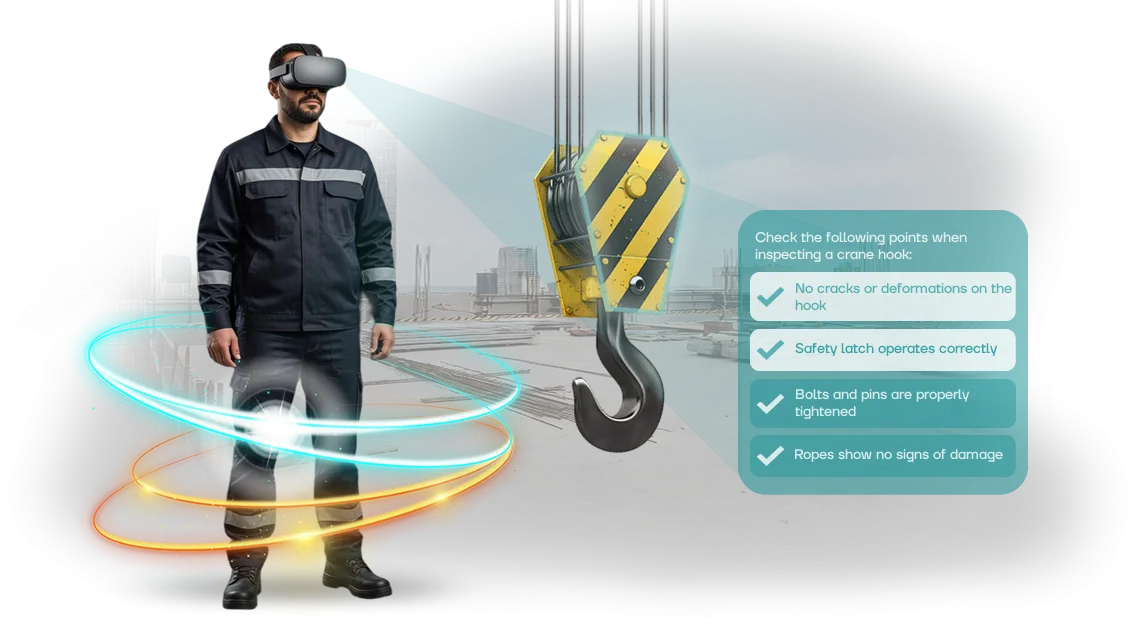
מוסדות חינוך: מדוע הם זקוקים לסימולטורי אימון בטיחות ב-VR?
סטודנטים וחניכים מגיעים לאתרי ייצור ללא ניסיון, והדרכת הבטיחות היא רק הרצאה וחתימה בפנקס. המידע נשכח במהירות, ובמצב חירום ראשון האדם פועל בצורה לא נכונה.
כתוצאה מכך, מומחים צעירים נוטים יותר להגיע לאזור סיכון הפציעות—וזו אחריות ישירה של המוסד החינוכי. הכשרה פורמלית חסרה תרגול, והתרגול הוא זה שבונה הרגלים בטוחים.
סימולטור אימון בטיחות ב-VR מעביר את הלמידה מתיאוריה לפרקטיקה. החניך נכנס לסביבה וירטואלית שבה עליו לפעול: לבחור ציוד מגן אישי, לבדוק ציוד, להגיב לתאונה. ניתן לעשות טעות בבטחה—והיא נזכרת טוב יותר מהערת מורה. כך מפתחים כישורי התנהגות בטוחה עמידים למקום העבודה.
עבור מוסד חינוכי, זה לא רק שיטת הוראה מודרנית. זה תוצאה מדידה: סיכון פציעה נמוך יותר בפרקטיקה, מוכנות גבוהה יותר של בוגרים לעבודה אמיתית.
מעסיקים מעריכים עובדים שכבר נתקלו בתרחישים מסוכנים, גם אם רק בסביבה וירטואלית.
אנו מפתחים סימולטורי VR המותאמים לצרכים של תוכניות חינוכיות: ניתן לשלב את הקורס בנושא "בטיחות בעבודה", להשתמש בו בשיעורי הגנה על החיים, במרכזי הסבה ובתוכניות הכשרת עובדים.
אנו מוכנים להציג הדגמה באתר שלכם—ותראו בעצמכם כיצד השיעורים הופכים למרתקים יותר וההכנה לבטוחה יותר.
מה מספק אימון בטיחות ב-VR: 5 יתרונות מרכזיים
במוסדות חינוך, בטיחות בעבודה נלמדת לעתים קרובות באופן פורמלי: הרצאות, תדריכים, מבחנים. הסטודנטים זוכרים את החומר לכמה ימים, וכישורים אמיתיים אף פעם לא נוצרים. סימולטורי VR משנים גישה זו—האימון הופך לפעולה במקום קריאת שקופיות.
מעורבות: הסטודנט לא קורא, אלא פועל
VR מטביע את המשתמש בתרחיש שבו עליו לקבל החלטות באופן עצמאי: לעצור פס ייצור, ללבוש ציוד מגן אישי, להעריך אזור מסוכן. במקום האזנה פסיבית—עבודה פעילה. תשומת הלב נשמרת באופן טבעי, ללא כל כפייה.
שימור חומר: מה שעושים בעצמך—זה מה שזוכרים
אנשים זוכרים כ-10% ממה שהם קוראים, 30% ממה שהם שומעים, ו-80% ממה שהם מבצעים במו ידיהם. VR מספק בדיוק את החוויה הזו.
לכן אימון בטיחות בעבודה מפסיק להיות פורמליות: החומר נקלט לעומק, וטעויות במבחנים הופכות נדירות יותר.
כישורים מעשיים ללא סיכון לחיים
בסביבה וירטואלית, סטודנטים יכולים לתרגל פינוי, כיבוי שריפות ותגובה למצבי חירום—ואף אחד לא נפגע. הסטודנט מנסה, עושה טעויות, מתקן אותן ומחזק את ההליך הנכון. הם מגיעים לפרקטיקה אמיתית כבר מוכנים.
יעילות אימון לכל המוסד
סימולטור VR אחד מחליף עשרות פוסטרים, הוראות ובובות. השיעורים הופכים קומפקטיים יותר, והתוצאה לא תלויה ברהיטות המרצה. המערכת עצמה מתעדת את פעולות הסטודנט, מה שמפשט את ניטור ההתקדמות והדיווח.
תוצאות נראות מיד: ציונים וניתוח טעויות
לאחר כל תרחיש, הסטודנט רואה אילו פעולות היו נכונות ואילו מסוכנות. נקודות וסקאלת התקדמות מניעים אותם להשלים את הקורס עד שהתוצאה מושלמת. למורה נשארים מעורבות, שימור חומר וכישורים מעשיים—כל אלה ניתנים למדידה.
אנו מפתחים סימולטורי VR למוסדות חינוך תוך התחשבות בתוכניות הלימודים שלכם. אנו עוזרים ליישם אימון בטיחות בעבודה שבאמת עובד ושהסטודנטים נהנים ממנו.
פורמטים של סימולטורי VR למוסדות חינוך
אותו סימולטור VR לא יכול לשרת גם זרם מסיבי של סטודנטים וגם הכשרת מומחים ממוקדת. לכל מוסד חינוכי יש מאפיינים משלו: כיתות, מספר סטודנטים, יכולות טכניות של חדרים ותקציב.
לכן הרכבנו מערך של פורמטים שניתן להתאים בקלות למטרות של אוניברסיטה, מכללה או מרכז הכשרה.
להלן אפשרויות יישום טיפוסיות. הן מראות כיצד VR עוזר להשיג מטרות חינוכיות ספציפיות: מתרגול תגובה לשריפה ועד הערכת ידע בבטיחות חשמל.
| פורמט | מיועד ל | מה הוא נותן ללקוח |
|---|---|---|
| כיתת VR נייחת | אוניברסיטאות ומכללות עם זרמי סטודנטים גדולים | מפעילה שיעורי בטיחות בעבודה לקבוצות של עד 30 איש ללא הפרעה ללוח הזמנים. כיתה אחת מחליפה כמה עמדות אימון ומאפשרת מעקב אחר סטטיסטיקות התקדמות |
| ערכת VR קומפקטית | כיתות קטנות, חדרי בטיחות בעבודה | נפרסת במהירות בכיתה רגילה; אין צורך בחלל נפרד. מתאימה לשיעורים רגילים ולמבחנים חוזרים |
| סימולטור רב-משתמשים | משימות צוות: פינוי, תגובה למצבי חירום | מתרגל פעולות קבוצתיות מתואמות, שחשוב במיוחד לתעשיות מסוכנות |
| סימולטור VR נייד | קמפוסים שלוחים, שיעורי שטח ושיעורי הדגמה | מספק חוויה סוחפת לכל כיתה—רק שולחן ושקע מספיקים. נוח להכוונה תעסוקתית וימי פתוח |
| מבחן VR | הסמכה סופית בבטיחות בעבודה | בודק ידע בתנאים קרובים ככל האפשר למציאות. מונע רמאות ונותן הערכה אובייקטיבית לכל סטודנט |
לאחר ההשקה, אנחנו לא רק מוסרים את הציוד והתרחישים. אנו מאמנים את המורים, מתאימים את תוכניות ההכשרה לדרישות שלכם ונשארים בקשר לעדכוני קורס.
גישה זו עוזרת להפוך את ה-VR לא להדגמה חד-פעמית אלא לכלי עבודה שהופך לחלק קבוע מהתהליך החינוכי.
כיצד פועל יישום סימולטור VR: שלבי הפרויקט
בנינו את התהליך כך שתבינו מה קורה בכל שלב ומתי תופיע התוצאה.
יישום סימולטורי VR למוסדות חינוך אורך בין שבועיים לחודש וחצי—לוח הזמנים תלוי במספר המודולים ובמידת ההתאמה לתוכניות הלימודים שלכם.
שלבי הפרויקט
-
בריף וסקר. אתם מספרים לנו על הדיסציפלינה, הקהל ותוכנית הלימודים. אנו מבהירים אילו כישורים הסטודנטים צריכים לתרגל ומציעים פורמטי תרחיש מתאימים.
-
תוכנית ואישור. אנו מכינים תוכנית מפורטת: היקף עבודה, לוח זמנים, רשימת מודולים וקריטריוני הערכה. לפני ההתחלה, אתם יודעים מה תקבלו ומתי—האישור אורך 2–3 ימים.
-
פיתוח תרחישים. אנו יוצרים מצבים אינטראקטיביים המבוססים על אירועים אמיתיים: מהדרכת בטיחות ועד תגובה למצבי חירום. אתם מקבלים גרסאות ביניים ויכולים לבצע עריכות בזמן שהעבודה בעיצומה.
-
הרכבה והגדרה. אנו מרכיבים את הסימולטורים לקורס אחד, מתאימים אותם לציוד שלכם ולמערכת מעקב התקדמות הסטודנטים. אנו מוודאים שההפעלה יציבה בכל כיתה.
-
ריצת ניסיון. אנו עורכים שיעור ניסיון עם המורים או הסטודנטים שלכם. אנו אוספים משוב ומבצעים התאמות סופיות—זה סוגר את כל הניואנסים לפני היישום הרשמי.
-
השקה והכשרה. אנו מתקינים את הסימולטורים, מגדירים את עמדות העבודה ומאמנים את המורים. אנו מספקים הוראות וחומרים מתודולוגיים לשימוש עצמאי.
-
תמיכה ופיתוח. אנו נשארים בקשר: מעדכנים תרחישים, עוזרים בבעיות טכניות ומשכללים את הקורס ככל שהתוכנית שלכם משתנה. אתם מקבלים לא פתרון חד-פעמי אלא כלי עבודה שמתפתח יחד אתכם.
מה כלול במסירת סימולטור אימון בטיחות ב-VR
כאשר אתם מזמינים סימולטור אימון בטיחות ב-VR, אתם מקבלים פתרון מלא לשיעורים במוסד חינוכי. המורה לא צריך להבין בטכנולוגיה—הכל מתחבר, מוגדר ועובד מיד.
חבילת המסירה הסטנדרטית כוללת:
- ציוד VR מקצועי—משקפי standalone שאינם דורשים מחשב חזק. רק הקצו חדר—ותוך 15 דקות הסימולטור מוכן לשיעור.
- תוכנה עם תרחישים מוכנים—תגובה לשריפה, עבודה בגובה ומצבי בטיחות בעבודה אחרים. התרחישים מותאמים לפרופיל המוסד: מכללה, אוניברסיטה או מרכז הכשרה.
- חומרים מתודולוגיים למורה—מערכי שיעור, הוראות, קריטריוני הערכה. המורה לא צריך להמציא דבר: פותחים תרחיש, נותנים תדריך קצר—והשיעור מתחיל.
- ציוד לניהול קבוצות—המורה רואה מי השלים את התרחיש ואילו טעויות הם עשו. זה הופך את ההערכה לאובייקטיבית ואת המשמעת לניתנת לניהול.
- מארז אחסון והובלה—הציוד מוגן וקל להעברה בין כיתות.
בנוסף, אנו מספקים הכשרת מורים: סדנה קצרה שלאחריה כל מחנך יכול להפעיל ולהוביל שיעור VR בביטחון. אין צורך בכישורים טכניים מיוחדים.
חבילה זו נותנת מענה לנקודת הכאב המרכזית של מוסדות—חוסר זמן ופחד מטכנולוגיה חדשה. אתם מקבלים כלי עבודה; אנו דואגים להגדרה הטכנית ולתמיכה.
מקרה בוחן: כיצד מכללה הפחיתה פציעות ב-40% באמצעות VR
מכללה אזורית אחת פנתה אלינו עם בעיה: סטודנטים נפצעו במהלך התמחות בעבודה עקב אי ציות לכללי בטיחות. תדריכים רגילים לא עבדו—התיאוריה נשכחה תוך שבוע, ולסטודנטים לא הייתה הזדמנות לתרגל מצבים מסוכנים.
הצענו פתרון—סימולטורי אימון בטיחות ב-VR למוסדות חינוך. בסביבה הווירטואלית, הסטודנטים תרגלו עבודה עם מכונות, כלי עבודה חשמליים והליכי חירום. לטעויות לא היו השלכות אמיתיות אך הן חיזקו דפוסי התנהגות נכונים.
תוצאות
כבר בסמסטר הראשון, שיעור הפציעות במכללה ירד ב-40%. מספר הפרות הבטיחות ירד בחצי, והסטודנטים הפכו בטוחים יותר בסביבות תעשייתיות אמיתיות.
המורים קיבלו מערכת ניטור: הם יכלו לראות אילו סטודנטים קלטו את החומר ואילו זקוקים לתרגול נוסף.
ראש המוסד מציין שההכשרה ב-VR החזירה את עצמה באמצעות הפחתת ימי מחלה והשבתת ציוד. כעת הסימולטורים הם חלק חובה מההכנה של הסטודנטים לפני יציאה להתמחות.
מקרה זה מראה: הכשרת VR מעוצבת כהלכה מפחיתה סיכונים ובונה תרבות בטיחות בקרב הסטודנטים.
כיצד לבחור סימולטור VR למאפייני המוסד החינוכי שלכם?
בחירת סימולטור VR מתחילה בשאלה שעליכם לשאול את עצמכם בכנות: מה בדיוק אתם מלמדים, ואילו סיכונים יפגשו הסטודנטים בפרקטיקה האמיתית?
אין כאן פתרונות אוניברסליים—בטיחות בעבודה באתר בנייה, במשרד רפואי או במפעל כימי דורשת תרחישים ורמות הכנה שונות מהותית.
לכן אנחנו תמיד מתחילים בייעוץ. אנו מזמינים לא רק את ההנהלה אלא גם את המורים שרואים את נקודות התורפה של הסטודנטים מדי יום. יחד אנו מנתחים את פרופיל המוסד, תוכנית הלימודים הנוכחית והטעויות האופייניות שברצונכם למנוע.
כבר בשלב זה מתברר איזה סימולטור יעבוד: מוצר מוכן המותאם למאפיינים שלכם, או פיתוח מותאם אישית.
התאמה אישית היא לא רק שינויים קוסמטיים בתמונות; זה ארגון מחדש של היגיון הלמידה כך שיתאים לפרופיל שלכם.
עבור מכללה לתחבורה מוטורית, אנו מוסיפים ניתוח של מצבי חירום בכביש ובחצר תיקונים; עבור אוניברסיטה רפואית—תגובה לאיומים ביולוגיים ועבודה עם ציוד; עבור התמחויות טכניות—הליכי עבודה עם כלים וציוד מגן אישי.
כל התרחישים משולבים בתוכנית הלימודים ומיושרים עם דרישות המבחנים וההסמכות שלכם.
הלקוח מקבל לא רק תוכנית אלא כלי שבאמת עובד בכיתה. הסטודנטים מתאמנים בתנאים בטוחים עם טבילה מלאה במצבי עבודה.
המורה רואה סטטיסטיקות מפורטות לכל סטודנט: היכן הם טעו, כמה ניסיונות נדרשו, אילו כישורים חוזקו. זה מאיץ את ההכנה ומפחית את מספר הטעויות המסוכנות בשיעורים אמיתיים.
אם אינכם בטוחים איזו אפשרות מתאימה למוסד שלכם, אתם לא חייבים להבין זאת לבד. השאירו בקשה או התקשרו אלינו: אנו נספק ייעוץ, נציג דוגמאות מתחומים דומים ונציע ריצת ניסיון עם הקבוצה שלכם.
הבחירה וההתאמה האישית תמיד מתחילות בצרכים של הסטודנטים שלכם, לא בקטלוג של פתרונות מוכנים.
שאלות נפוצות על סימולטורי אימון בטיחות ב-VR
יש אנשים שחושבים שסימולטורי VR הם מסובכים, יקרים או לא בטוחים לסטודנטים. בפועל, היישום אורך כמה ימים, והתוצאה היא תהליך למידה ברור ובטוח העומד בדרישות בטיחות בעבודה.
להלן תשובות לשאלות שנשאלות לרוב על ידי ראשי מוסדות חינוך. אם השאלה שלכם לא ברשימה, פשוט צרו איתנו קשר—נעזור לכם לקבל החלטה.
האם לא קשה מדי לשלב הכשרת VR בתהליך החינוכי?
לא. אנו מטפלים בכל הצד הטכני: אנו בוחרים את הציוד, מגדירים אותו ומאמנים את המורים. המורה צריך רק להפעיל את התרחיש ולנטר תוצאות בממשק פשוט. הסטודנטים מבינים תוך כמה דקות—זה מוכר להם יותר מהוראות נייר.
האם זה יקר עבור מוסד חינוכי?
סימולטור VR מחליף שטחי אימון שכורים, חומרים מתכלים ותדריכים חוזרים. מכיוון שהתרחישים נשארים במוסד לצמיתות, העלות לשיעור יורדת מדי שנה. בנוסף, חלק מהעלויות ניתן לעתים קרובות לכסות באמצעות מענקים ותוכניות דיגיטציה.
האם זה בטוח לסטודנטים להשתמש בציוד VR?
כן. המפגשים נמשכים 5–10 דקות—מספיק כדי לתרגל מיומנות, אבל לא מספיק כדי לגרום לעייפות או אי נוחות. לפני כל שיעור ניתן תדריך קצר, והתרחישים אינם כוללים תנועות פתאומיות. הציוד מחוטא באופן קבוע, ונעשה שימוש במסכות היגייניות אישיות בין סטודנטים.
מה לגבי תחזוקה ותמיכה?
אנו תומכים בסימולטורים לאורך כל אורך חייהם: אנו מעדכנים תרחישים כדי לעמוד בכללי בטיחות בעבודה חדשים, עוזרים בתחזוקה שוטפת ופותרים כל בעיה טכנית במהירות לפי בקשה. אין צורך להעסיק מומחה נפרד—פשוט צרו קשר עם התמיכה הטכנית שלנו פעם אחת.
עדיין יש ספקות? הזמינו הדגמה מקוונת—נראה לכם כיצד הסימולטור עובד בסביבה חינוכית אמיתית ונענה על שאלות לגבי המאפיינים שלכם.הזמינו סימולטור VR למוסד החינוכי שלכם
עבור מוסד חינוכי, בטיחות היא לא רק עמידה בתקנות—זה גם מוניטין ואמון ההורים. תדריכים רגילים לא תופסים את תשומת הלב של הסטודנטים, והידע דוהה תוך שבוע.
סימולטורי VR יוצרים חוויה סוחפת שנזכרת ומתורגלת עד כדי אוטומטיות—ללא כל סיכון בריאותי.
כבר עזרנו למכללות, אוניברסיטאות ומרכזי הכשרה להשיק הכשרת בטיחות בעבודה ב-VR. אנו מבינים כיצד לשלב סימולטורים בלוח זמנים, כיצד לעבוד עם קבוצות בגדלים שונים ואיזה ציוד מתאים לכם.
לכן לאחר יצירת קשר אתנו תקבלו לא מצגת גנרית אלא פתרון קונקרטי למשימות שלכם.
מה תקבלו לאחר הגשת בקשה:
- ייעוץ עם מומחה על פורמט הכשרת ה-VR המתאים לקהל ולנושא שלכם.
- חישוב עלות לתרחישים על בסיס מספר הסטודנטים והדרישות שלכם.
- פרויקט פיילוט: 1–2 תרחישים מוכנים כדי שתוכלו להעריך את האפקט בפרקטיקה.
- תוכנית יישום המתחשבת בלוח השיעורים שלכם ובעומס העבודה של המורים.
- המלצות מתודולוגיות למורים והוראות לשימוש בסימולטור.
- תמיכה במהלך ההשקה וסיוע טכני לאורך כל שנת הלימודים.
כדי להתחיל, פשוט השאירו בקשה באתר או התקשרו אלינו. נרשום את הדרישות שלכם, נבהיר את הפרטים, ותוך כמה ימים נכין הערכת עלות והצעה לפרויקט הפיילוט. הייעוץ הראשוני—אתם משלמים רק אם הפתרון מתאים לכם.
לאחר פרויקט הפיילוט, תוכלו להזמין מערך מלא של תרחישים לדיסציפלינות שלכם. גישה זו מאפשרת למוסד חינוכי לבדוק את הטכנולוגיה ללא סיכון, להעריך את מעורבות הסטודנטים ורק אז להרחיב את התוצאה. התחילו בגרסת הפיילוט—והחליטו אילו תרחישים ליישם בהמשך.