

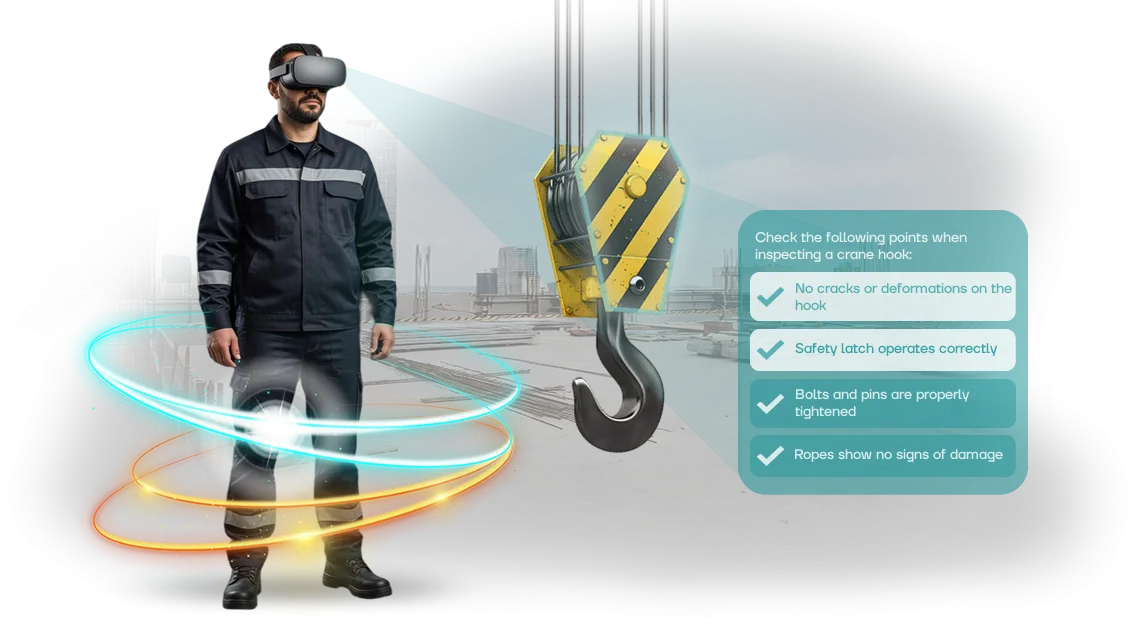
תעשיית המזון: מדוע הכשרה מסורתית לא עובדת
תעשיית המזון היא אחד הענפים המועדים ביותר לפציעות. פסי ייצור, ציוד חיתוך ותרמי, רצפות חלקות, מגע עם חומרי ניקוי: סיכונים אורבים לעובדים ממש בכל צעד.
בטיחות בעבודה בייצור כאן אינה פורמליות — הקשב של כל עובד קובע את בריאותו ואת פעילותו הרציפה של המפעל.
תדריכי בטיחות מסורתיים הפכו מזמן לשגרה. עובד מקשיב להרצאה, חותם בפנקס, ותוך שבועיים זוכר רק משפטים כלליים.
הכשרת בטיחות אינה בונה הרגל לפעול נכון במצב חריג, ובדיוק מצבים כאלה מובילים לפציעות, להשבתות ולמחלוקות עם רשויות הפיקוח.
ההשלכות של כל אירוע כזה יקרות עבור המפעל: עובד שנעדר, עצירת פס ייצור, קנסות ופגיעה במוניטין.
במקביל, מנהל אינו יכול לוודא שהחומר אכן נקלט — מבחן עם סימון וי אינו משקף את מוכנותו של אדם לסיכונים אמיתיים במפעל.
תחלופת עובדים, האופיינית לתעשיית המזון, מחמירה את התמונה: כוח אדם חדש מוכשר בהמוניו ובחיפזון.
אנחנו סוגרים את הפער הזה. סימולטורי VR מטביעים עובדים בתרחישי ייצור מציאותיים שבהם הם יכולים לטעות ללא השלכות אמיתיות, והפעולות הנדרשות הופכות לאוטומטיות.
ההכשרה מפסיקה להיות פורמליות והופכת לכלי להפחתת פציעות, קיצור השבתות והגנה על העסק שלכם מפני בדיקות.
מה סימולטור VR ייתן לייצור שלכם
בייצור מזון, מחיר הטעות גבוה: הפרת תקנים סניטריים, פציעות, קנסות. תדריכים רגילים הם פעמים רבות פורמליים — אנשים לא זוכרים את הכללים, וההפרות חוזרות על עצמן.
סימולטור וירטואלי סוגר את הבעיה הזו: הוא מלמד צוות לפעול ללא סיכון לעצמם, למוצר או למוניטין החברה.
הצוות שלנו מיישם הכשרות VR במפעלים כבר למעלה מ-10 שנים. הלקוחות מקבלים לא "צעצוע" אלא כלי שמפחית פציעות, חוסך זמן ומשפר את יעילות ההכשרה.
יתרון: בטיחות בייצור
עובד מתאמן בסביבה וירטואלית המדמה מפעל אמיתי: תנורים, פסי בקבוקים, אריזה. הוא לומד לזהות סיכונים, להגיב נכון למצבי חירום ולעמוד בתקנים סניטריים — ללא השלכות על הייצור.
טעויות בסימולטור הופכות לרגע למידה ולא לגורם לפציעה. המנהל רואה מי באמת קלט את החומר ויכול לסגור פערים לפני שעובדים עולים לפס הייצור.
יתרון: חיסכון בזמן הכשרה
תדריכים מסורתיים אורכים שעות ומרחיקים עובדים מהעבודה. סימולטור VR מקצר את המחזור: עובד משלים תרחיש תוך 15–20 דקות, והתוצאה מוערכת אוטומטית. ניתן לבדוק ידע ללא חונך.
פחות זמן על הכנה — יותר זמן על המוצר. זה משפיע ישירות על פרודוקטיביות וניצול פס הייצור.
יתרון: נאמנות עובדים
פורמטים מודרניים של הכשרה מגבירים עניין בעבודה. דור העובדים החדש מצפה לפתרונות טכנולוגיים, וסימולטור VR נתפס כדאגה לצוות. אנשים מרגישים שהחברה משקיעה בבטיחותם ובהתפתחותם.
זה מפחית תחלופת עובדים: עובדים מוטיבציוניים עוזבים את הייצור פחות, מה שאומר שאתם חוסכים בגיוס ובקליטה.
יתרון: יעילות הכשרה מדידה
המערכת מתעדת כל פעולה של עובד בתרחיש. אתם רואים היכן הם טועים ויכולים לחזק את ההכשרה שלהם במדויק. גישה זו מספקת נתונים אובייקטיביים לקבלת החלטות לגבי אישור עבודה.
כתוצאה מכך, אתם מקבלים לא סימון וי מופשט של "תדרוך הושלם", אלא ביצועי צוות בטוחים בתנאים אמיתיים. זה מפחית את הסיכון לקנסות והשבתות, והופך את הייצור לבטוח ורווחי יותר.
פורמטים של הכשרת VR לתעשיית המזון
במפעלי תעשיית המזון, מחיר הטעות גבוה: הפרת תקנים סניטריים, תקנות טכנולוגיות או כללי בטיחות עוצרת את פס הייצור ופוגעת במוניטין.
תדריכים רגילים אינם יוצרים את רמת המעורבות הנדרשת — העובד מקשיב אך אינו חווה את המצב. הכשרת VR מאפשרת לתרגל פעולות בסביבה הקרובה ככל האפשר למפעל אמיתי, ללא סיכון לייצור.
אנחנו בוחרים את הפורמט למשימה ספציפית: ממודול היכרות מהיר ועד לטבילה מלאה בתרחיש חירום. להלן שלוש אפשרויות טיפוסיות המכסות את רוב הבקשות ממפעלי מזון.
| פורמט | למי | מה הוא נותן ללקוח |
|---|---|---|
| מודול קצר, 5–7 דקות | עובדים חדשים, עובדי פס ייצור, תדריכים תקופתיים | היכרות מהירה עם כללי הבטיחות ללא הפרעה לעבודה. העובד רואה מיד סיכונים טיפוסיים — מרצפות חלקות ועד מגע עם מוצר |
| תרחיש חירום מסועף | מנהלי משמרות, טכנולוגים, צוות תחזוקה | תרגול פעולות במצב חירום: דליפה, שריפה, עצירת פס ייצור. החלטות מתקבלות תחת לחץ זמן — בדיוק כמו בחיים האמיתיים |
| טבילה מלאה ביום עבודה | כל צוות המשמרות, קבלנים, מבקרים | בדיקת ידע מקיפה: העובד עוקב אחר מסלול המפעל ומבצע משימות, תוך הפרה או עמידה בדרישות הבטיחות. הדוח הסופי מציג את נקודות החולשה של כל עובד |
קל לשלב בין הפורמטים: למשל, מודול קצר לכולם, וטבילה מלאה להתמחויות מפתח. לאחר ההכשרה, הלקוח מקבל סטטיסטיקות עבור כל עובד: מי קלט את החומר והיכן נדרשת עבודה נוספת. זה הופך את ההכשרה לשקופה וניתנת למדידה, לא לסימון וי פורמלי.
אם אינכם יודעים איזה פורמט מתאים לייצור שלכם, נשלח תרחיש הדגמה ונעזור לכם לבחור את האפשרות האופטימלית לתקציב וללוח המשמרות שלכם.
שלבי הטמעת סימולטור VR במפעל
הטמעת סימולטור VR בתעשיית המזון אינה רכישה חד-פעמית אלא תהליך מובנה שמתחיל בבריף ונמשך לאחר ההשקה. אנחנו תומכים במפעל שלכם בכל שלב כדי שלא תצטרכו להתמודד עם פרטים טכניים.
כתוצאה מכך, אתם מקבלים כלי עבודה המשולב במערכת הכשרת הבטיחות בעבודה ובתוצאות ברורות.
-
בריף וסקירת משימות — אנו קובעים אילו מצבי ייצור צריך לתרגל: עבודה עם ציוד, פעולות חירום, דרישות סניטריות. אנו מתעדים יעדי הכשרה, מספר עובדים וקריטריוני הערכה.
-
פיתוח תרחיש ומתודולוגיה — יחד עם מומחי הבטיחות בעבודה שלכם, אנו יוצרים תרחישי VR מציאותיים המשקפים את הסיכונים של מפעל ספציפי. אנו מאשרים את התוכן לפני תחילת העבודה הטכנית.
-
אב-טיפוס ואישור — אנו בונים גרסת ניסיון של הסימולטור שניתן לבדוק עם עובדים אמיתיים. אנו מבצעים תיקונים לפני המעבר לפיתוח מלא.
-
פיתוח מלא של הכשרת VR — אנו יוצרים מודול מלא ומתאימים אותו לתוכנית התדרוך וההסמכה שלכם. אנו מגדירים מעקב אחר השלמות וטעויות של כל עובד.
-
השקה והכשרת צוות — אנו מביאים את הציוד, מתקינים אותו ומכשירים את המדריכים שלכם. לאחר מכן, הסימולטור פועל כרגיל.
-
תמיכה בפרויקט — אנו נשארים בקשר: מעדכנים תרחישים, מוסיפים קלטים חדשים ככל שהייצור משתנה, ועוזרים לנתח תוצאות. ניתן לפנות אלינו בכל עת לשיפורים או ייעוץ.
תהליך זה הופך את הטמעת סימולטור ה-VR לצפויה גם עבור צוות ללא ניסיון טכני. אתם תמיד יודעים באיזה שלב אתם נמצאים ומה תקבלו בסוף.
מה כלול בפרויקט פיתוח סימולטור
אתם מקבלים לא רק תוכנה, אלא ערכה מוכנה להשקת הכשרת בטיחות בעבודה בייצור מזון. הפרויקט כולל כל מה שצריך לתפעול: מתרחישים ועד חומרים מתודולוגיים ותמיכה טכנית לסימולטור ה-VR.
- תרחישים ותוכן קורס. מצבים מדומים מהענף שלכם: עבודה עם חומרי גלם, ניקוי המפעל, פעולות חירום, שימוש בציוד. כל תרחיש מתחשב בסיכונים טיפוסיים של ייצור מזון — מחיתוכים ועד זיהום גז.
- חומרים מתודולוגיים למדריך. מערכי שיעור מוכנים, רשימות הערכה והמלצות לשילוב VR במערכת התדרוך הקיימת. המומחה שלכם לא יצטרך לבנות את התוכנית מאפס — היא כבר מותאמת לדרישות הבטיחות בעבודה.
- לוח מחוונים אישי עם תוצאות. המנהל רואה מי השלים את ההכשרה וכיצד: מספר ניסיונות, טעויות שנעשו, זמן שהושקע. זה מאפשר לאשר הכשרה בפועל במהלך בדיקות ולזהות במהירות עובדים שזקוקים להכנה נוספת.
- תדרוך צוות והתקנה. המומחים שלנו עורכים מפגש היכרות עם העובדים: מרכיבים את המשקפת, מסבירים את הפקדים, עוזרים להשלים את התרחיש הראשון. מנהלים מקבלים הוראות להפעלת מפגשים באופן עצמאי ולעבודה עם דוחות.
- תמיכה טכנית לסימולטור ה-VR. לאחר ההשקה, אנו נשארים בקשר: עוזרים לעדכן תרחישים, להוסיף מצבים חדשים ולפתור בעיות. התמיכה כלולה בפרויקט ופועלת על בסיס שוטף — אתם אף פעם לא נשארים לבד עם הציוד.
- עדכוני תוכן בהתאם לתקנות שלכם. אם ההוראות משתנות במפעל או מופיעים אזורים חדשים, אנו מתאימים תרחישים לדרישות הנוכחיות. זה שומר על רלוונטיות ההכשרה ללא רכישת פרויקט חדש.
ערכה זו מכסה את המשימה לחלוטין: אין צורך לשכור קבלנים בנפרד, לחפש מתודולוגים או להבין את הצד הטכני. אתם מקבלים כלי עבודה שניתן להשתמש בו מהיום הראשון להכשרות מתוזמנות והערכת ידע של צוות.
תוצאה: כיצד לקוח הפחית פציעות עם VR
בתעשיית המזון, פציעות קורות פעמים רבות בגלל הרגל: סכין מחליקה, מגע עם מסור פס, כוויה מאדים. תדריכים לא משנים התנהגות, וכל אירוע משמעותו השבתת פס ייצור ועלויות עולות. לכן מפעלים מחפשים שיטות שמפחיתות פציעות באמת.
Meat House — יצרנית נקניקים ומוצרים מוגמרים למחצה עם 700 עובדים — רשמה שמונה פציעות עבודה בשנה אחת: חיתוכים, כוויות, פציעות מעיכה. ההנהלה החליטה ליישם סימולטורי VR במקום הכשרה סטנדרטית.
מה יושם ואילו תוצאות הושגו
פיתחנו ספריית תרחישים לפעולות מפתח: עבודה עם מסור פס, בקבוקון מרק חם ותחזוקת מכבשים. בסביבה הווירטואלית, עובד רואה את ההשלכות של טעות — שריפה, עצירת פס ייצור — וזוכר את רצף הפעולות הבטוח.
בחודש הראשון, 90% מהצוות השלימו את הסימולטורים, 15 דקות לאדם, ללא הפרעה ארוכה לייצור.
לאחר שישה חודשים, מספר פציעות העבודה ירד ב-40%, ונזקים מיקרוסקופיים לידיים הצטמצמו בחצי. מערכת האנליטיקה הראתה את השלבים שבהם עובדים טועים הכי הרבה — זה אפשר לשנות הוראות עבודה.
Meat House האריכה את החוזה והשיקה הכשרת VR לכל העובדים החדשים. כל 100 שעות הכשרה חוסכות לייצור עד שלושה ימי השבתה שבעבר הוקדשו לחקירות והחלפת כוח אדם. זה עובד: סימולטור ה-VR מחזיר את ההשקעה בפעילות יציבה של המפעל.
כיצד לבחור את פורמט הכשרת ה-VR הנכון?
אין פורמט אחד שמתאים לכולם להכשרת VR. הבחירה בהכשרת VR בתעשיית המזון תלויה במספר העובדים ובמאפייני מחזור הייצור.
למפעל קטן עם משמרות מתחלפות, מספיקה ערכה קומפקטית של 5–7 תרחישים; למפעל גדול עם זרם קבוע של עובדים חדשים, נדרשת מערכת מלאה לניהול הכשרה ואנליטיקה.
ראשית, קבעו איזו משימה אתם פותרים: בטיחות בסיסית בפס הייצור, התנהגות במצבי חירום או בדיקות ידע תקופתיות. לעבודה עם ציוד מסוכן, מתאימים מפגשים אישיים של 10–15 דקות, שבהם העובד חוזר על אלגוריתם הפעולה.
לתדריכי רענון, השתמשו במצב קבוצתי ובתרחישים אוטומטיים עם תנאים משתנים — הם מונעים מהצוות לשנן טעויות.
אנחנו עוזרים לכם לבחור לפני רכישת ציוד.
אנחנו מבקרים באתר הייצור, לומדים לוחות משמרות, הוראות ותקנות, ואז מציעים פורמט הכשרת VR אופטימלי ותוכנית הטמעה למפעל: מאיזה מחלקה להתחיל וכמה תרחישים להכין תחילה.
אנחנו מטפלים בהטמעה בעצמנו — ממשמרת פיילוט ועד לכל המחלקות. אנו מגדירים את המערכת כך שתוכלו לראות מי השלים את ההכשרה ואילו טעויות חוזרות על עצמן.
כתוצאה מכך, אתם מקבלים סביבת ייצור בטוחה ושקט נפשי במהלך בדיקות. עובדים מתרגלים מיומנויות על הסימולטור ללא סיכון לפציעה, ואתם לא משלמים יותר מדי על תכונות מיותרות — הפתרון מתאים מיד למספר העובדים ולמשימות הייצור שלכם.
שאלות נפוצות על סימולטורי VR לבטיחות בעבודה
בעת פיתוח סימולטורי VR לתעשיית המזון, אנו שומעים חששות דומים: פורמט לא מוכר, דרישות טכניות, לוחות זמנים להחזר השקעה. אספנו תשובות לשאלות הנפוצות ביותר — ספציפיות וללא סיבוך מיותר.
העובדים לא רגילים ל-VR — יהיו קשיים?
ההכשרה מתוכננת כך שאדם ירגיש בנוח תוך דקות ספורות. לפני ההתחלה, יש הוראה קצרה, ובתוך התרחיש — רמזים והנחיות קוליות. במהלך המפגשים הראשונים, מדריך נמצא בקרבת מקום, כך שאף אחד לא נשאר לבד עם הטכנולוגיה.
מניסיון הפרויקטים שלנו, עובדים נכנסים למעורבות מלאה בתרחיש כבר בניסיון השני.
האם נדרש ציוד יקר וחדר נפרד?
כדי להתחיל, מספיקים מחשב נייד ברמה מקצועית ושתיים או שלוש משקפי VR — זה קומפקטי וניתן להתקנה תוך כמה שעות. ניתן לקיים הכשרה ישירות במפעל או בחדר ישיבות ללא עצירת ייצור.
אנחנו בוחרים ציוד לפי התקציב שלכם: זמינים גם רכישה וגם השכרה לפרויקט. אנחנו מטפלים בכל ההתקנה — מהפעלה ראשונה ועד עדכוני תוכנה.
כמה מהר סימולטור VR מחזיר את ההשקעה?
ההשפעה העיקרית היא הפחתת פציעות והשבתות נלוות, קנסות ופגיעה במוניטין. VR גם מחליף חומרים מתכלים: מטפי כיבוי וכימיקלים כבר לא משמשים לתרגול מיומנויות.
הכשרה בסביבה וירטואלית אורכת פי שניים עד שלושה פחות זמן מתדריכים מסורתיים, כך שעובדים חוזרים לעבודה מהר יותר. לקוחות רבים מדווחים על החזר השקעה לאחר מחזורי ההכשרה הראשונים.
מי אחראי אם משהו לא עובד?
אנחנו תומכים בפרויקט לאחר ההשקה: עונים על שאלות, מעדכנים תרחישים לדרישות בטיחות חדשות ומספקים הכשרה נוספת אם נדרש. הציוד באחריות — במצבים שנויים במחלוקת אנו מבקרים באתר או פותרים בעיות מרחוק. אנו קובעים לוחות זמנים בחוזה, כך שאתם יודעים בדיוק מתי ההכשרה תתחיל.
מוכנים לשפר את הבטיחות בייצור שלכם? הזמינו סימולטור VR
בטיחות בייצור מזון היא לא רק קנסות ובדיקות, אלא גם מוניטין, יציבות משמרות ובריאות עובדים. סימולטור VR מאפשר לתרגל מצבים מסוכנים ללא סיכון אמיתי, לחזור על תרחישים נדרשים עד שהמיומנות אמינה. עזרנו לעשרות מתקני ייצור להפחית פציעות ולזרז תדריכים ראשוניים.
הזמנת סימולטור VR מאיתנו פירושה קבלת פתרון סוהר. אנחנו מטפלים בפיתוח סימולטור בטיחות בהתאמה לתקנות המפעל שלכם: מתרחיש ועד תצורה ושילוב בהכשרה הקיימת.
למה לבחור בנו
- הדגמת הכשרת VR לפני שמתחילים — נראה לכם איך הסימולטור עובד עם דוגמה מוכנה.
- הערכת עלות וזמנים לפני החוזה — הצעת מחיר מדויקת ללא תוספות נסתרות.
- ניסיון בתעשיית המזון — מפעלים חמים, פסי בקבוקים, חדרי קירור, עבודה עם סכינים וכימיקלים.
- התחלה מהירה — נציע תרחישים מהקטלוג שלנו אם אין לכם זמן לבריף ארוך.
- השקה ותמיכה — נכשיר את המדריכים שלכם, נגדיר סטטיסטיקות השלמה ועדכוני תרחישים.
- אינטגרציה קלה — על ציוד מקצועי, מובן לכל עובד.
השאירו פנייה: ניתן הדגמת הכשרת VR, נחשב עלות וזמנים לתקציב שלכם. נספר אילו תרחישים מתאימים לייצור שלכם ונראה את הכלכלה עם מספרים.
כתבו לנו דרך הטופס או המסנג'ר — נשיב תוך יום עסקים אחד. ההערכה חינמית ואינה מחייבת: תקבלו הצעה מסחרית ותוכנית הטמעה. בואו נשפר את הבטיחות בייצור שלכם יחד.