

בטיחות תעסוקתית בתקשורת: למה לקוחות עוזבים
בתעשיית התקשורת, עובדים עובדים מדי יום בגובה, עם מתקני חשמל וציוד רשת מורכב. כל טעות עלולה לגרום לפציעה חמורה או לתאונה — וזו לא רק סטטיסטיקה, אלא איום ישיר על החוזים שלכם.
לקוחות — מפעילי תקשורת וחברות תעשייתיות — עוקבים מקרוב אחר ביצועי הבטיחות התעסוקתית של קבלנים. תקריות בודדת אחת מספיקה כדי לבטל חוזה או לא לחדש מכרז.
כל תאונה פוגעת בעסק: ימי מחלה ופיצויים, השבתת צוותים, בדיקות לא מתוכננות וקנסות. אבל הנזק העיקרי הוא למוניטין.
הלקוח רואה שהעובדים שלכם לא מוכנים לפעול במצב חירום ומסיק: אם לא אכפת להם מהבטיחות שלהם, לא יהיה אכפת להם גם מהציוד שלו. כתוצאה מכך, הזמנות עוברות לקבלנים אמינים יותר.
הבעיה היא שההכשרה המסורתית מורכבת מהרצאות ותדריכים שמתבצעים "למראית עין". עובד מקשיב לחומר, עובר מבחן, וחודש לאחר מכן כבר לא זוכר איך לאבטח כראוי קו בטיחות או לנתק מעגל חשמלי.
ידע ללא תרגול לא יוצר מיומנות, ובמצב מסוכן אמיתי, אדם פועל מתוך הרגל ולא לפי ההוראות.
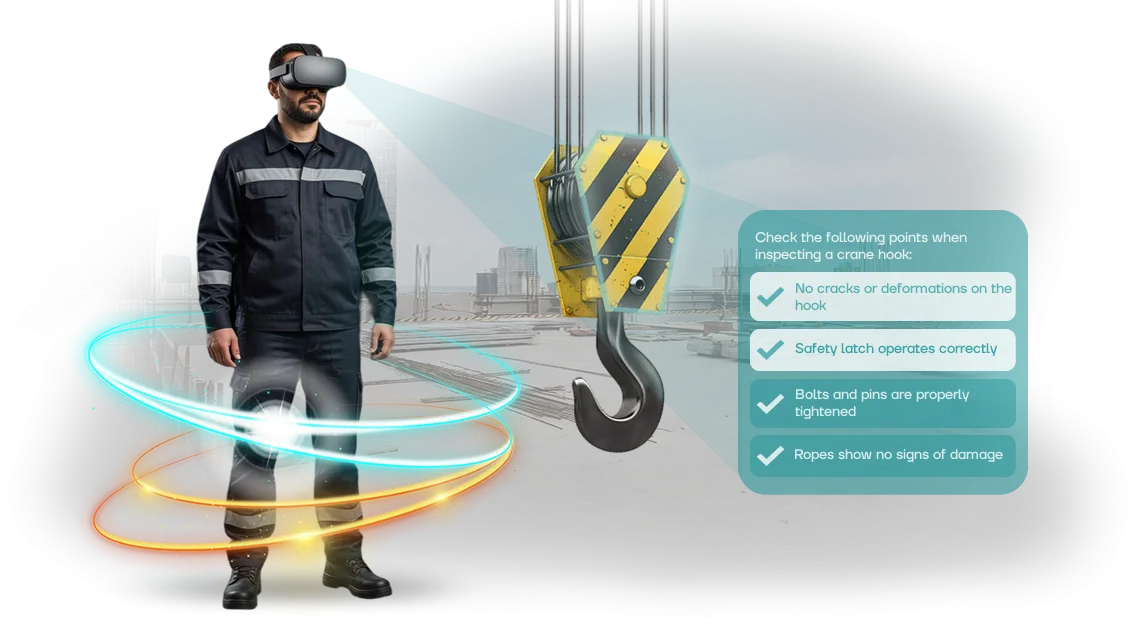
כאן נכנסת ההכשרה ב-VR לעזרה. הסימולטור מטביע את העובד בסביבת עבודה מציאותית: מגדל, לוח חלוקה, תאי תקשורת — אבל ללא סיכון אמיתי.
הם יכולים לטעות, לראות את ההשלכות ולחזור על הפעולה עד להשגת התוצאה הנכונה. מחקרים והניסיון שלנו מראים שאחרי הכשרת VR, שימור החומר גבוה פי כמה מאשר אחרי תדריכים קלאסיים. עובדים יוצאים לשטח עם פעולות שכבר תורגלו למצבים קריטיים.
אנחנו מפתחים סימולטורי VR כאלה למשימות הספציפיות של חברות תקשורת. אתם מקבלים פתרון שמפחית פציעות, משפר משמעת ועוזר להציג סטנדרטים גבוהים של בטיחות תעשייתית ללקוחות.
זה אומר שימור החוזים שלכם ופתיחת הזדמנויות חדשות במכרזים שבהם בטיחות תעסוקתית הופכת לקריטריון בחירה מרכזי.
מה מציעה הכשרת בטיחות ב-VR לתעשיית התקשורת
עובדי חברות תקשורת עובדים בגובה, עם ציוד חשמלי חי ובחללים סגורים. כאן, טעות גורמת לא רק לעבודה פגומה אלא לפציעה, השבתה או קנסות. תדריכים רגילים מספקים תיאוריה אבל לא מלמדים איך לפעול במצב לחץ.
סימולטור VR מאפשר לתרגל תרחיש מסוכן ללא סיכון אמיתי — אדם טועה בסביבה וירטואלית וזוכר את רצף הפעולות הנכון ברמה של זיכרון שרירי.
תאונה מציאותית — כבל קרוע, שריפה בצומת תקשורת, נפילה מעמוד — מפסיקה להיות הפשטה ממצגת. העובד חווה אותה ולומד לקבל החלטות נכונות תוך שניות.
זה ישירות מפחית פציעות: מיומנויות מסוכנות מתחזקות מהר יותר מאשר בקריאת הוראות, ובמצב אמיתי, התגובה הופכת לאוטומטית.
כל פעולה בסימולטור מתועדת: היכן העובד מהסס, איזו נקודת רגולציה הוא מדלג, איך הוא מתנהג במצב חירום. המנהל מקבל הערכת סיכונים אובייקטיבית לכל חבר צוות, לא ציונים פורמליים של סיום קורס.
זה מאפשר לחזק נקודות חולשה במדויק ולבנות הכשרת צוות סביב יכולות אמיתיות, לא "תיבות סימון".
הכשרה פרונטלית דורשת מגרש אימונים, נסיעות מדריכים, נסיעות עסקים וזמן הרחק מהייצור. סימולטור VR מחליף את כל זה בערכת ציוד אחת ומחזיר את ההשקעה אחרי כמה קבוצות.
אנחנו מפתחים תרחישים על בסיס הרגולציות שלכם ותחנות עבודה טיפוסיות, כך שההכנה לוקחת הרבה פחות זמן, והחיסכון הופך למדיד — בשעות, בכוח אדם ובהפחתת תקריות.
פורמטים של סימולטור VR למשימות שונות
להלן גוף הסעיף ב-markdown.
--- כל מפעל תקשורת פועל בתנאים משלו: חלקם צריכים להכשיר צוותי שטח באזורים שונים, חלקם עורכים תדריכי היכרות באתר יחיד, ולאחרים, תרגול מצבי חירום נדירים הוא קריטי.
אותו סימולטור VR לא מכסה את כל התרחישים — לכן אנחנו מציעים שלושה פורמטים של אספקה והטמעה.
הפורמט נבחר לפי המשימה שלכם: מספר העובדים, הגיאוגרפיה שלהם, תדירות ההכשרה והמאפיינים הספציפיים של העבודה. כל האפשרויות משתמשות במאגר תרחישים אחד ובמערכת מעקב תוצאות, כך שמעבר בין פורמטים לא דורש עיבוד מחדש של התוכן.
שלוש דרכים להטמעת הכשרה
| פורמט | למי זה מיועד | מה זה נותן ללקוח |
|---|---|---|
| כיתת VR ניידת | חברות עם צוותים מפוזרים ועבודת שטח | הציוד מגיע לאתר או למשרד — העובדים משלימים הכשרה בלי לעצור את הייצור ובלי הוצאות נסיעות |
| סימולטור VR נייח | מרכזי הכשרה ואתרים עם זרם קבוע של עובדים | אזור ייעודי להכשרה שוטפת עם מערכת הקלטה ומעקב מובנית — ההכשרה רצה לפי לוח זמנים ללא השבתות |
| תרחיש מותאם אישית | מומחים שצריכים לתרגל פעולות ייחודיות | תוכנית אישית על בסיס הרגולציות והציוד שלכם: העובד מתאמן בקצב שלו, ואתם מקבלים דוח מפורט על פעולותיו |
מה לשקול בבחירה
כיתה ניידת היא הפתרון המהיר ביותר אם צוותים עובדים בערים שונות ואי אפשר לרכז אותם באתר אחד. מתחם נייח מחזיר את ההשקעה עם זרם קבוע של מתאמנים: הוא תמיד מוכן לשימוש ולא דורש לוגיסטיקה.
תרחישים מותאמים אישית משלימים את שני הפורמטים — הם מאפשרים לתרגל מצבי חירום שלא ניתן לשחזר על ציוד אמיתי.
אנחנו עוזרים לבחור את הפורמט לפני תחילת הפיתוח ולשלב ביניהם כשצריך. לדוגמה, סימולטור נייח לבסיס וכיתה ניידת ליחידות פריפריאליות — עם מערכת איסוף סטטיסטיקות אחידה בכל החברה.
שלבי הטמעת סימולטור VR בארגון
הטמעת סימולטור VR בחברת תקשורת היא לא קנייה של "קופסה" אלא תהליך מובנה שחייב להשתלב ברגולציות העבודה שלכם ובלוחות המשמרות.
אנחנו מלווים את הפרויקט מהבריף הראשון ועד לתפעול השוטף: אתם מקבלים פתרון מוכן בלי פספוס מועדים ובלי עומס מיותר על העובדים שלכם.
-
בריף וסקירת משימות. אנחנו מזהים בדיוק אילו פעולות וסיכונים צריך להכשיר: עבודה בגובה, תחזוקת ציוד, תגובה למצבי חירום. על בסיס הבריף, אנחנו מכינים קונספט תרחיש והערכת עלות כדי שתבינו מיד את התקציב ולוח הזמנים.
-
אישור תרחיש ומתודולוגיה. אנחנו מציגים את מבנה ההכשרה, מנגנוני הערכת פעולות וקריטריוני השלמה. מומחי הבטיחות התעסוקתית שלכם עורכים תיקונים בשלב זה — לשנות משהו בתוכנית מוגמרת מאוחר יותר יהיה קשה יותר.
-
פיילוט עם קבוצה קטנה. אנחנו משיקים את הסימולטור עם 5–10 עובדים, אוספים משוב ומודדים מדדים אובייקטיביים: זמן השלמה, מספר שגיאות, רמת מעורבות. על בסיס תוצאות הפיילוט, אנחנו משפרים את התרחיש — ללא עלות נוספת.
-
הכשרת המדריכים שלכם. אנחנו מעבירים זכויות ניהול מערכת: הוספת עובדים, הקצאת מפגשי הכשרה, צפייה בתוצאות. המומחים שלכם יכולים להשיק באופן עצמאי הכשרה למשמרות חדשות בלי לפנות אלינו לכל עניין.
-
תמיכה ופיתוח. אנחנו נשארים בקשר אחרי ההשקה: מעדכנים תרחישים לרגולציות חדשות, עוזרים בבעיות טכניות ומרחיבים את התוכנית למחלקות אחרות אם צריך. אתם מקבלים שותף ארוך טווח, לא אספקה חד-פעמית.
אחרי חמשת השלבים האלה, יש לכם פתרון תפעולי מלא: עובדי חברת התקשורת עוברים תרגול מיומנויות בטוח ללא סיכונים בריאותיים, ואתם רואים סטטיסטיקות השלמה ויכולים לאשר עמידה בדרישות הבטיחות התעסוקתית.
אנחנו מטפלים בכל השלבים המורכבים — כל מה שאתם צריכים זה לאשר את אבני הדרך המרכזיות ולקבל את התוצאה.
מה כלול בחבילת סימולטור הבטיחות ב-VR
כל מנהל רוצה לדעת בדיוק מה החברה תקבל לפני ביצוע רכישה. אנחנו מציעים לא רק סט מכשירים אלא מערכת הכשרת בטיחות תעסוקתית מלאה המותאמת למשימות של עסק תקשורת.
החבילה הסטנדרטית כוללת כל מה שצריך כדי להתחיל הכשרה בתוך השבוע הראשון: מציוד VR ועד חומרים מתודולוגיים והכשרת מדריכים. הנה הרשימה המלאה:
- משקפי VR ובקרים מקצועיים — הציוד מוגדר ומוכן לשימוש; עובד יכול להתחיל הכשרה ללא הכנה טכנית.
- ספריית תרחישים לסיכונים תעשייתיים טיפוסיים — עבודה בגובה, תחזוקת מבני אנטנות, מתקני חשמל, תגובה למצבי חירום במתקני קו.
- הוראות בטיחות תעסוקתיות אינטראקטיביות — במקום קריאת רגולציות, העובד עובר תרחיש ומיד רואה את ההשלכות של שגיאות בסביבה וירטואלית בטוחה.
- חשבון מנהל אישי — אתם רואים מי סיים הכשרה, כמה ניסיונות נדרשו ואילו שגיאות חוזרות, והמערכת מייצרת דוח להסמכה.
- הכשרת המדריכים שלכם — אנחנו מאמנים את העובדים שינהלו את המפגשים ומספקים תרחישים פשוטים להגדרה עצמאית.
- תמיכה טכנית ועדכוני תרחישים — אנחנו תומכים בסימולטורים אחרי ההשקה, מוסיפים מצבים חדשים על בסיס הרגולציות שלכם ומשנים תנאי אימון.
עבור חברת תקשורת, זה אומר שעובדים משפרים מיומנויות עבודה בטוחות ללא סיכון לחיים וללא עצירת ייצור.
ההכשרה אורכת 30–40 דקות במקום כמה ימים של תיאוריה, והתוצאה נראית מיד: פחות שגיאות בשטח, אישורי עבודה מהירים יותר, מוכנות לבדיקות.
אנחנו מטפלים בהשקה סוהר: מספקים ומגדירים את הציוד, מעלים את הרגולציות שלכם, בודקים את התרחישים ומעבירים אותם לצוות שלכם. כל מה שאתם צריכים זה לתזמן את זמן ההכשרה לעובדים.
מקרה בוחן: איך חברת תקשורת הפחיתה פציעות
מקרה בוחן זה החל בפרויקט פיילוט לצוותים שעבדו על מגדלי תקשורת. הלקוח — אחד המובילים בשוק התקשורת — התמודד עם הכשרת בטיחות תעסוקתית פורמלית: הרצאות נשמעו, אבל תאונות באתרים נמשכו.
איך עבדה ההכשרה
החלפנו חלק מהתדריכים בתרחישי VR ששיחזרו מצבי חירום: נפילות מעמודים, הפעלת ציוד בשוגג, עבודה ללא רתמות בטיחות. שגיאה בסימולטור לא מובילה לפציעה, אבל היא נזכרת טוב יותר מכל הרצאה. כל עובד מתרגל פעולות עד להשגת תוצאה ללא שגיאות.
תוצאות אחרי שישה חודשים
אחרי שישה חודשים, הפציעות ירדו בחצי. ההכשרה לא עצרה את התפעול: תרחישים שימשו במרכז ההכשרה ומרחוק, לפני יציאה לשטח. הזמן שהושקע בתדריך עובד אחד ירד ב-30%.
מנהלי הבטיחות התעסוקתית קיבלו נתונים על כל עובד: אילו פעולות גורמות לקושי ומי צריך תרגול נוסף. במקום "להכשיר את כולם אותו דבר" — עבודה ממוקדת עם סיכונים.
החברה הזמינה הרחבה של הסימולטורים למקצועות נלווים — חשמלאים ומומחי ציוד תקשורת. הזמנה חוזרת היא המדד הטוב ביותר ליעילות.
שאלות נפוצות על הכשרת VR
לפני השקת סימולטורי VR, לקוחות שואלים לרוב על תקציב, לוחות זמנים ושילוב בהכשרה הקיימת. אנחנו עונים ישירות — כדי שתוכלו להעריך את הלוגיסטיקה ללא משא ומתן ממושך.
כמה עולה סימולטור VR ומה משפיע על המחיר?
העלות מורכבת מהתרחיש, מספר המודולים והפורמט — סימולטור מוכן סוהר או התאמה לרגולציות שלכם. עבור חברות תקשורת, אנחנו יוצרים לעתים קרובות מודולים לעבודה בגובה, במתקני חשמל ובמהלך תחזוקת ציוד.
המחיר הסופי מתברר אחרי בריף קצר, אבל מה שחשוב יותר: הכשרת VR מחזירה את ההשקעה דרך הפחתת פציעות והשבתות. אתם מקבלים הערכת עלות קבועה לפני תחילת העבודה, ללא תוספות נסתרות.
מהם לוחות הזמנים לפיתוח?
פרויקט טיפוסי אורך 3 עד 6 שבועות. לוח הזמנים תלוי במספר התרחישים והאישורים. אנחנו מספקים מוצר מוגמר עם הוראות ומכשירים את המנהלים שלכם כדי שההשקה לא תיתקע.
אם צריך מהר — יש חבילה עם תרחישי בטיחות תעסוקתית בסיסיים שאנחנו מתאימים לדרישותיכם תוך 2-3 שבועות.
האם סימולטור ה-VR ישתלב בתוכניות ההכשרה הקיימות שלנו?
כן. אנחנו מספקים את הסימולטור כמודול עצמאי ומשלבים אותו ב-LMS או בפורטל ההכשרה הפנימי. תוצאות השלמה מיוצאות לדוחות נוחים — למשאבי אנוש ולמחלקת הבטיחות התעסוקתית.
מהניסיון שלנו, רוב לקוחות התקשורת מחליפים חלק מהתדריכים הפרונטליים במודול VR, תוך שמירה על תרגול מעשי במקום העבודה. זה שומר על עמידה ברגולציות ומחזק את מעורבות העובדים.
עדיין יש שאלות על הפרטים אחרי התשובות האלה? ספרו לנו על המשימה שלכם — נמצא את התרחיש, לוח הזמנים והפורמט המתאימים למאפיינים שלכם. אנחנו יכולים להראות הדגמה כבר בשבוע הבא.איך לבחור את פורמט סימולטור ה-VR המתאים למשימה שלכם?
אין סימולטור VR אוניברסלי שעובד טוב באותה מידה לכולם. פורמט ההכשרה חייב לשקף את תנאי העבודה האמיתיים של העובד — אחרת הוא לא יחזק את המיומנויות הנדרשות ויישאר רק הדגמה מרשימה. לכן תהליך הבחירה מתחיל לא בבחירת מכשיר אלא בניתוח המשימות שלכם.
הקריטריון הראשון הוא מספר העובדים והגיאוגרפיה שלהם. אם יש לכם כמה אלפי אנשים באתרים מפוזרים, אתם צריכים פתרונות אוטונומיים שנפרסים במהירות ולא דורשים נוכחות קבועה של מדריך.
לצוות קטן בבניין אחד, ערכת ניידת מספיקה — קל יותר לנהל אותה, זול יותר לתחזק ופשוט יותר לעדכן תרחישים.
הקריטריון השני הוא אופי העבודה והסיכונים הטיפוסיים. מתקיני מגדלים, חשמלאים וצוותי שטח צריכים תרחישים שונים: מעבודה בגובה ועם מתח מסוכן ועד תגובה למצבי חירום.
אנחנו בונים תרחישים סביב הרגולציות שלכם ואירועים אמיתיים כך שהעובד מתאמן ספציפית על הסכנות שהוא נתקל בהן מדי יום ומפתח את התגובה הנכונה עד כדי אוטומציה.
הקריטריון השלישי הוא תקציב ולוח זמנים להטמעה. אנחנו מציעים כמה פורמטים: מקורסי היכרות קצרים להכשרה המונית ועד תוכניות מפורטות למקצועות בסיכון גבוה.
בשלב הסקירה, אתם מקבלים המלצה ברורה איזה פורמט יניב את התוצאה הנדרשת בעלות סבירה, עם תכנון לוח זמנים ברור וללא תשלום יתר על אפשרויות מיותרות.
בסופו של דבר, כל פרויקט שלנו הוא לא "סימולטור לשם סימולטור" אלא תוצאה מדידה: פחות הפרות, ביטחון עובדים גדול יותר ומוכנות לפעול במצב חירום.
אנחנו מטפלים בבחירת הפורמט בעצמנו, ואתם מקבלים הכשרה שבאמת עובדת לבטיחות, כולל עבור צוותים מרוחקים.
הזמינו סימולטור VR לתקשורת
עבור מפעילי תקשורת, זמן הוא משאב קריטי: הכשרת בטיחות תעסוקתית חייבת להשתלב בלוחות משמרות מבלי להסיח את הצוות מעבודה עם מנויים.
לכן אנחנו מבנים את תהליך הפיתוח כך שתקבלו תוצאות בשלבים ותראו התקדמות בכל שלב.
לוחות הזמנים קבועים בחוזה, ושלבי המפתח נראים כך:
- אתם שולחים בקשה — מנהל יוצר קשר תוך יום עסקים אחד, מבהיר את המשימות ועונה על שאלות.
- אנחנו מכינים הערכת עלות ראשונית: לוחות זמנים, היקף עבודה, נפח תרחישים — מותאם למאפיינים שלכם, בלי שום דבר מיותר.
- אנחנו מאשרים אב טיפוס של תרחיש הכשרה אחד — אתם רואים איך ייראה הסימולטור לפני פיתוח מלא.
- אנחנו בונים את הסימולטור המלא, בודקים אותו עם העובדים שלכם ומבצעים התאמות.
- אנחנו מכשירים מנהלים, מעבירים הוראות ומספקים נתונים לחיבור קבוצות משתמשים.
- אנחנו נשארים בקשר אחרי ההשקה: מעדכנים תרחישים כשהרגולציות משתנות ועוזרים בתפעול.
הבא — אחריות. אנחנו אחראים לכך שהסימולטור יעבוד על הציוד שלכם ושהעובדים באמת יספגו את החומר. אם משהו לא עובד כמתוכנן במהלך ההשקה הניסיונית, אנחנו מתקנים אותו במסגרת חובות האחריות ללא עלות נוספת לכם.
השלב הבא — שלחו בקשה להערכת פרויקט. אנחנו נכין לוחות זמנים והיקף עבודה לתרחיש שלכם: מספר עובדים, תדירות משמרות, דרישות מחלקת הבטיחות התעסוקתית. זה ללא התחייבות.