

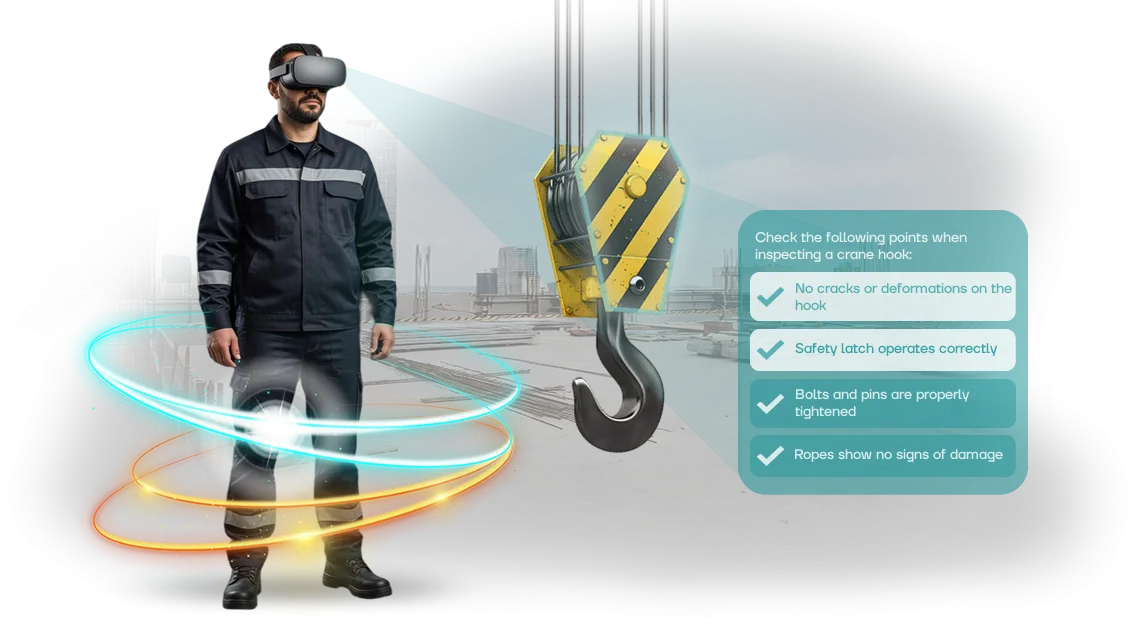
מדוע יש צורך בסימולטורי VR בתעשיית העיסה והנייר
במפעלי עיסה ונייר, הסיכון לפגיעות תעסוקתיות גבוה יותר מאשר ברוב התעשיות: פירים מסתובבים, ריאגנטים כימיים, משטחים חמים וראות מוגבלת. כל טעות של עובד גורמת לא רק להשבתת קו הייצור, אלא גם להשלכות בריאותיות חמורות.
במקביל, רוב התאונות קורות לא בגלל חוסר בהנחיות, אלא בגלל שהעובד פועל מתוך הרגל ולא לפי הנהלים.
הדרכות צוות קלאסיות — הרצאות ומבחנים — אינן בונות מיומנויות מתמשכות.
לאחר מספר שבועות, המידע נשכח, ובמצב חירום האדם מאבד עשתונות, אף שפורמלית הוא היה "מוכשר." לכן במפעלים עם גישה פורמלית לבטיחות תעסוקתית, שיעורי הפציעות נותרים גבוהים והבדיקות מסתיימות בצווי תיקון.
רשויות הרגולציה מחמירות את הפיקוח: לפי נתוני רוסטכנדזור, מספר צווי התיקון והסכום הכולל של הקנסות בגין הפרות של דרישות בטיחות תעסוקתית בייצור הולך וגדל.
כל אירוע הוא לא רק סיכון לבריאות האנשים, אלא גם הפסדים ישירים: תשלומי פיצויים, השבתות, הוצאות משפטיות ואובדן מוניטין. נושא הבטיחות חדל להיות "על הנייר" — הוא הפך לנושא פיננסי.
אנו מטפלים בכאב זה באמצעות סימולטורי VR למפעלי עיסה ונייר. העובד נכנס לסביבה ריאליסטית של בית המלאכה שלו, שם הוא מתרגל נהלים עד כדי אוטומטיזציה — ללא סיכון לעצמו או לציוד.
הדרכה כזו מניבה תוצאה מדידה: הפחתה במספר הטעויות ומיומנות עבודה בטוחה מתמשכת שנשמרת חודשים רבים.
מה הדרכת VR מעניקה לצוות הייצור
שימור חומר: עובדים באמת זוכרים את הכללים
תדריכים מסורתיים ופוסטרים מספקים רק היכרות שטחית עם הכללים. סימולטור VR מטביע את העובד בסביבת ייצור ריאליסטית שבה הוא מקבל החלטות בעצמו ורואה את ההשלכות.
באמצעות השתתפות פעילה, החומר נקלט הרבה יותר לעומק — העובד לא רק קורא את ההנחיות אלא חווה את המצבים.
זה חשוב במיוחד בתעשיית העיסה והנייר, שבה רוב הסיכונים קשורים לציוד ולתהליכים כימיים. עובד ש"עבר" תאונה בסביבה וירטואלית מגיב מהר יותר ונכון יותר במציאות.
תרגול פעולות ללא סיכון לחיים או לציוד
הסימולטור מאפשר תרגול בטוח של פעולות במצבי חירום: כיבוי ציוד, בלימת דליפות, פינוי. טעות במרחב הווירטואלי אינה מובילה לפציעה או להשבתה, אלא מספקת ניסיון יקר ערך. חזרה על תרחישים מחדדת מיומנויות עד כדי אוטומטיזציה, ובמצב אמיתי האדם פועל בדיוק.
המנהל מקבל עובד מוכן למצבים לא סטנדרטיים ללא הוצאות על ארגון תרגילים או עצירת ייצור.
הערכת מיומנויות: נתונים אובייקטיביים על כל עובד
המערכת מתעדת את פעולותיו של כל מתאמן: כמה זמן לקחה המשימה, אילו טעויות נעשו, היכן היה צורך בהנחיה. על סמך נתונים אלה נוצר דוח ברור — המנהל רואה מי כבר מוכן לעבודה עצמאית ומי זקוק להדרכה נוספת.
זה מחליף את הדעה הסובייקטיבית של המדריך ועוזר לקבל החלטות כוח אדם על סמך עובדות.
מעורבות עובדים: הדרכה שלא מדלגים עליה
סימולטור VR נתפס כפורמט מודרני ומעניין, לא כמטלה כפויה. עובדים מוכנים יותר להשלים הדרכה ומגלים יוזמה. מעורבות גבוהה משפיעה לטובה על תרבות הבטיחות ומפחיתה את מספר ההפרות.
תגובה מהירה, מדדים ברורים ועניין אמיתי של הצוות — זה מה שמקבלים אחרי הפגישות הראשונות.
פורמטי הדרכת VR לתעשיית העיסה והנייר
תעשיית העיסה והנייר מעסיקה קטגוריות שונות של עובדים: ממפעילי דיג'סטרים ועד צוות תחזוקה העובד עם מכונות נעות.
קורס אוניברסלי לא עובד כאן — יש צורך בפורמט שמתחשב בגודל המשמרות, באזורי הייצור בפועל ובסיכונים האופייניים. אנו בוחרים את האפשרות המתאימה למשימות שלכם: זה יכול להיות הדרכה המונית לכל בית המלאכה או תרגול ממוקד של פעולה נדירה.
העיקר הוא שההדרכה משתלבת בלוח הזמנים של הייצור ומניבה תוצאה מדידה. לכן אנו מציעים מספר פורמטים שניתן לשלב. להלן טבלה עם תרחישים אופייניים לתעשיית העיסה והנייר.
| פורמט | למי זה מיועד | מה זה נותן ללקוח |
|---|---|---|
| תרחיש אישי | מפעילי פעולות נדירות או מורכבות, עובדים שצריכים לתרגל פעולות במצבי חירום | הדרכה אישית ללא סיכון לציוד, חידוד מיומנויות עד כדי אוטומטיזציה לפני תחילת המשמרת |
| הדרכה קבוצתית | תדריך המוני לעובדי משמרות, חזרה על דרישות בטיחות תעסוקתית לפני העונה או לאחר אירוע | כיסוי בו-זמני של עד כמה עשרות אנשים, תקן ידע אחיד, חיסכון בזמן המדריך |
| תרחישי ייצור | עובדים באזורים ספציפיים: בישול, הלבנה, ייבוש, חיתוך ואריזה | סימולציה של ציוד אמיתי ומצבי חירום ללא עצירת הקו, הפחתת פציעות |
| פורמט משולב | קבוצות מעורבות שזקוקות גם לתיאוריה וגם לפרקטיקה | שילוב של חלק הרצאה עם תרגול VR, תזמון גמיש ומעקב אחר תוצאות כל עובד |
בחירת הפורמט תלויה במספר העובדים ובמאפייני המפעל שלכם — נעזור לקבוע את האפשרות האופטימלית במהלך ייעוץ מקדים.
כיצד מיישמים סימולטורי VR במפעל
יישום סימולטור VR אינו מסירה חד-פעמית אלא תהליך מובנה.
אנו עוברים את הדרך עם הצוות שלכם מהתדריך הראשון ועד לתמיכה מלאה, כך שהתרחיש יתחשב בסיכונים האמיתיים של ייצור העיסה והנייר והעובדים יתפסו את ההדרכה ככלי מעשי, לא כפורמליות.
שלבי היישום
-
תדרוך והיכרות עם המפעל. אתם מספרים לנו על מאפייני הייצור, ההפרות האופייניות ודרישות הבטיחות התעסוקתית. יחד עם המומחים שלכם, אנו קובעים אילו מצבי עבודה יש למדל תחילה.
-
סקר עובדים. אנו מראיינים עובדים ומתבוננים בתהליכים. זה עוזר לזהות את הטעויות האמיתיות וההרגלים המסוכנים שיש להדגיש בסימולטור. כתוצאה מכך, ההדרכה פותרת את המשימות של הייצור הספציפי שלכם, לא של הנחיה מופשטת.
-
אב-טיפוס תרחיש. אנו יוצרים גרסת עבודה קצרה של סימולטור ה-VR עם תרחיש מרכזי אחד. אתם מציגים אותו לעובדים, בודקים התאמה לתקנים פנימיים ומבצעים עריכות לפני השקת הגרסה המלאה — ללא השקעות גדולות או סיכונים.
-
הדרכה פיילוט. אנו משיקים את הסימולטור על קבוצה קטנה של עובדים, אוספים משוב ומודדים שימור חומר. על סמך התוצאות, אנו מתאימים את התרחיש והממשק כך שהגרסה הסופית תהיה נוחה ככל האפשר לצוות שלכם.
-
השקת הסימולטור. אנו פורסים את המערכת על הציוד שלכם, מחברים אותה לרישומי משאבי אנוש ומכשירים את המדריכים. העובדים משלימים את הקורס המלא, ואתם מקבלים סטטיסטיקות על כל משתתף וזמן הדרכה.
-
תמיכה ופיתוח. אנו נשארים בקשר: מעדכנים תרחישים לשינויים ברגולציה, מוסיפים מודולים לבית מלאכה אחרים ועונים על שאלות משתמשים. הסימולטור הופך לחלק ממערכת ההדרכה של המפעל, לא לפרויקט חד-פעמי.
מה כלול במסירת סימולטור VR מוכן
בהזמנת סימולטור VR, אתם מקבלים מוצר שלם: התרחיש מותאם לייצור שלכם ומוכן לשימוש מיד לאחר ההתקנה. אין צורך לשכור קבלנים לשכלולים — כל החבילה מורכבת ונבדקת על ידי הצוות שלנו. אנו מטפלים בהגדרות ומוסרים כל מה שהצוות שלכם צריך כדי להתחיל.
המסירה כוללת:
- תרחיש VR מוכן — סימולציה של מצבים המתרחשים בפועל בייצור עיסה ונייר: עבודה עם כימיקלים, תחזוקת ציוד, פעולות במקרה של שריפה.
- הוראות לעובדים ולמנהלים — מדריכים פשוטים כיצד להרכיב את המשקפת, להתחיל סשן ולסקור טעויות.
- חומרים מתודולוגיים למדריך — מערך שיעור, שאלות לדיון, המלצות על תדירות הדרכה. העובד מתאמן לפי תוכנית ברורה, לא באקראי.
- דוחות התקדמות — עבור כל עובד, ניתן לראות כמה פעמים השלים הדרכה, אילו טעויות עשה והאם התוצאות השתפרו. זה נתונים מוכנים לביקורות ולעבודה על אזורים בעייתיים.
- גישה לעדכונים — אתם מקבלים גרסאות חדשות של תרחישים וספריית מודולים נוספים כפי שהם משוחררים. הסימולטור מתפתח יחד עם הייצור.
- תמיכה טכנית ואחריות — הצוות שלנו זמין, עוזר בהתקנה, החלפת ציוד והתאמה לאתר שלכם. השבתות לא עוצרות את ההדרכה.
בסך הכל, הלקוח מקבל תוצאה מדידה: בטיחות העובדים מאושרת על ידי נתונים, לא על ידי מילים. כל מערך המסמכים והתוכנה מבטיח בקרת הדרכה שקופה — נוחה הן לרגולציה פנימית והן לביקורות חיצוניות.
מקרה בוחן: הפחתת פציעות לאחר הדרכת VR
בתעשיית העיסה והנייר, פציעות מתרחשות לעתים קרובות עקב חוסר קשב ופעולות לא מתורגלות במצבי חירום. הדרכה אמיתית מסוכנת ועוצרת את הייצור, בעוד הנחיות על נייר אינן בונות מיומנויות.
עבור המפעל, זה אומר זמן אבוד, קנסות וסיכון לחיי אדם. זה חריף במיוחד באזורים מסוכנים של בישול וטיפול בכימיקלים. הצענו לפתור את הבעיה באמצעות הדרכת VR — הנה התוצאה בייצור אמיתי.
יישום ותוצאות
במפעל "לסבוםפרום", פרסנו מערכת VR מקצועית לצוות ייצור העיסה והנייר. יותר מ-200 עובדים השלימו תרחישי כיבוי חירום, פינוי ותגובה לשריפה בתוך שישה חודשים. תוצאות: התאונות ירדו ב-36%, מיקרו-פציעות פי 2.2.
משוב לקוח
ראש מחלקת הבטיחות התעסוקתית מציין: "נהגנו לבדוק ידע על נייר, אבל במצב מלחיץ אנשים שוכחים הכל.
סימולטור VR מאפשר להם לתרגל פעולות עד כדי אוטומטיזציה, ואנחנו רואים את המוכנות האמיתית של העובד." זה מאשר שהדרכה בסביבה וירטואלית עובדת בפועל.
לאחר השלב הראשון, המפעל הזמין מודולים נוספים: עבודה בגובה, תגובה לדליפת כימיקלים. אנו ממשיכים לתמוך בפרויקט, מעדכנים תרחישים לרגולציות חדשות.
הדרכת VR משולבת בתהליך המתמשך של בדיקת מיומנויות, מה שמבטיח הפחתה מתמשכת בפציעות לאורך כל תקופת ההפעלה.
כיצד לבחור את פורמט סימולטור ה-VR המתאים למפעל שלכם?
בחירת פורמט סימולטור VR מתחילה לא בטכנולוגיה אלא במשימה של המפעל: אילו כישורים ספציפיים צריך לתרגל ובאילו תנאים העובדים עובדים.
עבור תעשיית העיסה והנייר, זה בעיקר אומר פעולות במצבי חירום, עבודה בטוחה עם ציוד והתמצאות בבית המלאכה — תרחישים אלה צריכים להיות בליבת הסימולטור.
שימו לב למאפייני תהליך הייצור. אם אתם צריכים לתרגל אלגוריתם תגובה לתאונה או שריפה, תרחישים סוחפים עם פיתוח שלב-אחר-שלב מפורט מתאימים.
אם המטרה היא בדיקה שוטפת של ידע ומיומנויות, מודולים קצרים שעובד משלים תוך 10–15 דקות יעילים יותר. הפורמט הנכון תמיד קשור לסיכונים האמיתיים של המפעל שלכם, לא לתבנית אוניברסלית.
מספר העובדים ודפוסי המשמרות משפיעים על אופן ארגון ההדרכה. עבור צוות גדול, פורמטים קבוצתיים עם תרחיש אחיד והשקה מהירה נוחים.
אם אתם צריכים להכין באופן אישי מומחים במקצועות מורכבים, נבחרים סימולטורים אישיים עם תרגול פעולות מעמיק וניתוח טעויות. גישה זו מאפשרת הדרכה ללא עצירת ייצור ובקצב נוח לעובדים.
חשוב שסימולטור ה-VR ישתלב באופן טבעי במערכת ההדרכה הקיימת: השתלבות ראשונית, בדיקות ידע מתוזמנות או פיתוח מקצועי. אז הוא לא הופך למשימה נפרדת אלא מחזק תהליכים קיימים.
אנו מתכננים את הפורמט סביב תוכנית ההדרכה שלכם מההתחלה, כך שמעבר לשיטה חדשה אינו דורש עיבוד מחדש של רגולציות או יצירת עומס נוסף על הצוות.
כדי להימנע מבחירה שגויה, אנו עורכים ביקורת קצרה של המשימות שלכם ומציעים לבדוק את הפורמט על קבוצת פיילוט של עובדים. תראו כיצד הסימולטור עובד בתנאים אמיתיים לפני הרחבתו לכל המפעל. כך, ההחלטה מתקבלת על סמך תוצאות, לא על סמך הנחות.
תשובות לשאלות נפוצות על סימולטורי VR
לפני רכישת סימולטור VR, לקוחות מתעשיית העיסה והנייר שואלים שאלות דומות: האם הציוד לא יתקלקל, האם הצוות לא יסרב ללמוד, מה קורה לאחר ההשקה. אנו עונים בכנות — רוב החששות נעלמים לאחר סשן ניסיון.
מה אם ציוד ה-VR יתקלקל?
המערכת מתוכננת לשימוש אינטנסיבי ומגיעה עם אחריות וחוזה שירות. לעולם לא תישארו לבד עם ציוד לא תקין.
האם ניתן להתאים את התרחיש לבית המלאכה שלנו?
כן, זה חלק סטנדרטי מהעבודה. אנו לוקחים את הנחיות הבטיחות התעסוקתית שלכם ואת פריסת האתר ומעבירים מצבי חירום אופייניים לתרחיש. העובדים מתרגלים את הסיכונים האמיתיים עבור המפעל שלכם.
האם הדרכת VR בטוחה?
הסשנים מתנהלים תחת פיקוח המדריך, בקצב רגוע, תוך התחשבות בבריאות המשתתפים. תנועות פתאומיות אינן נכללות, ומצב המשתמש נראה על המסך. לפני התחלה: תדריך וסשן ניסיון.
מה קורה לאחר ההשקה? האם תנטשו אותנו?
לאחר ההשקה אנו נשארים בקשר: מעדכנים תרחישים ומכשירים את המדריכים שלכם. התמיכה מובטחת בחוזה, כך שתמיד יודעים למי לפנות.
אנו בקשר ושומרים על שקט נפשי עבורכם — הצוות שלנו. השאירו פנייה — נציג הדגמה ונענה על שאלות לגבי הייצור שלכם.הזמינו סימולטור VR לייצור שלכם
ייצור בתעשיית העיסה והנייר דורש עמידה מושלמת בתקני בטיחות. תדריכים רגילים נשכחים במהירות, וטעות יכולה לעלות לעובד בבריאותו ולקו הייצור בפעולתו.
סימולטור VR מאפשר לתרגל מצבים מסוכנים ללא סיכון אמיתי — ואנחנו נעזור ליישם אותו עם השקעת זמן מינימלית.
התחילו בייעוץ: נסביר כיצד הדרכה בסביבה וירטואלית משתלבת במערכת ההדרכה שלכם. לאחר מכן נספק גישת הדגמה לתרחיש תעשייתי כדי שתוכלו להעריך את האפקט, ולאחר מכן נשיק פרויקט פיילוט באחד מהאתרים שלכם.
מה מקבלים לאחר שליחת פנייה:
- פנייה באתר — ניצור קשר תוך יום עסקים אחד.
- ייעוץ לגבי משימות הייצור ודרישות הבטיחות התעסוקתית שלכם.
- גישת הדגמה לסימולטור עם תרחישים אופייניים לתעשיית העיסה והנייר.
- פרויקט פיילוט: השקת הדרכה באתר נבחר ומדידת תוצאות.
- התאמת תרחישים לרגולציות, להנחיות ולמאפייני בית המלאכה שלכם.
- תמיכה לאחר ההשקה: הכשרת מדריכים, עדכונים וסיוע.
תנו לעובדים שלכם ללמוד מטעויות בסביבה בטוחה, לא בבית מלאכה אמיתי. השאירו פנייה — נציע פתרון מותאם למאפייני הייצור שלכם כבר בשלב הבא.