


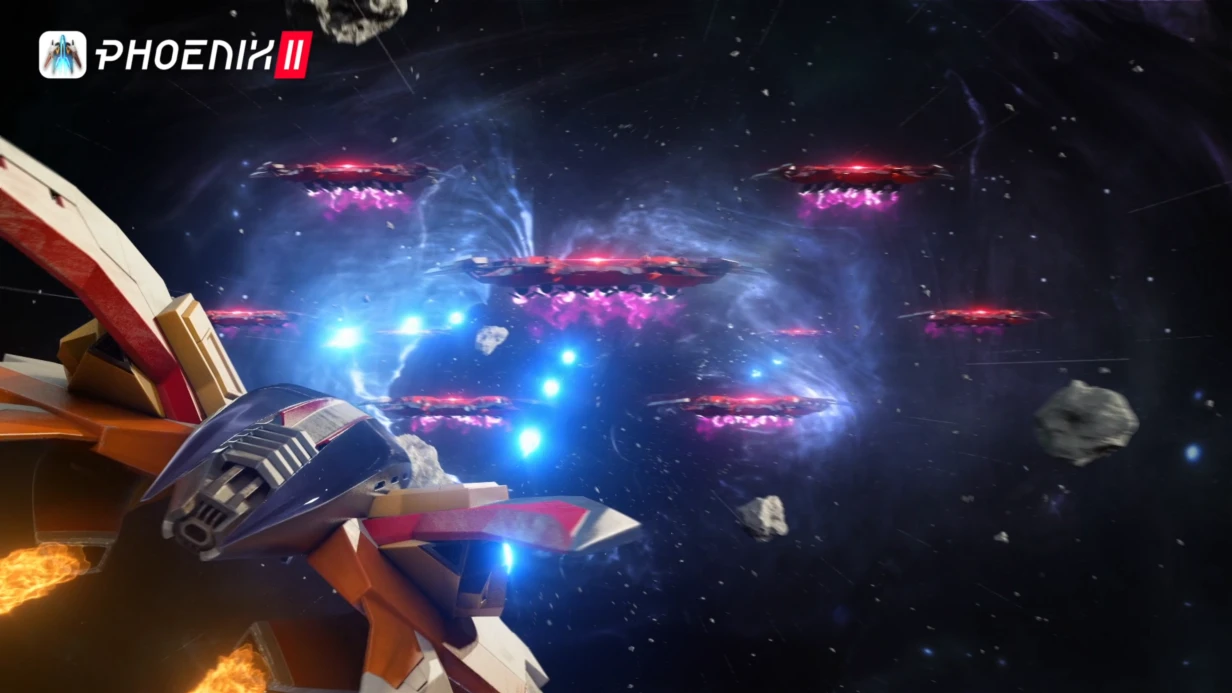
אנימציית אפקטים דו-ממדיים (עשן, ניצוצות) למשחקים
האם אנימציית העשן במשחק הפעולה הדו-ממדי שלך נראית כמו עננים לבנים, והניצוצות כמו נקודות צבעוניות? השחקן לא מרגיש את העוצמה; האפקטים נמסים ברקע. הסיבה היא אנימציה לא נכונה פיזית והגדרות שגויות של מצב מיזוג ונקודת ציר. אנו יוצרים אפקטים דו-ממדיים מוכנים לשימוש — מהקונספט ועד לשילוב במנוע. עם ניסיון של למעלה מ-10 שנים ויותר מ-50 פרויקטים למובייל ולמחשב, אנו מבטיחים תוצאות מותאמות וביצועים גבוהים.
יצירת אפקטים דו-ממדיים היא איזון בין הבעה לביצועים. אפקט מפורט מדי עם 200 פריימים של ספרייט יהרוג את קצב הפריימים במובייל. מערכת חלקיקים פשוטה מדי לא תספק את תחושת המשחק הרצויה. הפתרון האופטימלי הוא שילוב של אנימציית פריים-אחר-פריים לאלמנטים מרכזיים וחלקיקים לפרטים משניים. גישה זו מספקת הבעה עם עומס סביר על המעבד הגרפי והזיכרון.
במאמר זה נסקור שתי גישות: אנימציית פריים-אחר-פריים ויצירה פרוצדורלית באמצעות מערכת חלקיקים. תלמדו כיצד לבחור את השיטה המתאימה למשחק שלכם, אילו הגדרות PPU ונקודת ציר הן קריטיות, וכיצד להימנע משגיאות אופטימיזציה טיפוסיות כמו קריאות ציור ו-batching. נשווה גם את העלות וזמן הייצור של כל גישה.
שתי גישות: פריים-אחר-פריים וחלקיקים
אנימציית פריים-אחר-פריים (ספרייט) — כל פריים של האפקט מצויר ידנית. האמן שולט מלא בצורה, בצבע ובתנועה. התוצאה היא אפקטים אקספרסיביים ומסוגננים עם אופי אמנותי ברור. בשימוש במשחקים עם סגנון דו-ממדי חי: משחקי לחימה, roguelites פעולה, משחקי RPG בסגנון אנימה.
פריים-אחר-פריים יקר יותר לייצור (כל פריים מצויר) ויקר יותר בזמן ריצה (זיכרון טקסטורה). פיצוץ טיפוסי: 12–24 פריימים ב-24fps, גודל פריים 256×256 או 512×512. אטלס של 4×6 = 24 פריימים בטקסטורה אחת של 2048×2048 הוא סטנדרטי עבור TexturePacker.
מערכת חלקיקים עם ספרייטים דו-ממדיים: יוצרת חלקיקים עם פרמטרים מוגדרים — גודל התחלתי, משך חיים, מהירות, צבע, צורת פליטה. כל חלקיק הוא ספרייט מאטלס (ניצוץ, פיח עשן, כוכב). הביצועים טובים יותר מאשר פריים-אחר-פריים — טקסטורת חלקיק אחת משמשת מאות פעמים. מגבלה: קשה יותר להפוך אפקטי חלקיקים למדויקים סגנונית. עשן מחלקיקים נראה כמו "עשן מחלקיקים". למשחקים אמנותיים מאוד, פריים-אחר-פריים עדיף.
מדוע אנימציית פריים-אחר-פריים יקרה יותר מחלקיקים?
פריים-אחר-פריים דורש יותר משאבים: כל פריים הוא טקסטורה נפרדת באטלס. חלקיקים משתמשים בטקסטורה אחת עם פרמטרים. עם זאת, פריים-אחר-פריים נותן תוצאות אקספרסיביות פי שלושה — שליטה מלאה בצורה ובתנועה. חלקיקים הם דרך זולה ליצור נפח של אפקטים ברמת פירוט נמוכה.
איך לשלב ספרייטים וחלקיקים?
רוב האפקטים המקצועיים הם שילוב: אנימציית ספרייט לאלמנט המרכזי (פיצוץ, הבזק), מערכת חלקיקים לפרטים משניים (ניצוצות מעופפים, שובל עשן). גישה זו מספקת את ההבעה של פריים-אחר-פריים עם עומס סביר.
השוואת גישות
| פרמטר | פריים-אחר-פריים | מערכת חלקיקים |
|---|---|---|
| הבעה | גבוהה | בינונית |
| עלות ייצור (לאפקט) | $500–$3000 | $100–$500 |
| שימוש בזיכרון | גבוה | נמוך |
| שליטה | מלאה | מוגבלת לפרמטרים |
| אידיאלי עבור | משחקי פעולה מסוגננים | אפקטים פרוצדורליים |
מדוע PPU נכון הוא קריטי?
לפי Unity Manual — Sprite, ה-PPU של האפקט צריך להתאים ל-PPU של שאר הנכסים בסצנה; אחרת, קנה המידה יהיה שגוי. לדוגמה, אם לדמות יש 32 PPU ולאפקט יש 64 PPU, באותו גודל יחידה האפקט יהיה חצי מהגודל. זו סיבה נפוצה לאפקטים שנראים "לא נכון".דרישות טכניות לאפקטים דו-ממדיים
גדלים ו-PPU: לאפקט חייב להיות אותו PPU (פיקסלים ליחידה) כמו שאר הנכסים בסצנה. אם לדמויות במשחק יש 32 PPU, גם לאפקט ההתקפה צריך להיות 32 PPU — אחרת האפקט יהיה "בגודל שגוי" בעת קנה מידה.
נקודת ציר: לאפקטים שמתחברים לנקודה (פגיעה, פיצוץ) — נקודת הציר בנקודת הפגיעה. לאפקטים הנובעים מדמות (כדור אש מהיד) — נקודת הציר בנקודת הפליטה. נקודת ציר שגויה — האפקט "קופץ" במהלך ההפעלה.
שקיפות ומצב מיזוג: עשן, ערפל, הילה — מצב Alpha Blending. אש, ברקים, אפקטי קסם — מיזוג Additive (הבהירות מתווספת לרקע, האפקט זוהר). ב-Unity זו הגדרת חומר (Sprites/Additive לעומת Sprites/Default). מצב מיזוג שגוי: אש עם alpha blending נראית כמו כתם אטום במקום אפקט זוהר.
שפת צבע של אפקטים: למשחק צריכה להיות מערכת — אש של דמות אדומה — גוונים חמים, קרח של דמות כחולה — גוונים קרים, רעל — ירוק. זה לא רק אסתטיקה — זו קריאות בקרב. אם לכל הדמויות יש אפקטים באותו צבע, השחקן לא יכול להבחין בין התקפות בכאוס הקרב.
אנימציית עשן: פירוט טכני
עשן הוא אחד האפקטים הקשים ביותר בפריים-אחר-פריים. עשן נכון טכנית:
- מתרחב מלמטה למעלה עם התרחבות (מתרחב לאורך החיים)
- משנה צורה בצורה לא אחידה — לא סימטרי
- שקוף למחצה עם דעיכת גרדיאנט בקצוות (ללא קצוות קשים)
- דוהה ולא נחתך — הפריימים האחרונים שקופים מקסימלית
ב-Spine או After Effects, עשן נבנה באמצעות FFD או עיוות בובות של צורת בסיס. במערכת חלקיקים — Texture Sheet Animation עם כמה שורות של צורות עשן באטלס + startRotation אקראי + rotationOverLifetime לאפקט סחיפה. טעות טיפוסית: עשן מצויר סימטרית ונע בצורה אחידה — נראה מכני. אסימטריה של צורות וסיבוב אקראי הם פרמטרים חובה.
ניצוצות ופיזור חלקיקים
ניצוצות ממכת חרב — אפקט קלאסי עם חוקים ברורים:
- כיוון: פיזור בעיקר בכיוון ההפוך למכה (החזר)
- משך חיים: קצר, 0.2–0.5 שניות
- מהירות: התחלתית גבוהה, עם כוח משיכה וגרר לנפילה
- צבע לאורך החיים: לבן בהיר → צהוב → כתום → שקוף
- צורה: ספרייטים מוארכים ודקים (לא נקודות עגולות)
ב-Unity Particle System זה: Emission burst (10–20 חלקיקים מיידית), Shape = Cone (זווית צרה בכיוון המכה), Velocity over Lifetime עם משנה כוח משיכה, Color over Lifetime גרדיאנט.
שלבי ייצור
- ייחוס סגנון — הגדרת סגנון האפקט כך שיתאים לויזואליה של המשחק.
- חסימת פריימים מרכזיים — פוזות/מצבים מרכזיים לפריים-אחר-פריים.
- ביניים — פריימים בין המרכזיים.
- צבע ושקיפות — דעיכות גרדיאנט, מצב מיזוג.
- ייצוא לאטלס — TexturePacker עם הגדרות PPU נכונות.
- בדיקה במנוע — נקודת ציר, תזמון, מיזוג.
מה כלול
- קבצי אנימציה מקוריים (Spine, After Effects, או גיליונות ספרייטים)
- אטלסי טקסטורה עם הגדרות PPU ונקודת ציר נכונות
- מערכות חלקיקים מוכנות לשימוש (Unity, Unreal, Godot) עם אופטימיזציית קריאות ציור
- תיעוד על הפעלה ושילוב
- תמיכה לאחר מסירה — תיקונים ושינויים תוך 30 יום
| סוג אפקט | כמות | לוח זמנים | עלות (דולר) |
|---|---|---|---|
| אפקטי חלקיקים פשוטים (3–5 סוגים) | 3–5 | 3–7 ימים | $500–$1,500 |
| אפקטי פריים-אחר-פריים (פיצוץ, התקפה, מוות) | 5–10 אפקטים | 2–4 שבועות | $5,000–$15,000 |
| סט אפקטים מלא לדמות | 15–25 אפקטים | 4–8 שבועות | $10,000–$30,000 |
התמחור מחושב באופן אישי — תלוי בכמות ובמורכבות. חיסכון בתקציב בהזמנת סט מלא — עד 40% בהשוואה לתעריפים שעתיים. נאמוד את הפרויקט לאחר דיון בסגנון ובדרישות. צרו קשר לייעוץ — קבלו הערכה ראשונית תוך יום אחד. שביעות רצונכם מובטחת עם מדיניות התיקונים ל-30 יום.