


למה הפרויקט שלך ל-iOS מאבד משתמשים במסך הראשון?
המסך הראשון של משחק נייד הוא הנקודה שבה המשתמש מחליט אם להישאר או לעזוב. אם הממשק עמוס, הכפתורים לא ברורים, והניווט מבלבל, אפילו משחקיות מעניינת לא מצילה את המצב: השחקן מוחק את האפליקציה בתוך הדקות הראשונות.
עבור iOS, הבעיה הזו חריפה במיוחד — הקהל רגיל לאיכות מלוטשת ומזהה מיד "עבודה חובבנית", והתחרות בחנויות האפליקציות גבוהה מאי פעם.
ממשק גרוע פוגע ישירות במדדים המרכזיים. שיעור ההתקנות יורד: משתמש מסתכל בצילומי מסך ב-App Store, לא רואה בקרות ברורות, ולא רוצה לבזבז זמן על למידה של אלמנטים עקומים.
שימור השחקנים נפגע — ללא הדרכה אינטואיטיבית, משתמש חדש נוטש את המשחק אחרי הסשן הראשון, ולעולם לא חושף את הפוטנציאל שלו. אפילו משתמשים משלמים עוזבים אם תכונה נדרשת מוסתרת מאחורי קליקים מיותרים או דורשת שינון מחוות. כל סירוב כזה הוא לא רק הכנסה אבודה, אלא גם תקציב מבוזבז על רכישת משתמשים.
סיכון נוסף הוא ביקורות שליליות. משתמשי iOS משאירים דירוגים בצורה פעילה יותר, ושחקן אחד מתוסכל יכול להפחיד מאות מתקינים פוטנציאליים.
ממשק ברור מהמסך הראשון מפחית את הסיכון הזה ועוזר למשחק לזכות במשוב חיובי שמקדם אותו בתוצאות החיפוש.
שימושיות במשחקים ניידים היא לא רק "כפתורים יפים", אלא לוגיקה מובנית שמובילה את השחקן למטרה: להתחיל שלב, לבצע רכישה, לחזור מחר.
כל אלמנט בממשק צריך לעבוד עבור שימור ומונטיזציה: ממיקום כפתור ה"קנייה" ועד למהירות התגובה למגע.
אנחנו מעצבים ממשקים ל-iOS תוך התחשבות בהנחיות הפלטפורמה ובהתנהגות הקהל, כך שהדקות הראשונות של המשחק הופכות משתמש אקראי למשתמש קבוע.
אנחנו יוצרים ממשקים שמשפרים מדדים, לא רק נראים מסוגננים. אנחנו מטפלים בכאב במסך הראשון, מפשטים את תהליך ההדרכה, והופכים את הניווט לברור — הפרויקט שלך מפסיק לאבד משתמשים מהשניות הראשונות.
כתוצאה מכך, שיעור ההתקנות, שימור השחקנים וההכנסה הממוצעת למשתמש גדלים — כל מה שמשפיע ישירות על הרווחיות של הפרויקט.
מה מקבלים מממשק משחק איכותי
ממשק משחק איכותי הוא לא רק תמונה, אלא כלי שמשפיע ישירות על הרווח שלך. כשהמשתמש מבין מה לעשות בכל מסך, הוא מתעצבן פחות ולא עוזב את המשחק אחרי הדקות הראשונות.
כפתורים מחושבים היטב, תפריטים הגיוניים והצגת טיפים נעימה שומרים על תשומת הלב בדיוק במקום שתרחיש המונטיזציה שלך צריך אותה.
התוצאה הברורה הראשונה היא מעורבות מוגברת. שחקן שמבין בקלות את הבקרות נוטה יותר לחזור מחר ומחרתיים. כל הקשה נוספת או מעבר לא ברור מפחיתים את הרצון להמשיך, וממשק איכותי מסיר את החסמים האלה. כתוצאה מכך, הסשן הממוצע גדל, וכך גם הערך של כל משתמש מותקן.
התוצאה השנייה קשורה לזמן השהייה במשחק. ממשק מעוצב היטב מוביל את השחקן לפעולות הבאות: עוזר לו להתחבר מהר יותר, להשלים אימון, לפתוח רמות חדשות ולחזור למשחק אחרי הפסקה.
ככל שמשתמש נשאר בפרויקט זמן רב יותר, כך עולה הסיכוי שיבצע רכישה או יצפה בפרסומת. זה משפיע ישירות על הרווחיות של המוצר.
הנקודה השלישית היא אמון והרצון להמליץ. משחק עם ממשק נקי ומודרני נתפס כמוצר איכותי ששווה לספר עליו לחברים.
ביקורות חיוביות והמלצות מפה לאוזן מפחיתות את עלות רכישת המשתמשים החדשים, כי אנשים מגיעים בהמלצה, לא רק דרך פרסומות.
לבסוף, ממשק טוב חוסך לך תקציב על עבודות חוזרות. אנחנו מעצבים את כל המסכים והתרחישים מראש, כך שבמהלך הפיתוח לא תצטרך לשנות לוגיקה בגלל "כפתור לא נוח".
אתה מקבל גרסה יציבה מהר יותר ובעלות נמוכה יותר, ואחרי ההשקה — דרך קלה להוסיף תכונות חדשות בלי לשבור את חוויית המשתמש.
פורמטים של פיתוח ממשק משחק למשימות של לקוחות
כל פרויקט משחק חי לפי לוחות זמנים ותקציב משלו: לפעמים צריך מסך אחד לשחרור, ולפעמים מערכת עיצוב שלמה לעדכונים עתידיים.
אנחנו בכוונה לא נצמדים לתרחיש אחד ומציעים ארבעה פורמטי עבודה — ממשימות נקודתיות ועד מחזור פיתוח ממשק iOS מלא.
| פורמט | למי | מה זה נותן ללקוח |
|---|---|---|
| מסכים בודדים | סטודיו שצריכים לסגור במהירות משימה ספציפית — הדרכה, חנות, מסך הגדרות | מוקאפים מוכנים שמשתלבים בקלות בפרויקט ללא עבודות חוזרות או אישורים ארוכים |
| פרויקט UX/UI מלא במפתח אחד | צוותים שמשיקים משחק חדש | ממשק שלם מאב-טיפוס ועד הנחיות: סגנון אחיד, ניווט מחושב ופחות עריכות במהלך הפיתוח |
| מיקור חוץ של ממשק | סטודיו עם מעצבים עמוסים ולוחות זמנים צפופים | צוות ייעודי לוקח על עצמו את כל עומס העבודה, בזמן שאתה שומר על שליטה בתוצאה ובלוחות הזמנים |
| ייעוץ וביקורת | פרויקטים שבהם ההמרה יורדת או שחקנים לא מגיעים למסך הנדרש | הערכת UX/UI מקצועית, רשימה קונקרטית של בעיות ותוכנית לתיקון — בלי צלילה ארוכה לתוך הפרויקט |
כל הפורמטים עובדים על בסיס משותף: אנחנו משתמשים בכלים מקצועיים לעיצוב ממשקים, כך שהלקוח מקבל תוצאה יציבה ללא קשר לגודל המשימה. אם אתה לא בטוח איזה פורמט מתאים, התחל בייעוץ קצר, ואז נבחר יחד את האפשרות הטובה ביותר.
אפשר גם לשלב: למשל, לבצע ביקורת על הממשק הנוכחי ואז להפקיד בידינו את שיפור המסכים הבעייתיים.
איך מתנהלת עבודת הממשק: 5 שלבים
תהליך שקוף הוא כשאתה לא מנחש באיזה שלב נמצא הפרויקט ומה יקרה בהמשך. מבננו את העבודה כך שאתה משתתף בכל החלטה אבל לא טובע בפרטים.
מהבריף הראשון ועד הפרסום ב-App Store, אתה רואה את התוצאה ומבין על מה אתה משלם.
- בריף והתעמקות. אנחנו לומדים את המוצר, הקהל והמטרות שלך. אנחנו שולחים שאלון קצר — עליו צריך לענות לא מהנדס, אלא הבעלים: מה השחקן צריך להרגיש, אילו פעולות לבצע, איזה סגנון קרוב יותר. הפלט הוא מסמך עם משימות ממשק.
- אב-טיפוס ולוגיקת מסכים. אנחנו בונים תרשים: אילו מסכים קיימים, לאן מובילים הכפתורים, איך השחקן מקבל תגמולים ומוציא משאבים. אתה בודק את התרחיש לפני שמשקיעים כסף בעיבוד. שינוי סדר המסכים בשלב הזה הוא כמעט בחינם.
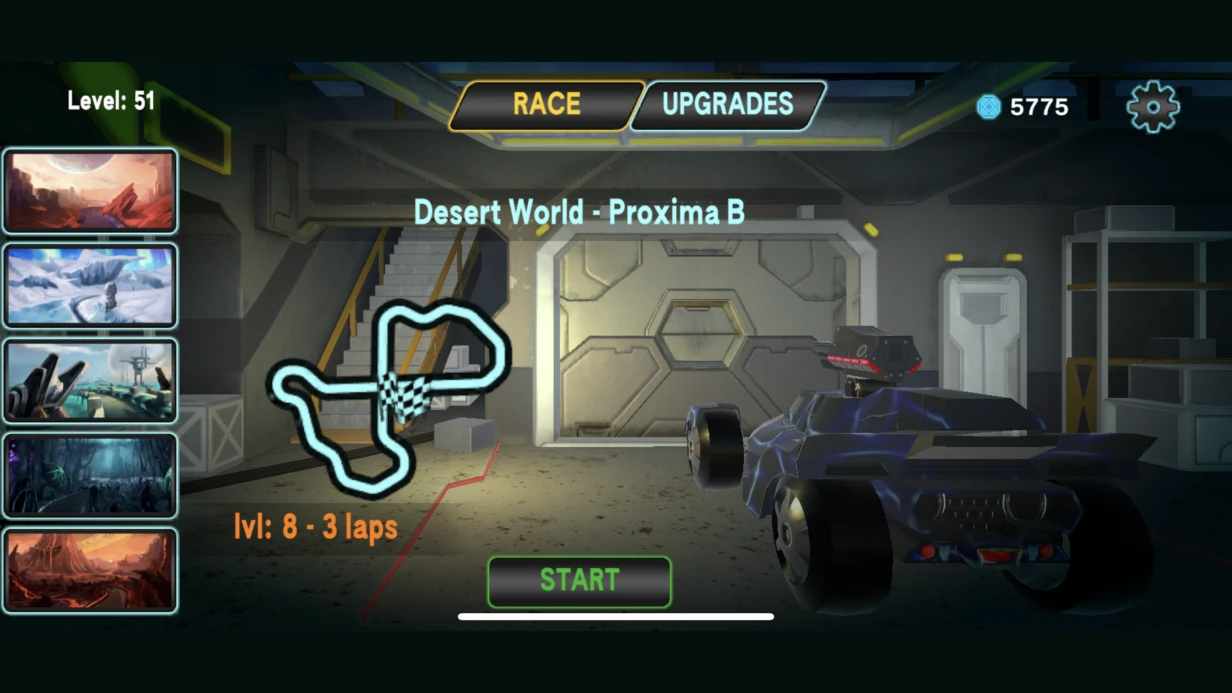
- עיצוב ממשק. אנחנו מציירים את כל האלמנטים בסגנון שלך: תפריטים, HUD, חנות, חלונות אירועים. אנחנו מאשרים באיטרציות במסנג'ר נוח — אתה משאיר הערות ישירות על המוקאפים, ואנחנו מבצעים תיקונים. אתה רואה איך המשחק ייראה באייפון לפני הבנייה.
- העברה למפתחים ובקרה. אנחנו אורזים את המוקאפים בצורה מובנת למתכנתים, עם כל מצבי הכפתורים והגופנים. אנחנו בודקים שהממשק מתקנה נכון לגדלי מסך שונים, לא "צף" ולא חותך טקסטים. אתה מקבל אחריות שהכל באפליקציה נראה כמו המוקאפ.
- השקה ותמיכה טכנית. אחרי שהגרסה משוחררת, אנחנו נשארים בקשר: מתקנים במהירות פגמים קטנים, עונים לשאלות המפתחים ועוזרים להתאים את הממשק לעדכוני iOS. אתה לא נשאר לבד עם בעיות אחרי השחרור.
האלגוריתם הזה ליווה אותנו בעשרות פרויקטי משחק — הוא מבטל את הכאב המרכזי של הלקוח: עבודות חוזרות יקרות בסוף. אתה רואה סיכונים בזמן, שולט בלוחות הזמנים ומקבל ממשק שבאמת נוח לשחקנים.
מה כלול במסירת הפרויקט
מסירת הפרויקט היא לא "תמונות" אלא חבילת עבודה שהצוות שלך וקבלני המשנה יכולים להשתמש בה כדי ליישם ולפתח את הממשק במהירות. אנחנו מעבירים את כל החומרים כך שלא יהיו לך שאלות של "איפה זה?" בשלב ההשקה.
- קבצי מקור של הממשק — קבצי עיצוב מאורגנים היטב עם מבנה שכבות ברור. אתה מקבל ארכיון מלא של הגרסה העדכנית ויכול לבצע עריכות ללא מעורבות שלנו.
- ערכת UI — ספריית אלמנטים לשימוש חוזר ל-iOS: כפתורים, שדות קלט, אייקונים, חלונות מודאליים. איתה, מסכים חדשים מורכבים הרבה יותר מהר, והממשק נשאר עקבי.
- התאמה לכל המסכים — מוקאפים שנבדקו בגדלים שונים של מכשירי Apple. ללא קשר לדגם, אלמנטים לא "זזים", טקסט לא נחתך, והכפתורים נשארים נוחים.
- תיעוד מסכים ומצבים — תיאור לוגיקת המעברים, מצבי ריק, שגיאות ומקרי קצה. מפתחים לא צריכים לנחש איך אלמנט עובד: הכל מתועד.
- אחריות ותיקונים סופיים — אחרי המסירה, אנחנו בודקים שכל ההסכמות מולאו ומבצעים תיקונים בחינם אם נמצאו פערים מול הבריף. זה קבוע בחוזה.
- העברה ותמיכה — הקבצים מועברים דרך קישור ענן, בתוספת בריף קצר לצוות שלך. תוך חודש מהמסירה, אנחנו עונים על שאלות ועוזרים ביישום.
כך, אתה מקבל לא רק סט מוקאפים, אלא נכס ניתן לניהול. אפשר להעביר אותו למעצבים חדשים, למסור לפיתוח ולהרחיב לגרסאות הבאות של האפליקציה. זה חוסך כסף ועצבים בכל שלב הבא — ומבטיח שהתוצאה לא תלך לאיבוד.
מקרה בוחן: איך הממשק השפיע על מדדי הפרויקט
עבור הסטודיו GameBoost הכנו משחק iOS נייד כחלק מקמפיין פרסומי של מותג גדול. הלקוח רצה להחזיק את תשומת הלב של המשתמש מהדקה הראשונה ולהוביל אותו לפעולת היעד — הרשמה והשתתפות במבצע. לפני עיצוב הממשק מחדש, רוב השחקנים עזבו אחרי מסך הפתיחה.
מה השתנה אחרי העיצוב מחדש
בנינו מחדש את הניווט: הסרנו שלבים מיותרים והפכנו את הפעולה המרכזית לגלויה ונגישה בקליק אחד. גם עיצבנו מחדש את הסגנון החזותי לקהל הפרויקט. כתוצאה מכך, שיעור ההתקנות גדל ב-40%, וזמן הסשן הממוצע עלה ב-35%.
באמצעות אנליטיקה, עקבנו אחרי התנהגות המשתמשים ובילינו שלושה שבועות בליטוש מסכים בודדים. אחרי העדכון הראשון, מספר פעולות היעד גדל פי אחד וחצי. 68% מהשחקנים החדשים התחילו להגיע למסך הסופי — בעבר הנתון הזה מעולם לא עלה מעל 45%.
עבור הלקוח, זה אומר יעילות גבוהה יותר של תקציב הפרסום ועלות נמוכה יותר לליד. המספר בפועל של משתתפי המבצע עלה על התחזיות פי שלושה.
הפרויקט קיבל המשך: אנחנו עכשיו מפתחים גרסת ממשק שנייה עם מכניקת משחק חדשה — וזה המדד הטוב ביותר ליעילות העבודה שלנו.
מה אם יש לך דרישות ספציפיות לממשק iOS?
כן, מצבים כאלה קורים יותר ממה שנדמה. לכל בקשה סטנדרטית קל למצוא פתרון מוכן, אבל כשצריך ממשק משחק לא סטנדרטי — למכניקה, קהל או משימה עסקית ספציפית — תבניות מפסיקות לעבוד. בדיוק כאן נדרשת גישה אישית, שלא נכנסת לתרחישים טיפוסיים.
אנחנו בונים את העבודה סביב הדרישות המיוחדות שלך, לא להפך. בהתחלה, אנחנו אוספים בריף מפורט: מה המשימה של המשחק, מי המשתמשים שלך, אילו תרחישי אינטראקציה קריטיים עבורם, ומה צריך לייחד את המוצר מול המתחרים.
אחרי זה, אנחנו מעצבים ממשק שעונה לבקשה הספציפית שלך, גם אם היא חורגת מפתרונות נפוצים.
גישה אישית פירושה גם גמישות בתהליך. אנחנו לא כופים מוקאפים מוכנים ולא מגבילים אותך לתבניות טיפוסיות.
במקום זה, אנחנו מציעים כמה אפשרויות לוגיקת מסכים, בודקים אותן על מכשירים אמיתיים, מתחשבים בהתנהגות המשתמשים שלך ומבצעים תיקונים עד שהתוצאה תואמת לציפיות. אם מופיעים נתונים חדשים באמצע הפרויקט — זו לא בעיה, אלא חלק מהעבודה.
בסופו של דבר, אתה מקבל ממשק שפותר את המשימה הספציפית שלך: מחזיק תשומת לב, מוביל את השחקן במסלול הנכון והופך את המוצר למוכר.
אם אתה מטיל ספק אם הגישה שלנו מתאימה לדרישות לא סטנדרטיות — זה בדיוק המקרה שבו כדאי לדון במשימה. ספר לנו מה אתה צריך, ואנחנו נגיד בכנות איך ליישם את זה עם תועלת מקסימלית לפרויקט שלך.
שאלות נפוצות לפני הזמנת השירות
לפני הזמנת ממשק משחק ל-iOS, אנחנו שומעים את אותן שאלות: האם נעמוד בלוח הזמנים לשחרור, מה לגבי תיקונים, כמה זה עולה, ומי יתמוך אחרי ההשקה. לעתים קרובות מאחורי השאלות האלה עומד הפחד מלפספס מועדים או לקבל תוצאה שהמשתמשים לא יאהבו.
להלן אנו מתייחסים לארבעת החששות המרכזיים ומסבירים איך אנחנו סוגרים אותם בכל פרויקט.
אילו אחריות אתם נותנים על התוצאה?
אנחנו קובעים את הדרישות בבריף ובמפרט הטכני לפני תחילת העבודה. אם הממשק לא עומד בדרישות המוסכמות, אנחנו מבצעים תיקונים על חשבוננו.
העבודה מוסדרת בחוזה עם שלבים, לוחות זמנים ואחריות של הצדדים — אתה מקבל תהליך מוגן, לא "הבטחה".
כמה זמן לוקח פיתוח ממשק?
לוח הזמנים תלוי במספר המסכים ובמורכבות האנימציה. למסך משחק טיפוסי, זה ימים; למערכת ממשק מלאה למשחק נייד עם הדרכה וחנות, זה ארבעה עד שמונה שבועות.
בהתחלה, אנחנו יוצרים תוכנית לוח שנה ומציגים תוצאות ביניים כל שבוע — אתה רואה התקדמות ולא דואג למועד הסיום.
איך מחושבת עלות העבודה?
העלות מחושבת לפי משימה: מספר מסכים, לוגיקת אינטראקציה, רמת פירוט, מספר איטרציות. אתה מקבל הערכה לפני ההתחלה, והיא לא משתנה במהלך התהליך אלא אם הדרישות המקוריות משתנות.
אנחנו לא נותנים "טווח" ולא מוסיפים עלויות בדרך — המחיר קבוע בחוזה ונשאר ברור לך מהיום הראשון.
מה לגבי תמיכה אחרי ההשקה?
אחרי השחרור, אנחנו נשארים בקשר: עוזרים להתאים את הממשק למכשירים חדשים ולגרסאות iOS, מתקנים במהירות פגמים קטנים ומייעצים לצוות שלך. אתה בוחר את פורמט התמיכה — ייעוץ חד-פעמי או תחזוקה שוטפת. זה מסיר את הסיכון המרכזי של כל לקוח: להישאר לבד עם בעיה אחרי התשלום.
השאר פנייה — נחשב את עלות הפרויקט
פנייה באתר היא לא תחילת העבודה, אלא דיאלוג קצר שיחסוך לך שבועות. נשאל את השאלות הנכונות: ז'אנר המשחק, פרופיל קהל ה-iOS, מסכים מרכזיים ושיטת המונטיזציה.
אחרי השיחה הראשונה, תבין את היקף העבודה, לוחות הזמנים ותראה אילו תוצאות אפשריות באופן ריאלי בהתחלה.
הנה מה שאתה מקבל מיד אחרי הפנייה אלינו:
- תשובה תוך יום עסקים — אין צורך לחכות או להזכיר לנו.
- ייעוץ ממשק וניווט: ננתח מה מונע משחקנים להגיע לרכישות ולחזור למשחק.
- חישוב עלות ראשוני — בלי אותיות קטנות, תוספות נסתרות או הפתעות בסוף.
- תוכנית שלבים ולוחות זמנים ריאליים: מבריף ועד ממשק מוכן לפרסום.
- דוגמאות לממשקי משחק iOS מהז'אנר שלך — ראה איך אנחנו פותרים משימות דומות.
- מנהל פרויקט אישי: איש קשר אחד שתמיד יודע את הסטטוס ועונה על שאלות.
התכנון מתחיל מיד אחרי הבריף. אנחנו קובעים את ההסכמות, מחלקים משימות ושולחים הצעה מסחרית עם תנאים ברורים.
אתה מקבל תמונה שקופה: על מה אתה משלם, מתי התוצאה תהיה מוכנה, ואילו מדדי ממשק נשפר — המרת רכישות, שימור שחקנים או מהירות טעינת מסכים.
השאר פנייה — ומחר תהיה לך תוכנית קונקרטית ועלות פרויקט ברורה. אנחנו נטפל בשאר.