


שחקנים עוזבים משחקי Web בגלל ממשק לא נוח. מה עושים?
שחקן מגיע למשחק Web דרך קישור מרשת חברתית או מפרסומת — ואין הורדה, אין התקנה, ואין הרגל להבין דברים לבד.
השניות הראשונות קובעות הכל: אם הממשק נראה מסובך, הכפתורים לא ברורים, וההרשמה נמשכת, האדם סוגר בשקט את הטאב. במשחק דפדפן אין "צ'אנס שני" — הקהל לא סולח על ממשק לא נוח.
כל עזיבה כזו היא לא רק שחקן אבוד, אלא תקציב רכישת משתמשים שנשרף ושקע הולך וגדל בהחזר ההשקעה של הפרויקט. ממשק משתמש גרוע במשחקי Web עולה יותר ממה שנדמה: הוא הופך תנועה בתשלום לסשנים ריקים.
שימור שחקנים תלוי ישירות בכמה מהר אדם מבין לאן ללחוץ, מה לעשות, ולמה לחזור מחר.
מה עושים? לחשוב מחדש על כל מסע המשתמש: מהמסך הראשון ועד לפעילות היומיומית. ה-UX של משחק Web חייב לקחת בחשבון שהאדם נמצא בדפדפן — יש לו הרבה טאבים פתוחים, הוא מוסח, והוא מוכן לעזוב בלחיצה אחת.
ממשק המשחק חייב להיות אינטואיטיבי: הוא צריך להנחות, לא לבלבל; להוביל למטרה, לא להסתיר אותה מאחורי צעדים מיותרים. הפרטים הקטנים האלה קובעים אם שחקן הופך לקבוע או נעלם אחרי הסשן הראשון.
אנחנו מעצבים ממשקים למשחקי Web כבר למעלה מ-10 שנים.
אנחנו יודעים איך לבנות מסכים כך ששחקן יעבור מהכניסה לתוצאה הראשונה בלי תסכול, איך להחזיק תשומת לב בכל שלב, ואיך להפוך נוחות לכלכלה: שימור גבוה יותר, ביקורים חוזרים יציבים, יותר הכנסות מתרומות ופרסומות. ממשק לא נוח הוא בעיה פתירה — וזה בדיוק מה שאנחנו פותרים.
אילו יתרונות מביא ממשק משחק מקצועי?
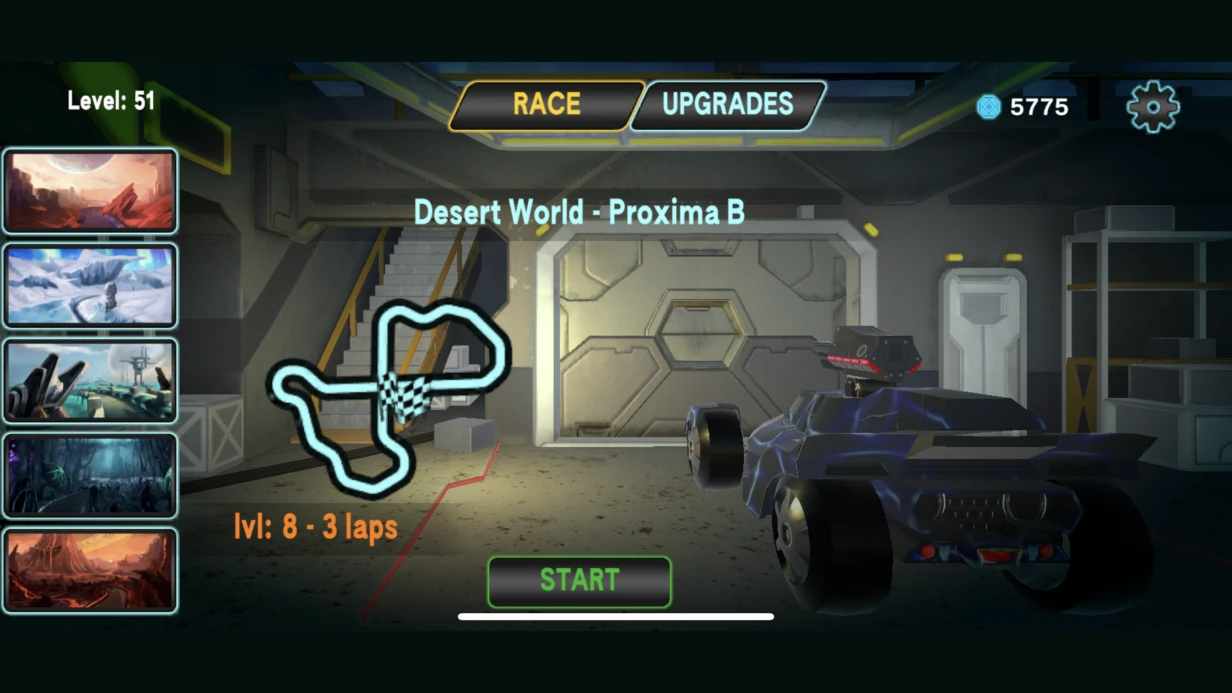
שחקנים שופטים משחק בדקות הראשונות — הממשק קובע את הרושם מהמוצר. אם המסכים ברורים, הכפתורים במקום הנכון, והניווט לא מבלבל, המשתמש שוקע בחוויה בלי לחשוב על פרטים טכניים.
UI/UX מקצועי משיג משימה עסקית מרכזית: הוא הופך משחק למוצר שאנשים רוצים לשחק בו, לשלם עליו, ולהמליץ עליו לחברים.
מעורבות שחקנים
ממשק מחושב היטב עוזר לשחקנים להבין במהירות את המכניקות ומציע את הצעד הבא. השחקן לא מבזבז זמן בחיפוש אחר הסעיף הנכון אלא מתמקד בהישגים. זה מגדיל את זמן הסשן ואת תדירות החזרה — המדדים המרכזיים של כל משחק.
המרה ורווח גבוהים יותר
אם שחקן לא מוצא את החנות או לא מבין איך לשלם על רכישה, הוא עוזב. ממשק חנות ברור, רמזים שקופים ופעולות הגיוניות הופכים מבקרים למשתמשים משלמים. אפילו שיפור קטן בהמרה משפיע ישירות על הכנסות המשחק.
הכרת מותג המשחק
ממשק מסוגנן יוצר תדמית ייחודית ומבדל את המשחק מהמתחרים. עיצוב בלתי נשכח, אנימציות ומיתוג מעודדים שחקנים לשתף צילומי מסך ולדון במשחק ברשתות חברתיות. הפרסום החינמי שנוצר על ידי המשתמשים עצמם מחזק את מעמד המותג.
מוכן למשחק מכל מכשיר
אנחנו מעצבים ממשקים שנראים ועובדים היטב במחשבים שולחניים, טאבלטים וסמארטפונים. טעינה מהירה והיעדר שגיאות שומרים על מעורבות השחקנים גם בחיבור אינטרנט חלש. זה מרחיב את הקהל ומגביר נאמנות.
הצוות שלנו מפתח ממשקי משחק הפותרים בעיות עסקיות כבר עשרות שנים. אתה מקבל לא רק תמונה יפה, אלא כלי שמגדיל מעורבות, הכנסות והכרה למשחק שלך.
פורמטים של פיתוח ממשק לפרויקטי Web
כל פרויקט Web הוא ייחודי: מישהו צריך דף נחיתה תוסס עם מכניקות משחק, מישהו צריך ממשק מלא למשחק דפדפן, ומישהו כבר יש לו מוצר מוגמר ורוצה לשפר אותו.
אנחנו מתאימים את פורמט העבודה למשימה ולתקציב שלך כך שתשלם רק על מה שבאמת משפיע על התוצאה.
| פורמט | למי | מה הלקוח מקבל |
|---|---|---|
| פיתוח חד-פעמי | אתה צריך מסך או מכניקה בודדים — חידון, דף קידום, מיני-משחק | תוצאה מהירה ומוכנה: מקונספט לאב-טיפוס עובד. אידיאלי לקמפיין או השקת מוצר |
| ממשק מקיף | אתה בונה משחק Web מלא או שירות עם אלמנטים של משחק | סגנון אחיד, תרחישים מחושבים היטב, וממשק ששומר על מעורבות המשתמשים. מחזור מלא: מאב-טיפוס לגרסה סופית |
| ביקורת ושיפור | כבר יש לך משחק או אתר, אבל ההמרה יורדת ומשתמשים הולכים לאיבוד | אנחנו מוצאים נקודות חלשות בממשק, מתקנים אותן ומשפרים את השימושיות. אפקט מהיר בלי לשנות את כל הפרויקט |
| תמיכה וצמיחה | הפרויקט רץ, אבל צריך תכונות ועדכונים חדשים | פיתוח ממשק שוטף לצד המוצר שלך — אין צורך לחפש קבלן חדש או לאבד הקשר |
אם אתה לא בטוח איזה פורמט מתאים, התחל בשיחה קצרה: נסקור את המשימה שלך ונאמר לך בכנות אם אתה צריך את המחזור המלא או ששיפור ממוקד מספיק.
בכל מקרה, אתה מקבל ממשק שהמשתמשים שלך מבינים וצוות שאחראי על לוחות זמנים ואיכות.
איך מתנהלת העבודה על ממשק המשחק שלך
אתה מקבל לא רק מסכים מעוצבים, אלא מסע שחקן מתוכנן היטב שמשפיע על שימור והכנסות. כדי לשמור על תהליך שקוף ותוצאה צפויה, חילקנו את העבודה לשלבים ברורים. אתה תמיד יודע מה קורה בכל שלב ונשאר בשליטה על לוח הזמנים.
-
בריף והתעמקות בפרויקט אנחנו עולים לשיחה או צ'אט, דנים במשחק שלך, בקהל ובמטרות. אנחנו מגדירים את משימות הממשק: מה השחקן צריך להבין מהדקה הראשונה ואילו מכניקות צריך לתמוך. הפלט הוא מפרט טכני ותוכנית עבודה.
-
ניתוח ואב-טיפוס אנחנו חוקרים אסמכתאות ובונים את "השלד" של הממשק — פריסות מסך, לוגיקת ניווט, מיקום כפתורים. אתה רואה איך השחקן ינוע במשחק לפני שהגרפיקה בכלל מצוירת. זה עוזר למצוא נקודות לא נוחות לפני שהן מגיעות לפיתוח.
-
קונספט עיצובי אנחנו יוצרים את הסגנון החזותי של הממשק: הדגשים צבעוניים, פונטים, האווירה של כפתורים וחלונות. אנחנו מראים לך כמה אפשרויות על המסך המרכזי. אתה בוחר את הכיוון, ואנחנו קובעים אותו כבסיס לכל שאר המסכים.
-
סקירה ותיקונים אנחנו מראים גרסאות ביניים של הממשק במצב עובד. אתה משאיר הערות, אנחנו מבצעים תיקונים — בדרך כלל מספיקים סיבוב אחד או שניים. אנחנו מאשרים את הסקיצות ורק אז עוברים להרכבה.
-
התאמה לפורמטים שונים אנחנו בודקים איך הממשק נראה במחשב שולחני, טאבלט וסמארטפון, ובגדלים שונים של חלון דפדפן.
חשוב שהשחקן ירגיש בנוח בכל רזולוציה; אחרת, חלק מהקהל יעזוב בגלל אלמנטים לא מיושרים.
-
מסירה לפיתוח ובדיקות אנחנו מספקים סקיצות עיצוב ותיאורים של מצבי כפתורים, אנימציות ושגיאות. אנחנו תומכים במפתחים, עונים על שאלות, ומוודאים שהממשק במשחק תואם לסקיצה המאושרת. אנחנו תופסים פגמים קטנים לפני ההשקה.
-
תמיכה לאחר השקה אחרי שהמשחק עולה, אנחנו נשארים בקשר: אנחנו משפרים במהירות את הממשק כשצריך, מוסיפים מסכים חדשים, או מתקנים מה ששחקנים שמו לב אליו. אתה מקבל ייעוץ ושיפורים בלי חיפוש ארוך אחר קבלן חדש.
תהליך העבודה הזה מבטל הפתעות בשלב הסופי: אתה יודע מראש איך ייראה הממשק וכמה זמן ייקח כל שלב. כתוצאה מכך, המשחק עולה בזמן, ושחקנים מבינים איך לשחק מהדקות הראשונות.
מה כלול במסירת ממשק המשחק
פיתוח ממשק משחק Web הוא לא "תמונות מצוירות" אלא חבילה עובדת שצוות יכול למסור מיד למתכנתים, לבדוק ולהשיק.
הלקוח מקבל תוצאה מוגמרת עם כל האלמנטים, מהסקיצה הראשונה ועד קבצי המקור — בלי שלבים נסתרים ובלי "נסיים את זה אחר כך."
מסירת הממשק כוללת:
- סקיצות של כל מסכי המשחק — מתפריט וטעינה ועד חנות והגדרות: אתה רואה איך ייראה המוצר לפני שהפיתוח בכלל מתחיל.
- אבות-טיפוס אינטראקטיביים של תרחישים מרכזיים — מאפשרים לבדוק את לוגיקת הניווט ואת נוחות השחקן על מכשיר אמיתי לפני שהלוגיקה המרכזית נכתבת.
- מדריך ממשק: סט כללים לצבעים, פונטים, מרווחים ומצבי כפתורים. כל מסך חדש ייראה עקבי וימשיך את סגנון המותג.
- התאמה לכל סוגי המכשירים — מסמארטפונים קומפקטיים ועד מסכים רחבים. המשחק נוח באותה מידה בטלפון ובמחשב שולחני.
- קבצי מקור של כל האלמנטים — פונטים, אייקונים, ספרייטים ושכבות בפורמט ניתן לעריכה. אתה לא תלוי בקבלן: אתה יכול לבצע שינויים או לעשות שימוש חוזר בנכסים בפרויקטים עתידיים.
- הערות מפתחים על התנהגות אלמנטים: אנימציות, מצבי ריחוף, מצבי כפתורים. הממשק לא רק נראה נכון — הוא עובד בדיוק כמתוכנן.
החבילה הזו חוסכת זמן תקשורת ומפחיתה את הסבירות לעבודות חוזרות. אתה מקבל מקור אמת יחיד למעצבים, מפתחים ובודקים, ותוצאת פיתוח הממשק מוכנה לחלוטין להשקה.
מקרה בוחן: איך הגדלנו את שימור השחקנים במשחק Web ב-47%
אחד הפרויקטים המוצלחים שלנו הוא משחק הדפדפן SkyRush. היה לו משחקיות מוצקה, אבל שחקנים עזבו אחרי הסשנים הראשונים. הבעלים ביקש מאיתנו להבין למה הקהל לא חוזר ולא רצה להשקיע כסף נוסף ברכישת משתמשים.
ערכנו ביקורת ומצאנו שהממשק אילץ משתמשים לעבור צעדים מיותרים, ופרסים חשובים הוסתרו מאחורי כמה שכבות ניווט. מקרה UI זה הוא דוגמה לאיך תוצאת פיתוח ממשק משפיעה ישירות על שימור שחקנים במשחק web. עבדנו מחדש על לוגיקת המסכים, פישטנו את הניווט וקיצרנו את הדרך לבונוסים יומיים.
הכנסנו את השינויים בהדרגה כדי ששחקנים לא ישימו לב לשינוי מבני פתאומי. חודש אחרי שהגרסה החדשה עלתה, השימור ביום השביעי גדל ב-47%, הסשן הממוצע התארך, וביקורים חוזרים במהלך השבוע הפכו תכופים יותר.
שחקנים התחילו לעזוב פחות בדקות הראשונות וחזרו להתקדמות שלהם ברצון רב יותר. עבור העסק, זה אומר קהל יציב והכנסות גבוהות יותר בלי להגדיל את תקציב הפרסום.
אנחנו לא משתמשים בתבניות מוכנות: קודם אנחנו אוספים נתונים על התנהגות שחקנים, אחר כך בודקים השערות ומיישמים רק מה שמאושר על ידי מספרים. לכן התוצאה של מקרה בוחן זה אינה מקרית אלא בלתי נמנעת.
אחרי שהפרויקט הושלם, הלקוח הזמין מאיתנו פרויקט נוסף — האישור הטוב ביותר לעבודה איכותית.
כך סיכם בעל המשחק את התוצאה: "הצוות שלנו לא רק צייר מחדש את המסכים — הם ראו את הנקודות החלשות בלוגיקת המשחק. עכשיו שחקנים חוזרים מעצמם, והשגנו יתרון משמעותי על פני המתחרים."
איך לבחור את פורמט הפיתוח למשימה שלך?
בחירת פורמט הפיתוח תמיד מתחילה בפרטי הפרויקט ובדרישות לממשק. אין שתי משימות זהות: פתרון קל עובד לקמפיין פרסומי קצר, בעוד פורטל משחק בקנה מידה מלא דורש גישה שונה לחלוטין. אז קודם אנחנו קובעים אילו פונקציות צריך למלא הממשק ולמי הוא מיועד.
אם המטרה העיקרית היא למשוך מבקר תוך 30 שניות, בחירת ה-UI תסתובב סביב מכניקות גדולות וניווט ברור.
כשהממשק צריך לתמוך בתרחישים מורכבים — חשבון אישי, רכישות, תחרויות קבוצתיות — הדרישות לממשק גבוהות יותר, ופורמט הפיתוח משתנה.
השאלה השנייה היא כמה אינטראקטיבי יהיה הפרויקט. עמודים סטטיים עם אנימציה מיושמים מהר יותר, אבל מכניקות משחק, אירועים דינמיים ועדכוני נתונים דורשים עיבוד עמוק יותר.
זה קובע איזה פורמט אתה צריך: גרסה ראשונה מהירה או פתרון מחושב היטב עם מקום לצמיחה.
אנחנו גם מתחשבים היכן יחיה משחק ה-web: בתוך יחידת פרסום, בתת-דומיין נפרד, או באפליקציה. זה משפיע ישירות על החלטות טכניות ועל איך אנחנו מארגנים שיתוף פעולה עם הצוות שלך.
לקוחות רבים מגיעים עם חזון מוכן, אבל חשוב לנו להשוות אותו לתרחישי משתמש אמיתיים.
בפועל, הגדרה נכונה של הפורמט חוסכת שבועות של עבודה. אנחנו עוזרים לך לבחור את האפשרות שתואמת את המטרה, לוח הזמנים ויכולות התחזוקה שלך, ומיד מראים איך זה ישפיע על התוצאה. כך אתה מקבל ממשק שעובד למשימה שלך — לא להיפך.
שאלות נפוצות על פיתוח ממשק משחק
לקוחות לא תמיד יודעים איך מתנהלת עבודת ממשק המשחק ומה קורה אחרי ההשקה. אספנו תשובות לשאלות הנפוצות ביותר כדי שתבין את התהליך ותוכל לתכנן את התקציב מראש.
כמה זמן לוקח פיתוח ממשק משחק?
לוח הזמנים תלוי בהיקף. מסך web בודד לוקח 3 עד 7 ימי עסקים. ממשק משחק מלא בדרך כלל לוקח 2–4 שבועות.
בהתחלה, אנחנו קובעים את לוחות הזמנים בחוזה ועומדים בהם: אתה תמיד יודע מתי תקבל את התוצאה ומתי תוכל לתכנן את ההכרזה.
האם יש אחריות על הממשק המוגמר?
כן, כל העבודה שהושלמה מכוסה באחריות. אם הממשק מוצג בצורה לא נכונה במכשירים שונים או בדפדפנים שונים, אנחנו מתקנים את השגיאות ללא תשלום בתוך התקופה המוסכמת. האחריות כתובה בחוזה כדי שתוכל להרגיש בטוח.
האם אפשר לבצע שינויים אחרי שהעבודה התחילה?
כמובן. אנחנו בונים שלב איטרציה בתהליך: אתה סוקר גרסאות ביניים ומשאיר הערות. זה נוח יותר מאשר לעשות הכל מחדש בסוף. אם עולים רעיונות חדשים, נדון איך לשלב אותם בחן בלוח הזמנים בלי לאבד איכות.
מה לגבי תמיכה אחרי שהפרויקט נמסר?
אנחנו לא נוטשים את הפרויקט אחרי ההשקה. אנחנו נשארים בקשר כדי לעזור בשיפורים, לתקן פגמים קטנים ולייעץ על צמיחת המוצר. לקוחות רבים חוזרים אחרי כמה חודשים עם רעיונות למסכים חדשים — ואנחנו שמחים לעזור להביא אותם לחיים.
יש לך שאלות אחרות? פשוט כתבו לנו — נספר לכם יותר על התהליך ונציע את המקום הטוב ביותר להתחיל בו כדי שלא תבזבזו זמן או תקציב.מוכן ליצור ממשק ששומר על מעורבות שחקנים?
הממשק הוא חלון הראווה של המשחק שלך: זה הדבר הראשון ששחקן רואה. אם המסכים עמוסים, הכפתורים לא ברורים, והלוגיקה מבלבלת, אפילו מכניקות חזקות מאבדות את הקהל.
אנחנו בונים ממשקי web שמחזיקים תשומת לב, עוזרים לשחקנים להבין במהירות את השליטה, ודוחפים אותם לפעולה הנכונה — הרשמה, רכישות במשחק, או חזרה למשחק.
כשאתה עובד איתנו, אתה עובר תהליך ברור בלי הפתעות או איטרציות מיותרות:
- אתה שולח בקשה באתר או במסנג'ר — אנחנו עונים תוך יום עסקים אחד ומבהירים את המשימה ואת לוח הזמנים.
- אנחנו עורכים בריף: אנחנו מנתחים את הקהל שלך, תרחישי שימוש ומטרות ממשק.
- אנחנו יוצרים אבות-טיפוס של מסכים מרכזיים — אתה רואה את הלוגיקה והניווט לפני שהעיצוב בכלל מצויר.
- אנחנו מפתחים עיצוב רספונסיבי נוח שנראה טוב באותה מידה במחשב ובטלפון.
- אנחנו משלבים את הממשק עם לוגיקת המשחק שלך ובודקים אותו מול תרחישי משתמש אמיתיים.
- אנחנו מוסרים את קבצי המקור ומדריך קצר — הצוות שלך יכול לבצע שינויים בלי העזרה שלנו.
גישה זו מזרזת את ההשקה ומפחיתה את הסיכון לעבודות חוזרות: אתה תמיד יודע מה קורה, ואנחנו מטפלים בכל הצד הטכני. התוצאה היא ממשק שלא מאט את השחקן אלא מוכר את המשחק שלך.
מוכן להתחיל את הפרויקט שלך? השאר בקשה — נדון בפרטים, נענה על שאלותיך ונכין תוכנית עבודה. פיתוח ממשק מפתח עם תוצאה מובטחת הוא מה שאנחנו עושים הכי טוב.
פנה אלינו דרך כל ערוץ נוח, ותוך כמה ימים תראה את הטיוטות הראשונות. אתה יכול להזמין UI כבר עכשיו — פשוט כתוב לנו.