


ממשק משחק חלש הורג משחק WebGL: איך לתקן את זה
ממשק חלש הוא לא רק עניין של כפתורים מכוערים. כששחקן לא מצליח להבין היכן ללחוץ, הולך לאיבוד בתפריטים, או ממתין לטעינה — הוא עוזב.
במשחק WebGL שמופעל ישירות בדפדפן, התחרות על תשומת הלב היא עזה במיוחד: מסך אחד לא נוח מספיק כדי שמבקר יסגור את הטאב ולעולם לא יחזור.
מבחינה עסקית, זה אובדן ישיר של מעורבות במשחק והכנסות. שחקן שלא הבין את המכניקות לא יעבור את הרמה הראשונה, לא יבצע רכישה, ולא יזמין חברים.
ממשק חלש אוכל בשקט את שיעור ההמרה, ולתקן אותו מאוחר יותר קשה יותר מאשר לתכנן אותו נכון מההתחלה.
UI/UX נכון ל-WebGL הוא לא קישוט — הוא כלי לניהול התנהגות. ממשק טוב מוביל את המשתמש בתרחיש: הוא מרמז, מניע, ומספק משוב מיידי. הוא שומר על האווירה של המשחק תוך הסרת חסמים בין השחקן למטרה שלו.
נושא נפרד הוא אנליטיקת משחק. אם הממשק לא עוקב אחר פעולות מפתח, אתה עיוור: אתה לא יכול לראות היכן שחקנים נתקעים, היכן הם נושרים, ומה מחזיר אותם.
אנליטיקה מוגדרת כהלכה בתוך הממשק הופכת את המשחק למוצר ניתן לניהול שניתן לשפר באמצעות נתונים ולא על סמך ניחושים.
אנחנו מכסים משימה זו בכל שלב: מתכנון תרחיש ועד לבדיקת ממשק סופית עם שחקנים אמיתיים. כתוצאה מכך, אתה מקבל משחק WebGL שמחזיק תשומת לב, מניע פעולות יעד, ועובד למען המדדים העסקיים שלך.
מה מקבלים מממשק איכותי: 5 יתרונות מרכזיים
הממשק הוא לא "תמונה יפה" סביב המשחק — הוא כלי שמשפיע ישירות על המרה והכנסות. אם למשתמש נוח, הוא מגיע לפעולת היעד; אם לא, הוא הולך למתחרה, גם אם המשחק עצמו מצוין.
UI/UX טוב עובד עבור העסק שלך: הוא מגייס, שומר, אוסף אנשי קשר, ומחזק את המותג.
צמיחה במעורבות ובזמן בפרויקט
שחקן נשאר במקום שבו הדברים ברורים. היגיון מסך מחושב ורמזים מפחיתים חיכוך: המשתמש מבין את המכניקות מהר יותר ונוטש את המשחק פחות בתחילת הדרך.
אינטראקציות אינטואיטיביות מאריכות את הסשן — וככל שהמגע ארוך יותר, כך עולה הסיכוי שהשחקן יחזור ויביא חברים.
זה משפיע ישירות על מדדי המוצר שלך. יותר זמן במשחק פירושו יותר מסכים שנצפו, יותר פעולות שהושלמו, ויותר ביקורים חוזרים. במקום ביקור חד-פעמי, אתה מקבל קהל קבוע.
הכרת המותג
סגנון ממשק אחיד — צבעים, גופנים, צורות כפתורים — עובד כעוגן ויזואלי. כשמשחק מעוצב בהתאמה למותג, המשתמש זוכר את החברה גם לאחר שחולף זמן.
כל מסך ואנימציה מחזקים את תדמית החברה, והופכים אינטראקציה חד-פעמית לאסוציאציה ארוכת טווח.
ב-WebGL, אפקט זה מוגבר: המשחק מופעל ישירות בדפדפן, ללא התקנה, ושולט לחלוטין ברושם מהקליק הראשון ועד למסך הסופי. זה הנציג הדיגיטלי שלך שעובד להכרת המותג 24/7.
יצירת לידים לעסק
ממשק המשחק הוא נקודת איסוף אנשי קשר. חלון הרשמה, טופס משוב, או הצעת מנוי המשולבים במשחקיות הופכים בידור למקור לידים.
בניגוד לדפי נחיתה סטטיים, משחק מניע משתמשים להשאיר את הנתונים שלהם מרצון — בתמורה לתוצאה או להמשך.
אנחנו מעצבים טפסים כך שלא יפריעו אלא ישתלבו באופן טבעי בסיפור. כתוצאה מכך, אתה מקבל אנשי קשר חמים ללא שיווק אגרסיבי — רק אלה שבאמת מתעניינים במוצר שלך.
הגדלת המרה לפעולת היעד
כל מסך ממשק דוחף את השחקן לכיוון צעד ספציפי: להתחיל את המשחק, להשאיר בקשה, לעבור לאתר. ארכיטקטורה מחושבת ודגש על כפתורים ראשיים מגדילים את הסבירות לפעולה הרצויה. פרטים קטנים כמו גודל אזור הלחיצה או מהירות טעינת המסך יכולים להכריע את גורל ההמרה.
אמון במוצר
משתמשים שופטים באופן תת-מודע אמינות לפי איך שהממשק נראה ומתנהג. ממשק מלוטש ללא אלמנטים "גולמיים" או שגיאות יוצר רושם של מוצר מקצועי שראוי לאמון. זה מוריד את החסם לרכישה ומגביר נאמנות לחברה שלך.
פורמטים של פיתוח ממשק למשחקי WebGL: לכל משימה
אנחנו לא כופים פתרון אחד שמתאים לכולם, כי לביתן אינטראקטיבי, סקר, ומשחק חינוכי יש מטרות שונות.
ביתן אינטראקטיבי צריך להחזיק את תשומת הלב של המבקר ולעורר צילום; סקר צריך לאסוף נתונים בלי שעמום; ומשחק מצגת צריך להראות את המוצר דרך תרחיש. לכן אנחנו מתאימים את פורמט הממשק למטרה, לקהל ולפלטפורמה שלך.
הטבלה שלהלן מציגה תרחישים אופייניים שלקוחות מגיעים אלינו איתם. בכל מקרה, אתה מקבל ממשק שלא מאט את המשחק, ברור מהמסך הראשון, ומגביר את ההשפעה הרגשית של האינטראקציה.
| פורמט | למי זה מתאים | מה זה נותן ללקוח |
|---|---|---|
| ביתן אינטראקטיבי | מארגני אירועים ותערוכות | מושך מבקרים, יוצר תור וסיבה לצילומים — חשיפה טבעית במדיה החברתית ועניין אמיתי במותג |
| סקר מגוון (Gamified) | מחלקות שיווק ומשאבי אנוש | הופך שאלון משעמם למשחק: יותר נתונים נאספים, מעורבות גבוהה יותר, אסוציאציות חיוביות עם החברה |
| משחק מצגת מוצר | צוותי מכירות ושיווק | מציג את יתרונות המוצר דרך תרחיש ורגש — הלקוח זוכר את הנקודות המרכזיות במקום לגלול ברשימות תכונות |
| שיפור משחק קיים | חברות שכבר יש להן משחק WebGL | מגביר המרה ושימור: לוגיקה, ניווט וויזואליה מעודכנים ללא אתחול מלא של הפרויקט |
| חידון ארגוני | מחלקות משאבי אנוש ותקשורת פנים-ארגונית | מערב עובדים בהדרכה ולימוד ערכי החברה בפורמט תחרותי קליל |
לאחר בחירת הפורמט, אנחנו חושבים על הפרטים: אורך הסשן, מספר שחקנים בו-זמנית, והמכשירים שעליהם המשחק ירוץ.
כל זה משפיע על הממשק, ולכן אנחנו מסכמים על התרחיש והפריסות לפני הפיתוח — אתה מקבל תוצאה צפויה בתוך לוח הזמנים המוסכם. אם אתה לא בטוח איזה פורמט מתאים למשימה שלך, שלח לנו תיאור — נציע אפשרות שתתאים למטרות שלך.
איך הפרויקט מתנהל: מבריף ועד השקה
איך העבודה מאורגנת
בנינו את התהליך כך שתוכל לראות את התוצאה בכל שלב ולהשפיע עליה. אין פיתוח ארוך ואטום: בריף ברור, אישורי פריסות, נקודות בקרה, והשקה סופית.
-
בריף ממשק — אנחנו צוללים לתוך המשחק, הקהל והמטרות העסקיות שלך. אנחנו מגדירים אילו פעולות השחקן צריך לבצע, אילו מכניקות חשובות, ואיזה סגנון מתאים ביותר למותג. הפלט הוא משימה ברורה שחוסכת לך זמן.
-
אנליטיקה ואב-טיפוס — אנחנו מתכננים את מבנה המסכים, היגיון הניווט ותרחישי השחקן. אנחנו בונים אב-טיפוס ניתן ללחיצה כדי שתוכל להרגיש את המשחק לפני העיצוב הוויזואלי ולבצע שינויים בשלב מוקדם.
-
קונספט עיצוב — אנחנו מכינים 2–3 כיווני סגנון ויזואלי: פלטת צבעים, גופנים, כפתורים, אייקונים. אתה בוחר את זה שמתאים, ואנחנו מתאימים אותו לזהות המותג של החברה שלך.
-
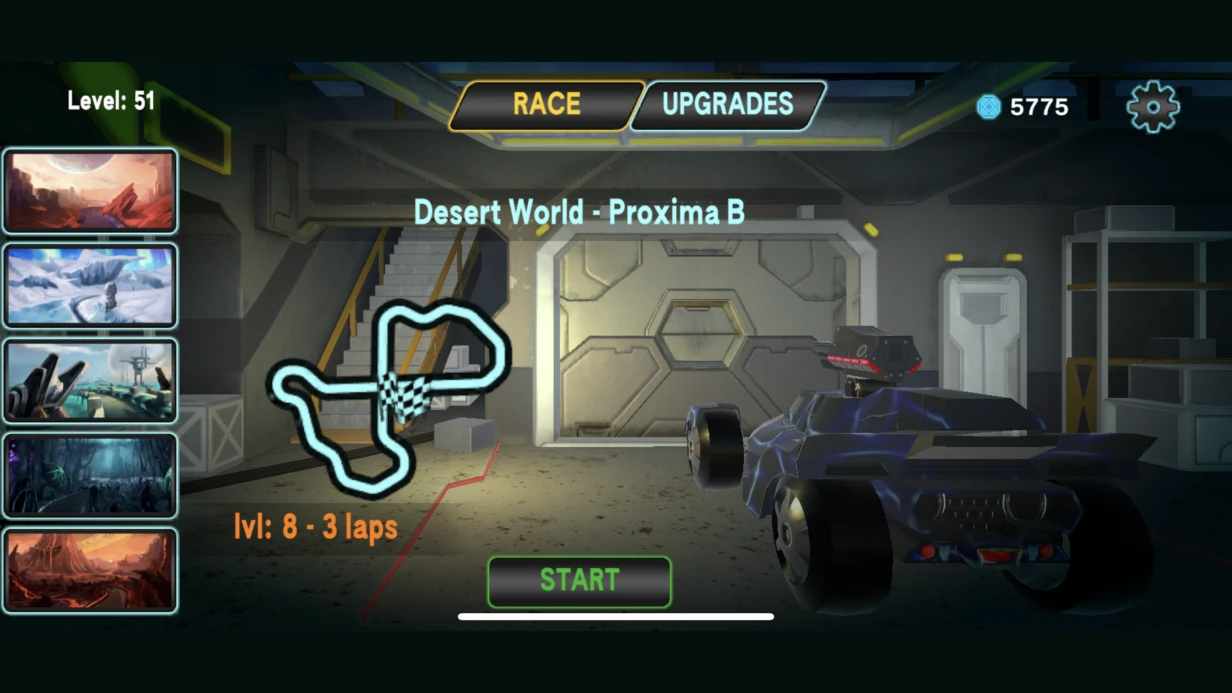
אישור פריסות — אנחנו מפרטים את כל המסכים המרכזיים: תפריט ראשי, ממשק משחק, חנות, הגדרות, מדריך. אתה מקבל פריסות לאישור, מבצע עריכות, ואנחנו משלבים אותן במהירות.
-
התאמת WebGL — אנחנו מתחשבים במאפייני משחקי דפדפן: גדלי מסך שונים, מהירות טעינה, ביצועים. הממשק עובד היטב גם במחשבים שולחניים וגם במכשירים ניידים.
-
אינטגרציה ובדיקות — אנחנו משלבים את הממשק במשחק ובודקים את כל התרחישים: קליקים, גרירה ושחרור, הזנת נתונים, השהיות. אנחנו מתקנים באגים לפני ששחקנים רואים אותם.
-
השקה ותמיכה — אנחנו עוזרים לפרסם את המשחק, עוקבים אחר המשוב הראשוני, ומשפרים את הממשק לאחר ההשקה. אנחנו נשארים בקשר כדי להגיב במהירות לבקשות חדשות.
מה כלול במסירה: חבילת השקה מלאה
אנחנו לא רק מוסרים פריסות; אנחנו מספקים חבילה מלאה להשקת ממשק משחק WebGL. גישה זו מקצרת את זמן האישור ומגנה מפני הפתעות במהלך האינטגרציה — הצוות שלך משיק את המשחק בזמן במקום להתמודד עם תיקונים קטנים.
מסירת הממשק כוללת היקף עבודה ברור: מאבות טיפוס ועד תמיכה טכנית לאחר השחרור. אתה יודע מראש מה אתה מקבל בכל שלב ויכול לשלוט בתוצאה מבלי להיכנס לפרטי הפיתוח.
- אבות טיפוס של ממשק. ראשית, אנחנו מראים איך השחקן נע בין מסכים, היכן הוא לוחץ, ומה הוא רואה. זה מאפשר לך להתאים את הלוגיקה לפני שהתקציב מושקע בגרפיקה סופית.
- מערכת עיצוב. סט אחיד של כפתורים, חלונות, אייקונים וטפסים. זה מאפשר להוסיף מסכים חדשים במהירות, והמשחק נשאר מסוגנן וקוהרנטי גם לאחר עדכונים.
- עיצוב רספונסיבי. הממשק מתאים למחשבים שולחניים, טאבלטים וסמארטפונים. שחקנים מקבלים בקרות נוחות באותה מידה מכל מכשיר — זה מפחית נשירה מוקדמת.
- קבצי מקור ברורים למפתחים. אנחנו מספקים פריסות מובנות שמתכנתים יכולים לעבוד איתן בקלות. האינטגרציה מהירה, ללא הבהרות ארוכות או עבודה חוזרת.
- תמיכה טכנית. אנחנו נשארים בקשר לאחר ההשקה: אנחנו עוזרים עם שיפורים, מתקנים בעיות שאנחנו מאתרים, ותומכים בעדכוני משחק.
מקרה בוחן: איך ממשק חדש הגביר מעורבות ב-40%
מקרה פיתוח בולט — שיפוץ הממשק של משחק דפדפן עבור רשת הקולנוע המקוונת «Premiere».
הלקוח רצה לשמור על צופים באתר לפני שנרשמו, אבל המשחק הישן איבד אנשים: מסכים עמוסים, כפתורים לא ברורים, חוקים שהופיעו מאוחר מדי. רק 30% מהמשתמשים הגיעו לסוף, ורובם סגרו את הדף אחרי הדקה הראשונה.
ערכנו ביקורת על התרחישים ובנינו מחדש את ה-UI/UX סביב המטרה המרכזית — כך שהשחקן ידע מה לעשות ללא הוראות. הסרנו אלמנטים מיותרים, הבאנו פעולות ראשיות למסך הראשון, הוספנו רמזים ומחוון התקדמות ברור.
מבחינה טכנית זה היה אותו WebGL, אבל המצגת השתנתה לחלוטין: המשחק עכשיו מוביל את המשתמש צעד אחר צעד.
הצמיחה במעורבות הפכה למדידה כבר בחודש הראשון: המדד עלה ב-40%, והזמן הממוצע במשחק הוכפל. חלקם של השחקנים שסיימו את המשחק עלה מ-30% ל-62%, והביקורים החוזרים גדלו ברבע.
עבור הלקוח, התוצאה העיקרית הייתה שכל משחק שני שהושלם הוביל להרשמה לצפייה.
הפרויקט המוצלח הזה הראה איך ממשק יכול לעבוד ככלי שיווקי ולא כקישוט בלבד. לאחר ההשקה, הלקוח הרחיב את המשחק עם רמות חדשות והזמין תרחיש שני לקהל אחר — הסימן הטוב ביותר לכך שהפתרון השתלם.
עכשיו אנחנו מיישמים את אותה גישה ללקוחות חדשים: ראשית, אנחנו מוצאים את הנקודה שבה משתמשים הולכים לאיבוד, אחר כך אנחנו אורזים אותה לממשק ברור, ורק אז מודדים את התוצאות במספרים עסקיים.
איך לבחור את פורמט הממשק הנכון למשימה שלך?
בחירת פורמט ממשק לא מתחילה בתמונות וכפתורים אלא בתשובה לשאלה: איזו משימה המשחק צריך לפתור עבור העסק שלך? זה קובע כמה אלמנטים להראות למשתמש, איך להנחות אותו בתרחיש, והיכן למקם דגש.
טכנולוגיית WebGL כאן היא רק כלי — מה שחשוב הוא שהממשק יעבוד למען התוצאה שאתה מצפה לה.
אם המטרה העיקרית היא יצירת לידים, הממשק צריך להיות קצר ומשכנע. אין מסכים ארוכים או רמזים מיותרים: קודם תפוס עניין בכמה שניות, ואז מיד הצע להשאיר פרטי קשר. כל פרט — כפתור, שדה, אנימציה — עובד למען פעולה אחת.
פורמט זה מתאים לאתרי קידום מכירות וקמפיינים פרסומיים שבהם תגובה מהירה והמרת מבקר לליד חשובות.
כשהמשחק פותר משימה חינוכית — למשל, הצגת מוצר חדש או שירות מורכב ללקוח — הממשק בנוי סביב תרחיש. המשתמש עובר שלבים קצרים, מקבל רמזים ברגע הנכון, ורואה התקדמות.
כאן הממשק עוזר למשתמשים לא ללכת לאיבוד ולקלוט מידע בהדרגה. הלקוח עוזב עם הבנה של ההצעה שלך, לא רק עם רגשות חזקים.
אם המשחק נוצר לבידור ומעורבות קהל, הממשק צריך להיות בלתי נראה ככל האפשר. כל חלון או כפתור נוסף הורסים את ההתעמקות. בפורמט זה, הכל משרת את הסיפור והרגשות: המשתמש מרגיש גיבור, לא צופה בפרסומת.
אפשרות זו עובדת היטב למודעות מותג והפצה ויראלית, כששחקנים רוצים לשתף את המשחק עם חברים.
השורה התחתונה פשוטה: כל סט מטרות — לידים, חינוך או בידור — דורש גישה משלו לממשק. הגדר את העדיפות שלך, ויהיה ברור כמה טקסט להראות, באיזו תדירות לבקש פעולה, ועד כמה להעמיק את מעורבות המשתמש.
אנחנו נעזור לך לבחור פורמט שמגביר את המשימה הספציפית שלך ולספק אותו על WebGL מבלי לאבד איכות או מהירות טעינה.
תשובות לשאלות נפוצות על פיתוח ממשק
לפני תחילת פרויקט, לקוחות שואלים את אותן שאלות: כמה זמן ייקח הפיתוח, איך הממשק ישתלב במוצר קיים, ומי יתמוך בו לאחר ההשקה. אנחנו עונים על השאלות המרכזיות — כדי שתבין את התהליך ותוכל לתכנן לוחות זמנים ומשאבים.
כמה זמן לוקח פיתוח ממשק?
לוח הזמנים תלוי במספר המסכים ובמורכבות הלוגיקה. פרויקט טיפוסי לוקח שבועיים עד ארבעה שבועות — בהתחלה, אנחנו קובעים תוכנית מדויקת ומפרקים את העבודה לשלבים כדי שתוכל לראות התקדמות כל שבוע.
האם אתם יכולים להשתלב עם אפליקציית ה-WebGL שלכם?
כן, אנחנו עובדים עם פרויקטים שכבר הושקו ומטמיעים את הממשק מבלי לשכתב את כל המשחק. בשלב הבריף, אנחנו לומדים את הארכיטקטורה שלך ומציעים פתרון שלא ידרוש עצירת פיתוח נוכחי. אתה מקבל שכבת ממשק מוכנה שקל לעדכן ולהרחיב.
מה לגבי אמינות ותמיכה?
אנחנו מספקים קוד נקי ומתועד יחד עם הוראות לצוות שלך, כך שתוכל לשנות טקסטים ואלמנטים ללא עזרתנו. לאחר ההשקה, אנחנו נשארים בקשר ומשחררים תיקונים במהירות כשצריך. בפרויקטים מורכבים, אנחנו מטפלים בתחזוקה שוטפת.
אם יש לך שאלות אחרות — שאל אותנו ישירות. נגיב תוך יום עסקים אחד ונעזור להעריך לוחות זמנים למשימה שלך.מוכן ליצור משחק בלתי נשכח? בקש הצעת מחיר
אתה משקיע במשחק כי הוא אמור לספק תוצאות עסקיות — למשוך לקוחות, לבנות מודעות, או לחנך. אבל לפני ההשקה, חשוב להבין איך הממשק ייראה, כמה זמן ייקח הפיתוח, ואיזה תקציב לתכנן.
לכן אנחנו מציעים להתחיל בצעד פשוט: מלא טופס קצר, ואנחנו נכין תוכנית והערכת עלות למשימה שלך.
בטופס, פשוט תאר את הרעיון, המטרות והקהל שלך. אנחנו נטפל בשאר: במשך יותר מ-10 שנים, יצרנו עשרות פרויקטי משחקי WebGL ואנחנו יודעים להפוך רעיון למוצר עם ממשק אינטואיטיבי שמחזיק תשומת לב ומניע את הפעולה הרצויה.
מה תקבל אחרי פנייה אלינו
- תוכנית עבודה ראשונית: שלבי פיתוח, לוחות זמנים ותוצאות.
- הערכת עלות בצורת הצעת מחיר מפורטת — ללא עמלות נסתרות או אותיות קטנות.
- המלצות ממשק: איך להפוך את המשחק לנוח ומרתק עבור הקהל שלך.
- ייעוץ פורמט: האם משחק WebGL מתאים למשימות שלך או שאפשרות אחרת תהיה טובה יותר.
- הצעה מסחרית סופית עם תנאים מוסכמים — תדע בדיוק מה אתה מקבל לפני תחילת העבודה.
כתוב לנו דרך הטופס או המסנג'ר — נחזור אליך תוך יום עסקים אחד. נראה דוגמאות של פרויקטים דומים, נענה על שאלותיך, ונציע את הפתרון הטוב ביותר. זה ללא התחייבות.