


ממשק משחק עבור Windows: למה מאבדים שחקנים בלי UI/UX
שחקני Windows הם הקהל התובעני ביותר. בחנות האפליקציות הם רואים צילומי מסך, נכנסים למשחק ומחליטים תוך דקות: להישאר או למחוק.
אם ממשק המשחק פוגש אותם עם תפריט מבלבל, רמזים לא קריאים או זמני טעינה ארוכים, אפילו מכניקה טובה לא תציל אתכם: המשתמש עוזב, ותקציב השיווק שלכם נשרף לשווא.
זה לא על "כפתורים יפים" — זה על המגע הראשון שמחליט אם השחקן יראה את החוזקות של הפרויקט.
UI/UX הוא לא שלב נפרד אלא חלק מעיצוב המשחק שעובד ישירות על המרה. כמה טוב התפריטים, המדריך, החנות וההגדרות מעוצבים קובע אם מתחיל חדש יגיע לליבת המשחק, יישאר ליום שני ויבצע רכישות.
ממשק משחק על Windows חייב להיות נוח גם למי שמשחק עם מקלדת וגם למי שמחבר גיימפד — אחרת, חלק מהקהל ינשור כבר בהתחלה.
לבעל עסק, זה אומר אובדן הכנסה ישיר: עם אותו מספר התקנות, ממשק ברור יכול להכפיל את חלקם של שחקנים פעילים, בעוד ממשק לא נוח יכול לאפס השקעות שיווקיות.
אנחנו מפתחים ממשקי משחק עבור Windows כבר עשר שנים ויודעים איך להפוך השקה ראשונה להרגל. אנחנו לוקחים על עצמנו אנליטיקה, אבות טיפוס ויישום סופי של הממשק — כך שהשחקן נשאר והמרה גדלה מהיום הראשון.
מה UI/UX מקצועי למשחקים נותן לפרויקט שלכם
UI/UX מקצועי למשחקים הוא לא רק "כפתורים יפים" אלא כלי שמשפיע ישירות על המדדים המרכזיים של הפרויקט שלכם. עבור משחק Windows, שבו המשתמש יושב מול מסך עם עכבר ומקלדת, הממשק הופך לגשר בין השחקן לעולם.
אם הגשר הזה לא נוח, אפילו משחקיות מצוינת מאבדת שחקנים — הם נוטשים את הפרויקט בגלל תפריטים מבלבלים או אי הבנה מה לעשות הלאה.
שימושיות מחושבת מקצרת את הדרך של השחקן מההשקה לרגע הכיף הראשון. ניווט ברור, מיקום לוגי של אלמנטים, רמזים אינטואיטיביים — כל זה מוריד את חסם הכניסה ועוזר למתחילים להיכנס במהירות לזרימה.
כתוצאה מכך, מספר הסרות ההתקנה בדקות הראשונות יורד, ואורך הסשן הממוצע גדל. השחקן לא חושב על איך ללחוץ — הוא חושב על איך לנצח את הרמה. זה מה שממשק נכון עושה.
מעורבות נולדת מרגשות, והממשק משחק כאן תפקיד של במאי. אנימציות, היענות של אלמנטים, משוב ויזואלי לכל פעולה מטביעים את השחקן עמוק יותר במשחק.
כשהממשק מרגיש "חי" ומתאים לאווירה, השחקן שוכח מהמציאות ונשאר בפרויקט יותר זמן. כל מסך תפריט, כל דיאלוג עם דמות הופך לחלק מהסיפור, לא לצורך טכני.
הממשק הוא גם נושא מותג חשוב. סגנון ייחודי של חלונות, כפתורים, גופנים ואייקונים נזכר בדיוק כמו לוגו או נעימה מוזיקלית. שחקן שרואה צילומי מסך של המשחק שלכם ברשתות החברתיות צריך לזהות את "החתימה" של הפרויקט במבט ראשון.
עיצוב מזוהה מבדל אתכם ממאות משחקים דומים בשוק ובונה נאמנות קהל שחוזרת למוצר שלכם שוב ושוב.
לבסוף, כל זה מתורגם להכנסה. ממשק נוח מעודד קניית פריטים במשחק כי החנות ברורה ולא גורמת לתסכול. UX איכותי הופך את תהליך הרכישה להרחבה טבעית של המשחק, לא לפלישה פרסומית.
שחקנים מרוצים משאירים ביקורות חיוביות, ממליצים לחברים וחוזרים אחרי עדכונים — כך שהמכירות גדלות שנה אחר שנה בלי הוצאות שיווק נוספות.
UI/UX מקצועי למשחקים עבור Windows הוא לא הוצאה אלא השקעה. אתם מקבלים ממשק שעובד בשבילכם: הוא שומר על שחקנים, מחזק את המותג ומגדיל הכנסות.
כל פרט נבדק עם משתמשים אמיתיים כך שהפרויקט שלכם מספק תוצאות מקסימליות מהיום הראשון להשקה.
פורמטי עבודה לפיתוח ממשק משחק עבור Windows
כל משחק Windows מתחיל עם מסכים: תפריטים, הגדרות, חנות בתוך המשחק, HUD בקרב. אם הממשק לא נוח, השחקן עוזב במהירות, גם כשהמשחקיות מצוינת.
לכן יש לבחור את פורמט העבודה לפי המשימה הספציפית: לעצב בדחיפות מסך אחד, לתמוך בממשק לאורך זמן, או ליצור אותו מאפס עבור כל המשחק.
אנחנו מציעים שלושה פורמטי שיתוף פעולה כך שאתם משלמים רק על התוצאה שאתם צריכים כרגע. להלן השוואה לפי עלות ולוחות זמנים, ואז נעזור לכם לבחור את האפשרות האופטימלית לפרויקט שלכם.
| פורמט | למי | עלות | לוחות זמנים |
|---|---|---|---|
| עיצוב חד-פעמי | יש לכם משימה ספציפית: מסך, תפריט, סט אייקונים | הערכה קבועה לפני תחילת העבודה, ללא חיובים נוספים בדרך | מ-5 ימי עסקים |
| תמיכה במנוי | אתם צריכים תמיכה שוטפת בממשק: עריכות, מסכים חדשים, עדכונים | תשלום חודשי, היקף העבודה קבוע בחוזה | אנחנו מגיבים תוך יום עסקים אחד |
| מחזור מלא | אתם יוצרים משחק Windows ורוצים ממשק סוהר | תשלום שקוף בשלבים: עיצוב, אישור, מסירת קבצי מקור | מ-3 שבועות תלוי בהיקף |
בכל פורמט, אתם מקבלים סקיצות ברורות וקבצי מקור שכל מפתח יכול לעבוד איתם. כתבו או התקשרו — תוך 15 דקות נבחן את המשימה שלכם ונציע פורמט מתאים, עלות ולוחות זמנים.
איך עובד פיתוח ממשק משחק סוהר
עבודה על ממשק היא תמיד דרך מ"אני בערך מבין מה אני רוצה" למוצר מוגמר שנוח להחזיק בידיים.
בנינו את התהליך כך שבכל שלב אתם מבינים מה קורה, שולטים בלוחות הזמנים ולא מרגישים בני ערובה לאי-ודאות. כל ההחלטות המרכזיות על סגנון והתנהגות הממשק מאושרות איתכם לפני שהן נכנסות לפיתוח הסופי.
- בריף ובדיקת המצב הנוכחי. בשיחה, אנחנו מתעדים את מטרות הפרויקט, פרופיל השחקן והציפיות מהממשק. אם המשחק כבר קיים, אנחנו עורכים בדיקה ואומרים בכנות מה יחזק שימור ומה עדיף לשנות.
- אב טיפוס ומפת מסכים. אנחנו בונים את לוגיקת הניווט: איפה השחקן יהיה בעוד 5 דקות ובעוד שעה. אנחנו מראים את זרימת המעברים והתרחישים המרכזיים — מההתחלה ועד רכישה בתוך המשחק.
- קונספט עיצוב הממשק. אנחנו בוחרים סגנון שמחזק את האווירה של המשחק ולא מתנגש איתה. בשלב הזה, אתם רואים את המסכים הראשונים ומבצעים עריכות בלי לבזבז זמן.
- עיבוד כל מצבי הממשק. אנחנו מחדדים כל מסך עד לפרטים הקטנים ביותר: כפתורים, חלונות, רמזים, מצבי שגיאה וטעינה. אנחנו בודקים בנפרד איך הממשק מתנהג ברזולוציות מסך שונות — זה חשוב למשחקי Windows, שבהם לכל אחד יש תצורה משלו.
- הרכבה ושילוב במשחק. אנחנו מוסרים קבצים נקיים למפתחים ומוודאים שהממשק נראה טוב באופן עקבי גם בתפריטים וגם בדינמיקה של קרב. אנחנו עורכים בדיקות משותפות על תרחישי משתמש אמיתיים.
- השקה ותמיכה. אחרי השחרור, אנחנו נשארים בקשר: אנחנו עוזרים בתיקונים מהירים אם צריך להתאים משהו לפי המשוב הראשון של השחקנים. עבור פרויקטים רבים, זה הופך לתחילת שיתוף פעולה ארוך טווח.
אתם מקבלים לא רק סט מסכים אלא כלי עבודה שעוזר לשחקנים להישאר ממוקדים בתהליך ולחזור למשחק שוב. כל הדרך מהבריף ועד ההשקה אורכת זמן צפוי — אנחנו קובעים את השלבים בתוכנית העבודה ועומדים בהם.
מה כלול במסירת פתרון UI/UX למשחק
אנחנו מרכיבים את החבילה עבור הפרויקט שלכם, כך שאין מסמכים "מיותרים". כל החומרים מובנים כך שהצוות שלכם יכול לעבוד איתם מיד — בלי בקשות המשך, הבהרות או הבנה ארוכה.
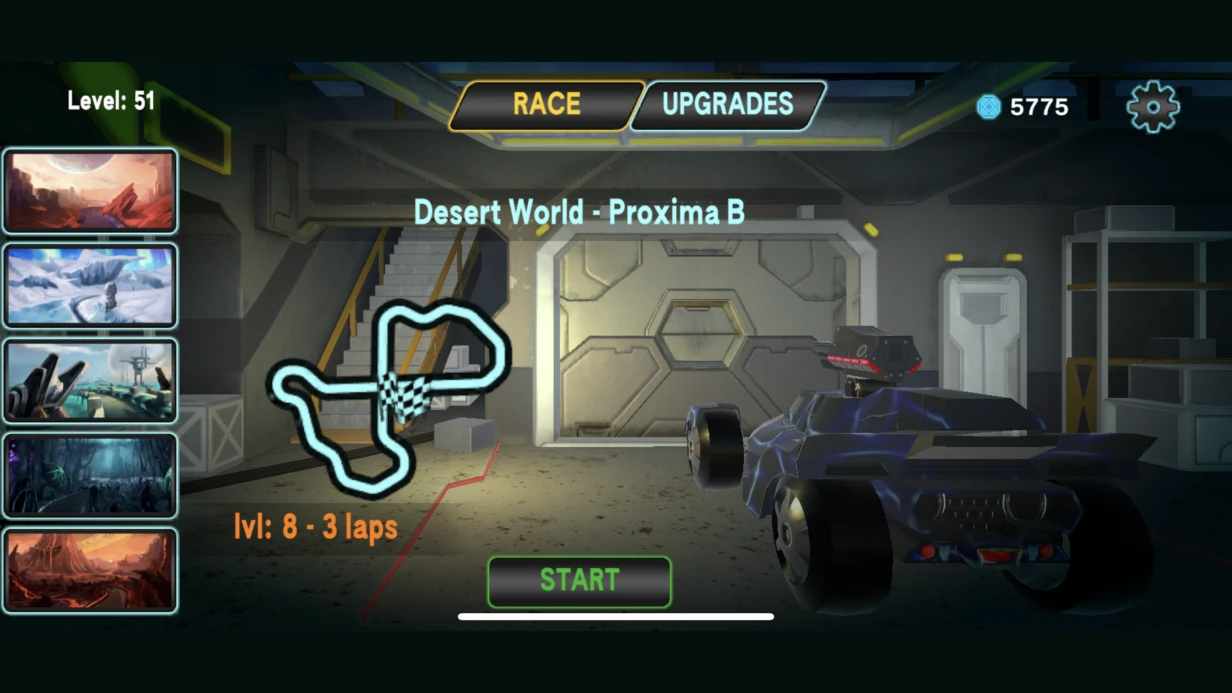
- סקיצות של כל המסכים והמצבים — תפריט ראשי, הגדרות, השהיה, מלאי, מסכים סופיים. אתם יכולים לראות מיד איך המשחק נראה על Windows ויש לכם מה להראות למשקיעים או למפרסמים.
- אב טיפוס לחיץ — בדקו את הניווט והראו לצוות איך הממשק עובד עוד לפני תחילת הפיתוח. זה נוח לבדיקות ואישורים.
- מדריך סגנון — כפתורים, גופנים, חלונות ואייקונים אחידים. בזכותו, כל העדכונים נראים מגובשים, ומעצבים לא מבזבזים זמן על ויכוחים על פרטים.
- קבצי מקור בפורמטים ניתנים לעריכה — המומחים שלכם יכולים לבצע עריכות בלי מעורבות שלנו, גם אחרי סיום הפרויקט. אתם לא קשורים לקבלן.
- תיעוד שילוב — תיאור ברור של חיבור הממשק למשחק: אילו מצבים לקחת בחשבון, איך לעבוד עם חלונות ורזולוציות. מפתחים לא יצטרכו להבין בניסוי וטעייה.
- רשימת בדיקות UI/UX — רשימה מוכנה של בדיקות לפני השקה: קריאות טקסט, לחיצות כפתורים, תקינות רמזים. עם זה, אפילו צוות מתחיל יכול לשלוט באיכות בקלות.
החבילה הזו מכסה את כל השלבים — מהחשיפה הראשונה של המשחק ועד לשחרור בחנות. אתם מקבלים לא רק קבצים נפרדים אלא מערכת שנוח לעבוד איתה על בסיס שוטף.
מקרה בוחן: איך הגדלנו שימור שחקנים ב-30% עם ממשק חדש
הסטודיו Northlight Games פנה אלינו — המשחק שלהם ל-Windows קיבל ביקורות טובות על המשחקיות, אבל שימור השחקנים ירד אחרי הסשנים הראשונים.
ניתחנו את התנהגות המשתמשים וראינו את הבעיה המרכזית: הממשק אילץ שחקנים לבזבז דקות נוספות על דברים שאמורים לקחת שניות. אנשים איבדו עניין במהירות ופשוט סגרו את המשחק.
עיצבנו מחדש את הממשק: פישטנו את הניווט, שמנו פעולות מפתח על המסך הראשון, הוספנו רמזים ברורים והתאמנו אלמנטים לרזולוציות מסך שונות. היה חשוב לשמר את הסגנון הייחודי כך שהממשק החדש לא ישבור את האווירה של המשחק.
עבדנו באיטרציות — קודם סקיצות, אחר כך אבות טיפוס, אחר כך בדיקות עם שחקנים אמיתיים, ורק אחר כך היישום הסופי.
התוצאה הגיעה מהר: השימור גדל ב-30% רק חודשיים אחרי ההשקה. אורך הסשן הממוצע עלה בכמעט רבע, ומספר החזרות למשחק הוכפל.
הכי חשוב, שחקנים התחילו להמליץ על הפרויקט לחברים, וזה יצר צמיחה אורגנית בלי הוצאות פרסום נוספות.
המקרה הזה מאשר שוב: הממשק הוא לא "תמונה יפה" אלא כלי שמשפיע ישירות על ההכנסה. כשהשחקן מוצא דברים ברורים ונוחים, הוא נשאר ומשלם. לכן אנחנו ניגשים לעיצוב ממשק באחריות כמו לארכיטקטורה של המוצר עצמו.
רוצים את אותו מומנטום? צרו קשר — נספר לכם איך לשפר שימור למשחק Windows שלכם.
שאלות נפוצות על פיתוח ממשק משחק
לפני הזמנת ממשק משחק, ללקוחות יש בדרך כלל אותן שאלות: כמה זמן זה ייקח, כמה זה יעלה, והאם הממשק יעבוד על גרסאות Windows שונות. אספנו תשובות לשאלות הנפוצות ביותר כדי שתבינו איך אנחנו עובדים ומה לצפות.
כמה זמן לוקח פיתוח ממשק?
לוחות הזמנים תלויים בהיקף: למסך אחד — מכמה ימים, לממשק משחק מלא — מכמה שבועות. בבריף הראשון, אנחנו קובעים את אבני הדרך המרכזיות ומראים לוח זמנים ריאלי. אתם תמיד רואים באיזה שלב נמצא הפרויקט.
איך נוצר התקציב?
התקציב מורכב ממספר המסכים, מורכבות האלמנטים האינטראקטיביים ומספר התיקונים הכלולים בחוזה. אנחנו מצהירים מראש מה כלול בעלות ומה מהווה עבודה נוספת. כך אתם נמנעים מהפתעות באמצע הפרויקט.
עם אילו גרסאות Windows הממשק יהיה תואם?
אנחנו יוצרים ממשקים שעובדים נכון על גרסאות Windows עדכניות, כולל מבנים ישנים יותר, אם זה חשוב לקהל שלכם. אנחנו משתמשים בכלים מקצועיים ופריסה אדפטיבית, כך שהממשק נראה טוב באותה מידה ברזולוציות מסך שונות.
מה אם הממשק לא מתאים מיד?
אנחנו חותמים על חוזה עם מספר קבוע של תיקונים. בכל שלב, אתם רואים גרסאות ביניים ומגישים משוב. אם משהו נשבר אחרי המסירה, אנחנו מתקנים אותו בחינם במסגרת האחריות בתוך התקופה המוסכמת. זה נותן לכם ביטחון שהתוצאה תובא לסיום.
הזמינו פיתוח UI/UX וקבלו ייעוץ
ממשק המשחק הוא הדבר הראשון שמשתמש רואה אחרי השקת אפליקציה על Windows והדבר האחרון שהוא זוכר. תפריט לא נוח, ניווט מבלבל או כפתורים "גומיים" הורגים את הרושם אפילו מחוויית משחק איכותית.
אנחנו מעצבים UI/UX כך ששחקנים שוקעים במשחק מהר יותר, נשארים יותר זמן וחוזרים לפרויקט ברצון רב יותר.
במהלך הפיתוח, אנחנו מתחשבים במאפייני Windows: רזולוציות מסך שונות, מצבי חלון ומסך מלא, שליטה בעכבר ומקלדת.
זה לא פרט טכני אלא דאגה למשתמשים שלכם — הם מקבלים ממשק כנה ומגיב בלי הפתעות "על מסך של מישהו אחר".
השאירו בקשה לייעוץ — נדון במשחק שלכם, במשימות ובלוחות הזמנים. תוך 30–40 דקות של שיחה, תבינו איך נבנה את המסכים, אילו אזורים מסוכנים ומה דרוש להשקה בתאריכים המתוכננים. אחרי הפגישה, נשלח הצעה מסחרית עם הערכה קבועה ושלבי עבודה.
מה אתם מקבלים מבקשה:
- ייעוץ על UI/UX למשחקים עבור Windows.
- בחינה של הממשק הנוכחי שלכם, אם קיים — נמצא נקודות צמיחה.
- תוכנית עבודה ברורה: ממבנה המסכים ועד לליטוש הסופי.
- הערכה שקופה בלי חיובים נסתרים — אנחנו קובעים את המחיר לפני התחלה.
- גישה אישית: אנחנו מתחשבים בז'אנר, בקהל ובפלטפורמה.
- הערכת לוחות זמנים ותיעדוף — תקבלו גרסה עובדת בזמן.
- תמיכה בכל השלבים ומסירה סופית של קבצי מקור.
אל תדחו את נוחות השחקן למועד מאוחר יותר. השאירו בקשה — תוך שני ימי עסקים תהיה לכם תוכנית ברורה והערכה מוצדקת. המשחק שלכם ראוי לממשק שעובד בשבילכם.
איך לבחור את פורמט פיתוח הממשק הנכון?
בחירת פורמט פיתוח ממשק למשחקי Windows מסתכמת בשלוש שאלות: איזה היקף עבודה לכסות, אילו לוחות זמנים יש לכם, ועד כמה אתם רוצים לשלב אותנו בצוות. התשובות קובעות מה להזמין: מחזור מלא, שיפורים ממוקדים או השתתפות היברידית.
מחזור מלא מתאים לפרויקטים חדשים ולעיצובים מחדש גדולים. אנחנו לוקחים על עצמנו הכל — מהסקיצות הראשונות ועד ליישום מסכים מוגמרים בבנייה, כולל התאמה לרזולוציות Windows שונות.
אתם מקבלים ממשק מגובש שלא מאט את הפיתוח ולא מבזבזים זמן בתיאום בין קבלנים מרובים.
אם הסגנון, ההנחיות וחלק מהממשק כבר קיימים, הגיוני יותר להגביל את העבודה למודולים ספציפיים: תפריט, HUD, הגדרות, חנות. אנחנו עובדים לפי המפרט הטכני שלכם, משתלבים במהירות בתהליך ולא מחליפים את הצוות שלכם.
זה מהיר וחסכוני יותר, והתוצאה נשארת צפויה עם דרישות מוגדרות בבירור.
הפורמט ההיברידי הוא המומחה שלנו המוטמע בצוות שלכם למשך השלב הפעיל או תמיכה שוטפת אחרי השחרור. אתם שומרים על שליטה במוצר ומקבלים את המומחיות החסרה בדיוק כשאתם צריכים אותה.
אנחנו ממליצים על אפשרות זו אם הפרויקט כבר בפיתוח, לוחות הזמנים צפופים או חסרים משאבים.
התחילו בייעוץ קצר: נחקור את הפרויקט, נשאל את השאלות הנכונות ונציע את הפורמט האופטימלי — בלי התחייבות מצדכם. כך תקבלו החלטה מהר יותר ותקבעו תקציב ריאלי.