


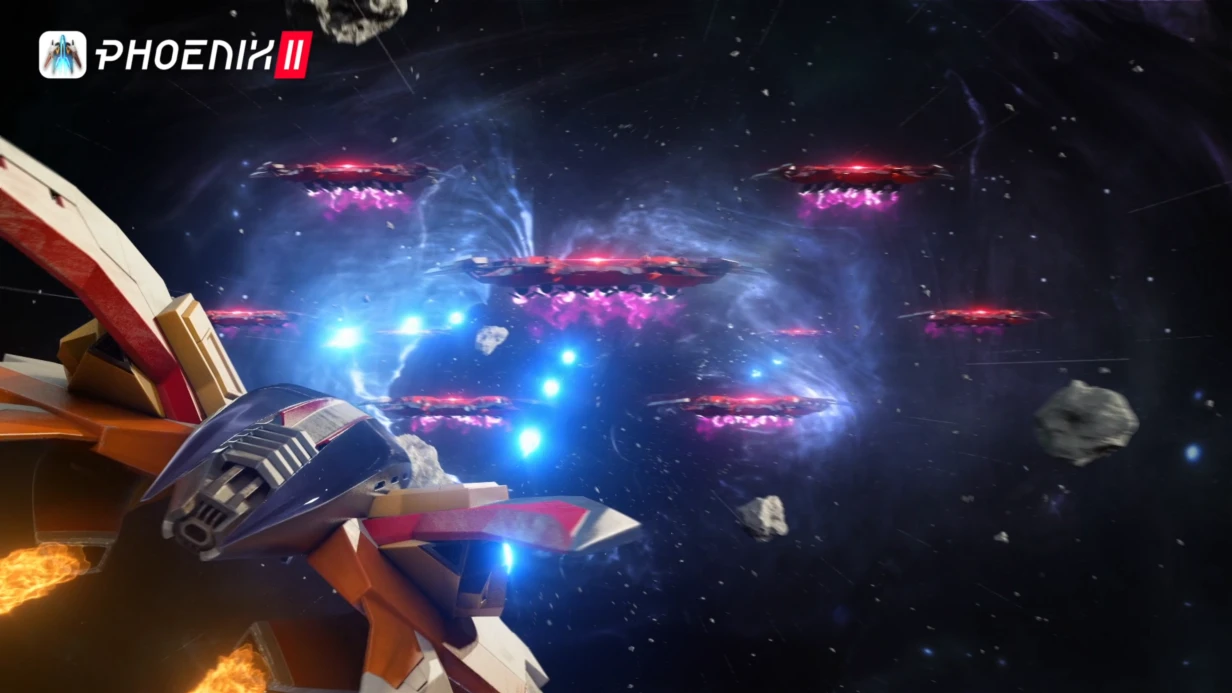
מדוע שחקנים מוחקים משחק קז'ואל בתוך הדקה הראשונה: תפקיד האומנות הדו-ממדית
60 השניות הראשונות מכריעות את גורלו של משחק קז'ואל. השחקן עוד לא הספיק להעריך את המכניקה או את עומק ההתקדמות — הוא רואה את הוויזואליה ומקבל החלטה: להישאר או להחליק לכיוון המחיקה.
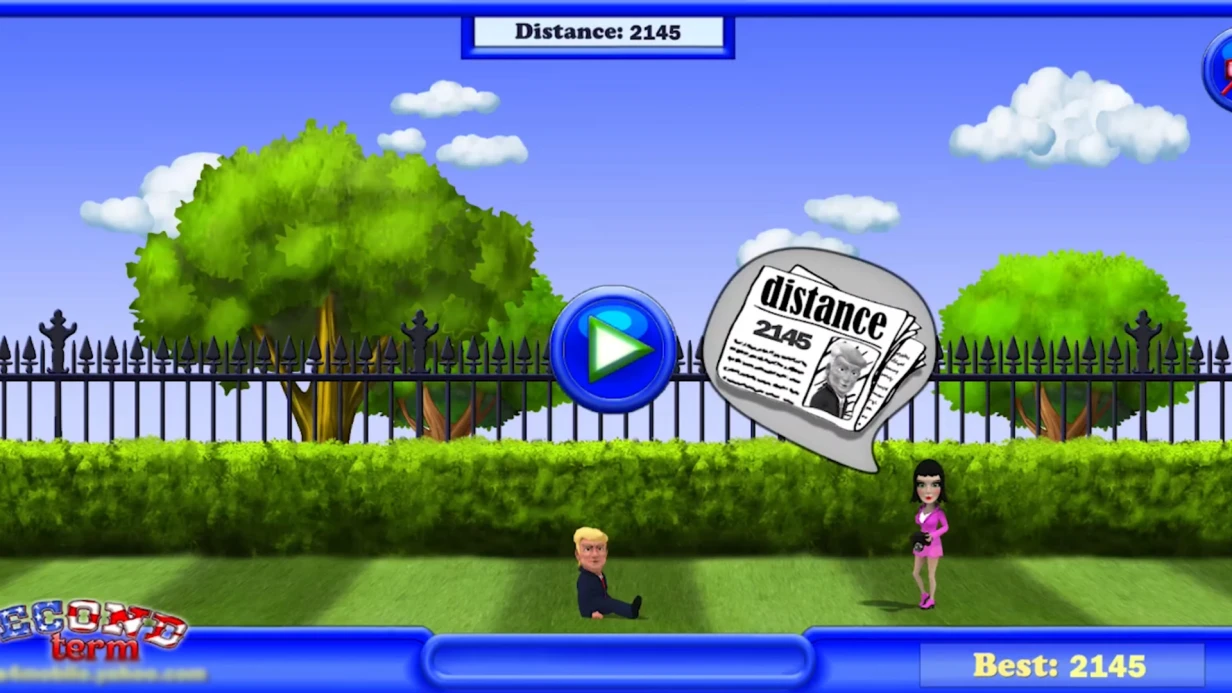
הסיבות להתנהגות זו כמעט תמיד נעוצות באומנות הדו-ממדית: דמויות תבניתיות, צבעים עמומים, ממשק לא קריא ורעש ויזואלי יוצרים תחושת זילות שגורמת לאנשים לרצות לעזוב.
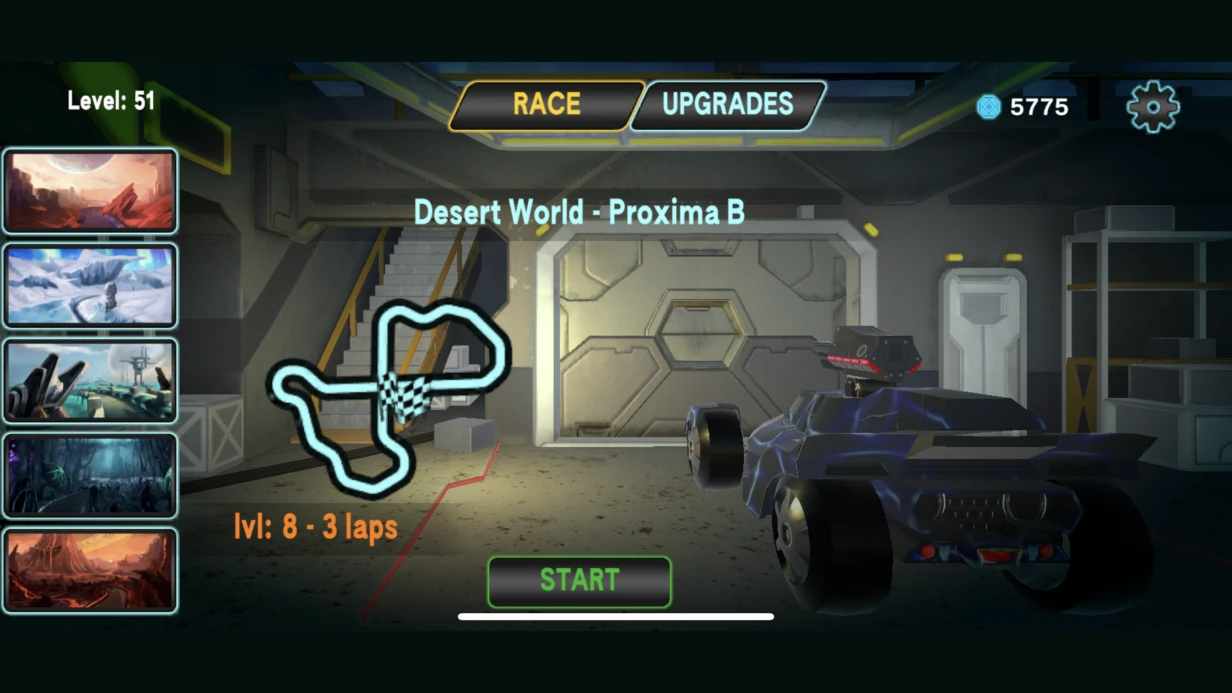
בפלח הקז'ואל, הסגנון אינו קישוט — הוא חלק מהמשחקיות. אין כאן רמות הדרכה מורכבות: השחקן מבין את החוקים דרך אייקונים, אנימציות ורמזים. אם האומנות לא מסבירה את ההיגיון באופן מיידי, העניין אובד.
מעורבות השחקן בנויה על הרגש של "זה מרגיש נעים וברור לי", והרגש הזה נוצר על ידי גרפיקה איכותית.
אומנות חלשה פוגעת גם בכלכלת הפרויקט. גם אם המשחק נכנס להמלצות החנות, שיעור שימור נמוך בסשן הראשון הורג את התנועה האורגנית.
חנויות האפליקציות לוקחות בחשבון את התנהגות המשתמשים בדקות הראשונות: ככל שהחוויה הראשונה גרועה יותר, כך יש פחות חשיפות והמרה נמוכה יותר להתקנות. כתוצאה מכך, גם המוניטין וגם ההכנסות מתרומות ומודעות נפגעים.
אנחנו עוזרים להימנע מהמלכודת הזו. הצוות שלנו יוצר אומנות דו-ממדית לקז'ואל שעומדת בתחרות מול פרויקטים מובילים: סגנון קז'ואל מעודן, דמויות עם אישיות וממשק שאינו דורש הסבר.
כל אלמנט נבדק לקריאות ממסך סמארטפון — כך שהשחקן מרגיש מהשנייה הראשונה שהמשחק נוצר מתוך מחשבה עליו. אומנות טובה היא השקעה ב-LTV ובהשקות חוזרות. וזה בדיוק סוג ההשקעה שאנחנו מציעים ללקוחותינו.
מה אומנות דו-ממדית מחושבת נותנת לפרויקט קז'ואל: 5 יתרונות מדידים
אומנות דו-ממדית מחושבת במשחקי קז'ואל היא לא רק תמונות — היא כלי שמשפיע ישירות על מדדים. השחקן מחליט אם להתקין תוך שניות, והוויזואליה היא לעתים קרובות הגורם המכריע. בעבודה עם Unity, אנחנו יוצרים אומנות שעוזרת להשיג יעדים עסקיים. הנה חמישה יתרונות מדידים.
יתרון 1. המרה גבוהה יותר להתקנות
אייקון וצילומי מסך איכותיים מבדלים את המשחק מהמתחרים. אומנות דו-ממדית מעודנת מעלה את ההמרה להתקנות ב-20–30% — עם אותו תקציב, מקבלים יותר התקנות.
יתרון 2. הכרת מותג
סגנון עקבי לדמויות ולממשק בונה אסוציאציה חזקה עם המותג. כששחקן רואה את האומנות שלך בפרסום, הוא מזהה את המשחק — זה מגדיל את החשיפה האורגנית ומוריד את עלות רכישת המשתמשים.
יתרון 3. שימור שחקנים גבוה יותר
ויזואליה נעימה שומרת על מעורבות המשתמשים בימים הראשונים לאחר ההתקנה. ככל שהשחקן נשאר במשחק זמן רב יותר, כך ערך החיים שלו גבוה יותר וההכנסה מכל משתמש שנרכש גדולה יותר.
יתרון 4. נאמנות ואמון מוגברים
אומנות נקייה ומלוטשת מדגימה גישה מקצועית. זה מפחית ביקורות שליליות ומעלה את דירוג החנות — ודירוגים גבוהים מעלים ישירות את מספר ההתקנות החדשות.
יתרון 5. חיסכון בתוכן
תהליכי אומנות יעילים וספריות של אלמנטים מוכנים מאפשרים ליצור רמות ודמויות חדשות במהירות. למשחקי קז'ואל, שדורשים זרם קבוע של עדכונים, זה מקצר לוחות זמנים ומפחית את התקציב.
פורמטים של אומנות דו-ממדית: בחרו את הפורמט המתאים לסוג המשחק שלכם
בחירת פורמט האומנות הדו-ממדית משפיעה ישירות על לוחות הזמנים והתקציב. למשחקי קז'ואל, חשוב לא רק לצייר תמונות, אלא להבין מראש אילו אלמנטים יהיו הבסיס למשחקיות ואילו ישמשו רק כרקע.
חלוקת משימות נכונה מאפשרת להימנע מתשלום יתר על פרטים מיותרים ולקבל בדיוק את הסגנון הוויזואלי שמחזיק את השחקן מהדקות הראשונות.
להלן טבלת סיכום של פורמטים פופולריים. היא תעזור לכם להבין מה להזמין בכל שלב בעבודה על פרויקט.
| פורמט אומנות דו-ממדית | למי זה מיועד / מתי זה נחוץ | מה זה נותן ללקוח |
|---|---|---|
| אומנות קונספט | בתחילת הפרויקט, כשצריך להגדיר את הסגנון והאווירה של המשחק | רעיון ויזואלי מגובש לפני תחילת הייצור ההמוני. מפחית את הסיכון לעבודות חוזרות והוצאות מיותרות |
| ספרייטים למשחק | לדמויות מוכנות, חפצים, מכשולים — כל מה שמעורב במשחקיות | נכסים עובדים שמתאימים מיד לבניית רמות ואבות טיפוס |
| אנימציית דמויות | כשהגיבור צריך תנועה: ריצה, קפיצה, תגובות | תמונה חיה שהופכת את המשחק לדינמי ומגבירה את מעורבות השחקן |
| רקעים ומיקומים | כדי להעביר את האווירה של הרמות ועולם המשחק | שקיעה בסיפור, גיוון ויזואלי, שמירה על תשומת לב |
| אלמנטים של ממשק משתמש | לממשק: כפתורים, אייקונים, חלונות תפריט | פקדים ברורים ומסוגננים שנשארים עקביים עם הסגנון הוויזואלי הכללי |
לקוחות מזמינים לעתים קרובות שילוב של פורמטים — למשל, קודם אומנות קונספט כדי לבדוק את הסגנון, ואז ספרייטים ואנימציה לדמויות מפתח. גישה זו מאפשרת לראות את התוצאה בשלב מוקדם ובמידת הצורך לשנות כיוון מבלי לאבד תקציב.
אנחנו מספקים כל פורמט עם קבצי מקור וזכויות שימוש ברורות. אתם מקבלים לא "רק תמונות" אלא חבילה מחושבת היטב שקל לשלב בפרויקט שלכם ואינה דורשת גימורים נוספים.
שלבי העבודה על אומנות דו-ממדית: מבריף ועד קבצים סופיים
העבודה על אומנות היא לא רק ציור תמונות — זה תהליך שקוף עם נקודות ביקורת בכל שלב. בצוות שלנו, אתם תמיד יכולים לראות באיזה שלב ההזמנה שלכם נמצאת ולהבין מה תקבלו בסופו של דבר. להלן הנתיב הסטנדרטי מבריף ועד קבצי מקור מוגמרים.
- אנחנו יוצרים בריף לאומנות דו-ממדית: אנחנו קובעים את סגנון הקז'ואל, הדמויות, המיקומים, האווירה הכללית ולוחות הזמנים. אתם מקבלים תיאור ברור של המשימות ותוכנית עבודה.
- אנחנו בוחרים רפרנסים ומפתחים את הקונספט: אנחנו מציגים 2–3 וריאציות של סגנון, פלטה וצורה — אתם בוחרים את הקרובה ביותר למוצר ולקהל שלכם.
- אנחנו מציירים סקיצות של אלמנטים מרכזיים — דמויות, חפצים, רקעים. בשלב זה הפרופורציות והקומפוזיציה העתידיות נראות, כך שמבצעים שינויים לפני הרינדור המפורט.
- אנחנו מבצעים רינדור סופי של האומנות: אנחנו עובדים על פרטים, תאורה ומרקם, ומביאים את האיכות לרמה שתיראה מצוין על המסך. כל יצירת אומנות נבדקת מול הבריף.
- אנחנו מציגים את הקבצים המוגמרים: אתם בודקים את התוצאה ונותנים משוב — ואנחנו מיישמים אותו במסגרת ההיקף המוסכם. אין "הפתעות" בשלב הסופי.
- אנחנו מוסרים קבצי מקור וקבצים מיוצאים שמוכנים לשימוש ב-Unity. החבילה כוללת מבנה תיקיות נוח והנחיה קצרה כך שמפתחים יוכלו לשלב את האומנות במהירות.
- אנחנו נשארים בקשר לאחר המסירה: אם עולות שאלות במהלך הרכבת המשחק או שצריך חידודים, אנחנו כבר מכירים את הפרויקט שלכם ויכולים להיכנס לפעולה במהירות.
מה אתם מקבלים בחבילת המסירה של אומנות דו-ממדית
חבילת המסירה היא לא רק קבצים — זה כלי העבודה שלכם שחוסך זמן פיתוח. אנחנו מבנים את המסירה כך שצוות הפיתוח יוכל להתחיל לעבוד עם האומנות מיד, מבלי לבזבז משאבים על ציור מחדש, גימור או התאמה למנוע.
בחבילה הסופית אתם מקבלים:
- קבצי מקור של האומנות — גרסה ניתנת לעריכה של כל תמונה. אתם יכולים לשנות צבעים, אלמנטים דקורטיביים ופרטים בודדים למשימות חדשות מבלי לשלם שוב לאמן.
- ספרייטים סופיים בפורמטים מותאמים ל-Unity — טקסטורות מוכנות ש"נכנסות" לפרויקט ללא מניפולציות נוספות ומוצגות כראוי בכל רזולוציות המסך.
- קובצי PNG שקופים לממשק ולאלמנטים של UI — כפתורים, אייקונים, פאנלים שאינם דורשים עבודת פריסה של מעצב.
- אטלסי טקסטורות בנויים מראש — אריזה אופטימלית של ספרייטים כך שהמשחק לא יגמגם במכשירים חלשים יותר. המשתמשים שלכם לא ישימו לב ל"הקפאות", ולכן לא יעברו למתחרים.
- אבות טיפוס וקטוריים של חפצים מרכזיים — ציור מחדש מהיר לרזולוציות אחרות אם תחליטו להוציא את המשחק בפלטפורמות נוספות.
- רשימת בדיקה לשימוש באומנות — מסמך קצר עם המלצות לאנימציה ואינטגרציה. אין צורך להבין בפרטים טכניים: פשוט תמסרו אותו למפתחים שלכם, והם יעשו הכל נכון.
- זכויות שימוש מסחריות מלאות — אתם יכולים להשתמש בחופשיות באומנות במשחק, בחומרי פרסום ובמצגות ללא כל סיכון לתביעות מצד צד שלישי.
כל אלמנט בחבילה פותר בעיה ספציפית: הוא מאיץ את השקת הפרויקט, מפשט את עבודת הצוות שלכם ומסיר עלויות נסתרות לגימורים. אתם משלמים פעם אחת ומקבלים נכס שעובד עבור המוצר שלכם לאורך זמן.
כל מה שנשאר זה לדון בפרטי הפרויקט ובלוחות הזמנים — כתבו לנו, ונכין הצעה מסחרית מותאמת למשימה שלכם.
מקרה בוחן: כיצד אומנות דו-ממדית העלתה את ההמרה להתקנות ב-47%
סטודיו בשם מורסקיה זבזדה פנה אלינו — מפתח משחקי מובייל קז'ואל. המשחק היה מוכן, המשחקיות קיבלה דירוגים טובים בבדיקות, אבל ההמרה להתקנות נשארה נמוכה: משתמשים很少 לחצו על האייקון, ודף החנות נראה חסר זהות.
הניתוח הראה שהחוליה החלשה הייתה דווקא האומנות הדו-ממדית: צילומי המסך וחומרי הקידום לא העבירו את הסגנון החם והידידותי שקהל הקז'ואל מצפה לו.
מה עשינו
עבדנו מחדש על כל נקודת מגע ויזואלית: האייקון, מערך צילומי המסך, רקע הדף ובאנרים פרסומיים. ציירנו את הדמויות הראשיות עם רגשות חיים, בחרנו פלטה עשירה ופישטנו את הקומפוזיציה כך שהאומנות תיקרא גם על מסכים קטנים.
כל פרט שירת מטרה אחת: ליצור את הרצון ללחוץ על "התקן". הפרויקט היה על Unity, אבל הצד הטכני לא היה חשוב כאן — השפה הוויזואלית של המוצר היא שעשתה את ההבדל.
מספרים לאחר ההשקה
האומנות המעודכנת הניבה תוצאות מדידות: ההמרה להתקנות עלתה ב-47%. עלות רכישת המשתמשים ירדה בשליש בערך — הקריאייטיבים הפרסומיים התחילו לקבל יותר קליקים באותו מחיר חשיפה. התנועה האורגנית הוכפלה, והמשחק נכלל באוסף נושאי בחנות.
מקרה זה של אומנות דו-ממדית הראה ללקוח שהשקעות בוויזואליה מחזירות את עצמן במהירות. הסטודיו היה מרוצה והזמין קו אומנות לפרויקט הבא שלהם.
עבורנו, זה המדד הטוב ביותר: כשהתוצאה של האומנות נראית לא רק לנו, אלא גם לבעל המוצר, שסופר כל שקל מתקציב השיווק.
איך לבחור סגנון אומנות דו-ממדית שהקהל שלכם יאהב?
בחירת סגנון האומנות הדו-ממדית למשחק קז'ואל קובעת אם שחקן יחזור אחרי דקה או יפרוש אחרי המסך הראשון.
קהל הקז'ואל מצפה לממשק ברור, פלטה נעימה וקריאה מיידית של חפצים — כך שהסגנון חייב להיות לא רק יפה, אלא גם לרמוז איך לשחק.
ראשית, הגדירו את פרופיל השחקן: גיל, אורך סשן, פלטפורמה. צורות רכות וטונים חמים עובדים לקהל משפחתי, בעוד הדגשים בהירים וחפצים מנוגדים עובדים לשחקנים דינמיים יותר.
לאחר מכן, בדקו את הסגנון על משתמשים אמיתיים: אותו קונספט יכול לעורר רגשות שונים בפלחים שונים. זו התשובה לשאלה "איך לבחור סגנון דו-ממדי": הסתמכו לא על טעם, אלא על התנהגות קהל.
| סגנון אומנות קז'ואל | לאיזה קהל זה מיועד | מה זה נותן לפרויקט שלכם |
|---|---|---|
| פלאט עם גרדיאנטים רכים | קהל רחב בגילאי 25–45, שחקני קז'ואל | שקיעה מהירה, נעימות מוכרת, פחות זמן על רינדור פרטים |
| מראה קריקטורי מסוגנן | משפחות, ילדים, צעירים | חיבור רגשי, רצון לשתף צילומי מסך ברשתות חברתיות |
| מינימליזם עם צורות גדולות | משתמשי מובייל | קריאות מצוינת על מסכים קטנים ובסשנים קצרים |
| טונים פסטליים עם אלמנטים של גליץ' | צעירים, קהלי רשתות חברתיות | זיהוי ופוטנציאל ויראלי, בולטות מול מתחרים |
כשבוחרים סגנון אומנות, חשוב גם להתחשב במכניקה: אם המשחק דורש איתור מהיר של חפצים, הפרטים לא צריכים להפריע. אנחנו מתחילים עם אב טיפוס סגנון על סצנות מפתח, מציגים אותו לקבוצת מיקוד, ורק אז מתחילים בייצור מלא. זה חוסך תקציב ושומר על לוחות זמנים, כי לא מציירים מחדש אומנות אחרי ההשקה הראשונה.
אם אתם לא בטוחים, אנחנו ממליצים להתחיל עם "מטריצת קונספט": 2–3 וריאציות סגנון על אותם חפצים. ההשוואה מראה בבירור איזו אפשרות מחזקת שימור והשקות חוזרות. נכין מטריצה כזו לקהל שלכם ונעזור לכם לבחור סגנון שעובד לתוצאות.
שאלות נפוצות על הזמנת אומנות דו-ממדית: לוחות זמנים, תיקונים, זכויות
לפני הזמנת אומנות, לקוחות נוטים לשאול את אותן שאלות: כמה מהר נקבל את הציורים, כמה תיקונים כלולים, למי שייכת התוצאה וממה מורכב המחיר.
אנחנו עונים ישירות, כי לעסקים חיוניים ודאות בלוחות זמנים, ללא תוספות נסתרות ובהירות מלאה לגבי זכויות על התוצאה.
כמה זמן לוקחת הזמנת אומנות דו-ממדית?
אנחנו מכינים דמות או חפץ סטנדרטיים תוך 3–5 ימי עסקים, ומערך אומנות מלא למשחק לוקח משבועיים. אנחנו קובעים תאריך מסירה ספציפי בחוזה, ומציגים סקיצות ביניים כבר כמה ימים אחרי ההתחלה, כך שתוכלו לראות את העבודה בתהליך.
כמה תיקונים כלולים במחיר?
המחיר כולל שני סבבי תיקונים: ראשית אנחנו מתקנים את הקונספט, ואז את הרינדור הסופי. זה מספיק כדי לאשר דמות או מיקום. אם המשימה משתנה במהלך התהליך, אנחנו מחשבים את העבודה הנוספת בתעריף מוסכם ומודיעים לכם מראש.
למי שייכות הזכויות על האומנות?
לאחר תשלום מלא, הזכויות הבלעדיות עוברות אליכם. אתם יכולים להשתמש באומנות במשחק, בפרסום, ברשתות חברתיות ובאתר שלכם ללא הגבלות. אנחנו כוללים עבודה בפורטפוליו שלנו רק עם הסכמתכם בכתב.
איך נקבע המחיר של אומנות דו-ממדית?
המחיר תלוי במורכבות, ברמת הפירוט, במספר החפצים ובדחיפות. אנחנו מציינים את הסכום המדויק לפני תחילת העבודה וקובעים אותו באומדן — ללא תוספות נסתרות. אם היקף העבודה משתנה, תדעו על כך לפני שנתחיל.
הזמינו אומנות דו-ממדית וקבלו ויזואליה ששומרת על מעורבות השחקנים
במשחק קז'ואל, הוויזואליה קובעת אם שחקן נשאר אחרי הסשן הראשון. אם האומנות נראית חובבנית, אפילו מכניקה מעניינת מאבדת את תשומת הלב של הקהל.
הזמנת אומנות דו-ממדית מאיתנו פירושה קבלת תמונות שיוצרות את המצב רוח הנכון מהשניות הראשונות ומחזיקות את תשומת הלב של השחקן.
כשאתם מזמינים פיתוח אומנות למשחק בסגנון קז'ואל, אנחנו בונים מערכת ויזואלית מגובשת: דמויות, סביבות, ממשק ואלמנטים של אנימציה. יש לנו עשרות פרויקטים מאחורינו, כך שאנחנו יודעים איך צבע וצורה משפיעים על מעורבות ונכונות לשלם.
לאחר ביצוע ההזמנה, אתם מקבלים:
- סגנון וקונספט מעודנים שעומדים בציפיות הקהל שלכם.
- חבילת אומנות דו-ממדית מלאה: דמויות, רקעים, חפצים, אלמנטים של UI — הכל בסגנון עקבי.
- ספרייטים ואטלסים מוכנים ל-Unity: צוות האינטגרציה לא מבזבז זמן על עבודות חוזרות.
- לוחות זמנים שקופים ותיקונים קבועים: כל איטרציה מאושרת ואינה דוחה את ההשקה.
- יכולת להרחיב את הפרויקט: גיבורים, רמות ופריטים חדשים יכולים להשתלב בקלות בסגנון הקיים.
- קבצי מקור ומבנה תיקיות נוח לכם ולקבלני המשנה שלכם.
השאירו פנייה — נספר לכם איך אנחנו יוצרים אומנות קז'ואל ספציפית למשחק שלכם. נראה דוגמאות, נציע תוכנית ונשלח את הסקיצות הראשונות כבר בשבוע הבא. נתחיל עם בריף של 15 דקות — אחרי זה, הכל מסודר.