

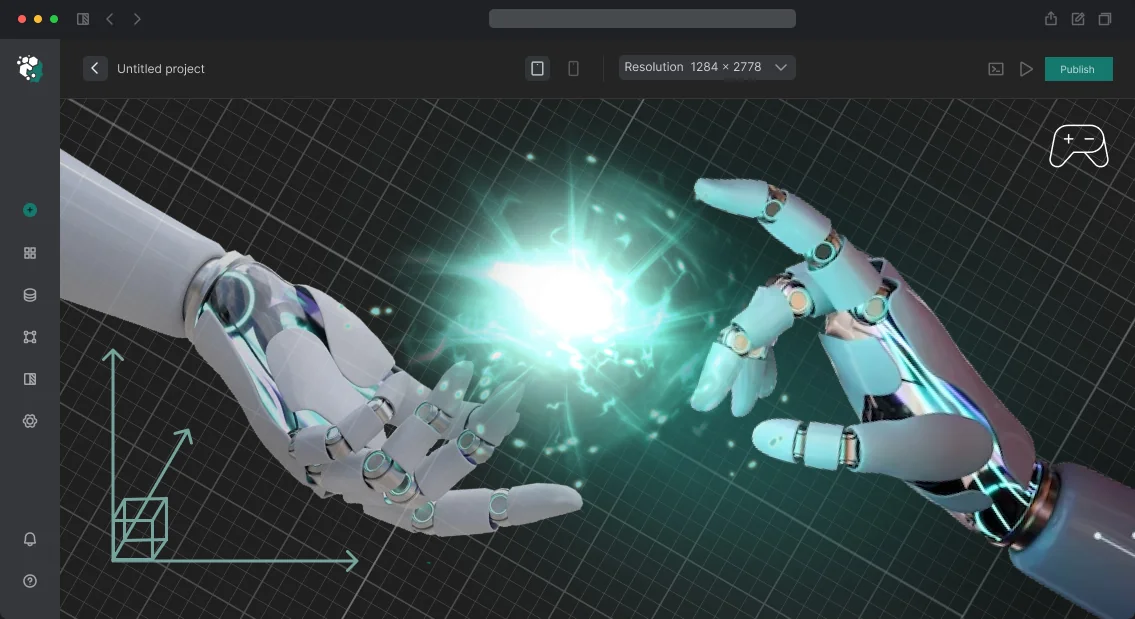
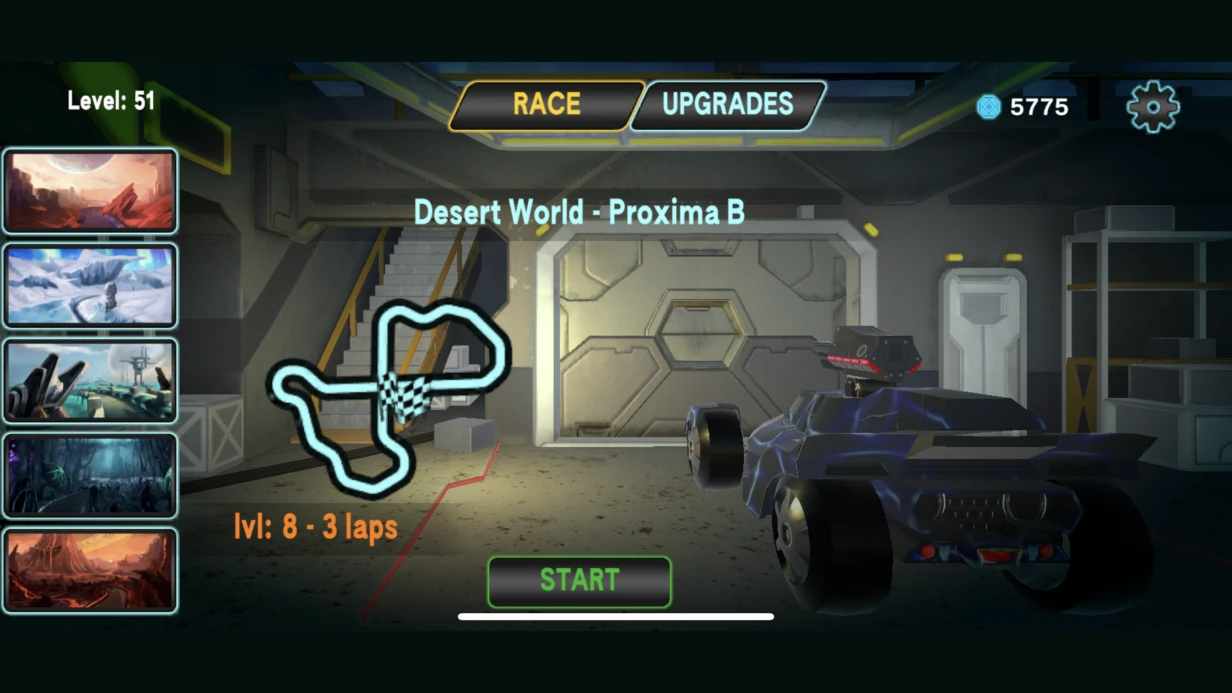

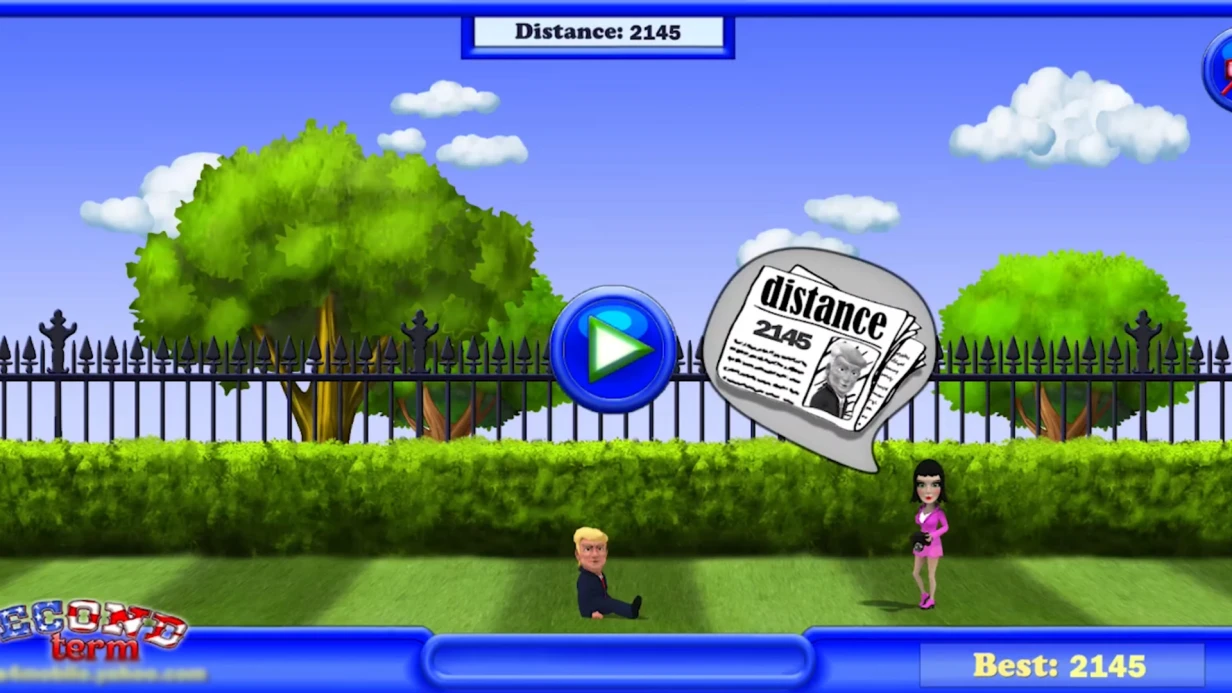
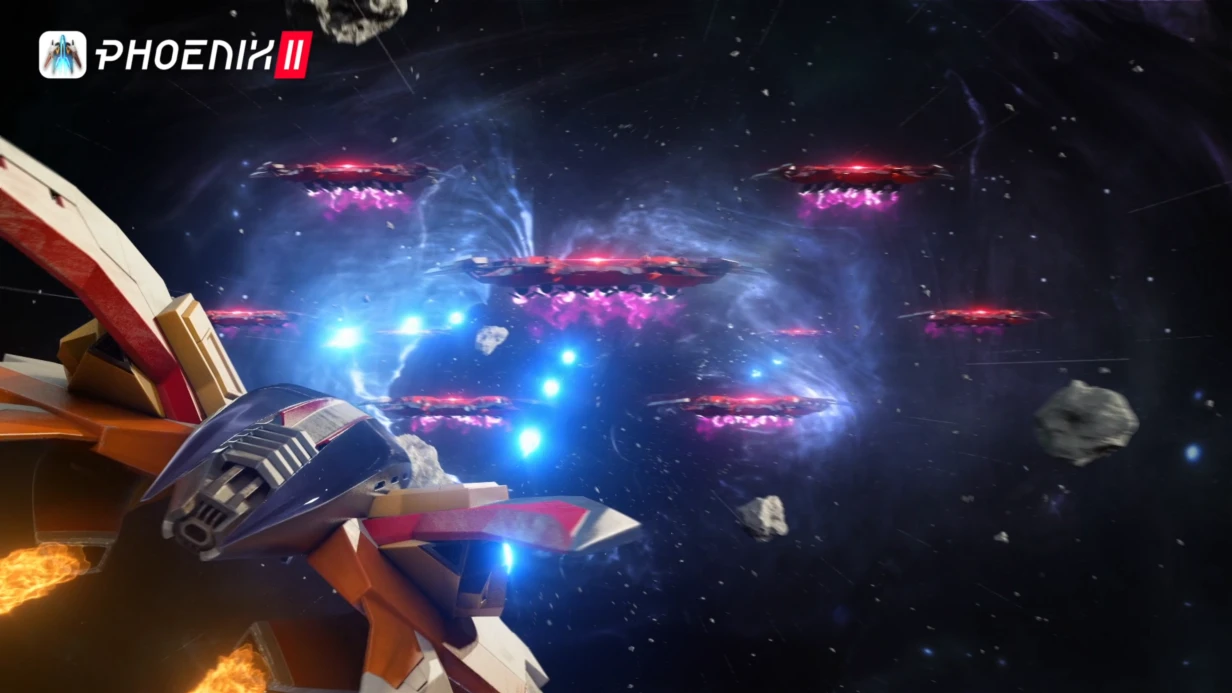
אמנות דו-ממדית בסגנון תאגידי: הזהות החזותית של המשחק
כאשר לאפליקציה או למשחק אין סגנון תאגידי מוכר, משתמשים מבזבזים שניות בניסיון לקרוא את הממשק ואז עוזבים. במשחקים, התחרות על תשומת הלב נמצאת בשיאה: אמנות עמוסה, צבעים אקראיים ואלמנטים מנותקים מאותתים מיד על חוסר מקצועיות.
הקהל שופט מוצר בתוך הדקות הראשונות — ואם השפה החזותית לא "מגובשת," האמון במותג אובד לפני שהמשתמש בכלל מעריך את המכניקה.
סגנון תאגידי באמנות דו-ממדית אינו רק "תמונות יפות" — זו מערכת שבונה הכרת מותג. מדובר בעקרונות עקביים בכל אלמנט, מהתפריט הראשי ועד לרמות המשחק.
עיצוב משחק תאגידי כזה קל לקנה מידה עבור עדכונים עתידיים וקמפיינים שיווקיים. בסופו של דבר, חברה מקבלת לא אוסף איורים, אלא קוד חזותי מגובש שעובד עבור התדמית שלה.
עבור פרויקטים של Unity, חשוב במיוחד שהאמנות תיבנה נכון מההתחלה. כשמתברר שיש לשנות את הסגנון בשלב מאוחר, לוחות הזמנים, התקציב והעצבים — כולם סובלים.
אנו יוצרים אמנות דו-ממדית למשחקי Unity עם חשיבה על אינטגרציה מהיום הראשון: אטלסים מחושבים היטב, מבנה ספייטים הגיוני ואופטימיזציה לביצועים. הלקוח מקבל תמונה יציבה שלא מגמגמת ומסתגלת בקלות למסכים שונים.
הערך האולטימטיבי נמדד במספרים, לא בפיקסלים: השקה מהירה יותר, מעורבות גבוהה יותר וביקורים חוזרים של משתמשים. משקיעים ושותפים קוראים גם הם סגנון תאגידי כסימן לחברה בוגרת. זה מה שמפריד בין פרויקטים שאנשים קונים לבין פרויקטים שאנשים רק צופים בהם.
מה אמנות דו-ממדית איכותית מעניקה למשחק שלך
שחקנים פוגשים משחק דרך הוויזואליה שלו: לפני שהם מורידים ומשיקים אותו, הם רואים רק את היצירות. אמנות דו-ממדית איכותית יוצרת רושם בשניות הראשונות ומעוררת את הרצון להישאר ולהמשיך.
שיפור הוויזואליה משפיע ישירות על המדדים שחשובים לעסק — משימור ועד הכנסות.
שימור מושג רק לעתים רחוקות באמצעות משחקיות בלבד: אנשים חוזרים למקומות שבהם הם נהנים לבלות. אמנות מלוטשת יוצרת אווירה שמהדהדת רגשית, וסגנון חזותי מגובש עוזר לשחקנים לזהות את המשחק ולחזור שוב.
גישה תאגידית לאמנות מאחדת את כל האלמנטים למערכת אחת — מה שגורם למשחק להיראות יוקרתי ואמין יותר בעיני הקהל.
ישנם אלפי פרויקטים דומים בשוק, והתחרות היא על תשומת הלב של המשתמש. אמנות דו-ממדית איכותית מבדלת משחק מהמתחרים, גורמת לו לבלוט בחנויות וברשתות החברתיות ומורידה את עלויות הרכישה.
כשמשתמשים רואים תמונה מגובשת, הם מוכנים יותר לשתף אותה — זו חשיפה חינמית וצמיחה נוספת בהורדות.
בסופו של דבר, ויזואליה מרשימה עובדת עבור העסק: היא מגבירה שימור, מעלה את שיעור ההמרה לרכישה ובונה קהל נאמן. היתרונות של אמנות דו-ממדית באים לידי ביטוי בכל שלב במשפך — מהרושם הראשוני ועד לרכישות חוזרות.
על ידי השקעה באמנות איכותית עכשיו, אתה זוכה ליתרון תחרותי שמשתלם לאורך כל מחזור חיי הפרויקט.
פורמטים של אמנות דו-ממדית תאגידית לצרכי המשחק
אמנות דו-ממדית תאגידית היא לא רק תמונות — זו השפה החזותית של המשחק שלך. פורמט שנבחר נכון חוסך תקציב, מזרז פיתוח והופך את המוצר למוכר.
אנו מתאימים את פורמט האמנות למטרות הפרויקט: מגרפיקה קלת משקל בסגנון היפר-קז'ואל ועד לסטייליזציה עשירה למידקור.
להלן הפורמטים העיקריים של אמנות דו-ממדית שאנו מפיקים כחלק ממיקור חוץ לאמנות דו-ממדית למשחקים. זו נקודת התחלה: נחדד את הסגנון, ההיקף ולוחות הזמנים כדי להתאים להשקה שלך במהלך הבריף.
סוגי אמנות תאגידית למשחקים
| פורמט | למי זה מיועד | מה זה מעניק ללקוח |
|---|---|---|
| סגנון היפר-קז'ואל | אולפני אינדי והשקות ראשונות | זמן אספקה מהיר, תקציב נמוך יותר, שיעור המרה גבוה להתקנות |
| גרפיקת מידקור | פרויקטים עם משחקיות עמוקה | פירוט ואווירה, שימור שחקנים, סשנים ארוכים יותר |
| אמנות בסגנון מותג | חברות עם מותג מוכר | שפה חזותית אחידה בכל המוצרים, הכרה רבה יותר |
| אמנות ממשק למשחקי מובייל | משחקים עם חנות והתקדמות | ממשק ברור, יותר תרומות, נאמנות קהל |
| אמנות קונספט וחקירת סגנון | שלב הפרה-פרודקשן | חיסכון בעבודות חוזרות, בסיס ברור לכל הצוות |
בכל פורמט, אנו עובדים על ציוד מקצועי ושומרים על תהליך עבודה עקבי כך שהאמנות משתלבת בצורה חלקה ב-Unity. זה חשוב במיוחד לגרפיקה של משחקי מובייל: טקסטורות וספייטים אופטימליים לא מאטים את הבנייה ונטענים במהירות עבור המשתמשים.
לא משנה איזה פורמט תבחר, אנו נשארים בקשר בכל שלב — מהסקיצה הראשונה ועד למסירת קבצי המקור לפרויקט שלך. זה מפחית סיכון ומאיץ את ההשקה.
איך אנחנו עובדים על אמנות דו-ממדית: שלב אחר שלב
תהליך יצירת האמנות נראה לעתים קרובות כמו "קופסה שחורה" ללקוח: לא ברור איפה העבודה עומדת, מתי יגיע התוצאה, או מה תקבל בסוף. בנינו תהליך שקוף — לכל שלב יש תוצר מוחשי ונקודת ביקורת. אתה תמיד יודע מה קורה עם הפרויקט וכמה זמן נותר עד לאמנות המוגמרת.
- בריף. אתה עונה על שאלון קצר: ז'אנר המשחק, קהל היעד, סגנון והיכן האמנות תשמש. על סמך זה, אנו קובעים מפרט טכני — הוא מגן על שני הצדדים מאי-הבנות.
- רפרנסים וסגנון. אנו אוספים דוגמאות ויזואליות ומגדירים את הסגנון התאגידי של הפרויקט. זה השלב שבו אתה מאשר את הכיוון הכללי.
- קונספט. אנו יוצרים אלמנט מפתח או מסך בסגנון הנבחר. זו הנקודה הראשונה שבה אתה רואה איך המשחק ייראה בפועל, לא רק קורא על זה.
- ביקורת. אנו דנים בפרטים ומבצעים תיקונים. אנו נועלים את הקונספט כך שניתן יהיה לצייר את כל ההיקף בסגנון עקבי — ללא עבודות חוזרות או הוצאות מיותרות.
- עיבוד הסט המלא. דמויות, ממשקים, רקעים — הכל בסגנון אחיד אחד, לפי הקונספט המאושר. אתה מקבל סט אמנות מלא למשחק שלך.
- אינטגרציה ב-Unity. אנו מכינים קבצים, מרכיבים סצנות ובודקים איך האמנות נראית במשחק ובמכשירים שונים. אנו מוסרים תוצאה שעובדת בפרויקט מיד.
- תמיכה לאחר השקה. אנו מבצעים תיקונים, מוסיפים אלמנטים חדשים ומחדדים את הסגנון ככל שהמשחק מתפתח.
שלבי פיתוח האמנות הדו-ממדית בנויים כך שאתה משתתף בנקודות מפתח מבלי לבזבז זמן על איטרציות אינסופיות. אתה שולט בלוח הזמנים, ואנחנו אחראים על התוצאה.
אישור האמנות עם הלקוח קורה במהירות: אתה מאשר את הכיוון פעם אחת — ואז הצוות נושא את הפרויקט עד להשקה.
מה כלול בחבילת האמנות הדו-ממדית למשחק שלך
חבילת האמנות הדו-ממדית היא לא רק אוסף של תמונות — זה כלי מוכן לשימוש שעובד במשחק שלך מיד. אנו מבנים את המסירה כך שלא תצטרך לשכור אמן נוסף או להיכנס לפרטים הטכניים של היישום. כל הקבצים מאורגנים, מסומנים ומוכנים לאינטגרציה עם Unity.
מה כלול במסירה:
- ספייטים סופיים — דמויות, אובייקטים, רקעים ואלמנטים של ממשק בפורמטים וברזולוציות הנדרשות. אתה מקבל אמנות שניתן להכניס ישירות לסצנות, ללא נגיעות או ציור מחדש.
- קבצי מקור עם שכבות — מקוריים ניתנים לעריכה, כאשר כל אלמנט יושב על שכבה משלו. זה מאפשר לך לשנות צבעים, מיקומים, גדלים ואפילו ליצור וריאציות של אותו אובייקט — לרמות או מצבים שונים, למשל.
- התאמה למנוע המשחק — כל הספייטים אופטימליים, מוצגים כראוי ואינם דורשים הגדרה טכנית נוספת. אתה חוסך זמן מפתחים ומובטח לך אמנות שעובדת ספציפית בפרויקט שלך.
- המלצות אנימציה — עבור כל אלמנט, אנו מתארים אפשרויות תנועה מתאימות: החלפת פריימים, דפורמציה, פרלקסה. אתה יודע מיד איך להחיות דמויות ורקעים ללא ניסויים.
- העברת זכויות מלאה — לאחר התשלום, אתה הופך לבעלים המלא של האמנות. אתה יכול להשתמש בה בפרויקטים מסחריים, לחדד אותה, לשנות אותה ולהעביר אותה לקבלנים ללא עמלות נוספות.
- תמיכה לאחר מסירה — אנו נשארים בקשר ועוזרים ביישום אם עולות שאלות או נדרשים תיקונים קטנים. זה מסיר את הסיכון של "קיבלנו את האמנות, אבל איך משלבים אותה — לא ברור."
חבילה זו מכסה כל שלב בעבודה עם גרפיקה — מבדיקות ראשוניות ועד השקה. אתה לא צריך לחפש משאבים נוספים, לפענח קבצי מקור או לנחש איך להשתמש באמנות במנוע. פשוט תן את הקבצים לצוות שלך — והם יתחילו לעבוד איתם מיד.
מקרה בוחן: איך יצרנו אמנות דו-ממדית למשחק מובייל
עזרנו למשחק הסימולציה למובייל Fruit Farm לבלוט ב-Google Play וב-App Store.
לפני העבודה שלנו, האפליקציה הלכה לאיבוד בין מתחרים: הסמל נראה חובבני, צילומי המסך לא העבירו את האווירה, ואלמנטים של הממשק צוירו בסגנונות לא תואמים.
כתוצאה מכך, המשחק משך מעט התקנות אורגניות, ואלה שכן הגיעו נטשו לעתים קרובות אחרי היום הראשון.
הלקוח פנה אלינו עם המטרה של "שיפור הוויזואליה," אבל אנחנו הלכנו עמוק יותר.
במקום תיקונים נקודתיים, הצענו ליצור סגנון תאגידי אחיד — שפה חזותית מגובשת המכסה כל נקודת מגע בין השחקן למוצר: מסמל החנות ועד לאלמנטים של המשחקיות.
השלב הראשון היה ביקורת. חקרנו איך המשחק הופיע בחנויות האפליקציות, ניתחנו מתחרים וזיהינו מה שומר על מעורבות המשתמשים. לאחר מכן פיתחנו שלוש גרסאות סמל, בדקנו אותן ובחרנו את הטובה ביותר על סמך נתונים.
לאחר מכן, עיבדנו סט מלא של אמנות דו-ממדית: אמנות שער, צילומי מסך פרסומיים, דמויות, אנימציית ממשק וקישוטי רקע.
האתגר המרכזי נפתר באמצעות שיטתיות. כל האלמנטים עוקבים אחר עקרונות משותפים: פלטה חמה, צורות מעוגלות והבעות פנים ידידותיות. כתוצאה מכך, המשחק הפך לקריא מיידית — הן ברשימת האפליקציות והן בתוך המוצר עצמו.
ההשפעה לא איחרה להגיע: ה-CTR של העמוד עלה ב-46%, ושימור השחקנים ביום השני עלה ב-28%. עבור הלקוח, זה אומר יותר צמיחה אורגנית ועלויות רכישה נמוכות יותר.
פרויקט האמנות הדו-ממדית המוצלח שכנע את הלקוח במומחיות של האולפן — הם כבר הזמינו אמנות למשחק הבא שלהם.
שאלות נפוצות על הזמנת אמנות דו-ממדית
לפני הזמנת אמנות דו-ממדית, ללקוחות רבים יש את אותן שאלות: כמה זה עולה, כמה מהר אפשר לעשות את זה, ומה קורה עם תיקונים. נענה מיד כדי שתוכל לקבל החלטה בבהירות מלאה. להלן החששות האופייניים וכיצד אנו מטפלים בהם.
כמה עולה אמנות למשחק?
העלות תלויה בהיקף העבודה: מספר הדמויות, הרקעים ומורכבות הסגנון. לאחר הבריף, אנו נוקבים במחיר מדויק, נועלים אותו בחוזה — והוא לא משתנה במהלך התהליך. אתה יודע את התקציב מראש ולא משלם יותר מדי על "הפתעות."
מהם לוחות הזמנים ליצירת אמנות?
לוח הזמנים הסטנדרטי הוא 3 עד 10 ימים בהתאם להיקף ולמורכבות. אנו נותנים לך תאריך מסירה מדויק בהתחלה ומספקים את העבודה בשלבים כך שתוכל לראות תוצאות ביניים ולכוון את המסלול במידת הצורך.
איך עובדים תיקוני אמנות?
כל התיקונים המכוסים על ידי המפרט הטכני המאושר כלולים בעלות. אנו מציגים סקיצות בכל שלב — אתה משאיר הערות, ואנחנו מבצעים התאמות במהירות. זה מבטל את המצב שבו התמונה הסופית לא תואמת לציפיות.
האם האמנות תעבוד עם Unity?
כן, אנו מספקים קבצי מקור בפורמטים שמשתלבים ב-Unity ללא בעיות: PNG עם שקיפות ושכבות ניתנות לעריכה. לא תצטרך לעבד מחדש את הגרפיקה — פשוט הוסף אותה לפרויקט והשתמש בה. נבנה את הקבצים כך שהמפתחים שלך יוכלו לעבוד איתם בנוחות.
מה אם האמנות לא מתאימה?
אם אחרי הסקיצות הראשונות אתה מרגיש שהסגנון לא נכון, אנו מציירים מחדש את הקונספט בחינם עד שהוא מאושר. אנו עובדים על עיקרון פשוט: קודם מאשרים את הכיוון, אחר כך מחדדים את הפרטים. אתה מקבל בדיוק מה שאתה צריך — לא "מה שיצא."
תנאים שקופים, לוחות זמנים ברורים ותיקונים כלולים הם מה שהופכים הזמנת אמנות לנטולת סיכון. אם עדיין יש לך שאלות, פנה אלינו ישירות — נדון בפרטי הפרויקט שלך תוך 15 דקות.הזמן אמנות דו-ממדית למשחק שלך — בואו נדון במשימה שלך
כדי להזמין אמנות דו-ממדית, אתה לא צריך להבין במנועים או בפרטים טכניים. פשוט תאר את המשימה — נציע פתרון שמתאים ללוח הזמנים ולתקציב של המשחק שלך. ספר לנו על הפרויקט, ואנחנו נטפל בכל עבודת ההכנה לקראת ההתחלה. אנו עובדים מרחוק, כך שאנו יוצרים קשר במהירות ומעדכנים אותך בכל שלב.
לאחר הפנייה, אתה מקבל חבילת החלטה מלאה:
- ייעוץ. נפרק את המשימה שלך ונמליץ איזה סגנון אמנות יחזק את המשחק ויעסיק את הקהל.
- הערכת עלות ולוחות זמנים. לפני שנתחיל, תדע את התקציב ותאריכי המסירה לכל שלב פיתוח.
- בחירת רפרנסים. נראה לך כמה כיוונים שמתאימים לפרויקט הספציפי שלך.
- דוגמאות עבודה בסגנון שלך. תראה איך אנחנו יוצרים עולמות דו-ממדיים תאגידיים בפרויקטים דומים.
- הסכמים סטנדרטיים. ננעל שלבים, מספרי תיקונים ומועדים בחוזה פשוט ללא תנאים נסתרים.
- פיתוח אמנות במפתח מלא. אתה מקבל חבילה שלמה — מסקיצות ועד ספייטים סופיים, מוכנים לאינטגרציה ב-Unity.
גישה זו הופכת הזמנת אמנות לתהליך ברור ללא הפתעות. אתה מקבל תוכנית עבודה שקופה, והצוות מקבל לוחות זמנים וציפיות מדויקים. במידת הצורך, נביא מנהל אמנותי כדי לחדד פרטים לפני שנתחיל.
השאר בקשה לאמנות — נגיב תוך יום עסקים אחד ונציע צעדים קונקרטיים בשיחה.
איך לבחור סגנון אמנות דו-ממדית למשחק שלך?
בחירת סגנון אמנות דו-ממדית היא לא עניין של טעם — זו החלטה אסטרטגית שקובעת איך המשתמשים שלך יקבלו את המשחק. אותה משחקיות יכולה להיראות יוקרתית ומלוטשת או זולה ומרושלת — תלוי עד כמה האמנות תואמת את ציפיות הקהל.
לכן לפני שאנחנו מתחילים, אנו עונים על שלוש שאלות: מי הקהל שלך, באיזה ז'אנר אתה עובד, ואיזו בעיה המוצר צריך לפתור? אותן שאלות קובעות את בחירת סגנון האמנות הדו-ממדית.
למשחקי קז'ואל וחידות, דמויות בהירות, פשוטות וידידותיות עובדות הכי טוב — הן מאותתות מיד שהמשחק לא ידרוש מחויבות רצינית.
לאסטרטגיות וסימולטורים, הקהל מצפה ליותר פירוט וגרפיקה "מבוגרת" שמדגישה את עומק המכניקה.
סגנון תאגידי בפיתוח משחקים אומר שהאמנות נראית עקבית, מוכרת ומיושרת עם תדמית החברה — משחקים כאלה מקבלים יותר אזכורים ברשתות החברתיות וקל יותר לשלב אותם במערכת אקולוגית עסקית.
אם המטרה שלך היא הדרכת עובדים או הדגמת מוצר, לך על קווים נקיים ופלטה ניטרלית: הם לא מסיחים את הדעת מהמסר.
אם המשחק נועד למשוך לקוחות באירוע, הישען על דמויות אקספרסיביות וסצנות דינמיות — הן יוצרות רגש וסיבה לצלם תמונות.
איזו אמנות מתאימה למשחק מתברר מיד לאחר ניתוח התרחישים האלה: הסגנון הנכון מעצב את הרושם הראשוני עוד לפני לחיצה על כפתור "התחל" ומוריד את חסם הכניסה לקהלים חדשים.
אנו עוזרים ללקוחות להחליט על סגנון לפני תחילת ההפקה, מציגים אפשרויות על אבות טיפוס ומתעדים את ההחלטה בבריף אמנותי. זה חוסך תקציב וזמן: אתה לא עושה גרפיקה מחדש אחרי הבדיקות הראשונות — אתה מקבל אמנות שעובדת למען המדדים העסקיים שלך.
בוא לייעוץ — ננתח את המשחק, הז'אנר והקהל שלך, ואז נציע סגנון שמעצים את החוזקות שלו.