


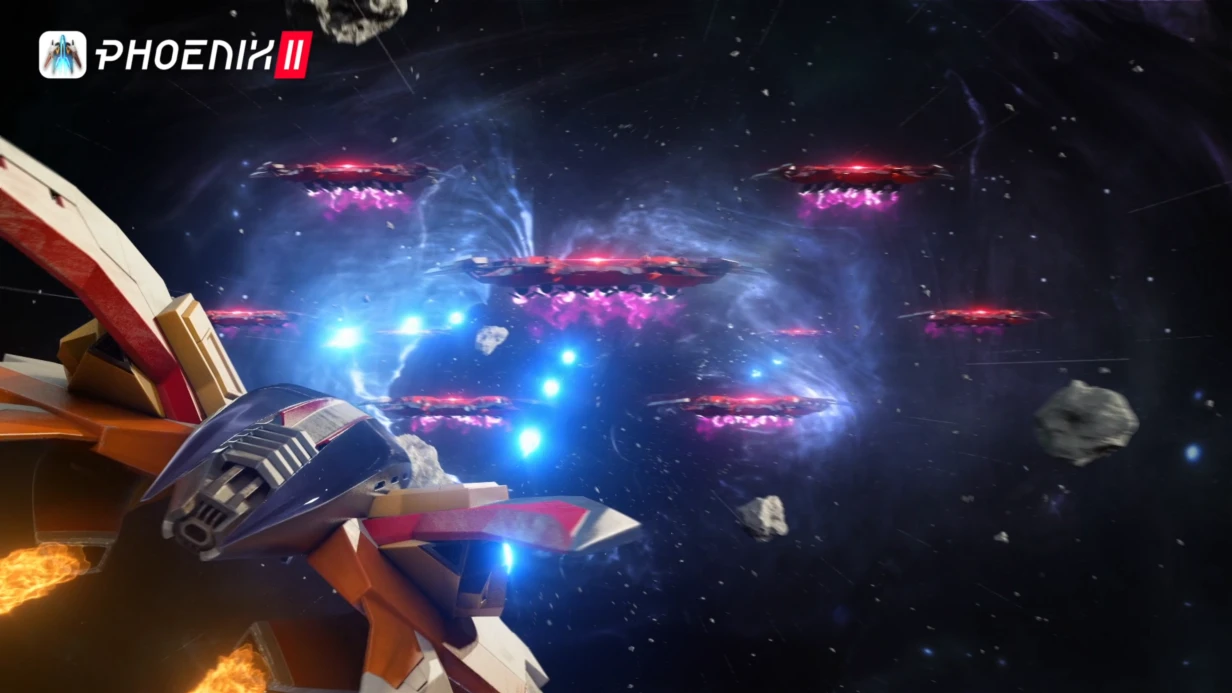
איור מדעי: כיצד אמנות שומרת על שחקנים בפרויקט שלך
הרושם הראשוני ממשחק נוצר תוך שניות. שחקן פוטנציאלי רואה צילום מסך, אייקון או סרטון—ומיד מחליט אם להישאר או להמשיך הלאה. הוויזואליה הופכת למסנן המרכזי שמפריד בין הפרויקט שלך לבין מאות פרויקטים דומים. אם האמנות נראית גנרית או מרושלת, אפילו משחקיות חזקה לא תזכה לתשומת לב.
איור מדעי הוא סגנון המשלב אסתטיקה ודיוק: פרטים מעודנים האופייניים לאטלסים מדעיים, דיאגרמות אנטומיות וסקיצות טבע.
אמנות כזו מעוררת מיד אמון ועניין—הצופה מרגיש שהיוצרים השקיעו עומק וידע בפרויקט. זה לא רק תמונה, אלא עולם שלם שמזמין לחקירה.
דווקא החקירה הזו היא שמניעה את שימור השחקנים. כשהסביבות, הדמויות והאובייקטים מפורטים מאוד, שחקנים נשארים זמן רב יותר על המסך: הם בוחנים אלמנטים, מחפשים אזכורים ומשתפים תגליות.
כשהם חוזרים למשחק, הם מגלים פרטים חדשים—וזה הופך לסיבה להתחיל סשן נוסף. כך, האמנות מגדילה ישירות את זמן השהייה בפרויקט ואת מספר ההשקות החוזרות.
מנקודת מבט עסקית, איור מדעי מספק שני יתרונות מיידיים: בידול מהמתחרים ופוטנציאל ויראלי. סגנון ייחודי קל לזכור, הופך למימ, ומתפשט ברשתות החברתיות—כל שיתוף מביא שחקנים חדשים.
וכשמשתמשים רואים אמנות אסתטית ומפורטת, האמון במוצר והנכונות לשלם גדלים.
אנחנו יוצרים אמנות דו-ממדית למשחקי Unity בדיוק בכיוון הזה: סגנון מעוצב בקפידה המותאם לצרכי הפרויקט שלך. אנחנו לוקחים על עצמנו את כל הצד הגרפי—מקונספטים ועד לנכסים סופיים—כך שתקבל ויזואליה שמושכת ושומרת שחקנים. בואו נדבר על המשימה שלך ונראה כיצד איור מדעי יכול לחזק את הפרויקט שלך.
מה אמנות איכותית מביאה למשחק שלך
שחקן מחליט להישאר במשחק בתוך השניות הראשונות. אמנות איכותית היא לא קישוט; היא כלי שמחזיק תשומת לב, מסביר מכניקות ומעצב את הרושם הראשוני מהפרויקט.
אם הוויזואליה נראית גנרית, אפילו משחקיות מעוצבת היטב הולכת לאיבוד בין עשרות משחקים דומים בחנות האפליקציות.
סגנון האיור המדעי נותן למשחק משהו שאי אפשר להעתיק: זהות ויזואלית משלו. גרפיקה כזו בולטת מול פרויקטים "מצוירים" או "פנטזיה אפלה" טיפוסיים, ותופסת את העין על באנרים, צילומי מסך וקריאייטיבים פרסומיים.
שחקנים זוכרים לא את המכניקה אלא את התמונה—וזה מה שהם מחפשים אחר כך בשם וממליצים עליו לחברים.
אמנות ייחודית משפיעה ישירות על מעורבות. דמויות וסביבות מפורטות מטביעות שחקנים בעולם המשחק, ומגדילות את זמן הסשן הממוצע ואת מספר הרמות שהושלמו.
וכששחקנים משתפים צילומי מסך ברשתות החברתיות ובמסנג'רים, כל פוסט משמש כפרסום חינמי, ומרחיב את החשיפה ללא תקציב נוסף.
סגנון מוכר גם משתלם לאורך זמן. הוא מקל על יצירת אווטארים, עטיפות, מרצ'נדייז וחומרי קידום שמחזקים את המותג ושומרים על עניין הקהל בין עדכונים. בסופו של דבר, אמנות הופכת לנכס שמניע הכנסות: יותר שימור משמעו יותר רכישות בתוך המשחק.
הצוות שלנו יוצר גרפיקה לפרויקטי משחקים כבר למעלה מ-10 שנים. אנחנו עובדים ב-Unity ומשתמשים בכלים מלוטשים כדי להבטיח תוצאה עקבית: אמנות שלא רק נראית מצוין אלא גם מגדילה את התחרותיות של המשחק שלך.
אתה מקבל פתרונות ויזואליים מוכנים המותאמים לז'אנר ולקהל שלך—בלי צורך להיכנס לפרטים טכניים.
פורמטים של איור מדעי למשחק שלך
איור מדעי במשחק הוא לא ציור אחד אלא מערך שלם של גרפיקה שיוצר רושם עשיר. ספרייטים של דמויות, רקעים של רמות, אייקונים וממשק משתמש חייבים להיות עקביים בסגנון—רק אז השחקן יאמין בעולם וייכנס לתוכו.
אנחנו מפתחים אמנות דו-ממדית ל-Unity כך שכל אלמנט משרת את מטרתו ומשתלב בקלות בפרויקט.
כל פורמט של איור מדעי נותן מענה לצורך ספציפי—מעיצוב דמויות ועד לעיצוב תפריטים. בהתאם לסצנה ולמכניקה, אנחנו מציעים את האפשרות האופטימלית:
| פורמט | למי זה מיועד | מה זה נותן ללקוח |
|---|---|---|
| ספרייטים של דמויות ואובייקטים | משחקי סיפור, משימות, מדריכים | גיבורים ופריטים מפורטים שקל להנפיש ולהשתמש בהם בסצנות |
| רקעים וסביבות | רמות, מיקומים, עולמות | אווירה של חקר, עומק, קוהרנטיות ויזואלית של מיקומים |
| ממשק ופאנלים | תפריטים, דיאלוגים, אינדיקטורים | ניווט ברור, סגנון עקבי, נוחות לשחקן |
| אייקונים ואלמנטים של משימות | מלאי, רמזים, סמנים | הבנה מהירה, מסכים נקיים, פחות טקסט בממשק |
הפורמטים נבחרים בהתאם למטרות הפרויקט ולפלטפורמה: משחקי מובייל דורשים ספרייטים קומפקטיים וממשק רספונסיבי, בעוד משחקי PC דורשים רקעים גדולים ומפורטים. אנחנו בודקים ומגדירים את הגרפיקה מראש כך שהמשחק ירוץ בצורה חלקה על מכשירים שונים.
ספר לנו אילו סצנות ומכניקות המשחק שלך צריך—ואנחנו נציע מערך פורמטים שמכסה את כל הדרישות הוויזואליות שלך.
איך אנחנו יוצרים אמנות: חמישה שלבים לתוצאה
תהליך ברור הוא חצי מההצלחה של כל פרויקט. אתה לא מקבל "הפתעה" בסוף; במקום זאת, אתה רואה איך האמנות מתעצבת ויכול להשפיע על התוצאה בכל רגע.
בנינו את תהליך העבודה שלנו כך שאתה שולט בלוחות זמנים, בהיקף ובאיכות בלי התכתבויות מיותרות.
- בריף והפניות. אנחנו דנים במשימה: סגנון, קהל יעד והיכן האמנות תשמש—משחק, מצגת או קידום. אנחנו קובעים לוחות זמנים, מספר סבבי תיקונים והיקף המסירה כך שלא יהיו מחלוקות על פרטים בהמשך.
- סקיצות ובדיקת סגנון. אנחנו מציגים 2–3 כיוונים על בסיס הבריף שלך. אתה בוחר את זה שמתאים ביותר, ואנחנו מתקנים כיוון לפני שמשקיעים את עיקר העבודה. זה חוסך גם כסף וגם זמן.
- אישור קומפוזיציה. אובייקטים וסצנות מרכזיים מעובדים בטיוטה—אתה רואה קומפוזיציה, צבע ורמת פירוט. כאן אנחנו מבצעים את רוב התיקונים, כי לעשות מחדש רנדורים סופיים זה יקר יותר.
- רנדור סופי. אחרי אישור הקומפוזיציות, אנחנו מלטשים את האמנות לאיכות סופית. כל אובייקט מצויר כך שייראה קוהרנטי גם במשחק וגם בכל חומרי המותג.
- מסירת קבצים ותמיכה. אנחנו מספקים קבצי מקור ופורמטים מוכנים, יחד עם מדריך שימוש קצר. אם נדרשים התאמות קטנות במהלך האינטגרציה, אנחנו נשארים בקשר ופותרים בעיות במהירות.
תהליך העבודה הזה מגן עליך מהסיכון הגדול ביותר—קבלת תוצאה לא נכונה בסוף המועד. כל ההסכמות על שלבים ולוחות זמנים מתועדות בבריף, ושינויים נדונים מיד, בלי הפתעות נסתרות.
מה כלול במסירת האמנות הדו-ממדית למשחק שלך
כשאתה מזמין אמנות דו-ממדית בסגנון איור מדעי, אתה מקבל יותר מסתם תמונות—אתה מקבל חבילה מלאה ומוכנה לייצור שניתן להשתמש בה מיד במשחק Unity שלך.
כל התוכן נמסר עם קבצי מקור, כך שאתה לא תלוי בנו לעריכות עתידיות ותמיד יכול לבצע שינויים עם הצוות שלך. זה מסיר את החששות המרכזיים: "מה בדיוק נקבל" ו"האם נוכל לעדכן את האמנות אחרי המסירה."
המסירה כוללת חבילה מלאה המורכבת סביב צרכי הפרויקט שלך:
- קבצי מקור של האמנות — קבצים ניתנים לעריכה לכל האיורים, מסקיצות ועד שכבות סופיות. אתה יכול לשנות צבעים, אלמנטים וקומפוזיציה בלי לאבד איכות ובלי לפנות אלינו.
- פורמטים מוכנים ל-Unity — אותם איורים שהוכנו למנוע: רזולוציות נדרשות, אטלסים אופטימליים וספרייטים. אתה יכול להכניס אותם לסצנה מיד, בלי לבזבז זמן על המרה.
- רישיון מסחרי לכל האמנות — כל התמונות מועברות עם זכויות שימוש לפרויקט, כולל קריאייטיבים פרסומיים, דפי חנות אפליקציות ועיתונות. אין מחלוקות על ייחוס ואין הגבלות של "פורטפוליו בלבד".
- זכות לבצע עריכות — אתה יכול להעביר קבצי מקור לקבלנים או למעצבים פנימיים ולבצע שינויים בעצמך, בלי מעורבות שלנו ובלי עמלות נוספות.
- חבילת תיעוד — מדריך קצר למבנה הקבצים, הסגנון וכללי השימוש באמנות. זה עוזר לחברי צוות חדשים להיכנס לעניינים במהירות ולעבוד עם הגרפיקה באופן עקבי.
הודות למבנה הזה, אתה מקבל לא תמונות חד-פעמיות אלא נכס שחי לצד המשחק שלך: קל לעדכן, להרחיב בין פלטפורמות ולהתאים למכניקות חדשות. הכל שקוף, והזכויות וקבצי המקור שייכים לך מהיום הראשון.
מקרה בוחן: אמנות בסגנון ייחודי שיפרה את מדדי המשחק
המפתח של משחק החינוכי "אטלס החי" פנה אלינו עם בעיה טיפוסית: שחקנים השלימו כמה רמות ועזבו. האמנות הייתה מסודרת ומלוטשת אבל הלכה לאיבוד בין מאות פרויקטים דומים.
הצענו להמיר את כל הגרפיקה לסגנון איור מדעי—עם קווי מתאר מדויקים, אלמנטים מסומנים ומרקם של "נייר ישן". הצוות היה סקפטי: האם סגנון כזה יפחיד את השחקן ההמוני?
כדי לבדוק את ההשערה, עיצבנו מחדש שלוש רמות מרכזיות והרצנו מבחן A/B. גרסת האיור המדעי ניצחה בכל המדדים: שימור יום ראשון עלה מ-19% ל-26%, ואורך הסשן הממוצע עלה משלוש לחמש דקות. אחרי זה, ציירנו מחדש את שאר המסכים והדמויות.
חודש אחרי העדכון, שחקנים התחילו להשלים בממוצע 2 רמות נוספות, ומספר הכניסות החוזרות השבועי הוכפל בערך. התברר שבדיקת הפרטים הפכה לחלק מהמשחקיות: אנשים חזרו כדי למצוא את כל התוויות והעובדות הנסתרות.
בונוס בלתי צפוי היה החשיפה האורגנית.
משתמשים פרסמו צילומי מסך ברשתות החברתיות כי האמנות נראתה יוצאת דופן ו"חכמה". ההתקנות מהחיפוש גדלו בשליש, והמשחק טיפס לראש תוצאות החנות עבור החיפוש "איור מדעי". הלקוח היה מרוצה והזמין אמנות להרחבה חדשה—הסגנון הפך לסימן ההיכר של כל הסדרה.
המסקנה המרכזית: סגנון אמנותי הוא לא קישוט אלא כלי עבודה מוצרי. כשאמנות מעסיקה שחקנים, המדדים גדלים בלי הוצאות פרסום נוספות.
שאלות נפוצות על הזמנת אמנות למשחקים
לפני הזמנת אמנות, תמיד עולות שאלות: כמה זמן זה לוקח, מה זה עולה, למי שייכת התוצאה, ומה קורה אם האמנות לא תואמת את הציפיות. להלן תשובות קצרות לחששות המרכזיים.
אם לא ראית את השאלה שלך כאן, פנה אלינו—נדון בפרטים ונציע פתרון.
כמה זמן לוקח פיתוח אמנות?
לוח הזמנים תלוי במורכבות ובמספר האובייקטים. דמות או אלמנט סביבתי בודד בדרך כלל לוקחים כמה ימים; מערך אמנות מלא למשחק לוקח כמה שבועות.
אנחנו מספקים לוח זמנים מדויק אחרי הבריף ומראים תוכנית עבודה עם אבני דרך ביניים כדי שתדע מה קורה בכל שלב.
איך מחושב עלות האמנות?
העלות מבוססת על רמת הפירוט, הסגנון, מורכבות הקומפוזיציה והדחיפות. אנחנו לא שולפים מספרים מהאוויר—אחרי בריף קצר, אנחנו קובעים אומדן ושומרים עליו במהלך התהליך אלא אם תסכים לשינויים. אתה יודע את התקציב מראש ולא מקבל הפתעות בשלב הסופי.
למי שייכים זכויות היוצרים?
לפי החוזה, כל הזכויות לאמנות המוגמרת מועברות אליך. אתה יכול להשתמש בחופשיות בתמונות במשחק, בשיווק, במצגות—ללא הגבלות. אנחנו גם לא משתמשים בחומרים שלך בפורטפוליו שלנו ללא אישור כתוב אם אתה לא רוצה.
מה אם האמנות לא מתאימה?
אנחנו מראים לך סקיצות ביניים בכל שלב, כך שהסיכון ל"תוצאה לא נכונה" הוא מינימלי. אם משהו עדיין לא בסדר, אנחנו מבצעים תיקונים במסגרת האיטרציות המוסכמות—ללא תשלום.
אנחנו תמיד מביאים את העבודה למצב שמספק אותך, כי התוצאה שלנו היא הפרויקט המושק שלך והזמנות חוזרות עתידיות.
בואו נדבר על אמנות למשחק שלך? קבל ייעוץ
באת עם משימה—ליצור אמנות שמבדלת את המשחק ומדברת אל השחקן בשפה של דיוק ויופי.
איור מדעי במשחקים הוא לא רק תמונות; זו שפה ויזואלית: היא מסבירה מכניקות, מטביעה שחקנים בעולם ומגבירה מעורבות. במהלך הייעוץ, נסקור את הפרויקט שלך ונראה כיצד הסגנון הזה יכול לחזק את המוצר.
הפגישה מתקיימת אונליין, נמשכת 30–40 דקות, והיא פגישת ייעוץ. אתה לא צריך להכין מפרט טכני—רק הראה את החומרים הנוכחיים שלך וספר לנו על המשימה שלך.
בייעוץ, תקבל:
- הערכת פרויקט — כמה זמן ומשאבים נדרשים ליצירת אמנות למשימה הספציפית שלך.
- דוגמאות עבודה בסגנון איור מדעי שתואמות את הבקשה ואת האווירה של המשחק שלך.
- תוכנית יישום — שלבים מסקיצות ראשוניות ועד רנדור סופי, עם נקודות ביקורת.
- המלצות לשילוב אמנות ב-Unity — איך לשמר את הסגנון המיועד במהלך ההרכבה בלי לאבד פרטים.
- תשובות לשאלות על לוחות זמנים, פורמטי מקור ותיקונים — כדי שלא יהיו הפתעות אחרי ההשקה.
תקבל לא רק "כן/לא", אלא חישוב קונקרטי ונתיב פעולה ברור. אתה יכול לקבל החלטה ברוגע—בלי לחץ ובלי פרטים נסתרים.
השאר פנייה, ונחזור אליך כדי למצוא זמן נוח לשיחה. כבר בייעוץ, תראה איך איור מדעי יכול להפוך לחתימה הוויזואלית של המשחק שלך.
איך לבחור פורמט אמנות למטרות המשחק שלך?
בחירת פורמט אמנות מסתכמת בשתי שאלות: איזו בעיה המשחק פותר וכמה אתה מוכן להשקיע בהתחלה.
אף אחד לא מצפה לגרפיקה מורכבת מיד—עבור פרויקט אינדי או משחק מובייל, מה שחשוב ביותר הוא שהסגנון יהיה מזוהה ולא יאט את הפיתוח.
איור מדעי הוא יותר מסתם אסתטיקה; זה כלי עסקי: הוא יוצר קוהרנטיות וממקם את המשחק מיד בנישה משלו.
הסגנון הזה חזק במיוחד כשמשחק מסביר מכניקות או מפתיע בפרטים. שחקנים זוכרים שפה ויזואלית ייחודית, ואתה לא צריך להתחרות בעשרות פרויקטים שנראים דומים.
אם המשחק עוסק בחקר, אנטומיה, חלל או המצאות—איור מדעי הופך אותו למובן בלי מילים ומוריד את החסם למשתמשים חדשים.
עבור משחקי אינדי ופרויקטי מובייל, הסגנון הזה הוא פרקטי. קווים נקיים, צבעים מקומיים, מינימום טקסטורות מורכבות—פחות משאבים לציור ואיטרציות מהירות יותר.
אתה לא משלם יותר מדי עבור פוטוריאליזם; במקום זאת, אתה מקבל מראה מזוהה שעובד גם על מסך סמארטפון קטן.
אנחנו עוזרים לקבוע איזה פורמט מתאים לך: ספרייטים של דמויות, רקעים עם פרספקטיבה חלקה או אנימציית ממשק. אנחנו לא דוחפים תוספות—בהתחלה, אתה יכול להתמקד באלמנטים מרכזיים ולהוסיף אמנות לפי הצורך. בסופו של דבר, אתה מקבל חומרים מוכנים להרכבה, בלי צורך בעבודת יד מחדש.
אנחנו עובדים על ציוד מקצועי ועל גרסאות עדכניות של Unity, כך שהסגנון מעובד בדיוק כפי שנועד—בלי הפתעות בייצוא. תאר את מטרת המשחק והתקציב שלך בבריף, ואנחנו נציע פורמט אמנות שמספק תוצאה מקסימלית במסגרת האילוצים שלך.
הפורמט הנכון הוא לא ההחלטה הקשה ביותר—זו זו שמביאה את המשחק שלך להצלחה הכי מהר.