

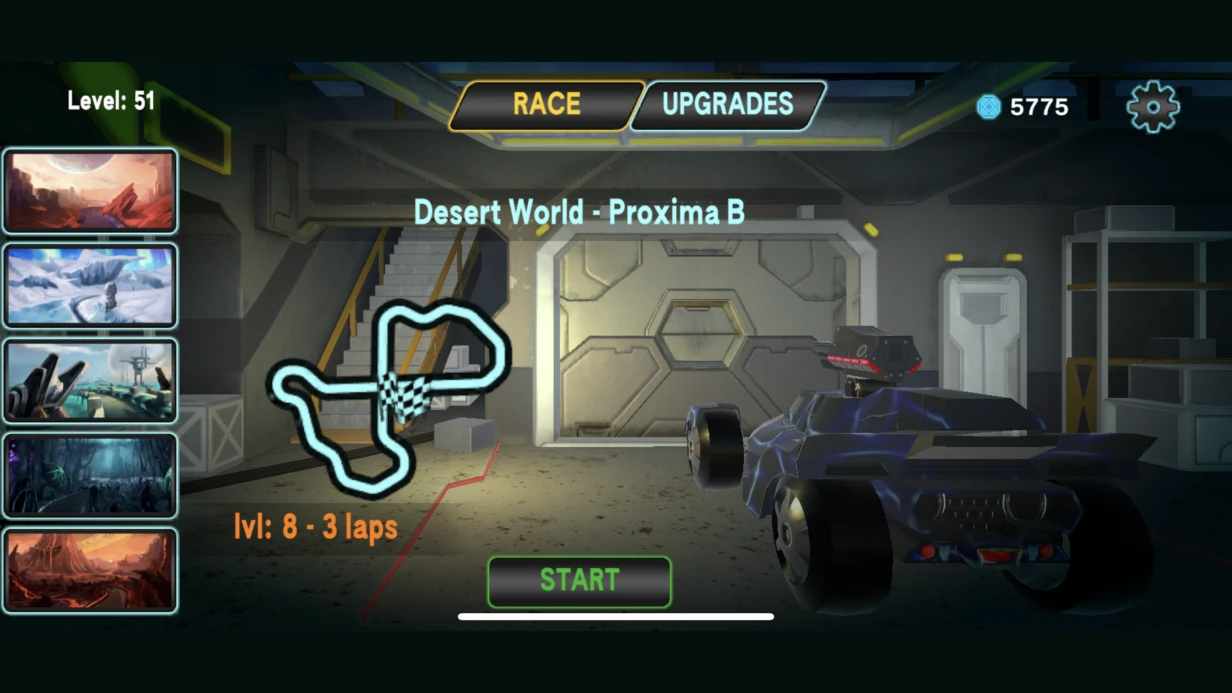

אנו עוסקים במודלים תלת-ממדיים בפוליגונים גבוהים (High-Poly) למשחקים ולקולנוע כבר למעלה מ-5 שנים. פרויקט אחד כלל לקוח עם קונספט גיבור למשחק מובייל: הם נזקקו לפרטים מקסימליים במסגרת תקציב של 20,000 משולשים (tris) למודל בפוליגונים נמוכים (Low-Poly). האולפן הראשון הפיק מודל High-Poly מבלי להתחשב ברטופולוגיה עתידית — לא היה מה לבצע עליו בייק (Bake). אנחנו נקטנו בגישה שונה: פיצלנו את הפיסול לשכבות, יישרנו מראש את מספר הפוליגונים של המודל הנמוך, וקיבלנו מפת נורמלים נקייה ללא ארטיפקטים. מקרים כאלה הם שגרה עבורנו. מידול High-Poly הוא הבסיס שקובע הכול: איכות מפת הנורמלים, קריאות הסילואט, ואמינות המרקמים. אם השלב הזה נכשל, שום Substance Painter או רנדרר מיומן לא יוכלו להסתיר זאת. האמנים שלנו מוסמכים ב-ZBrush וב-Maya; אנו מבטיחים הקפדה מלאה על המפרט הטכני.
"טופולוגיה נכונה היא המפתח לאנימציה איכותית," — מתוך הנחיות Autodesk.
אתגרים טכניים במידול High-Poly
הבעיה הנפוצה ביותר אינה כמות הפרטים, אלא חלוקתם. קל לזרוק מיליוני פוליגונים על אזורים משניים (חגורות, כפתורים) ב-ZBrush ולאבד נפח הכרחי בפנים. מנועי חיפוש רואים רק את הרנדר הסופי, אבל במהלך הבייק מופיעים ארטיפקטים. כדי להימנע מכך, אנו מחלקים את המודל לאזורי עדיפות: הפנים והידיים מקבלים 70% מהפוליגונים, והשאר 30%.
צוואר הבקבוק השני הוא עבודה עם Subdivision. ZBrush ו-Blender מפרשים קצוות קיפול (crease edges) בצורה שונה כשמייבאים אותם ל-Maya או ל-3ds Max. אם לא מגדירים SharpenEdges נכון לפני הייצוא הסופי, החלקת הגאומטריה מטשטשת פרטים קשיחים שעליהם עבדת שבוע. זה כואב במיוחד עבור שריון ואלמנטים מכניים. אנו משתמשים בסטים מותאמים אישית של קיפולים ומאמתים תצוגה מקדימה חלקה ב-Maya לפני הייצוא.
צורות אורגניות הן סיפור נפרד. פנים של דמות עם כיוון לולאות קצוות שגוי סביב אזור ארובת העין גורמות לצביטה מכוערת במהלך הריגינג ואנימציית הפנים. High-Poly לא תופס את זה — הבעיה צצה כשמבצעים בייק על Low-Poly. אנו בונים לולאות קצוות כבר מההתחלה תוך התחשבות בדפורמציה עתידית, בהנחיית אנטומיית שרירים.
למה לולאות קצוות נכונות במש הרשת הבסיסי חשובות
מש רשת בסיסי עם טופולוגיה נכונה חוסך 30–40% מהזמן במהלך הרטופולוגיה. אנו יוצרים את מש הרשת הבסיסי ב-Maya עם טופולוגיית Quad ומבנה לולאות לאנימציה. לאחר מכן הוא נכנס ל-ZBrush אך ורק לפירוט, לא לארגון מחדש. אם מתחילים עם DynaMesh ואז ממירים דרך ZRemesher, מאבדים שליטה על זרימת הקצוות. אנחנו לא עושים את זה.
איך High-Poly משפיע על איכות מפת הנורמלים
איכות ה-High-Poly קובעת ישירות עד כמה מפת הנורמלים תועבר בצורה נקייה ל-Low-Poly. אפילו מפה שנאפתה בצורה מושלמת לא יכולה להסתיר שגיאות פיסול: פרופורציות לא נכונות, מישורים לא קריאים, חוסר בפרטים מיקרוסקופיים. אנו מבצעים בייק ניסיוני של ה-High-Poly כבר בשלב הפרטים המשניים כדי לוודא שארטיפקטים לא מופיעים בתוצאה הסופית. זה מקצר את מספר האיטרציות של בדיקות הבייק בחצי.
איך אנחנו בונים High-Poly להפקה
העבודה מתחילה לא ב-ZBrush אלא בניתוח הפניות ובמפרט הטכני. שלושה דברים חייבים להיות מובנים לפני החלוקה הראשונה: איזה מנוע (Unity, Unreal, או מותאם אישית), סוג הדמות (גיבור, NPC, קהל), וצינור הבייק (Marmoset Toolbag או Substance Painter). השלמנו למעלה מ-50 פרויקטים למשחקי מובייל ומחשב, כך שאנו יודעים להתאים את עצמנו לכל דרישה.
ב-ZBrush, אנו מפרקים את הפירוט לשכבות: סילואט ופרופורציות בסיסיות, נפחים אנטומיים, פרטים בינוניים (נקבוביות עור, בד, מתכת), פרטים מיקרוסקופיים (שריטות, תפרים). מערכת השכבות מאפשרת השבתה מהירה של רמות פירוט לבדיקות בייק ומקלה על התאמות קטנות מבלי לבצע מחדש את כל הפיסול. שימוש בשכבות מאיץ את האיטרציות פי שלושה בהשוואה לעבודה בלעדיהן. עבור בגדים ושריון, אנו משלבים את זרימת העבודה של ZBrush ZRemesher ו-PolyGroup עם מידול ידני של חלקים מכניים מורכבים ב-3ds Max. טכנית, עבור משטחים קשיחים נכון יותר להשתמש ב-3ds Max כי הוא מציע שליטה על שיפועים (chamfer), הוספה (inset) ופאסות (bevel) ש-ZBrush לא מספק באותה מידה.
ה-High-Poly הסופי מיוצא כ-FBX ללא החלקה (כל הפרטים בגאומטריה), עם קבוצות פוליגונים לפי חומר, ומוסכמת שמות נקייה עבור Substance Painter: CharacterName_PartName_HP. זה קריטי אם המודל עובר דרך צינור בייק אוטומטי. צרו קשר לייעוץ — נעזור לבחור את צינור העבודה האופטימלי.
תהליך העבודה
ראשית — דיון טכני. אנו בוחנים את הקונספט, מבהירים את דרישות רמת הפירוט (גיבור לעומת קהל), מנוע היעד, ומספר הפוליגונים המתוכנן ל-Low-Poly. בלי זה, הערכת המאמץ היא ניחוש. לאחר הסכמה, אנו קובעים אבני דרך:
- מש רשת בסיסי / בלוקאאוט — פרופורציות, סילואט, קריאות. תיקונים בשלב זה עדיין זולים.
- פיסול ראשוני — נפחים אנטומיים, צורות עיקריות של בגדים ושריון. אישור עם המנהל האמנותי.
- פרטים משניים ושלישוניים — פירוט בינוני ומיקרוסקופי. בדיקת בייק ניסיוני.
- ייצוא סופי — FBX/OBJ, קבוצות חומר, תיעוד טכני.
תיקונים מתקבלים בתוך כל אבן דרך. תיקונים לאחר הייצוא הסופי מחויבים בנפרד.
הערכות זמנים
| סוג דמות | משך זמן |
|---|---|
| דמות NPC / קהל | 3–7 ימי עסקים |
| דמות גיבור (ללא שריון) | 7–14 ימי עסקים |
| דמות גיבור (תלבושת מלאה, שריון) | 14–30 ימי עסקים |
| יצור / מפלצת | 10–21 ימי עסקים |
לוחות הזמנים תלויים במורכבות הקונספט, במספר האיטרציות ובמהירות המשוב מהלקוח. המחיר מחושב באופן אישי לאחר ניתוח המפרט הטכני.
מה כלול
| תוצר | תיאור |
|---|---|
| מודל High-Poly | קובץ FBX/OBJ עם קבוצות חומר |
| תיעוד טכני | מספר פוליגונים, קבוצות, שיקולי בייק |
| בייקים ניסיוניים | 2–3 איטרציות לאימות מפת נורמלים ו-AO |
| קבצי מקור של ZBrush/Blender | קבצי .zpr/.blend עם שכבות |
| אישורי אבני דרך | תיקונים בכל אבן דרך, לא לאחר הסיום |
טעויות נפוצות בהזמנת High-Poly
- אין הפניה ל-Low-Poly. ה-High-Poly נוצר בוואקום; ואז מתברר שבייק של כל הפרטים על Low-Poly עם 5,000 פוליגונים הוא בלתי אפשרי פיזית ללא אובדן איכות. מספר הפוליגונים של ה-Low-Poly חייב להיות מוסכם לפני תחילת הפיסול.
- קונספט ללא מבטים צדדיים/אחוריים. עם רק מבט קדמי, האמן התלת-ממדי צריך להסיק את המבנה בעצמו. זה מסכן את התוצאה הסופית שלא תעמוד בציפיות.
- אין מפרט לסגנון הדפורמציה. אם הדמות תעבור אנימציה כבדה (תנוחות קרב, אקרובטיקה), פיסול אזורי דפורמציה (כתפיים, מרפקים, ברכיים) נעשה אחרת מאשר לדמויות סטטיות או עם אנימציה קלה.
- בקשה ל"פרטים מקסימליים" ללא מפרט. זה נשמע הגיוני, אבל בפועל זה מוביל לבזבוז משאבים על פרטים שלעולם לא ייכנסו למשחק. הפירוט חייב להיות מכוון. בקשו ייעוץ — נעזור לנסח את המפרט.
המומחיות של האמנים שלנו מאושרת על ידי הסמכות ועשרות דמויות משחק שהושלמו. הזמינו מידול High-Poly עם אחריות איכות — נעריך את הפרויקט שלכם תוך יום עסקים אחד.