


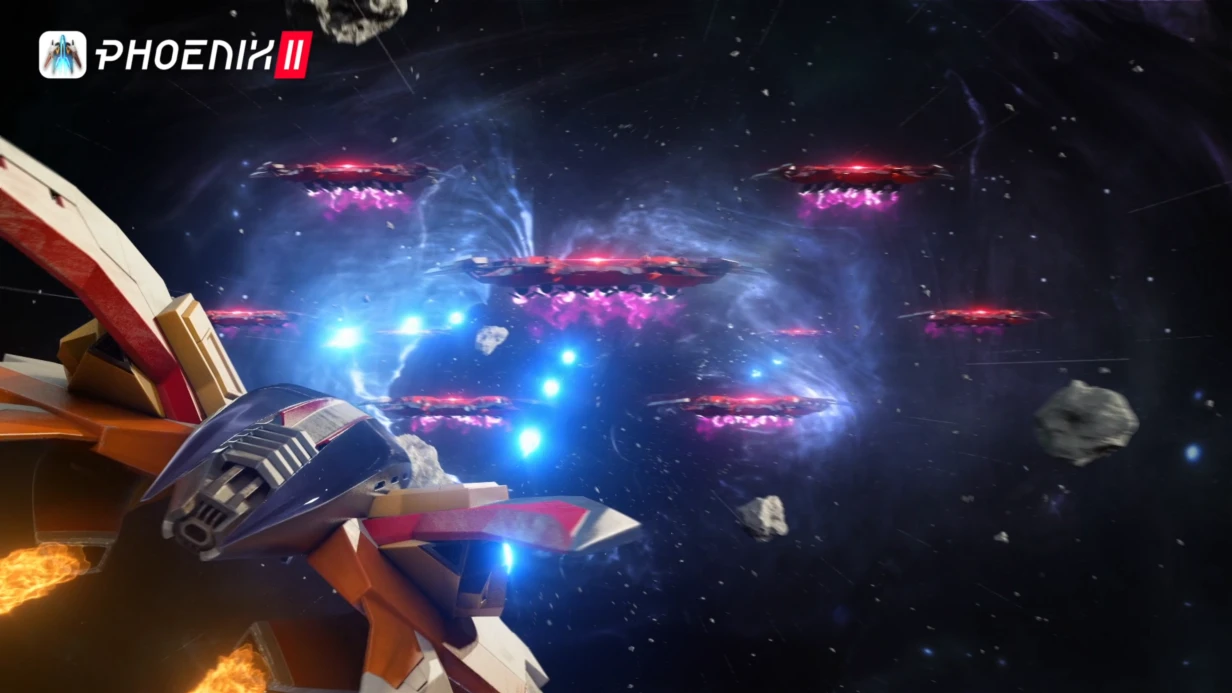
שחקנים מוחקים משחק אם הגרפיקה אינה בסגנון Pixel-Art-3D
הדקות הראשונות עם משחק מחליטות הכל: אם התמונה נראית גנרית או זולה, אנשים פשוט סוגרים את האפליקציה ולעולם לא חוזרים.
בחנויות האפליקציות, התחרות מוכרעת במבט אחד—וגרפיקת המשחק היא בדיוק הגורם שגורם למישהו ללחוץ על "התקן" במקום לגלול הלאה.
בלי סגנון ויזואלי מזוהה, אפילו מכניקה עמוקה וסיפור מעניין לא זוכים לתשומת לב, כי שחקנים פשוט אף פעם לא מגיעים אליהם.
הסגנון pixel-art-3d משלב בהצלחה נוסטלגיה עם מראה תלת-ממדי מודרני, כך שהוא מושך גם קהל מבוגר וגם קהל צעיר יותר. גרפיקה כזו מעוררת רגש לפני שהמשחקיות אפילו מתחילה, מה שאומר שהיא פועלת לשמירת שחקנים מהסשן הראשון.
כשהחזות של משחק נראית מגובשת ויוצאת דופן, משתמשים מתחילים לשתף צילומי מסך וסרטונים בעצמם—חשיפה חינמית שאינה דורשת תקציב פרסום.
הבעיה היא שיצירת סגנון pixel-art-3d באמת ייחודי קשה יותר ממה שזה נראה. צריך לחדד צורות, תאורה, פלטת צבעים ואופי המודלים כך שיתאימו למכניקה ולא יתפרקו על פני מכשירים שונים.
אם הגישה לגרפיקה אקראית, המשחק נראה כמו אוסף של אובייקטים לא תואמים—וזו אובדן הכנסות ישיר: שחקנים עוזבים רעש ויזואלי ומראה חצי-גמור לטובת פרויקטים שבהם הם רואים תשומת לב לפרטים.
אנחנו מפתחים מודלים תלת-ממדיים במיוחד עבור Unity, תוך התחשבות בסגנון האמנותי ובאילוצים הטכניים, כך שהפרויקט שלך נראה מגובש בכל שלב—מהתצוגה המקדימה בחנות ועד לרמות האחרונות.
השקעה בגרפיקה מקצועית משתלמת דרך שיפור שימור שחקנים, דירוגים גבוהים יותר ומוניטין שהופך התקנה חד-פעמית לקהל יציב.
התוצאה של עבודה כזו היא לא רק תמונות יפות, אלא חזות משחק שמוכרת את עצמה ומייצרת רווח אפילו לפני ההשקה הרשמית.
יתרונות מרכזיים לפרויקט המשחק שלך
Pixel-Art-3D הוא שילוב נדיר של נוסטלגיה ומראה מודרני שמבדיל מיד משחק מים של פרויקטים מבריקים וזהים.
מודלים יוצאי דופן תופסים את העין, גורמים לאנשים לעצור ולשתף צילום מסך—כך החשיפה האורגנית גדלה, והכרת המותג מתחזקת מבלי להגדיל את תקציב הפרסום.
עבור הלקוח, זה התוצאה הראשונה והנראית ביותר: הפרויקט הופך לייחודי, זכור ומדובר.
היתרון השני הוא מעורבות. הסגנון הפיקסלי בתלת-ממד מעורר תגובה חמה מאורחים ושחקנים, מחזיק תשומת לב זמן רב יותר מגרפיקה סטנדרטית, ומניע אותם לחקור את העולם.
משתמשים חוזרים לעתים קרובות יותר, משלימים יותר רמות ונשארים בקהילת המשחק—מה שאומר ששימור הקהל והערך הכלכלי של כל לקוח גדלים. המשחק מתחיל להביא שחקנים חדשים בעצמו במקום לדרוש הוצאות פרסום מתמדות.
היתרון השלישי הוא המרה גבוהה יותר. מודלים תלת-ממדיים בנויים כהלכה מפנים תשומת לב לאובייקטים מרכזיים: פריטים לרכישה, דמויות, בונוסים.
האסתטיקה של Pixel-Art-3D פועלת כנווט ויזואלי, מגדילה את מספר הלידים במשחק והופכת מבקרים מתעניינים למשתמשים משלמים. כל אלמנט סביבתי מחזק את הקריאה לפעולה, כך שמכירות בתוך המשחק גדלות מבלי לשנות את מכניקת המשחק.
לבסוף, כל זה בנוי על בסיס מקצועי ומותאם ל-Unity: המודלים קלים, יציבים ונראים מצוין על כל מכשיר. אתה מקבל לא רק תמונה, אלא נכס משחק שלם שמחזק את המותג, מעורר רגש ומניב רווח מדיד.
חזות כזו מחזירה את עצמה בשלב רכישת המשתמשים—זה היתרון המרכזי לפרויקט המשחק שלך.
פורמטים של פיתוח מודלים למשימה שלך
כל פרויקט פותר בעיה אחרת: משחק מובייל צריך קלילות וטעינה מהירה, פרויקט אינדי צריך איזון בין איכות לתקציב, RPG גדול צריך בניית עולם מפורטת שמושכת שחקנים פנימה.
פורמט המודל משפיע ישירות על ביצועי המשחק במכשירי השחקנים ועל משך זמן הפיתוח.
אנחנו בוחרים את הפורמט על סמך הפלטפורמה, הקהל והתקציב שלך—בלי עלויות מיותרות או הפתעות טכניות. השתמש בטבלה כדי להבין איזו אפשרות מתאימה לפרויקט שלך:
| פורמט מודל | למי זה מיועד | מה זה נותן ללקוח |
|---|---|---|
| משחק מובייל | פרויקטים קז'ואליים, משחקים לסמארטפונים וטאבלטים | טעינה מהירה וביצועים יציבים על פני מכשירים—פחות נטישות ויותר התקנות |
| פרויקט אינדי | צוותים קטנים, תקציב מוגבל, לוחות זמנים צפופים | איכות אופטימלית בזמן סביר—הגעה להשקה בלי לשלם יותר מדי על פירוט מוגזם |
| RPG גדול | עולמות רחבי היקף, נרטיבים מונחי סיפור, MMORPG | דמויות וסביבות אקספרסיביות שמשאירות שחקנים מעורבים ומוסיפות עומק ליקום |
אלה לא גבולות נוקשים אלא נקודת התחלה. אם יש לך ז'אנר לא סטנדרטי או מכניקה היברידית, אנחנו מתאימים את הפורמט למשימה שלך. בכל מקרה, אתה מקבל מודלים שמשתלבים בקלות בפרויקט ולא ידרשו עבודה חוזרת לפני ההשקה.
העיקר הוא שתקבל החלטה על סמך קריטריונים ברורים: מהירות פיתוח, עלות ותאימות למכשירי השחקנים.
אנחנו נעזור לך לבחור את פורמט המודל, לעצב את המודלים למשחק שלך ולפקח על האינטגרציה בכל שלב—מהסקיצה הראשונה ועד לבנייה הסופית.
איך עובד פיתוח מודלים: 7 שלבים
אנחנו מבינים שלעסק חשוב לשלוט בתהליך יצירת המודלים התלת-ממדיים כדי שהתוצאה תעמוד בציפיות. לכן בנינו תהליך שקוף של 7 שלבים—מבריף ועד תמיכה. בכל שלב אתה רואה תוצאות ביניים ויכול לבצע שינויים.
- בריף מודלים — אנחנו אוספים דרישות: לאיזה משחק דרושים האובייקטים, איזה סגנון Pixel-Art-3D מתאים לפרויקט, כמה מודלים דרושים ועד מתי. אנחנו מתעדים ציפיות וקריטריוני קבלה כדי למנוע מחלוקות בהמשך.
- דוגמאות ויזואליות — אנחנו בוחרים דוגמאות בסגנון הנבחר, מסכמים על פלטת הצבעים ועל אופי הפרטים. אתה מאשר את הכיוון, ואנחנו עוברים לתכנון.
- תוכנית שלבי פיתוח — אנחנו מפרקים את העבודה לבלוקים, מראים מה יהיה מוכן ומתי, וקובעים נקודות ביקורת לבדיקה. אתה לא צריך לנחש מה הסטטוס—התמונה המלאה גלויה.
- מודלים ראשוניים — אנחנו יוצרים גרסאות פשוטות של כל האובייקטים. בשלב זה קל להתאים את הצורות והפרופורציות הכלליות בלי לבזבז זמן על פרטים.
- אישור ותיקונים — אתה בודק את הטיוטות, משאיר הערות, ואנחנו מתקנים. בדרך כלל שניים או שלושה סבבים מספיקים כדי לסכם את הגרסה ולעבור לחידוד.
- חידוד סופי — אנחנו מוסיפים טקסטורות, פרטים וליטוש תוך שמירה על קלילות המודלים עבור Unity. אתה מקבל אובייקטים מוכנים להרכבה שלא מפגרים במכשירים חלשים יותר.
- השקת משחק ותמיכה — אנחנו מוסרים את כל קבצי המקור, עוזרים לשלב את המודלים בפרויקט ומבצעים שינויים אחרי הבדיקות הראשונות. אנחנו תומכים בך לפני ואחרי ההשקה.
התהליך הזה התפתח במשך שנים של עבודה על עשרות פרויקטים—הוא מסיר אי-הבנות, חוסך זמן וכסף. אתה תמיד יודע באיזה שלב אנחנו ויכול להשפיע על התוצאה ללא דיחוי.
מה כלול במסירת מודלים מוגמרים
מסירת מודלים סטנדרטית הופכת לעתים קרובות לכאב ראש: לא ברור איך להשתמש במודלים, למי יש זכויות, ואיך מטפלים בעדכונים. הרכבנו חבילה כך שתקבל תוצאה מוכנה לעבודה—בלי הפתעות או אישורים נוספים מצד הצוות שלך.
מה אתה מקבל בחבילה
- מודלים מוכנים לאינטגרציה — כל מודל ניתן לטעינה ישירות לפרויקט שלך ולשימוש בסצנות, אנימציות ומשחקיות. אין צורך בכיוונון נוסף.
- קבצי מקור — כל קבצי המקור הניתנים לעריכה מסופקים יחד עם המודלים. זה אומר שהצוות שלך יכול לבצע שינויים בלעדינו בכל פעם שתרצה לשנות צבעים, רמות פירוט או אלמנטים בודדים.
- מדריך אינטגרציה — תיעוד ברור כיצד לחבר את המודלים, אילו הגדרות להשתמש וממה להימנע. כל מה שאנחנו יודעים על המודלים האלה מועבר אליך כשלבים פשוטים.
- אופטימיזציה ל-Unity — המודלים כבר מותאמים לביצועים חלקים במכשירי היעד. לא תצטרך להבין למה ה-FPS יורד או למה סצנות נטענות לאט—זה כבר מטופל.
- זכויות מסחריות — כל זכויות השימוש במודלים מועברות אליך. אין סיכונים בנוגע לבעלות, רישיונות שנויים במחלוקת או הגבלות מונטיזציה.
- עדכונים ותיקונים — אם אתה מבחין בליקויים במהלך התהליך או רוצה לשפר פרטים, אנחנו מבצעים תיקונים במסגרת ההיקף המוסכם. זה מתועד בחוזה וחוסך בתקציב שלך.
לוחות הזמנים למסירה נקבעים מראש, ותכולת החבילה מוגדרת במפרט. אתה מקבל מסמך המפרט את כל הקבצים, הזכויות ונוהל העדכון.
זו הסיבה שנוח לעבוד איתנו גם לצוותי פרויקטים וגם לעסקים שמזמינים פיתוח סוהר.
מקרה בוחן: יצירת מודלים למשחק אינדי על Unity
זהו מקרה בוחן על פיתוח מודלים למשחק אינדי על Unity—איך הסגנון Pixel-Art-3D עזר לפרויקט לבלוט בין אלפי מהדורות חדשות ולהגיע למיליון התקנות.
הסטודיו Pixel Story הגיע אלינו עם משחק מוגמר: הלוגיקה עבדה, אבל שחקנים השלימו את הרמות הראשונות ועזבו. ניתוחים הראו שימור חלש ביום השני. הבעיה לא הייתה המשחקיות אלא ההצגה—החזות low-poly הרגילה אבדה בין מתחרים בהירים.
הצענו להמיר את מודלי הדמות הראשית והסביבה ל-Pixel-Art-3D. זה לא רק "תמונה יפה": השילוב של נפח ומרקם פיקסלי מזוהה מיידית, מעורר רגש ומושך את השחקן לפני הרמה הראשונה. צילומי המסך בחנות והמסך הראשי מתחילים לעבוד למשיכת קהל.
שילבנו את המודלים בפרויקט דרך תהליך החלפת נתונים מבוסס—העדכון לא השפיע על קוד המשחקיות.
בתוך שבועיים החלפנו יותר מ-40 מודלים ופישטנו את הגיאומטריה בלי לאבד קוהרנטיות ויזואלית, כך שהמשחק רץ ביציבות אפילו במכשירים חלשים יותר.
התוצאה עלתה על הציפיות: השימור ביום השני עלה ב-37%, ובששת החודשים הראשונים המשחק עבר מיליון התקנות. התנועה האורגנית הוכפלה—הסגנון Pixel-Art-3D הפך לכלי הצמיחה המרכזי, והפרויקט נכלל במבחרי עורכים.
המקרה הזה מראה שחזות היא לא קישוט אלא כלי לשיפור מדדים. אם פרויקט ה-Unity שלך צריך קונספט ויזואלי חזק, הגישה הזו יכולה לשנות את המומנטום של המוצר—משימור ועד רכישה המונית.
איך לבחור את פורמט המודל התלת-ממדי הנכון למשחק שלך?
בחירת פורמט מודל תלת-ממדי היא תמיד איזון בין סגנון אמנותי, תקציב ולוחות זמנים.
התשובה ל"איזה פורמט מתאים לנו" מתחילה לא במודלים אלא במטרות המשחק שלך: אילו רגשות אתה רוצה לעורר, על אילו מכשירים הוא ירוץ, וכמה חשוב לבלוט מול מתחרים.
Pixel-Art-3D הוא סגנון שעוזר למשחק להיראות מקורי, אבל אפילו בתוך הסגנון הזה יש דרכים שונות ליישם אותו.
אם אתה מחפש אפשרות מהירה וחסכונית, הגיוני להתחיל עם מודלים מוכנים שניתן להתאים לפרויקט שלך. זה מקצר את לוח הזמנים פי כמה ומאפשר לך להשיק את המשחק מוקדם כדי לבדוק תגובת שחקנים. החיסרון הוא שמודלים כאלה נמצאים לעתים קרובות בפרויקטים אחרים, כך שהייחודיות תהיה נמוכה יותר.
כשמקוריות וערך לטווח ארוך הם בראש סדר העדיפויות, בחר בפיתוח מודלים מותאם אישית. זה עולה יותר ולוקח יותר זמן, אבל התוצאה מונעת לחלוטין מהחזון שלך, והמשחק מקבל אופי שקשה להעתיק. עבור פרויקטים המיועדים לחיים ארוכים והצלחה מסחרית, הדרך הזו מוצדקת.
יש גם פורמט היברידי: חידוד מודלים קיימים כדי להתאים לסגנון Pixel-Art-3D. זה נותן לך איזון—תקציב נמוך יותר מפיתוח מאפס וייחודיות גבוהה יותר מקטלוג מוכן.
אנחנו עוזרים לך לבחור את התרחיש האופטימלי במהלך השיחה הראשונית—פשוט תאר את המשימה שלך, ואנחנו נציע פורמט שמתאים ללוחות הזמנים ולתקציב שלך.
המפתח הוא לא לנעול פורמט "לנצח". בשלב הראשון, גרסה פשוטה מספיקה לעתים קרובות כדי לבדוק את הרעיון, ומאוחר יותר אתה יכול להחליף מודלים במשוכללים יותר.
זו הסיבה שאנחנו ממליצים לא לבחור פורמט לפני ייעוץ: יחד נקבע מה חשוב יותר—מהירות להשקה, ייחודיות או איזון. השאר פנייה—נחשב את לוח הזמנים והתקציב לתרחיש שלך.
תשובות לשאלות לפני הזמנת פיתוח
לפני הזמנת מודלים תלת-ממדיים למשחק Pixel-Art-3D, לקוחות מודאגים מאותם דברים: מה קורה אחרי המסירה? האם האינטגרציה תישבר? האם נוכל לבצע שינויים? מי אחראי על שגיאות?
אנחנו עונים על השאלות האלה לפני ההתחלה—כדי שתוכל לראות את הסיכונים ולהבין איך אנחנו מנהלים אותם.
מה אם המשחק יישבר אחרי ההשקה?
אנחנו לא נוטשים את הפרויקט אחרי המסירה. אחריות בתוקף בכל השלבים: אם מתרחשת שגיאה הקשורה למודלים שלנו או לאינטגרציה שלהם ב-Unity, אנחנו מתקנים אותה בחינם ובמהירות האפשרית.
במידת הצורך, אנחנו מקימים מערכת תמיכה—אתה מקבל עזרה מהצוות בכל זמן, לא "משיבון מנומס".
האם אוכל לבצע שינויים אחרי שהעבודה התקבלה?
כמובן. אנחנו בונים שלב תיקונים מההתחלה: אחרי שהמודלים נמסרים, אתה נותן משוב, ואנחנו משכללים את התוצאה למצב הרצוי. לעתים קרובות השינויים נוגעים לא למודלים עצמם אלא להתנהגותם במשחק—אנחנו עוזרים גם בזה. בסופו של דבר, אתה מקבל לא "קופסה" אלא כלי עבודה מותאם למשימה הספציפית שלך.
אילו ערבויות אתה מספק?
הערבויות מפורטות בחוזה: אנחנו קובעים לוחות זמנים, היקף עבודה ונוהל תיקונים. אנחנו אחראים לכך שהמודלים יעבדו כראוי בפרויקט שלך וליציבות התוצאה. אם משהו לא בסדר, אנחנו מתקנים בלי חיובים נוספים או אישורים מיותרים.
מה כוללת התמיכה לאחר ההשקה?
זה לא רק "נתקן אם זה נשבר". אנחנו עוקבים אחר ביצועי המשחק, בודקים שהמודלים מוצגים כראוי במכשירים שונים, מעדכנים נכסים בעת הצורך ומייעצים לצוות שלך. אתה מקבל ביטחון שהפרויקט חי וגדל ולא נשאר ללא השגחה.
אם השאלה שלך לא ברשימה, אל תהסס לשאול ישירות. אנחנו לא "מוכרים ונעלמים"—אנחנו תומכים בתוצאה. כך, אחרי שבוע אתה יכול לשכוח בשלווה את הפרטים הטכניים ופשוט ליהנות מהמשחק המוגמר שלך.מוכן לדון בפרויקט שלך? השאר פנייה
השאר פנייה לפיתוח, ואנחנו ניצור איתך קשר כבר למחרת כדי לדון במשימה. בלי התחייבויות: בשלב הזה, אנחנו פשוט מכירים את הפרויקט ועונים על שאלות.
אתה מקבל בריף חינמי—שאלון מובנה שעוזר לך לתאר במדויק מה צריך ליצור.
על סמך זה, נציע פתרון, נחשב את העלות ונציין לוחות זמנים ריאליים—בלי עמלות נסתרות או הפתעות. כל מה שאנחנו צריכים ממך זה כמה דקות למילוי הטופס.
מה כלול בייעוץ הראשוני:
- דיון ברעיון ובמטרות הפרויקט שלך—ממשחק פשוט ועד עולם תלת-ממדי רחב היקף.
- המלצות על פורמט: Pixel-Art-3D, גרפיקה תלת-ממדית קלאסית או סגנון משולב.
- הערכת עלות ולוח זמנים ראשונית—אתה מבין את התקציב לפני שהעבודה מתחילה.
- דוגמאות לעבודה שלנו על פרויקטים דומים—אתה יכול לראות את הרמה והסגנון.
- תשובות לשאלות תהליך: שלבים, תיקונים, מסירת תוצאות.
- תוכנית פעולה ברורה—מה אנחנו עושים אחרי שאתה נותן אישור.
זה חוסך לך זמן: במקום משא ומתן ארוך, אתה מקבל פרטי פרויקט קונקרטיים. ואחרי הבריף—הערכה מדויקת ולוח זמנים לעבודה. זה חינמי וללא התחייבות. השאר פנייה—נחזור אליך ונדון בפרויקט שלך.