

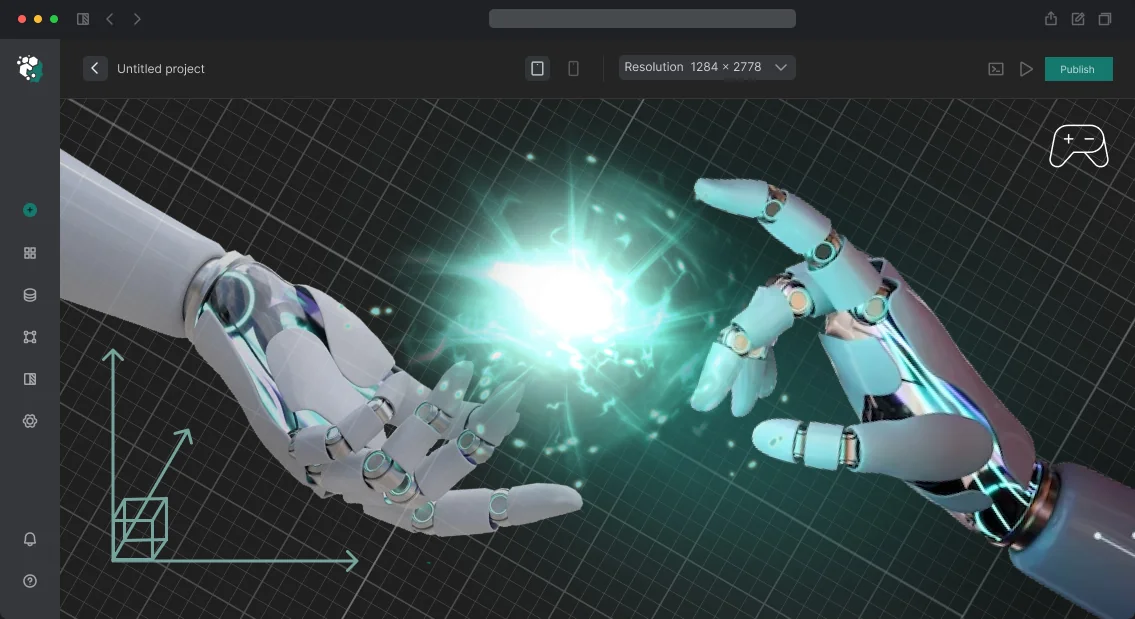
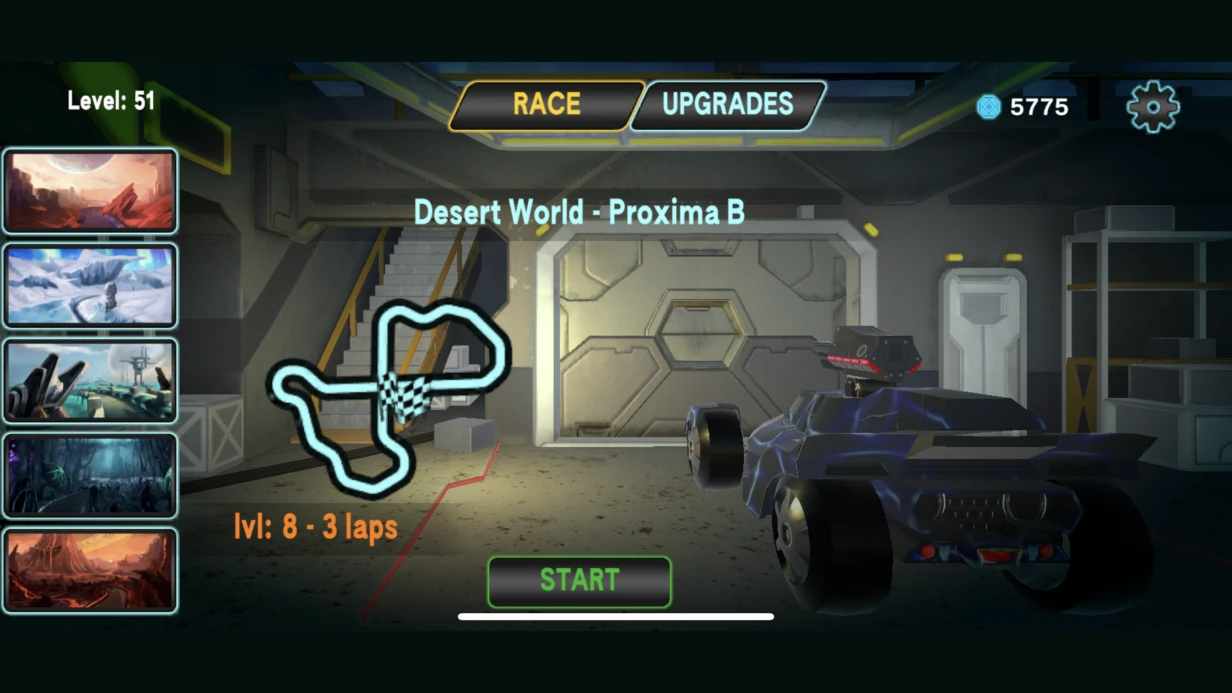

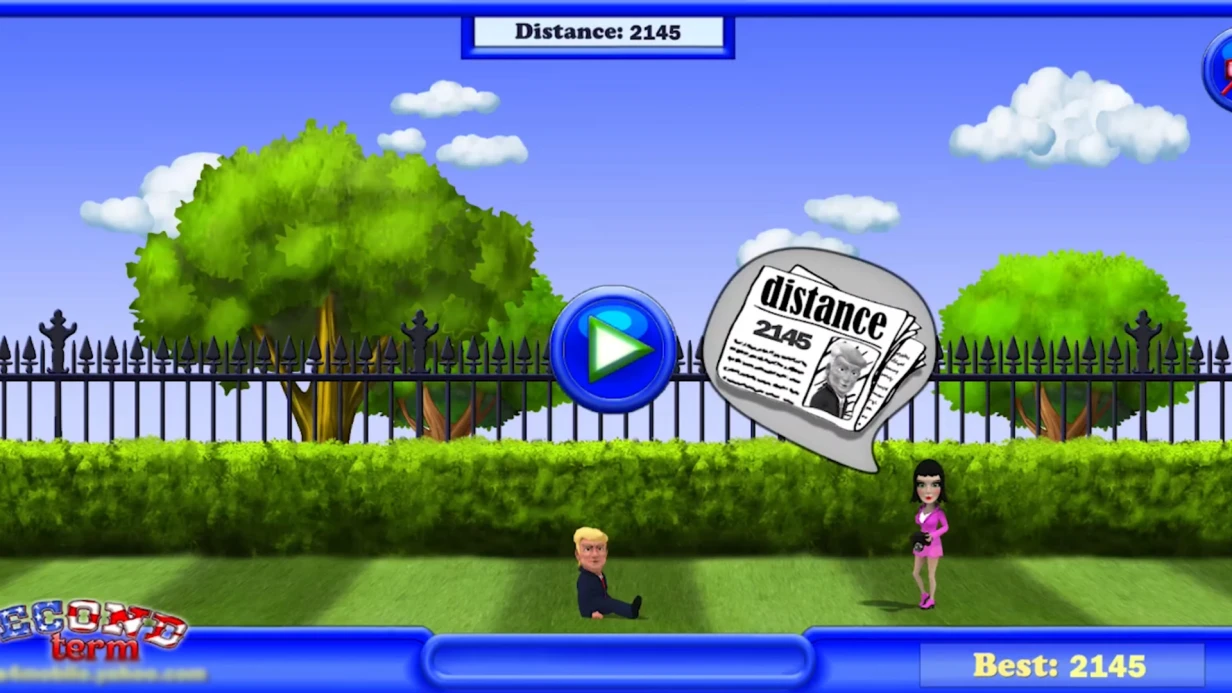
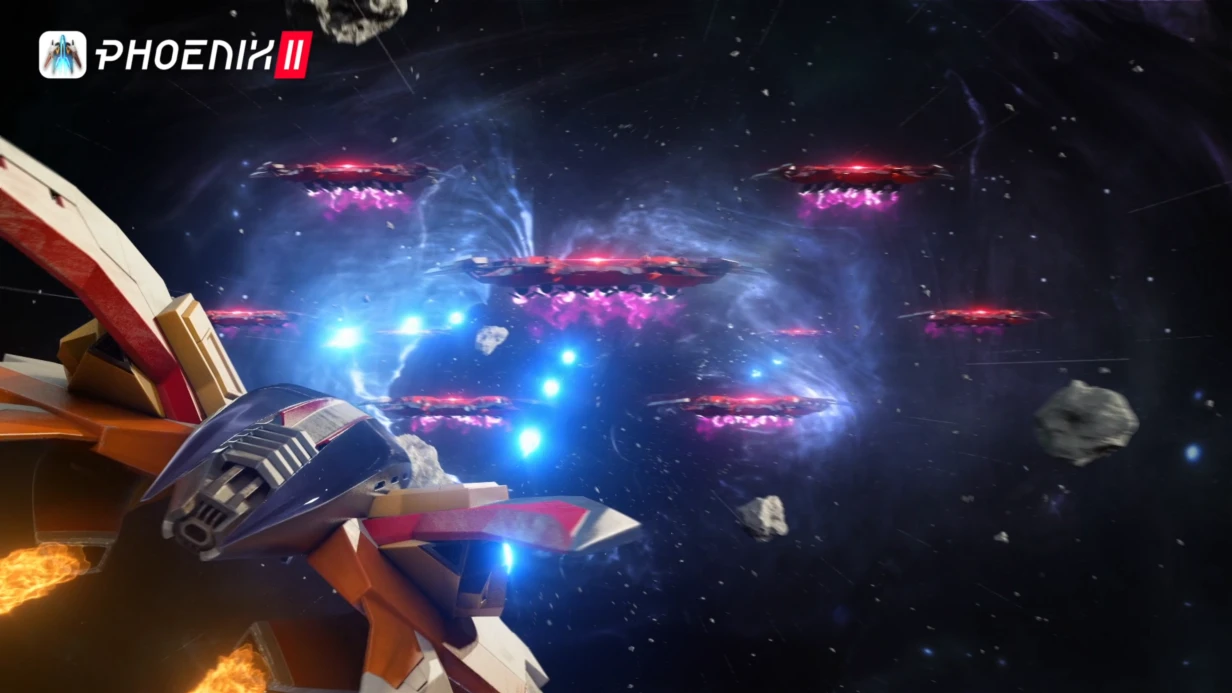
קונספט ויזואלי של גרפיקה קינמטית: למה המשחק לא תופס
גיימפליי חזק ומכניקה מחושבת לא מצילים אם המשחק לא בולט בין המתחרים: בקטלוגים עומדים זה לצד זה עשרות פרויקטים דומים, והצגה ויזואלית חלשה של המשחק מאפסת חודשי עבודה של הצוות. שחקנים לא זוכרים משחק אם בשניות הראשונות התמונה לא תופסת, ומפיצים חולפים על פני פרויקט שנראה «כמו כולם». כאן נדרש קונספט ויזואלי של גרפיקה קינמטית — שפה ויזואלית אחידה שהופכת את הפרויקט לזיהוי מפריים אחד.
קונספט כזה מתאר איך המשחק נראה בתנועה: תאורה, צבע, קומפוזיציית פריים, הצגת הדמויות והסצנות המרכזיות. הוא מגדיר סגנון מזוהה שאי אפשר לבלבל עם מתחרה — לא בדף החנות, לא בסרטון קצר ולא בחומרי הפרומו. אנחנו בונים אותו בהתאמה לז'אנר, לקהל ולפלטפורמה — כך שהסגנון יחזק את האווירה ולא יתנגש בה.
עבור האולפן זה גם כלי לשיחה עם המפיץ. מצגת פרויקט למפיץ, שמבוססת על קונספט ויזואלי חזק, מראה בגרות של המוצר: השותף רואה לא אוסף רעיונות אלא דימוי שלם של המשחק העתידי. האמנים והמהנדסים שלנו עובדים על ציוד מקצועי, ולכן הקונספט מגיע למראה ריאליסטי במשחק ולא נשאר תמונה יפה על הנייר.
מה הלקוח מקבל: חשיפה, זיהוי, לידים
קונספט ויזואלי של גרפיקה קינמטית — זה מה שהצופה רואה לפני שהוא מעריך את המכניקה. לכן ההשקעה בו מחזירה את עצמה כבר בשלב ההכרזה: לפי הטריילר והפריימים המרכזיים שחקנים והעיתונות מחליטים אם בכלל כדאי לעקוב אחרי הפרויקט.
- תגובת שחקנים ועיתונות. הכרזה אוספת תגובות, שיתופים ובקשות לראיונות — פלטפורמות מתחילות לכתוב בעצמן אם התמונה נראית ברמה של מובילי הז'אנר.
- חשיפה לקהל. פריימים וסרטונים קצרים חיים באוספים, בסטרימים וברשתות חברתיות יותר מכל טקסט: חומר אחד עובד לכמה פלטפורמות ושפות.
- זיהוי מותג המשחק. Атлас Пустошей מזוהה לפי הסגנון עוד לפני ההשקה — צלליות, פלטה ותאורה הופכים לסימן מזהה שאי אפשר לבלבל עם מתחרה.
- עניין של מפיצים ושותפים. הצגה חזקה הופכת משא ומתן לשיחה על לוחות זמנים ופלטפורמות, ולא על השאלה «האם זה בכלל יצליח».
- שיווק המשחק. השפה הוויזואלית המוכנה משמשת מחדש בטריילרים, בדף החנות, בפרסום ובמצגות — את הסגנון לא מרכיבים מחדש לכל משימה.
עובדים על ציוד מקצועי ובתהליך מסודר — התוצאה יציבה ועוברת לסרטונים ולחומרי פרומו בלי לאבד איכות. הלקוח מקבל לא אוסף תמונות יפות אלא כלי שמחזק חשיפה וזיהוי בכל שלב של הקידום.
פורמטים של הצגה ויזואלית לפי משימת הפרויקט
פורמט ההצגה נבחר לא לפי טעם אלא לפי המשימה: להראות את הפרויקט למשקיעים, לחמם שחקנים לפני השקה או להחזיק אותם בתוך המשחק. אותה סטיליסטיקה של עולם המשחק יכולה להיחשף בדרכים שונות, וכל וריאציה פותרת שאלה עסקית אחרת — ממשא ומתן ועד מכירות.
להלן הפורמטים העיקריים של הצגה ויזואלית ומה כל אחד מהם נותן ללקוח. אנחנו מרכיבים סט לשלב שלכם: במקום מסוים מספיק קונספט ארט למשחק, ובמקום אחר בלי טריילר וטיזר של המשחק פשוט לא ישימו לב להשקה.
| פורמט | עבור מי | מה זה נותן ללקוח |
|---|---|---|
| קונספט ארט למשחק | צוות ומשקיעים בהתחלה | סטיליסטיקה אחידה של עולם המשחק, שאיתה מגיעים להסכמות מהר יותר ומתקנים פחות |
| טריילר וטיזר למשחק | שיווק, פלטפורמות, חנויות אפליקציות | חשיפה ועניין של הקהל עוד לפני היציאה, סיבה לפרסומים ולשותפויות |
| מסך פתיחה מונפש | שחקנים בכניסה לפרויקט | התחלה מזוהה שקובעת טון ומחזיקה את הקשב מהדקות הראשונות |
| קטעי עלילה במשחק | שחקנים בנקודות מפתח | שיאים רגשיים שבגללם רוצים להמשיך ולא לסגור את המשחק |
| ויז'ואל ראשי ופוסטרים | פרסום, תערוכות, חלונות ראווה של חנויות | הצגה שמובנת במבט ראשון ומוכרת את הרעיון בלי מילים |
מתלבטים מאיפה להתחיל? תארו את הפרויקט ואת השלב — נציע 2-3 פורמטים למשימה שלכם ונחזור עם הערכה ותוכנית.
איך עובר הפרויקט: מרעיון עד גרפיקה מוכנה
הפרויקט מתקדם בשלבים קצרים עם נקודות בקרה: אתם רואים את התוצאה לפני שהעבודה יוצאת להפקה ומאשרים את הכיוון. כך אתם לא משלמים על תיקונים בסוף ותמיד מבינים באיזה שלב נמצא הפרויקט.
- בריף על גרפיקה. דנים במשחק, בקהל ובאיזו תחושה הגרפיקה הקינמטית צריכה ליצור. בפלט — משימה ברורה וקריטריונים שלפיהם תקבלו את התוצאה.
- תוכנית ולוחות זמנים של הפרויקט. קובעים שלבים, הרכב חומרים ותאריכי נקודות בקרה. אתם יודעים מראש מתי תקבלו את הווריאציות הראשונות ומתי — את הגרפיקה הסופית.
- כיוונים ויזואליים ראשונים. מציגים כמה גישות שונות עם דוגמאות של סצנות ומצב רוח. זה עדיין לא סופי: בשלב הזה אתם בוחרים לאן להתקדם.
- אישור הסגנון הוויזואלי. משלימים את הכיוון הנבחר — פלטה, אופי הסצנות, אווירה כללית. הסגנון מקובע בכתב כדי שגם קבלני משנה אחרים שלכם יוכלו להשתמש בו.
- הפקת גרפיקה קינמטית. מרכיבים סצנות, אפקטים ואנימציה על ציוד מקצועי. גרסאות ביניים נשלחות לבדיקה ולא נשמרות עד הסוף.
- מסירה והשקה. מוסרים חומרים בפורמטים הנדרשים ועוזרים להטמיע אותם במשחק או במצגת. בודקים איך הגרפיקה עובדת על מסכים אמיתיים.
- תמיכה לאחר ההשקה. צריך לעדכן סצנה, להוסיף אפיזודה או להרכיב טריילר — חוזרים לפרויקט ועושים זאת בסגנון שכבר מובן.
הערך המרכזי של סדר כזה הוא צפיות: החלטות מתקבלות במהלך הפרויקט ולא אחרי המסירה, ואתם מקבלים גרפיקה שעובדת למשימת המשחק.
מה ייכלל באספקה בתום הפרויקט
תוצאת הפרויקט היא לא תיקייה עם קבצים מפוזרים אלא ערכה עובדת, שאיתה יוכלו לעבוד בהמשך קבלני המשנה שלכם, השיווק וצוות הפיתוח. מה בדיוק אתם מקבלים לידיים:
- ערכה של חומרים ויזואליים לפי סצנות מפתח, דמויות ולוקיישנים — מראה אחיד של המשחק שמזוהה בכל פריים.
- קבצי מקור של פריסות במצב עבודה: תיקונים והשלמות לא מתחילים מאפס ולא תלויים במי שעשה את הקונספט במקור.
- כללי שימוש בסגנון — קובץ תמציתי וברור: פלטה, פונטים, בניית פריים, שילובים מותרים ואסורים. קבלן משנה חדש נכנס לסגנון בערב אחד ולא מעצב הכל מחדש בדרכו.
- חומרים לשיווק: פריימים לטריילר ולפוסטרים, תמונות לרשתות חברתיות ולעמוד המשחק, שקופיות למצגות לשותפים.
- ספריית אלמנטים — רקעים, כתוביות, מעברים ותבניות לממשק, כדי שהצוות ירכיב מסכים חדשים בלי להזמין כל תמונה בנפרד.
- מסמך הסבר — למה נבחר דווקא הדימוי הזה ואיך הוא מחזק את הז'אנר: אין צורך לחזור על ההחלטות באמצע הפיתוח.
- זכויות שימוש מלאות בחומרים בתוך הפרויקט שלכם ובקידום.
- מסירת הערכה עם הסבר: מציגים את מבנה התיקיות ועונים על שאלות הצוות שלכם.
הערכה נשארת כלי עבודה: לפיה אפשר להשיק הפקה, ללמד אנשים חדשים ולהוציא חומרי פרומו בלי הזמנות חוזרות לקונספט.
מקרה בוחן: איך הצגה חדשה החזירה עניין בפרויקט
אלינו הגיע מפיץ עם משחק מוכן שהייתה לו הצגה חלשה: הטריילר לא העביר את האווירה, ועמוד הפרויקט לא החזיק את הקשב. הבעיה התבררה לא במשחק עצמו אלא באופן שבו מציגים אותו — לצופה לא נוצר רצון להישאר ולהבין איזה עולם זה.
מה היה בקלט
הטריילר הראשון איבד את הצופה בשניות הראשונות: שיעור הנטישה בעמוד הפרויקט הגיע ל-68%, וזמן הצפייה הממוצע אפילו לא הגיע למחצית מהסרטון. התנועה הגיעה אבל עזבה בלי להפוך לעניין — הוספות לרשימת המשאלות ובקשות לבדיקות כמעט לא גדלו.
מה עשינו ומה יצא
הרכבנו מחדש את הקונספט הוויזואלי של הגרפיקה הקינמטית: כתבנו מחדש את הדרמטורגיה של הסרטון, בנינו קצב, תאורה וצבע כך שהשניות הראשונות כבר ימכרו את רעיון המשחק. הטריילר יצא בהצגה חדשה והגיע למקום בולט ב-Steam, מה שנתן חשיפה אורגנית נוספת.
חודש אחרי ההשקה שיעור הנטישה בעמוד הפרויקט ירד מ-68% ל-31%, זמן הצפייה הממוצע גדל פי שניים, ומספר ההוספות לרשימת המשאלות — פי 2.4 באותו היקף תנועה. מדדי ההצגה הוויזואלית הפסיקו להיות צוואר בקבוק, והמפיץ חזר עם הזמנה לפרויקט שני ולסדרת סרטונים קצרים לרשתות חברתיות.
עבור הלקוח זו תוצאה בגדלים מובנים: אותה תנועה החלה לעבוד חזק יותר באופן ניכר. אם למשחק שלכם יש חומר אבל ההצגה לא מעבירה את הערך שלו — נדון במשימה ונחזור עם הערכה ותוכנית.
איך לבחור פורמט מתאים למשימה?
פורמט נכון בוחרים לא לפי יופי התמונה אלא לפי המשימה שאתם פותרים עכשיו. מכאן השאלה הראשונה: איזו החלטה צריכה להתקבל אחרי שתראו את הקונספט הוויזואלי של הגרפיקה הקינמטית — לאשר סגנון, להראות את הפרויקט למפיץ או לגבש צוות סביב חזון משותף? התשובה מיד חוסכת חצי מהאפשרויות.
הקריטריון השני — שלב הפיתוח של המשחק. בשלב מוקדם חשובים יותר מהירות וגמישות: צריך לבדוק מהר כמה כיוונים ולא להיתקע על אחד. כשהפרויקט כבר בפיתוח פעיל, חשובים יותר דיוק ושפה אחידה של פריים — כדי שאמנים, אנימטורים ושיווק יעבדו לפי נקודת ייחוס אחת.
הקריטריון השלישי — קהל וערוץ ההצגה. למפיץ ולמשקיעים דרוש דימוי משכנע של הפרויקט והצגה ברורה, לצוות — נקודות ייחוס לעבודה, ולשחקנים בטריילר — רגש ודינמיות. אותו פרויקט דורש עומק עבודה שונה לכל אחד מהערוצים האלה.
לבדוק את הבחירה פשוט: לפי החומר המוכן צריך להיות אפשרי לקבל את ההחלטה הנכונה. אם אחרי הצפייה נשארות שאלות «איך זה יהיה במשחק» ו«מה הלאה» — הפורמט נבחר לא למשימה, וכדאי להחליף אותו ולא לשפר אותו בלי סוף.
אנחנו מנתחים את המשימה, השלב והקהל שלכם ומציעים פורמט אחד או שניים עם נימוק למה דווקא הם יתנו תוצאה. תארו את הפרויקט — נחזור עם הערכה ותוכנית.
ספקות נפוצים של לקוחות לפני התחלה
ספקות לפני הזמנה הם נורמליים: אתם סומכים את הקונספט הוויזואלי של הגרפיקה הקינמטית על צוות שעדיין לא בדקתם בעבודה. לכן אנחנו מדברים על הסיכונים מראש — מה בדיוק תקבלו, כמה פעמים אפשר לשנות כיוון ואיך נראית העבודה אם משהו משתבש.
תיקונים בקונספט — נקודת המתח הנפוצה ביותר. אנחנו מקצים כמה סבבי תיקון בכל שלב: קודם מאשרים מצב רוח וסטיליסטיקה, אחר כך סצנות מפתח, ורק לאחר מכן עוברים לעבודה מפורטת. כך תיקון בשלב מוקדם לא הופך לעשייה מחדש של כל הפרויקט.
לוחות זמנים והיקף עבודה קובעים לפני ההתחלה: אתם רואים אילו סצנות נכללות בתצוגה הראשונה ומה אפשר להוסיף אחר כך. זה מגן מהפתעות בתהליך ומאפשר לתכנן השקה בלי דחיות.
אם משהו השתבש
מנתחים את המצב ומציעים פתרון, ולא מסבירים למה זה קרה. חומרים וקבצי מקור נשארים אצלכם בכל שלב — הפרויקט לא «נתקע» בתוך הצוות.
מה אם המבצע ייעלם אחרי תחילת העבודה?
סיכון כזה מכוסה בחוזה ובסדר המסירה. העבודה מתקדמת בשלבים: אתם מקבלים כל בלוק מוכן, וקבצי המקור והזכויות עוברים אליכם במהלך הפרויקט ולא בסופו. גם אם שיתוף הפעולה ייפסק, יישאר לכם כל מה שכבר נעשה.
נדון במשימה ונחזור עם הערכה ותוכנית
כדי להתחיל מספיק לתאר את המשימה: איזה משחק אתם מקדמים, מה כבר מוכן ואיזו תגובה אתם צריכים מהשחקנים. בהמשך נברר את הפרטים בעצמנו — לא תצטרכו להכין אפיון טכני ולהבין בכלים. כך ההתחלה לוקחת ימים ולא שבועות של אישורים.
לאחר הפנייה אתם מקבלים:
- ניתוח משימה ורפרנסים: נראה אילו פתרונות ויזואליים עובדים בז'אנר שלכם ולאיזו תגובה של הקהל אפשר לצפות.
- תוכנית עבודה עם שלבים ולוחות זמנים — מהסקיצות הראשונות ועד מסירת חומרים מוכנים.
- הערכת פרויקט: הרכב העבודות בכל שלב ולוח זמנים כללי, כדי שתבינו מראש את העומס על הצוות ואת התקציב.
- צוות למשימה — אמנים ומומחי גרפיקה קינמטית עם ניסיון בטריילרים למשחקים ובחומרי פרומו.
- נקודות אישור ברורות: התוצאה בכל שלב גלויה לכם, ואתם משפיעים עליה לפני הסוף ולא אחרי המסירה.
- ערכת חומרים בפורמטים הנדרשים — מוויז'ואלים ראשיים ופתיחים ועד פריימים לעמוד המשחק ולרשתות חברתיות.
- תמיכה לאחר המסירה: נעזור להתאים את הקונספט לסרטונים חדשים, לעדכונים ולפלטפורמות.
איך מתחילים לעבוד: שלחו בקשה לפיתוח בצורה נוחה — כמה פסקאות על המשימה וקישורים לדוגמאות שאהבתם. נחזור עם הערכה ותוכנית, נדון בלוחות זמנים ובפורמט שיתוף הפעולה. אם יותר נוח בדיבור — נדון במשימה בשיחה ונקבע את ההסכמות בכתב.