

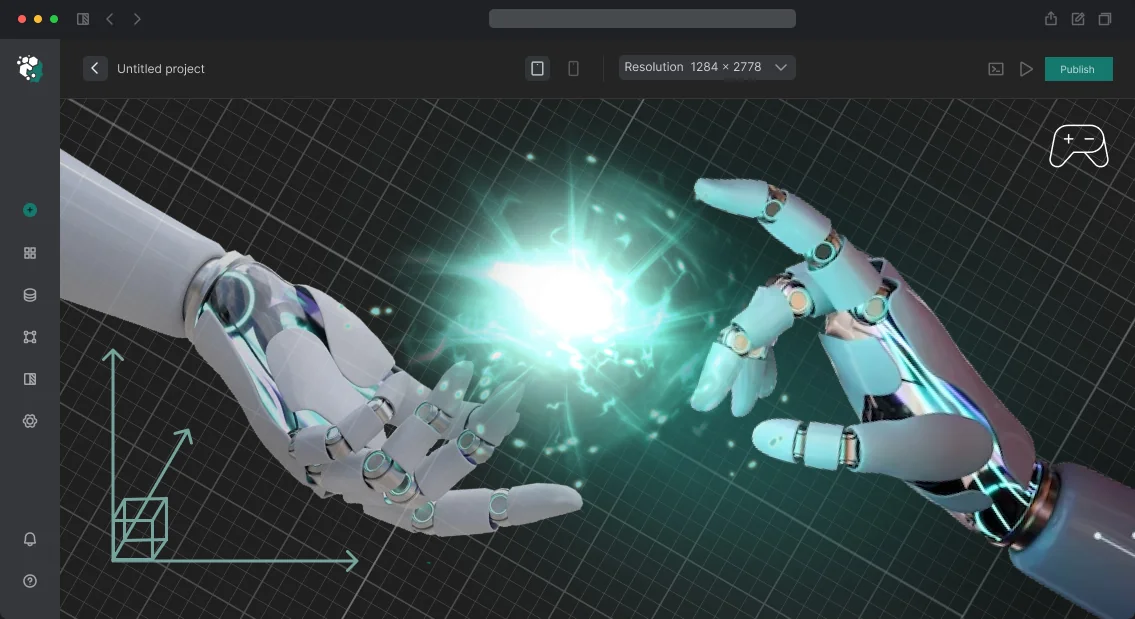
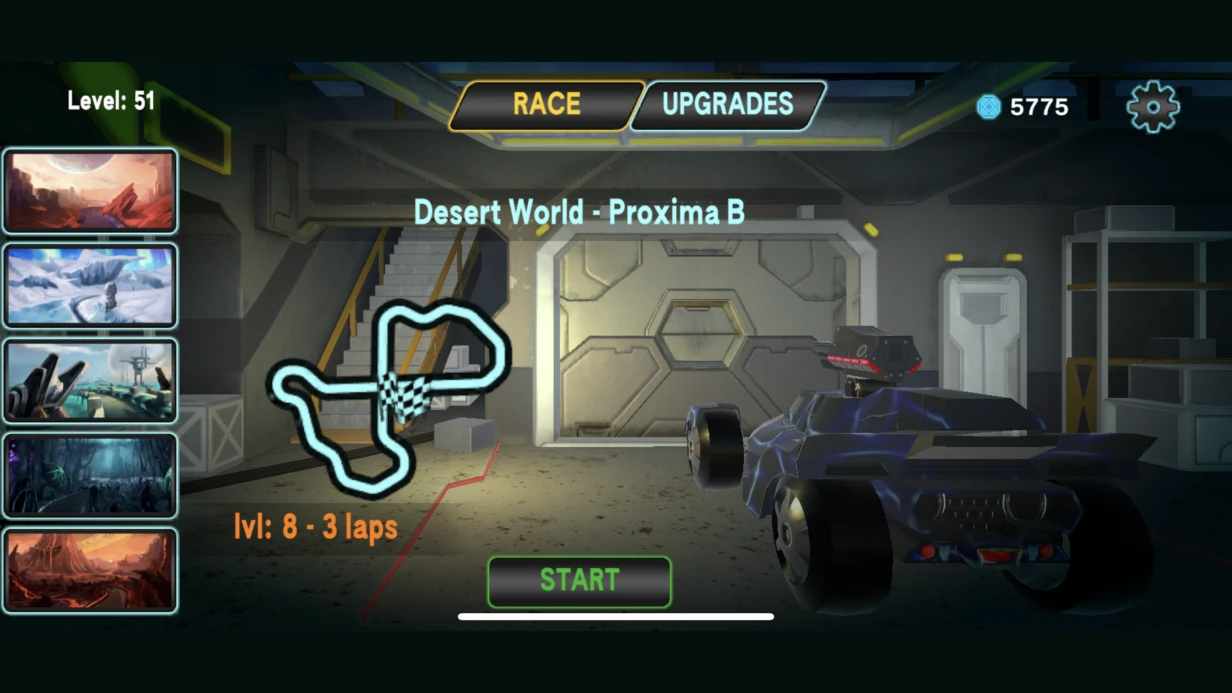

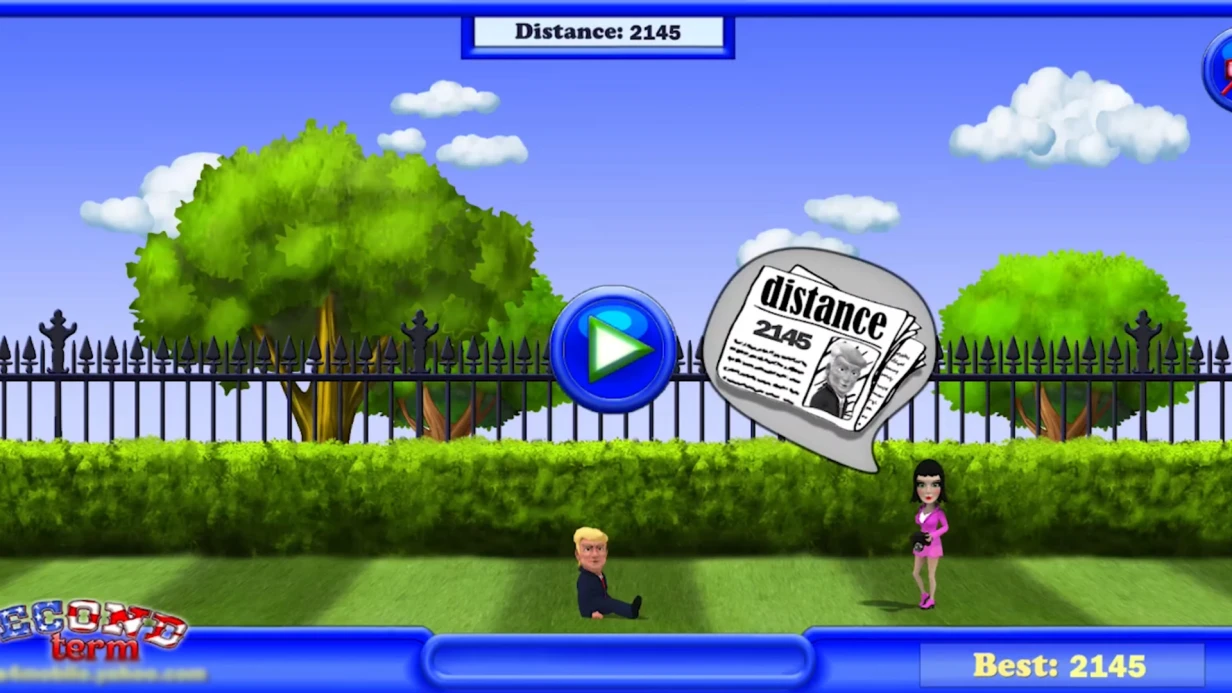
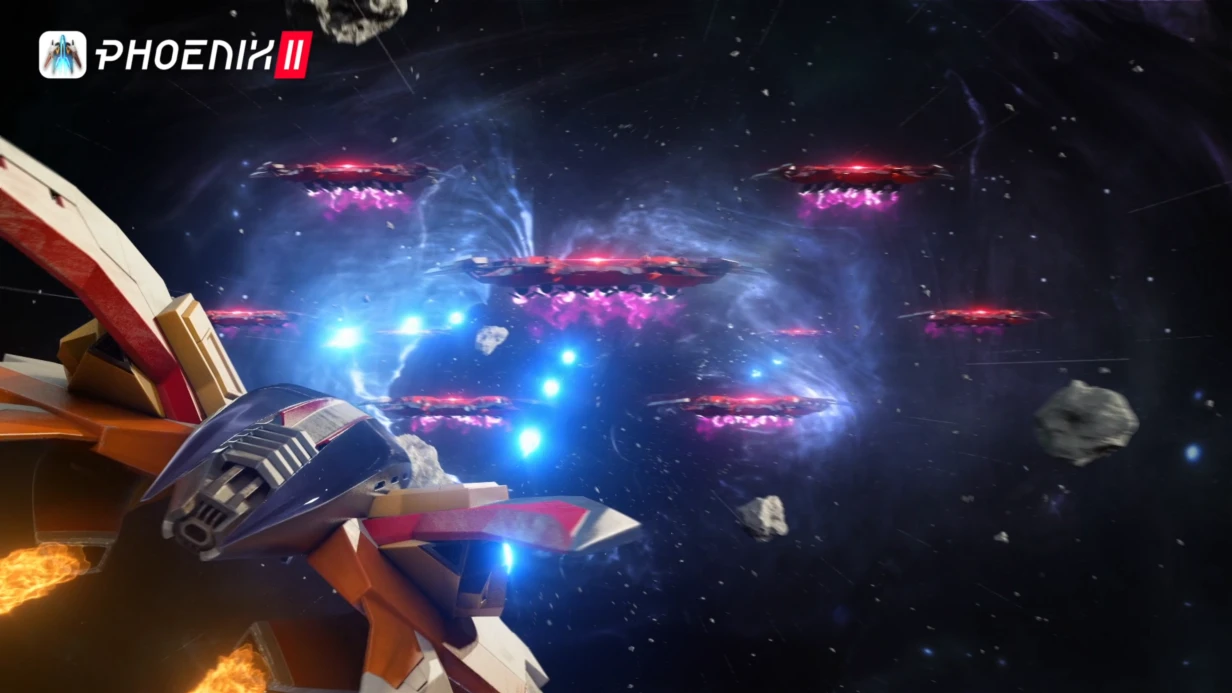
הסצנה לא נקראת: איפה נשבר ה-colour key
השחקן נכנס לשלב ולא מבין לאן להסתכל: הדמות נעלמת על הרקע, האויב מתמזג עם התפאורה, ורמז חשוב נבלע בתאורה צבעונית. הסיבה כמעט אף פעם לא בכך ש"האמנים ציירו רע" — פשוט תאורת השלבים ומפתחות הצבע נבנו לפי השראה, ולא לפי שיטה.
ה-colour key במשחק הוא חוזה עם הצופה. הוא קובע איזה מקור אור הוא הראשי, מה נקרא כחם ומה כקר, איזה צבע אחראי על סכנה, איזה על פרס ועל הדרך. כל עוד אין חוזה כזה, כל סצנה חדשה מוסיפה רעש: האובייקטים על המסך מתמזגים, והשחקן מבזבז קשב לא על המשחק, אלא על פענוח התמונה.
מבחינתכם זה ניכר בתיקונים. השלב נבנה מחדש בפעם החמישית, הצוות שוקע בשיפורים אינסופיים, לוחות הזמנים נדחקים, והסגנון הוויזואלי של המשחק בכל זאת לא נזכר: השחקן לא יספר עליו לחבר, והפריים לא יזוהה בפיד.
אנחנו סוגרים את זה עם תרשים. מפתח צבע אחיד, אור ככלי ניווט, סדרי עדיפויות של קריאות — איפה השחקן, איפה האיום, איפה הרמז, ואיפה סתם רקע. הגרפיקה מפסיקה להתווכח עם עצמה, והצוות חוסך שבועות של תיקונים בכל שלב עוקב.
מה משתנה כשהאור והצבע עובדים לפי כללים
סגנון ויזואלי אחיד מפסיק להיות משאלה והופך לכלי עבודה. כשעבור כל סצנה מוגדרים מראש מפתח צבע (colour key) ותכנית תאורה, האמנים, מעצבי השלבים והבמאים מקבלים החלטות באותה היגיון — בלי תיקונים אינסופיים של "תעשו את זה חם יותר". התוצאה: המשחק מזוהה לפי פריים אחד, ולא לפי הלוגו בפינה.
עבור המפיץ זה רווח ישיר בקידום. טריילרים, צילומי מסך, ארטים מרכזיים וחומרים לחנויות נאספים מהר יותר ונראים אחיד, כי אין צורך "למתוח" פריימים ידנית.
שחקן שראה את המשחק באוסף קורא את האווירה והז'אנר שלו תוך שניות — זה מעלה באופן ניכר את השימור במפגשים הראשונים, כי הציפייה מהכריכה תואמת את מה שהאדם רואה בפנים.
הייצור נעשה צפוי. סצנות מובנות וכללי אור מאושרים מפחיתים את מספר העבודות מחדש: התיקונים נוגעים לפרטים, ולא לסצנה כולה, ולכן הגרפיקה מתקדמת בצורה חלקה יותר והסטודיו מספיק לעמוד באבני הדרך בלי ריצות מטורפות.
רווח נפרד הוא היכולת להתרחב. לוקיישנים חדשים, הרחבות ותוכן עונתי נבנים על בסיס קיים: הצוות לא צריך להמציא מחדש את השפה הוויזואלית בכל פעם, וקבלנים ועובדים חדשים משתלבים בעבודה מהר יותר.
ולבסוף, תמונה אחידה נמכרת טוב יותר: ברור יותר מה להראות לעיתונות ולשותפים, וקל יותר לשמור על זיהוי הסדרה מפרויקט לפרויקט.
פורמטים של עבודה עם colour key לפי משימת הפרויקט
אנחנו מתאימים את הפורמט למשימה, כדי שהלקוח ישלם רק על הנפח שבאמת משפיע על התוצאה: מעבודה עם שלב אחד ועד מערכת תאורה אחידה לכל המשחק. להלן תרחישים אופייניים, שאיתם פונים אלינו לרוב.
| פורמט | למי | מה נותן ללקוח |
|---|---|---|
| תרשים חד-פעמי לסצנה אחת | לצוותים שצריכים לסגור במהירות שלב מסוים | מפתח צבע מוכן: האמנים ומעצבי השלבים עובדים לפיו בלי ניחושים ותיקונים מיותרים |
| מערכת לכל הפרויקט | לפרויקטים עם עשרות לוקיישנים ומספר צוותים | שפה ויזואלית אחידה — השחקן לא מאבד התמצאות, והסטודיו חוסך זמן על תיאומים |
| ליווי הפרויקט | לסטודיוס שיש להם אמן תאורה משלהם | תמיכה שוטפת: תיקונים, בחינת נקודות מחלוקת, בקרת שלמות התמונה לקראת ההשקה |
| שדרוג תרשים קיים | למי שכבר יש ויזואל, אבל הוא "מתפרק" לקראת הסיום | כיוונון מחדש מדויק בלי לבנות את כל הפרויקט מחדש |
אם אינכם בטוחים איזה פורמט מתאים לכם — נדון במשימה: נעבור על חומרי הפרויקט, נקבע את הנפח ונחזור עם הערכה ותכנית. אפשר להתחיל מסצנה אחת, ואחר כך להרחיב את העבודה למערכת תאורה כוללת ולליווי מתמשך של הצוות.
איך מתנהל הפרויקט: מהבריף ועד הליווי
חשוב ללקוח לראות באיזה שלב נמצא הפרויקט ואיפה נדרשת ההחלטה שלו. לכן אנחנו מנהלים את העבודה בשלבים קצרים עם נקודות בקרה: אתם יודעים מראש מה תקבלו בסוף כל שלב וכמה זמן הוא ייקח.
- בריף ומטרות. דנים בז'אנר, בקהל, בפלטפורמות וברפרנסים, ומקבעים איזה רושם צריכה הגרפיקה ליצור ואיך השחקנים יראו אותה.
- תכנית ומפתחות צבע. מרכיבים תכנית עבודה ותרשימי תאורה: לכל סצנה מגדירים colour key — אווירה, ניגודיות, הדגשות — ומאשרים זאת לפני ההתחלה.
- אישור שלבים. מציגים גרסאות ביניים בבלוקים קטנים, כדי שתיקונים לא יצטברו לקראת הסוף ולא יהפכו לבנייה מחדש של כל המשחק.
- יישום. המהנדסים שלנו מרכיבים את הסצנות ומכווננים את האור כך שהסגנון יישאר אחיד בכל הלוקיישנים ובכל הפלטפורמות.
- קבלה. בודקים את התוצאה לפי רשימה מאושרת: קריאות הסצנות, שלמות התמונה, התנהגות במכשירים חלשים.
- השקה. מעבירים את החומרים לצוות שלכם או מוציאים עדכון בעצמנו ומלווים את הימים הראשונים אחרי ההשקה.
- תמיכה. נשארים בקשר: מפתחים לוקיישנים חדשים, אירועים עונתיים ומתקנים את מה שהשחקנים הגיבו עליו.
בכל שלב אתם רואים תוצאה מוכנה ומחליטים אם ממשיכים הלאה או משנים משהו — בלי הפתעות בסוף הפרויקט.
מה ייכלל באספקה ויישאר בידי הצוות שלכם
אנחנו מוסרים לא אוסף של תמונות יפות, אלא כלי עבודה שבאמצעותו הצוות שלכם יוכל להרכיב סצנות חדשות בלעדינו. הרכב האספקה נקבע מראש, כך שאתם רואים מראש מה בדיוק יישאר בסטודיו אחרי מסירת הפרויקט.
- מפת colour key לפי סצנות. מסמך אחיד שבו רואים איך משתנה האווירה: איפה האור חם ואינטימי, איפה קר וחרד, ואיך זה קשור לעלילה.
- תרשימי תאורה מוכנים. פירוט לכל סצנה — איפה מקור האור המרכזי, איפה הממלא, איפה ההדגשות. הבמאי פותח את התרשים ומשחזר את התוצאה, במקום לבחור תאורה מחדש.
- פלטות לצוות. מערכי צבעים בפורמטים לעבודה: האמן לוקח מערך מוכן ומצייר מיד, במקום שעות של חיפוש גוונים.
- כללים לשימוש בצבע. בשפה פשוטה: מה אפשר לשנות בלי לאבד, ומה ישבור את הזיהוי של המשחק בלוקיישנים חדשים.
- הסברים לאמנים. ניתוחים קצרים עם דוגמאות — למה הסצנה נראית בדיוק כך ואיך לחזור על המהלך הזה בפרק אחר.
- סדר העדכון. הוראות כיצד להוסיף דמויות ולוקיישנים בלי לסטות מהתמונה הכוללת של העולם.
- מסירת החומרים. כל הקבצים המקוריים, מבנה תיקיות ברור וניתוח משותף עם ארט-ליד שלכם, כדי שהצוות יתחיל לעבוד מיד.
בסופו של דבר נשאר לכם לא צ'אט במסנג'ר, אלא סט מסמכים על הסגנון הוויזואלי שישרוד החלפת קבלנים וגדילה של הצוות.
מקרה בוחן: אור וצבע מאוחדים החזיקו את השחקנים
הפרויקט Ashen Rift הגיע אלינו כשהמשחק כבר היה בנוי, אבל לא החזיק: שחקנים עברו את הלוקיישן הראשון ועזבו. הבעיה לא הייתה במכניקה, אלא בגרפיקה — האור עמד כרקע אחיד, אובייקטים חשובים הלכו לאיבוד, והעולם נקרא כאפור ונטול אופי. ביקורות השחקנים הראשונים אישרו זאת: "יפה, אבל לא ברור לאן ללכת".
הרכבנו מחדש את התאורה ואת מפתחות הצבע למשימת השימור. לכל אזור הוגדרו מפתח צבע ותפקיד משלו: במקום שבו השחקן מקבל החלטה — האור מוביל ומדגיש את המטרה, במקום שצריך מתח — עובדים הניגודיות והצל.
המהנדסים שלנו משתמשים בכלים מקצועיים מוכחים, ולכן הסצנות נבדקו בתנועה ובהגדרות גרפיקה חלשות — כפי ששחקן מהשורה יראה אותן.
תוצאות החודש הראשון אחרי העדכון:
- חלק השחקנים שהגיעו ללוקיישן השני גדל בשליש;
- מפגש המשחק הממוצע התארך בכ-40%;
- החזרות ביום השני גדלו ברבע;
- התלונות "לא ברור ומשעמם" מביקורות כמעט נעלמו.
מנהל הפרויקט ניסח את התוצאה כך: "קודם תיקנו את האור באקראי. עכשיו יש תרשים שלפיו הצוות מוסיף לוקיישנים בלעדינו — והם נראים כחלק מעולם אחד".
אחרי זה הכינו תאורה לשני עדכונים נוספים והעברנו לסטודיו מסמך עם התרשים, כדי שהוא יפתח את המשחק בעצמו. דוגמאות לעבודות דומות נמצאות בפורטפוליו: שם רואים איך אותו עולם נקרא לפני ואחרי כיוונון האור והצבע.
איך לבחור פורמט עבודה לפרויקט שלכם?
התבססו על היקף הפרויקט ועל מי ימשיך את העבודה אחרינו. אם צריך להראות סצנה אחת — טריילר, חתך אנכי, הדגמה למשקיעים — די בתרשים חד-פעמי: אנחנו מגדירים את מפתח הצבע, האור והאווירה של הפרק, והצוות שלכם ממשיך לשחזר אותם לפי הדוגמה.
מערכת נדרשת כשלפניכם עשרות לוקיישנים, כמה בלוקים עלילתיים וצוות אמנים גדל. אז אנחנו מרכיבים מפתחות צבע לסצנות העוגן וכללים שלפיהם האור והצבע נמשכים דרך כל המשחק: איך הפלטה משתנה מאזורים שקטים למתוחים, איפה חם וקר מתנגשים, ומה נשאר קבוע כדי שהשחקן יזהה את העולם מהפריים הראשון.
בדרך כלל ארבע שאלות מסירות את הספקות. כמה סצנות ולוקיישנים עוד לפניכם? יש בצוות אדם שיוביל את הוויזואל הלאה? האם הסגנון האמנותי מקובע או שעדיין משתנה? וכמה יעלה שדרוג אם יהיה צורך לקבל החלטה באמצע הייצור?
במקום שבו התשובות הן "הרבה", "לא" ו"הסגנון זורם", תרשים חד-פעמי כמעט תמיד מתברר כיקר יותר ממערכת.
הקל ביותר להתחיל בניתוח המשימה. הראו דוגמאות שאהבתם, ספרו מה לא מתאים במצב הנוכחי, איזה נפח עוד לפניכם ואילו מועדים בוערים. נחזור עם הערכה ותכנית ונאמר ישירות היכן די לכם בתרשים אחד והיכן המערכת תחזיר את ההשקעה כבר בלוקיישן השני או השלישי.
חששות של לקוחות: עונים ישירות
לקוחות מגיעים עם אותם חששות: האם התמונה לא תתפרק על מסכים אחרים, האם התיקונים לא יימשכו חודשים ומי יישאר לצדם אחרי יציאת המשחק. עונים ישירות, בלי מילים כלליות.
מה אם משהו יישבר אחרי ההשקה?
האחריות לתוצאה מעוגנת בחוזה, ותקופת התמיכה אחרי ההשקה נדונה כבר בהתחלה. אם סצנה נעשתה כהה מהמתוכנן, או שהצבעים סטו במכשירים חדשים — נברר את הסיבה ונתקן בלי ויכוחים על מי באחריות. אנחנו נשארים בקשר גם אחרי יציאת המשחק, ולא נעלמים יחד עם הדוח האחרון.
מי אחראי על התיקונים והשיפורים?
תיקונים הם חלק מהעבודה, ולא בקשה נפרדת. אנחנו מקבעים מראש כמה סיבובי אישור נכללים בפרויקט ואיך נספרים שינויים מעבר לכך. הלקוח תמיד רואה אילו שיפורים נכנסים בשלב הנוכחי ואילו משנים את הנפח ואת לוחות הזמנים.
איך אתם מפחיתים את סיכוני הפרויקט?
עובדים בשלבים קצרים ומראים תרשימי תאורה ומפתחות צבע בחלקים — אפשר לשנות החלטה לפני שהושקעו בה כוחות הצוות. כל שלב מסתיים בתוצאה שאפשר לראות על המסך ולשפוט.
תארו את המשימה — נחזור עם הערכה ותכנית שבה מפורטים בנפרד לוחות הזמנים, נפח התיקונים והתמיכה אחרי ההשקה.נדון במשימה שלכם ונחזור עם תכנית
פנייה לפרויקט היא לא בריף של ארבעים עמודים. די לתאר את הרעיון: ז'אנר, פלטפורמות, מה כבר קיים — קונספט, רפרנסים, עבודות ראשוניות. נשאל שאלות הבהרה ונתאם זמן לשיחה.
בשיחה המשימה נדונה בשפת התוצאה: איזה חוויה מקבל השחקן, מה חשוב להספיק עד ההשקה, איפה צווארי הבקבוק בלוחות הזמנים. זו שיחה עניינית, לא מצגת — ואם המשימה לא מתאימה לנו, נגיד זאת ישירות.
- דיון במשימה. שיחה עם המפתח הראשי ומנהל הארט: מטרות, קהל, רפרנסים, מגבלות זמנים.
- הערכת הפרויקט. מחשבים את עומק העבודה לפי שלבים, מציגים טווח לוחות זמנים והרכב צוות לנפח שלכם.
- תכנית עבודה והרכב השלבים. מקבעים סדר פעולות: אב-טיפוס, חתך אנכי, הרכבה, בדיקות, השקה.
- מפתחות צבע (colour key) ותאורה. מגדירים פלטה ותרשים אור לפי אווירת הסצנות, כדי שהגרפיקה תיקרא בכל מכשירי השחקנים.
- אישור ותחילת העבודה. מסכמים על נקודת הצגה של התוצאה הראשונה, סדר התיקונים ותאריך ההתחלה.
אחרי השיחה יהיו בידיכם הערכת הפרויקט, תכנית העבודה וסדר התחלה ברור. תארו את המשימה — נחזור עם תכנית ולוחות זמנים בתוך יום עבודה.